 The Greatest Music
The 100 Most Important Records Ever Made
Weight: 35%
How much this list influences our overall rankings. Higher weight means more reliable data.
Penalties Applied:
In June 1992 (Issue 100), The Wire marked its 100th issue with “The Top 100”: an unranked, chronological sweep of what it called the most significant records of the 20th century. It’s a very “Wire” canon—spanning early blues/jazz and modern composition through rock, hip-hop, electronic music, and global/field recordings—less a mainstream greatest-hits list than a map of boundary-pushing audio history.
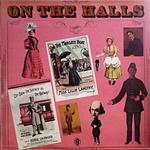
#1 — On the Halls by Various Artists
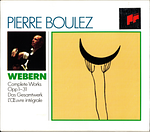
#2 — Complete Works Op. 1 - Op. 31 by Anton Webern, Pierre Boulez, Heather Harper, Charles Rosen, Juilliard String Quartet, London Synphonic Orchestra
#4 — Le sacre du printemps / Firebird by Игорь Фёдорович Стравинский, The Cleveland Orchestra, Chicago Symphony Orchestra, Pierre Boulez
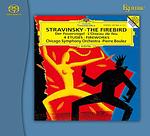
This album pairs Igor Stravinsky's Firebird and Le sacre du printemps in performances led by Pierre Boulez with the Cleveland Orchestra and the Chicago Symphony Orchestra. The program contrasts Firebird's early, lush orchestral colors and melodic sweep with the later Rite's driving rhythms, sharp dissonances, and primitivist energy. Boulez's approach favors clear articulation and structural clarity, bringing out orchestral detail and rhythmic precision across both works while highlighting the composer’s shift in style and orchestral language.
#5 — Bartók at the Piano by Béla Bartók
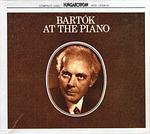
This 1991 album features Béla Bartók at the piano performing his own piano works; the performances emphasize a percussive, rhythmically driven approach and the fusion of Eastern European folk elements with modernist harmonic language, offering a direct sense of the composer’s articulation, phrasing, and expressive use of dissonance.
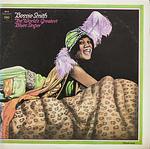
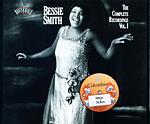
The Complete Recordings, Volume 1 presents early Bessie Smith performances from the classic blues era, featuring her powerful, emotive vocal delivery set against piano, horn, and small-group jazz-accompaniment textures. The collection highlights the close relationship between blues and early jazz in her recordings, with arrangements that range from spare to full and that place emphasis on dramatic phrasing and storytelling. As representative material from Smith's recorded output, the album showcases why she is a central figure in 1920s and 1930s American blues.
#8 — Empty Bed Blues by Bessie Smith
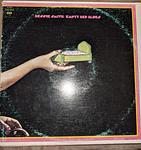
#9 — The Empress by Bessie Smith
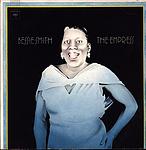
The Empress, by Bessie Smith, presents her commanding, deeply emotive blues vocals rooted in the classic blues era, with jazz-influenced accompaniment such as piano, brass, and rhythm sections. Smith's delivery combines raw power and subtle phrasing, often using call-and-response with instrumentalists and a direct storytelling approach. Her work on this album exemplifies the vocal intensity and urban blues sensibility that influenced later blues and jazz singers.
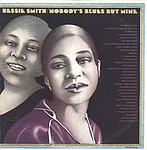
#10 — Nobody's Blues But Mine by Bessie Smith
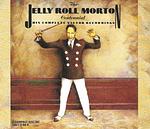
This 1990 centennial compilation collects Jelly Roll Morton’s Victor-era sides from the 1920s, showcasing his merging of ragtime, blues and early jazz with a strong stride-influenced piano style. The set alternates solo piano pieces and small-group ensemble tracks that display Morton’s rhythmic inventiveness, tight arrangements and use of stop-time and ensemble effects, and it serves as a central document of his role in shaping the piano-based jazz tradition.
#13 — Founder of the Delta Blues by Charley Patton
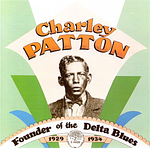
Founder of the Delta Blues (1989) presents recordings by Charley Patton that exemplify his raw, rhythmic Delta blues style. Patton's rough, expressive vocals and percussive acoustic guitar, with occasional slide work, foreground rhythm and vocal personality over studio polish. The album showcases the spare, direct performances that helped establish the sound and phrasing later adopted across country and urban blues, and it underlines Patton's role as a foundational figure in the Delta blues tradition.
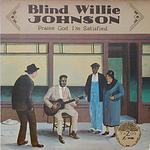
This compilation presents Blind Willie Johnson's austere gospel blues, built around his raw slide guitar and deep, rasping voice. The tracks emphasize religious themes delivered in a stark, intimate acoustic setting, with Johnson's bottleneck technique and call-and-response phrasing giving the songs a haunting, meditative quality. The recordings capture the direct, devotional character of early country blues gospel and illustrate Johnson's role as a formative figure whose sound has resonated with later blues, folk, and experimental artists.
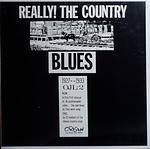
#17 — The Complete Recordings by Robert Johnson
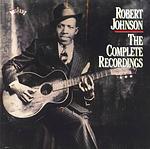
The Complete Recordings (1990) collects the surviving 1936 and 1937 field recordings of Robert Johnson, presenting his solo Delta blues performances of voice and acoustic guitar. The album showcases Johnson's intricate fingerpicking, bottleneck slide work, spare rhythmic drive, and lyrical themes of love, travel, and the supernatural, delivered with a raw, intimate sound that reflects the era's recording conditions. These performances are widely regarded as foundational for later blues and rock guitarists and helped codify many motifs of the blues repertoire.
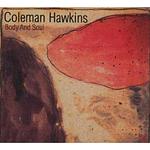
#21 — Body and Soul by Coleman Hawkins
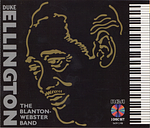
The Blanton-Webster Band is a compilation of Duke Ellington Orchestra recordings from the early 1940s that showcases a blend of swing, blues, and sophisticated orchestral arranging. The title highlights bassist Jimmy Blanton and tenor saxophonist Ben Webster, whose distinctive solos and tones are prominent, and the set emphasizes Ellington’s skill at writing for individual instrumental voices and varied textures. The music alternates driving big-band swing with intimate blues-inflected pieces and inventive ensemble color, and this era is often cited as a high point in Ellington’s band history.
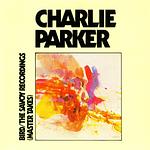
Bird/The Savoy Recordings (Master Takes) collects Charlie Parker's Savoy-era sessions, showcasing his pioneering bebop language in compact small-group settings. The album highlights Parker's virtuosic, rapid alto sax lines, advanced harmonic maneuvering, and close interplay with the rhythm section, producing recordings notable for their intensity, clarity of improvisation, and their central role in the development of modern jazz.
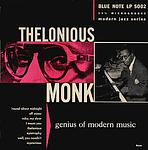
Genius of Modern Music, Volume 1 collects Thelonious Monk's early Blue Note recordings from the late 1940s and presents his formative contributions to bebop. The music centers on Monk's angular, percussive piano, unconventional harmonies, and distinctive rhythmic twists, with compact small-group performances of many of his original compositions that later entered the modern jazz repertoire. The set captures his blend of sharp dissonances, melodic hooks, and sly humor, offering a clear window into the development of his singular approach to composition and improvisation.
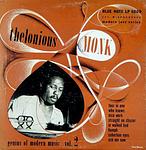
Genius of Modern Music, Volume 2 collects early small-group recordings that showcase Thelonious Monk's distinctive approach to bebop, marked by angular melodies, unexpected dissonances, and a percussive, space-conscious piano touch. The sessions emphasize tight, compact arrangements and rhythmic surprises that frame Monk's idiosyncratic compositions and improvisations. The album is notable for documenting Monk's formative voice in modern jazz and his move away from conventional bebop toward a more singular, compositional style.
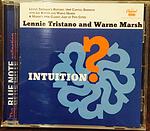
#26 — Intuition by Lennie Tristano
#28 — Messiaen: Turangalîla Symphony / Takemitsu: November Steps by Olivier Messiaen, 武満徹, Toronto Symphony Orchestra, 小澤征爾
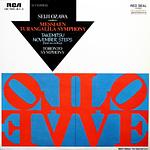
This 1968 pairing features Olivier Messiaen's Turangalîla-Symphonie and Toru Takemitsu's November Steps performed by the Toronto Symphony Orchestra under Seiji Ozawa. Messiaen's Turangalîla is a large-scale, coloristic symphony that prominently uses solo piano and the ondes Martenot, marked by dense orchestral sonorities, rhythmic vitality, and ecstatic, melodic gestures. Takemitsu's November Steps brings traditional Japanese instruments, notably biwa and shakuhachi, into dialogue with a Western orchestra, emphasizing timbral contrast, space, and atmospheric texture. Together the works present complementary mid-20th century approaches to orchestral color and the blending of Eastern and Western musical elements.
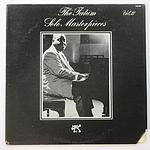
The Tatum Solo Masterpieces, Vol. 11 (1981) collects solo piano performances by Art Tatum that emphasize his virtuosity and harmonic inventiveness within jazz and swing. The recordings feature his trademark rapid runs, intricate voicings, and stride-influenced left-hand rhythms alongside lyrical ballad passages, offering compact examples of his improvisational approach to standards. Listeners can expect dense harmonies, dazzling technical statements, and inventive reworkings of familiar tunes.
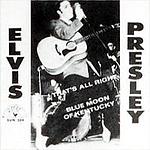
That's All Right / Blue Moon of Kentucky is the 1954 debut single Elvis Presley recorded at Sun Studio with guitarist Scotty Moore and bassist Bill Black. The record pairs a sped up, blues-derived reading of Arthur Crudup's "That's All Right" with a country waltz reworking of Bill Monroe's "Blue Moon of Kentucky," exemplifying the raw, genre-blending rockabilly sound that marked Elvis's early style. Sparse, rhythmic accompaniment, prominent slap bass, and Presley's emotive vocal delivery give the sides a loose, live-in-the-studio feel that helped bridge rhythm and blues with country traditions.
#32 — Julie Is Her Name by Julie London
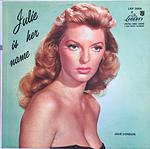
Julie Is Her Name (1955) is Julie London’s debut album, built around her smoky, intimate vocal style and spare guitar and bass accompaniment. The record emphasizes torchlike interpretations at relaxed tempos and introduced her signature reading of "Cry Me a River." Its minimalist arrangements and close-miked delivery helped define her cool, seductive persona within midcentury vocal jazz.
#33 — Songs for Swingin' Lovers! by Frank Sinatra
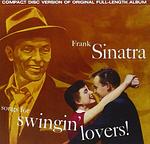
Songs for Swingin' Lovers! (1956) is a studio album by Frank Sinatra arranged and conducted by Nelson Riddle. It features bright, swinging big band arrangements that highlight Sinatra's rhythmic phrasing and relaxed, conversational delivery across lively uptempo numbers and softer romantic tunes. The record exemplifies Sinatra's mid 1950s work in traditional pop and vocal jazz, notable for tight horn charts, clear studio production, and a focus on swing-inflected interpretations of the American songbook.
#34 — Saxophone Colossus by Sonny Rollins
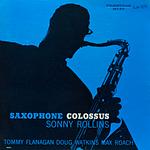
Saxophone Colossus (1957) is a hard bop album by tenor saxophonist Sonny Rollins that showcases his robust tone, melodic invention and extended improvisations. Backed by Tommy Flanagan on piano, Doug Watkins on bass and Max Roach on drums, Rollins blends bebop language, blues feeling and calypso-tinged melodies, most famously on "St. Thomas." The extended tune "Blue 7" is notable for its thematic development and conversational group interplay, and the record is widely regarded as a landmark in Rollins' career and in postwar jazz.
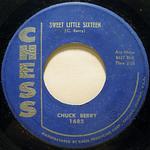
This 1958 collection highlights Chuck Berry's energetic, guitar-driven take on rock and roll, anchored by the singles "Sweet Little Sixteen" and "Reelin' and Rockin'". The performances feature his signature single-note guitar riffs, steady boogie rhythms, and conversational, narrative lyrics about youth and rock culture, capturing the raw, live-in-studio sound and songwriting style that were central to his mid 1950s work.
#37 — Kind of Blue by Miles Davis
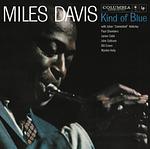
Kind of Blue is a 1959 album by Miles Davis that helped define modal jazz with a spare, lyrical approach that emphasizes modes and scales rather than dense chord progressions. Recorded with a sextet including John Coltrane, Cannonball Adderley, Bill Evans, Paul Chambers, and Jimmy Cobb, the music is spacious and understated, featuring extended improvisation on pieces such as "So What" and "All Blues" and blending elements of cool jazz, hard bop, and post-bop. Its subdued tone, focus on melody, and subtle group interplay make it widely regarded as a landmark in modern jazz.
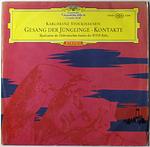
Gesang der Jünglinge / Kontakte (1962) pairs two landmark Karlheinz Stockhausen works that helped shape early electronic music. Gesang der Jünglinge integrates a recorded boy soprano with electronically generated tones and tape splicing, using multichannel spatialization to merge voice and synthetic material. Kontakte examines relations among pitch, rhythm, timbre, and spatial placement through precisely organized electronic sounds and, in some versions, percussion and piano, with careful attention to timbral transformation and motion in space.
#40 — Change of the Century by Ornette Coleman
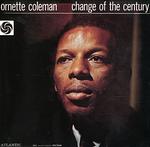
Change of the Century (1960) is Ornette Coleman's second Atlantic-era album featuring Don Cherry on pocket trumpet, Charlie Haden on bass, and Billy Higgins on drums. The music advances Coleman's early free jazz approach by omitting chordal instruments and foregrounding melodic invention, collective improvisation, and flexible rhythmic pulse. Tracks unfold from concise themes into open improvisations that emphasize lyricism and interplay over conventional harmonic progressions, making the album an important early document of the free jazz movement.
#41 — Out of the Cool by The Gil Evans Orchestra
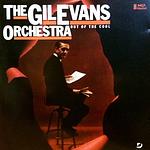
Out of the Cool, recorded in 1961 by the Gil Evans Orchestra, presents Evans's orchestral take on modern jazz, combining big band scale with chamberlike colors and hard bop and contemporary jazz sensibilities. The arrangements emphasize rich reed and brass voicings, unusual instrumental colors, and wide dynamic contrasts that alternate tightly scored ensemble passages with open space for improvisation. The album showcases a spacious, cinematic palette that helped expand the vocabulary of large ensemble jazz.
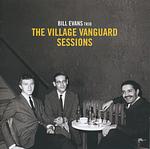
This release draws on the Bill Evans Trio's live performances at the Village Vanguard in 1961 and showcases their intimate, conversational piano trio approach. The music is lyrical and introspective, built on fluid, interactive interplay among Evans, bassist Scott LaFaro and drummer Paul Motian, with LaFaro's melodic bass lines and the trio's spontaneous dynamics central to the sound. These recordings are regarded as landmark documents in the development of modern jazz piano trio playing.
#43 — More From The Vanguard by Bill Evans
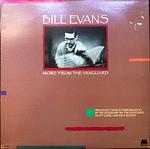
#45 — Green Onions by Booker T. & the MG's
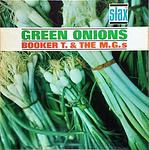
Green Onions, recorded by Booker T. & the MG's in 1962, is an instrumental record built around Booker T. Jones's Hammond organ and a tight rhythm section with Steve Cropper on guitar, Lewie Steinberg on bass, and Al Jackson Jr. on drums. Its spare, blues-tinged grooves combine soul, R&B, early funk and rock and roll elements, with the title track's organ riff exemplifying the concise, groove-oriented sound associated with early Memphis soul and instrumental R&B.
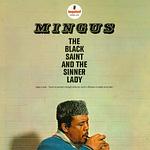
The Black Saint and the Sinner Lady (1963) is an extended suite by bassist-composer Charles Mingus that blends hard bop intensity, Third Stream orchestration and avant-garde jazz impulses. Mingus combines tightly arranged ensemble passages and chamber-like colors with improvisational solos, shifting between muscular brass statements, lyrical string-inflected textures and rhythms that recall Latin and flamenco influences. The album is notable for its ambitious compositional scope, dramatic contrasts and the way it foregrounds narrative and emotional development within a large-jazz-ensemble setting.
#48 — King of Kings by Ezz Reco And The Launchers
#49 — Spiritual Unity by Albert Ayler Trio
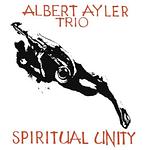
Spiritual Unity is a 1965 album by the Albert Ayler Trio that presents Ayler's raw, tenor saxophone-led improvisations supported by the elastic, time-free interplay of bassist Gary Peacock and drummer Sunny Murray. The music foregrounds simple, hymnlike or folk-derived motifs that are stretched into intense, collective improvisations with wide vibrato and a raw tonal edge rather than conventional harmony. Its sparse trio setting and uncompromising sound are often cited as an influential statement in the development of free jazz and avant garde saxophone playing.
#50 — Louie Louie by The Kingsmen
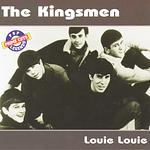
#51 — Out to Lunch! by Eric Dolphy
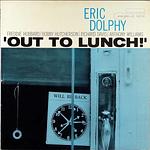
Out to Lunch! is Eric Dolphy's 1964 Blue Note album that pushes hard bop into avant-garde territory with tightly arranged yet adventurous compositions. Dolphy's alto saxophone, bass clarinet, and flute are heard against Freddie Hubbard's trumpet, Bobby Hutcherson's vibraphone, Richard Davis's bass, and Tony Williams's drums, and the music is notable for wide intervallic leaps, unconventional time feels, abrupt textural shifts, and a balance of written material and free improvisation. The record highlights Dolphy's distinctive timbres and exploratory approach to harmony and rhythm and is widely regarded as a defining example of 1960s exploratory jazz.
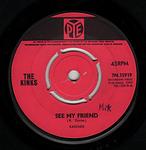
See My Friends / Never Met a Girl Like You Before (1965) pairs the Kinks' single "See My Friends," built around a sustained, Indian-influenced drone and a spare, ringing guitar texture that hinted at emerging psychedelic sounds, with the more straightforward pop-rock cut "Never Met a Girl Like You Before." The record captures Ray Davies' move from raw rock and roll toward more textural arrangements and melodic, song-oriented writing, juxtaposing a haunting, atmospheric approach with concise, accessible rock and pop sensibilities.
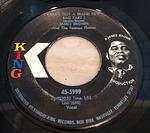
Papa's Got a Brand New Bag (1965) by James Brown & The Famous Flames blends soul and R&B with early elements of funk. The album features the title track's emphasis on syncopated rhythms, punchy horn charts, and tight, percussive grooves that point toward Brown's later funk work. Vocals center on Brown's forceful, rhythmic delivery with backing harmonies from The Famous Flames, while the band supplies driving drums and choppy guitar patterns, reflecting a shift toward more rhythm-focused arrangements in his mid 1960s recordings.
#55 — Highway 61 Revisited by Bob Dylan
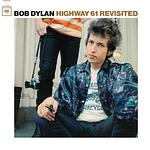
Highway 61 Revisited, released in 1965 by Bob Dylan, marks a decisive shift from acoustic folk toward a fuller electric rock and blues rock sound. The album combines conversational, often surreal lyrics with band arrangements that feature electric guitar, piano and organ, moving between propulsive, riff-driven tracks and slower, blues-inflected numbers. Its songs expand folk storytelling into longer, more free-associative forms and place literary, image-rich writing into a rock context, making the record a notable turning point in Dylan's work and 1960s popular music.
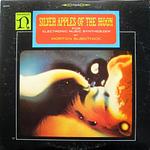
Silver Apples of the Moon (1967) by Morton Subotnick is a two-part electronic composition created on a Buchla modular synthesizer. Its sound emphasizes sculpted, abstract electronic timbres, shifting rhythmic impulses, and studio-shaped gestures rather than conventional melody, placing it at the intersection of electronic, experimental, and modern classical practice. Noted as an early work conceived specifically for the recorded medium, it is often cited for its influence on subsequent approaches to synthesis and studio composition.
#58 — A Love Supreme by John Coltrane
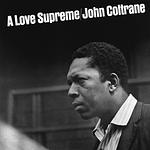
A Love Supreme is a four-part suite recorded by John Coltrane's classic quartet and released in 1965. The music combines modal and post-bop language with a devotional, intense approach, built around a persistent four-note motif and sustained improvisation that showcases Coltrane's tenor saxophone alongside McCoy Tyner's harmonically rich piano, Elvin Jones's propulsive drumming, and Jimmy Garrison's anchoring bass. The album is widely regarded as a defining statement of spiritual jazz and a turning point toward more exploratory, devotional directions in Coltrane's work.
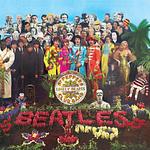
Sgt. Pepper's Lonely Hearts Club Band is a 1967 Beatles album that blends rock, psychedelic rock, baroque pop and pop with extensive studio experimentation. It features layered production, orchestral arrangements, unusual instrumentation and song sequencing that create a loose concept-album feel, and includes tracks such as "Lucy in the Sky with Diamonds", "Eleanor Rigby", "With a Little Help from My Friends" and "A Day in the Life". The album is often described as a milestone in popular music for its ambitious production and its expansion of pop and rock sounds.
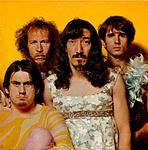
We’re Only in It for the Money (1968) by The Mothers of Invention is a satirical concept album led by Frank Zappa that critiques 1960s counterculture and pop music by using parody, sharp lyrics and collage techniques. Musically it blends rock foundations with orchestral touches, doo-wop pastiche, tape collage, musique concrète and studio-manipulated electronic effects, producing abrupt shifts, dissonant arrangements and a deliberately confrontational, experimental sound.
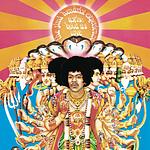
Axis: Bold as Love, released in 1967 by the Jimi Hendrix Experience, deepens the band's blend of blues rock and psychedelic experimentation with more studio-oriented textures and inventive guitar work. The album features layered and effect-driven electric guitar, melodic touches and quieter acoustic moments alongside driving rock passages, supported by the tight rhythm interplay of Mitch Mitchell and Noel Redding. It documents Hendrix moving beyond raw live energy into more varied songwriting and studio arrangements that explore mood, tone and sonic color.
#62 — Dance to the Music by Sly & the Family Stone
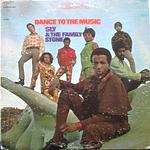
Dance to the Music (1968) by Sly & the Family Stone is a horn-driven, dance-oriented record that blends funk, psychedelic soul, rock, and soul into tight, rhythmically charged arrangements. The album emphasizes group vocals, call-and-response hooks, syncopated grooves, and psychedelic production touches that give even its poppiest moments a raw, experimental edge. Its title track and surrounding material present a more arranged, party-ready direction for the band while retaining their eclectic, socially aware sensibility.
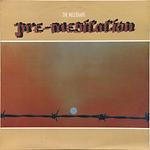
#63 — Pre‐Meditation by The Melodians
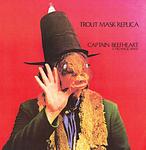
Trout Mask Replica (1969) by Captain Beefheart and His Magic Band is a dense, challenging record that fuses Delta blues foundations with avant-garde and free jazz approaches. Its arrangements feature jagged rhythms, abrupt tempo changes, dissonant horns, and raw, shouted vocals paired with surreal, collage-like lyrics, producing an abrasive and unpredictable sound. The album is often cited as a key work of experimental rock and proto-punk for its uncompromising structures and lasting influence on underground and alternative music.
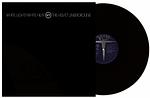
White Light/White Heat, The Velvet Underground's 1968 album, is a deliberately abrasive and experimental record that pushes the band's art rock and proto-punk tendencies into raw noise and improvisation. The production is rough and immediate, with John Cale's electric viola, distorted guitars, and Lou Reed's deadpan vocals combining on short, jagged songs and the sprawling, feedback-heavy centerpiece "Sister Ray". Lyrically the album confronts drug use, sexuality, and urban alienation with stark directness. Its abrasive sound and willingness to embrace distortion and free-form jams have made it an influential touchstone for later punk and noise rock developments.
#66 — Let It Bleed by The Rolling Stones
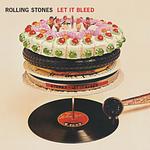
Let It Bleed is a 1969 Rolling Stones album that moves the band toward a rawer, roots-oriented sound blending blues rock, hard rock, country and gospel-tinged elements. The record balances loose, electric blues numbers with acoustic and country textures and longer, more expansive rock pieces, with songs such as "Gimme Shelter" and "You Can't Always Get What You Want" exemplifying its dramatic, often dark tone. Production favors a gritty, live-in-the-studio feel, and the songwriting reflects a more mature, unsettled mood compared with the group's earlier pop-oriented work.
#67 — Scott 3 by Scott Walker
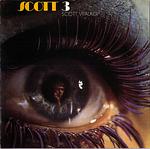
Scott 3, released in 1969, is Scott Walker's third solo album and a distinctive example of late 1960s baroque pop and art pop. Largely composed of Walker originals, it pairs his deep, dramatic baritone with chamber-style orchestral arrangements to create a melancholic, cinematic atmosphere and often cryptic, introspective lyrics. Tracks such as "It's Raining Today" and "30 Century Man" illustrate the record's blend of lush strings, subtle brass and theatrical phrasing, marking a move toward more personal and experimental territory in Walker's work.
#68 — Look‐Ka Py Py by The Meters
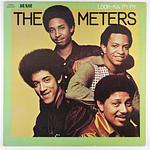
Look-Ka Py Py, credited to New Orleans group The Meters and dated 1970, is a compact set of rhythm-driven instrumentals that blend funk, jazz, and soul. The album emphasizes tight, interlocking grooves built from syncopated guitar, lean organ lines, steady bass and crisp drumming, with sparse vocal touches; its lean arrangements and pocketed rhythms exemplify the band’s New Orleans-informed approach to early funk.
#69 — Fun House by The Stooges
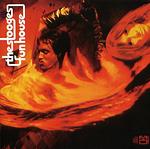
Fun House, released in 1970 by The Stooges, is a raw and abrasive record that helped define proto-punk and garage rock. The album pairs Iggy Pop's urgent, confrontational vocals with Ron Asheton's distorted, loose guitar and a driving rhythm section, while Steve Mackay's freewheeling saxophone adds a chaotic, improvisational live feel. Its stripped-down arrangements, high-energy performances, and abrasive sound capture a direct, confrontational intensity that influenced later punk and hard rock bands.
#70 — Third by Soft Machine
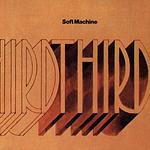
Third is a 1970 double LP by Soft Machine characterized by four extended, side-length pieces that move away from conventional song structures toward extended instrumental exploration. The music blends jazz improvisation and harmonic complexity with progressive and psychedelic textures, featuring organ, saxophone, bass and drums and occasional vocals within loosely composed suites. The album is often cited as a key moment in the band's shift into jazz-rock and experimental progressive territory and reflects the exploratory spirit of the Canterbury scene.
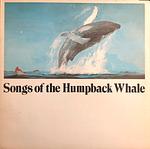
Songs of the Humpback Whale, compiled by bioacoustician Roger Payne and released in 1970, is an album of extended field recordings capturing humpback whale vocalizations. The material foregrounds low-frequency moans, complex phrase structures and recurring melodic motifs that unfold over long cycles, producing a meditative and often haunting listening experience rather than conventional songs. The release is notable as one of the first widely distributed presentations of whale song and helped bring broader public attention to whale behavior and marine conservation.
#72 — Led Zeppelin by Led Zeppelin
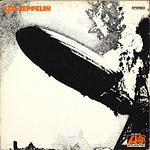
Led Zeppelin's 1969 debut is a raw, blues-rooted hard rock album that introduced the band's heavy, riff-driven sound. It combines electrified blues interpretations and original compositions with acoustic interludes, showcasing Jimmy Page's layered guitar production, Robert Plant's expressive vocals, John Paul Jones's versatile arrangements, and John Bonham's powerful drumming. The record's emphasis on distorted guitar tones, dynamic shifts and extended arrangements helped establish a blueprint for much of late 1960s and 1970s hard rock and early heavy metal.
#73 — Music in Twelve Parts by Philip Glass
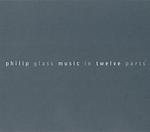
Music in Twelve Parts, in this 1996 recording by Philip Glass, is an extended cycle of twelve interrelated pieces that exemplify his minimalist techniques. The music unfolds through repeated motifs and gradual, phased transformations, producing layered, trance-like textures driven by rhythmic propulsion and shifting harmonic patterns. Scored for an amplified ensemble with acoustic instruments, the cycle showcases Glass's focus on long-form process and is a central work in his early minimalist output.
#74 — In Concert 1972 by Ravi Shankar, Ali Akbar Khan, Alla Rakha
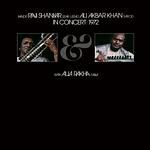
In Concert 1972 (1973) pairs sitarist Ravi Shankar and sarod master Ali Akbar Khan with tabla virtuoso Alla Rakha in a live Indian classical performance. The recording emphasizes extended, improvisatory treatments of Hindustani ragas, unfolding from slow, meditative alap sections into more rhythmic, tabla-driven passages and energized melodic exchanges. The album highlights the dialog between sitar and sarod and the close rhythmic interplay that characterizes concert-style North Indian classical music.
#75 — Innervisions by Stevie Wonder
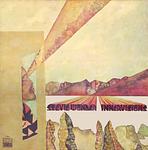
Innervisions, released in 1973, blends soul, funk, smooth soul and psychedelic soul into a studio-focused record built from warm electric pianos, layered synthesizers and tight funk rhythms. The album is notable for Stevie Wonder's multi-instrumental performances and production control, pairing intimate ballads with uptempo grooves and songs that explore social and personal themes through concise, melodic songwriting and rich, textured arrangements.
#76 — Let's Get It On by Marvin Gaye
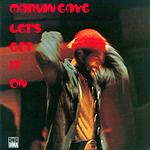
Let’s Get It On, released in 1973, is Marvin Gaye’s soulful, sensual album that emphasizes romantic and erotic themes through warm, intimate vocals and rich arrangements. Gaye produced and co-wrote much of the material, using layered harmonies, a breathy falsetto, and a blend of funk, pop soul, blues and gospel-inflected phrasing to create a smooth, seductive atmosphere. The album represents a shift toward more personal, adult subject matter within the Motown framework and helped shape the sound of later R&B and soul recordings.
#77 — Can't Buy a Thrill by Steely Dan
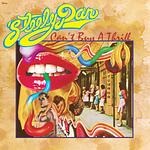
Can't Buy a Thrill is Steely Dan's 1972 debut album that introduced Donald Fagen and Walter Becker's blend of pop rock and jazz-inflected songwriting. It pairs catchy, radio-friendly rhythms with sophisticated harmonic arrangements, polished studio production, and literate, often ironic lyrics, and features early singles 'Do It Again' and 'Reelin' in the Years'. The album's use of session musicians and tight vocal harmonies points toward the studio-centered approach the duo would develop on later records.
#78 — Ladies of the Canyon by Joni Mitchell
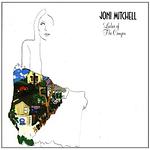
Ladies of the Canyon, released in 1970, finds Joni Mitchell expanding from spare folk toward fuller arrangements that blend acoustic folk, folk rock and pop with jazz-inflected harmony. The album balances intimate, character-driven songs about California life and community with more immediate tracks such as "Big Yellow Taxi", all anchored by Mitchell's distinctive guitar tunings, pianism and conversational vocal delivery. The title track and others on the record show a growing sophistication in melody and arrangement that points toward her subsequent work.
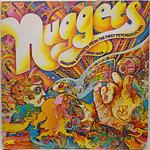
Nuggets: Original Artyfacts From the First Psychedelic Era, 1965–1968 is a 1972 compilation assembled by Lenny Kaye that collects mid 1960s garage rock and early psychedelic singles. The selections emphasize raw, guitar-driven arrangements, fuzz and organ textures, concise song structures and direct vocal delivery, moving between punchy three-minute rockers and more experimental psychedelic moments. The compilation presents a snapshot of regional US bands whose rough-hewn sound and studio oddities trace a line from amateur garage rock toward the broader psychedelic sensibilities of the late 1960s.
#80 — Catch a Fire by The Wailers
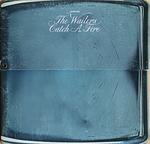
Catch a Fire, released by The Wailers in 1973, is a roots reggae album that blends traditional Jamaican rhythms with rock-influenced production and soulful vocals. Produced for Island Records by Chris Blackwell, the record features fuller arrangements and a cleaner mix that brought the group's Rastafarian-themed lyrics and dub-tinged grooves to a broader audience, while retaining the rhythmic emphasis and bass-driven pulse of reggae. Its sound marked a turning point in how reggae was presented internationally and remains a frequently referenced work in the genre.
#81 — Soon Over Babaluma by Can
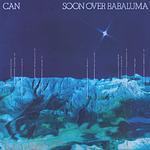
Soon Over Babaluma (1974) is Can's first studio album after vocalist Damo Suzuki left and marks a shift toward denser electronic and studio-based experimentation. The record blends the band's trademark hypnotic rhythms with expanded keyboard textures, tape manipulation, and fragmented vocal contributions from band members, producing a moodier, more atmospheric take on Krautrock that balances rock-based grooves with avant garde and electronic soundscapes.
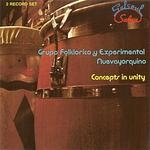
#83 — Horses by Patti Smith
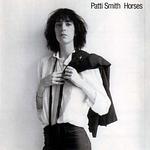
Horses, Patti Smith's 1975 debut, blends raw garage rock energy with art rock experimentation and proto-punk urgency. Produced by John Cale, the album pairs a spoken-word influenced vocal delivery and poetically charged lyrics with spare, driving arrangements built around guitar, piano, and drums. Its rough-edged production, confrontational performance style, and fusion of literary sensibility with rock idioms are often cited as influential on early punk and art punk movements, and the stark cover photograph by Robert Mapplethorpe complements the record's austere aesthetic.
#84 — Kalakuta Show by Fela Kuti, Africa 70
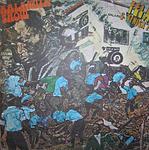
Kalakuta Show (1976) by Fela Kuti and Africa 70 is a raw example of mid 1970s Afrobeat, blending driving, polyrhythmic grooves with jazz-influenced horn arrangements and extended improvisatory passages. The record emphasizes layered percussion, tight horn riffs, and long vamps that create space for solos and call-and-response vocals, while Fela's delivery centers on socially charged themes tied to his Kalakuta Republic and critiques of Nigerian society. Musically it sits at the intersection of African rhythms, funk, and jazz, highlighting the ensemble interplay and trance-like momentum characteristic of Fela's work from this period.
#85 — Another Green World by Brian Eno
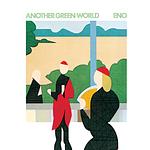
Another Green World, released in 1975, finds Brian Eno shifting from art rock toward ambient and experimental electronic composition. The album mixes a few vocal songs with mostly instrumental pieces, using treated keyboards, synthesizers, guitars and unconventional percussion to build sparse, textured soundscapes and melodic fragments. Its production emphasizes unusual timbres and layering, and the record marks a key step in Eno's development of ambient approaches to composition.
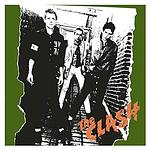
The Clash is the band's 1977 debut, a lean, hard-edged punk record that captures urgent, guitar-driven songs with politically charged lyrics. The album pairs fast, aggressive punk rock energy with traces of reggae and rockabilly influence, featuring punchy riffs, propulsive rhythms, and a raw, confrontational vocal style, and it helped define the sound of early UK punk.
#87 — Trans Europa Express by Kraftwerk
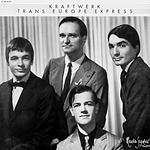
Trans-Europe Express, released in 1977 by Kraftwerk, is a landmark album of minimalist, machine-driven electronic music that helped shape late 1970s synth-based styles. It features steady, motorik-influenced rhythms, repetitive sequenced synthesizer lines, and vocoder-processed vocals that evoke themes of travel, technology, and modernity. The record's spare arrangements and emphasis on texture and groove marked a move toward fully electronic composition and influenced later electro, synth-pop, and experimental electronic artists.
#88 — Monoceros by Evan Parker
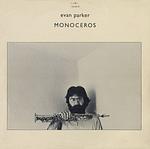
Monoceros (1978) is a solo soprano saxophone album by Evan Parker that documents his investigation of extended techniques within free improvisation. Parker uses circular breathing, multiphonics, harmonics and microtonal inflections to generate continuous streams of sound and dense textural webs, with long-form improvisations that emphasize timbre, breath and overtone relationships rather than conventional melody or steady pulse. The recording functions as a clear example of late 1970s British free improvisation and of Parker's emerging solo language.
#89 — Dub Housing by Pere Ubu
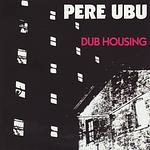
Dub Housing, Pere Ubu's 1978 album, expands the band's art punk approach into darker, more fragmented territory. Angular guitar and a taut rhythm sectionlock with Allen Ravenstine's scrunched analog synths and tape-echo treatments while David Thomas's staccato, idiosyncratic vocals push lyrics into oblique, theatrical territory. The record emphasizes repetition, space, and abrasive textures, blending experimental rock, post-punk, and new wave elements into a distinctive sound that helped define the band's challenging, unconventional approach.
#90 — Metal Box by Public Image Ltd
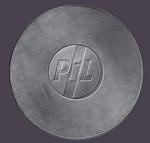
Metal Box, released in 1979 by Public Image Ltd, is a stark, experimental post-punk album that fuses deep dub-derived bass and studio effects with jagged guitar fragments and spare, often hypnotic song structures. Centered on Jah Wobble's low-end grooves, Keith Levene's metallic textures and John Lydon's idiosyncratic vocals, the record emphasizes space, repetition and abrasive ambient touches rather than conventional rock arrangements. Originally issued in a metal film canister, the album is notable for its unconventional production and packaging and for expanding the sonic possibilities of late 1970s post-punk.
#91 — Y by The Pop Group
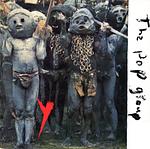
Y is The Pop Group's 1979 debut that fuses jagged post-punk attack with dub-influenced bass and studio effects, free-jazz saxophone touches, funk-derived rhythms, and abrasive, confrontational vocals and lyrics. The production foregrounds heavy low end and echoing space, creating an unsettling, dense sound that pushes rock toward experimental and avant-garde territory. Its tense interplay of danceable grooves, dissonant textures, and political urgency marks it as a distinctive statement within post-punk and art punk contexts.
#92 — Lulu by Alban Berg, Teresa Stratas, Orchestre de l'Opéra national de Paris, Pierre Boulez, Yvonne Minton, Hanna Schwarz, Franz Mazura, Kenneth Riegel, Toni Blankenheim, Robert Tear, Helmut Pampuch
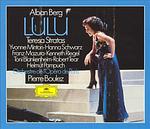
This 1979 studio recording of Alban Berg's opera Lulu features Teresa Stratas in the title role with Pierre Boulez conducting the Orchestre de l'Opéra national de Paris. Berg's score combines late-Romantic orchestration with twelve-tone and expressionist techniques, yielding dense, highly detailed textures and intense psychological drama. Boulez's interpretation emphasizes clarity and precision in the complex orchestral writing, while the soloists navigate technically demanding, highly expressive vocal lines, making the set a notable modern-era interpretation of the work.
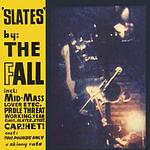
Slates is a 1981 EP by The Fall that condenses the band's post-punk approach into short, intense pieces. The sound is spare and jagged, driven by taut, repetitive rhythms, angular guitars and Mark E. Smith's caustic, talk-sung vocals, with lyrics that are cryptic and often darkly humorous. Its compact, abrasive style highlights the group's blending of punk energy with experimental textures and a stark, rhythmic focus.
#94 — The Adventures of Grandmaster Flash on the Wheels of Steel / The Party Mix by Grandmaster Flash, Grandmaster Flash & The Furious Five
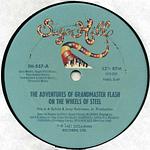
A 1981 release centered on Grandmaster Flash's landmark DJ work, this record presents a continuous, live-style mix that showcases turntable techniques like cutting, backspinning, and scratching over funk, disco, and early hip hop grooves. The sound is rhythmic and sample-driven, built as a party-friendly collage with rapid transitions and brief vocal drops, and it stands as an early recorded example of the DJ as a performing artist within hip hop culture.
Juju Music, released in 1982 by King Sunny Adé and His African Beats, presents a polished, electric interpretation of Yoruba juju music, combining interlocking guitar lines, layered percussion, pedal steel and keyboard textures with call-and-response vocals to create long, hypnotic grooves. The album is notable for its smooth production and for introducing juju's polyrhythmic structures and melodic sensibilities to listeners outside Nigeria, helping to raise King Sunny Adé's international profile.
#96 — Thriller by Michael Jackson
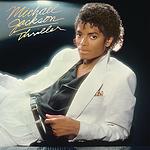
Thriller, released in 1982 and produced by Quincy Jones, is a pop and contemporary R&B album that blends dance-pop, disco, funk and rock elements. It is characterized by polished, cinematic production, tight rhythms, layered vocal harmonies and strong melodic hooks on tracks such as "Billie Jean", "Beat It" and "Thriller". Notable moments include Eddie Van Halen's guitar solo on "Beat It" and Vincent Price's spoken-word cameo on the title track. The record helped broaden Jackson's crossover appeal and played a significant role in shaping the era of high-concept music videos.
#97 — Zen Arcade by Hüsker Dü
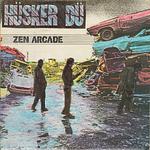
Zen Arcade, released in 1984 by Hüsker Dü, is an expansive double album that pushed the band beyond strict hardcore punk into more melodic and experimental territory. Presented as a loose concept story about a young person's escape and disillusionment, it combines ferocious punk energy with tuneful songwriting, brief acoustic passages and instrumental interludes, and occasional psychedelic or pop-leaning touches. The record is notable for its ambitious scope and for helping bridge hardcore punk with emerging alternative rock and post-hardcore approaches.
#98 — Minor Threat by Minor Threat
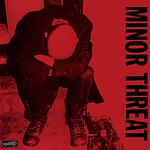
Minor Threat (1984) captures the band’s concise, high-energy hardcore punk with very short, rapid-fire songs, raw production, and urgent, shouted vocals. The sound emphasizes brisk, choppy guitar work and propulsive rhythms paired with direct, confrontational lyrics that include themes associated with the straight edge movement, and the record is often cited as an influential example of early American hardcore punk and the DIY ethic that shaped the scene.
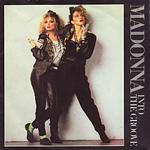
#99 — Into the Groove by Madonna
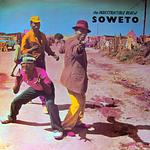
The Indestructible Beat of Soweto is a 1985 compilation of South African township music and mbaqanga by various artists. It collects upbeat, danceable tracks built around chiming electric guitars, driving bass and percussion, and layered vocal harmonies with prominent call-and-response arrangements. Released for international listeners, the compilation emphasizes the rhythmic energy and melodic hooks of mbaqanga and related urban pop styles from Soweto and other townships.
#101 — Record Without a Cover by Christian Marclay
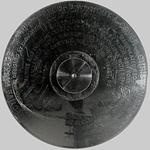
Record Without a Cover is an experimental turntable album by Christian Marclay that foregrounds the physicality of vinyl and the unpredictability of surface noise. The recordings blend turntable techniques, scratched and worn playback, found sounds, and elements of musique concrète, free improvisation, jazz-inflected gestures, and avant-garde composition to treat the record itself as both medium and instrument. Its conceptual focus on chance, degradation, and the audible traces of handling has made it a notable early statement in sound art and turntablism, emphasizing texture and process over conventional song structures.
#102 — Washing Machine by Mr. Fingers
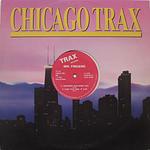
Washing Machine, credited to Mr. Fingers (Larry Heard) and released in 1986, presents a laidback, interior take on early Chicago house that helped shape the deep house sound. Long, meditative tracks favor warm, rounded synths and Fender Rhodes style chords, restrained drum programming, and spacious reverbs and delays that emphasize atmosphere and melody over club aggression. The album is widely regarded as an early and influential example of deep house, blending electronic production with a soulful, melancholic sensibility.