 The Greatest Music
100 Albums That Changed Music
Weight: 46%
How much this list influences our overall rankings. Higher weight means more reliable data.
Penalties Applied:
100 Albums That Changed Music (2006) is an editor-curated, essay-driven selection of albums chosen for historical impact and musical innovation, not simply “best albums.” Across rock, pop, soul, jazz, and more, each entry argues how and why the record shifted what came after—from canonical 60s/70s breakthroughs (e.g., Dylan/Beatles-era landmarks) to later genre-defining releases like Thriller, Nevermind, and Straight Outta Compton. Selection method: general editor + team of six contributors (so roughly a half-dozen voices rather than a mass vote).
#1 — Dust Bowl Ballads by Woody Guthrie
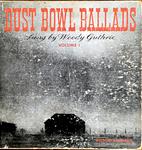
Dust Bowl Ballads (1940) is a collection of solo acoustic folk ballads in which Woody Guthrie chronicles life during the Dust Bowl and Great Depression. The recordings feature Guthrie's direct, narrative vocal style with simple guitar and occasional harmonica, combining personal storytelling, topical commentary, and vernacular phrasing. The sequence of related songs is often cited as an early example of a concept album and is regarded as an important document of American folk songwriting and social history.
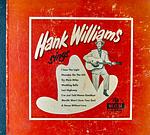
Hank Williams Sings (1949) captures Hank Williams with his backing band the Drifting Cowboys in a spare honky-tonk country style marked by plaintive vocals, twangy steel guitar, and simple fiddle-accompanied arrangements. The material centers on themes of heartbreak, loneliness, and faith, and showcases Williams's direct songwriting and emotive delivery that helped define the sound of postwar country music.
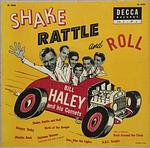
Shake, Rattle and Roll, recorded by Bill Haley and His Comets in 1955, collects energetic early rock and roll performances that blend rhythm and blues, country, and swing influences. The sound emphasizes a driving backbeat, punchy saxophone and electric guitar riffs, rollicking piano, and Haley's raw vocal delivery, with up-tempo arrangements of R&B-derived material including the title tune. The album illustrates the group's dance-oriented approach that helped define mid-1950s rock and roll sonically.
#4 — Elvis Presley by Elvis Presley
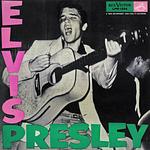
Elvis Presley (1956) showcases a young performer fusing rock and roll, rockabilly, pop, and rhythm and blues into a direct, guitar-driven sound. The record pairs raucous uptempo numbers with more melodic pop-leaning tracks, highlighting Elvis's energetic vocal delivery, twangy guitar, steady backbeat, and traces of country and gospel influence. Its raw immediacy and stylistic blend helped crystallize the early rock and roll aesthetic and introduce Elvis's charismatic presence on record.
#6 — Buddy Holly by Buddy Holly
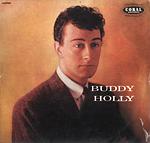
Buddy Holly is the 1958 self-titled debut album that captures Holly's blend of rockabilly, pop, and early rock and roll. The record features his clear, slightly hiccuping vocal style, chiming guitars and tight, economical arrangements that balance upbeat numbers with softer songs. Recorded with producer Norman Petty, the sessions employed early studio techniques such as overdubbing and double-tracking to broaden the sound. The album highlights Holly's concise, hook-oriented songwriting and is widely cited as an influential document of late 1950s rock.
#7 — Chuck Berry Is on Top by Chuck Berry
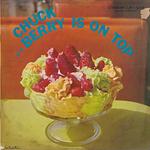
Chuck Berry Is on Top (1959) collects many of Chuck Berry’s mid-1950s singles into a single LP, highlighting his distinctive electric guitar riffs, driving rock and roll rhythms, and narrative songwriting. The tracks are generally short and punchy, built around catchy guitar hooks, boogie-inflected accompaniment, and lyrics that blend humor and storytelling, offering a concise portrait of Berry’s early style and its role in shaping the sound of rock and roll.
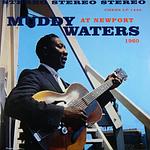
Muddy Waters at Newport 1960 is a live recording of Muddy Waters' performance at the 1960 Newport Jazz Festival that captures his electric Chicago blues in a festival setting. The set emphasizes amplified guitar and harmonica, a driving rhythm section, and raw, direct arrangements that highlight the power and immediacy of urban blues. The recording is notable for presenting Chicago blues to a broader festival audience and for conveying the onstage energy that influenced later blues and rock performers.
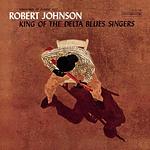
King of the Delta Blues Singers is a 1961 compilation of Robert Johnson's 1936 and 1937 recordings that showcases solo Delta blues with spare, intimate production. The tracks feature intricate fingerpicking, occasional slide guitar, and Johnson's expressive, often haunting vocals paired with lyrics about love, travel, and fate. The album helped bring Johnson's work to wider attention and has been frequently cited for its influence on later blues and rock musicians.
#10 — Showcase by Patsy Cline
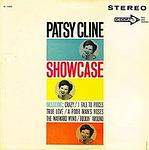
Showcase (1961) by Patsy Cline presents her blend of country and pop through the Nashville Sound, featuring polished arrangements and smoother rhythms that foreground Cline's rich, emotive contralto. Produced by Owen Bradley, the album pairs country instrumentation with string sections and background vocals to create a crossover-friendly sound that highlights Cline's phrasing and dramatic delivery, reflecting her early 1960s studio work and the era's move toward pop-oriented country production.
#11 — Howlin' Wolf by Howlin' Wolf
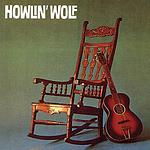
Howlin' Wolf is a self-titled album that captures the raw power of Chicago electric blues, centered on Howlin' Wolf's deep, guttural vocals and commanding presence. The recordings emphasize gritty, small-group arrangements with prominent electric guitar, harmonica, and a steady rhythm section, conveying a primal, unvarnished sound that influenced later rock and blues artists. As a document of his style, the album showcases his forceful delivery and the tense, driving grooves associated with mid 20th century Chicago blues.
#12 — The Freewheelin' Bob Dylan by Bob Dylan
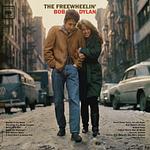
The Freewheelin' Bob Dylan, released in 1963 as Bob Dylan's second studio album, helped define his early voice in the 1960s folk revival. The record is built around sparse acoustic guitar and harmonica accompaniment and mixes traditional material with originals such as "Blowin' in the Wind", "A Hard Rain's a-Gonna Fall", "Masters of War", and "Don't Think Twice, It's All Right". Its songwriting foregrounds topical, poetic lyrics and draws on folk and blues influences within a contemporary folk framework.
#13 — Night Beat by Sam Cooke
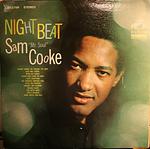
Night Beat, released in 1963, is an intimate, late-night album that spotlights Sam Cooke's voice with sparse, blues- and jazz-inflected arrangements. The record favors subdued, atmospheric backing over pop production, blending R&B and soul sensibilities with raw blues feeling and relaxed jazz touches, and serves as a poignant showcase for Cooke's interpretive phrasing and emotional range.
#14 — A Hard Day's Night by The Beatles
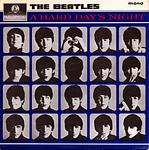
A Hard Day’s Night, the Beatles' 1964 soundtrack to their film of the same name, is built almost entirely from Lennon-McCartney compositions and crystallizes the group's early pop rock and beat sound. The record mixes concise, hook-driven songs and close vocal harmonies with jangly electric guitar textures, most famously the 12-string lead and the instantly recognizable opening chord of the title track. Songs range from driving rockers to melodic ballads and highlight punchy rhythmic interplay and melodic bass lines, marking a clear statement of the band’s songwriting focus during the early Beatles era.
#15 — Highway 61 Revisited by Bob Dylan
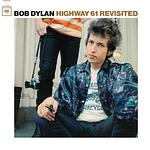
Highway 61 Revisited, released in 1965 by Bob Dylan, marks a decisive shift from acoustic folk toward a fuller electric rock and blues rock sound. The album combines conversational, often surreal lyrics with band arrangements that feature electric guitar, piano and organ, moving between propulsive, riff-driven tracks and slower, blues-inflected numbers. Its songs expand folk storytelling into longer, more free-associative forms and place literary, image-rich writing into a rock context, making the record a notable turning point in Dylan's work and 1960s popular music.
#16 — Going to a Go‐Go by The Miracles
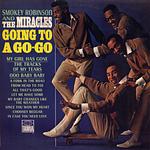
Going to a Go-Go is a 1965 album by The Miracles that exemplifies mid 1960s Motown soul, blending doo-wop harmony with pop soul polish. Led by Smokey Robinson's smooth vocals and songwriting, the record balances upbeat, danceable grooves with tender ballads and tight background harmonies, with production that emphasizes crisp rhythms, horns, and memorable melodic hooks. The album is representative of the group's role in shaping the Motown sound and its crossover approach to rhythm and blues and pop.
#17 — Aftermath by The Rolling Stones
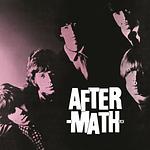
Aftermath (1966) marks the Rolling Stones' move from blues covers toward a fuller focus on original songwriting, notable as their first album comprised entirely of Jagger/Richards compositions. Musically it blends rock and blues roots with touches of folk, baroque and world-music colors, and it uses expanded instrumentation such as sitar and marimba to create distinctive textures. The record alternates riff-driven rock with quieter, more reflective moments and lyrics that probe domestic tensions and darker moods typical of the band's mid-1960s work.
#18 — Blonde on Blonde by Bob Dylan
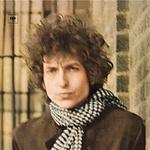
Blonde on Blonde (1966) is a sprawling double album by Bob Dylan that blends rock, folk, blues and country influences into full-band arrangements and more intimate acoustic moments. Its sound pairs loose, sometimes improvisational electric performances with dense, elliptical lyrics and distinctive vocal phrasing, moving between up-tempo rockers and long, meditative tracks. The album is notable for its ambitious scope and lyrical complexity, which helped shape popular music in the mid 1960s.
#19 — Pet Sounds by The Beach Boys
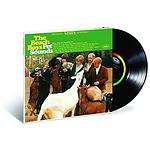
Pet Sounds is a 1966 studio album by The Beach Boys, largely written and produced by Brian Wilson. Musically it blends pop, baroque pop, psychedelic pop and rock with lush, chamber-pop influenced arrangements, inventive studio production and layered vocal harmonies. The record is notable for its introspective lyrics, unusual instrumentation and emphasis on studio experimentation that helped expand the sonic possibilities of pop music.
#20 — Freak Out! by The Mothers of Invention
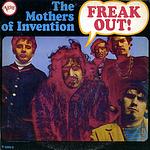
Freak Out! is the 1966 debut studio album by the Mothers of Invention, led by Frank Zappa, that blends psychedelic and experimental rock with doo-wop and avant garde touches. Presented as an early rock double album, it pairs satirical, often surreal lyrics about American culture with unconventional arrangements, sound collage techniques, and extended studio experiments that push beyond standard pop song forms. The record is widely noted for its ambitious scope and for bringing elements of experimental composition and studio manipulation into a rock context.
#21 — Fifth Dimension by The Byrds
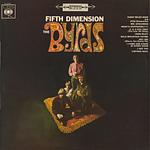
Fifth Dimension, released by the Byrds in 1966, pushes the band beyond their folk rock beginnings into a more experimental, psychedelic territory. The record pairs the group's signature chiming 12-string guitar and tight harmonies with modal and raga-tinged guitar lines, studio effects, and freer song structures, exemplified by "Eight Miles High." Tracks range from concise pop and Dylan interpretations to longer, more atmospheric pieces, and the album is notable as an early American move into psychedelic rock for the band.
#22 — Revolver by The Beatles
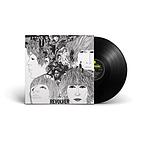
Revolver (1966) finds The Beatles shifting from straightforward pop toward more studio-focused, experimental songwriting and arrangements. Musically it blends rock and pop with psychedelic textures and elements drawn from classical and Indian music, featuring tight vocal harmonies, sharp electric guitar work, string arrangements on songs such as "Eleanor Rigby", George Harrison's sitar on "Love You To", and the tape-loop, drone-driven production of "Tomorrow Never Knows". The album is notable for its inventive studio techniques, varied song forms, and concise production that broadened the sonic palette of popular music recording.
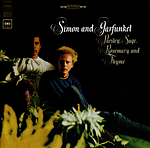
Parsley, Sage, Rosemary and Thyme, released in 1966 by Simon & Garfunkel, showcases Paul Simon's literate songwriting and the duo's close two-part vocal harmonies. The album blends acoustic folk roots with folk rock and touches of pop and chamber-style arrangements, moving between gentle guitar-driven songs and more ornate, layered textures. Its lyrical material mixes pastoral and urban imagery and the production emphasizes clear, intimate vocals and melodic interplay.
#24 — '66–'67 by The Creation
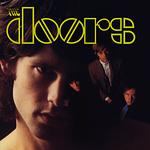
The Doors is the band's 1967 debut album that introduced their distinctive mix of psychedelic rock, blues rock, and acid-tinged atmospherics. Ray Manzarek's prominent electric organ and Jim Morrison's deep, poetic vocals shape a moody, nocturnal sound, while Robby Krieger's guitar and the rhythm section move between driving grooves and sparse blues. The record balances concise rock singles such as 'Break On Through' and 'Light My Fire' with extended, cinematic pieces like 'The End', blending improvisation, literary lyrics, and a darker, theater-influenced sensibility that helped define the band's early identity.
#26 — More of the Monkees by The Monkees
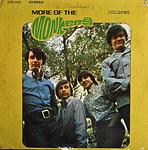
More of the Monkees, issued in 1967 as the group's second album, continues their blend of bright pop and pop rock with touches of beat music and rawer garage rock energy. The record emphasizes vocal harmonies and concise, hook driven songs and includes the Neil Diamond composition "I'm a Believer." Much of the album was shaped by producers and Brill Building songwriters working with experienced session musicians, resulting in a polished studio sound that still nods to 1960s garage and beat influences.
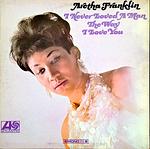
I Never Loved a Man the Way I Love You is Aretha Franklin's 1967 Atlantic breakthrough that crystallized her gospel-rooted, deeply soulful sound. Produced by Jerry Wexler and shaped by sessions at Muscle Shoals and in New York, the album blends Southern soul grooves, church-influenced vocals, and punchy horn and piano arrangements to create a raw, emotionally direct record. It includes the title track and her interpretation of Otis Redding's "Respect", and helped establish the vocal style and repertoire she became known for.
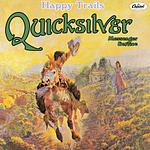
Happy Trails (1969) is a primarily live album by Quicksilver Messenger Service that showcases the band's blend of psychedelic rock, acid rock, and blues-tinged rock. The record emphasizes extended, improvisational guitar passages and fluid instrumental interplay, capturing a loose, live atmosphere that highlights the exploratory, jam-oriented side of late 1960s San Francisco rock. Its sound moves between reverb-soaked, atmospheric textures and more driving, rhythmically direct passages, making it a notable document of the period's live psychedelic performance.
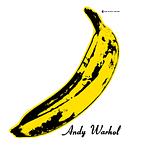
The Velvet Underground & Nico (1967) blends art rock, experimental and garage influences, pairing Lou Reed's stark songwriting and vocals with John Cale's abrasive viola and drone textures, Sterling Morrison's guitar and Maureen Tucker's spare percussion. Nico supplies detached lead vocals on a few tracks. The record mixes concise pop melodies with feedback, distortion and candid lyrics about urban life, sex and drug use, creating a raw, intimate sound that helped shape later art rock, punk and alternative music. Produced with Andy Warhol's involvement and notable for its banana cover, the album is distinguished by its experimental production and unconventional subject matter.
#30 — Tim Hardin 2 by Tim Hardin
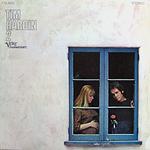
Tim Hardin 2 is a 1967 album that highlights Hardin's intimate, confessional songwriting delivered through fragile, emotive vocals and minimalist acoustic arrangements with occasional fuller instrumentation. The record blends folk and subtle rock textures and contains material that became widely covered by other artists, underscoring Hardin's influence on later singer-songwriters. Its mood mixes melancholy, tenderness, and melodic clarity rather than overt commercial production.
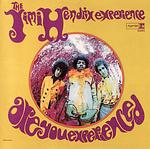
Are You Experienced is the debut album by the Jimi Hendrix Experience, released in 1967. It blends blues rock, psychedelic and acid rock with early hard rock, centered on Hendrix's inventive electric guitar playing and striking studio experimentation such as feedback, wah-wah textures, reversed tape effects, and layered overdubs. The record features concise originals and covers that range from fiery, riff-driven songs to atmospheric balladry, and is widely regarded as a landmark in guitar-led psychedelic rock.
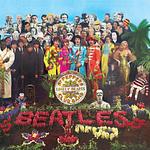
Sgt. Pepper's Lonely Hearts Club Band is a 1967 Beatles album that blends rock, psychedelic rock, baroque pop and pop with extensive studio experimentation. It features layered production, orchestral arrangements, unusual instrumentation and song sequencing that create a loose concept-album feel, and includes tracks such as "Lucy in the Sky with Diamonds", "Eleanor Rigby", "With a Little Help from My Friends" and "A Day in the Life". The album is often described as a milestone in popular music for its ambitious production and its expansion of pop and rock sounds.
#33 — Something Else by The Kinks by The Kinks
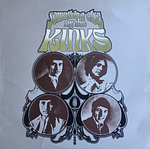
Something Else by The Kinks (1967) showcases Ray Davies' move toward more reflective, character focused songwriting, blending pop rock with baroque pop, folk rock and mod influences. The album pairs concise, melodic songs with chamber pop touches such as harpsichord and string arrangements and features wry, observational lyrics about English life and youth culture. Its pastoral textures and careful arrangements point toward the band’s subsequent, more nostalgic work.
#34 — Forever Changes by Love
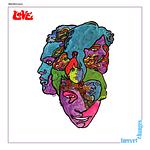
Forever Changes (1967) by Love blends folk rock, baroque pop, and subtle psychedelia into concise, orchestral-tinged songs. Arthur Lee's introspective and often unsettling lyrics sit against intricate acoustic guitar work and horn and string arrangements, creating a warm but melancholic chamber-pop sound that stands out in late 1960s American rock.
#35 — Truth by Jeff Beck Group
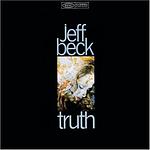
Truth, the 1968 debut by the Jeff Beck Group, pairs Jeff Beck's electric, improvisational guitar work with Rod Stewart's raw, blues-inflected vocals and a driving British blues rhythm section. The album mixes leaned-down blues covers and originals into a heavier, riff-driven sound that helped move blues rock toward early hard rock, and it includes the instrumental "Beck's Bolero", recorded with guest musicians including Jimmy Page. Overall Truth is distinguished by its dense guitar tones, searing solos, and a gritty approach to blues that marked a decisive shift from the more pop-oriented rock of the era.
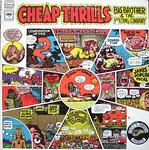
Cheap Thrills (1968) captures Big Brother & the Holding Company's raw, high-energy blend of blues-rooted rock and psychedelic experimentation, anchored by Janis Joplin's powerful, emotive vocals. The album emphasizes gritty guitar work, loose but driving rhythms, and an immediate, live-in-the-studio feel, with extended vocal phrasing and a rough-edged sonic intensity that reflects the late 1960s San Francisco psychedelic and blues-rock environment.
#37 — In-A-Gadda-Da-Vida by Iron Butterfly
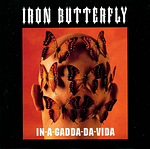
In-A-Gadda-Da-Vida is an organ-forward hard psychedelic rock album built around its long, immersive title track, which features extended organ and guitar passages and a prominent drum solo. The rest of the record pairs shorter, melodic songs with heavy, fuzzed guitar riffs and dense, hypnotic arrangements, giving the album a weighty, trance-like sound that sits between late 1960s psychedelia and early heavy rock.
#38 — Music From Big Pink by The Band
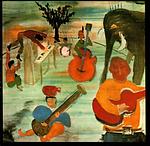
Music From Big Pink, released in 1968 by The Band, presents a warm, roots-based blend of rock, folk, country and Americana. The record emphasizes close ensemble vocals, piano and organ textures, and understated acoustic and electric guitar work, with narrative songwriting and roomy, organic arrangements. Emerging from the group’s work backing Bob Dylan, the album helped crystallize a roots rock approach and features songs such as "The Weight" and "Tears of Rage".
#39 — The Basement Tapes by Bob Dylan, The Band
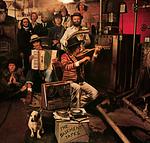
Released in 1975, The Basement Tapes compiles informal recordings Bob Dylan made with members of The Band in 1967 at the Big Pink house in West Saugerties, New York. The music blends folk, rock, and country rock with a loose, rootsy sound, featuring ensemble vocals, rustic arrangements, and off-the-cuff songwriting that mixes traditional forms and original material. The album is marked by its unpolished, collaborative atmosphere and helped shape later strands of Americana and roots rock.
#40 — Wheels of Fire by Cream
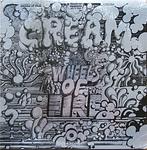
Wheels of Fire is a 1968 double album by Cream that pairs a studio disc with a live disc, showcasing the group's blend of blues rock, psychedelic rock, and hard rock. The studio side includes tightly arranged, studio-crafted songs such as "White Room" alongside more melodic and experimental pieces, while the live side highlights extended improvisation and the virtuosic interplay between Eric Clapton's guitar, Jack Bruce's bass and vocals, and Ginger Baker's drums, underlining the band's blues roots and psychedelic exploration.
#41 — Sweetheart of the Rodeo by The Byrds
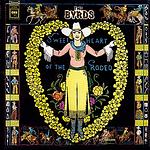
Sweetheart of the Rodeo is The Byrds' 1968 album that shifts the group's sound toward country rock, blending folk rock songwriting and rock rhythms with country instrumentation such as pedal steel and acoustic arrangements. Gram Parsons' involvement steered the record toward traditional country material and roots-flavored originals, delivered with close harmonies and a simpler, more direct production than the band's earlier psychedelic work, with songs like "Hickory Wind" exemplifying the album's tone. The record is widely regarded as an early and influential example of the country rock and Americana crossover.
#42 — The Beatles by The Beatles
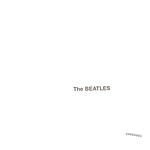
The Beatles, commonly known as the White Album, is a 1968 double album that captures the group's broad stylistic range across rock, pop, pop rock, experimental and hard rock. It moves between pared-back acoustic songs and concise pop tunes, heavier electric rockers and collage-like studio experiments, with a rawer, more immediate production and distinct individual songwriting voices. The minimalist white packaging complements the record's eclectic, personal character.
#43 — S.F. Sorrow by The Pretty Things
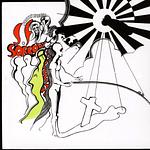
S.F. Sorrow, released in 1968 by The Pretty Things, is a psychedelic rock concept album that follows the life and trials of its titular protagonist. Musically it blends acid-tinged guitar work, melodic baroque-pop arrangements, Mellotron and orchestral touches, and studio experimentation to create a cinematic, often melancholic atmosphere. The album is frequently cited as an early example of a rock record built around a continuous narrative and is notable for its ambitious songwriting and atmospheric production.
#44 — Led Zeppelin x Led Zeppelin by Led Zeppelin
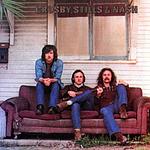
Crosby, Stills & Nash (1969) is the debut album by the trio, characterized by close three-part vocal harmonies, intertwining acoustic and electric guitars, and a blend of folk, rock and pop sensibilities. The record mixes tightly arranged harmony songs and more expansive, improvisatory moments, with tracks like "Suite: Judy Blue Eyes" and "Marrakesh Express" highlighting intricate vocal arrangements and guitar interplay. Lyrics move between personal reflection and broader late 1960s cultural references, and the album is often cited for helping to define the singer-songwriter and folk rock sound that followed.
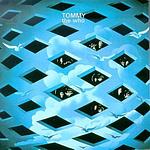
Tommy is a 1969 rock opera album by The Who that presents a largely continuous narrative about a boy described as deaf, dumb, and blind who later becomes a pinball champion and a messianic figure. Musically it blends hard rock guitar, driving rhythms, and melodic pop hooks with theatrical arrangements and recurring motifs, highlighting Pete Townshend's ambitious songwriting and the band's energetic performances. Its extended song cycles and focus on long-form storytelling helped popularize the concept album format in rock.
#47 — Stand! by Sly & the Family Stone
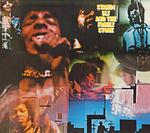
Stand! is a 1969 album by Sly & the Family Stone that fuses funk, soul and psychedelic rock into propulsive, rhythm-driven grooves and vibrant horn and keyboard textures. The band’s layered vocal harmonies, syncopated rhythms and pointed, inclusive lyrics balance danceable arrangements with experimental studio touches, reflecting a cross-genre approach that helped define their sound in the late 1960s.
#48 — Five Leaves Left by Nick Drake
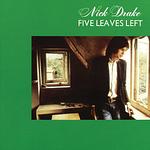
Five Leaves Left, Nick Drake's 1969 debut, pairs his intricate acoustic fingerpicking and hushed, melancholic vocals with restrained string and brass arrangements by Robert Kirby. The album blends English folk and chamber folk sensibilities with intimate singer-songwriter songwriting, emphasizing pastoral imagery, introspective lyrics, and subtle harmonic nuance. Its quiet, atmospheric production and focus on mood and texture helped establish it as an influential touchstone for later contemporary folk and British folk rock artists.
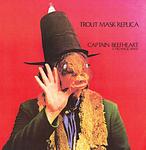
Trout Mask Replica (1969) by Captain Beefheart and His Magic Band is a dense, challenging record that fuses Delta blues foundations with avant-garde and free jazz approaches. Its arrangements feature jagged rhythms, abrupt tempo changes, dissonant horns, and raw, shouted vocals paired with surreal, collage-like lyrics, producing an abrasive and unpredictable sound. The album is often cited as a key work of experimental rock and proto-punk for its uncompromising structures and lasting influence on underground and alternative music.
#50 — Let It Bleed by The Rolling Stones
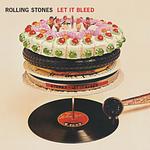
Let It Bleed is a 1969 Rolling Stones album that moves the band toward a rawer, roots-oriented sound blending blues rock, hard rock, country and gospel-tinged elements. The record balances loose, electric blues numbers with acoustic and country textures and longer, more expansive rock pieces, with songs such as "Gimme Shelter" and "You Can't Always Get What You Want" exemplifying its dramatic, often dark tone. Production favors a gritty, live-in-the-studio feel, and the songwriting reflects a more mature, unsettled mood compared with the group's earlier pop-oriented work.
#51 — Fun House by The Stooges
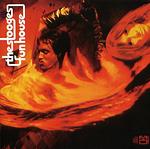
Fun House, released in 1970 by The Stooges, is a raw and abrasive record that helped define proto-punk and garage rock. The album pairs Iggy Pop's urgent, confrontational vocals with Ron Asheton's distorted, loose guitar and a driving rhythm section, while Steve Mackay's freewheeling saxophone adds a chaotic, improvisational live feel. Its stripped-down arrangements, high-energy performances, and abrasive sound capture a direct, confrontational intensity that influenced later punk and hard rock bands.
#52 — Black Sabbath by Black Sabbath
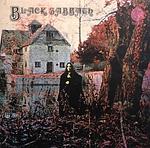
Black Sabbath is the band's 1970 debut that blends heavy blues rock and hard rock into a darker, riff-centered sound that helped define early heavy metal. The record features Tony Iommi's low, distorted guitar riffs, Geezer Butler's weighty bass, Bill Ward's forceful drumming, and Ozzy Osbourne's distinctive vocal style. Songs pair slow, ominous grooves with sharper, blues-based structures and lyrics that explore themes of fear, paranoia, and the supernatural, creating a heavy, unsettling atmosphere that influenced later metal and doom acts.
#53 — Back in the USA by MC5
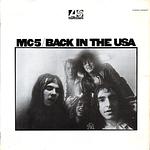
Back in the USA is MC5's 1970 studio album that channels the band's garage rock urgency into a more streamlined, rock and roll oriented sound. It pairs punchy guitar work and driving rhythms with tighter song structures and clearer production than their raw live debut, blending classic rock and roll influences with hard rock intensity while retaining a confrontational energy and immediacy.
#54 — Live at Leeds by The Who
Recorded at Leeds University in 1970, Live at Leeds captures The Who in a loud, raw live set that emphasizes hard rock and blues-rock intensity alongside the band's classic rock songwriting. The album features extended, high-energy performances, muscular guitar work from Pete Townshend, forceful vocals from Roger Daltrey, dynamic bass from John Entwistle, and frenetic drumming by Keith Moon, with a stripped-down, immediate sound that influenced subsequent live rock recordings.
#55 — Tapestry by Carole King
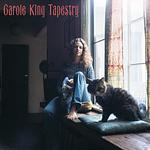
Tapestry is Carole King’s 1971 album characterized by an intimate, piano-centered singer-songwriter sound that blends folk rock, soft rock, and pop. The record features warm, conversational vocals and direct, personal songwriting supported by spare arrangements built around piano, acoustic guitar, and a restrained rhythm section. Its accessible melodies and confessional tone helped define the early 1970s singer-songwriter style and made several songs closely associated with King. Production is uncluttered, keeping the focus on her piano, voice, and songcraft.
#56 — Sticky Fingers by The Rolling Stones
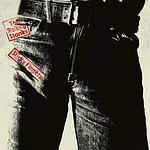
Sticky Fingers (1971) by the Rolling Stones blends rock, blues rock, hard rock, country rock, and rock and roll, alternating gritty electric numbers with quieter, country-influenced ballads. The record highlights the Jagger-Richards songwriting partnership and Keith Richards' guitar textures, and features tracks such as "Brown Sugar" and "Wild Horses." The album is also known for its Andy Warhol sleeve design and its turn toward a rawer, roots-oriented sound.
#57 — What's Going On by Marvin Gaye
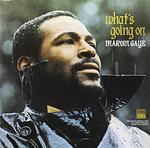
"What’s Going On" (1971) by Marvin Gaye is a cohesive, socially conscious soul album that blends Motown rhythm and smooth soul vocals with lush orchestral arrangements and jazz-influenced horns and strings. Gaye's intimate lead singing, layered background vocals, and subtle studio production create a reflective, spiritual atmosphere as the songs address themes such as war, urban poverty, policing, and environmental concerns. The result is a quieter, more contemplative direction for Motown sounds that broadened the expressive range of R&B.
#58 — Blue by Joni Mitchell
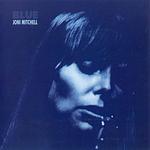
Blue, released in 1971, is Joni Mitchell's spare and intimate album that blends contemporary folk, folk rock, and singer-songwriter approaches. Its uncluttered arrangements, open-tuned guitar and piano, and candid, confessional lyrics explore love, longing, and self-examination; songs such as "A Case of You", "River", "Carey", and "California" balance folk intimacy with pop-minded melodies. The record is often cited as a defining work for later singer-songwriters and for its emotional directness.
#59 — Electric Warrior by T. Rex
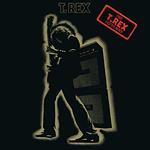
Electric Warrior, released in 1971 by T. Rex, marks Marc Bolan's shift from acoustic folk to a punchy, electric glam rock sound. The album pairs concise rock and roll rhythms and chiming, distorted guitar riffs with Bolan's distinctive vocal delivery and often surreal romantic lyrics. Arrangements emphasize tight grooves and memorable hooks, mixing elements of hard rock and classic rock and roll within a stylized glam aesthetic, and the record is widely regarded as a key statement of early 1970s British glam.
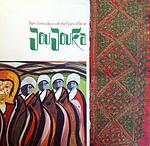
The Pipes of Pan at Jajouka is a field-recorded album that presents the Master Musicians of Joujouka performing traditional Moroccan Sufi trance music. The sound is built from repeating, cyclical reed-pipe melodies and layered percussion that create a hypnotic, trance-inducing atmosphere, with a raw, immediate recording aesthetic that foregrounds the ritual quality of the performances. Within contexts of folk and psychedelic interest of the period, the album served as a prominent document connecting rural ritual music to broader international listeners.
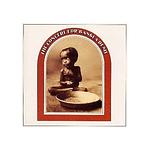
The Concert for Bangladesh is a live album documenting the 1971 benefit concerts at Madison Square Garden organized by George Harrison and Ravi Shankar to raise relief for refugees. The record combines Harrison-led rock and folk rock performances with guest appearances by artists including Bob Dylan, Eric Clapton and Ringo Starr, alongside an extended Indian classical set led by Ravi Shankar, yielding a mix of classic rock, country-tinged balladry and Hindustani music. The release is notable for its collaborative, charity-driven spirit and for bringing Indian classical music into a high-profile rock benefit concert context.
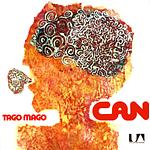
Tago Mago (1971) by Can is a key album in the krautrock and experimental rock canon that blends long-form improvisation, tape editing and early electronic textures into dense, hypnotic soundscapes. The record emphasizes repetitive, propulsive rhythms, spare organ and guitar motifs, and Damo Suzuki's improvisatory vocal contributions, producing a collage-like flow that moves between sprawling jams and shorter, fragmentary pieces. Its focus on studio experimentation, groove and atmosphere helped open rock toward more abstract and electronic approaches and has been widely cited as influential on later experimental and electronic artists.
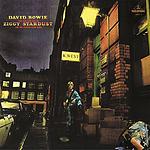
The Rise and Fall of Ziggy Stardust and the Spiders From Mars (1972) is a loose concept album in which David Bowie adopts the persona of Ziggy Stardust, an androgynous alien rock star. Musically it blends glam rock theatricality with straightforward rock and pop songwriting and elements of art rock, driven by Mick Ronson's guitar work and arrangements and a rhythm section that supports both crunchy rock numbers and quieter, melodic passages. The album is notable for its narrative focus, dramatic vocals, and cinematic arrangements that helped define Bowie's early 1970s sound and stage persona.
#64 — The Harder They Come by Various Artists
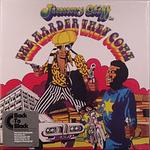
The Harder They Come (1972) is the soundtrack to the Jamaican film starring Jimmy Cliff, compiling roots reggae, rocksteady, and deejay recordings from the late 1960s and early 1970s. Anchored by Jimmy Cliff's title track and several of his performances, the album brings together raw bass-driven grooves, offbeat guitar skanks, and vocal approaches that range from melodic roots singing to toasting. Its selection of tracks captures the energy and social edge of Jamaican popular music of the period and has long been regarded as an influential entry point for international listeners into reggae and rocksteady.
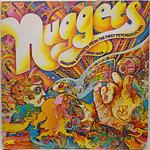
Nuggets: Original Artyfacts From the First Psychedelic Era, 1965–1968 is a 1972 compilation assembled by Lenny Kaye that collects mid 1960s garage rock and early psychedelic singles. The selections emphasize raw, guitar-driven arrangements, fuzz and organ textures, concise song structures and direct vocal delivery, moving between punchy three-minute rockers and more experimental psychedelic moments. The compilation presents a snapshot of regional US bands whose rough-hewn sound and studio oddities trace a line from amateur garage rock toward the broader psychedelic sensibilities of the late 1960s.
#66 — Talking Book by Stevie Wonder
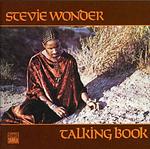
Talking Book, released in 1972, is a key album by Stevie Wonder that blends soul, funk, R&B and pop with a warm, studio-crafted sound. The record features prominent use of keyboards and synthesizers, including clavinet and Moog textures, and showcases Wonder's multi-instrumental performance and self-production. It balances intimate ballads and tight, groove-driven tracks, including well-known songs such as "Superstition" and "You Are the Sunshine of My Life", and represents a shift toward more personal, innovative arrangements in his early 1970s work.
#67 — The Dark Side of the Moon by Pink Floyd
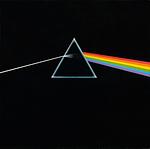
The Dark Side of the Moon is Pink Floyd's 1973 progressive rock album that blends rock, psychedelic and art rock elements into a continuous, concept-driven suite exploring themes such as time, money, mental strain and mortality. It is distinguished by its studio production and sound design, including layered synthesizers, tape effects and looping, prominent saxophone parts and an emotive wordless vocal performance on one track, with seamless transitions that emphasize atmosphere and textural detail across the record.
#68 — For Your Pleasure by Roxy Music
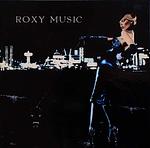
For Your Pleasure, Roxy Music's second studio album released in 1973, refines the band's art rock and glam approach with theatrical arrangements, sleek pop songwriting and abrasive experimental textures. Bryan Ferry's elegant, ironic vocals ride over Andy Mackay's saxophone, Phil Manzanera's guitar work and Brian Eno's synthesizer treatments, producing songs that range from seductive to unsettling, notably "Do the Strand" and "In Every Dream Home a Heartache". The album is the last to feature Eno and is often cited for combining glamour and avant garde production with a raw edge that points toward proto-punk and post-punk sounds.
#69 — New York Dolls by New York Dolls
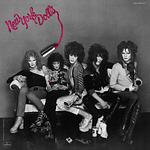
New York Dolls, the band's 1973 debut, delivers a raw, raucous fusion of glam theatrics and hard rock grit with clear proto-punk urgency. The record mixes distorted, riff-driven guitars and driving rhythms with sleazy, R&B-tinged rock and roll and theatrical, sneering vocals, producing a loose, streetwise sound that stood apart from more polished mainstream rock. Its rough-edged aesthetic and brash attitude is widely regarded as an important precursor to the punk movement and a touchstone for later punk and alternative artists.
#70 — Grievous Angel by Gram Parsons
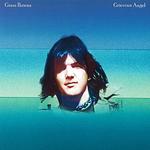
Grievous Angel is Gram Parsons's second solo album, released posthumously in 1974. It melds country, rock, and folk with spare acoustic arrangements, pedal steel and tasteful electric guitar, pairing Parsons's plaintive lead vocals with Emmylou Harris's close harmonies. The songs move between mournful ballads and more upbeat country rock numbers and dwell on themes of love, loss, travel and mortality. The record's blending of traditional country instrumentation with rock songwriting helped define the country rock sound and anticipated later Americana artists.
#71 — Radio City by Big Star
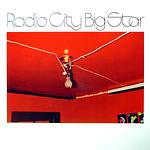
Radio City, released in 1974 by Big Star, is a crisp example of American power pop and pop rock that pairs chiming, guitar-driven arrangements with tight vocal harmonies and concise, melody-focused songwriting. The album moves between bright, hooky pop textures and moments of harder-edged guitar, creating a balance of studio polish and rawer rock energy. It is often noted for its songwriting clarity and its role in shaping later strains of alternative and indie pop.
#72 — Natty Dread by Bob Marley & The Wailers
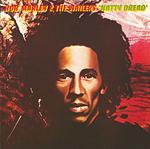
Natty Dread (1974) is a roots reggae album by Bob Marley & The Wailers that marks the group’s transition after the departures of Peter Tosh and Bunny Wailer. The sound emphasizes deep, syncopated bass and drums, interlocking guitar and organ rhythms, and Marley's characteristic vocals and songwriting; lyrical themes mix personal reflection, Rastafarian faith, and social commentary, with tracks such as No Woman, No Cry and Lively Up Yourself exemplifying the album’s intimate yet politically aware roots reggae style.
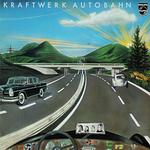
Autobahn (1974) by Kraftwerk marks a decisive shift toward largely electronic instrumentation, blending krautrock's steady motorik rhythms with analog synthesizers, repetitive melodic hooks, and processed vocals to evoke the sensation of highway travel, especially on the extended title track. Its minimalist arrangements, mechanical pulse and focus on texture and atmosphere helped define experimental electronic and electro aesthetics and influenced later synth-based music while retaining strands of rock and acoustic color.
#74 — Blood on the Tracks by Bob Dylan
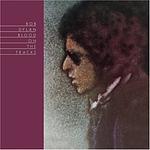
Blood on the Tracks, released in 1975, is an intimate, lyrically driven album that blends Dylan's folk rock roots with elements of blues and country rock. The songs are narrative and confessional, centering on relationships and emotional turmoil, delivered through spare acoustic arrangements with occasional fuller band backing. The record is characterized by direct, conversational vocals, rich storytelling, and a live, immediate studio feel that emphasizes songwriting and emotional clarity.
#75 — Born to Run by Bruce Springsteen
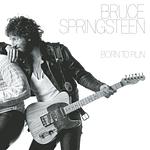
Born to Run (1975) blends rock, heartland rock, folk rock, piano-driven rock, and singer-songwriter storytelling into a sweeping, cinematic sound. Built around dense, Wall of Sound inspired arrangements with prominent saxophone and piano, the album pairs anthemic, propulsive tracks with intimate, narrative songs about escape, youthful restlessness, and working-class longing. It represented a major artistic leap for Springsteen and helped define the musical themes and larger-than-life production style he explored in later work.
#76 — Horses by Patti Smith
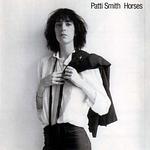
Horses, Patti Smith's 1975 debut, blends raw garage rock energy with art rock experimentation and proto-punk urgency. Produced by John Cale, the album pairs a spoken-word influenced vocal delivery and poetically charged lyrics with spare, driving arrangements built around guitar, piano, and drums. Its rough-edged production, confrontational performance style, and fusion of literary sensibility with rock idioms are often cited as influential on early punk and art punk movements, and the stark cover photograph by Robert Mapplethorpe complements the record's austere aesthetic.
#77 — Love to Love You Baby by Donna Summer
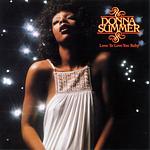
Love to Love You Baby is Donna Summer's 1975 album produced with Giorgio Moroder and Pete Bellotte that helped shape the early disco sound. The album is anchored by the extended, sensual title track built on a steady four-on-the-floor pulse, prominent synth textures, and layered production, while other selections draw on pop and R&B vocal phrasing to broaden the record's tonal palette. It is often cited for bringing electronic production techniques into dance music and for establishing the collaborative sound that would define much of Summer's work.
#78 — Frampton Comes Alive! by Peter Frampton
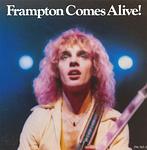
Frampton Comes Alive! is a 1976 double live album by English guitarist and singer Peter Frampton that mixes rock, pop rock and AOR with moments of harder-edged playing; it captures extended, audience-driven performances of songs like "Show Me the Way" and "Do You Feel Like We Do", showcases Frampton's melodic guitar work and distinctive talk box tones, and is widely regarded as the breakthrough release that brought him broad mainstream recognition.
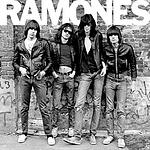
Ramones is the 1976 debut album by the Ramones. It delivers short, fast, stripped-down songs built on simple three-chord guitar figures, driving downbeat drumming, and a raw production that foregrounds catchy hooks and shouted vocals. Noted for its succinct songcraft and aggressive minimalism, the record is widely regarded as a foundational release in punk rock and helped establish the genre's aesthetic.
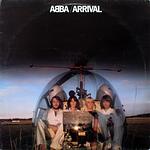
Arrival, released in 1976 by ABBA, blends polished pop and Europop with disco and dance elements, featuring rich vocal harmonies, layered studio production, and prominent string arrangements. The album is anchored by the well known single "Dancing Queen" and balances upbeat, danceable tracks with melodic ballads and occasional rock-tinged touches, reflecting the group's focus on strong hooks and meticulous pop craftsmanship.
#81 — Damned Damned Damned by The Damned
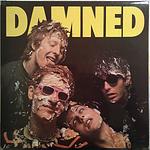
Damned Damned Damned (1977) by The Damned is a brisk, raucous punk rock album built from short, fast songs, snarling vocals, and jagged guitar work. The record captures the raw immediacy of early British punk while incorporating moments of melody and a darker vocal timbre that later fed into gothic rock and post-punk sensibilities. Its live-sounding, no-frills approach and high energy make it a frequently cited touchstone of the late 1970s punk scene.
#82 — Rumours by Fleetwood Mac
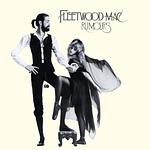
Rumours is a 1977 album by Fleetwood Mac that blends rock, pop rock, soft rock, blues and folk pop into a polished, radio-friendly sound. The record features layered vocal harmonies, melodic songwriting and a mix of acoustic and electric textures that foreground strong hooks and intimate arrangements. Many songs reflect interpersonal relationships and band tensions, giving the lyrics a candid, confessional feel, while the production emphasizes clarity and warmth. The album is widely cited as a defining example of late 1970s pop rock and a central release in Fleetwood Mac's catalog.
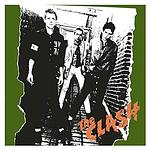
The Clash is the band's 1977 debut, a lean, hard-edged punk record that captures urgent, guitar-driven songs with politically charged lyrics. The album pairs fast, aggressive punk rock energy with traces of reggae and rockabilly influence, featuring punchy riffs, propulsive rhythms, and a raw, confrontational vocal style, and it helped define the sound of early UK punk.
#84 — Bat Out of Hell by Meat Loaf
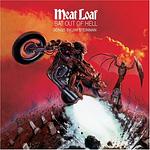
Bat Out of Hell, released in 1977 by Meat Loaf with songs written by Jim Steinman, is a theatrical, high-energy rock album that blends hard rock, pop rock and classic rock with a rock opera sensibility. Its sound features grand, cinematic arrangements, extended song forms and dramatic, wide-ranging vocals paired with narrative lyrics that emphasize melodrama, romance and teenage fantasy.
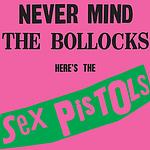
Never Mind the Bollocks, Here's the Sex Pistols is the Sex Pistols' only studio album, released in 1977. It condenses punk rock into short, abrasive tracks driven by distorted guitars, propulsive drums, and Johnny Rotten's sneering vocals, with blunt, confrontational lyrics aimed at social and political authority. The album is regarded as a defining work of the British punk movement and helped establish the raw, do-it-yourself aesthetic that influenced later punk and alternative bands.
#86 — Dub Housing by Pere Ubu
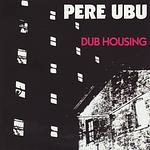
Dub Housing, Pere Ubu's 1978 album, expands the band's art punk approach into darker, more fragmented territory. Angular guitar and a taut rhythm sectionlock with Allen Ravenstine's scrunched analog synths and tape-echo treatments while David Thomas's staccato, idiosyncratic vocals push lyrics into oblique, theatrical territory. The record emphasizes repetition, space, and abrasive textures, blending experimental rock, post-punk, and new wave elements into a distinctive sound that helped define the band's challenging, unconventional approach.
#87 — Setting Sons by The Jam
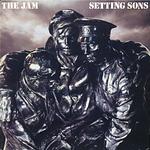
Setting Sons, released in 1979 by The Jam, finds Paul Weller consolidating the band’s mod revival and new wave impulses into concise, melodic rock. The album pairs punchy, guitar-driven arrangements and a tight rhythmic foundation from Bruce Foxton and Rick Buckler with lyrics that move between social observation and personal reflection, showing a more mature songwriting approach than earlier records. Its blend of pop and power pop hooks with sharp mod guitar tones helped define the band’s evolving sound.
#88 — London Calling by The Clash
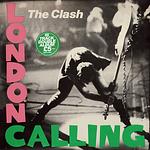
London Calling (1979) by The Clash is a double album that builds on the band’s punk roots while incorporating rockabilly, reggae, ska, new wave and straight rock. The record pairs punk’s urgency and raw guitar with melodic hooks, varied arrangements and occasional piano and horn touches, and features Joe Strummer’s often politically minded and observational lyrics. Its wide stylistic range and confrontational yet tuneful approach helped broaden the musical possibilities available to punk bands at the time.
#89 — Closer by Joy Division
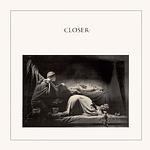
Closer is Joy Division's 1980 album that presents a stark, atmospheric take on post-punk with clear ties to new wave and early gothic rock. The record is characterized by Martin Hannett's spacious, reverb-heavy production, Peter Hook's melodic, high-register basslines, Bernard Sumner's angular guitars and synth textures, and Ian Curtis's deep, intense vocals paired with spare, often bleak lyrics. Overall it emphasizes mood, restraint, and a cold, cinematic ambience that proved influential on later alternative and gothic-leaning acts.
#90 — Dare by The Human League
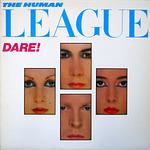
Released in 1981, Dare is The Human League's polished synthpop album that moved the band toward a more pop-oriented, vocal-led sound. Featuring crisp electronic percussion and layered synthesizers, it pairs Philip Oakey's baritone with the prominent female singers Susan Ann Sulley and Joanne Catherall to create hook-driven songs such as "Don't You Want Me". The record blends New Wave and New Romantic textures with dance-pop rhythms and straightforward pop songwriting, and is closely associated with the early 1980s mainstream synth-driven pop sound.
#91 — Thriller by Michael Jackson
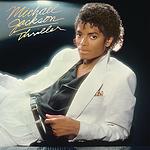
Thriller, released in 1982 and produced by Quincy Jones, is a pop and contemporary R&B album that blends dance-pop, disco, funk and rock elements. It is characterized by polished, cinematic production, tight rhythms, layered vocal harmonies and strong melodic hooks on tracks such as "Billie Jean", "Beat It" and "Thriller". Notable moments include Eddie Van Halen's guitar solo on "Beat It" and Vincent Price's spoken-word cameo on the title track. The record helped broaden Jackson's crossover appeal and played a significant role in shaping the era of high-concept music videos.
#92 — Run‐D.M.C. by Run‐D.M.C.
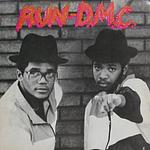
Run-D.M.C., released in 1984, is the group's raw, minimalist debut that helped define East Coast hardcore hip hop. The album pairs hard-hitting drum-machine patterns and sparse production with commanding vocal delivery and DJ scratches, and it incorporates rock-influenced guitar textures that pointed toward a rap rock crossover. Its punchy, street-focused sound is often cited as an influential early template for later hip hop acts.
#93 — Like a Virgin by Madonna
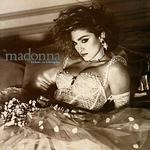
Like a Virgin, released in 1984, is Madonna's second studio album that refines her pop and dance-pop sound with strong synth-pop and club-oriented production. The record pairs catchy, upbeat melodies and electronic synthesizer textures with rhythmic, dancefloor-focused arrangements, and its lyrics and imagery foreground themes of sexuality, confidence, and personal reinvention. Musically it blends accessible pop hooks with electronic drum machines and glossy production, helping to cement Madonna's public persona and influence on mainstream dance-pop.
#94 — Graceland by Paul Simon
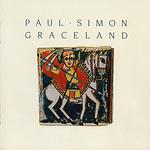
Graceland (1986) is a Paul Simon album that combines his singer-songwriter pop and folk sensibilities with South African musical styles, producing a worldbeat-influenced pop rock sound. Recorded with South African musicians and featuring vocal contributions from Ladysmith Black Mambazo, the record is marked by syncopated mbaqanga guitar lines, rich vocal harmonies, and a mix of acoustic songwriting and studio textures. Lyrically it blends personal storytelling with themes of travel, exile, and everyday observation, and its cross-cultural production is a notable example of Western popular music engaging directly with African musical traditions.
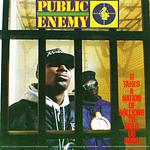
It Takes a Nation of Millions to Hold Us Back is Public Enemy's 1988 album that pairs confrontational, politically driven lyricism with dense, abrasive production. The Bomb Squad's layered, collage-like use of samples, sirens and jagged beats creates a thick, chaotic soundscape that underpins Chuck D's authoritative social commentary and Flavor Flav's rhythmic interjections. The album emphasizes themes of racial injustice, institutional power and media critique while expanding hip hop's sonic and rhetorical possibilities, influencing the development of East Coast, political and hardcore hip hop styles.
#96 — Straight Outta Compton by N.W.A
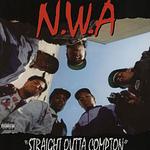
Straight Outta Compton, released in 1988 by N.W.A, is a landmark gangsta rap album that helped define West Coast hip hop. The record pairs hard, drum-machine driven beats and funk-derived sampling with blunt, confrontational lyrics about street life, policing, and urban tension. Production from Dr. Dre and DJ Yella emphasizes heavy bass, tight drum programming, and stark arrangements, while vocal performances from Ice Cube, Eazy-E, MC Ren, and others combine narrative storytelling and abrasive delivery. The album is notable for its raw sonic aesthetic and its role in bringing gangsta rap into wider public attention.
Metallica, commonly known as the Black Album, released in 1991, marks the band's shift from the faster thrash of their earlier records toward a heavier, more streamlined heavy metal and hard rock sound. The songs are generally shorter and more riff- and groove-oriented, with punchy, polished production by Bob Rock and greater emphasis on melody and atmosphere alongside aggressive guitar work. It features well known tracks such as Enter Sandman, Nothing Else Matters, Sad but True, and The Unforgiven that exemplify the album's balance of accessibility and metallic intensity.
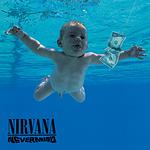
Nevermind, released in 1991 by Nirvana, is a grunge and alternative rock album that blends punk rawness with pop-minded songwriting, characterized by loud-quiet-loud dynamics, distorted guitars, and Kurt Cobain's raw, melodic vocal delivery and introspective lyrics about alienation and personal struggle. Produced by Butch Vig, the record pairs cleaner studio production with a sense of urgency and abrasive textures, and its accessible hooks alongside heavy instrumentation helped bring alternative rock aesthetics to a much wider audience.
#99 — The Chronic by Dr. Dre
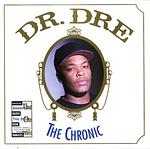
The Chronic is Dr. Dre's 1992 album that crystallized the G-Funk strand of West Coast gangsta rap, built around low, rolling basslines, melodic synth leads, crisp drum programming, and funk-derived grooves and samples. Dre's production favors smooth, layered textures and cinematic pacing, with memorable vocal performances and guest appearances that underscore its street-focused narratives. The album is commonly cited as a defining statement of early 1990s West Coast hip hop and helped popularize the G-Funk sound.
#100 — Spice by Spice Girls
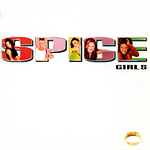
Spice is the 1996 debut album by the Spice Girls, built around glossy pop and dance-pop arrangements with synth textures and touches of electronic and hip hop production. The songs favor catchy hooks, strong choruses and prominent melody lines, with the five members taking turns on lead vocals and delivering characterful, personality-driven performances. Lyrical themes center on friendship, confidence and relationships, and the album's upbeat, radio-friendly sound helped shape the mainstream girl-group pop style of the late 1990s.