 The Greatest Music
500 Greatest Albums of All Time: 2023 edition
Weight: 100%
How much this list influences our overall rankings. Higher weight means more reliable data.
Penalties Applied:
Rolling Stone’s 500 Greatest Albums of All Time (2023 update) is the latest edition of the magazine’s most-read and debated feature, originally published in 2003 and revised in 2012 and 2020. The core list was created in 2020 from ballots submitted by more than 300 artists, producers, writers, and music-industry figures—including Beyoncé, Taylor Swift, Billie Eilish, Raekwon, Stevie Nicks, and members of U2—each ranking their top 50 albums. The 2023 version makes light adjustments to account for new classics released since then by artists like Beyoncé, Bad Bunny, and Taylor Swift, while retaining the broader scope of the 2020 reboot, which introduced 163 new entries and emphasized the evolving and expanding canon of music history.
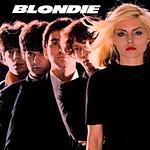
Blondie is the band's 1976 debut album that introduced their blend of punk energy and pop songwriting within the emerging New York new wave scene. Debbie Harry's cool, melodic vocals are paired with angular guitars, prominent keyboards and tight rhythmic drive, producing concise, hooky songs such as X Offender, Rip Her to Shreds and In the Flesh. Produced by Richard Gottehrer, the record showcases the group's early mix of rock, pop and punk influences.
#402 — Expensive Shit by Fela Kuti
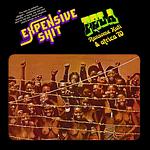
Expensive Shit is a 1975 album by Nigerian musician Fela Kuti that showcases his Afrobeat fusion of West African rhythms, funk and jazz-influenced horn arrangements. The title track is a long, groove-driven piece built on interlocking percussion, a propulsive bass and punchy brass, while Fela's talk-singing in Yoruba and English addresses an arrest and confrontations with Nigerian authorities. The record highlights the large-ensemble dynamics of his Afrika 70 band and the genre's focus on extended danceable jams and political commentary.
#403 — Supreme Clientele by Ghostface Killah
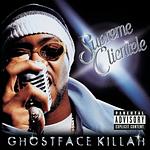
Supreme Clientele, released in 2000, finds Ghostface Killah delivering dense, stream-of-consciousness rhymes over sample-driven, late 1990s East Coast production rooted in boom bap and hardcore hip hop. The album is notable for its vivid, cinematic storytelling, idiosyncratic wordplay and emotive vocal delivery, with beats that mix soulful loops, skittering drums and unconventional song structures. It is frequently cited as a high point in his solo catalog for its raw energy and distinctive voice within East Coast and underground hip hop of that era.
#404 — Rapture by Anita Baker
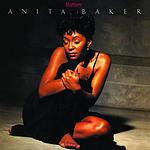
Rapture is Anita Baker's 1986 album that blends R&B and soul with strong jazz and smooth jazz influences, presented in a polished adult contemporary style. The record is built around Baker's warm, husky contralto and intimate phrasing, with lush arrangements, soft grooves, understated jazz harmonies and romantic lyrical themes. Several standout ballads and midtempo tracks exemplify the album's quiet storm sensibility and helped define Anita Baker's signature sound in the mid 1980s.
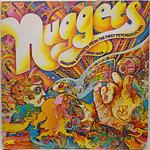
Nuggets: Original Artyfacts From the First Psychedelic Era, 1965–1968 is a 1972 compilation assembled by Lenny Kaye that collects mid 1960s garage rock and early psychedelic singles. The selections emphasize raw, guitar-driven arrangements, fuzz and organ textures, concise song structures and direct vocal delivery, moving between punchy three-minute rockers and more experimental psychedelic moments. The compilation presents a snapshot of regional US bands whose rough-hewn sound and studio oddities trace a line from amateur garage rock toward the broader psychedelic sensibilities of the late 1960s.
#406 — 69 Love Songs by The Magnetic Fields
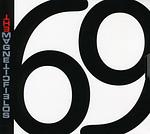
69 Love Songs is a 1999 three-volume album by The Magnetic Fields, written and chiefly performed by Stephin Merritt. Spanning 69 concise tracks, it mixes indie pop, chamber pop, electronic and folk-tinged arrangements to examine love in many guises, from playful and ironic to tender and rueful. The album is notable for its eclectic instrumentation, minimal and lush arrangements, and literate, often wry lyrics delivered in a variety of vocal styles. Its breadth of styles and ambitious conceit are central to how the record is discussed in indie music circles.
#407 — Everybody Knows This Is Nowhere by Neil Young, Crazy Horse
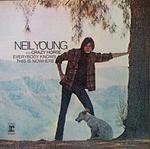
Everybody Knows This Is Nowhere (1969) is Neil Young's second studio album and his first with Crazy Horse. Musically it pairs Young's folk and country-rooted songwriting with raw, guitar-driven rock from Crazy Horse, featuring extended, distorted electric jams alongside quieter acoustic moments. The record helped establish recurring elements of Young's sound such as ragged, feedback-tinged guitar work and direct, often spare lyrics, and includes notable tracks like "Cinnamon Girl", "Down by the River", and "Cowgirl in the Sand".
#408 — Ace of Spades by Motörhead
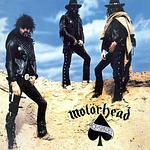
Ace of Spades, released by Motörhead in 1980, is a compact, high-energy rock album that crystallizes the band's blend of hard rock, punk attitude, and early speed metal. The record features short, aggressive songs driven by Lemmy Kilmister's gravelly vocals and heavily distorted, rhythmic bass, with fast tempos and raw production; the title track is its most enduring anthem. Its lean songwriting and relentless pace are often cited as influential on later speed and thrash metal bands.
#409 — Workingman's Dead by Grateful Dead
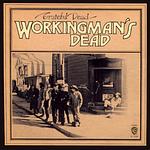
Workingman's Dead, released in 1970 by the Grateful Dead, marks a move away from extended psychedelia toward a more song-focused blend of folk, country, and rock. The album emphasizes acoustic instruments, vocal harmonies, and concise arrangements, with Jerry Garcia's guitar work and collaborations with lyricist Robert Hunter drawing on American roots traditions. Its earthy, back-to-basics sound helped establish a quieter, more narrative side of the band and influenced the development of country rock and Americana approaches in their catalog.
#410 — Wild Honey by The Beach Boys
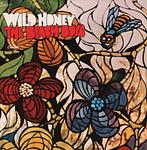
Wild Honey, released in 1967 by the Beach Boys, shifts toward a stripped-down, R&B and soul-influenced pop sound following the group's earlier studio experiments. The album features short, groove-oriented songs built around organ, close vocal harmonies, and more immediate, looser production, with originals like "Wild Honey" and "Darlin" alongside a cover of Stevie Wonder's "I Was Made to Love Her" illustrating the simpler, homespun approach. The record emphasizes tighter rhythms and an intimate, domestic feel rather than elaborate orchestration.
#411 — "Love and Theft" by Bob Dylan
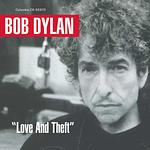
Love and Theft is Bob Dylan's 2001 studio album that blends folk, blues, and rock with touches of country and early American popular music. The songs feature compact, rootsy arrangements and Dylan's conversational, weathered vocal delivery, while the lyrics mix vernacular storytelling, historical and literary references, and sly humor. Tracks such as "Mississippi" and "High Water (For Charley Patton)" showcase the album's blend of traditional forms and contemporary reinterpretation, and the record is often noted as a strong example of Dylan's late-career engagement with American roots music.
#412 — Going to a Go‐Go by The Miracles
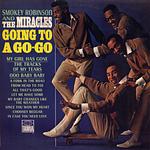
Going to a Go-Go is a 1965 album by The Miracles that exemplifies mid 1960s Motown soul, blending doo-wop harmony with pop soul polish. Led by Smokey Robinson's smooth vocals and songwriting, the record balances upbeat, danceable grooves with tender ballads and tight background harmonies, with production that emphasizes crisp rhythms, horns, and memorable melodic hooks. The album is representative of the group's role in shaping the Motown sound and its crossover approach to rhythm and blues and pop.
#413 — Cosmo's Factory by Creedence Clearwater Revival
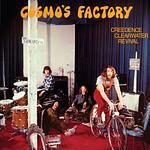
Cosmo's Factory is a 1970 album by Creedence Clearwater Revival that showcases the band's concise, roots-based rock, blending blues, country, rockabilly and Southern-influenced grooves. Centered on John Fogerty's gritty vocals and tight, riff-driven arrangements, the record pairs punchy originals with a notable extended cover, delivering a raw, direct sound and an accessible take on Americana and classic rock styles.
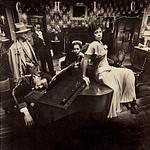
Risqué, released by Chic in 1979, is a polished disco album that blends funk and soul with tight, syncopated bass lines, Nile Rodgers' rhythmic guitar, and layered strings and horns. The record emphasizes danceable grooves and sophisticated arrangements, with songs built around rhythmic interplay and memorable melodic hooks. It is widely regarded as one of the group's definitive late 1970s recordings and includes the well known groove-centered track "Good Times."
#415 — Look‐Ka Py Py by The Meters
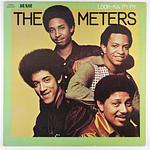
Look-Ka Py Py, credited to New Orleans group The Meters and dated 1970, is a compact set of rhythm-driven instrumentals that blend funk, jazz, and soul. The album emphasizes tight, interlocking grooves built from syncopated guitar, lean organ lines, steady bass and crisp drumming, with sparse vocal touches; its lean arrangements and pocketed rhythms exemplify the band’s New Orleans-informed approach to early funk.
#416 — Things Fall Apart by The Roots
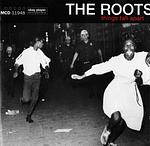
Things Fall Apart, released in 1999 by The Roots, blends live-band hip hop with jazz, soul, and alternative influences. The album foregrounds live instrumentation, layered percussion, and horn and keyboard textures to support socially conscious and introspective lyrics from Black Thought and Malik B. Songs move between gritty, groove-driven tracks and more neo-soul-tinged moments featuring prominent guest vocalists, marking a decisive shift toward a fuller, band-oriented sound within late 1990s hip hop.
#417 — The Shape of Jazz to Come by Ornette Coleman
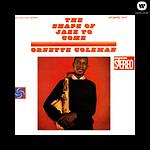
Released in 1959, The Shape of Jazz to Come is an early landmark of free jazz in which Ornette Coleman foregrounds melodic freedom and collective improvisation over fixed chord progressions. The album pairs Coleman's angular, lyrical alto with Don Cherry's pocket trumpet, supported by Charlie Haden on bass and Billy Higgins on drums, yielding a raw, open sound that contrasted with the prevailing hard bop style and helped shape subsequent avant garde approaches in jazz.
#418 — Brothers in Arms by Dire Straits
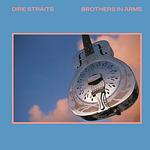
Brothers in Arms, Dire Straits' fifth studio album released in 1985, expands the band's rock and blues roots into a polished, cinematic sound centered on Mark Knopfler's fingerpicked guitar and restrained vocals. The record blends atmospheric synthesizer textures and spacious production with concise pop songwriting and extended instrumental passages, exemplified by the title track's plaintive guitar solos and the propulsive, riff-driven "Money for Nothing," which features a guest backing vocal by Sting. Its clear, dynamic production and mix of pop, classic rock and blues influences made it a defining work in the band's catalog while retaining elements of heartland rock.
#419 — Chief by Eric Church
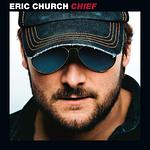
Chief (2011) by Eric Church is a contemporary country album that blends traditional country songwriting with rock-leaning guitars and raw, gritty production. The tracks range from rowdy, barroom anthems to introspective ballads, showcasing Church's distinctive, slightly raspy voice and narrative lyrical approach. The record is often described as a turning point that helped define his more rebellious, genre-blurring direction within modern country.
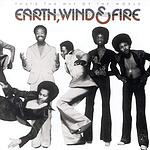
That’s the Way of the World, released in 1975, showcases Earth, Wind & Fire’s blend of funk, soul, disco and R&B with strong jazz and orchestral influences. The album is built on tight horn arrangements, layered vocal harmonies highlighted by Philip Bailey’s falsetto, and Maurice White’s polished production, combining groove-driven rhythm tracks with lush string and horn textures. Songs move between upbeat, danceable funk and smoother, reflective ballads, with lyrical themes that touch on love and spiritual reflection. The record helped consolidate the band’s signature sound in the mid 1970s and remains a key entry in their catalogue.

Arular, M.I.A.'s 2005 debut studio album, blends electronic, hip hop, breakbeat and dance influences into a lo-fi, collage-like sound that mixes jagged beats, rattling percussion, ragga vocal bursts and hooky synth lines. The record pairs global samples and cut-up production with politically charged and personal lyrics delivered in a confrontational sing-rap style, establishing the DIY aesthetic and genre-blurring approach that came to define her early work.
#422 — Let's Get It On by Marvin Gaye
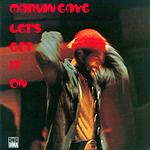
Let’s Get It On, released in 1973, is Marvin Gaye’s soulful, sensual album that emphasizes romantic and erotic themes through warm, intimate vocals and rich arrangements. Gaye produced and co-wrote much of the material, using layered harmonies, a breathy falsetto, and a blend of funk, pop soul, blues and gospel-inflected phrasing to create a smooth, seductive atmosphere. The album represents a shift toward more personal, adult subject matter within the Motown framework and helped shape the sound of later R&B and soul recordings.
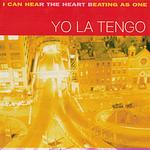
I Can Hear the Heart Beating as One, released in 1997, finds Yo La Tengo expanding their indie rock palette with a mix of concise melodic songs, exploratory noise-rock jams, gentle acoustic ballads, and subtle electronic textures. The album balances popcraft and improvisation, pairing short tuneful tracks with extended instrumental passages and a warm, roomy production, and it helped define the band’s eclectic, patient approach to songcraft within the indie rock scene.
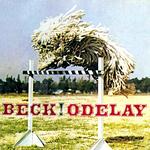
Odelay, released in 1996 by Beck, mixes alternative rock, electronic and downtempo grooves with folk, hip hop beats and psychedelic touches. Produced with the Dust Brothers, the album is built around sample based, collage-like production, skittering drum loops, and skewed arrangements that sit alongside more acoustic singer-songwriter moments, all topped by Beck's playful, surreal lyrics and idiosyncratic vocal delivery. Its eclectic, genre-blending sound became a defining element of Beck's mid 1990s work.
#425 — Paul Simon by Paul Simon
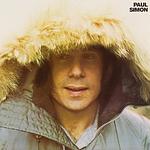
Paul Simon (1972) is Paul Simon's first solo album after the end of Simon and Garfunkel. It blends folk rock and pop with a more rhythmic and eclectic palette, notably incorporating reggae inflections and concise acoustic songwriting. The record highlights Simon's observational lyricism and tuneful melodies on tracks such as "Mother and Child Reunion" and "Me and Julio Down by the Schoolyard", favoring varied studio arrangements over the duet harmonies of his earlier work and marking a turn toward broader stylistic exploration in his solo career.
#426 — Lucinda Williams by Lucinda Williams
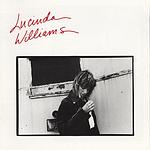
Lucinda Williams (1988) is a self-titled album that blends alternative country, roots rock, and country with spare, rock-tinged arrangements and plainspoken, emotionally direct songwriting. Williams's gravelly vocal delivery and economical lyrics move between country ballads and more urgent, bluesy numbers; the record includes songs such as "Passionate Kisses" and "I Just Wanted to See You So Bad" that showcase her talent for compact, narrative-driven songs. The album is an early example of the alt country and Americana direction she continued to develop in later work.
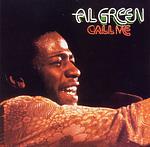
Call Me (1973) by Al Green showcases his intimate, smooth soul style, blending Southern soul warmth with R&B grooves and touches of funk. Green's expressive falsetto and relaxed phrasing sit atop an understated, punchy rhythm section with warm horns, strings, and tasteful guitar work associated with producer Willie Mitchell and the Hi Records sound. The album focuses on romantic, often spare arrangements that balance soulful intensity with melodic hooks, making it a notable example of Green's early 1970s work.
#428 — New Day Rising by Hüsker Dü
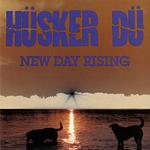
New Day Rising, released in 1985 by Hüsker Dü, sharpens the band’s fusion of hardcore punk energy and melody into concise, hook-driven songs that balance abrasive, feedback-laden guitars and driving drums with pop sensibilities. Bob Mould and Grant Hart share songwriting and vocal duties, creating a contrast between urgent aggression and tunefulness across short, immediate tracks. The record’s raw production and noisy textures point toward the alternative rock and indie directions the band helped shape in the mid 1980s.
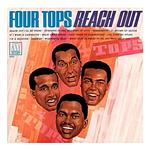
Reach Out (1967) by the Four Tops is a Motown soul and R&B album built around Levi Stubbs's impassioned lead vocals and the group's tight harmonies. The record features dramatic, orchestral-tinged arrangements, punchy rhythms, and polished studio production commonly associated with the Holland-Dozier-Holland team, with material that emphasizes urgent emotional delivery and danceable grooves. It exemplifies the mid-1960s Motown sound and showcases the Four Tops' intensity and vocal unity.
#430 — Un verano sin ti by Bad Bunny

Un verano sin ti is a 2022 album by Bad Bunny that blends reggaeton, Latin pop, electronic and tropical Latin sounds into a sun-soaked, melodic collection. The music favors breezy percussion, warm synths and catchy hooks, leaning toward lighter, more melodic songwriting than some of his earlier trap-oriented work while exploring themes of summer romance, nostalgia and emotional ups and downs.
#431 — How Will the Wolf Survive? by Los Lobos
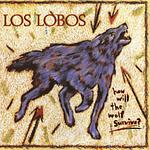
How Will the Wolf Survive? (1984) by Los Lobos blends Mexican folk and Tex-Mex traditions with rock, blues, and R&B touches, pairing electric guitar and accordion-driven arrangements with soulful vocal harmonies and bilingual lyrics. The songs move between raucous rockers and quieter, roots-oriented ballads, with storytelling that touches on immigration, identity, and everyday working-class life. The album expanded the band’s repertoire beyond earlier Chicano rock material and showcased their instrumental versatility and genre-crossing approach.
#432 — Confessions by Usher
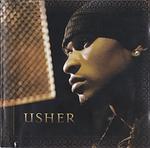
Usher's 2004 album Confessions blends contemporary R&B with hip hop influences, pairing polished slow jams and mid-tempo ballads with club-oriented, crunk-infused tracks. Lyrically the record centers on personal relationships and confessional storytelling, exploring themes of love, trust, and infidelity. The production emphasizes smooth vocals, layered harmonies, programmed beats, and occasional rap contributions, giving the album a crossover sound that helped define mainstream R&B in the mid-2000s.
#433 — Sound of Silver by LCD Soundsystem
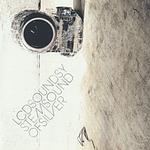
Sound of Silver is LCD Soundsystem's second studio album, released in 2007. It blends dance-punk, electronic, indietronica, and alternative rock with long, groove-driven arrangements, shimmering synths, and a tight rhythm section anchored by electronic percussion and bass. James Murphy's talk-sung vocals and candid, reflective lyrics explore themes of aging, nostalgia, and isolation across songs that range from extended club-leaning grooves to more restrained, piano-based moments. The record balances dancefloor energy and introspective songwriting and includes standout tracks such as "All My Friends" and "Someone Great".
#434 — Crooked Rain, Crooked Rain by Pavement
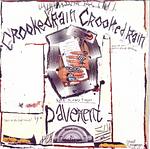
Crooked Rain, Crooked Rain (1994) by Pavement blends slacker-era indie rock with sharper songcraft and clearer production than the band’s earlier lo-fi recordings. The album pairs chiming, guitar-driven arrangements and offhand, oblique lyrics with melodic hooks and a relaxed, conversational vocal delivery, moving between hazy, noisy textures and more straightforward pop-leaning songs. Its mix of casual irony and tunefulness is a defining example of 1990s indie and alternative rock aesthetics.
#435 — Actually by Pet Shop Boys
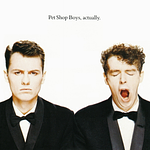
Actually, released in 1987 by Pet Shop Boys, is a polished synth-pop album that blends electronic dance-pop rhythms with literate, often wry songwriting. The production features bright synthesizer lines, programmed beats and occasional orchestral touches, creating a tension between upbeat arrangements and Neil Tennant's detached, melancholic vocal delivery; notable tracks include the dramatic "It's a Sin" and the duet with Dusty Springfield, "What Have I Done to Deserve This?", and the record highlights the duo's knack for marrying pop melodies with ironic, introspective themes.
#436 — All Eyez on Me by 2Pac
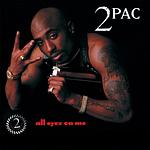
All Eyez on Me is a 1996 double album by 2Pac that showcases West Coast gangsta rap and G-Funk influences, blending hard-hitting street anthems with more melodic and reflective tracks. Recorded after his signing to Death Row Records, the album features sample-driven, synth-forward production and a mix of aggressive bravado and personal vulnerability, addressing themes of survival, loyalty, and fame. Its breadth and varied moods highlight 2Pac's versatility within mid-1990s hip hop.
#437 — Demon Days by Gorillaz
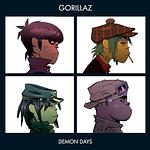
Demon Days is Gorillaz's 2005 album that expands the band's mix of electronic, trip hop, art pop, alternative rock, and alternative dance into a darker, more nocturnal set of songs. The record pairs moody, cinematic production and layered beats with Damon Albarn's songwriting and vocals, while a rotating cast of guest contributors adds stylistic variety. Its arrangements range from sparse, atmospheric tracks to punchier, groove-driven numbers, and the album is notable for a cohesive, reflective tone that addresses modern anxieties and urban isolation.
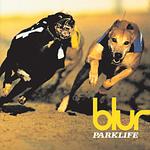
Parklife is Blur's third studio album, rooted in Britpop and indie rock while drawing on pop, punk and dance influences. It pairs catchy, melodic songwriting with Damon Albarn's observational, character-driven lyrics, supported by Graham Coxon's angular guitar and Alex James's melodic bass, producing a mix of bright hooks, varied textures and occasional orchestral touches. The record is widely regarded as a defining snapshot of mid 1990s British guitar pop with a distinctly English sense of place.
#439 — Sex Machine by James Brown
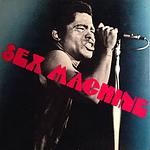
Sex Machine, released in 1970, is a landmark funk album by James Brown that foregrounds rhythm and groove within a soul and R&B framework. Backed by a tight band, the record emphasizes repetitive vamps, punchy horn hits, syncopated rhythms, and Brown's commanding vocal delivery and call-and-response interplay, creating a raw, immediate sound built for dance and live performance. Its pared-down arrangements and focus on interlocking rhythmic patterns helped crystallize the aesthetics of early 1970s funk.
#440 — Coal Miner's Daughter by Loretta Lynn
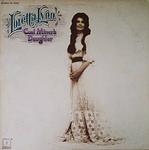
Coal Miner's Daughter (1970) is a country album by Loretta Lynn that showcases her plainspoken, autobiographical songwriting and earthy vocal delivery. Rooted in traditional country and honky tonk, the record features straightforward arrangements with steel guitar, fiddle, piano, and Nashville-style backing that support Lynn's narrative songs about rural life, family, and working-class resilience. The title track in particular became closely associated with Lynn and helped define her public persona as an honest, no-nonsense storyteller.
#441 — Blackout by Britney Spears
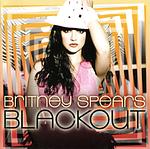
Blackout is Britney Spears' 2007 studio album that moves toward club oriented pop and electronic production, blending dance pop, Euro house and contemporary R&B textures. The record foregrounds synth driven hooks, layered percussion and vocal processing, creating a darker, more club focused sound on tracks like "Gimme More" and "Piece of Me"; its production is notable for electronic textures and beat centered arrangements that steered Spears' music toward a more dance oriented direction.
#442 — Beauty Behind the Madness by The Weeknd
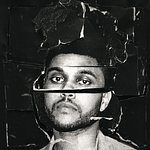
Beauty Behind the Madness is a 2015 album by The Weeknd that moves his alternative R&B foundation toward a more pop and dance-pop oriented sound. It pairs glossy, hook-driven production and funk-tinged pop with darker lyrical themes of fame, excess, and troubled relationships, and includes major singles such as "Can't Feel My Face" and "The Hills" that highlight his falsetto and moody atmospherics. The record balances mainstream pop structures with R&B and hip hop influences while retaining cinematic, nocturnal tones.
#443 — Scary Monsters… and Super Creeps by David Bowie
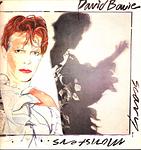
Scary Monsters... and Super Creeps is a 1980 David Bowie album that blends art rock with new wave, post-punk and pop rock, pairing theatrical songwriting with sharper, more polished production. The record mixes synth-inflected pop and jagged, guitar-driven tracks, revisits characters from his earlier work while adopting more concise song structures, and is often viewed as closing Bowie’s experimental 1970s period while pointing toward his 1980s sound.
#444 — Extraordinary Machine by Fiona Apple

Extraordinary Machine (2005) is Fiona Apple’s third studio album, combining piano-centered songwriting with baroque pop and artful rock arrangements. The record mixes lush strings and brass with off-kilter rhythms and theatrical, emotive vocals, moving between intimate piano ballads and rhythmically adventurous, pop-inflected tracks. The songs emphasize dense, literate lyrics and distinctive phrasing, and the album is marked by ornate production and a strong sense of emotional candor that broadened her work beyond conventional singer-songwriter territory.
#445 — Close to the Edge by Yes
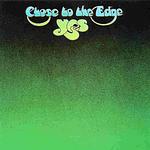
Close to the Edge (1972) is a landmark progressive rock album by Yes that features expansive, suite-like compositions, intricate instrumental interplay, and layered vocal harmonies. The record blends classical and jazz-influenced arrangements with virtuosic guitar, bass, keyboard, and percussion work, and showcases long-form songs that move through multiple contrasting sections. Its sound emphasizes dramatic dynamics, complex time signatures, and detailed production, making it a defining example of early 1970s progressive and art rock.
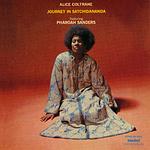
Journey in Satchidananda (1971) by Alice Coltrane, with contributions from Pharoah Sanders, is a meditative, modal album that blends avant-garde and free jazz improvisation with Eastern devotional textures. Alice's harp, organ and piano sit atop sustained tanpura drones and percussion, creating a hypnotic backdrop for modal vamps, while Sanders' tenor saxophone weaves lyrical and free-form lines. The record is often cited as an important example of spiritual jazz, notable for its fusion of Western jazz improvisation with Indian-inspired drones and trance-like rhythmic gestures.

X 100PRE is Bad Bunny's 2018 debut studio album that blends reggaeton, Latin trap, alternative R&B, emo rap, hip hop, and pop rap into a cohesive, genre-fluid statement. The record pairs trap-influenced beats and tropical percussion with melodic, often autotuned vocals and introspective lyrics, moving between upbeat, danceable rhythms and more reflective, atmospheric moments. Its production favors experimental textures and pop-minded hooks, helping to establish Bad Bunny's distinctive, boundary-pushing sound within contemporary Latin urban music.
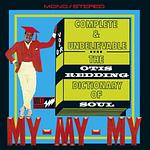
Complete & Unbelievable: The Otis Redding Dictionary of Soul (1966) captures Otis Redding's raw, emotive Southern soul voice across taut R&B arrangements and intimate balladry. The record blends deep soul intensity with tight, horn-driven Stax-style rhythm work, showcasing Redding's dynamic phrasing and emotional range. It is representative of his mid-1960s output and the sound of Southern soul in that era.
#449 — Elephant by The White Stripes
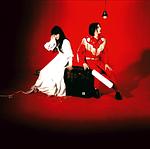
Elephant, released in 2003 by The White Stripes, is a stark guitar and drums album that blends garage rock revival energy with blues-rooted riffs and punk-tinged directness. The duo's minimal arrangements foreground Jack White's raw guitar tone and Meg White's propulsive, sometimes primitive drumming, producing a punchy, analog influenced sound that moves between thunderous rockers and spare bluesy numbers. It features the riff-driven track "Seven Nation Army" and is often cited as a defining release of the early 2000s garage rock revival.
#450 — RAM by Paul McCartney, Linda McCartney
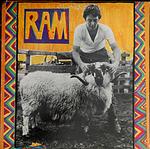
RAM, credited to Paul and Linda McCartney and released in 1971, blends melodic pop rock and art pop with occasional blues and classic rock touches. The record pairs pastoral, acoustic-based songs with richer studio arrangements and horn and orchestral colors, moving between intimate balladry and playful, multi-part pop suites. It is notable as an early statement of McCartney's post-Beatles musical direction and his experimentations with songcraft and arrangement.
#451 — First Take by Roberta Flack
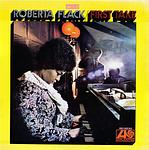
First Take is Roberta Flack's 1969 debut album that blends soul and vocal jazz with folk and pop inflections. The record features spare, piano-centered arrangements and a restrained, expressive vocal approach that foregrounds lyrical nuance and phrasing. Its intimate, slow-tempo interpretations, including an early version of "The First Time Ever I Saw Your Face", helped define Flack's signature sound as an interpreter of songs.
#452 — Anthology by The Supremes
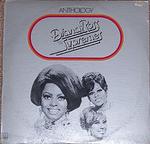
Anthology (1974) by The Supremes is a compilation of their Motown-era material that highlights the group's polished R&B and pop-soul sound. The collection centers on Diana Ross's distinctive lead voice supported by close harmonies and lush, orchestral arrangements typical of the label, and it traces the group's evolution across the 1960s into the early 1970s. Overall, the album presents the mix of gospel-rooted singing, pop songwriting, and smooth production that characterized The Supremes' contribution to Motown's repertoire.
#453 — Pretty Hate Machine by Nine Inch Nails
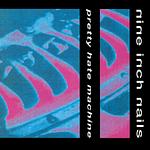
Pretty Hate Machine, Nine Inch Nails' 1989 debut, mixes industrial and EBM textures with alternative rock songcraft, pairing glossy and jagged synths, programmed rhythms, samples, and distorted guitars. Trent Reznor's often confessional and anguished lyrics about alienation and relationships sit within concise, hook-oriented arrangements. The record helped define a more accessible, electronic-tinged strand of industrial music that bridged underground electronics and alternative rock.
#454 — Ege Bamyası by Can
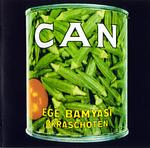
Ege Bamyası (1972) blends loose, improvisational psychedelic rock with disciplined, groove-driven rhythms that helped shape Krautrock. The album alternates hypnotic, extended jams and more concise, songlike pieces, emphasizing repetitive drum patterns, elastic basslines, quirky organ and guitar textures, and improvisational vocals. Its sound balances raw live energy with inventive studio editing, producing tracks that feel both spontaneous and tightly shaped. The record is notable for bringing funk and avant-garde approaches into a rock context while keeping arrangements relatively economical.
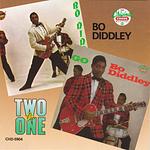
#455 — Bo Diddley / Go Bo Diddley by Bo Diddley
#456 — Greatest Hits by Al Green
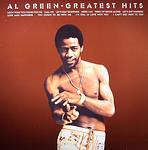
Greatest Hits (1975) by Al Green compiles his early 1970s soul recordings and highlights his intimate, gospel-tinged vocal delivery atop warm, economical arrangements associated with the Hi Records sound and producer Willie Mitchell. The collection balances slow, romantic ballads with tighter, funkier grooves and hints of blues and rock, showcasing Green's ability to shift between tenderness and raw emotional intensity. Overall it offers a concise portrait of his distinctive voice and production style from that period.
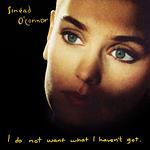
I Do Not Want What I Haven’t Got is Sinéad O'Connor's 1990 second studio album. It blends alternative rock, pop, and folk rock with O'Connor's raw, emotive vocals and largely sparse, intimate arrangements, and is widely associated with her cover of Prince's "Nothing Compares 2 U." The album's confessional lyrical tone and mix of acoustic textures and occasional fuller production helped bring O'Connor broad international attention and stands as a defining work of her early career.
#458 — Southeastern by Jason Isbell
Southeastern is a 2013 album by Jason Isbell that pares back his Southern rock roots into intimate Americana and singer-songwriter arrangements. Produced by Dave Cobb, the record employs spare, rootsy instrumentation and restrained production to foreground confessional, sharply observed lyrics about addiction, recovery, love, and mortality. The sound leans on acoustic and subtle electric guitar, organ and pedal steel while emphasizing vocal delivery and songwriting, and it marked a noticeable shift toward more personal, direct material in Isbell's solo work.
#459 — Man on the Moon: The End of Day by Kid Cudi
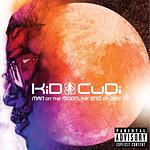
Man on the Moon: The End of Day is Kid Cudi's 2009 debut studio album that blends hip hop, alternative hip hop, electronic and pop textures into atmospheric, often cinematic production. It pairs rap with melodic singing and humming, uses interludes and a multi-act structure to create a dreamlike, concept-like flow, and centers on introspective themes such as loneliness, dreams, self-doubt and substance use. The record emphasized mood and melody over traditional rap posturing and helped open space for more emotive, genre-blurring approaches in contemporary hip hop; it includes tracks like Day 'n' Nite and Pursuit of Happiness.

Melodrama, released in 2017 by Lorde, is an indie pop album with strong electronic and synth-pop elements marked by more elaborate, theatrical production than her debut. Co-written and largely produced with Jack Antonoff, it blends brooding piano, layered synth textures, punchy drum programming, and expressive vocal arrangements to foreground intimate, diaristic lyrics about young adulthood, isolation, and heartbreak. The record often unfolds like a loose narrative centered on a single night and its emotional aftermath, balancing minimal moments with dramatic, cinematic arrangements.
#461 — For Emma, Forever Ago by Bon Iver
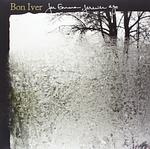
For Emma, Forever Ago is Bon Iver's debut album, recorded largely by Justin Vernon in a remote cabin in Wisconsin. The record features sparse, intimate arrangements centered on acoustic guitar, fragile falsetto and layered vocal harmonies, with lo-fi textures and restrained use of reverb that create a cold, introspective atmosphere. Its blend of indie folk and contemporary folk with occasional baroque pop touches emphasizes personal, confessional songwriting and understated production. The album helped draw attention to a quiet, solitary approach to modern folk-influenced music.
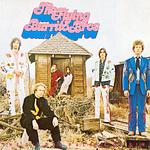
The Gilded Palace of Sin, released in 1969 by the Flying Burrito Brothers, is an early example of country rock that blends traditional country instrumentation like pedal steel with rock songwriting and rhythms. Led by Gram Parsons with Chris Hillman and featuring Sneaky Pete Kleinow on pedal steel, the album combines originals and reinterpretations influenced by country, soul, and gospel, pairing close vocal harmonies with plaintive steel guitar and rootsy production. Its fusion of country and rock textures is widely cited as influential on later Americana and alternative country developments.
#463 — Eli and the Thirteenth Confession by Laura Nyro
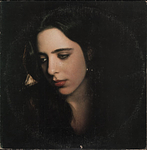
Laura Nyro's 1968 album Eli and the Thirteenth Confession blends pop, soul, jazz, gospel and folk into piano-driven, dramatic songs that foreground her intense, emotive vocals and distinctive songwriting. The arrangements pair warm horns, choral backing and varied rhythms with lyrical narratives that move between intimate confession and exuberant celebration. The record helped establish Nyro as a singular composer whose compositions were often interpreted by other artists and is notable for its adventurous fusion of catchy melodies and theatrical, sophisticated harmonies.
#464 — 3+3 by The Isley Brothers
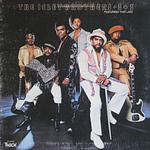
3+3, released in 1973, marks The Isley Brothers' expansion from a vocal trio into a six-member band with the addition of Ernie and Marvin Isley and keyboardist Chris Jasper. The album blends soul and early quiet storm balladry with funk grooves and rock-inflected guitar work, featuring Ernie Isley’s Hendrix-influenced solos and tighter band arrangements; it mixes original songs and reinterpretations to showcase a fuller, more instrumentally adventurous sound that helped define the group’s 1970s direction.
#465 — The Best of the Classic Years by King Sunny Adé
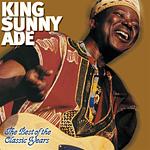
This 2003 compilation gathers material from King Sunny Adé's classic jùjú period, highlighting his interlocking guitar lines, shimmering pedal steel, layered Yoruba percussion and call-and-response vocals. The tracks emphasize long, hypnotic grooves built from polyrhythmic drumming and melodic interplay, reflecting the blend of traditional Yoruba elements with electric instrumentation that defines his influential sound. It functions as an accessible overview of his approach to jùjú music.
#466 — Red by Black Uhuru
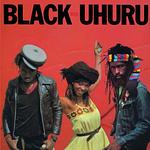
Red, released by Black Uhuru in 1981, is a roots reggae album with strong dub sensibilities that emphasizes deep basslines, syncopated drum patterns, and spacious studio effects like echo and reverb. The record pairs urgent, harmony-rich vocal performances with rhythm-focused arrangements that underline social and spiritual themes common to roots reggae, while reflecting the era's experimental studio approaches. Its sound sits between traditional roots and heavier dub production, illustrating the band's early 1980s musical direction.
#467 — BLACKsummers'night by Maxwell

BLACKsummers’night, released in 2009 as Maxwell’s fourth studio album, is the first installment of a planned trilogy and blends neo soul, contemporary R&B, and pop-tinged balladry. The record is noted for its warm, analog-leaning production, layered falsetto vocals, restrained grooves, and occasional horn and string flourishes, creating an intimate and romantic atmosphere. Songs emphasize introspective lyricism and a balance between sparse arrangements and soulful ornamentation, marking a stylistic return after his previous album.
#468 — Some Girls by The Rolling Stones
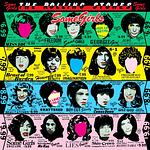
Some Girls is a late 1970s Rolling Stones album that blends the band’s rock and blues roots with touches of disco, punk attitude, and country-inflected songwriting. Produced under the Glimmer Twins name, it features leaner, guitar-driven arrangements, Mick Jagger’s direct vocals, and Keith Richards’ riff-based playing, yielding a rawer, more immediate sound. The record engages with contemporary musical currents of its era while remaining grounded in blues-rock fundamentals.
#469 — Clandestino by Manu Chao
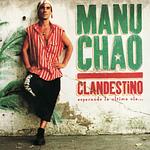
Clandestino is Manu Chao's 1998 solo album, a spare, lo-fi blend of folk, reggae, Latin rhythms and downtempo electronic touches. Songs use multilingual lyrics, repetitive loops, acoustic guitar and subtle dub-style production to create a road-worn, improvisatory sound that foregrounds themes of migration, border crossings and life on the margins. The record helped define Manu Chao's solo aesthetic after his work with Mano Negra and is often cited for its genre-blending, globalized pop sensibility.
#470 — 400 Degreez by Juvenile
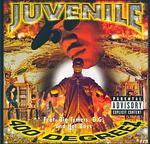
400 Degreez is Juvenile's 1998 album that exemplifies late 1990s Southern hip hop and New Orleans bounce, with production largely from Mannie Fresh. It pairs Juvenile's gravelly, conversational delivery and street-focused lyrics with uptempo bounce rhythms, heavy low end, sharp drum programming, and chantable hooks, balancing gritty narratives and club-ready tracks like Back That Azz Up. The record helped define the Cash Money Records sound and is often cited for its regional production style and memorable vocal cadences.
#471 — Surrealistic Pillow by Jefferson Airplane
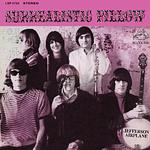
Surrealistic Pillow, released in 1967 by Jefferson Airplane, blends folk rock songwriting with electric psychedelia, pairing acoustic textures and jangling guitars with distorted guitars, organ, and studio effects. Grace Slick's powerful, theatrical vocals contrast with Marty Balin's softer delivery to create distinctive harmonies, while the songs mix concise pop structures with hallucinatory lyrical images and moments of freer instrumental exploration. The album captures the sound of the late 1960s San Francisco psychedelic scene and helped define Jefferson Airplane's role in that era.

Ctrl is SZA's 2017 album that blends contemporary and alternative R&B with elements of hip hop, neo-soul and electronic textures. It pairs sparse, atmospheric production and layered vocal arrangements with candid, confessional songwriting about relationships, insecurity and self-worth, producing an intimate, conversational tone. The record foregrounds SZA's flexible voice across intimate ballads and midtempo grooves and is often cited for its modern reworking of R&B conventions and personal lyrical perspective.
#473 — Barrio fino by Daddy Yankee

Barrio Fino is Daddy Yankee's 2004 album that blends reggaeton rhythms with hip hop and broader Latin influences, built around driving dembow beats, syncopated percussion, and hook-driven vocal lines. The production pairs rapped and sung performances with electronic textures and occasional salsa and merengue inflections, delivering songs that alternate between club-ready anthems and street-oriented storytelling. The record is widely regarded as a landmark release that helped bring reggaeton into broader international visibility and influence.
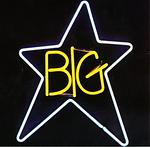
#1 Record, Big Star's 1972 debut, pairs ringing, jangly guitars and crisp three minute pop songs with rich vocal harmonies to help define early power pop. Alex Chilton and Chris Bell contributed concise, melody-first songwriting that often undercuts bright hooks with a quietly melancholic edge, while the arrangements emphasize clear guitar lines, tight rhythm work and layered vocals. The album's economical songcraft and guitar-driven sound have made it a lasting reference point for later power pop and alternative rock musicians.
#475 — Sheryl Crow by Sheryl Crow

Sheryl Crow is the artist's second studio album, released in 1996. It leans toward a grittier, more guitar driven rock sound while keeping country and Americana touches, combining rootsy arrangements with pop sensibilities. Crow's smoky vocals sit over layered guitars, organ, and acoustic textures, and the songwriting mixes confessional storytelling with memorable hooks; tracks such as If It Makes You Happy, Everyday Is a Winding Road, and A Change Would Do You Good illustrate the album's balance of rock energy and country inflection. The record broadened Crow's musical range beyond her debut and emphasized a more electric, band oriented approach.
#476 — Kimono My House by Sparks
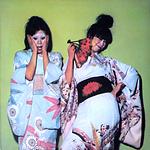
Kimono My House (1974) pairs glam rock energy with art pop and progressive pop ambitions, featuring Ron Mael's angular, piano-led arrangements and Russell Mael's theatrical, vibrato-rich vocals. The songs blend concise pop hooks with eccentric, literate lyrics and dramatic orchestral touches, creating abrupt shifts in mood and a distinctive, witty sound exemplified by "This Town Ain't Big Enough for Both of Us" and "Amateur Hour". The album is widely regarded as the record that established Sparks' idiosyncratic fusion of glam and art rock and brought them broader attention in the 1970s.
#477 — Moanin' in the Moonlight by Howlin' Wolf
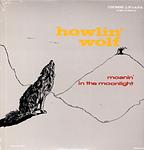
Moanin' in the Moonlight (1959) collects Howlin' Wolf's raw, electric Chicago blues from his 1950s Chess recordings. The album showcases his deep, growling vocals and commanding presence over sparse, driving rhythms, harmonica, and jagged electric guitar lines, producing tense, repetitive grooves that range from slow, brooding shuffles to fiercer uptempo numbers. Its stripped-down, powerful sound captures the elemental qualities of postwar Chicago blues and stands as an important early document of Howlin' Wolf's style and influence on later blues and rock musicians.
#478 — Something Else by The Kinks by The Kinks
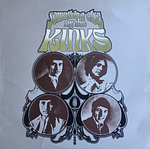
Something Else by The Kinks (1967) showcases Ray Davies' move toward more reflective, character focused songwriting, blending pop rock with baroque pop, folk rock and mod influences. The album pairs concise, melodic songs with chamber pop touches such as harpsichord and string arrangements and features wry, observational lyrics about English life and youth culture. Its pastoral textures and careful arrangements point toward the band’s subsequent, more nostalgic work.
#479 — Amor Prohibido by Selena

Amor Prohibido is a 1994 album by Selena that fuses Tejano and cumbia traditions with pop and electronic production, featuring danceable rhythms, synth textures, and emotive Spanish-language vocals. The arrangements combine traditional rhythmic patterns and accordion-inflected melodic lines with contemporary drum programming and studio polish, giving songs strong hooks and radio-friendly structures. The record is regarded as a defining release in Selena's catalog for expanding the sonic range of Tejano music and showcasing her crossover appeal.
#480 — The Weight of These Wings by Miranda Lambert
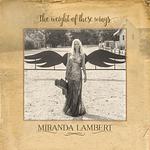
The Weight of These Wings is a 2016 double album by Miranda Lambert that blends contemporary country, country pop, alternative country and Americana. The songs range from stripped acoustic ballads to rock-leaning, electric guitar-driven tracks, with roots instruments such as pedal steel and twangy guitar supporting Lambert's raw, expressive vocals. Lyrically the album centers on personal themes of heartbreak, recovery and self-reflection, delivered through narrative songwriting and intimate moments that emphasize emotional directness and a roots-oriented sonic palette.
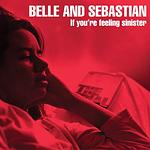
If You're Feeling Sinister, released in 1996 by Belle and Sebastian, presents a quiet, literate take on indie pop that mixes chamber folk textures with twee pop melodies and occasional rock rhythms. Stuart Murdoch's observational, character-driven lyrics sit alongside delicate arrangements of strings, piano, guitar, and subtle brass, producing an intimate, low-key sound that balances wistfulness and wry humor. The album crystallized the band's early aesthetic of gentle dynamics and orchestral touches and played a notable role in shaping the sound of British indie pop in the 1990s.
#482 — Bizarre Ride II the Pharcyde by The Pharcyde
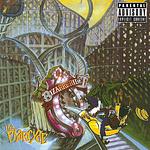
Bizarre Ride II the Pharcyde is a 1992 debut that pairs playful, offbeat group raps with sample-driven beats rooted in jazz and soul. The album mixes loose boom bap rhythms, quirky skits, and conversational storytelling to create an alternative West Coast hip hop sound that contrasts with the harder gangsta rap of its era. Its inventive flows, melodic hooks, and mix of humor and introspection helped establish the Pharcyde as a distinctive voice in 1990s alternative hip hop.
#483 — The Anthology by Muddy Waters
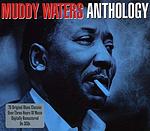
The Anthology (2001) by Muddy Waters is a compilation that surveys his essential Chicago blues style, featuring his electric guitar and slide work, gritty, expressive vocals, and the interplay with harmonica and tight rhythm sections typical of postwar urban blues. The recordings emphasize a band-centered, amplified sound that helped transform Delta blues into the electric Chicago idiom and demonstrate the raw tone, strong rhythmic drive, and call-and-response phrasing that influenced later blues and rock artists.
#484 — Born This Way by Lady Gaga

Born This Way is a 2011 album by Lady Gaga that expands her pop and dance-pop palette into darker, more theatrical electropop and electro house territory. It pairs high-energy, synth-driven club tracks with piano-led ballads and rock-tinged moments, using bold production, rhythmic beats, and layered vocals to foreground themes of identity, self-acceptance, sexuality, and social empowerment. The overall sound is maximalist and cinematic, with anthemic choruses and a blend of electronic textures and live instrumentation.
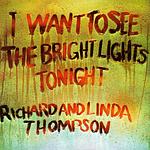
I Want to See the Bright Lights Tonight (1974) by Richard and Linda Thompson blends British folk and rock, featuring Richard Thompson's intricate acoustic and electric guitar work alongside Linda Thompson's expressive, often plaintive vocals. The songs pair traditional folk storytelling and melancholic themes with sharp lyrical detail, and arrangements move between spare, intimate settings and fuller band textures. The result is a moody, atmospheric album that helped define the duo's distinctive folk-rock sound.
#486 — Continuum by John Mayer
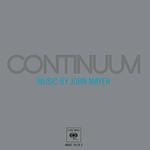
Continuum, released in 2006, finds John Mayer shifting from pop oriented singer songwriter material toward a warmer, blues inflected rock sound. The album emphasizes restrained, tasteful electric guitar work, relaxed grooves, and introspective lyrics, blending blues, soul, and pop rock elements across songs such as "Gravity", "Slow Dancing in a Burning Room", "Belief", and "Waiting on the World to Change". Produced with a focus on live band interplay, it highlights Mayer's guitar tone and a more mature songwriting approach while incorporating subtle R&B and indie rock influences.
#487 — Damaged by Black Flag
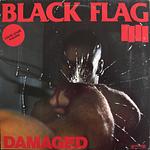
Damaged, released in 1981, is Black Flag's first full-length album and a touchstone of American hardcore punk. The record pairs Greg Ginn's jagged, dissonant guitar work and propulsive, stop-start rhythms with Henry Rollins' confrontational, shouted vocals, moving between short bursts of speed and slower, grinding passages. Its raw production and lyrics about alienation and anger helped shape a harsher, more abrasive strain of punk in the early 1980s.
#488 — The Stooges by The Stooges
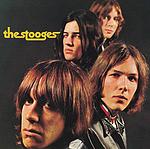
The Stooges, released in 1969, is the band’s raw debut marked by noisy, stripped-down garage rock and proto-punk aggression. It pairs repetitive, distorted guitar riffs and simple, driving rhythms with Iggy Pop’s snarling, theatrical vocals and a sparse production that emphasizes immediacy. Songs such as "I Wanna Be Your Dog", "No Fun", and "1969" capture the record’s confrontational, primal sound and its early influence on punk and harder-edged rock styles.
#489 — Back to Mono (1958–1969) by Phil Spector
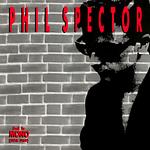
Back to Mono (1958–1969) is a 1991 box set compiling Phil Spector's mono singles and productions from 1958 through 1969, largely drawn from his Philles Records period. The collection showcases Spector's signature Wall of Sound production, with dense, reverberant arrangements that combine orchestral touches, layered vocal harmonies and propulsive rhythm to reshape pop, doo-wop, blue-eyed soul and baroque pop into dramatic ballads and vivid singles. It assembles recordings by artists closely associated with Spector, including the Ronettes, the Crystals, the Righteous Brothers and Darlene Love, and emphasizes the original mono mixes that foreground his production techniques.
#490 — Heart Like a Wheel by Linda Ronstadt
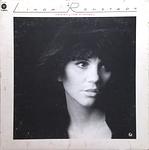
Heart Like a Wheel, released in 1974, finds Linda Ronstadt blending country rock, rock, and soft rock with a polished, radio-friendly production. The album emphasizes her clear, expressive vocals and careful song interpretation, drawing on country, pop, and R&B influences within concise, melodic arrangements. It is widely regarded as a breakthrough that helped define Ronstadt's signature sound and broaden the mainstream appeal of country-influenced rock.
#491 — Harry's House by Harry Styles

Harry’s House is a 2022 studio album by Harry Styles that blends pop, funk, pop rock, synth-pop and R&B influences into a warm, intimate sound. The record pairs groove-oriented arrangements and polished production with bright synth textures and conversational, relationship-focused songwriting. It emphasizes melodic hooks and a relaxed, late-night atmosphere that nods to 1970s and 1980s soft rock and soul while maintaining contemporary pop sensibilities.
#492 — Nick of Time by Bonnie Raitt
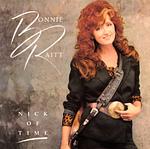
Nick of Time (1989) finds Bonnie Raitt delivering a blend of blues rock, pop rock, and Americana with a warm, rootsy production by Don Was. The album mixes spare piano-led ballads and soulful slow songs with upbeat blues-rock and slide-guitar numbers, highlighting Raitt's expressive vocals and tasteful guitar work. Standout tracks include the reflective title song, her intimate reading of "I Can't Make You Love Me", and a cover of John Hiatt's "Thing Called Love", all of which emphasize a mature, emotionally direct approach.
#493 — Here, My Dear by Marvin Gaye
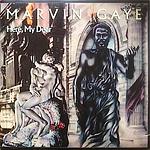
Here, My Dear is a 1978 Marvin Gaye album built around a highly personal, confessional concept that documents the emotional fallout of his divorce. Musically it works within smooth soul and classic soul frameworks while incorporating elements of funk, jazz influenced arrangements and lush orchestration, and it is distinguished by intimate vocals, spoken passages and candid lyrics that examine love, anger and reconciliation. The record is often noted for its directness and for presenting a pop soul album as a sustained personal statement.
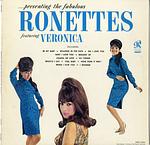
Presenting the Fabulous Ronettes Featuring Veronica, issued in 1964, collects the Ronettes' Phil Spector-produced recordings and showcases his Wall of Sound approach with dense orchestral arrangements and heavy use of echo on the rhythms. Ronnie Spector's emotive lead is supported by tight girl-group harmonies and Brill Building pop songwriting, blending elements of pop, pop rock, pop soul, and baroque pop. Tracks like "Be My Baby" exemplify the record's dramatic, large-scale pop production and memorable vocal hooks.
#495 — II by Boyz II Men

II, released in 1994 by Boyz II Men, is a polished contemporary R&B record built around the group's tight four-part harmonies and romantic balladry. The album blends slow-tempo love songs and mid-tempo tracks with pop and hip hop-R&B influences, using lush arrangements, layered backing vocals and orchestral touches to create a smooth, cinematic sound. It reinforced the group's signature approach of gospel-rooted singing paired with modern studio production, leaning toward adult contemporary R&B rather than aggressive New Jack Swing rhythms.
#496 — Dónde están los ladrones? by Shakira

Dónde están los ladrones? is a 1998 Spanish-language album by Shakira that fuses Latin pop and pop rock with folk and Middle Eastern influences. The record features guitar-driven arrangements, prominent percussion, and Shakira's distinctive, emotive vocals, pairing catchy, hook-forward songs with introspective and socially aware lyrics. Its mix of acoustic and electric textures and emphasis on songwriting marked a defining moment in her Spanish-language output and helped broaden her presence within Latin-pop music.
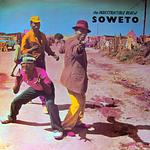
The Indestructible Beat of Soweto is a 1985 compilation of South African township music and mbaqanga by various artists. It collects upbeat, danceable tracks built around chiming electric guitars, driving bass and percussion, and layered vocal harmonies with prominent call-and-response arrangements. Released for international listeners, the compilation emphasizes the rhythmic energy and melodic hooks of mbaqanga and related urban pop styles from Soweto and other townships.
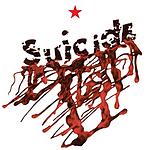
Suicide, the 1977 debut by the duo Suicide, pairs Martin Rev's sparse, repetitive synths and drum-machine patterns with Alan Vega's confrontational, often spoken or shouted vocals to create a stark, urban sound. The album's abrasive minimalism and unsettling narratives are exemplified by tracks such as "Ghost Rider" and the harrowing "Frankie Teardrop." Widely regarded as an influential work in No Wave, electropunk, minimal synth, and art punk, it helped shape later strands of industrial and electronic music.
#499 — Ask Rufus by Rufus, Chaka Khan
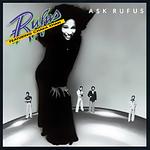
Ask Rufus (1977) finds Rufus with Chaka Khan delivering a mix of punchy funk grooves and soulful balladry, built on tight rhythms, syncopated guitar and horn accents, and Khan's powerful, expressive voice. The album balances dance-oriented arrangements with slower, more emotive numbers, showcasing the band's blend of R&B, soul, and funk and the dynamic interplay between Khan's vocals and the group's musicianship.
#500 — Funeral by Arcade Fire
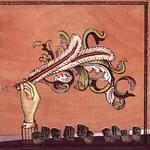
Funeral is Arcade Fire's 2004 debut studio album. It mixes indie rock, art pop and chamber pop with bursts of punk energy, combining strings and brass with driving guitars and collective vocals. The songs pair intimate, emotionally direct lyrics about loss and youth with expansive, cathartic arrangements and singalong choruses, and the warm, occasionally raw production emphasizes theatrical dynamics and layered acoustic and electric instrumentation.