 The Greatest Music
500 Greatest Albums of All Time: 2023 edition
Weight: 100%
How much this list influences our overall rankings. Higher weight means more reliable data.
Penalties Applied:
Rolling Stone’s 500 Greatest Albums of All Time (2023 update) is the latest edition of the magazine’s most-read and debated feature, originally published in 2003 and revised in 2012 and 2020. The core list was created in 2020 from ballots submitted by more than 300 artists, producers, writers, and music-industry figures—including Beyoncé, Taylor Swift, Billie Eilish, Raekwon, Stevie Nicks, and members of U2—each ranking their top 50 albums. The 2023 version makes light adjustments to account for new classics released since then by artists like Beyoncé, Bad Bunny, and Taylor Swift, while retaining the broader scope of the 2020 reboot, which introduced 163 new entries and emphasized the evolving and expanding canon of music history.
#201 — Midnight Marauders by A Tribe Called Quest
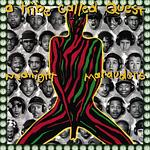
Midnight Marauders, A Tribe Called Quest's 1993 album, refines the group's jazz rap and boom bap approach with warm, sample-driven production and conversational verses from Q-Tip and Phife Dawg. The music blends mellow jazz and funk samples with crisp drum programming, layered horns, and subtle keyboard motifs to create a relaxed yet rhythmic East Coast hip hop sound. Its cohesive sequencing and vocal interplay are often cited as influential in the development of jazz rap and conscious hip hop in the early 1990s.

Homogenic is Björk's 1997 album that pairs bold electronic production with lush string arrangements to create a tense, intimate sound. It blends downtempo beats, trip hop grooves and glitchy electronic textures with her expressive voice and a strong sense of atmosphere, often evoking stark, elemental landscapes associated with Iceland. The album emphasizes a tighter, more cohesive sonic identity than some of her earlier work, foregrounding contrasts between organic strings and processed beats.
#203 — Pink Moon by Nick Drake
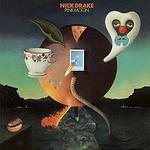
Pink Moon is Nick Drake's 1972 album, his third and final release during his lifetime. It presents stripped-down, intimate arrangements centered on Drake's fingerpicked acoustic guitar and subdued, melancholic vocals. The record moves away from the fuller textures of his earlier work, favoring concise, direct songs with minimal production and a fragile, introspective mood. Its spare sound and haunting songwriting have been influential on later singer-songwriters and contemporary folk artists.
#204 — Graduation by Ye
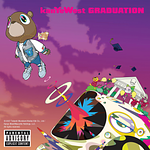
Graduation, released in 2007, is Kanye West's third studio album and represents a shift toward synth-forward, stadium-friendly production that blends hip hop, pop rap and electropop with alternative hip hop sensibilities. The record moves away from the heavy soul-sample sound of his earlier albums in favor of layered synthesizers, electronic textures and polished, anthemic arrangements while retaining introspective and boastful lyrical themes about fame, ambition and personal growth. Its combination of pop-oriented hooks, electronic influences and hip hop foundations broadened the album's sonic reach within mainstream hip hop at the time.
#205 — Tea for the Tillerman by Cat Stevens
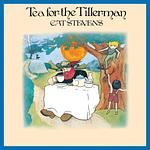
Tea for the Tillerman, released in 1970, is Cat Stevens's fourth studio album and a key example of early 1970s singer-songwriter folk rock. The album features spare, acoustic-based arrangements, gentle piano touches and understated production that put Stevens's warm voice and introspective, often socially conscious lyrics at the forefront. Songs such as "Wild World", "Father and Son" and "Where Do the Children Play?" blend folk, pop and rock elements with simple, memorable melodies, helping to define Stevens's intimate, reflective style.
#206 — Low by David Bowie
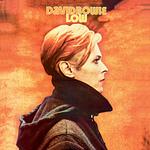
Low, released in 1977, finds David Bowie moving into a spare, electronic and ambient-influenced sound that began his Berlin-period work. Produced with Tony Visconti and featuring contributions from Brian Eno, the album splits between concise, experimental art pop and rock songs on the first side and largely instrumental, ambient and electronic pieces on the second side. Its textures combine synths, electronic treatments, fragmented vocal lines and minimalist arrangements, creating a cool, moody atmosphere that marked a notable stylistic shift in Bowie's career and influenced later blends of rock with ambient and electronic music.
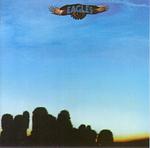
Eagles is the band's 1972 debut that establishes their country rock and soft rock signature through close vocal harmonies, jangling acoustic guitars and country-tinged instrumentation such as pedal steel. Produced by Glyn Johns, the album balances rock and pop sensibilities on songs like "Take It Easy", "Witchy Woman" and "Peaceful Easy Feeling", and highlights the songwriting and vocal blend of Glenn Frey, Don Henley, Bernie Leadon and Randy Meisner. Its sound is rooted in California country rock with polished arrangements and an easygoing, melodic tone often associated with early 1970s soft rock and yacht rock.
#208 — Tha Carter III by Lil Wayne
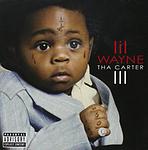
Tha Carter III, released in 2008, is a studio album by Lil Wayne that combines Southern hip hop and Dirty South production with pop rap melodies and gangsta rap themes. The record pairs sparse, synth-driven and bass-heavy beats with Wayne's rapid-fire delivery, dense wordplay, and occasional melodic experimentation, including sung hooks and vocal processing. It stands as a major entry in his catalog for its mix of braggadocio, humor, and moments of introspection, and for its influence on hip hop's embrace of more melodic, radio-friendly textures.
#209 — Raising Hell by Run‐D.M.C.
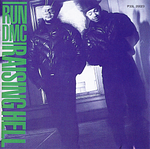
Raising Hell, released in 1986 by Run-D.M.C., is a defining East Coast hip hop record that helped popularize a tougher, stripped-down sound centered on hard drum-machine beats, sparse sampling, and incisive vocal delivery with prominent turntable work. The album blends hardcore hip hop and electro influences with rock textures, most famously on the collaboration with Aerosmith on "Walk This Way," which pairs a live rock riff with rap verses. Production favors raw energy and minimal ornamentation, and the record is often noted for broadening hip hop's audience and stylistic possibilities.
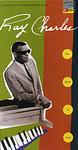
#210 — The Birth of Soul by Ray Charles
#211 — Unknown Pleasures by Joy Division
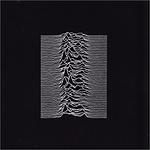
Unknown Pleasures, Joy Division's 1979 debut studio album, is a landmark of post-punk characterized by sparse, austere arrangements and distinctive production by Martin Hannett. The record pairs Peter Hook's high, melodic basslines and Bernard Sumner's angular guitar with Stephen Morris's precise, often metronomic drums under Ian Curtis's deep, restrained vocals and introspective lyrics, creating a cold, atmospheric sound that also fed into gothic and alternative rock developments. Its use of space, effects, and the iconic pulsar waveform cover have made it an enduring reference point for late 20th century underground rock.
#212 — Wild Is the Wind by Nina Simone
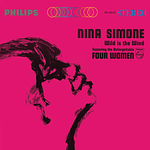
Wild Is the Wind, released in 1966 by Nina Simone, blends jazz and soul jazz with elements of folk and blues. The album centers on Simone's piano-led arrangements and distinctive, theatrical vocals, moving between intimate ballads and more rhythmically driven tracks. Sparse instrumental settings and occasional orchestral touches emphasize the emotional intensity of her interpretations, and the title song exemplifies the album's mix of restraint and dramatic expression that showcases Simone's genre-crossing artistry.
#213 — The Idler Wheel Is Wiser Than the Driver of the Screw and Whipping Cords Will Serve You More Than Ropes Will Ever Do by Fiona Apple
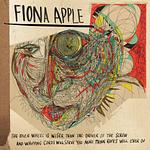
The Idler Wheel Is Wiser Than the Driver of the Screw and Whipping Cords Will Serve You More Than Ropes Will Ever Do is a piano-forward, intimate album that blends alternative rock, art pop, baroque pop and contemporary jazz influences. Fiona Apple's spare arrangements place emphasis on jagged percussion, close-miked piano and her intense, expressive vocals, with confessional, densely observed lyrics and unconventional song structures. The record is notable for its raw emotional directness, rhythmic inventiveness and a stripped-back sound that foregrounds songwriting and performance.
#214 — Wildflowers by Tom Petty
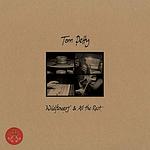
Wildflowers, Tom Petty's 1994 solo album, blends rootsy acoustic textures with straightforward rock rhythms to create a warm, intimate sound grounded in folk rock and heartland rock. The arrangements are spare and organic, often centered on acoustic guitar, piano, and subtle electric touches, while Petty's direct, conversational vocals emphasize melodic songwriting and reflective, personal lyrics. The record is widely regarded as a calmer, more introspective complement to his work with the Heartbreakers and highlights his focus on songcraft and storytelling.
#215 — American Beauty by Grateful Dead
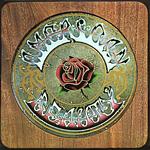
American Beauty, released in 1970, finds the Grateful Dead moving toward a roots-oriented sound that blends folk, country, and rock with lingering psychedelic textures. The record emphasizes acoustic guitars, close vocal harmonies, and concise songwriting, featuring enduring tunes such as 'Truckin'', 'Sugar Magnolia', 'Friend of the Devil', 'Ripple', and 'Brokedown Palace'. Robert Hunter's lyrics and Jerry Garcia's melodies favor narrative, Americana-leaning songs, and the album's restrained, pastoral arrangements contrast with the band's extended live improvisations.
#216 — Either/Or by Elliott Smith
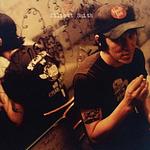
Either/Or (1997) finds Elliott Smith blending intimate acoustic folk with indie pop and rock touches. The songs feature fragile fingerpicked guitar, hushed multi-tracked vocals and concise, melancholic melodies, with slightly cleaner production and occasional electric instrumentation compared with his earlier lo-fi records. Its mix of spare arrangements and melodic songwriting helped define a quiet, confessional strand of 1990s indie folk.
#217 — Definitely Maybe by Oasis
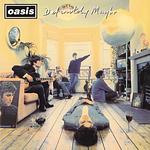
Definitely Maybe is the 1994 debut studio album by Oasis. It presents a loud, guitar-driven take on Britpop and alternative rock, pairing catchy, melodic hooks with dense, fuzzed guitar textures and touches of neo-psychedelia and shoegaze. Noel Gallagher's songwriting emphasizes direct, anthemic choruses and everyday themes while Liam Gallagher's distinctive vocal delivery and a raw, immediate production give the record a swaggering, live feel. The result is a concise collection of bold, high-energy rock songs that established the band's characteristic sound.
#218 — CrazySexyCool by TLC
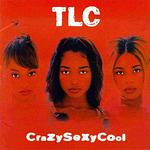
CrazySexyCool is TLC's 1994 album that blends contemporary R&B, hip hop, new jack swing and pop into a smooth, groove-driven sound marked by layered vocal harmonies and alternating sung and spoken parts. The record balances sultry slow jams and midtempo tracks, pairing intimate, vulnerable lyrics about relationships and desire with confident, assertive moments, and features warm basslines, crisp beats and atmospheric keyboard and sample-based textures that became influential in 1990s R&B production.
#219 — Only Built 4 Cuban Linx… by Raekwon
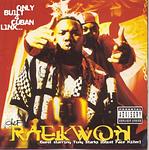
Only Built 4 Cuban Linx... is Raekwon's 1995 solo album characterized by dense, cinematic production largely from RZA and a mafioso-themed narrative. The music blends gritty East Coast hardcore hip hop with chopped soul samples, stark drum patterns, and film-like interludes, creating a dark, atmospheric sound that supports Raekwon's detailed, character-driven storytelling and extended vocal interplay with Ghostface Killah and other Wu-Tang affiliates. Its sequencing, crime-story motifs, and focused production style made it a distinctive artistic statement within 1990s hip hop.
#220 — Déjà vu by Crosby, Stills, Nash & Young
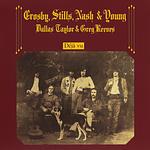
Déjà Vu is Crosby, Stills, Nash & Young's 1970 album that broadened the trio's harmony-driven folk rock by adding Neil Young's rawer voice and guitar work. It mixes acoustic and electric textures across folk, country rock, and rock, with close vocal harmonies, layered guitar interplay, and a balance of intimate singer-songwriter pieces and more forceful electric moments. Songwriting contributions from all four members give the record a varied yet cohesive sound that helped define a strand of early 1970s American rock.
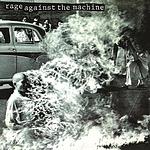
Rage Against the Machine is the band's 1992 self-titled debut that fuses heavy rock and metal riffs with funk-influenced rhythms and rap-style vocals. The album is marked by Tom Morello's inventive guitar textures and effects, tight rhythm work, and Zack de la Rocha's confrontational, politically charged lyrics, producing a raw and urgent sound. Its aggressive genre blend and outspoken themes became a defining touchstone for alternative and rap metal in the 1990s.
#222 — Ray of Light by Madonna
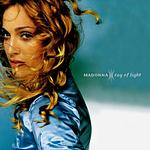
Ray of Light, released in 1998, finds Madonna moving into electronic and dance-pop territory with production heavily shaped by William Orbit. The album blends club-ready beats and synth-driven hooks with ambient and downtempo textures, pairing pulsing rhythms and layered electronic arrangements with more reflective, spiritual lyrical themes. Madonna's vocal delivery ranges from breathy to urgent, and the record balances uptempo dance tracks and slower, atmospheric songs to create a cohesive pop-electronic sound.
#223 — Imagine by John Lennon
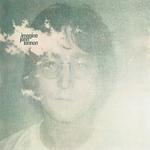
Imagine, released in 1971, is a John Lennon album that blends piano-led pop and rock with folk and rock and roll influences. The record moves between spare, introspective ballads and more direct rockers, often pairing simple arrangements with occasional orchestral touches and a focus on plainspoken, personal lyrics. The title track is a restrained, piano-centered piece that captures the album's themes of idealism and reflection, while other songs shift from confessional to satirical tones, showcasing Lennon's melodic songwriting and post-Beatles musical approach.
#224 — Fly by The Chicks
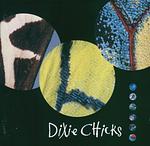
Fly (1999) by The Chicks is a contemporary country album that blends country, country pop, pop rock and bluegrass influences. It emphasizes tight three-part harmonies and acoustic instrumentation such as banjo and fiddle alongside electric guitars and polished studio production. The material moves between upbeat, harmony-driven numbers and narrative songs with darker themes, highlighting the group's vocal chemistry and a melding of traditional roots textures with pop-oriented arrangements. The record marked a major step in the band's mainstream profile and is often noted for its accessible yet instrumentally rooted sound.
#225 — Yankee Hotel Foxtrot by Wilco
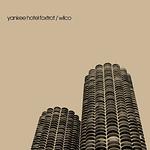
Yankee Hotel Foxtrot (2002) finds Wilco moving beyond their alt-country foundations toward a more experimental, studio-focused sound, pairing Jeff Tweedy's introspective, often ambiguous lyrics with layered guitar textures, tape manipulation, and subtle electronic touches. The record balances songcraft and sonic adventurousness, alternating intimate ballads with noisy, atmospheric passages and marking a notable shift in the band's approach to production and arrangement.
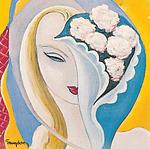
Layla and Other Assorted Love Songs is a 1970 album by Derek and the Dominos that blends blues rock and straight rock with moments of softer, acoustic balladry. Led by Eric Clapton and featuring notable slide guitar contributions from Duane Allman, the record is built around expressive, guitar-driven arrangements, mixing raw electric blues numbers with more intimate melodic songs. The title track contrasts a storming rock section with a quieter, piano-led coda, and the album is frequently cited for its emotional intensity and guitar interplay.
#227 — Here's Little Richard by Little Richard
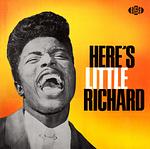
Here's Little Richard, released in 1957 on Specialty Records, collects his early singles and studio tracks that helped define his raw, frenetic brand of rock and roll. The album features piano-driven boogie rhythms, explosive vocals with gospel-influenced shouts, driving backbeats, and raucous saxophone accents on songs such as Tutti Frutti and Long Tall Sally, emphasizing rhythmic intensity and exuberant performance. It is regarded as a foundational rock and roll record that influenced many later artists.
#228 — De La Soul Is Dead by De La Soul
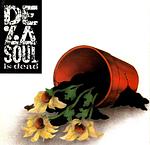
De La Soul Is Dead, De La Soul's 1991 second album produced largely by Prince Paul, marks a deliberate move away from the bright, playful tone of their debut toward darker, more satirical and mature themes. Musically it combines boom bap rhythms with eclectic sampling from funk, soul, rock and psychedelia, pairing experimental production with conscious lyrics, storytelling and industry critique; the record contains stark narratives like "Millie Pulled a Pistol on Santa" alongside more radio-oriented tracks such as "Ring Ring Ring (Ha Ha Hey)". The album represents a notable shift in the group's sound and a consolidation of an alternative hip hop identity.
#229 — The Ultimate Collection by Patsy Cline
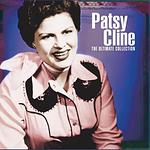
The Ultimate Collection (2000) is a compilation of Patsy Cline recordings that showcases her warm, emotive contralto and her blend of country, country pop, rockabilly and traditional country. The tracks emphasize her richly arranged ballads and more rhythmic numbers from her late 1950s and early 1960s sessions, illustrating the crossover sound and vocal phrasing that have influenced generations of country and pop singers. The album serves as a concise overview of her recorded legacy.
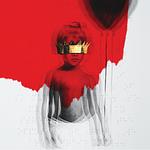
ANTI is Rihanna's eighth studio album, blending contemporary R&B, pop, and soul with a moodier, more experimental approach than much of her earlier mainstream work. The record emphasizes atmospheric, often minimalist production, slow tempos, and intimate vocal performances while incorporating elements of alternative R&B, reggae inflections, and electronic textures. Lyrically it explores desire, independence, and vulnerability, and it includes notable collaborations such as the single "Work" with Drake. The album is characterized by a willingness to subvert pop conventions and foreground mood and texture over straightforward radio hooks.
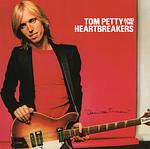
Damn the Torpedoes (1979) is Tom Petty and the Heartbreakers' third album, produced by Jimmy Iovine. It pairs concise, punchy rock arrangements and jangly guitar lines with strong pop hooks and a heartland rock sensibility, with occasional harder-edged guitar work and driving rhythms. Tracks like "Refugee", "Don't Do Me Like That" and "Here Comes My Girl" showcase Petty's direct songwriting about resilience and everyday life. The record marked a commercial and artistic breakthrough that helped define Petty's signature sound and influenced rock of the era.
#232 — Giant Steps by John Coltrane
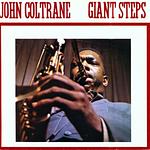
John Coltrane's 1960 album Giant Steps captures his move beyond hard bop into a modern post-bop and modal idiom, centered on the title composition's rapid harmonic cycle that came to be known as Coltrane changes. The record pairs technically demanding, high-speed improvisation with more lyrical material such as Naima, balancing dense chordal movement and moments of modal spaciousness. Its combination of harmonic experimentation and virtuosic ensemble playing marks a pivotal moment in Coltrane's artistic development and in the evolution of jazz harmony.
#233 — Little Earthquakes by Tori Amos

Little Earthquakes is Tori Amos's debut solo album, built around piano-led arrangements and confessional songwriting that blends alternative rock, pop, and classical influences. The record moves between intimate, stripped-down moments and fuller band textures, showcasing Amos's dramatic vocal delivery and emotionally direct lyrics about personal trauma, relationships, and spiritual questioning, and it includes the stark a cappella piece "Me and a Gun". The album helped introduce her distinctive voice within early 1990s alternative music.
#234 — Master of Reality by Black Sabbath
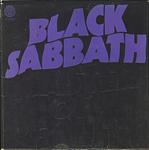
Master of Reality, Black Sabbath's 1971 album, deepens the band's heavy, riff-driven sound with down-tuned guitars, a raw, sludgy tone and slower tempos that helped lay groundwork for doom and stoner metal. The record pairs Tony Iommi's thick, fuzzy riffs with Geezer Butler's prominent bass and Ozzy Osbourne's distinctive vocals, and songs such as "Sweet Leaf", "Children of the Grave" and "Into the Void" showcase its dense, weighty approach. Its emphasis on low-end heaviness and simple, crushing arrangements made it a touchstone for later heavy metal subgenres.
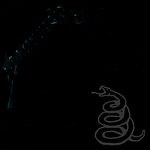
Metallica, commonly known as the Black Album, released in 1991, marks the band's shift from the faster thrash of their earlier records toward a heavier, more streamlined heavy metal and hard rock sound. The songs are generally shorter and more riff- and groove-oriented, with punchy, polished production by Bob Rock and greater emphasis on melody and atmosphere alongside aggressive guitar work. It features well known tracks such as Enter Sandman, Nothing Else Matters, Sad but True, and The Unforgiven that exemplify the album's balance of accessibility and metallic intensity.
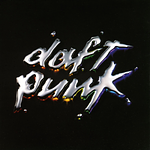
Discovery is Daft Punk's second studio album, released in 2001. It blends French house and electronic dance with disco, synthpop, and progressive house influences, emphasizing melodic songwriting, bright synth textures, and filter-heavy sampling. The duo made prominent use of vocoders and vocal manipulation on tracks like "One More Time" and "Harder, Better, Faster, Stronger", balancing dancefloor grooves with pop structures. The album was presented as a cohesive, concept-driven work and later served as the soundtrack for the animated film Interstella 5555.
#237 — Red Headed Stranger by Willie Nelson
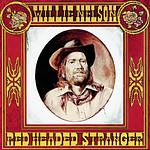
Red Headed Stranger, released in 1975, is a loose concept album by Willie Nelson that follows a wandering, guilt-ridden protagonist through themes of love, loss, and remorse. Musically it uses sparse, acoustic-centered arrangements and understated production that foreground Nelson's conversational vocal delivery and storytelling, blending country, folk, and Western influences. The album's stripped-down sound and cohesive narrative mark a deliberate move away from polished Nashville production toward a more personal, roots-oriented approach and includes the well-known rendition of "Blue Eyes Crying in the Rain."
#238 — Trans Europa Express by Kraftwerk
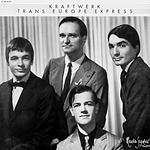
Trans-Europe Express, released in 1977 by Kraftwerk, is a landmark album of minimalist, machine-driven electronic music that helped shape late 1970s synth-based styles. It features steady, motorik-influenced rhythms, repetitive sequenced synthesizer lines, and vocoder-processed vocals that evoke themes of travel, technology, and modernity. The record's spare arrangements and emphasis on texture and groove marked a move toward fully electronic composition and influenced later electro, synth-pop, and experimental electronic artists.
#239 — Criminal Minded by Boogie Down Productions
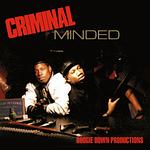
Criminal Minded, the 1987 debut by Boogie Down Productions led by KRS-One with DJ Scott La Rock, is a raw, street-level hardcore hip hop record that pairs spare, hard-hitting beats and crate-digging samples with reggae and dancehall inflections. The sound is minimalist and aggressive, featuring confrontational lyricism about street life and rap rivalries, notably on "South Bronx" and "The Bridge Is Over." Its production and delivery helped crystallize a tougher East Coast hip hop aesthetic and became a touchstone for later hardcore rap artists.
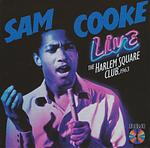
Live at the Harlem Square Club, 1963, recorded in 1963 and released in 1985, captures Sam Cooke in a raw, electric live setting where his voice leans into gospel-rooted soul rather than the polished pop of his studio work. The performance is driven by tight R&B arrangements, a spirited backing band, and energetic call-and-response with the crowd, highlighting Cooke's dynamic phrasing and emotional intensity. The recording is notable for its immediacy and the contrast it reveals between his live persona and his smoother studio image.
#241 — Blue Lines by Massive Attack
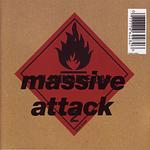
Blue Lines, Massive Attack's 1991 debut, blends hip hop rhythms, dub production, soul-influenced vocals and atmospheric electronic textures to help define the trip hop sound. The record pairs slow, heavy grooves and deep bass with lush string arrangements and distinctive guest vocals from Shara Nelson and Horace Andy, producing moody, cinematic tracks such as Unfinished Sympathy and Safe From Harm. Its fusion of sampled and live instrumentation, downtempo pacing, and a shadowy, club-informed aesthetic made it a touchstone for the Bristol scene and later alternative electronic music.
#242 — Loaded by The Velvet Underground
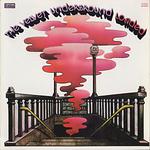
Loaded, released in 1970 by The Velvet Underground, moves toward a cleaner, more pop-oriented sound while retaining the band's art rock and garage roots. The record emphasizes hook-driven songwriting and melodic vocals on tracks such as "Sweet Jane" and "Rock and Roll", blending rock and folk-rock textures with concise, radio-friendly arrangements and clearer production compared with the group's earlier experimental work. The result is a more accessible, songwriter-focused entry in the Velvet Underground catalog that still carries their characteristic lyrical edge.
#243 — Odessey and Oracle by The Zombies
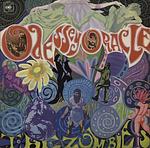
Odessey and Oracle, released in 1968 by The Zombies, is a compact album that blends baroque pop, rock, and psychedelic pop. It is characterized by ornate keyboard textures, close vocal harmonies, and melodically rich, reflective songwriting, combining chamber-pop arrangements with concise pop-rock hooks; notable tracks include "Time of the Season." The record is widely regarded for its sophisticated arrangements and bittersweet mood and has become a touchstone for listeners interested in 1960s baroque-influenced pop.
#244 — 808s & Heartbreak by Ye

808s & Heartbreak marks a deliberate shift toward sparse electronic production, built around Roland TR-808 percussion, Auto-Tuned pitched vocals, and minimalist synth textures. The album blends hip hop, pop rap, experimental and alternative R&B elements to foreground themes of loss, heartbreak, and emotional vulnerability, favoring melody and mood over dense sampling or traditional rap cadences. Its stark arrangements and introspective tone have been widely cited as influential on subsequent approaches to hip hop and modern R&B.
#245 — Heaven or Las Vegas by Cocteau Twins
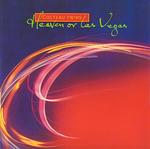
Heaven or Las Vegas (1990) finds Cocteau Twins applying their hallmark reverb-soaked guitars and Elizabeth Fraser's otherworldly vocals to more direct, melodic song structures. The album pairs shimmering guitar and warm synth layers with a restrained, slow-tempo pulse, producing lush, atmospheric tracks that sit between dream pop, ethereal wave, downtempo and shoegaze while emphasizing clearer vocal lines and accessible melodies.
#246 — Mama Said Knock You Out by LL Cool J
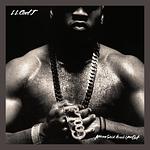
Mama Said Knock You Out (1990) finds LL Cool J blending hard-hitting, sample-driven hip hop production with pop-rap and R&B-tinged tracks. The album pairs aggressive, battle-ready vocals and punchy boom bap beats on songs like the title track with smoother, romantic singles, highlighting a broader vocal range and a tougher, more confrontational persona. It is notable for its dense, sample-forward sound and for reasserting LL Cool J's presence within early 1990s hip hop.
#247 — Love Deluxe by Sade
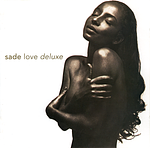
Love Deluxe, released in 1992, is an album by Sade that deepens the band's blend of contemporary R&B, smooth soul and sophisti-pop with cool jazz inflections and pop soul sensibility. The record centers on Sade Adu's restrained, husky vocals over minimalist, atmospheric production, mellow grooves and subtle horn and guitar textures, creating an intimate, nocturnal mood. Lyrically it focuses on themes of love and longing, and songs such as "No Ordinary Love" showcase its slow-burning, cinematic quality.
#248 — American Idiot by Green Day

American Idiot is Green Day's 2004 concept album that blends punk rock, pop punk, and alternative rock with a more expansive, theatrical approach. It follows a loose narrative built around characters such as Jesus of Suburbia and uses politically charged lyrics to explore disillusionment, media saturation, and personal alienation, pairing anthem-like choruses with guitar-driven arrangements and occasional multi-part songs. The record broadened the band's sound through denser production and longer compositions while retaining their melodic hooks and punk energy.
#249 — Whitney Houston by Whitney Houston
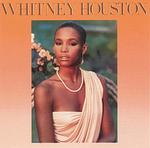
Whitney Houston is the 1985 self-titled debut album by Whitney Houston. Rooted in pop and contemporary R&B with dance-pop and electronic 1980s production, it pairs bright, synth-driven uptempo tracks with lush ballads and showcases Houston's wide range, precise phrasing, and vocal control. Produced by a team of pop and R&B producers, the record helped define her crossover appeal and contains songs that became central to her repertoire.
#250 — Singles Going Steady by Buzzcocks
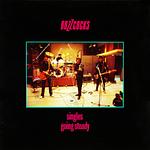
Singles Going Steady is a 1979 compilation album by Buzzcocks that assembles their early singles and non-album tracks from the late 1970s. Musically it pairs punk urgency with strong pop melodies and concise, hook-driven songwriting, delivered through bright, guitar-forward arrangements and direct vocals by Pete Shelley and Steve Diggle. The collection illustrates the band's blend of raw punk energy and melodic sensibility that helped shape later pop-punk and power pop approaches.
#251 — Honky Château by Elton John
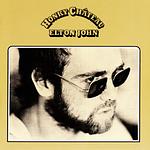
Honky Château, released in 1972, is a piano-led pop rock album from Elton John that incorporates noticeable country rock and American pop influences. Produced by Gus Dudgeon and recorded in France, it pairs upbeat, horn-tinged numbers such as "Honky Cat" with introspective ballads like "Rocket Man" and "Mona Lisas and Mad Hatters," showcasing tight band arrangements and a more polished, varied sound that broadened his stylistic range.
#252 — Q: Are We Not Men? A: We Are Devo! by DEVO
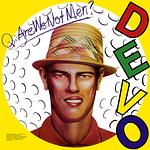
Q: Are We Not Men? A: We Are Devo! is Devo's 1978 debut album that fuses punk aggression with precise, mechanical rhythms, angular guitars, and synthesizer textures to produce a cold, ironic take on pop and rock. Tracks such as "Jocko Homo" and "Mongoloid" and their fractured cover of "(I Can't Get No) Satisfaction" feature staccato arrangements, off-kilter hooks, and satirical lyrics tied to the band's de-evolution concept. Produced by Brian Eno, the record crystallizes Devo's art punk and new wave approach and emphasizes performance art aesthetics and dark humor.
#253 — The Piper at the Gates of Dawn by Pink Floyd
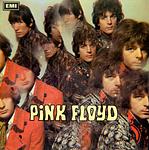
The Piper at the Gates of Dawn, Pink Floyd's 1967 debut, is a formative psychedelic rock record driven by Syd Barrett's idiosyncratic songwriting, playful lyrics, and inventive guitar work. Its sound combines whimsical melodies with experimental studio techniques, tape effects, prominent organ, and spacey guitar textures that point toward space rock and experimental rock. The album captures the band's early London psychedelia and Barrett's shaping influence on their initial musical direction before his departure.
#254 — Head Hunters by Herbie Hancock
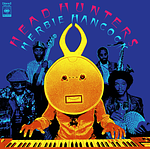
Head Hunters (1973) marks Herbie Hancock's turn toward jazz-funk and fusion, centering on deep, groove-driven compositions built from electric keyboards and early synthesizers, funky rhythm patterns, and layered percussion. Tracks such as "Chameleon" feature prominent synth basslines and extended vamps while a reworked "Watermelon Man" blends clavinet and African-influenced percussion; Bennie Maupin's reed work and the tight rhythm section of Paul Jackson, Harvey Mason, and Bill Summers provide both groove and textural contrast. The album is notable for bringing improvisational jazz language into danceable funk frameworks and for its lasting influence on jazz-funk, fusion, and later sampling in popular music.
#255 — The Freewheelin' Bob Dylan by Bob Dylan
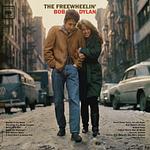
The Freewheelin' Bob Dylan, released in 1963 as Bob Dylan's second studio album, helped define his early voice in the 1960s folk revival. The record is built around sparse acoustic guitar and harmonica accompaniment and mixes traditional material with originals such as "Blowin' in the Wind", "A Hard Rain's a-Gonna Fall", "Masters of War", and "Don't Think Twice, It's All Right". Its songwriting foregrounds topical, poetic lyrics and draws on folk and blues influences within a contemporary folk framework.
#256 — Tracy Chapman by Tracy Chapman
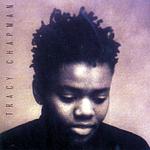
Tracy Chapman is the 1988 debut album by singer-songwriter Tracy Chapman, built around spare, acoustic-based arrangements that blend folk, rock and contemporary folk with subtle blues and soul touches. The sound is dominated by Chapman's clear, expressive voice and narrative songwriting, with intimate production that keeps the focus on lyrics about personal and social themes. Tracks such as "Fast Car" highlight the album's storytelling emphasis and melodic restraint. The record introduced Chapman as a notable voice in late 1980s folk-influenced rock and alternative folk.
#257 — Coat of Many Colors by Dolly Parton

Coat of Many Colors (1971) is a country album that highlights Dolly Parton's songwriting and storytelling, anchored by the autobiographical title track about poverty and maternal love. The record pairs roots-oriented arrangements such as acoustic guitar, fiddle, and steel guitar with touches of gospel and traditional country, putting Parton's clear, expressive voice and compact narrative songs at the forefront. Its intimate production and everyday-detail lyrics make it an important early statement of Parton's solo artistry.
#258 — The Hissing of Summer Lawns by Joni Mitchell
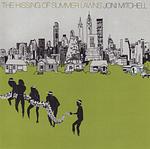
The Hissing of Summer Lawns (1975) finds Joni Mitchell expanding from her folk roots into a sound that blends jazz pop, folk pop and avant garde pop with elements of contemporary jazz. Arrangements emphasize electric keyboards, layered vocals and rhythmic complexity, while the harmonic language and song forms draw on jazz sensibilities. Lyrically the album uses observational narratives and ambiguous characters to examine suburban life, relationships and modernity. Overall it represents a deliberate, experimental turn toward denser production and sophisticated songwriting.
#259 — Pearl by Janis Joplin
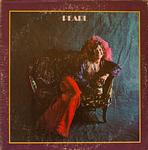
Pearl, released after Janis Joplin's death in 1971, is her final studio album and blends blues rock, soul, country-tinged rock and acoustic blues elements. Backed by the Full Tilt Boogie Band and produced by Paul Rothchild, the record pairs raw, emotive vocals with fuller, more polished production than her earlier work. Songs such as "Me and Bobby McGee" and "Mercedes Benz" showcase her storytelling and improvisational intensity, while rockers like "Move Over" and slower blues numbers underline a mix of power and vulnerability. The album serves as a document of Joplin's late-career sound.
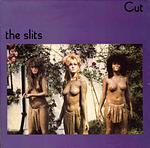
Cut, the 1979 debut by The Slits, blends post-punk immediacy with reggae and dub-influenced rhythms, pairing jagged, angular guitars and spare, propulsive bass with loose, improvisatory song structures. Ari Up's raw, expressive vocals and the band's off-kilter arrangements give the album a confrontational yet playful quality, while producer Dennis Bovell's use of echo and space brings a dub-informed production that foregrounds rhythm and texture. The result is an experimental, genre-melding record that helped expand the sonic possibilities of post-punk and art punk.
#261 — Check Your Head by Beastie Boys
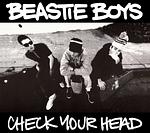
Check Your Head (1992) finds Beastie Boys returning to live instrumentation and blending East Coast hip hop rhythms with funk grooves, punk energy, and rock textures. The album pairs rap vocal delivery and sampling with prominent bass, guitar, and organ played by the trio, creating a raw, eclectic sound that broadened their palette beyond purely sample-based hip hop. Its production emphasizes gritty rock moments alongside tight funk and hip hop rhythms, showcasing the group's interest in band dynamics and genre mixing.
#262 — Power, Corruption & Lies by New Order
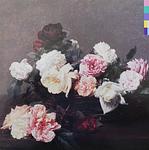
Power, Corruption & Lies (1983) finds New Order moving further from their post-punk origins into a more electronic, dance-oriented sound. The album pairs sequenced synths and drum machines with prominent, melodic basslines and understated vocals, blending synth-pop brightness with post-punk melancholy; tracks such as "Age of Consent" and "Your Silent Face" illustrate its mix of dance rhythms and introspective moods. The record is notable for helping to fuse electronic production techniques with pop songwriting in the early 1980s.
#263 — A Hard Day's Night by The Beatles
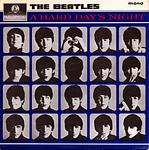
A Hard Day’s Night, the Beatles' 1964 soundtrack to their film of the same name, is built almost entirely from Lennon-McCartney compositions and crystallizes the group's early pop rock and beat sound. The record mixes concise, hook-driven songs and close vocal harmonies with jangly electric guitar textures, most famously the 12-string lead and the instantly recognizable opening chord of the title track. Songs range from driving rockers to melodic ballads and highlight punchy rhythmic interplay and melodic bass lines, marking a clear statement of the band’s songwriting focus during the early Beatles era.
#264 — Wish You Were Here by Pink Floyd
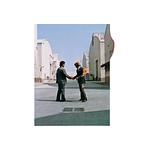
Wish You Were Here, released in 1975 by Pink Floyd, is a progressive and art rock album that blends long-form compositions, atmospheric studio production, and expressive guitar-led melodies. It is built around the multi-part suite "Shine On You Crazy Diamond", acts as a tribute to former member Syd Barrett, and contains songs like "Have a Cigar" and "Welcome to the Machine" that question the music industry. The record alternates between spacious synthesizer textures and warm electric guitar passages, favoring mood, soundscapes, and extended instrumental sections over concise pop arrangements.
#265 — Wowee Zowee by Pavement
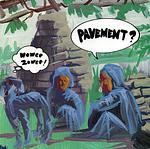
Wowee Zowee is a sprawling, off-kilter indie rock album that expands Pavement's slacker-era sound into more eclectic and experimental territory. Recorded with lo-fi textures and a willingness to shift between acoustic, noisy and country-tinged passages, the record favors playful, fragmented song structures and unpredictable sequencing over polished pop craft. Its ramshackle, iconoclastic approach challenged expectations set by the band's earlier work and remains a notable example of 1990s alternative rock embracing imperfection and eccentricity.
#266 — Help! by The Beatles
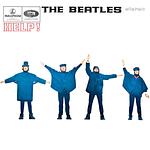
Help! is the Beatles' 1965 album that also served as the soundtrack to their film and marks a move from straightforward beat pop toward more varied, sometimes more introspective songwriting. It mixes rock, pop rock and folk rock elements with tight vocal harmonies, prominent acoustic textures and occasional orchestral arrangement, presenting both upbeat rockers and quieter, lyrically reflective pieces. The record documents the group's growing musical ambition and experimentation while retaining the melodic immediacy of their earlier work.
#267 — Double Nickels on the Dime by Minutemen
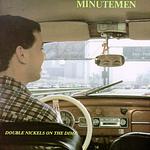
Double Nickels on the Dime is a sprawling 1984 double album by Minutemen that condenses their punk and hardcore roots into brief, tightly written songs while incorporating funk, jazz, and experimental rock touches. The trio's clipped, conversational vocals, angular guitar and prominent, melodic bass drive rapid shifts in tempo and texture across a dense tracklist, with lyrics that alternate between political observation and personal reflection. Its DIY production and eclectic approach broadened the palette of American underground rock and influenced many artists in alternative and post-punk circles.
#268 — Sail Away by Randy Newman
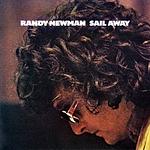
Sail Away is a 1972 Randy Newman album that pairs his piano-centered pop and rock with baroque pop and cabaret inflections. The songs use lush arrangements and piano-led motifs to frame Newman's character-driven, often ironic lyrics about American life, delivered with theatrical vocals and a blend of melancholy and dark humor. The record showcases his songwriting craft through melodic accessibility coupled with sharply observed storytelling.

Yeezus is a 2013 album by Ye that fuses hip hop with experimental, industrial and electronic textures. Its production is stark and abrasive, favoring distorted synths, harsh percussion and minimalist arrangements over lush sampling, with raw, direct vocal performances. The record marked a deliberate stylistic departure toward a confrontational, stripped-down sound and is often cited in discussions about experimental directions within mainstream hip hop.
#270 — Golden Hour by Kacey Musgraves

Golden Hour is a genre-blending country pop album that pairs Kacey Musgraves' conversational songwriting with lush, atmospheric production by Ian Fitchuk and Daniel Tashian. The sound mixes traditional country elements like steel guitar and acoustic picking with soft synthesizers, subtle electronic rhythms, and occasional disco-leaning textures to create a warm, spacious backdrop for intimate lyrics about love, self-acceptance, and quiet domestic moments. Its overall tone is relaxed and reflective, moving contemporary country toward a more expansive, pop-inflected sound.
#271 — What's the 411? by Mary J. Blige
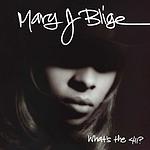
What's the 411? is Mary J. Blige's 1992 debut that fused contemporary R&B singing with hip hop production, helping to define the early 1990s hip hop soul sound. The album pairs expressive, blues-inflected vocals with sample-driven, groove-oriented beats and spare arrangements, exploring themes of love, heartbreak, and resilience. Its blend of soulful melodies and urban rhythms established much of Blige's signature vocal identity.
#272 — White Light/White Heat by The Velvet Underground
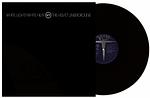
White Light/White Heat, The Velvet Underground's 1968 album, is a deliberately abrasive and experimental record that pushes the band's art rock and proto-punk tendencies into raw noise and improvisation. The production is rough and immediate, with John Cale's electric viola, distorted guitars, and Lou Reed's deadpan vocals combining on short, jagged songs and the sprawling, feedback-heavy centerpiece "Sister Ray". Lyrically the album confronts drug use, sexuality, and urban alienation with stark directness. Its abrasive sound and willingness to embrace distortion and free-form jams have made it an influential touchstone for later punk and noise rock developments.
#273 — Entertainment! by Gang of Four
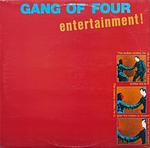
Entertainment!, the 1979 debut by Gang of Four, combines punk urgency with funk-influenced dance rhythms and art-punk angularity. The album is built on staccato, jagged guitar figures, propulsive, groove-driven bass and tight, rhythmic arrangements that favor economy and texture. Lyrically it offers direct, politically charged critiques of consumerism, interpersonal power and modern capitalism, delivered with a cool, detached vocal approach. The spare, abrasive sound and focus on rhythm and ideas helped define a strand of post-punk that fed into later dance-punk and alternative music.
#274 — Sweetheart of the Rodeo by The Byrds
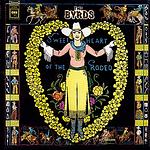
Sweetheart of the Rodeo is The Byrds' 1968 album that shifts the group's sound toward country rock, blending folk rock songwriting and rock rhythms with country instrumentation such as pedal steel and acoustic arrangements. Gram Parsons' involvement steered the record toward traditional country material and roots-flavored originals, delivered with close harmonies and a simpler, more direct production than the band's earlier psychedelic work, with songs like "Hickory Wind" exemplifying the album's tone. The record is widely regarded as an early and influential example of the country rock and Americana crossover.
#275 — Curtis by Curtis Mayfield
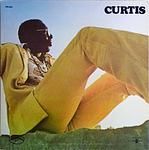
Curtis, Curtis Mayfield’s 1970 solo debut, moves from his work with The Impressions into a personal blend of soul, funk, and orchestral pop. The record pairs Mayfield’s light, expressive falsetto and rhythmic guitar with lush string and horn arrangements and more direct, socially aware songwriting, ranging from intimate ballads like The Makings of You to the driving optimism of Move On Up. Its mix of gospel-influenced vocals, groove-oriented rhythm sections, and thoughtful lyricism helped define the sound Mayfield would continue to develop in his solo career.
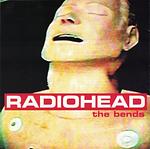
The Bends finds Radiohead expanding from their debut into more expansive, guitar-driven alternative rock that mixes melodic Britpop touches with darker, introspective lyrics and atmospheric, occasionally psychedelic textures. Thom Yorke's emotive voice and falsetto sit atop layered guitar arrangements and dynamic contrasts between loud, anthemic tracks and quieter, intimate moments. Songs such as "Fake Plastic Trees", "High and Dry", "Just", and "Street Spirit (Fade Out)" illustrate the album's blend of strong melodies and emerging experimental tendencies that the band would develop further on later records.
#277 — The Diary of Alicia Keys by Alicia Keys
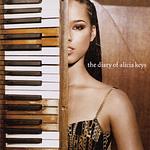
The Diary of Alicia Keys, released in 2003, is Alicia Keys's second studio album and blends contemporary R&B and neo soul with classic soul influences. It centers on piano-led arrangements, warm horns and organic rhythm sections, pairing intimate ballads and midtempo grooves with personal songwriting about love and growth. The album highlights Keys's vocal and piano work while expanding the sonic palette of early 2000s R&B through a focus on live instrumentation and mature, soulful production.
#278 — Houses of the Holy by Led Zeppelin
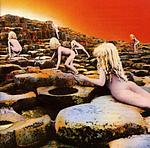
Houses of the Holy, released in 1973, finds Led Zeppelin expanding their hard rock and blues foundations into a broader sonic palette with studio experimentation and varied rhythms. The album blends driving rock and blues with acoustic passages, layered arrangements, and touches of reggae and funk, heard across tracks such as "The Song Remains the Same", "The Rain Song", "No Quarter", and "D'yer Mak'er". The performances highlight Jimmy Page's production and guitar textures, John Paul Jones's multi-instrumental arrangements, John Bonham's powerful drumming, and Robert Plant's dynamic vocals. The record is notable for its eclectic sequencing and for bringing more textural variety to the band's arena-ready sound.
#279 — MTV Unplugged in New York by Nirvana
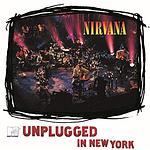
MTV Unplugged in New York is a live acoustic album by Nirvana recorded for the MTV Unplugged series that reframes the band's grunge sound with sparse, intimate arrangements rooted in folk rock and acoustic rock. The performances emphasize hushed dynamics and raw vocal delivery, with the core trio supported by an additional guitarist and a cellist, creating a darker, more melancholic texture than their electric studio work. The set mixes reworked band originals with covers, underscoring Nirvana's ties to alternative and folk influences while highlighting a quieter, more vulnerable side of their music.
#280 — Get Rich or Die Tryin' by 50 Cent
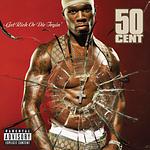
Get Rich or Die Tryin' is 50 Cent's 2003 debut studio album that blends gangsta rap and East Coast hip hop with pop-leaning hooks and occasional blues-tinged motifs. The record juxtaposes hard-edged street narratives and a confrontational vocal delivery with polished, beat-driven production and catchy choruses, moving between sparse, ominous tracks and more accessible, melody-centered songs. Its combination of raw storytelling and commercial sensibility helped shape a mainstream early 2000s rap sound.
#281 — Nilsson Schmilsson by Harry Nilsson
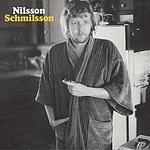
Nilsson Schmilsson, released in 1971, finds Harry Nilsson balancing melodic pop and rock with baroque pop ornamentation and piano-led arrangements. Produced by Richard Perry, the album moves between sweeping ballads and punchy pop-rock numbers while retaining Nilsson's penchant for offbeat humor and dramatic vocal phrasing; it features both memorable covers and strong originals that showcase his vocal range and songwriting craft. The record broadened Nilsson's mainstream visibility and is noted for its inventive arrangements and blend of polished studio production with quirky lyrical character.
#282 — In the Wee Small Hours by Frank Sinatra
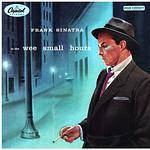
In the Wee Small Hours (1955) is a late-night, introspective album by Frank Sinatra featuring subdued, orchestral arrangements by Nelson Riddle supporting slow, melancholic ballads. The songs center on themes of loneliness and lost love, with Sinatra using intimate, nuanced phrasing and restrained dynamics to create a cohesive, moody atmosphere. The record is often regarded as an early example of a concept album for its unified emotional focus.
#283 — Bad Girls by Donna Summer

Bad Girls, released in 1979 by Donna Summer, blends late 1970s disco with emerging electronic dance textures to create a polished, dancefloor-focused sound. The album features driving grooves, prominent bass and percussion, layered vocals and synthesizer accents, with production from Giorgio Moroder and Pete Bellotte that pairs tight, radio-friendly song structures with moments of extended groove. Its mix of lush orchestration and electro-disco elements helped shape the transition from orchestral disco toward more synth-driven dance music.
#284 — Down Every Road by Merle Haggard
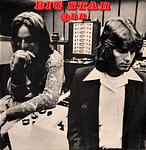
3rd, often issued as Third or Third/Sister Lovers, is Big Star's late 1970s album that departs from the bright power pop of their earlier records in favor of a darker, more experimental and melancholic sound. Alex Chilton's intimate, sometimes raw vocals sit against spare, fragmented arrangements and occasional orchestral touches, creating a haunted, introspective atmosphere that reflects the difficult circumstances of the sessions. Its unconventional textures and emotional directness have made it influential to later indie and alternative musicians.
#286 — Californication by Red Hot Chili Peppers
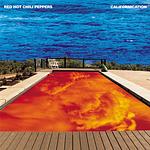
Californication, released in 1999, marked the return of guitarist John Frusciante and a shift toward more melodic, textured songwriting. The record blends the band's funk roots with alternative rock and more restrained, atmospheric arrangements, pairing introspective lyrics about fame, addiction, and life in California with clean guitar lines, melodic bass, and rhythmic grooves. Its mix of radio-friendly melodies and darker lyrical themes helped define the band's sound as they moved into the 2000s.
#287 — Mr. Tambourine Man by The Byrds
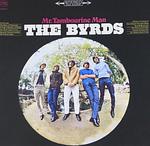
Mr. Tambourine Man, the Byrds' 1965 debut, blends folk songwriting with electric rock instrumentation to help define early folk rock. The record is built around jangly 12-string Rickenbacker guitar and close harmony vocals, opening with a rock arrangement of Bob Dylan's title track. It pairs covers of contemporary folk songs with concise originals by band members, notably Gene Clark, emphasizing bright, melody-driven songs with chiming guitar textures and pop sensibility.
#288 — The Modern Lovers by The Modern Lovers
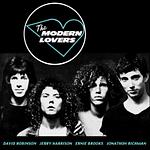
The Modern Lovers (1976) collects early recordings by Jonathan Richman and his band that favor a raw, direct approach rooted in garage rock and proto-punk while drawing on art rock and indie sensibilities. The music pairs spare, chiming guitars and steady, propulsive rhythms with Richman's candid, often childlike vocal delivery and conversational lyrics, blending deadpan wit and everyday observation. Its simplicity and immediacy highlight a balance of rough-edged energy and clear melodic focus that has been widely noted in discussions of early punk and indie precursors.

Post, released in 1995, is Björk's second solo album that builds on an electronic and art pop foundation with strong elements of trip hop, alternative dance, and pop. The record mixes punchy, sample-driven beats and industrial textures with sweeping strings and brass, moving between aggressive, rhythm-forward songs like 'Army of Me' and more introspective, melodic pieces such as 'Hyperballad' and 'Possibly Maybe', and it includes the theatrical cover 'It's Oh So Quiet'. Björk's distinctive vocal delivery and adventurous arrangements give the album a wide stylistic range and an experimental pop sensibility.
#290 — Speakerboxxx / The Love Below by OutKast
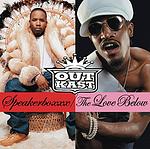
Speakerboxxx / The Love Below is OutKast's 2003 double album presented as two solo discs: Speakerboxxx showcases Big Boi's take on Southern hip hop, funk and pop rap with punchy beats and braggadocio, while The Love Below features André 3000's more melodic, genre-bending explorations in contemporary R&B, funk, jazz and pop with sung vocals and experimental arrangements. The paired records highlight the duo's contrasting artistic voices and a willingness to expand hip hop's sonic palette.
#291 — The Writing's on the Wall by Destiny's Child
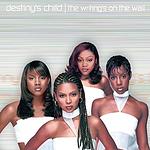
The Writing's on the Wall (1999) is Destiny's Child's second studio album, blending contemporary R&B and pop with polished production, tight three-part harmonies, and rhythmically driven grooves. Tracks range from intimate midtempo numbers to upbeat pop-R&B singles such as "Bills, Bills, Bills" and "Say My Name", with lyrics that address relationship tensions, trust, and female assertiveness. The album solidified the group's signature vocal dynamics and marked a defining moment in their late 1990s sound.
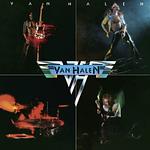
Van Halen's 1978 self-titled debut introduced the band's high-energy hard rock and arena-ready sound, anchored by Eddie Van Halen's inventive guitar work and David Lee Roth's flamboyant vocals. The record blends punchy riffs, pop-influenced hooks and a tight rhythm section, and includes the instrumental "Eruption" that showcased two-handed tapping alongside a cover of the Kinks' "You Really Got Me." Its raw production and emphasis on guitar virtuosity made it a touchstone for late 1970s hard rock and many guitar-centric rock acts that followed.
#293 — Last Splash by The Breeders
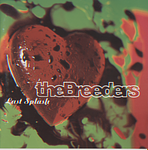
Last Splash, released in 1993 by The Breeders, is an alternative rock album that blends concise pop songwriting with noisy, guitar-driven textures and playful, off-kilter arrangements. Kim Deal's deadpan vocals and catchy hooks sit alongside tight rhythm parts and bursts of distortion, producing a mix of melodic accessibility and raw, lo-fi grit; it includes the distinctive single "Cannonball" and other tracks that highlight the band's use of surf-tinged riffs, vocal harmonies, and loose, improvisational moments. The record is often cited for its role in shaping the sound and attitude of early 1990s alternative rock.
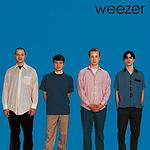
Weezer (1994), commonly known as the Blue Album, is the band's debut studio record. Produced by Ric Ocasek, it blends alternative rock and power pop with clean, guitar-driven arrangements, prominent melodic hooks, and introspective lyrics from Rivers Cuomo. Tracks such as "Undone (The Sweater Song)", "Buddy Holly", and "Say It Ain't So" mix crunchy guitars, singalong choruses, and occasional softer passages, creating an accessible yet angular sound that became associated with 1990s alternative and pop punk scenes.
#295 — Random Access Memories by Daft Punk
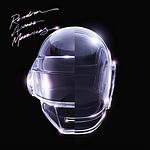
Random Access Memories (2013) finds Daft Punk shifting from sample-based house toward a warm, live-instrument approach that blends electronic production with disco, funk and nu-disco influences. The album emphasizes analog textures, extended groove-based arrangements and contributions from collaborators such as Nile Rodgers, Pharrell Williams and Giorgio Moroder, producing a mix of sunlit disco rhythms, soulful vocals and electronic accents. Its sound represents a deliberate move toward vintage studio techniques and human performance while retaining modern studio polish.
#296 — Rust Never Sleeps by Neil Young, Crazy Horse
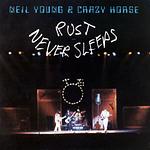
Rust Never Sleeps, credited to Neil Young with Crazy Horse and released in 1979, mixes acoustic folk rock songs with searing electric rock performed with Crazy Horse. The album contrasts quiet, introspective solo pieces and loud, distorted guitar workouts, exploring themes of aging, rock and roll, and cultural change, and it highlights Young's movement between delicate melodies and raw, feedback-heavy textures. The combination of folk, country-tinged numbers and hard rock passages creates a dramatic dynamic between intimacy and explosive live energy.
#297 — So by Peter Gabriel
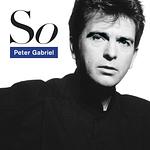
Peter Gabriel's 1986 album So blends art rock and pop rock with electronic and world music influences, combining concise, radio-friendly songcraft with layered, atmospheric production. Notable tracks include the horn-driven, funk-tinged "Sledgehammer" and the duet "Don't Give Up" with Kate Bush; the album emphasizes rhythmic textures, synthesizer atmospheres, and studio polish while retaining Gabriel's experimental sensibility.
#298 — Full Moon Fever by Tom Petty
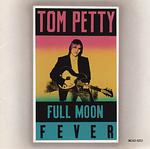
Full Moon Fever is Tom Petty's 1989 solo album that blends heartland rock, classic rock, pop rock, and folk rock into concise, melodic songs. Produced by Jeff Lynne and featuring guitar work from Mike Campbell, the record pairs jangly and acoustic textures with layered harmonies and polished, hook-driven arrangements. Its plainspoken lyrics and memorable choruses emphasize Petty's strengths as a songwriter while exploring a slightly more pop-oriented production than his work with the Heartbreakers.
#299 — Live at the Regal by B.B. King
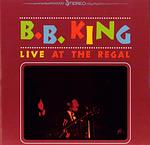
Live at the Regal, recorded at the Regal Theatre in Chicago and released in 1965, captures B.B. King's electric Chicago blues in a live club setting. The album showcases his warm, expressive vocals and economical yet powerful guitar solos backed by a tight band, with strong call-and-response moments and a vivid sense of audience interaction. It is widely regarded as a landmark live blues recording that highlights King's stage presence and the immediacy of urban electric blues.
#300 — Come On Over by Shania Twain
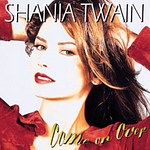
Come On Over is a 1997 album by Shania Twain that blends country, pop, and pop rock with production by Robert John "Mutt" Lange. The sound pairs country instruments such as steel guitar and fiddle with polished, hook-driven pop-rock arrangements, spanning upbeat, danceable tracks and slower ballads with lyrics about relationships and personal confidence. The album is notable for its crossover approach within contemporary country music.