 The Greatest Music
500 Greatest Albums of All Time: 2023 edition
Weight: 100%
How much this list influences our overall rankings. Higher weight means more reliable data.
Penalties Applied:
Rolling Stone’s 500 Greatest Albums of All Time (2023 update) is the latest edition of the magazine’s most-read and debated feature, originally published in 2003 and revised in 2012 and 2020. The core list was created in 2020 from ballots submitted by more than 300 artists, producers, writers, and music-industry figures—including Beyoncé, Taylor Swift, Billie Eilish, Raekwon, Stevie Nicks, and members of U2—each ranking their top 50 albums. The 2023 version makes light adjustments to account for new classics released since then by artists like Beyoncé, Bad Bunny, and Taylor Swift, while retaining the broader scope of the 2020 reboot, which introduced 163 new entries and emphasized the evolving and expanding canon of music history.
#301 — New York Dolls by New York Dolls
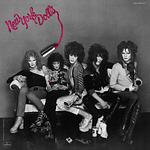
New York Dolls, the band's 1973 debut, delivers a raw, raucous fusion of glam theatrics and hard rock grit with clear proto-punk urgency. The record mixes distorted, riff-driven guitars and driving rhythms with sleazy, R&B-tinged rock and roll and theatrical, sneering vocals, producing a loose, streetwise sound that stood apart from more polished mainstream rock. Its rough-edged aesthetic and brash attitude is widely regarded as an important precursor to the punk movement and a touchstone for later punk and alternative artists.
#302 — Tonight's the Night by Neil Young
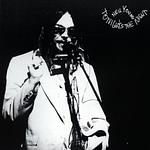
Tonight's the Night (1975) is a raw, emotionally charged album by Neil Young, recorded in informal sessions following the deaths of close friends. It blends country rock, blues rock, and hard-edged rock with ragged, loose performances, spare piano and guitar textures, and weary, intimate vocals. The album's rough production and persistent themes of grief and disillusionment mark a deliberate move away from polished studio work and give it a dark, candid character within Young's 1970s output.
#303 — The Definitive Collection by ABBA
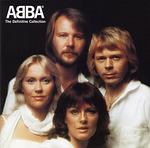
The Definitive Collection (2001) is a compilation album presenting ABBA's Europop, disco and pop rock repertoire, emphasizing their polished studio production, tight vocal harmonies and memorable melodic hooks. The set highlights the group's blend of danceable, disco-influenced arrangements and pop songwriting that defined much of their late 1970s and early 1980s output.
#304 — Just As I Am by Bill Withers
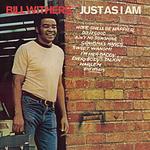
Just As I Am is Bill Withers' 1971 debut album, produced by Booker T. Jones. The record introduced his understated approach to soul, pairing plainspoken, autobiographical lyrics with spare, groove-oriented arrangements that blend deep soul balladry and smooth soul touches. Withers' warm baritone and simple guitar work are foregrounded, supported by subtle horns and organ, and the album includes songs such as "Ain't No Sunshine" and "Grandma's Hands" that illustrate its intimate, timeless sound.
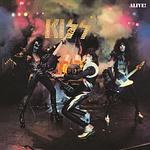
Alive! is a 1975 live album by KISS that documents the band's loud, theatrical stage show with high-energy, stripped-down performances. The sound emphasizes driving guitar riffs, propulsive rhythms, crowd noise and singalong choruses, presenting raw, amplified versions of their songs that helped define the group's hard rock and glam rock persona and fed into the aesthetics later associated with glam metal.
#306 — I'm Still in Love With You by Al Green
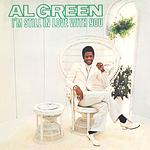
I'm Still in Love With You (1972) captures Al Green's signature blend of smooth and Southern soul, pairing his intimate, gospel-tinged vocals with restrained, funky grooves. Produced in the Hi Records style with warm, spacious arrangements and the subtle interplay of strings, horns, organ, and a tight rhythm section, the album emphasizes sensual, understated performances and polished production that helped define Green's classic sound.
#307 — Portrait of a Legend 1951–1964 by Sam Cooke
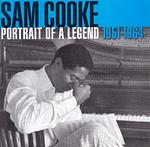
Portrait of a Legend 1951–1964 is a 2003 compilation that surveys Sam Cooke's recordings from 1951 to 1964 and traces his move from gospel into secular soul. The set emphasizes his smooth, expressive tenor and economical songcraft, pairing gospel-rooted vocal phrasing with pop melody and deep soul feeling to illustrate his role in shaping early soul music.
#308 — Here Come the Warm Jets by Brian Eno
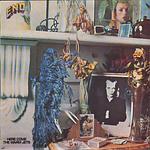
Here Come the Warm Jets is Brian Eno's 1973 debut solo album that blends art rock and glam sensibilities with experimental studio techniques. Short, song-based tracks combine pop structures and avant-garde approaches, using tape manipulation, unconventional arrangements, and a wry sense of humor, while contributions from various British rock musicians give the record a loose, patchwork feel. The album marks a transitional moment in Eno's work, showcasing his interest in production as a compositional tool and foreshadowing his later ambient explorations.
#309 — Closer by Joy Division
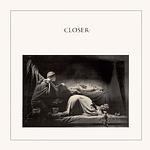
Closer is Joy Division's 1980 album that presents a stark, atmospheric take on post-punk with clear ties to new wave and early gothic rock. The record is characterized by Martin Hannett's spacious, reverb-heavy production, Peter Hook's melodic, high-register basslines, Bernard Sumner's angular guitars and synth textures, and Ian Curtis's deep, intense vocals paired with spare, often bleak lyrics. Overall it emphasizes mood, restraint, and a cold, cinematic ambience that proved influential on later alternative and gothic-leaning acts.
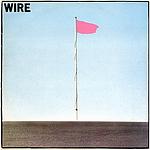
Pink Flag, Wire's 1977 debut, pares punk down to terse, guitar-driven songs and a spare, angular sound that blends punk urgency with art-punk experimentation and early post-punk restraint. Many tracks are extremely concise, featuring staccato guitar lines, clipped rhythms and detached vocals, giving the album a minimalist, precise feel that helped point punk toward more experimental and cerebral directions.
#311 — On the Beach by Neil Young
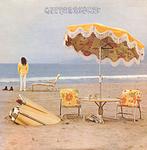
On the Beach (1974) finds Neil Young moving away from the polished sound of his earlier work into a rawer, darker set of songs that blend rock, country rock, pop rock and singer-songwriter intimacy. The arrangements range from spare acoustic passages to ragged electric textures, with plaintive vocals and pedal steel accents creating a persistent mood of disillusionment and melancholy. Lyrically it touches on personal loss, social unease and a weary outlook, and the record is often regarded as one of Young's more uncompromising and emotionally direct works from the 1970s.
#312 — A Seat at the Table by Solange

A Seat at the Table is a 2016 album by Solange that blends neo-soul and contemporary R&B with funk, electronic textures, and hip hop influences, favoring sparse, warm production and layered vocal harmonies. The record uses atmospheric synths, mellow grooves, and spoken-word interludes to create a reflective, intimate mood, and lyrically focuses on themes of Black identity, resilience, family, and personal healing. The album reads as a cohesive, conceptually focused statement in Solange's catalog, notable for its attention to sonic detail and emotional restraint.
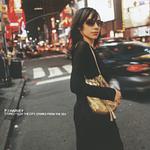
Stories From the City, Stories From the Sea is PJ Harvey's 2000 album that emphasizes brighter, more melodic arrangements while keeping her intense, concise songwriting. The record blends indie and alternative rock with art rock and folk influences, using chiming guitars, piano and atmospheric production to frame lyrics that often evoke urban life and intimate relationships. Compared with her earlier, rawer records, this album is notable for its clearer melodic focus and varied instrumental textures.
#314 — One in a Million by Aaliyah
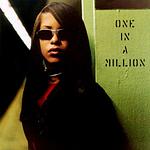
One in a Million, Aaliyah's 1996 album, blends contemporary R&B, pop, hip hop, pop rap, and pop soul with minimalist, syncopated production largely from Timbaland and contributions from Missy Elliott. The record pairs Aaliyah's cool, understated vocal delivery with stuttering beats, off-kilter percussion, and atmospheric textures, producing a sleek, futuristic sound on tracks like "If Your Girl Only Knew", "One in a Million", and "4 Page Letter". Thematically focused on relationships and self-possession, the album is often cited as a turning point that helped move mainstream R&B toward more experimental rhythmic and sonic approaches.
#315 — EL MAL QUERER by ROSALÍA
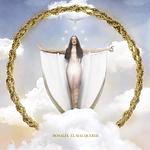
El Mal Querer is a 2018 concept album by Rosalía that reinterprets flamenco through contemporary production. Produced largely with El Guincho, it blends traditional flamenco vocal techniques, handclaps and rhythmic motifs with electronic beats, trap-influenced percussion, alternative R&B phrasing and art pop arrangements. The record frames a loose narrative inspired by a medieval romance about obsessive love, using layered vocal production and stark-to-dense sonic shifts to juxtapose intimate cante with modern textures and cinematic songcraft.
#316 — The Who Sell Out by The Who
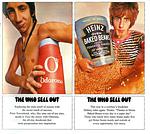
The Who Sell Out is a 1967 concept album by The Who that mimics a pirate radio broadcast, weaving short faux commercials and jingles into a sequence of songs that blend mod energy, pop rock hooks, psychedelic pop color, and art pop experimentation. Pete Townshend's songwriting and production provide a through line, with bold arrangements and studio touches supporting melodic tunes and moments of raw rock intensity, while Roger Daltrey's vocals and Keith Moon's dynamic drumming help anchor the performances. The record is often noted for its playful satire of consumer culture and its inventive use of pop forms within a unified, tongue in cheek concept.
#317 — Lady in Satin by Billie Holiday
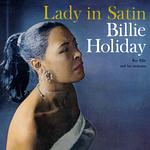
Lady in Satin (1958) presents Billie Holiday in a late-career, emotionally raw mode, her fragile, weathered voice set against lush orchestral arrangements by Ray Ellis that emphasize strings and melancholic textures. The record focuses on torch songs and standards delivered with intimate phrasing and a sense of vulnerability, the contrast between Holiday's worn timbre and the polished orchestral backdrop creating a haunting, poignant atmosphere. It is widely regarded as a powerful and affecting artistic statement from her later years.
#318 — The Velvet Rope by Janet Jackson
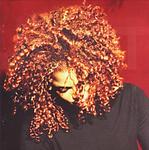
The Velvet Rope is a late 1990s album produced largely with Jimmy Jam and Terry Lewis that blends contemporary R&B, pop, art pop, dance-pop and New Jack Swing influences into a moody, texturally rich record. It pairs danceable grooves and slow jams with layered electronic production, orchestral touches and atmospheric interludes, and features intimate, restrained vocals that emphasize themes of sexuality, self-worth, loneliness and emotional vulnerability. The overall sound is darker and more introspective than some of Janet Jackson's earlier pop work, aiming for a cinematic, experimental take on mainstream R&B and pop.
#319 — The Stone Roses by The Stone Roses
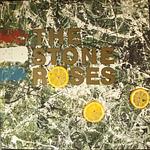
The Stone Roses' 1989 self-titled debut blends jangly, chiming guitar work with propulsive, danceable rhythms and a touch of psychedelia, pairing John Squire's melodic guitar lines with Ian Brown's laconic vocal delivery. Tracks shift between concise pop hooks and sprawling, groove-driven pieces, with production that emphasizes shimmering guitars and elastic bass. The album is closely associated with the Madchester scene and is often cited as an influential touchstone for later Britpop and indie bands.
#320 — Los Angeles by X
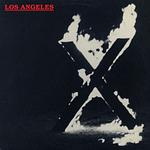
Los Angeles, released in 1980 by Los Angeles punk band X, is a concise, hard-edged punk rock album that blends rock and roll and rockabilly influences with literate, often darkly observational lyrics about urban life. The record features the interplay of Exene Cervenka and John Doe's distinctive dual vocals, Billy Zoom's rockabilly-tinged guitar and tight rhythm work from D. J. Bonebrake, and was produced by Ray Manzarek, which contributes to a raw but controlled sound that helped define the early Los Angeles punk scene.
#321 — Norman Fucking Rockwell! by Lana Del Rey
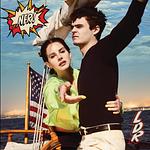
Norman Fucking Rockwell! is Lana Del Rey's 2019 album that blends art pop, soft rock, chamber pop, dream pop and neo-psychedelia into a largely piano-forward, cinematic sound. The record pairs Lana's languid, melancholic vocal delivery with warm analog textures, restrained percussion and occasional psychedelic guitar passages, emphasizing intimate, conversational lyrics about love, fame and American life. Production is spacious and often spare, with notable collaboration with Jack Antonoff contributing to its vintage-tinged arrangements and focus on extended, mood-driven songs rather than conventional pop structures.
#322 — From Elvis in Memphis by Elvis Presley
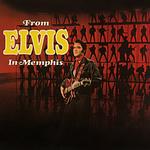
From Elvis in Memphis (1969) was recorded at American Sound Studio in Memphis with producer Chips Moman and moves away from Presley’s recent movie soundtrack work toward a tighter blend of country, pop and soul often labeled blue-eyed soul or country soul. The arrangements favor a muscular rhythm section, horns and gospel-tinged backing vocals, and the album includes the socially minded song "In the Ghetto" while showcasing a more mature, emotionally direct vocal approach that helped revitalize his studio output.
#323 — Sandinista! by The Clash
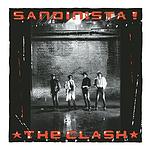
Sandinista! is The Clash's sprawling 1980 project that pushes the band beyond straight punk into a wide mix of dub, reggae, funk, early hip hop, pop rock, and experimental studio work. The record pairs political and social lyrics with extended dub mixes, instrumental passages and genre-hopping arrangements, reflecting a deliberate move toward sonic variety and studio experimentation. Its loose, sometimes rough production and eclectic song styles mark it as an ambitious, genre-blurring statement from a band stretching the boundaries of punk.
#324 — A Rush of Blood to the Head by Coldplay
A Rush of Blood to the Head, Coldplay's 2002 second album, expands the band's sound from their debut with piano-driven ballads and more prominent guitar textures, balancing intimate, melancholic songwriting with larger, arena-scaled arrangements. Tracks such as "Clocks", "The Scientist", and "In My Place" emphasize spare piano motifs, ringing guitars, and melodic, emotive vocals that foreground atmosphere and directness. The record helped define the band's style within early 2000s post-Britpop and piano rock and marked a clear step toward more mature, anthemic songwriting.
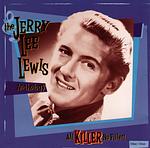
All Killer No Filler! The Jerry Lee Lewis Anthology presents Jerry Lee Lewis's high-energy rock and roll performances, centered on his pounding piano, boogie-woogie rhythms, and raucous vocal delivery. The compilation highlights the raw, punchy studio sound and the blend of country, rhythm and blues, and piano-driven boogie that helped define Lewis's influential, larger-than-life approach to early rock and roll.
#326 — Dirty Mind by Prince
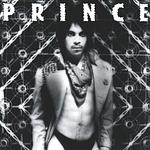
Dirty Mind (1980) is Prince's third studio album that marked a stylistic shift toward a stripped-down, synth-driven blend of funk, rock, dance-pop and contemporary R&B. The record pairs sparse drum-machine patterns and angular guitar work with candid, sexually frank lyrics, favoring raw, lo-fi production and tight, hook-focused songwriting. Its genre-blurring approach and minimalist aesthetic helped shape the early Minneapolis sound and signaled Prince's emergence as a daring songwriter and producer.
#327 — Live at Leeds by The Who
Recorded at Leeds University in 1970, Live at Leeds captures The Who in a loud, raw live set that emphasizes hard rock and blues-rock intensity alongside the band's classic rock songwriting. The album features extended, high-energy performances, muscular guitar work from Pete Townshend, forceful vocals from Roger Daltrey, dynamic bass from John Entwistle, and frenetic drumming by Keith Moon, with a stripped-down, immediate sound that influenced subsequent live rock recordings.
#328 — Modern Vampires of the City by Vampire Weekend
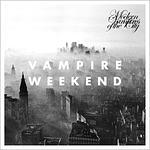
Modern Vampires of the City is Vampire Weekend's 2013 album that expands their indie rock and art pop palette into darker, more textured territory. The songs blend chamber and baroque pop arrangements, horns, organs, choral harmonies and sample-based production with crisp percussion and layered vocal lines. Lyrically it leans toward introspective themes such as mortality, faith and growing older, and the production emphasizes space and subtle studio manipulation compared with the band's earlier, more buoyant work. Overall it marks a shift toward more compositionally adventurous and atmosphere-driven songwriting.
#329 — Endtroducing..... by DJ Shadow
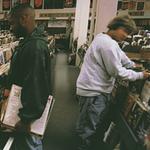
Endtroducing....., released in 1996 by DJ Shadow (Joshua Davis), is an instrumental hip hop album built almost entirely from sampled material. Its sound combines downtempo beats, cinematic textures, scratches and found sounds into moody, collage-like tracks that sit at the intersection of trip hop, electronic and hip hop production. The album is widely regarded as a landmark in sample-based and instrumental hip hop for its dense layering and immersive sequencing.
#330 — African Giant by Burna Boy

African Giant is Burna Boy's 2019 album that blends contemporary Afrobeat and dancehall with elements of reggae, highlife, hip-hop, and pop. The production pairs West African rhythmic patterns and melodic sensibilities with modern, bass-forward beats and polished studio textures, while lyrics move between personal reflection, social commentary, and pan-African themes. The record features a range of collaborations and helped amplify Burna Boy's crossover, internationally minded sound.
#331 — Like a Prayer by Madonna
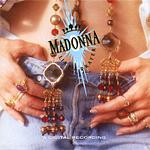
Like a Prayer, released in 1989, finds Madonna moving toward more personal songwriting and a broader sonic palette, blending pop and dance-pop with synth-pop, electronic production and pop rock elements. The title track uses a gospel choir and organ to inject spiritual textures, while other songs combine synthesizers and drum machines with live guitars, horns and soulful backing vocals. The album is characterized by its juxtaposition of secular and religious imagery and a more mature, varied sound than her earlier work.
#332 — Elvis Presley by Elvis Presley
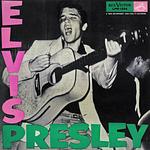
Elvis Presley (1956) showcases a young performer fusing rock and roll, rockabilly, pop, and rhythm and blues into a direct, guitar-driven sound. The record pairs raucous uptempo numbers with more melodic pop-leaning tracks, highlighting Elvis's energetic vocal delivery, twangy guitar, steady backbeat, and traces of country and gospel influence. Its raw immediacy and stylistic blend helped crystallize the early rock and roll aesthetic and introduce Elvis's charismatic presence on record.
#333 — Still Bill by Bill Withers
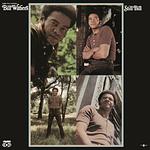
Still Bill, released in 1972, is Bill Withers' second studio album and showcases his warm baritone and plainspoken songwriting across a mix of soul, R&B, funk, pop, and smooth soul. The record pairs spare, groove-driven arrangements with acoustic guitar, electric piano, and a tight rhythm section, producing a relaxed but rhythmic sound on tracks such as "Lean on Me" and "Use Me." Lyrically it balances personal intimacy and everyday observation, and its accessible production emphasizes Withers' direct vocal delivery and storytelling.
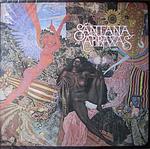
Abraxas, released in 1970 by Santana, blends rock with Afro-Latin rhythms and psychedelic textures. Carlos Santana's sustained, lyrical guitar lines ride over a rhythm section rich in congas, timbales and other Latin percussion, while organ and soulful vocals bring blues and jazz inflections. The album mixes reinterpretations and originals, from danceable Latin grooves to mellow instrumental passages like "Samba Pa Ti", and is notable for its fusion of improvisational rock energy with Latin musical forms.
#335 — The Basement Tapes by Bob Dylan, The Band
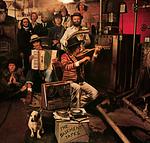
Released in 1975, The Basement Tapes compiles informal recordings Bob Dylan made with members of The Band in 1967 at the Big Pink house in West Saugerties, New York. The music blends folk, rock, and country rock with a loose, rootsy sound, featuring ensemble vocals, rustic arrangements, and off-the-cuff songwriting that mixes traditional forms and original material. The album is marked by its unpolished, collaborative atmosphere and helped shape later strands of Americana and roots rock.
#336 — Avalon by Roxy Music
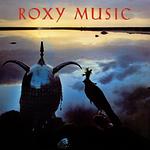
Avalon, released in 1982 by Roxy Music, pares the band’s art rock roots into a polished, atmospheric blend of sophisti-pop, soft rock, and pop rock. Bryan Ferry’s languid vocals float over shimmering synth textures, subtle guitar work, and tasteful saxophone, producing a romantic, late-night mood that emphasizes mood and production as much as songcraft. The record is notable for its sleek, restrained arrangements and for steering the group toward a smoother, more elegiac sound.
#337 — John Wesley Harding by Bob Dylan
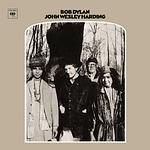
John Wesley Harding is a 1967 Bob Dylan album that pares arrangements down to a spare, roots-oriented sound blending folk, country, and rock elements. The songs are concise and narrative-driven, often using biblical and Western imagery, with restrained acoustic guitar and subtle backing instruments; notable tracks include All Along the Watchtower and I’ll Be Your Baby Tonight. The record represented a shift away from the mid 1960s electric sound toward a more song-centered, stripped-down approach associated with the emerging country rock and contemporary folk currents.
#338 — Another Green World by Brian Eno
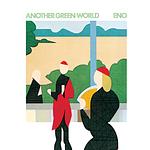
Another Green World, released in 1975, finds Brian Eno shifting from art rock toward ambient and experimental electronic composition. The album mixes a few vocal songs with mostly instrumental pieces, using treated keyboards, synthesizers, guitars and unconventional percussion to build sparse, textured soundscapes and melodic fragments. Its production emphasizes unusual timbres and layering, and the record marks a key step in Eno's development of ambient approaches to composition.
#339 — Rhythm Nation 1814 by Janet Jackson
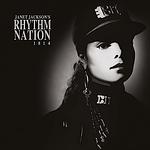
Rhythm Nation 1814, Janet Jackson's 1989 album produced with Jimmy Jam and Terry Lewis, blends contemporary R&B, new jack swing, hip hop and pop with downtempo ballads, combining tight, percussion-driven grooves and layered electronic production with melodic songwriting. The record pairs socially conscious themes about unity and social issues with dance-oriented tracks and slow jams, and is notable for its precise rhythmic arrangements, syncopated beats and strong emphasis on choreography and visual presentation.
#340 — Doggystyle by Snoop Dogg
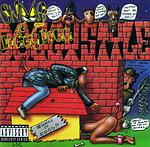
Released in 1993, Doggystyle is Snoop Dogg's debut solo album that epitomizes the West Coast G-funk sound of the early 1990s. Largely produced by Dr. Dre and collaborators, the record pairs slow, funk-derived grooves, melodic synth leads, and heavy bass with layered vocal hooks, creating a relaxed instrumental backdrop for Snoop's languid drawl and street-centered storytelling that balances party tracks with darker narratives. The album's production style and Snoop's persona helped shape the sonic identity of West Coast gangsta rap during that era.
#341 — Siamese Dream by The Smashing Pumpkins
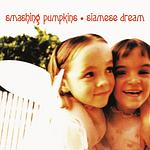
Siamese Dream, released in 1993 by The Smashing Pumpkins, blends alternative rock and grunge intensity with shoegaze and dream pop textures. The record is notable for dense, multi layered guitar overdubs, stark dynamic shifts between heavy, distorted passages and melodic, hook driven sections, and Billy Corgan's emotive, introspective vocals and lyrics. Songs such as "Cherub Rock," "Today," and "Disarm" illustrate its mix of aggressive guitar work and shimmering atmospherics, and the album is frequently regarded as a key release in early 1990s alternative rock.
#342 — Let It Be by The Beatles
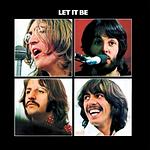
Let It Be (1970) is the Beatles' final studio album release, assembled from 1969 sessions and issued after the group had effectively broken up. The record mixes rock, pop rock, beat music and blues influences, pairing a back-to-basics, live-in-studio feel on several tracks with more produced, orchestral and gospel-tinged arrangements on others. Its varied production approaches and close ties to the documentary film give the album a raw, documentary quality within the Beatles catalogue.
#343 — Greatest Hits by Sly & the Family Stone
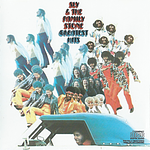
Greatest Hits (1970) gathers Sly & the Family Stone's late 1960s material to showcase their genre-blending approach, mixing driving funk grooves with psychedelic soul, pop-oriented hooks and rock energy. The album highlights tight, syncopated rhythms, prominent bass and organ, punchy horn lines and communal vocal arranging that moves between celebratory party songs and socially aware lyrics, reflecting the band's adventurous production and interracial, mixed-gender lineup. As a concise overview of their early work, it provides a clear sense of the band's influence on subsequent funk and soul developments.
#344 — Funky Kingston by Toots & The Maytals
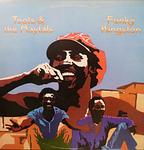
Funky Kingston (1973) by Toots & The Maytals blends raw roots reggae rhythms with strong soul and R&B vocal influences. The record pairs driving, up-tempo grooves and prominent offbeat rhythms with organ and horn accents, anchored by Toots Hibbert’s gospel-tinged, exuberant lead vocals, giving tracks both dancefloor energy and soulful intensity. It stands as an example of the group’s ability to fuse upbeat, accessible arrangements with deeper roots and spiritual inflections.
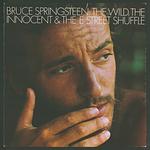
The Wild, the Innocent & the E Street Shuffle is Bruce Springsteen's second album, built around evocative, character-driven songwriting and loose, band-centered arrangements. Musically it blends folk rock and rock with noticeable jazz rock touches, featuring extended saxophone, organ, and piano passages that give several tracks a cinematic, improvisatory feel. The record played an important role in shaping Springsteen's narrative approach and the E Street Band's ensemble sound, with songs that unfold as urban vignettes and long-form arrangements rather than concise pop singles.
#346 — AM by Arctic Monkeys
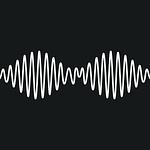
AM, released in 2013 by Arctic Monkeys, blends the band's indie and alternative rock foundations with bluesy guitar riffs, R&B inflections and hip hop influenced rhythms to create a groove-oriented, nocturnal sound. The record emphasizes low-end guitar hooks, punchy backbeats and slick, crooning vocal lines from Alex Turner, marking a shift toward darker, more rhythm-driven textures compared with the band's earlier, more overtly guitar-led albums. Largely produced by James Ford, the album is notable for its polished production and emphasis on atmosphere and groove.
#347 — Liquid Swords by GZA/Genius
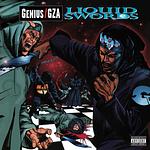
Liquid Swords, released in 1995 by GZA/Genius, is a focused East Coast hip hop record rooted in boom bap and hardcore styles. Produced largely by RZA, it pairs stark, cinematic beats built from dusty samples and eerie textures with GZA's dense, chess and martial arts-inflected lyricism and intricate internal rhymes. The album is notable for its tight production, sharp storytelling, and its place within the mid 1990s Wu-Tang era of New York hip hop.
#348 — Time (The Revelator) by Gillian Welch
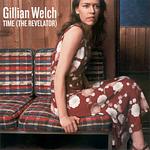
Time (The Revelator) is Gillian Welch’s 2001 album, produced and performed with longtime collaborator David Rawlings. The record uses spare, acoustic arrangements centered on Welch’s songwriting and Rawlings’s guitar and harmony vocals, blending folk, Appalachian and country-rooted elements with a contemporary alternative country sensibility. The songs are often stark and narrative-driven, exploring themes of loss and memory, and the intimate, uncluttered production keeps focus on voice, guitar, and traditional instrumentation.
#349 — Kick Out the Jams by MC5
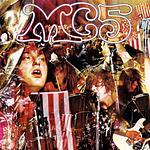
Kick Out the Jams is the 1969 debut live album by MC5, recorded at Detroit's Grande Ballroom. It captures the band's raw, high-energy fusion of garage rock and hard rock with extended, noisy jams and aggressive, shouted vocals that helped lay groundwork for proto-punk. The performances emphasize distorted guitars, driving rhythms, and a confrontational stage presence, making the record an influential snapshot of late 1960s underground rock.
#350 — Music of My Mind by Stevie Wonder
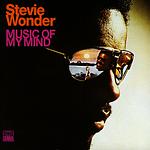
Music of My Mind (1972) marks a transition to more personal and experimental work by Stevie Wonder. The record blends soul, funk, R&B, pop, and rock with prominent synthesizer textures, layered vocals, and multi-instrumental arrangements, and features close collaboration with Malcolm Cecil and Robert Margouleff on the album's electronic sound. Tracks move between intimate ballads and groove-driven funk, and the album is regarded as the beginning of Wonder's creative peak in the early 1970s.

SOS, SZA's 2022 second studio album, expands her contemporary R&B palette with soul and pop inflections, blending atmospheric, often minimalist production with fuller, more rhythmic arrangements. The record centers on confessional songwriting about love, insecurity, and self-identity, delivered through breathy, expressive vocals and layered harmonies. Its genre-blending production and emotional directness are among the album's notable characteristics.
#352 — The Slim Shady LP by Eminem
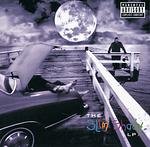
The Slim Shady LP (1999) is Eminem's major label breakthrough that introduces his Slim Shady persona, mixing dark, shock-driven humor and violent satirical storytelling with tightly wound rhyme schemes. Musically it blends hardcore hip hop and horrorcore themes with boom bap influenced, sample-forward production and polished, cinematic touches, using skits and sudden mood shifts to amplify its black comedy. The record is notable for its provocative lyricism, agile delivery, and theatrical approach that helped define Eminem's public voice.
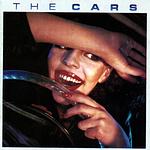
The Cars is the band's 1978 debut that blends rock and power pop with new wave sensibilities, pairing hook-driven guitar riffs with bright synthesizer textures and concise, melodic songcraft. Ric Ocasek's idiosyncratic songwriting and detached vocal delivery, often balanced by Benjamin Orr's more melodic leads, sits atop tight, layered production by Roy Thomas Baker that emphasizes punchy rhythms and polished arrangements. The record helped define a sleek, modern pop-rock sound that bridged late 1970s rock and emerging new wave styles.
#354 — Germfree Adolescents by X‐Ray Spex
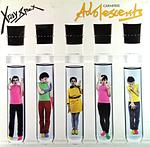
Germfree Adolescents, released in 1978 by X-Ray Spex, is a bracing punk album defined by Poly Styrene's distinctive high, declamatory vocals and tight, propulsive arrangements. Musically it pairs jagged, fast punk rock guitars and drums with prominent saxophone lines that add a melodic, slightly off-kilter texture bridging punk and new wave. Lyrically the songs confront consumerism, identity and conformity with direct, satirical phrasing, and the record is frequently singled out for its energetic performances and for amplifying a female-fronted voice within the late 1970s British punk scene.
#355 — Black Sabbath by Black Sabbath
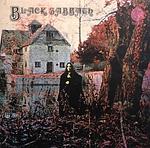
Black Sabbath is the band's 1970 debut that blends heavy blues rock and hard rock into a darker, riff-centered sound that helped define early heavy metal. The record features Tony Iommi's low, distorted guitar riffs, Geezer Butler's weighty bass, Bill Ward's forceful drumming, and Ozzy Osbourne's distinctive vocal style. Songs pair slow, ominous grooves with sharper, blues-based structures and lyrics that explore themes of fear, paranoia, and the supernatural, creating a heavy, unsettling atmosphere that influenced later metal and doom acts.
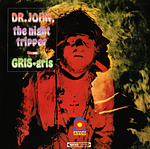
Gris-Gris is the debut album that introduced Mac Rebennack's Dr. John persona, blending New Orleans R&B, blues, jazz and psychedelic soul into a swampy, ritualistic soundscape. The record combines piano and organ, second-line rhythms, brass and layered percussion with chantlike vocals and studio effects to evoke voodoo imagery and nocturnal atmospheres. Its unusual arrangements and local musical references marked a creative bridge between traditional New Orleans music and late 1960s psychedelia.
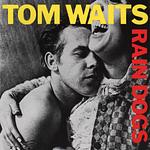
Rain Dogs, released in 1985, finds Tom Waits moving further from his earlier piano-based singer-songwriter style into a grittier, more experimental sound. The album mixes blues, rock, and Americana with off-kilter rhythms, found percussion, accordion and jagged guitar, providing a cinematic, streetwise backdrop for Waits's gravelly vocals and vivid narratives about urban outsiders. It follows Swordfishtrombones and further solidifies his turn toward theatrical, collage-like arrangements and genre-bending songwriting.
#358 — SOUR by Olivia Rodrigo

SOUR is Olivia Rodrigo's 2021 debut studio album that blends pop, pop punk, power pop and ballad-driven songwriting into a cohesive coming-of-age record. Rodrigo's lyrics are confessional and emotionally direct, moving between piano-led torch songs and guitar-forward rockers, with dynamic production that foregrounds vocal melody and jagged pop-punk energy. The album centers on themes of teenage heartbreak and self-examination, pairing intimate storytelling with polished pop arrangements.
#359 — Radio City by Big Star
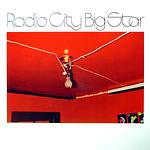
Radio City, released in 1974 by Big Star, is a crisp example of American power pop and pop rock that pairs chiming, guitar-driven arrangements with tight vocal harmonies and concise, melody-focused songwriting. The album moves between bright, hooky pop textures and moments of harder-edged guitar, creating a balance of studio polish and rawer rock energy. It is often noted for its songwriting clarity and its role in shaping later strains of alternative and indie pop.
#360 — One Nation Under a Groove by Funkadelic
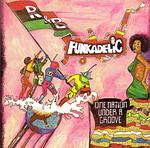
One Nation Under a Groove, released in 1978 by Funkadelic, fuses funk, rock and psychedelic soul into a cohesive P-Funk statement. The record pairs propulsive basslines and wah-drenched guitars with synth textures, layered vocal harmonies and a mixture of extended jams and concise, danceable songs. It is often cited as one of Funkadelic's most accessible albums and helped crystallize the loose, spacey, party-minded aesthetic associated with the P-Funk collective.
#361 — The Black Parade by My Chemical Romance
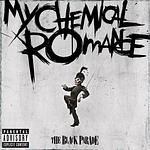
The Black Parade is a 2006 concept album by My Chemical Romance that frames a rock opera style narrative about mortality and memory. It fuses emo and pop punk urgency with alternative rock and punk textures, layering piano, strings, and dense guitar arrangements to move between quiet, intimate passages and large, anthemic climaxes. The result is a theatrical, melodically focused record that emphasizes dramatic dynamics and cohesive storytelling.
#362 — Never Too Much by Luther Vandross
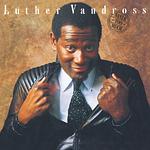
Never Too Much is Luther Vandross's 1981 debut solo album that blends soul, disco-influenced boogie, contemporary R&B and pop into polished, romantic productions. The record pairs upbeat, danceable grooves and smooth midtempo numbers with lush string and horn arrangements and Vandross's warm, expressive tenor and layered harmonies. It introduced his songwriting and production approach and helped establish him as a distinctive voice in early 1980s R&B.
#363 — Mothership Connection by Parliament
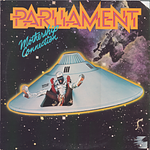
Mothership Connection (1975) by Parliament is a landmark P-Funk album that blends deep funk grooves, psychedelic soul textures, and a space-themed concept. Produced by George Clinton, it emphasizes churning bass, layered horn and synth arrangements, call-and-response vocals, and theatrical studio effects, building the band’s science-fiction mythology around the mothership idea and songs like the title track and "Give Up the Funk." The overall sound foregrounds extended grooves, strong rhythmic drive, and a playful, larger-than-life production style that helped define the P-Funk aesthetic.
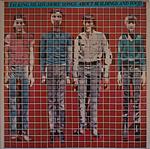
More Songs About Buildings and Food, produced by Brian Eno and released in 1978, expands Talking Heads' early new wave and art-punk approach with a stronger emphasis on tight rhythms and funk-influenced grooves. David Byrne's idiosyncratic, nervy vocals and angular guitar parts are anchored by interlocking bass and percussion, while Eno's production adds clarity and subtle studio texture. The album stands out for its rhythmic focus and danceable arrangements, pointing toward the band's later engagements with funk and worldbeat influences.
#365 — Madvillainy by Madvillain
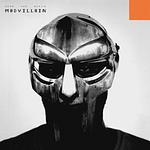
Madvillainy pairs Madlib's collage-like, sample-rich, jazz-inflected production with MF DOOM's dense, off-kilter delivery and cryptic, stream-of-consciousness lyrics. The album's short, tightly arranged tracks and brief connective skits create a compact, unpredictable flow that balances instrumental experimentation with classic hip hop rhythms. Its lo-fi textures, unconventional song structures, and focus on mood and sonic detail helped shape an approach to abstract and experimental hip hop.
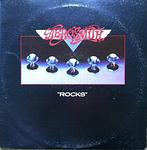
Rocks is a raw, hard-hitting Aerosmith album that leans into blues-rooted hard rock with arena-ready hooks and gritty, aggressive riffs. Steven Tyler's vocal theatrics and Joe Perry's muscular guitar work drive tight, riff-driven songs with a live, unvarnished production that emphasizes power and attitude. The record helped define the band's harder edge and includes standout tracks such as "Back in the Saddle" and "Last Child", which highlight its blend of blues influence and heavier rock textures.
#367 — If You're Reading This It's Too Late by Drake
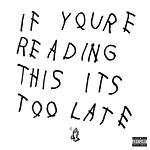
If You’re Reading This It’s Too Late, released in 2015, is a moody, tightly produced mixtape by Drake that blends pop rap, hip hop, alternative R&B and cloud rap textures. The sound favors sparse, bass-forward and trap-influenced beats with atmospheric, reverb-soaked production, pairing rapped verses with melodic contemporary R&B hooks. Lyrically it moves between introspection, braggadocio and relationship themes, and the overall tone is darker and more urgent than some of his earlier work, a shift that helped shape mid 2010s hip hop and R&B production approaches.
#368 — All Things Must Pass by George Harrison
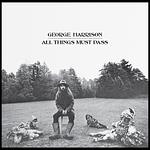
All Things Must Pass is George Harrison's 1970 solo triple album that presents a mix of folk rock, pop rock and gospel-tinged pop with a rock foundation. Recorded with producer Phil Spector's dense, layered production, it features expansive arrangements built from acoustic and electric guitars, prominent slide guitar, keyboards and vocal harmonies. The material ranges from personal, spiritual meditations to more upbeat pop-rock songs, and the record is notable for showcasing Harrison asserting a distinct songwriting voice and a more expansive sonic palette than his earlier work.
#369 — The Infamous by Mobb Deep
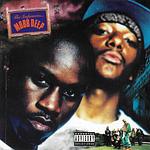
The Infamous, released in 1995 by Mobb Deep, is a gritty East Coast hip hop album rooted in gangsta rap and boom bap. Havoc's sparse, sample-driven production uses dusty jazz and soul loops, minor-key piano motifs, and hard-hitting drums to create a cold, cinematic atmosphere, while Prodigy and Havoc deliver stark, street-level narratives about survival and violence. The album's dark, minimalist sound and tightly focused lyricism helped crystallize a raw New York City aesthetic in mid 1990s hip hop and includes the well known track "Shook Ones Part II."
#370 — Tha Carter II by Lil Wayne
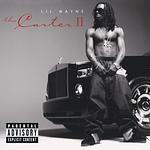
Tha Carter II, released in 2005, is a Southern hip hop album that deepens Lil Wayne's signature voice within Dirty South production. The record pairs sparse, drum-driven beats and bass-heavy grooves with Wayne's increasingly inventive wordplay, punchlines and shifting vocal cadences, balancing braggadocio and street observation with moments of reflection. It is often cited as a stage in his artistic development that helped define the eccentric lyrical persona he expanded on in later projects.
#371 — Anthology by The Temptations
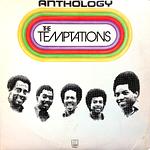
Anthology (1973) by The Temptations is a compilation that surveys the group’s shift from classic Motown R&B and tight vocal harmonies to the funkier, psychedelic soul of the late 1960s and early 1970s. The collection emphasizes their smooth group singing, dramatic orchestral arrangements, and a move toward longer, groove-focused tracks and more socially aware lyrical themes, reflecting a range that spans soul, R and B, and early disco-influenced sounds.
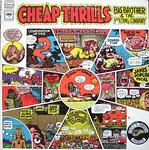
Cheap Thrills (1968) captures Big Brother & the Holding Company's raw, high-energy blend of blues-rooted rock and psychedelic experimentation, anchored by Janis Joplin's powerful, emotive vocals. The album emphasizes gritty guitar work, loose but driving rhythms, and an immediate, live-in-the-studio feel, with extended vocal phrasing and a rough-edged sonic intensity that reflects the late 1960s San Francisco psychedelic and blues-rock environment.
#373 — Hot Buttered Soul by Isaac Hayes
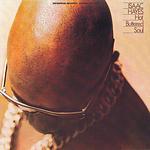
Hot Buttered Soul (1969) is Isaac Hayes's expansive soul album notable for its lengthy, slow-burning arrangements that blend orchestral strings, lush horn charts, deep funk rhythms and Hayes's baritone voice. It reworks pop and soul songs into extended, cinematic tracks with dramatic instrumental passages, warm electric piano and rhythmic grooves that emphasize mood and space over conventional single-length formats. The album broadened the palette and pacing of soul music, pointing toward elements of funk, jazz-funk and later orchestral dance styles while showcasing a more orchestral, album-oriented approach to R&B.
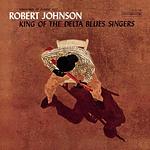
King of the Delta Blues Singers is a 1961 compilation of Robert Johnson's 1936 and 1937 recordings that showcases solo Delta blues with spare, intimate production. The tracks feature intricate fingerpicking, occasional slide guitar, and Johnson's expressive, often haunting vocals paired with lyrics about love, travel, and fate. The album helped bring Johnson's work to wider attention and has been frequently cited for its influence on later blues and rock musicians.
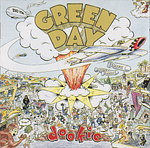
Dookie, released in 1994 by Green Day, is a defining pop punk record that blends punk rock urgency with strong melodic hooks and concise songcraft. The trio's fast, power-chord guitars, brisk tempos, and punchy arrangements are anchored by Billie Joe Armstrong's distinctive vocals, Mike Dirnt's driving bass, and Tré Cool's propulsive drumming. Lyrically the album addresses suburban ennui, anxiety, and youthful frustration with a mix of wit and urgency, and the cleaner studio production by the band and producer Rob Cavallo made the sound more polished while retaining a raw immediacy.
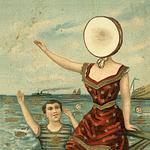
In the Aeroplane Over the Sea is Neutral Milk Hotel's 1998 album that blends indie rock and folk with lo-fi production and brass-band textures. Jeff Mangum's raw, emotive vocals and surreal, often personal lyrics are set against acoustic guitar, distorted electric textures, trumpet and other brass, and unconventional touches like the singing saw, producing a dense, collage-like sound that moves between intimate folk and cathartic intensity. The record is closely associated with the Elephant 6 circle and is frequently discussed for its distinctive mix of simple songcraft and experimental arrangements.
#377 — Fever to Tell by Yeah Yeah Yeahs
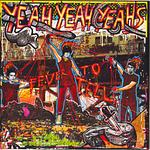
Fever to Tell, the 2003 debut by Yeah Yeah Yeahs, blends raw garage rock energy with art-punk angularity and moments of restrained, emotive songwriting. The album is marked by jagged guitar lines, propulsive drums, and Karen O's urgent, theatrical vocals, shifting from frenetic tracks to the quieter, piano-accented ballad "Maps". It helped define the band’s sound within the early 2000s indie and garage rock revival.
#378 — Run‐D.M.C. by Run‐D.M.C.
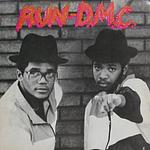
Run-D.M.C., released in 1984, is the group's raw, minimalist debut that helped define East Coast hardcore hip hop. The album pairs hard-hitting drum-machine patterns and sparse production with commanding vocal delivery and DJ scratches, and it incorporates rock-influenced guitar textures that pointed toward a rap rock crossover. Its punchy, street-focused sound is often cited as an influential early template for later hip hop acts.
#379 — Moving Pictures by Rush
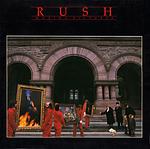
Moving Pictures, by Rush, marks a point where the band tightened its progressive instincts into more concise, song-oriented arrangements while retaining technical complexity. The trio blends hard rock guitar, precise, dynamic drumming and melodic bass with a greater use of synthesizers and studio textures, producing both punchy rockers and atmospheric instrumentals. The record balances shorter, memorable tracks with longer narrative pieces, featuring intricate time signatures, tight ensemble playing and a polished production that highlights the group's musicianship and evolving songwriting approach.
#380 — Mingus Ah Um by Charles Mingus
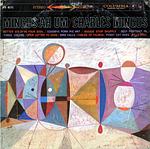
Mingus Ah Um (1959) is an album by Charles Mingus that blends hard bop drive, post-bop harmonic exploration, and rootsy blues and gospel elements. Mingus's compositions feature tight horn arrangements, strong melodic ideas, collective improvisation, and his commanding bass presence, yielding tracks that range from the elegiac "Goodbye Pork Pie Hat" to the satirical "Fables of Faubus" and the celebratory "Better Git It in Your Soul". The album is widely regarded as a landmark in modern jazz for its compositional ambition and emotional breadth.
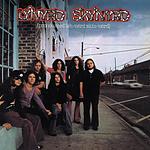
The 1973 debut album (pronounced ’lĕh-’nérd ’skin-’nérd) introduces Lynyrd Skynyrd's raw Southern rock sound, blending blues-based guitar work, country inflections, and hard rock drive. The record highlights the band's three-guitar interplay and Ronnie Van Zant's rough-edged vocals across tight, riff-driven songs and longer, soulful numbers, notably the extended, improvisational guitar climax of 'Free Bird'. Tracks such as 'Simple Man' and 'Gimme Three Steps' pair plaintive melodies with boogie rhythms, helping establish the musical template the band would continue to explore.
#382 — Currents by Tame Impala
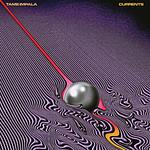
Currents is the third studio album by Tame Impala, the project led by Kevin Parker. It shifts from guitar-heavy psych rock toward a more synth-driven, pop-oriented form of neo-psychedelia, blending glossy synthesizers, processed and layered vocals, rhythmic electronic beats, and elements drawn from disco and R&B. The album foregrounds meticulous production and introspective lyrics about change and personal transformation, marking a clear stylistic turn in Parker's songwriting and sound.
#383 — Mezzanine by Massive Attack
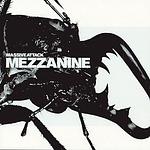
Mezzanine, released in 1998, is Massive Attack's darker, more textural trip hop album that blends slow, dub-inflected beats, deep bass, layered samples and distorted guitar tones into a cinematic, brooding sound. The record leans toward electronic, downtempo and leftfield approaches while incorporating a tougher, rock-influenced edge, and features guest vocalists such as Elizabeth Fraser and Horace Andy on memorable tracks like "Teardrop" and "Angel". Its production emphasizes atmosphere and tension, expanding the sonic range of alternative dance and trip hop.
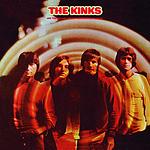
The Kinks Are the Village Green Preservation Society (1968) is a Ray Davies-led album that blends pop rock and baroque pop with touches of psychedelic pop, built around concise, character-driven songs about English small-town life and memory. Musically it favors acoustic guitar, piano, tight vocal harmonies, and occasional string or woodwind colors, creating a pastoral, intimate sound and a focus on vignettes rather than rock excess. Its emphasis on nostalgia, everyday characters, and chamber-pop arrangements marks a distinct turn in the Kinks' songwriting and has informed later British artists exploring similar themes.
#385 — Rocket to Russia by Ramones
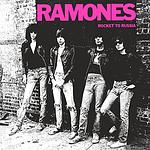
Rocket to Russia, the Ramones' third studio album from 1977, condenses their fast, stripped-down punk attack into short, melodic tracks that blend three-chord rock with pop hooks and surf-tinged guitar lines. The record emphasizes brisk tempos, raw guitar sound and concise, often playful lyrics that reference 1950s rock and roll while sharpening the band's ability to write instantly memorable choruses. Its lean production and economical songcraft helped shape the template for punk and early pop punk by balancing blunt energy with pop sensibility.

Donuts is a 2006 instrumental hip hop album by J Dilla that presents a mosaic of short, sample-based instrumentals. Tracks are concise and often flow into one another, combining soulful loops, unexpected rhythmic shifts, and dense collage techniques that highlight Dilla's inventive beatcraft. Released shortly before his death, the record is widely regarded as a landmark in instrumental hip hop and in contemporary beat-making.
#387 — In Rainbows by Radiohead
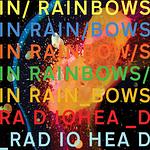
In Rainbows, released in 2007, finds Radiohead blending electronic textures and art rock ambition with more immediate, song-oriented writing and warm, intimate production. The record balances kinetic rhythms and layered guitars with subtle electronics, lush strings and Thom Yorke's restrained, emotive vocals, producing songs that range from propulsive and rhythmic to sparse and atmospheric. The arrangements emphasize texture and dynamic contrast, and the album's release used an unconventional digital pay-what-you-want approach that drew attention to distribution as well as the music.
#388 — Young, Gifted and Black by Aretha Franklin
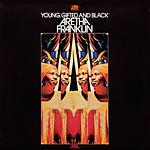
Young, Gifted and Black (1972) showcases Aretha Franklin moving between gospel-rooted balladry and more rhythmic soul grooves, blending deep soul and Southern soul textures with elements of quiet storm. Her expressive, piano-forward vocals are supported by warm horn arrangements and gospel-influenced backing voices, producing a mix of intimate slow numbers and punchier uptempo tracks. The record emphasizes her ability to convey spiritual intensity and secular emotion with equal conviction and reflects the soulful, church-inflected sound she was known for in the early 1970s.
#389 — The Emancipation of Mimi by Mariah Carey
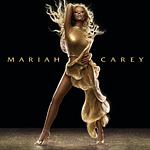
The Emancipation of Mimi (2005) blends contemporary R&B, pop, dance-pop and electronic touches with Mariah Carey's signature vocal agility and melismatic phrasing. The album alternates club-ready, hip-hop-influenced uptempo tracks with lush, emotive ballads, and includes guest vocal contributions that underscore a more urban, mainstream pop sound. It is often described as a stylistic reassertion of Carey's R&B and pop roots and a pivotal record in her mid-2000s output.
#390 — Surfer Rosa by Pixies
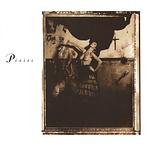
Surfer Rosa, released in 1988 by the Pixies, is a raw, abrasive alternative rock album produced by Steve Albini. It juxtaposes quiet, melodic verses with sudden, explosive choruses, showcasing Black Francis's urgent vocals, jagged guitar textures, and Kim Deal's propulsive bass and backing vocals, with her lead on "Gigantic". The songwriting pairs surreal, sometimes unsettling lyrical imagery with tight, punchy arrangements, and the stark, live-feeling production helped shape the loud-quiet-loud dynamics that became prominent in 1990s alternative and indie rock.
#391 — Kaleidoscope by Kelis
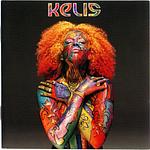
Kaleidoscope is Kelis's 1999 debut album, produced largely by Pharrell Williams and Chad Hugo of The Neptunes. It blends contemporary R&B and hip hop with sparse, syncopated beats, clipped synth textures, and bold, confrontational vocal performances, notably on the single "Caught Out There". The record showcases an off-kilter pop rap sensibility and helped introduce Kelis's distinctive voice alongside the Neptunes' emerging production style.
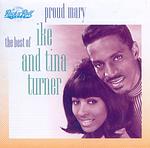
Proud Mary: The Best of Ike and Tina Turner is a 1991 compilation by Ike & Tina Turner that collects selections in the soul, blues, and funk vein, presenting a cross-section of the duo's work within those genres.
#393 — 1989 by Taylor Swift
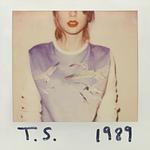
1989 is Taylor Swift's 2014 album that completes her shift from country into pop. The record foregrounds synth-pop and dance-pop sounds with 1980s-inspired synth textures, programmed beats, and glossy production, favoring concise songs with catchy hooks. Its themes move between modern fame and personal reflection, balancing upbeat singles like Shake It Off, Blank Space, and Style with more contemplative tracks such as Clean and Out of the Woods.
#394 — Diana by Diana Ross

Diana is Diana Ross's 1980 album produced by Nile Rodgers and Bernard Edwards of Chic, blending disco, funk, contemporary R&B and pop into a sleek, dance-oriented sound. Chic's production foregrounds rhythmic guitar, tight bass grooves and polished horn and string touches, framing Ross's smooth, expressive vocals across uptempo club tracks and midtempo soul songs. The record's mix of dancefloor energy and pop sophistication yielded several enduring tracks, including material that has been widely embraced as anthemic in dance and LGBTQ communities.
#395 — Black Messiah by D'Angelo, The Vanguard
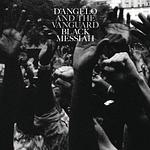
Black Messiah, released in 2014 by D'Angelo and the Vanguard, blends neo soul and classic soul with dense funk, psychedelic textures, and live-band arrangements. The music emphasizes raw analog grooves, interlocking rhythms, layered vocals, and socially conscious lyrics delivered with a loose, improvisational feel and prominent guitar, keyboard, and horn textures. Arriving after a long hiatus, the album is characterized by its gritty sonic palette, cohesive band interplay, and a deliberate updating of 1970s soul aesthetics for contemporary R&B.
#396 — Something/Anything? by Todd Rundgren
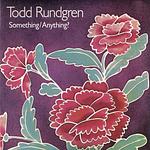
Something/Anything? is Todd Rundgren's 1972 double album that mixes concise pop songwriting with studio experimentation. Rundgren produced the record and performed most of the instrumentation, yielding a range from guitar-driven power pop and pop rock to art pop and more progressive, experimental passages. The album includes songs such as "I Saw the Light", "Couldn't I Just Tell You", and a reworked version of "Hello It's Me", and is often regarded as a key early solo statement showcasing his abilities as a songwriter, arranger, and producer.

WHEN WE ALL FALL ASLEEP, WHERE DO WE GO? is Billie Eilish's 2019 debut full-length, produced mainly by her brother Finneas. The album mixes alternative pop, electropop and ambient pop with minimalist, bass-forward beats, whispery, intimate vocals and cinematic, sometimes unsettling textures. Its lyrics and moods dwell on adolescence, anxiety and dreamlike or nightmarish imagery, and the record's spare, genre-blurring production helped shape a notable strand of contemporary pop.
#398 — The Raincoats by The Raincoats
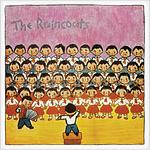
The Raincoats is the 1979 debut by the English all-female band The Raincoats. It blends post-punk and new wave with punk energy, featuring loose, DIY production, off-kilter rhythms, skittish guitar interplay and touches of dub and folk textures. The album is characterized by unconventional song structures and intimate vocal exchanges, and it helped mark the band as an influential voice in underground British post-punk.
#399 — SMiLE by Brian Wilson

Brian Wilson Presents Smile (2004) is a solo reworking and completion of the famously unfinished 1966-67 Smile sessions originally conceived for the Beach Boys. The album uses modular song fragments, dense vocal harmonies and orchestral color to blend pop and chamber pop textures with psychedelic and classic rock touches, often referencing California and pastoral themes. Its sound emphasizes intricate arrangements, shifting song sections, and a theatrical, collage-like approach to melody and instrumentation.
#400 — Beauty and the Beat by Go‐Go's
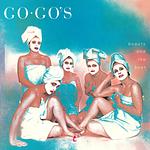
Beauty and the Beat is the Go-Go's 1981 debut album that blends new wave and pop rock with power pop and surf-rock influences. The record features bright, jangly guitars, punchy rhythms, tight vocal harmonies, and concise, hook-driven songs such as "We Got the Beat" and "Our Lips Are Sealed." Its energetic, upbeat sound and emphasis on band-written material marked a notable mainstream presence for an all-female rock group in the early 1980s.