 The Greatest Music
500 Greatest Albums of All Time: 2023 edition
Weight: 100%
How much this list influences our overall rankings. Higher weight means more reliable data.
Penalties Applied:
Rolling Stone’s 500 Greatest Albums of All Time (2023 update) is the latest edition of the magazine’s most-read and debated feature, originally published in 2003 and revised in 2012 and 2020. The core list was created in 2020 from ballots submitted by more than 300 artists, producers, writers, and music-industry figures—including Beyoncé, Taylor Swift, Billie Eilish, Raekwon, Stevie Nicks, and members of U2—each ranking their top 50 albums. The 2023 version makes light adjustments to account for new classics released since then by artists like Beyoncé, Bad Bunny, and Taylor Swift, while retaining the broader scope of the 2020 reboot, which introduced 163 new entries and emphasized the evolving and expanding canon of music history.
#101 — Led Zeppelin by Led Zeppelin
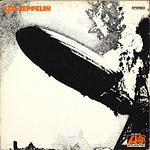
Led Zeppelin's 1969 debut is a raw, blues-rooted hard rock album that introduced the band's heavy, riff-driven sound. It combines electrified blues interpretations and original compositions with acoustic interludes, showcasing Jimmy Page's layered guitar production, Robert Plant's expressive vocals, John Paul Jones's versatile arrangements, and John Bonham's powerful drumming. The record's emphasis on distorted guitar tones, dynamic shifts and extended arrangements helped establish a blueprint for much of late 1960s and 1970s hard rock and early heavy metal.
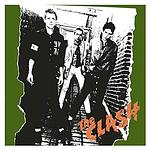
The Clash is the band's 1977 debut, a lean, hard-edged punk record that captures urgent, guitar-driven songs with politically charged lyrics. The album pairs fast, aggressive punk rock energy with traces of reggae and rockabilly influence, featuring punchy riffs, propulsive rhythms, and a raw, confrontational vocal style, and it helped define the sound of early UK punk.
#103 — 3 Feet High and Rising by De La Soul
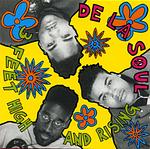
3 Feet High and Rising is De La Soul's 1989 debut album, produced largely by Prince Paul. Its sound blends playful, conversational rapping with sample-heavy, collage-like production that draws on funk, soul, and jazz influences, using short skits and inventive transitions to create a cohesive, offbeat flow. The album is an early touchstone of alternative hip hop and jazz rap, notable for its laid-back, eccentric approach to lyricism and production.
#104 — Sticky Fingers by The Rolling Stones
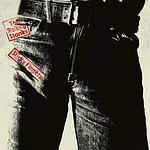
Sticky Fingers (1971) by the Rolling Stones blends rock, blues rock, hard rock, country rock, and rock and roll, alternating gritty electric numbers with quieter, country-influenced ballads. The record highlights the Jagger-Richards songwriting partnership and Keith Richards' guitar textures, and features tracks such as "Brown Sugar" and "Wild Horses." The album is also known for its Andy Warhol sleeve design and its turn toward a rawer, roots-oriented sound.
#105 — At Fillmore East by The Allman Brothers Band
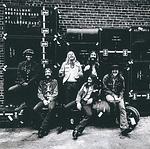
At Fillmore East is a 1971 live album by The Allman Brothers Band recorded at the Fillmore East. It captures the group's blend of blues, rock, and Southern rock through extended, improvisation-driven performances, featuring interplay between dual lead guitars and Gregg Allman’s vocals and Hammond organ over a tight, groove-oriented rhythm section. The record emphasizes live dynamics and long instrumental passages that highlight the band’s roots in blues and rock and is widely regarded as a key live document in their catalogue.
#106 — Live Through This by Hole
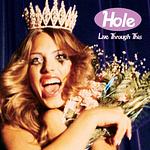
Live Through This, released in 1994 by Hole, blends grunge, punk, and alternative rock with raw, guitar-driven arrangements and strong melodic hooks. Courtney Love's vocals move between snarling aggression and vulnerable melody, anchored by lyrics that confront gender, identity, and personal trauma. The album pairs abrasive textures with pop-influenced songcraft, forming a defining statement for the band within 1990s alternative rock.
#107 — Marquee Moon by Television
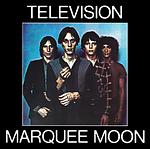
Marquee Moon is Television's 1977 debut album that blends art punk, new wave, post-punk, and art rock into a spare, guitar-driven sound. It features interlocking, melodic guitar lines from Tom Verlaine and Richard Lloyd, a taut rhythm section, and literate, elliptical lyrics, with the extended title track showcasing the band's improvisational interplay. The album's emphasis on texture and guitar interplay influenced later post-punk and indie rock approaches.
#108 — When the Pawn Hits the Conflicts He Thinks Like a King What He Knows Throws the Blows When He Goes to the Fight and He'll Win the Whole Thing 'Fore He Enters the Ring There's No Body to Batter When Your Mind Is Your Might So When You Go Solo, You Hold Your Own Hand and Remember That Depth Is the Greatest of Heights and If You Know Where You Stand, Then You Know Where to Land and If You Fall It Won't Matter, Cuz You'll Know That You're Right by Fiona Apple
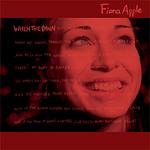
Fiona Apple's 1999 album When the Pawn Hits the Conflicts... is a piano-centered alternative pop record that develops her confessional songwriting into denser, more adventurous arrangements. The music blends piano rock and soft rock elements with off-kilter rhythms, jazz-tinged harmonies and varied instrumentation, while her vocal delivery moves between quiet vulnerability and dramatic intensity. The result is an intimate, texturally rich collection that emphasizes lyrical introspection and compositional detail.
#109 — Transformer by Lou Reed
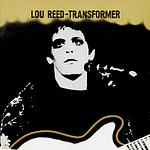
Transformer, released by Lou Reed in 1972, blends glam rock, art rock, and pop rock with a more polished production than his Velvet Underground work. Produced by David Bowie and Mick Ronson, the album pairs Reed's cool, narrative vocal style with melodic arrangements, strings, and distinctive guitar work. Songs such as "Walk on the Wild Side", "Perfect Day", and "Satellite of Love" present concise character-driven vignettes about New York life while adopting a more accessible, glam-influenced sound, making the record a key moment in Reed's solo career.
#110 — Court and Spark by Joni Mitchell
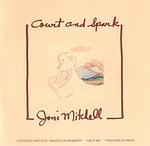
Court and Spark (1974) finds Joni Mitchell expanding her folk roots into a richer pop sound infused with jazz-influenced harmonies and sophisticated arrangements. The album blends acoustic songwriting with electric instrumentation and subtle horn and string touches, featuring well known songs such as "Help Me" and "Free Man in Paris". Its production balances intimate vocals and accessible melodies with complex chord choices and rhythmic nuance, marking a notable stylistic shift in Mitchell's catalog.
#111 — Control by Janet Jackson
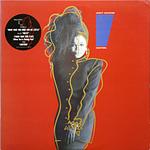
Control, Janet Jackson's 1986 album, marked a stylistic shift toward tight, synth-driven R&B and pop shaped by producers Jimmy Jam and Terry Lewis. The record blends danceable grooves, crisp drum-machine patterns, and layered synth textures with elements of hip hop and electronic production, and features direct, assertive lyrics about independence and relationships. Its polished, rhythm-focused sound helped define Janet Jackson's artistic identity in the mid 1980s.
#112 — Goodbye Yellow Brick Road by Elton John
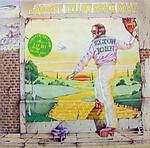
Goodbye Yellow Brick Road is Elton John’s 1973 double album that crystallizes his piano-led blend of pop rock, glam and soft rock into a varied, ambitious set. It moves between raucous rockers like "Saturday Night's Alright for Fighting" and intimate ballads such as "Candle in the Wind", featuring theatrical vocals, rich arrangements and melodic songwriting from his partnership with lyricist Bernie Taupin. The title track and "Bennie and the Jets" display studio experimentation alongside straightforward pop craft, making the record a defining release from his early 1970s period.
#113 — The Queen Is Dead by The Smiths
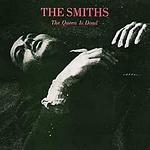
The Queen Is Dead (1986) by The Smiths pairs Johnny Marr's chiming, layered guitars and inventive arrangements with Morrissey's literate, sardonic vocals and lyrics, folding jangle pop and neo-acoustic textures into more muscular indie rock moments. The songs move between upbeat, melodic tracks and quieter, introspective pieces, highlighting tight songcraft, melodic basslines, and occasional fuller production that broadens the band's earlier, sparer sound. The album is frequently cited as a defining statement of the band's style and an important record in 1980s British indie music.
#114 — Is This It by The Strokes
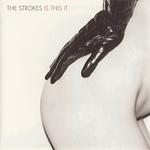
Is This It is the 2001 debut album by The Strokes, characterized by concise, guitar-driven songs that helped define the early 2000s garage rock revival. The record pairs jangly, riff-focused arrangements and tight rhythmic interplay with Julian Casablancas's detached, deadpan vocal delivery, and a lo-fi, immediate production that favors atmosphere over polish. Songwriting on the album emphasizes melodic hooks and sparse textures across compact tracks, and its aesthetic had a noticeable influence on subsequent indie and alternative rock acts.
#115 — good kid, m.A.A.d city by Kendrick Lamar
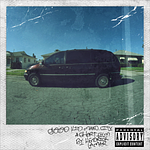
good kid, m.A.A.d city is a concept album that follows a loose, cinematic narrative of adolescence in Compton, pairing Kendrick Lamar's dense, introspective lyricism with varied flows and character-driven vocal moments. Musically it draws on West Coast hip hop and gangsta rap traditions while incorporating elements of conscious hip hop, boom-bap rhythms, soulful samples, and atmospheric production. The record is notable for its storytelling structure, interstitial skits and recurring motifs that connect songs, and for foregrounding moral complexity, community ties, and personal struggle in its themes.
#116 — Disintegration by The Cure
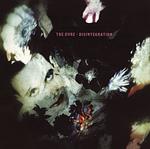
Disintegration is a 1989 album by The Cure known for its dense, atmospheric sound that blends gothic rock, post-punk and new wave influences. The record emphasizes long, immersive arrangements with layered guitars, sweeping synthesizers, and reverberant production that foregrounds Robert Smith's melancholy vocal delivery and introspective lyrics about loss, memory, and existential longing. Songs such as "Pictures of You", "Lovesong", and "Lullaby" balance pop sensibility with brooding textures, making the album a defining moment in the band's move toward more expansive, mood-driven songwriting.
#117 — Late Registration by Ye
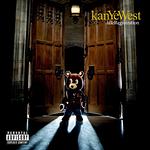
Late Registration, released in 2005 by Ye (Kanye West), extends his sample-based hip hop into a more cinematic and orchestral sound through a notable collaboration with producer Jon Brion. The record mixes soulful samples, strings and brass with dense beat programming and pop-oriented hooks, pairing introspective and socially aware lyrics with playful satire about fame and consumer culture. Its layered arrangements, ambitious production choices, and use of guest vocalists and skits give the album a widescreen, narrative quality that broadened the scope of contemporary hip hop.
#118 — Hotel California by Eagles
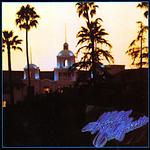
Hotel California is the Eagles album that blends their country rock roots with a more polished rock sound, featuring layered vocal harmonies, polished production, and prominent electric guitar interplay. The record is anchored by the atmospheric title track with its extended guitar coda and cinematic, evocative lyrics, alongside other tracks that mix soft rock and pop rock sensibilities with darker lyrical themes about excess and disillusionment. The overall sound marks a shift toward a richer, more rock-oriented palette while retaining melodic songwriting and close harmonies.
#119 — Stand! by Sly & the Family Stone
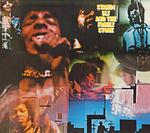
Stand! is a 1969 album by Sly & the Family Stone that fuses funk, soul and psychedelic rock into propulsive, rhythm-driven grooves and vibrant horn and keyboard textures. The band’s layered vocal harmonies, syncopated rhythms and pointed, inclusive lyrics balance danceable arrangements with experimental studio touches, reflecting a cross-genre approach that helped define their sound in the late 1960s.
#120 — Moondance by Van Morrison
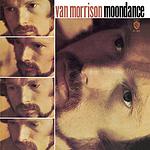
Moondance, released in 1970, blends folk rock, blue-eyed soul, and jazz into a warm, groove-oriented sound that emphasizes melodic songwriting and rhythmic swing. The arrangements lean on piano, saxophone, brushed drums, and acoustic guitar, providing a relaxed yet tightly played backdrop for Morrison's soulful phrasing and poetic lyrics. Several tracks pair romantic, imagery-rich writing with jazz-inflected rhythms and horn lines, giving the album a more structured and accessible feel compared with some of his earlier, more freeform work. The record is often noted for its effective fusion of genres and strong songwriting.
#121 — This Year's Model by Elvis Costello
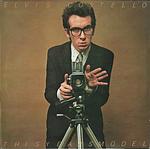
This Year’s Model is Elvis Costello’s 1978 album recorded with the Attractions that marks a move to a harder edged new wave sound. The record pairs jagged, punchy guitar and a muscular rhythm section with prominent organ and Costello’s acerbic, literate lyrics and urgent vocals. Produced by Nick Lowe, it contains concise, immediate songs such as 'Pump It Up' and 'Radio Radio' and is often cited as a key work in the late 1970s new wave movement.
#122 — The Downward Spiral by Nine Inch Nails
The Downward Spiral is Nine Inch Nails' 1994 album that fuses industrial, rock, and metal textures into a dark, largely conceptual sequence about personal collapse and alienation. Built from abrasive electronics, samples, programmed beats, and heavily processed guitars, the record moves between aggressive, rhythmic assaults and quieter, atmospheric passages, with layered production by Trent Reznor and Flood. Its arrangements emphasize texture, tension, and dynamic contrast, and it closes with a sparse, intimate track that contrasts the album's earlier intensity.
#123 — Led Zeppelin II by Led Zeppelin
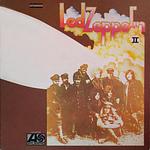
Led Zeppelin II, released in 1969, expands the band's debut into a heavier, riff-driven sound rooted in electric blues and early hard rock. The album emphasizes powerful blues-influenced guitar riffs, thunderous drums, and Robert Plant's high-register vocals, with studio production that uses bold panning, overdubs, and distortion to create dense, energetic arrangements. It blends reworkings of blues material with original compositions to showcase the group's fusion of traditional blues forms and a louder, more aggressive rock approach that helped shape subsequent hard rock and blues rock styles.
#124 — Achtung Baby by U2
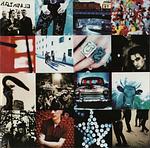
Achtung Baby is a 1991 U2 album that marked a deliberate reinvention of the band's sound, incorporating alternative rock, dance-rock and electronic textures into their songwriting. The record features dense, layered production, distorted and processed guitar tones, punchy rhythms and studio-driven effects that give it a darker, more angular and club-ready feel, while the lyrics explore themes of love, identity and personal and political tension. Its sonic experimentation and emphasis on rhythm and atmosphere set it apart from the band's earlier, more anthemic work.
#125 — Paul's Boutique by Beastie Boys
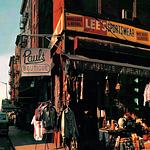
Paul's Boutique, released in 1989 by the Beastie Boys, pairs dense, sample-driven production with the group's rapid-fire, often tongue-in-cheek rapping. Produced mainly by the Dust Brothers, the album constructs collage-like tracks from layered loops and abrupt sample juxtapositions drawn from funk, soul, rock and other sources, creating a plunderphonics aesthetic and an experimental approach to East Coast hip hop. The lyrics alternate between playful braggadocio and offbeat cultural references, while the production emphasizes texture, unexpected rhythms and studio experimentation that marked a clear departure from the group's earlier party-rap sound.
#126 — My Life by Mary J. Blige
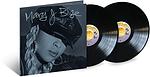
My Life (1994) is Mary J. Blige's second studio album that deepened her fusion of contemporary R&B and hip hop soul, pairing sample-driven, downtempo production with gospel-tinged melodies and confessional lyrics about relationships and personal struggle. Blige's raw, emotive vocal delivery is foregrounded against warm, layered arrangements and streetwise rhythms, creating a moodier, more introspective sound than her debut and helping to define an influential 1990s R&B aesthetic focused on honest songwriting and vocal intensity.
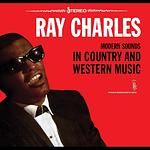
Modern Sounds in Country and Western Music (1962) finds Ray Charles reinterpreting country songs through a soul and big band lens, pairing gospel-inflected vocals with lush strings, brass, and rhythm arrangements. The record blends country songwriting with pop, jazz, and rhythm and blues elements to create a country soul sound that crosses traditional genre boundaries. Its notable characteristic is the fusion of straightforward country material with sophisticated orchestration and Charles's expressive delivery.
#128 — A Night at the Opera by Queen
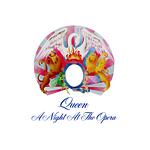
A Night at the Opera (1975) showcases Queen's theatrical, genre-blending approach, combining hard rock energy, glam flamboyance, art rock ambition, and baroque pop ornamentation. The record features dense multi-tracked vocal harmonies and layered studio production, with arrangements ranging from piano-led balladry to the operatic suite of Bohemian Rhapsody and the expansive The Prophet's Song, illustrating the band's appetite for dramatic shifts in form and texture. Brian May's distinctive guitar tone, Freddie Mercury's wide-ranging vocals, and John Deacon's melodic bass work underpin an album notable for its eclectic sequencing and studio craftsmanship, and it marked a creative high point in the band's early period.
#129 — The Wall by Pink Floyd
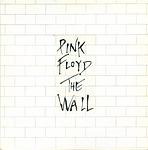
The Wall is a 1979 concept album and rock opera that follows the psychological collapse of a fictional character named Pink, exploring themes of isolation, alienation, and the impact of trauma. Musically it blends progressive rock and art rock structures with elements of classic and psychedelic rock, moving between intimate acoustic passages, dense studio production, orchestral interludes, and powerful, anthemic songs such as "Comfortably Numb" and "Another Brick in the Wall Part 2". The album is notable for its theatrical narrative approach, layered soundscapes, prominent guitar solos, and use of sound effects and spoken segments to advance the story.
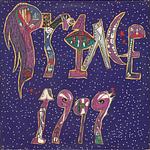
1999 is a synth-forward album that blends funk, pop, dance-pop, rock, and new wave into tightly arranged, danceable songs marked by punchy drum-machine grooves, layered synthesizers, rhythmic guitar work, and Prince's versatile vocals. The music pairs upbeat, club-ready production with darker lyrical themes about urgency and impending crisis, creating a tense party-at-the-end-of-the-world vibe. Its eclectic, genre-blurring approach helped expand Prince's sound and influenced the direction of early 1980s pop and dance music.
#131 — Dummy by Portishead
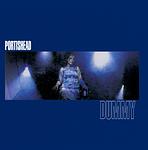
Dummy, released in 1994, is Portishead's debut album that helped define the trip hop aesthetic by combining slow, hip hop influenced beats with jazz-tinged arrangements and moody electronic textures. Beth Gibbons' intimate, theatrical vocals sit against dusty samples, turntable scratches, reverb-heavy production and slippery guitar lines, creating a cinematic, noir atmosphere. The record mixes downtempo electronic approaches with elements of acid jazz and dark jazz to produce a sparse, emotionally intense sound.
#132 — 40 Greatest Hits by Hank Williams
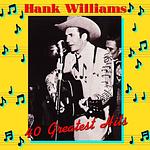
40 Greatest Hits is a 1978 compilation that presents a broad selection of Hank Williams's country and honky tonk recordings, highlighting his spare, direct songwriting and plaintive vocal delivery. The arrangements are typically simple and centered on acoustic guitar, steel guitar, and fiddle, with concise performances that emphasize melodies and themes of heartache, longing, and faith. As a posthumous collection, it functions as an accessible overview of Williams's foundational role in traditional country and honky tonk music.
#133 — Hejira by Joni Mitchell
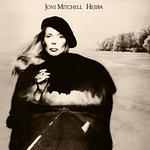
Hejira, released in 1976, finds Joni Mitchell moving further into jazz-influenced territory while retaining her folk songwriting. The album pairs poetic, travel-focused lyrics about movement and solitude with sparse, spacious arrangements that foreground her open-tuned guitar work and long, melodic fretless bass lines from Jaco Pastorius. Songs blend folk narrative, jazz harmonies, and loose, improvisational interplay to produce an introspective, nocturnal sound that points toward her later jazz explorations.
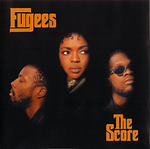
The Score, released in 1996 by the Fugees, blends hip hop, contemporary R&B, boom bap rhythms and alternative hip hop sensibilities with Caribbean influences. Lauryn Hill's soulful singing and lyrical delivery, Wyclef Jean's eclectic production and Pras's steady rapping create a mix of live instrumentation, cinematic samples and reggae-tinged grooves. The album pairs reinterpretations of familiar songs, such as a cover of "Killing Me Softly" and a version of "No Woman, No Cry," with original, socially conscious lyrics that explore identity, diaspora and street life.
#135 — The Joshua Tree by U2
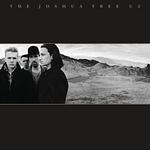
The Joshua Tree, released in 1987 by U2, refines the band’s post-punk roots into a widescreen rock sound that blends atmospheric, delay-heavy guitar work with blues, gospel and American roots influences. Produced by Brian Eno and Daniel Lanois, the album favors sparse, spacious arrangements that highlight The Edge’s chiming textures and Bono’s expressive vocals while exploring themes of faith, politics and the American landscape. Tracks move between spare balladry and driving, anthemic rock, and the record is noted for its cinematic production and lyrical focus on searching and spirituality.
#136 — Maggot Brain by Funkadelic
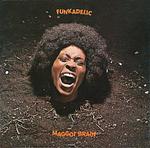
Maggot Brain (1971) by Funkadelic blends deep funk grooves with psychedelic and hard rock textures, anchored by George Clinton's production and Eddie Hazel's emotive guitar work. The album features the side-long title track, an extended, searing guitar improvisation over sparse backing that conveys a melancholy and cosmic intensity, while other songs shift between raw, guitar-driven rock and rhythmically dense funk with layered vocals, wah-wah guitar and distorted tones. It represents a key moment in the development of P-Funk's more experimental, rock-infused side and highlights the group's appetite for studio experimentation and improvisation.

21 is Adele's second studio album centered on her powerful, emotive voice and personal songwriting about heartbreak and recovery. It blends pop structures with soul and blues-tinged arrangements, moving between sparse piano ballads and more driving, gospel-tinged pop-soul tracks; notable singles include "Rolling in the Deep", "Someone Like You", and "Set Fire to the Rain". The production emphasizes roomy, dramatic arrangements that foreground her vocals and direct emotional delivery, and the album showcases a blue-eyed soul approach applied to mainstream pop songwriting.
#138 — The Immaculate Collection by Madonna
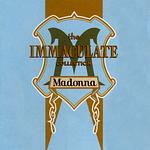
The Immaculate Collection is a 1990 compilation that collects Madonna's key singles from the 1980s into a cohesive pop and dance-pop package, bridging early synth-pop textures with later electronic and pop rock elements. The sequencing and remixes emphasize polished, hook-driven production and dance-floor-friendly arrangements, highlighting her shift from catchy synth-based pop toward denser, rhythmically focused club sounds. The album functions as a concise overview of her mainstream pop and club-oriented output from that period.
#139 — Paranoid by Black Sabbath
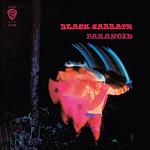
Paranoid, released in 1970 by Black Sabbath, is a compact, riff-driven album that blends blues rock foundations with darker, slower textures that helped shape heavy metal and doom metal. Tony Iommi's distorted, downtuned guitar work, Geezer Butler's driving bass, Bill Ward's dynamic drumming, and Ozzy Osbourne's distinct vocal delivery power concise tracks like "Paranoid", "War Pigs", and "Iron Man", emphasizing heavy tones, memorable riffs, and ominous lyrical themes.
#140 — Catch a Fire by The Wailers
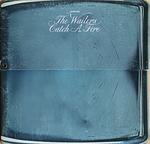
Catch a Fire, released by The Wailers in 1973, is a roots reggae album that blends traditional Jamaican rhythms with rock-influenced production and soulful vocals. Produced for Island Records by Chris Blackwell, the record features fuller arrangements and a cleaner mix that brought the group's Rastafarian-themed lyrics and dub-tinged grooves to a broader audience, while retaining the rhythmic emphasis and bass-driven pulse of reggae. Its sound marked a turning point in how reggae was presented internationally and remains a frequently referenced work in the genre.
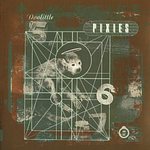
Doolittle, released in 1989 by Pixies and produced by Gil Norton, blends raw, angular guitar work with quiet-loud-quiet dynamics, concise pop hooks, and surreal, often darkly humorous lyrics. Black Francis's abrasive vocals and songwriting are balanced by Kim Deal's melodic bass and backing vocals, producing tracks that range from the abrasive "Debaser" to the more melodic "Here Comes Your Man" and the enigmatic "Monkey Gone to Heaven." The album's jagged arrangements and dynamic contrasts are frequently cited as an influence on early 1990s alternative and grunge bands.
#142 — Born in the U.S.A. by Bruce Springsteen
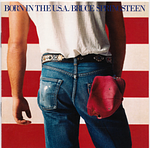
Born in the U.S.A. is Bruce Springsteen's 1984 album that blends heartland rock, pop rock, folk rock and AOR into a big, radio-ready sound. It pairs driving rock arrangements, bright synthesizer textures and prominent saxophone with anthemic, singalong choruses, while the lyrics continue Springsteen's focus on working-class life and the struggles of veterans, often juxtaposing upbeat music with stark storytelling. The overall effect is a muscular, accessible record that reinforced Springsteen's reputation for combining melodic rock with socially minded narratives.
#143 — The Velvet Underground by The Velvet Underground
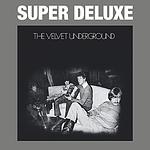
The Velvet Underground (1969) marks a turn toward quieter, more melodic arrangements that foreground Lou Reed's songwriting and introspective lyrics. Blending art rock and folk rock textures with restrained rock instrumentation, the album pares back the harsher experimental noise of earlier work in favor of cleaner production, intimate vocals, and lingering minor key melodies that still retain a proto-punk directness. Its sound is characterized by spare arrangements, close instrumental interplay, and a contemplative mood that expanded the band's sonic range.
#144 — Physical Graffiti by Led Zeppelin
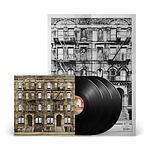
Physical Graffiti, released in 1975, is Led Zeppelin's double album that showcases a wide range of the band's styles, from hard rock and blues to folk-influenced acoustic pieces. The record combines heavy, riff-driven songs with layered production, expansive arrangements and intimate acoustic moments, highlighting Jimmy Page's production and guitar work, Robert Plant's vocals, John Paul Jones's multi-instrumental contributions and John Bonham's powerful drumming. Tracks such as Kashmir and Ten Years Gone illustrate the album's scale and textural variety while shorter bluesy and folk-derived numbers provide contrast, making it a broad statement of the band's musical range.
#145 — The Marshall Mathers LP by Eminem
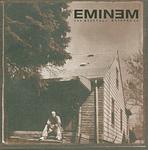
The Marshall Mathers LP (2000) is Eminem's raw, confrontational album that blends hardcore hip hop, horrorcore intensity, and pop-rap hooks. Production frequently uses sparse, eerie beats and layered samples to support tightly wound, rapid-fire delivery, allowing Eminem to shift between darkly comic Slim Shady sketches, confessional storytelling such as "Stan", and violently personal material about fame, family, and identity. The album helped define his public persona and intensified debates about lyrical boundaries by foregrounding provocative, autobiographical songwriting and abrasive satire.
#146 — Parallel Lines by Blondie
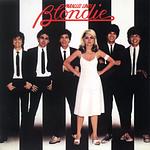
Parallel Lines, released in 1978 by Blondie, blends new wave, pop rock, and pop with polished production by Mike Chapman. The album mixes punk-derived energy with pop hooks and danceable rhythms, pairing crisp guitar lines and rhythmic bass with Deborah Harry's cool, charismatic vocal delivery. Standout tracks such as "Heart of Glass", "One Way or Another", and "Hanging on the Telephone" illustrate the band's crossover of rock and dance influences and their role in bringing new wave sounds into a mainstream pop context.
#147 — Grace by Jeff Buckley
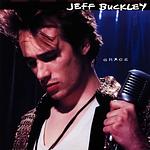
Jeff Buckley’s 1994 album Grace blends rock, alternative and folk influences into a singer-songwriter framework centered on his wide-ranging, expressive voice and intricate guitar work. The songs move between intimate acoustic passages and fuller, electric arrangements, combining delicate folk textures, soulful vocal runs, and dramatic dynamic shifts. The album is notable for its emotional intensity and for Buckley’s memorable reinterpretation of Leonard Cohen’s “Hallelujah,” and it remains influential for listeners and musicians drawn to expressive vocal performance and genre-blurring songwriting.
#148 — channel ORANGE by Frank Ocean
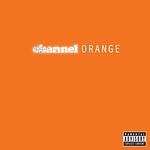
channel ORANGE is Frank Ocean's 2012 debut studio album that blends contemporary and alternative R&B with pop elements, drawing on neo-soul, jazz, funk, and electronic textures. The production ranges from intimate piano ballads and falsetto-led songs to more expansive, cinematic tracks, with layered, atmospheric arrangements. Lyrically the album emphasizes narrative, confessional songwriting that addresses love, desire, identity, and social observation, pairing experimental touches with accessible melodies.
#149 — John Prine by John Prine
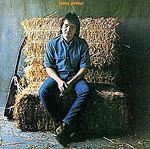
John Prine is the singer-songwriter's 1971 debut album, a spare, acoustic-rooted set that blends folk, country, and rock influences. It features plainspoken, observant lyrics and dry humor on early classics such as "Hello in There", "Sam Stone", "Angel from Montgomery", and "Paradise", with fingerpicked guitar and subtle accompaniment that foreground the storytelling. The album helped establish Prine's reputation for narrative songwriting and distinctive vocal delivery within contemporary folk and Americana traditions.
#150 — Nebraska by Bruce Springsteen
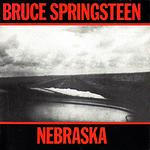
Nebraska is a stark, largely acoustic album recorded by Bruce Springsteen and released in 1982. Built from lo-fi four-track demos, it pares back the E Street Band sound to spare arrangements centered on voice, acoustic guitar and occasional harmonica or percussion, and presents dark, character-driven stories of crime, desperation and small-town America. The record represents a deliberate shift toward folk rock and Americana textures and emphasizes narrative songwriting and atmosphere over rock production.
#151 — Faith by George Michael
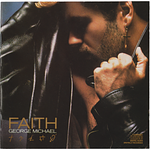
Faith is George Michael's 1987 solo debut, blending pop, dance-pop, dance-rock and pop rock with soul and R&B influences. The album pairs tight, groove-oriented production and layered synths with prominent guitar work and polished vocal arrangements, moving between upbeat dance tracks and more intimate ballads. Lyrically it covers love, desire, identity and the pressures of fame, and it represents a stylistic shift from his work with Wham! toward a more mature singer-songwriter and producer persona.
#152 — Pretenders by Pretenders
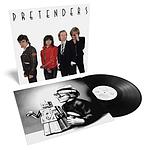
Pretenders is the 1979 debut album by Pretenders that blends new wave urgency with rock and pop sensibilities, pairing chiming, economical guitar work and a propulsive rhythm section with Chrissie Hynde's cool, emotionally direct vocals. The songs range from concise, hook-driven pop to taut post-punk rock, and the production keeps the band sound immediate and uncluttered. The record established the group's distinctive mix of melody and attitude and helped define a transitional sound between punk, post-punk, and mainstream rock.
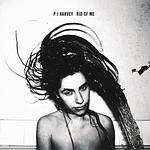
Rid of Me is PJ Harvey's 1993 album, produced by Steve Albini, noted for its raw, visceral sound and stark, live-feeling production. The music blends abrasive guitar work, driving rhythms, and intense, often confrontational vocals, with lyrics that explore power, desire, and emotional volatility. The record is commonly seen as a darker, more aggressive follow-up to her earlier work and a defining statement in 1990s alternative and indie rock.
#154 — Amazing Grace by Aretha Franklin
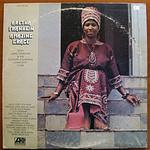
Amazing Grace (1972) is a live gospel album by Aretha Franklin that showcases her church-rooted singing and a blend of gospel, soul, and blues inflections. Performed with a spirited choir, organ, and piano accompaniment, the recordings emphasize extended vocal improvisation, call-and-response dynamics, and emotional intensity, highlighting Franklin's ability to bridge sacred tradition and secular soul expression. The album serves as a vivid document of her gospel side within her early 1970s output.
#155 — The Black Album by JAY‐Z
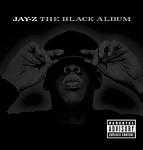
The Black Album, released in 2003 by JAY-Z, is a late-career studio record that blends East Coast hip hop and hardcore rap with pop rap sensibilities. It pairs dense, autobiographical lyricism about fame, legacy, and street life with varied production that ranges from sample-based soul beats to spare, rock-tinged arrangements. Framed at the time as a sendoff, the album is often noted for its focused sequencing and the mix of introspective tracks and assertive, braggadocio-driven songs.
#156 — Let It Be by The Replacements
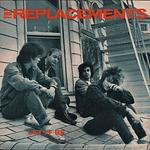
Let It Be, released in 1984 by The Replacements, blends raw garage rock and post-punk energy with melodic power pop and indie sensibilities. The album alternates raucous, loose performances and more reflective, melodic songs, showcasing Paul Westerberg's confessional songwriting on tracks such as I Will Dare, Bastards of Young and Androgynous. Its mix of rough-edged guitars, direct vocals and hooky melodies helped define a rough-hewn alternative rock sound that influenced many bands in the indie and college-rock scenes.
#157 — (What's the Story) Morning Glory? by Oasis
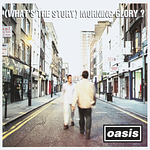
(What’s the Story) Morning Glory? is Oasis's 1995 album that crystallizes the band's take on Britpop and arena-sized alternative rock. Built around Noel Gallagher's melodic songwriting and Liam Gallagher's distinctive vocals, the record balances acoustic-driven ballads and loud, guitar-heavy anthems with layered production and singalong choruses. Its polished yet swaggering sound and emphasis on memorable hooks made it a defining release of the mid 1990s British rock scene.
#158 — Mama's Gun by Erykah Badu
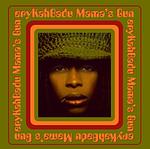
Mama’s Gun, released in 2000, is Erykah Badu's second studio album and a key record in the neo soul movement. It combines jazz-inflected harmonies, downtempo grooves and hip hop rhythms with warm, live instrumentation and intimate, spacious production. Badu's expressive, conversational vocals and candid, personal lyrics give the album a raw, soulful feel, while the arrangements emphasize organic textures and rhythmic subtlety. The result is a deepening of the fusion between jazz, contemporary R&B and hip hop that marked late 1990s and early 2000s soul.
#159 — Synchronicity by The Police
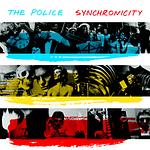
Synchronicity, released in 1983, is the Police's fifth studio album and represents a culmination of their move from lean new wave and reggae-inflected rock toward a more polished pop rock sound with layered production and increased use of synthesizers. Sting's songwriting on the record leans toward introspective and sometimes dark themes, and the band balances spare rhythmic foundations with richer melodic and textural elements. The album includes prominent tracks such as "Every Breath You Take", "King of Pain", "Wrapped Around Your Finger", and "Synchronicity II", and is frequently viewed as the high point of the group's studio work.
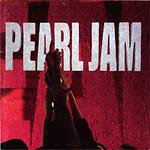
Ten is Pearl Jam's 1991 debut, rooted in grunge and alternative rock with hard rock dynamics. The album pairs Eddie Vedder's emotive, resonant vocals with layered, guitar-driven arrangements that alternate between heavy riffs and melodic hooks. Songs often combine anthemic choruses with introspective and sometimes angsty lyrics, and the production balances raw energy with a degree of studio polish. Ten is widely seen as a defining record of the early 1990s Seattle sound and established Pearl Jam's presence in alternative rock.
#161 — Crosby, Stills & Nash by Crosby, Stills & Nash
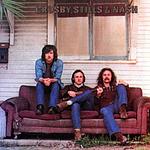
Crosby, Stills & Nash (1969) is the debut album by the trio, characterized by close three-part vocal harmonies, intertwining acoustic and electric guitars, and a blend of folk, rock and pop sensibilities. The record mixes tightly arranged harmony songs and more expansive, improvisatory moments, with tracks like "Suite: Judy Blue Eyes" and "Marrakesh Express" highlighting intricate vocal arrangements and guitar interplay. Lyrics move between personal reflection and broader late 1960s cultural references, and the album is often cited for helping to define the singer-songwriter and folk rock sound that followed.
#162 — Different Class by Pulp
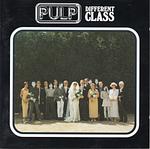
Different Class is Pulp's mid 1990s album that blends Britpop immediacy with art rock and glam influences, pairing catchy, theatrical arrangements with literate, observational lyrics about class, relationships, and everyday absurdities. Jarvis Cocker's conversational vocal delivery and character-driven storytelling sit alongside driving rock rhythms, occasional orchestral touches, and pop hooks; songs such as "Common People" and "Disco 2000" exemplify its mix of social satire and singable melodies. The record is often noted for its sharp songwriting and dramatic presentation within the broader Britpop and indie rock context.
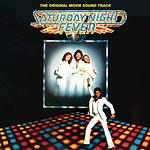
A landmark 1977 film soundtrack that captures the polished, groove-driven sound of late 1970s disco and dance music. It centers on contributions from the Bee Gees alongside songs from other contemporary disco, funk, and pop artists, mixing driving four-on-the-floor rhythms, prominent basslines, lush string and orchestral touches, and falsetto vocal harmonies with a few slower ballad moments. The album is notable for presenting a cohesive dance-oriented sound that helped define popular perceptions of disco and nightclub culture in that era.
#164 — At Folsom Prison by Johnny Cash
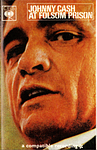
At Folsom Prison is a 1968 live album by Johnny Cash, recorded at Folsom State Prison. The performance features Cash's deep baritone and a spare backing band, blending traditional country, rockabilly and gritty country rock arrangements. The set presents hard-edged renditions of songs about crime, punishment and redemption, with direct audience interaction and ambient prison crowd sounds that give the recording an immediate, raw feel. The album helped reinforce Cash's outlaw persona and brought a tougher, more rock‑inflected sensibility into mainstream country.
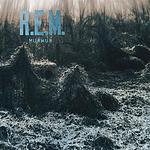
Murmur, R.E.M.'s 1983 debut, foregrounds the band's chiming, jangly guitars and Michael Stipe's distinctive, often obscured vocals. Produced by Mitch Easter and Don Dixon, the record mixes jangle pop, post-punk, and folk-rock elements into concise, atmospheric arrangements with cryptic lyrics, creating a moody alternative rock sound that became influential in early college rock scenes.
#166 — 20 Golden Greats by Buddy Holly
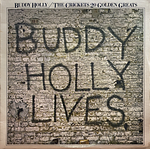
20 Golden Greats is a 1978 compilation of Buddy Holly recordings that showcases his blend of early rock and roll, rockabilly, and pop rock, drawing mainly from his late 1950s solo and Crickets-era material. The album highlights Holly's economical songcraft, jangly guitar work, and clear vocal melodies, emphasizing short, hook-driven tracks that helped shape the sound of modern rock. As a compilation, it functions as an accessible overview of his influential recordings rather than a newly recorded release.
#167 — Violator by Depeche Mode
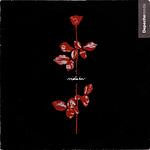
Violator is Depeche Mode's 1990 album that blends synth-pop and darker electronic textures with rock and alternative dance rhythms. Its sound pairs hook-driven melodies and brooding atmospheres with layered synthesizers, rhythmic guitar elements, and prominent beats, while Martin Gore's songwriting and Dave Gahan's vocals give the songs a more polished, song-focused character that broadened the band's musical palette and influence.
#168 — Can't Buy a Thrill by Steely Dan
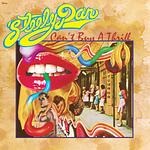
Can't Buy a Thrill is Steely Dan's 1972 debut album that introduced Donald Fagen and Walter Becker's blend of pop rock and jazz-inflected songwriting. It pairs catchy, radio-friendly rhythms with sophisticated harmonic arrangements, polished studio production, and literate, often ironic lyrics, and features early singles 'Do It Again' and 'Reelin' in the Years'. The album's use of session musicians and tight vocal harmonies points toward the studio-centered approach the duo would develop on later records.
#169 — The Stranger by Billy Joel
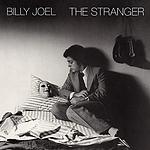
The Stranger (1977) is Billy Joel's fifth studio album, produced by Phil Ramone, that helped define his piano-led pop rock identity by blending soft rock balladry, pop hooks and occasional funk-tinged rhythms. It pairs intimate songs such as "Just the Way You Are" and "She's Always a Woman" with livelier tracks like "Movin' Out (Anthony's Song)" and "Only the Good Die Young," and includes the contemplative "Vienna" and the title track. The arrangements emphasize melodic piano, warm horns and clear studio production, giving the record a cohesive sound that broadened Joel's stylistic range in the late 1970s.
#170 — folklore by Taylor Swift
folklore is a 2020 album by Taylor Swift that shifts from mainstream pop toward an intimate indie folk and singer-songwriter sound, emphasizing acoustic textures, piano, sparse electronic atmospheres and string arrangements. Largely written and recorded remotely with producers Aaron Dessner and Jack Antonoff and including a vocal contribution from Justin Vernon of Bon Iver, the record foregrounds narrative, character-driven lyrics and a subdued, cinematic mood. Its production and songwriting choices mark a deliberate move toward quieter, moodier storytelling within Swift's catalog.
#171 — Daydream Nation by Sonic Youth
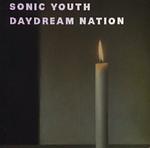
Daydream Nation (1988) by Sonic Youth blends noisy, experimental textures with melodic songcraft, moving between abrasive, dissonant guitar attack and extended, atmospheric passages. The band uses alternate tunings, feedback and layered guitars to create dense, shifting soundscapes while maintaining memorable hooks on tracks like Teen Age Riot and Silver Rocket. The album is frequently cited as an important bridge between no wave noise experiments and the emergence of alternative and indie rock in the late 1980s.
#172 — Bridge Over Troubled Water by Simon & Garfunkel
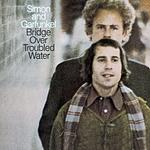
Bridge Over Troubled Water is the fifth and final studio album by Simon & Garfunkel, released in 1970. The record blends folk, folk rock, soft rock and pop, showcasing Paul Simon's songwriting and Art Garfunkel's high tenor and close harmonies. The title track features gospel-influenced piano, choral backing and expansive production, while songs like "The Boxer" and "Cecilia" range from intimate acoustic storytelling to rhythmically driven pop, making the album a stylistic culmination of the duo's collaborative sound.
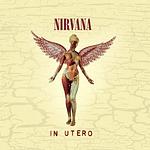
In Utero, released in 1993 by Nirvana, is a raw, abrasive alternative rock album that incorporates grunge, noise rock, and post-hardcore elements. Recorded with a deliberately less polished production, it foregrounds distorted guitars, strong dynamic contrasts, and Kurt Cobain's intense vocal delivery while still containing quieter, melodic passages. The songwriting blends confrontational imagery and personal themes with tuneful hooks, giving the record a deliberately rougher, more immediate sound compared with the band's previous studio work.
#174 — The Harder They Come by Various Artists
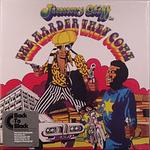
The Harder They Come (1972) is the soundtrack to the Jamaican film starring Jimmy Cliff, compiling roots reggae, rocksteady, and deejay recordings from the late 1960s and early 1970s. Anchored by Jimmy Cliff's title track and several of his performances, the album brings together raw bass-driven grooves, offbeat guitar skanks, and vocal approaches that range from melodic roots singing to toasting. Its selection of tracks captures the energy and social edge of Jamaican popular music of the period and has long been regarded as an influential entry point for international listeners into reggae and rocksteady.
#175 — DAMN. by Kendrick Lamar

DAMN. is Kendrick Lamar's 2017 album that blends West Coast hip hop, conscious rap, trap rhythms, and pop-leaning hooks. Musically it pairs concise, hard-hitting beats and crisp trap production with moments of melodic singing and textured instrumentation, creating a more immediate, streamlined sound than some of his earlier work. Lyrically the record probes themes of faith, identity, morality, and personal conflict through dense, urgent verses and shifting perspectives. The sequencing and sonic contrasts emphasize tension and duality across short, focused tracks.
#176 — Fear of a Black Planet by Public Enemy
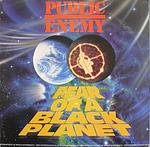
Fear of a Black Planet, released by Public Enemy in 1990, combines politically charged, socially conscious lyrics with the Bomb Squad's dense, sample-heavy production. Its abrasive, layered sound uses hard-hitting beats, dissonant textures, and collaged samples to underpin Chuck D's authoritative delivery and Flavor Flav's contrasting ad-libs. The record pushes hip hop toward experimental and hardcore directions while foregrounding themes of race, media, and power, and it is often described as a landmark of East Coast and conscious hip hop.
#177 — Every Picture Tells a Story by Rod Stewart
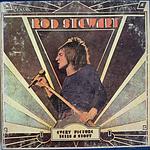
Every Picture Tells a Story, released in 1971, is Rod Stewart's third solo album. It blends rock, blues rock, folk rock and pop into a rootsy, acoustic-tinged sound anchored by Stewart's gritty, conversational vocals, loose band arrangements, and a mix of upbeat rockers and reflective ballads. The record features the well-known tracks "Maggie May" and "Mandolin Wind" and is often noted for capturing Stewart's move from folk-influenced singer-songwriter material toward a more rock-oriented solo identity.
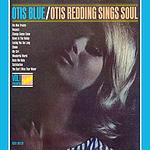
Otis Blue / Otis Redding Sings Soul (1965) captures Otis Redding at the height of his Stax period, blending deep soul, blues, and R&B with a raw Southern soul intensity. Backed by the Stax house musicians, including Booker T. & the M.G.'s and a tight horn section, the album pairs impassioned originals and contemporary covers, from heartfelt slow balladry to gritty up-tempo performances. Redding's rough-hewn, urgent vocals and dynamic arrangements give the record a live, immediate feel that helped define his sound and influenced soul music in the 1960s.
#179 — Life After Death by The Notorious B.I.G.
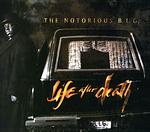
Life After Death is the second and final studio album by The Notorious B.I.G., released in 1997 shortly after his death. The double album blends East Coast hip hop and gangsta rap with pop-leaning hooks, pairing cinematic, sample-driven production and orchestral touches with vivid street narratives and braggadocio. It alternates gritty, hard-edged tracks and radio-friendly singles, emphasizes dense storytelling and mafioso-themed lyrics, and includes notable guest appearances that broaden its sonic palette, marking it as a defining work of 1990s New York rap.
#180 — Forever Changes by Love
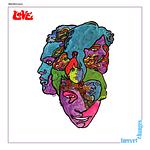
Forever Changes (1967) by Love blends folk rock, baroque pop, and subtle psychedelia into concise, orchestral-tinged songs. Arthur Lee's introspective and often unsettling lyrics sit against intricate acoustic guitar work and horn and string arrangements, creating a warm but melancholic chamber-pop sound that stands out in late 1960s American rock.
#181 — Bringing It All Back Home by Bob Dylan
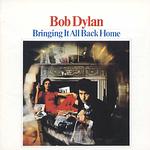
Bringing It All Back Home (1965) marks Bob Dylan's shift from solo acoustic folk toward electric folk rock, with one side backed by a full band and the other featuring solo acoustic performances. The record blends rock instrumentation and harmonica with poetic, often surreal lyrics on songs such as Subterranean Homesick Blues, Maggie's Farm and Mr. Tambourine Man, and is often cited as a pivotal step in his move toward rock-oriented songwriting.
#182 — Sweet Baby James by James Taylor
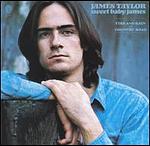
Sweet Baby James, released in 1970 by James Taylor, is a quietly influential singer-songwriter album that blends folk, soft rock, and folk pop. Taylor's warm, intimate vocal delivery and fingerpicked acoustic guitar anchor pared-back arrangements and introspective, narrative lyrics, exemplified by the lullaby title track and the confessional ballad "Fire and Rain". The record helped establish Taylor's mellow, melodic sound and became a touchstone of the early 1970s singer-songwriter movement.
#183 — Brown Sugar by D'Angelo
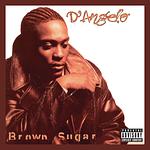
Brown Sugar, D'Angelo's 1995 debut, blends contemporary R&B, soul, funk and hip hop-soul into warm, groove-driven songs characterized by laid-back, expressive vocals and prominent live instrumentation. The album pairs intimate, romantic songwriting with retro-soul production touches and loose, organic grooves that helped position D'Angelo as a central figure in the 1990s neo-soul movement.
#184 — She's So Unusual by Cyndi Lauper
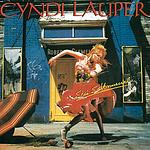
She's So Unusual is Cyndi Lauper's 1983 solo debut that blends new wave, synth-pop and pop rock into a vibrant, theatrical pop record. It pairs playful, idiosyncratic vocals with bright synthesizer textures and jangly guitar, balancing upbeat, singalong songs with more intimate ballads. The album is notable for establishing Lauper's distinctive pop persona and for bringing a quirky, expressive sensibility to mainstream 1980s pop music.
#185 — Beggars Banquet by The Rolling Stones
Beggars Banquet (1968) by The Rolling Stones is a roots-oriented rock album that moves away from late 1960s psychedelia toward a rawer blend of blues rock, hard-driving electric rock, and country-tinged acoustic numbers, featuring spare production, prominent guitar and slide work, and lyrical material rooted in everyday and street-level themes, marking a consolidation of the band’s classic rock identity.
#186 — Blood Sugar Sex Magik by Red Hot Chili Peppers
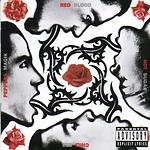
Blood Sugar Sex Magik, released in 1991 by Red Hot Chili Peppers, blends funk-driven grooves and raw rock with more melodic and introspective songwriting. Produced by Rick Rubin and featuring John Frusciante's chiming guitar lines and Flea's prominent slap bass, the album juxtaposes high-energy funk-rock tracks with quieter, personal songs, notably "Give It Away" and "Under the Bridge". Its cleaner, stripped-back production and emphasis on dynamics helped broaden the band's sound and influence on alternative rock and funk rock in the 1990s.
#187 — AmeriKKKa's Most Wanted by Ice Cube
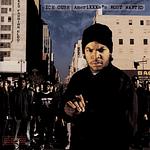
AmeriKKKa's Most Wanted is Ice Cube's 1990 solo debut that pairs aggressive, confrontational gangsta rap lyricism with dense, sample-heavy production drawing on East Coast bomb squad techniques and West Coast funk influences. The songs mix blunt street narratives and political commentary about race and policing with abrasive beats, layered horns, and spare funk grooves, creating a raw, uncompromising sound that became a touchstone for hardcore West Coast hip hop in the early 1990s.
#188 — Electric Warrior by T. Rex
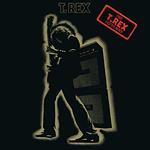
Electric Warrior, released in 1971 by T. Rex, marks Marc Bolan's shift from acoustic folk to a punchy, electric glam rock sound. The album pairs concise rock and roll rhythms and chiming, distorted guitar riffs with Bolan's distinctive vocal delivery and often surreal romantic lyrics. Arrangements emphasize tight grooves and memorable hooks, mixing elements of hard rock and classic rock and roll within a stylized glam aesthetic, and the record is widely regarded as a key statement of early 1970s British glam.
#189 — Dig Me Out by Sleater‐Kinney
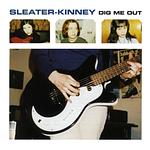
Dig Me Out, released in 1997, is Sleater-Kinney's third studio album and presents a lean, propulsive blend of indie rock and punk rooted in the riot grrrl movement. It foregrounds interlocking, abrasive guitar parts and urgent, emotive vocals from Corin Tucker and Carrie Brownstein, anchored by Janet Weiss's punchy drumming. The songs pair raw energy with sharper melodic hooks and direct, personal lyrics, marking a consolidation of the band's sound and an influential moment in late 1990s indie and punk circles.
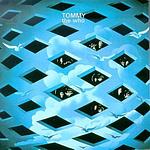
Tommy is a 1969 rock opera album by The Who that presents a largely continuous narrative about a boy described as deaf, dumb, and blind who later becomes a pinball champion and a messianic figure. Musically it blends hard rock guitar, driving rhythms, and melodic pop hooks with theatrical arrangements and recurring motifs, highlighting Pete Townshend's ambitious songwriting and the band's energetic performances. Its extended song cycles and focus on long-form storytelling helped popularize the concept album format in rock.
#191 — At Last! by Etta James
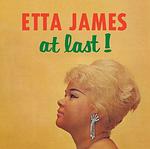
At Last! is Etta James's 1960 debut album that blends blues, R and B, and soul into a set of heartfelt ballads and more driving rhythm numbers. The record highlights her powerful, expressive voice across torch songs and Southern Soul-tinged performances, pairing intimate vocal delivery with orchestral and band arrangements. It includes the now closely associated rendition of the title track, and is often cited as a defining release in her early career.
#192 — Licensed to Ill by Beastie Boys
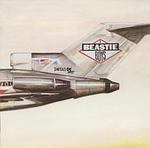
Licensed to Ill is the 1986 debut studio album by the Beastie Boys that fuses East Coast hip hop and rap rock. Produced by Rick Rubin, it pairs hard-hitting sampled beats and prominent rock guitar hooks with brash, party-oriented rhymes delivered by the trio. The record emphasizes dense sample collages, stripped-down drum patterns, and a punk-inflected, irreverent attitude, and is often noted for expanding the sonic possibilities of late 1980s hip hop by bringing rock textures into a rap framework.
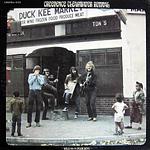
Willy and the Poor Boys (1969) presents Creedence Clearwater Revival's compact, roots-oriented rock, blending blues, country, and Southern-flavored swamp rhythms into concise, direct songs. John Fogerty's songwriting and vocals steer a tight band sound of churning guitars, rollicking piano, and steady rhythm that ranges from lively, singalong numbers like "Down on the Corner" to more pointed, socially minded tracks such as "Fortunate Son"; the record also mixes original tunes with folk and blues covers arranged in a stripped-down, live-feeling style that helped define CCR's Americana-tinged approach.
#194 — Bad by Michael Jackson
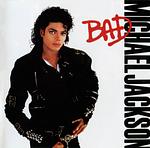
Bad, released in 1987, is Michael Jackson's seventh solo studio album, produced by Quincy Jones and Jackson. The record blends pop, dance-pop, pop rock, contemporary R&B, and pop soul with a tougher, more streetwise sound than its predecessor; it pairs kinetic uptempo tracks like the title song 'Bad', 'Smooth Criminal', 'The Way You Make Me Feel', and 'Dirty Diana' with introspective balladry such as 'Man in the Mirror'. Musically it emphasizes punchy rhythms, layered vocals, and a mix of synthesized and rock-oriented instrumentation, and it marked a visible evolution in Jackson's image and songwriting themes.
#195 — Songs of Leonard Cohen by Leonard Cohen
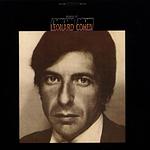
Songs of Leonard Cohen, released in 1967 as Cohen's debut album, introduces his deep, husky voice and literate songwriting within a folk-rooted framework. The record pairs spare acoustic arrangements with occasional chamber folk touches such as strings and restrained orchestration, supporting songs like "Suzanne", "So Long, Marianne", and "Sisters of Mercy". Its focus on poetic lyrics and themes of love, faith, and solitude, delivered in an intimate, understated sonic palette, established Cohen as a distinctive contemporary folk songwriter.
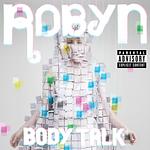
Body Talk (2010) by Robyn is a concise, emotionally direct pop record that blends electro, synth-pop, dance-pop and occasional downtempo moments. Its production pairs bright synth hooks and crisp electronic beats with relatively spare arrangements, putting focus on intimate lyrics about love, heartbreak and resilience. The album balances club-ready energy with introspective mood, and is often highlighted as a key modern synth-pop statement in Robyn's catalog.
#197 — Meet The Beatles! by The Beatles
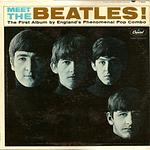
Meet the Beatles! is the Beatles' 1964 Capitol Records album that introduced American listeners to their early energetic blend of rock and roll and pop rock. Compiled from the group's early UK recordings and singles, it highlights punchy guitar rhythms, driving backbeats and close vocal harmonies alongside melodic pop songwriting, capturing the concise, hook-driven sound that characterized the Beatles' formative period.
#198 — The B‐52's by The B‐52s
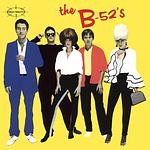
The B-52's is the band's 1979 debut, a loose and exuberant collection that helped define late 1970s New Wave with a blend of surf-influenced guitar, propulsive dance rhythms, and buoyant call-and-response vocals. The album's quirky lyrics, party-ready arrangements, and prominent organ and angular guitar give it a playful, kitschy feel that bridged art-pop and dance-rock while establishing the group's distinctive image in alternative music. Its energetic, danceable songs and offbeat humor made it a touchstone for bands exploring pop hooks with an avant-garde sensibility.
#199 — Slanted and Enchanted by Pavement
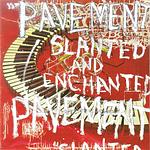
Slanted and Enchanted is Pavement's 1992 debut studio album. The record blends indie rock, alternative rock, lo-fi production and noise pop, characterized by Stephen Malkmus's laconic, often cryptic lyrics, a slack, conversational vocal delivery, jagged but melodic guitar interplay, loose rhythmic feel and a rough, home-recorded aesthetic that mixes tunefulness with distortion and off-kilter song structures. Its raw, DIY sound helped shape the early 1990s indie rock landscape and remains a touchstone for lo-fi guitar music.
#200 — Diamond Life by Sade
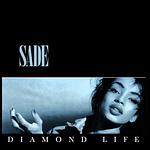
Diamond Life is Sade's 1984 debut album that blends smooth soul, sophisti-pop, pop and downtempo, built around Sade Adu's cool, intimate vocal delivery. The record is noted for its polished, jazz-tinged arrangements, warm bass and sax lines, restrained percussion and an overall mellow, nocturnal mood that foregrounds melody and atmosphere. Songs such as "Smooth Operator" and "Your Love Is King" exemplify the album's refined, adult-oriented sound that helped define a sophisticated pop-soul aesthetic in the 1980s.