 The Greatest Music
500 CDs You Must Own Before You Die
Weight: 80%
How much this list influences our overall rankings. Higher weight means more reliable data.
Penalties Applied:
who voted: John Aizlewood (editor), Matt Ashare, Michael Azerrad, Greg Beato, Johnny Black, Ben Brandt, J.D. Considine, John DeFore, Tom Doyle, Richard Gehr, Joe Gross, Gerald Hammill, John Harris, David Hiltbrand, Erik Himmelsbach, Hua Hsu, Howard Johnson, Daniel Krauss, Stuart Maconie, Craig Marks, Andy Pemberton, Tony Power, David Quantick, Richard Skanse, RJ Smith, David Smyth, Phil Sutcliffe, Rob Tannenbaum and Jonah Weiner
#401 — Sign "☮︎" the Times by Prince
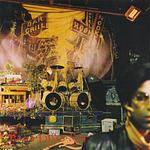
Sign o' the Times, released in 1987, is a sprawling double album by Prince that blends funk, contemporary R&B, pop rock, rock, and soul. The record moves between sparse electronic textures and drum machines and fuller guitar and horn arrangements, pairing intimate ballads with upbeat funk-pop tracks; it includes the title track "Sign o' the Times", "U Got the Look", "I Could Never Take the Place of Your Man", and "If I Was Your Girlfriend". Lyrically and sonically diverse, the album mixes personal themes about relationships with broader social commentary and represents a particularly experimental and wide-ranging phase in Prince's work.
#402 — The Very Best of Otis Redding by Otis Redding
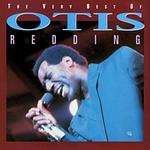
A 1992 compilation that presents Otis Redding’s core soul recordings, emphasizing his raw, emotive vocal style, punchy horn arrangements and tight rhythm backing rooted in the Stax-era Southern soul tradition. The collection moves between heartfelt ballads and more urgent R&B numbers, illustrating Redding’s expressive delivery and his influence on the shape of modern soul music.

Who Is Jill Scott? Words and Sounds, Vol. 1 is Jill Scott's 2000 debut that blends neo soul with spoken-word poetry and R&B. The album favors warm, organic arrangements with live instruments, lush keys, and laid-back grooves, showcasing Scott's conversational, expressive vocal delivery across intimate ballads and midtempo tracks. Lyrically it centers on relationships, self-discovery, and personal storytelling, and its fusion of poetry and soulful singing helped define her voice within the early 2000s neo soul movement.
#404 — Anthology by Sly & the Family Stone
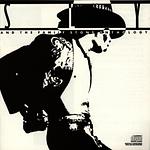
Anthology (1989) is a compilation of Sly & the Family Stone material that presents their funk-driven sound from the late 1960s and early 1970s, blending funk, soul, rock, and psychedelia. The collection emphasizes the band’s tight grooves, punchy horn arrangements, layered vocal harmonies, and a mix of socially aware lyrics and upbeat party songs, serving as a concise overview of their core musical style and approach.
#405 — The Very Best of Spinners by The Spinners
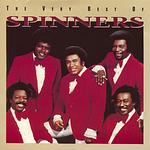
The Very Best of Spinners (1993) is a compilation that showcases The Spinners' signature blend of smooth soul and R&B, characterized by warm, tightly arranged vocal harmonies, lush orchestral arrangements, and a mix of romantic ballads and upbeat, disco-inflected grooves; the collection reflects the group's 1970s Philadelphia soul roots while also nodding to the broader disco and contemporary production styles that shaped their crossover sound.
#406 — The Donna Summer Anthology by Donna Summer
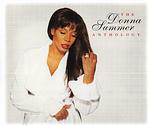
The Donna Summer Anthology (1993) is a career-spanning compilation that assembles selections from her 1970s disco period through her later pop, R&B, synth-pop and electronic work. It emphasizes her powerful vocal delivery over driving disco grooves and early electronic production associated with Giorgio Moroder, alongside more radio-oriented pop and R&B arrangements, offering a concise overview of her influence on dance-oriented popular music.
#407 — The Ultimate Collection by The Temptations
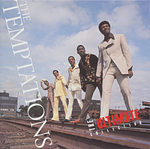
The Ultimate Collection (1997) by The Temptations is a compilation that gathers many of the group's signature Motown-era soul recordings, showcasing their tight multi-part vocal harmonies and expressive lead performances. The tracks reflect the group's stylistic range, from smooth romantic ballads and upbeat R&B to the grittier, more psychedelic soul arrangements they explored later, offering a concise overview of their evolution and enduring sound.
#408 — CrazySexyCool by TLC
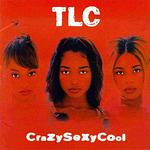
CrazySexyCool is TLC's 1994 album that blends contemporary R&B, hip hop, new jack swing and pop into a smooth, groove-driven sound marked by layered vocal harmonies and alternating sung and spoken parts. The record balances sultry slow jams and midtempo tracks, pairing intimate, vulnerable lyrics about relationships and desire with confident, assertive moments, and features warm basslines, crisp beats and atmospheric keyboard and sample-based textures that became influential in 1990s R&B production.
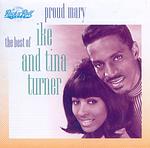
Proud Mary: The Best of Ike and Tina Turner is a 1991 compilation by Ike & Tina Turner that collects selections in the soul, blues, and funk vein, presenting a cross-section of the duo's work within those genres.
#410 — The Best of Blaxploitation by Various Artists
Journey Into Paradise: The Larry Levan Story (2006) is a compilation centered on the sound associated with DJ Larry Levan and the Paradise Garage, emphasizing boogie and disco grooves he helped popularize. The album foregrounds extended mixes and rhythm-driven, bass-forward arrangements with soulful vocals and dub-tinged production, evoking the atmospheric, dancefloor-focused approach that influenced later garage and house music.
#413 — New Orleans Party Classics by Various Artists
#414 — The Philly Sound: Kenny Gamble, Leon Huff & The Story of Brotherly Love (1966-1976) by Various Artists
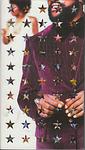
This 1997 compilation brings together material associated with Kenny Gamble and Leon Huff from the late 1960s through the mid 1970s, highlighting the development of the Philadelphia soul sound. Musically it emphasizes smooth vocal harmonies, rich string and horn arrangements, steady drum and bass grooves, and a polished production aesthetic that blended traditional soul with funk and early disco sensibilities. The set serves as a portrait of the producers' signature approach to songwriting and studio orchestration, which helped shape a more orchestral, danceable form of soul.
#415 — Anthology 1970 - 1994 by War
Anthology 1970 - 1994 is a career-spanning compilation that presents War's eclectic blend of rock, soul, funk, Latin rock and R&B across more than two decades. The collection emphasizes the band's groove-driven arrangements, prominent horns and Latin-influenced percussion, pairing upbeat funk and dance rhythms with more reflective, soul-inflected and socially aware songs. As an overview, it illustrates War's genre-crossing approach and their focus on rhythm, melody and multicultural musical textures.
#416 — All-Time Greatest Hits by Barry White
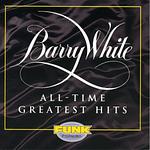
All-Time Greatest Hits (1994) is a compilation that showcases Barry White's signature blend of deep, sensual baritone vocals, lush orchestral arrangements and steady disco and soul grooves. The collection emphasizes his romantic slow jams alongside funk-tinged uptempo tracks, with production built around sweeping strings, warm bass lines and occasional electronic touches that underline his contribution to pop soul and romantic R&B. As a greatest-hits package, it gathers familiar highlights from his catalog rather than presenting new material.
#417 — Talking Book by Stevie Wonder
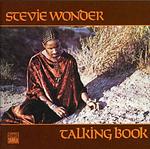
Talking Book, released in 1972, is a key album by Stevie Wonder that blends soul, funk, R&B and pop with a warm, studio-crafted sound. The record features prominent use of keyboards and synthesizers, including clavinet and Moog textures, and showcases Wonder's multi-instrumental performance and self-production. It balances intimate ballads and tight, groove-driven tracks, including well-known songs such as "Superstition" and "You Are the Sunshine of My Life", and represents a shift toward more personal, innovative arrangements in his early 1970s work.
#418 — Innervisions by Stevie Wonder
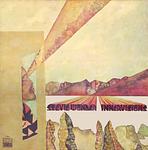
Innervisions, released in 1973, blends soul, funk, smooth soul and psychedelic soul into a studio-focused record built from warm electric pianos, layered synthesizers and tight funk rhythms. The album is notable for Stevie Wonder's multi-instrumental performances and production control, pairing intimate ballads with uptempo grooves and songs that explore social and personal themes through concise, melodic songwriting and rich, textured arrangements.
#419 — Fulfillingness' First Finale by Stevie Wonder
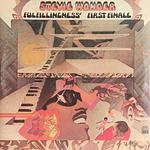
Fulfillingness’ First Finale (1974) finds Stevie Wonder refining the soulful, genre-blending approach he developed in the early 1970s. The album pairs intimate, introspective songwriting and social commentary with economical, groove-driven arrangements that draw on soul, funk, pop and occasional rock or disco rhythms. Wonder’s multi-instrumental production emphasizes keyboards and warm synth textures alongside melodic vocals and understated backing, giving the record a focused, contemplative character within his mid-1970s run of albums.
#420 — Songs in the Key of Life by Stevie Wonder
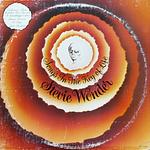
Songs in the Key of Life is a sprawling 1976 double album by Stevie Wonder that blends soul, contemporary R&B, pop soul, funk and pop with elements of jazz, gospel and reggae. The record pairs intimate ballads and social and spiritual meditations with uptempo funk grooves and instrumental interludes, featuring layered arrangements, prominent synthesizer and harmonica work, and varied musical textures. Its breadth and ambition are widely regarded as a high point in Wonder's creative output and a lasting influence on later R&B and pop artists.
#421 — The Anthology by A Tribe Called Quest
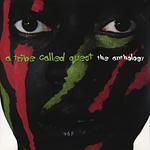
The Anthology is a 1999 compilation that gathers key tracks from A Tribe Called Quest's catalogue to date, highlighting their signature blend of jazz-infused sampling, warm basslines and spare drum patterns. The material emphasizes Q-Tip's relaxed, conversational delivery and Phife Dawg's sharper counterpoint, supported by production that favors horn and piano loops and a laid-back groove. As a collection, it presents the group's distinctive contribution to East Coast hip hop and the jazz rap subgenre through thoughtful, often playful lyrics and inventive sample-based arrangements.

Looking for the Perfect Beat 1980–1985 is a 2001 compilation that collects Afrika Bambaataa's formative early-1980s work, highlighting his role in shaping electro, breakbeat, and early electronic hip hop. The material features drum machine driven rhythms, clipped breakbeat patterns, and cold, melodic synthesizer lines, pairing rap vocal delivery with electronic production and sampling. The set illustrates the transitional sound that linked funk and nascent dance electronics and helped influence later electronic and dance music.
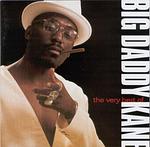
The Very Best of Big Daddy Kane is a 2001 compilation that brings together highlights from Big Daddy Kane's late 1980s and early 1990s output, showcasing his smooth, rapid-fire delivery and intricate multisyllabic rhyme schemes. Musically it reflects the boom bap and funk-influenced production of the era, pairing Kane's confident, charismatic performance with stripped-back beats and scratches. The collection functions as an accessible overview of Kane's stylistic contributions to lyrical hip hop and his influence on subsequent MCs.
#424 — Criminal Minded by Boogie Down Productions
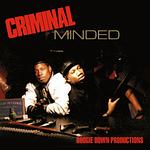
Criminal Minded, the 1987 debut by Boogie Down Productions led by KRS-One with DJ Scott La Rock, is a raw, street-level hardcore hip hop record that pairs spare, hard-hitting beats and crate-digging samples with reggae and dancehall inflections. The sound is minimalist and aggressive, featuring confrontational lyricism about street life and rap rivalries, notably on "South Bronx" and "The Bridge Is Over." Its production and delivery helped crystallize a tougher East Coast hip hop aesthetic and became a touchstone for later hardcore rap artists.
#425 — Cypress Hill by Cypress Hill
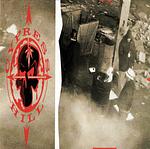
Released in 1991, Cypress Hill is the group's debut album rooted in West Coast hip hop and boom bap with dark, sample-driven production by DJ Muggs. The record contrasts B-Real's high, nasal delivery with Sen Dog's deeper, gruffer vocals over dusty drums, spare funk-tinged basslines, and psychedelic, marijuana-centered lyrics. Its mix of gangsta and alternative hip hop textures, along with Latin-inflected energy and moody, cinematic beats, established the group's distinctive sonic identity in early 1990s hip hop.
#426 — 3 Feet High and Rising by De La Soul
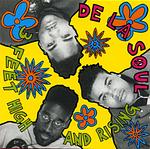
3 Feet High and Rising is De La Soul's 1989 debut album, produced largely by Prince Paul. Its sound blends playful, conversational rapping with sample-heavy, collage-like production that draws on funk, soul, and jazz influences, using short skits and inventive transitions to create a cohesive, offbeat flow. The album is an early touchstone of alternative hip hop and jazz rap, notable for its laid-back, eccentric approach to lyricism and production.
#427 — It's Dark and Hell Is Hot by DMX
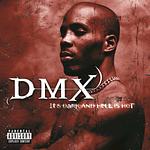
It’s Dark and Hell Is Hot is DMX's debut studio album, released in 1998. Rooted in East Coast hardcore hip hop, the record pairs gritty, bass-forward production with stark, sample-driven beats and minimalist arrangements. DMX's gravelly, urgent delivery and confrontational vocal presence carry songs built around themes of personal struggle, anger, and street life. Production from contributors including Dame Grease and early work by Swizz Beatz helps create a dark, cinematic sound that emphasized raw energy and intensity in late 1990s hip hop.
#428 — Under Construction by Missy Elliott
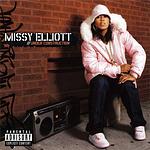
Under Construction (2002) by Missy Elliott blends hip hop, R&B, alternative hip hop and hip hop soul with forward-thinking, rhythm-driven production largely shaped by Timbaland and Missy herself. The album pairs inventive, syncopated beats and vocal effects with throwback samples and themes that acknowledge old-school hip hop while remaining sonically modern. Songs such as "Work It" mix playful wordplay and studio trickery with strong melodic hooks, and the record as a whole emphasizes groove, texture, and a bold production approach within Missy Elliott's catalog.
#429 — The Slim Shady LP by Eminem
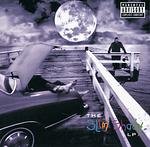
The Slim Shady LP (1999) is Eminem's major label breakthrough that introduces his Slim Shady persona, mixing dark, shock-driven humor and violent satirical storytelling with tightly wound rhyme schemes. Musically it blends hardcore hip hop and horrorcore themes with boom bap influenced, sample-forward production and polished, cinematic touches, using skits and sudden mood shifts to amplify its black comedy. The record is notable for its provocative lyricism, agile delivery, and theatrical approach that helped define Eminem's public voice.
#430 — The Marshall Mathers LP by Eminem
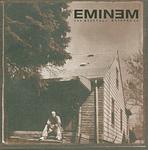
The Marshall Mathers LP (2000) is Eminem's raw, confrontational album that blends hardcore hip hop, horrorcore intensity, and pop-rap hooks. Production frequently uses sparse, eerie beats and layered samples to support tightly wound, rapid-fire delivery, allowing Eminem to shift between darkly comic Slim Shady sketches, confessional storytelling such as "Stan", and violently personal material about fame, family, and identity. The album helped define his public persona and intensified debates about lyrical boundaries by foregrounding provocative, autobiographical songwriting and abrasive satire.
#431 — Strictly Business by EPMD
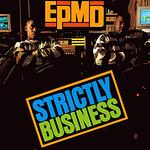
Strictly Business (1988) is the debut album by EPMD, the Long Island duo of Erick Sermon and Parrish Smith. Musically it pairs laid-back, funk-heavy production built from looped grooves and sparse drum patterns with the duo's relaxed, braggadocious vocal interplay and witty wordplay. The album emphasizes groove and chemistry over dense lyricism and helped popularize a stripped-down, sample-driven East Coast hip hop sound in the late 1980s, notable for its use of 1970s funk and soul textures.
#432 — Paid in Full by Eric B. & Rakim
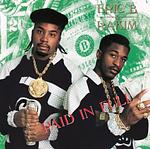
Paid in Full, released in 1987 by Eric B. & Rakim, is an East Coast hip hop album that pairs Rakim's measured, innovative MCing and internal rhyme patterns with Eric B.'s spare, sample-driven production and turntable work. The record blends hard-hitting drum loops, prominent scratching, and jazz and blues-inflected samples to create a moody, minimalist sound associated with hardcore and golden age hip hop. Its focus on lyrical complexity, rhythmic precision, and DJ technique helped shape the aesthetics of late 1980s hip hop.
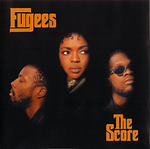
The Score, released in 1996 by the Fugees, blends hip hop, contemporary R&B, boom bap rhythms and alternative hip hop sensibilities with Caribbean influences. Lauryn Hill's soulful singing and lyrical delivery, Wyclef Jean's eclectic production and Pras's steady rapping create a mix of live instrumentation, cinematic samples and reggae-tinged grooves. The album pairs reinterpretations of familiar songs, such as a cover of "Killing Me Softly" and a version of "No Woman, No Cry," with original, socially conscious lyrics that explore identity, diaspora and street life.
#434 — Message From Beat Street: The Best of Grandmaster Flash, Melle Mel & The Furious Five by Grandmaster Flash
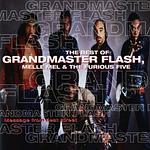
A 1994 compilation that gathers early material from Grandmaster Flash, Melle Mel and the Furious Five, presenting their pioneering blend of electro textures and early hip hop rhythms. The collection highlights sparse drum-machine beats, prominent synth and bass lines rooted in funk and disco, and vocal deliveries that mix party call-and-response with direct social commentary. It serves as an accessible overview of the group’s influential approach to DJ techniques, rhythmic production, and street-oriented storytelling during hip hop’s formative years.
#435 — Reasonable Doubt by JAY‐Z
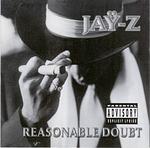
Reasonable Doubt is Jay-Z's 1996 debut album that blends East Coast boom bap production with mafioso and street-focused lyricism. The sound relies on jazz-tinged and soulful sample-based beats with crisp drum programming and a late night, cinematic mood. Jay-Z delivers hustler narratives, vivid storytelling and dense internal rhymes, presenting an early articulation of the persona that would define his work. The record is widely regarded as an important statement in 1990s New York hip hop.
#436 — The Blueprint by JAY‐Z
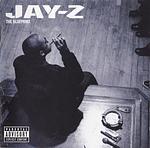
The Blueprint, released in 2001, is an East Coast hip hop album that blends hardcore rap with chipmunk soul and pop rap elements. Its sound emphasizes warm, pitched soul samples and relatively spare, hard-hitting drums, with production that foregrounds Jay-Z's lyricism as he moves between introspective storytelling and confident braggadocio. The record is often cited as a defining early 2000s hip hop album that helped popularize sample-driven, soulful production and raised the profile of several young producers.
All World (1996) is a greatest-hits compilation that surveys LL Cool J's work from the 1980s into the mid 1990s, combining hard-hitting East Coast beats and braggadocious rap with smoother, pop-leaning love songs. It pairs raw old school tracks such as "Rock the Bells" and "I Can't Live Without My Radio" with later, more polished singles like "Mama Said Knock You Out," "I Need Love," and "Hey Lover," showcasing his range from aggressive delivery to melodic hooks. The album serves as a concise overview of his evolving sound and crossover appeal up to that point.
#438 — The Best of Cold Chillin' by Biz Markie
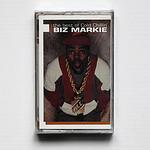
A compilation drawing on Biz Markie's material for the Cold Chillin' label, this album highlights his playful, conversational rap delivery, prominent beatboxing, and sample-driven East Coast production from the late 1980s and early 1990s. The selections emphasize humorous storytelling and party-ready grooves, presenting Biz Markie as a distinctive and lighthearted voice within classic East Coast hip hop.
#439 — Country Grammar by Nelly
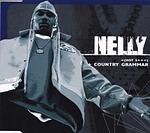
Country Grammar is the 2000 major-label debut by Nelly that blends hip hop and pop rap with a melodic, sing-song delivery and rhythmic, bass-forward production. The album draws on Midwestern and St. Louis influences, pairing laid-back, conversational raps about street life and party themes with catchy, radio-friendly hooks and club-ready beats, helping establish Nelly's accessible crossover style.
#440 — Ready to Die by The Notorious B.I.G.
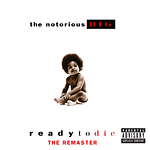
Ready to Die, the 1994 debut studio album by The Notorious B.I.G., pairs hard-edged boom bap production and sample-based beats with Biggie's deep, conversational flow and vivid storytelling about street life, ambition, and mortality. The record alternates gritty, hardcore narratives and gangsta rap themes with moments of melodic hooks and personal reflection, showcasing dense internal rhymes, dark humor, and cinematic details. It is widely regarded as a defining release in 1990s East Coast hip hop for its lyricism and narrative scope.
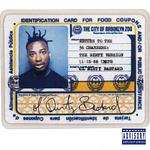
Return to the 36 Chambers: The Dirty Version (1995) is Ol' Dirty Bastard's debut solo album. Rooted in East Coast and hardcore hip hop, it showcases ODB's unorthodox, slurred vocal delivery and loose, unpredictable performances over raw, sample-driven production associated with RZA and the Wu-Tang aesthetic. The record includes tracks such as "Brooklyn Zoo" and "Shimmy Shimmy Ya" and is notable for its chaotic, personality-forward approach and for featuring guest appearances from fellow Wu-Tang members and collaborators.
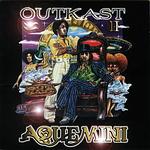
Aquemini, OutKast's 1998 album, blends hip hop, Dirty South sensibilities, and alternative hip hop experimentation into layered, eclectic production that mixes soul, funk, and psychedelic textures with live instrumentation and dense beats. The duo trade contrasting vocal deliveries across songs that balance Southern identity and personal introspection with forward-looking sonic risks, producing a genre-blurring record marked by varied tempos and inventive arrangements.
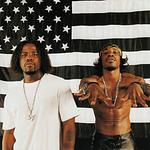
OutKast's 2000 album Stankonia finds Andre 3000 and Big Boi pushing Dirty South hip hop into a more experimental, wide-ranging sound that incorporates electronic textures, techno and drum and bass rhythms alongside funk, soul and psychedelic elements. The production is dense and eclectic, mixing rapid breakbeats, distorted synths, horns and live instrumentation while the duo alternates playful bravado, melodic hooks and pointed social commentary. Songs move from high-energy, drum and bass influenced tracks like "B.O.B." to more melodic, reflective moments such as "Ms. Jackson," and the record is notable for expanding hip hop's sonic palette at the time.
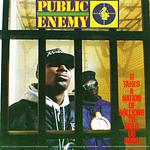
It Takes a Nation of Millions to Hold Us Back is Public Enemy's 1988 album that pairs confrontational, politically driven lyricism with dense, abrasive production. The Bomb Squad's layered, collage-like use of samples, sirens and jagged beats creates a thick, chaotic soundscape that underpins Chuck D's authoritative social commentary and Flavor Flav's rhythmic interjections. The album emphasizes themes of racial injustice, institutional power and media critique while expanding hip hop's sonic and rhetorical possibilities, influencing the development of East Coast, political and hardcore hip hop styles.
#445 — Fear of a Black Planet by Public Enemy
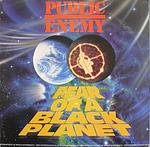
Fear of a Black Planet, released by Public Enemy in 1990, combines politically charged, socially conscious lyrics with the Bomb Squad's dense, sample-heavy production. Its abrasive, layered sound uses hard-hitting beats, dissonant textures, and collaged samples to underpin Chuck D's authoritative delivery and Flavor Flav's contrasting ad-libs. The record pushes hip hop toward experimental and hardcore directions while foregrounding themes of race, media, and power, and it is often described as a landmark of East Coast and conscious hip hop.
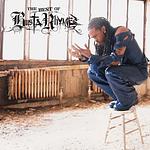
Total Devastation: The Best of Busta Rhymes is a 2001 compilation that gathers high-energy tracks showcasing Busta Rhymes' rapid-fire delivery, aggressive breathy vocals, and distinctive ad-libs. The sound is rooted in hard-hitting hip hop production with rhythmic, bounce-influenced beats and occasional Caribbean inflections, emphasizing dense percussion, bold hooks, and club-ready grooves. As a greatest-hits style collection, it provides an accessible overview of his late 1990s and early 2000s musical persona.
#447 — Greatest Hits by Run‐D.M.C.
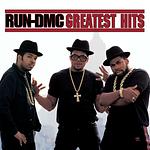
Greatest Hits (2002) by Run-D.M.C. is a compilation overview of the group's influential hip hop sound and their early experiments in rap rock. It highlights their hard-hitting, rhythm-driven beats, percussive vocal delivery and the rock-inflected production that made collaborations like Walk This Way notable, presenting a concise portrait of their role in bringing hip hop into broader popular music culture.
#449 — Old School Rap by Various Artists
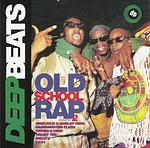
#450 — Enter the Wu‐Tang (36 Chambers) by Wu‐Tang Clan
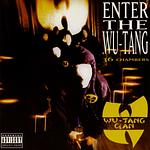
Enter the Wu-Tang (36 Chambers) is the 1993 debut album by Wu-Tang Clan, built on raw, lo-fi boom bap production and heavy use of martial arts film samples. Largely produced by RZA, it features sparse, gritty beats and layered vocal interplay that highlight the collective's nine distinct MCs and stark, street-centered lyricism. Its aggressive East Coast sound and unconventional group structure became a touchstone for hardcore hip hop and had a lasting influence on production trends and crew-centered projects.
#451 — Me Against the World by 2Pac
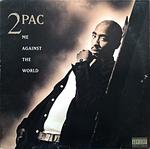
Me Against the World is a 1995 album by 2Pac that blends West Coast gangsta rap and G-funk sonics with introspective, conscious hip hop lyricism. The record pairs street narratives and defiant posturing with vulnerable reflections on mortality, family, and legal struggles, a tone reinforced by moody, melodic production and layered hooks. Recorded and released while 2Pac was incarcerated, its themes of isolation and resilience are prominent across tracks such as "Dear Mama" and "So Many Tears". The album is often regarded as a peak of his more personal work and a significant statement in 1990s West Coast hip hop.
#452 — Greatest Hits by Ice Cube
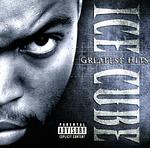
Greatest Hits (2001) by Ice Cube is a compilation album that highlights his hard-edged gangsta rap approach within West Coast hip hop. The selections emphasize funk-influenced production, driving beats, and Ice Cube's blunt, confrontational lyricism that mixes street narratives with social and political commentary. As a collected overview of his solo work from the 1990s, it illustrates his influence on the sound and attitude of West Coast hip hop.
#453 — The Chronic by Dr. Dre
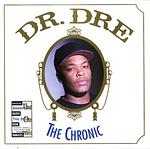
The Chronic is Dr. Dre's 1992 album that crystallized the G-Funk strand of West Coast gangsta rap, built around low, rolling basslines, melodic synth leads, crisp drum programming, and funk-derived grooves and samples. Dre's production favors smooth, layered textures and cinematic pacing, with memorable vocal performances and guest appearances that underscore its street-focused narratives. The album is commonly cited as a defining statement of early 1990s West Coast hip hop and helped popularize the G-Funk sound.
#454 — Greatest Hits by Geto Boys
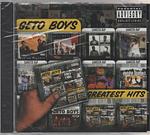
Greatest Hits (2002) by Geto Boys is a compilation that reflects the group's Southern hip hop and gangsta rap style, pairing gritty, funk-tinged production with stark, often confrontational storytelling. Known for the voices of Scarface, Willie D, and Bushwick Bill, their work blends street narratives, dark psychological themes, and social commentary, capturing the raw, atmospheric sound that helped define Houston rap in the late 1980s and 1990s.
#455 — The Infamous by Mobb Deep
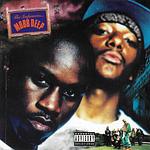
The Infamous, released in 1995 by Mobb Deep, is a gritty East Coast hip hop album rooted in gangsta rap and boom bap. Havoc's sparse, sample-driven production uses dusty jazz and soul loops, minor-key piano motifs, and hard-hitting drums to create a cold, cinematic atmosphere, while Prodigy and Havoc deliver stark, street-level narratives about survival and violence. The album's dark, minimalist sound and tightly focused lyricism helped crystallize a raw New York City aesthetic in mid 1990s hip hop and includes the well known track "Shook Ones Part II."
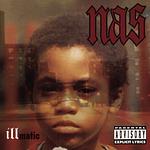
Illmatic, Nas's 1994 debut, is a compact, lyrically dense hip hop record rooted in East Coast boom bap. Nas's intricate internal rhymes and vivid street narratives ride sparse, sample-driven production from producers such as DJ Premier, Pete Rock, Large Professor, Q-Tip, and L.E.S., with hard drums, jazz and soul samples, and clear, focused arrangements. Its concentrated running time and emphasis on storytelling and craft helped define a blueprint for later East Coast and conscious hip hop artists.
#457 — Straight Outta Compton by N.W.A
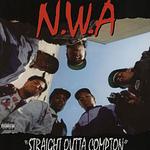
Straight Outta Compton, released in 1988 by N.W.A, is a landmark gangsta rap album that helped define West Coast hip hop. The record pairs hard, drum-machine driven beats and funk-derived sampling with blunt, confrontational lyrics about street life, policing, and urban tension. Production from Dr. Dre and DJ Yella emphasizes heavy bass, tight drum programming, and stark arrangements, while vocal performances from Ice Cube, Eazy-E, MC Ren, and others combine narrative storytelling and abrasive delivery. The album is notable for its raw sonic aesthetic and its role in bringing gangsta rap into wider public attention.
#458 — Doggystyle by Snoop Dogg
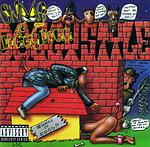
Released in 1993, Doggystyle is Snoop Dogg's debut solo album that epitomizes the West Coast G-funk sound of the early 1990s. Largely produced by Dr. Dre and collaborators, the record pairs slow, funk-derived grooves, melodic synth leads, and heavy bass with layered vocal hooks, creating a relaxed instrumental backdrop for Snoop's languid drawl and street-centered storytelling that balances party tracks with darker narratives. The album's production style and Snoop's persona helped shape the sonic identity of West Coast gangsta rap during that era.
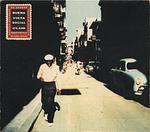
Buena Vista Social Club (1997) is a warm, acoustic collection rooted in son cubano, bolero, and Afro-Cuban jazz influences. Recorded with a group of veteran Cuban musicians and produced by Ry Cooder, it features tres and guitar, piano, soft horns, layered percussion, and intimate lead and ensemble vocals from singers such as Ibrahim Ferrer, Compay Segundo, Omara Portuondo, and others. The arrangements emphasize melody, conversational call-and-response phrasing, and nostalgic lyrical themes, and the album helped spark renewed international interest in traditional Cuban music.
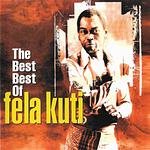
The Best of Fela Kuti: The Black President is a 1999 compilation that showcases Fela Kuti's Afrobeat sound, blending West African rhythms with funk and jazz-influenced horn arrangements into long, groove-driven pieces. The selections highlight polyrhythmic percussion, interlocking guitar and bass patterns, punchy brass lines and Fela's spoken-sung vocals, often focused on political and social themes. As a compact overview, the album emphasizes the ensemble interplay, extended grooves and improvisatory feel that helped define Fela's music and his role as a pioneering figure in Afrobeat.
#461 — Catch a Fire by The Wailers
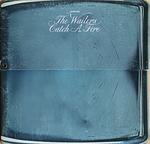
Catch a Fire, released by The Wailers in 1973, is a roots reggae album that blends traditional Jamaican rhythms with rock-influenced production and soulful vocals. Produced for Island Records by Chris Blackwell, the record features fuller arrangements and a cleaner mix that brought the group's Rastafarian-themed lyrics and dub-tinged grooves to a broader audience, while retaining the rhythmic emphasis and bass-driven pulse of reggae. Its sound marked a turning point in how reggae was presented internationally and remains a frequently referenced work in the genre.
#462 — Natty Dread by Bob Marley & The Wailers
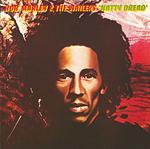
Natty Dread (1974) is a roots reggae album by Bob Marley & The Wailers that marks the group’s transition after the departures of Peter Tosh and Bunny Wailer. The sound emphasizes deep, syncopated bass and drums, interlocking guitar and organ rhythms, and Marley's characteristic vocals and songwriting; lyrical themes mix personal reflection, Rastafarian faith, and social commentary, with tracks such as No Woman, No Cry and Lively Up Yourself exemplifying the album’s intimate yet politically aware roots reggae style.
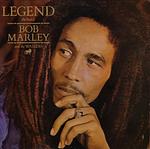
Legend: The Best of Bob Marley and The Wailers, released in 1984, is a compilation that brings together many of Bob Marley’s well known songs spanning reggae, roots reggae, reggae-pop and styles rooted in rocksteady and ska. The album showcases Marley's warm, expressive voice and songwriting over bass-led, syncopated rhythms, with arrangements ranging from acoustic, intimate ballads to upbeat, horn-accented grooves, and recurring themes of love, unity, resistance and spirituality. As a single-disc overview, it highlights the musical textures and melodies that became closely associated with Marley and The Wailers.
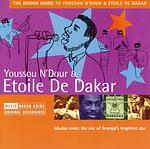
This Rough Guide compilation surveys early recordings by Youssou N'Dour and his former group Étoile de Dakar, presenting the energetic mbalax sound that blends traditional Senegalese sabar rhythms with Afro-Cuban, funk and pop influences. The selections emphasize driving percussion and layered polyrhythms alongside bright electric guitars, brass accents and Youssou N'Dour's distinctive tenor and call and response vocal arrangements. As an entry point, it highlights material that helped define the modern mbalax style and the band's role in shaping that sound.
#465 — Arkology by Lee "Scratch" Perry
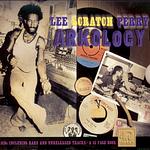
Arkology is a multi-disc anthology gathering Lee 'Scratch' Perry's Black Ark-era productions, presenting roots reggae songs alongside dub versions and instrumental remixes. The recordings emphasize Perry's inventive studio techniques, with heavy echo and reverb, spare yet layered rhythms, abrupt sonic edits and effects that give the tracks a psychedelic, otherworldly character. As a collection it illustrates Perry's experimental approach to dub production and his influence on the textural possibilities of reggae.

#467 — The Kings and Queens of Township Jive: Modern Roots of the Indestructible Beat of Soweto by Various Artists
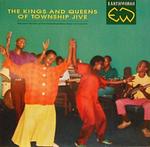
This 1990 Various Artists compilation focuses on township jive, the dance-oriented mbaqanga sound that developed in Soweto, blending electric guitars and bass with propulsive rhythms, tight harmony singing and call-and-response vocals. The collection presents a snapshot of energetic, communal popular music that mixes traditional song forms with urban electric instrumentation, highlighting the modern roots and enduring groove associated with Soweto's popular music scene.
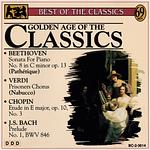
#468 — Golden Age of the Classics by Various Artists
#470 — Tropicália 30 anos by Various Artists
#471 — Burnin' by The Wailers
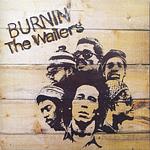
Burnin' (1973) by The Wailers is a roots reggae album that blends militant social commentary with soulful, hook-driven grooves. It features lead vocals by Bob Marley with prominent harmonies from Peter Tosh and Bunny Wailer, underpinned by deep bass, syncopated rhythm guitar, and steady one-drop drumming. Tracks such as "Get Up, Stand Up" and "I Shot the Sheriff" exemplify the album's mix of political and personal themes and concise songcraft, and the record presents the group's core sound as it moved toward wider recognition while retaining a raw roots character.
#472 — Brazil Classics 4: The Best of Tom Zé by Tom Zé
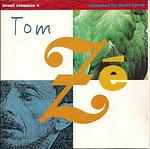
Brazil Classics 4: The Best of Tom Zé is a 1990 compilation that presents the Brazilian singer-songwriter's idiosyncratic blend of MPB, Tropicália-influenced rock, and experimental sound collage. The selections highlight his playful vocal delivery, offbeat rhythms, and inventive use of unconventional instruments and found sounds, moving between samba-derived grooves and abrupt textural shifts. The collection served as an accessible introduction for many international listeners, showcasing Tom Zé's mix of melodic inventiveness and theatrical, often ironic songwriting.
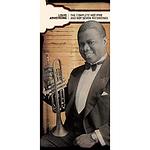
This compilation assembles Louis Armstrong's Hot Five and Hot Seven sessions, small-group recordings from the mid-1920s that are widely regarded as foundational to early jazz. The tracks showcase Armstrong's virtuosic trumpet playing and distinctive, expressive singing, including early examples of scat singing, within compact New Orleans influenced ensemble arrangements that emphasize collective interplay and rhythmic drive. Musically the set marks a move toward individual improvisation, inventive phrasing, and swinglike feel that helped shape later developments in jazz.
#474 — Chet Baker Sings by Chet Baker
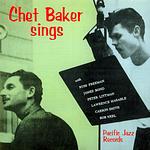
Chet Baker Sings, from 1954, showcases Baker's soft, intimate vocal style alongside his lyrical, understated trumpet playing in a cool jazz setting. The album presents relaxed, melodic interpretations of standards with spare accompaniment and conversational phrasing, highlighting a subdued, introspective approach to balladry. Its combination of breathy singing and understated instrumental lines is often cited as a defining example of the West Coast cool aesthetic and marked an important moment in Baker's role as both singer and instrumentalist.
#475 — The Complete Decca Recordings by Count Basie
This compilation presents Count Basie and his orchestra in their Decca-era big band swing mode, emphasizing tight, riff-based horn charts, a strong sense of groove, and blues-rooted phrasing. The music highlights Basie’s economical, rhythmic piano and a buoyant rhythm section that underpins concise, expressive solos, capturing the ensemble focus and understated swing that defined his classic band. As a document of Basie’s swing-era sound, the recordings illustrate the orchestra’s emphasis on ensemble cohesion, timing, and a relaxed yet propulsive pulse.
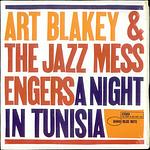
A Night in Tunisia (1960) by Art Blakey & The Jazz Messengers is a vigorous hard bop set that emphasizes driving, blues- and gospel-inflected grooves, punchy horn statements, and energetic improvisation. Blakey's propulsive drumming anchors tight ensemble heads and extended solos, while the title track draws on bebop and modal elements to create a tense, rhythmic centerpiece. The album exemplifies the Jazz Messengers' approach in this period, balancing composed themes with blues-based soloing and strong group interplay.
#477 — Time Out by The Dave Brubeck Quartet
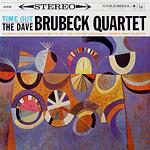
Time Out, recorded by the Dave Brubeck Quartet and released in 1959, is a landmark jazz album that experiments with unusual time signatures while maintaining a cool jazz sensibility. The music features Paul Desmond's lyrical alto saxophone, Brubeck's percussive piano harmonies, and the tight rhythmic interplay of Joe Morello and Eugene Wright. Standout pieces such as Desmond's "Take Five" in 5/4 and Brubeck's "Blue Rondo à la Turk," which moves between 9/8 and 4/4, highlight the album's rhythmic invention alongside memorable melodies. The record blends cool jazz tone with rhythmic exploration and helped broaden the rhythmic vocabulary of small group jazz.
#478 — The Shape of Jazz to Come by Ornette Coleman
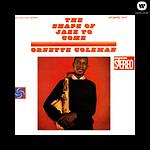
Released in 1959, The Shape of Jazz to Come is an early landmark of free jazz in which Ornette Coleman foregrounds melodic freedom and collective improvisation over fixed chord progressions. The album pairs Coleman's angular, lyrical alto with Don Cherry's pocket trumpet, supported by Charlie Haden on bass and Billy Higgins on drums, yielding a raw, open sound that contrasted with the prevailing hard bop style and helped shape subsequent avant garde approaches in jazz.
#479 — A Love Supreme by John Coltrane
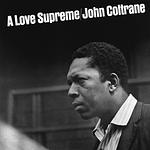
A Love Supreme is a four-part suite recorded by John Coltrane's classic quartet and released in 1965. The music combines modal and post-bop language with a devotional, intense approach, built around a persistent four-note motif and sustained improvisation that showcases Coltrane's tenor saxophone alongside McCoy Tyner's harmonically rich piano, Elvin Jones's propulsive drumming, and Jimmy Garrison's anchoring bass. The album is widely regarded as a defining statement of spiritual jazz and a turning point toward more exploratory, devotional directions in Coltrane's work.
#480 — Return to Forever by Chick Corea
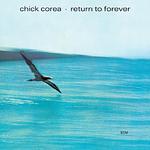
Return to Forever (1972) is a self-titled album by Chick Corea that established the ensemble known as Return to Forever. It blends jazz fusion and Latin jazz, pairing Corea's electric piano with lyrical melodies, Brazilian and Afro-Latin rhythms, and prominent contributions from vocalist Flora Purim, percussionist Airto Moreira, saxophonist and flautist Joe Farrell, and bassist Stanley Clarke. The record highlights a warm, melodic approach to early 1970s fusion, balancing composed themes with improvisation and strong rhythmic drive.
#481 — Kind of Blue by Miles Davis
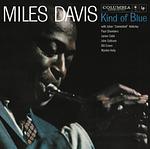
Kind of Blue is a 1959 album by Miles Davis that helped define modal jazz with a spare, lyrical approach that emphasizes modes and scales rather than dense chord progressions. Recorded with a sextet including John Coltrane, Cannonball Adderley, Bill Evans, Paul Chambers, and Jimmy Cobb, the music is spacious and understated, featuring extended improvisation on pieces such as "So What" and "All Blues" and blending elements of cool jazz, hard bop, and post-bop. Its subdued tone, focus on melody, and subtle group interplay make it widely regarded as a landmark in modern jazz.
#482 — Sketches of Spain by Miles Davis
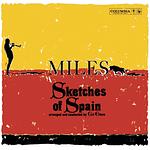
Sketches of Spain (1960) is a collaboration between trumpeter Miles Davis and arranger Gil Evans that blends jazz improvisation with orchestral arrangements and Spanish musical themes. It features a reworking of Joaquín Rodrigo's Concierto de Aranjuez alongside original pieces that draw on flamenco and folk motifs, using modal harmonic frameworks, muted and lyrical trumpet lines, and rich brass and woodwind textures. The album exemplifies Third Stream approaches and cool and modal jazz tendencies by integrating soloist spontaneity with carefully scored, atmospheric ensemble writing.
#483 — Bitches Brew by Miles Davis
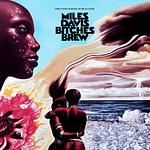
Bitches Brew is a 1970 Miles Davis album that marks his full embrace of electric instruments and the emerging jazz fusion idiom. The music blends loose, extended improvisation with rock and funk rhythms, dense, layered textures and a large ensemble featuring multiple electric keyboards, guitars and electric bass. Producer Teo Macero's studio editing reshaped long collective performances into suite-like tracks with a shifting, cinematic flow. The record is frequently cited as a pivotal work in the development of jazz fusion and avant-garde approaches to jazz.
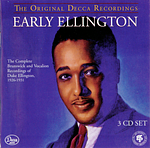
Early Ellington: The Complete Brunswick and Vocalion Recordings, 1926-1931 (1994) is a compilation of Duke Ellington's early sides for the Brunswick and Vocalion labels, documenting his orchestra's work from the late 1920s into the early 1930s. The recordings present early jazz and proto-swing arrangements marked by stride-influenced piano, blues-inflected themes, and inventive orchestration that emphasizes tone color and distinctive soloists. The set captures Ellington's formative experiments in texture and ensemble voicing that foreshadow his later big band work.
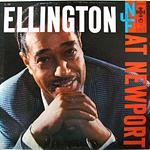
Ellington at Newport is a 1956 live recording of Duke Ellington and His Orchestra from the Newport Jazz Festival that captures the orchestra's big band sound, swinging ensemble charts, blues-inflected themes, and extended soloing. The set is especially remembered for the electrifying live performance of "Diminuendo and Crescendo in Blue," featuring an extended tenor sax solo by Paul Gonsalves, and it highlights the blend of tightly arranged passages and high-energy improvisation. The album is often cited as a moment that brought renewed public attention to Ellington's orchestra in the mid 1950s.
#486 — Sings Cole Porter by Ella Fitzgerald

Ella Fitzgerald Sings Cole Porter is a vocal jazz collection of Cole Porter standards from Fitzgerald's Songbook project, featuring her clear, agile phrasing, rhythmic swing, and melodic improvisation over lush orchestral arrangements by Buddy Bregman. The performances emphasize concise, expressive interpretations of Porter's tunes, demonstrating Fitzgerald's skill as an interpreter of the Great American Songbook and her ability to balance sophistication with accessible swing.
#487 — Head Hunters by Herbie Hancock
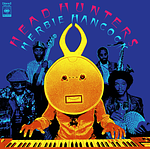
Head Hunters (1973) marks Herbie Hancock's turn toward jazz-funk and fusion, centering on deep, groove-driven compositions built from electric keyboards and early synthesizers, funky rhythm patterns, and layered percussion. Tracks such as "Chameleon" feature prominent synth basslines and extended vamps while a reworked "Watermelon Man" blends clavinet and African-influenced percussion; Bennie Maupin's reed work and the tight rhythm section of Paul Jackson, Harvey Mason, and Bill Summers provide both groove and textural contrast. The album is notable for bringing improvisational jazz language into danceable funk frameworks and for its lasting influence on jazz-funk, fusion, and later sampling in popular music.
#488 — Lady Day Swings! by Billie Holiday
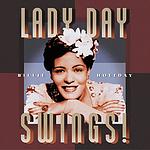
Lady Day Swings! is a collection that emphasizes Billie Holiday's more uptempo, swing-oriented performances. The tracks present buoyant tempos and rhythmic phrasing with band arrangements that frame Holiday's distinctive timbre and conversational delivery. The album highlights a livelier side of her artistry, showing how she adapts her phrasing and emotional nuance to swinging, danceable settings while retaining her intimate expressiveness.
#489 — The Köln Concert by Keith Jarrett
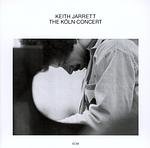
The Köln Concert is a 1975 live solo piano recording by Keith Jarrett consisting of extended, spontaneously improvised performances presented in multi-part sequences. The music blends lyrical melody, repeated rhythmic motifs and open harmonies drawn from jazz, blues and gospel idioms while remaining firmly within free improvisation and contemporary jazz contexts. Jarrett’s expressive touch, on-the-spot development of themes and responsiveness to the instrument and room create a meditative yet propulsive sound; the concert is widely regarded as a key document of solo piano improvisation in modern jazz.
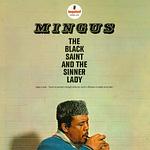
The Black Saint and the Sinner Lady (1963) is an extended suite by bassist-composer Charles Mingus that blends hard bop intensity, Third Stream orchestration and avant-garde jazz impulses. Mingus combines tightly arranged ensemble passages and chamber-like colors with improvisational solos, shifting between muscular brass statements, lyrical string-inflected textures and rhythms that recall Latin and flamenco influences. The album is notable for its ambitious compositional scope, dramatic contrasts and the way it foregrounds narrative and emotional development within a large-jazz-ensemble setting.
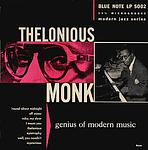
Genius of Modern Music, Volume 1 collects Thelonious Monk's early Blue Note recordings from the late 1940s and presents his formative contributions to bebop. The music centers on Monk's angular, percussive piano, unconventional harmonies, and distinctive rhythmic twists, with compact small-group performances of many of his original compositions that later entered the modern jazz repertoire. The set captures his blend of sharp dissonances, melodic hooks, and sly humor, offering a clear window into the development of his singular approach to composition and improvisation.
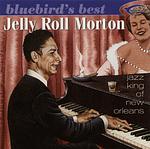
#492 — Jazz King of New Orleans by Jelly Roll Morton
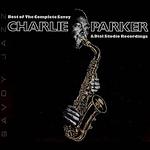
Best of the Complete Savoy & Dial Studio Recordings (2002) gathers key studio tracks Charlie Parker cut for the Savoy and Dial labels in the mid 1940s. The album showcases Parker's alto saxophone virtuosity and central role in the development of bebop, with rapid tempos, intricate melodic lines, and advanced harmonic ideas presented in small group formats. The selections balance fiery, highly improvised performances and more blues-inflected, reflective pieces, offering a concentrated overview of Parker's musical innovations from that era.
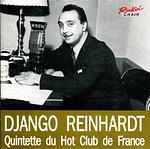
"Quintette du Hot Club de France" by Django Reinhardt presents the classic Gypsy jazz and swing sound of Django alongside violinist Stéphane Grappelli in a mostly string ensemble. The music is driven by percussive rhythm guitar known as la pompe, features swift, ornamented guitar and violin solos and close interplay, and helped shape the Gypsy jazz style through its blend of Romani guitar technique with swing-era repertoire.
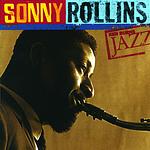
Ken Burns Jazz: Definitive Sonny Rollins is a compilation-format release tied to the Ken Burns Jazz series that showcases Sonny Rollins's distinctive tenor sax voice and hard bop roots. It presents his muscular tone, thematic improvisational approach, and a mix of up-tempo pieces and more lyrical moments, offering a concise introduction to his rhythmic drive and melodic inventiveness within mid-century modern jazz.
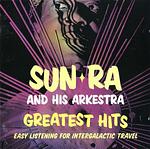
#497 — Roots of Jazz, Volume One by Various Artists
#498 — Heavy Weather by Weather Report
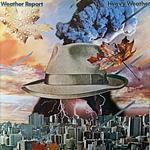
Heavy Weather (1977) by Weather Report is a jazz fusion album led by keyboardist Joe Zawinul and saxophonist Wayne Shorter with the recent addition of bassist Jaco Pastorius. It blends improvisational jazz with funk and rock-influenced rhythms, prominent electric keyboards and synthesizers, and melodic compositions such as the well-known track "Birdland". The record is notable for Jaco Pastorius's lyrical fretless bass work and Zawinul's layered synth textures, and it remains a key reference in late 1970s fusion.
#499 — Naked City by John Zorn
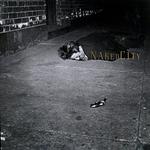
Naked City (1990) is a high-contrast, genre-bending album led by composer and saxophonist John Zorn under the band name Naked City. It juxtaposes tightly arranged, cinematic compositions and improvisatory free-jazz passages with brief, violent blasts of grindcore and noise, often switching styles and tempos within single tracks. The sound mixes avant-garde jazz, experimental rock, punk energy and film-music pastiche, emphasizing abrupt edits, virtuosic playing and extreme contrasts that illustrate Zorn's collage-like approach to composition and performance.