 The Greatest Music
500 CDs You Must Own Before You Die
Weight: 80%
How much this list influences our overall rankings. Higher weight means more reliable data.
Penalties Applied:
who voted: John Aizlewood (editor), Matt Ashare, Michael Azerrad, Greg Beato, Johnny Black, Ben Brandt, J.D. Considine, John DeFore, Tom Doyle, Richard Gehr, Joe Gross, Gerald Hammill, John Harris, David Hiltbrand, Erik Himmelsbach, Hua Hsu, Howard Johnson, Daniel Krauss, Stuart Maconie, Craig Marks, Andy Pemberton, Tony Power, David Quantick, Richard Skanse, RJ Smith, David Smyth, Phil Sutcliffe, Rob Tannenbaum and Jonah Weiner
#201 — The Downward Spiral by Nine Inch Nails
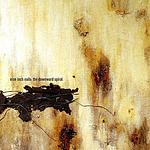
The Downward Spiral is Nine Inch Nails' 1994 album that fuses industrial, rock, and metal textures into a dark, largely conceptual sequence about personal collapse and alienation. Built from abrasive electronics, samples, programmed beats, and heavily processed guitars, the record moves between aggressive, rhythmic assaults and quieter, atmospheric passages, with layered production by Trent Reznor and Flood. Its arrangements emphasize texture, tension, and dynamic contrast, and it closes with a sparse, intimate track that contrasts the album's earlier intensity.
#202 — Rock Steady by No Doubt
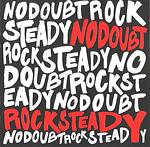
Rock Steady, No Doubt's 2001 album, blends the band's ska and rock roots with electronic and dancehall influences, favoring programmed beats, synth textures, and groove-oriented arrangements alongside horn and guitar accents. The record pairs Gwen Stefani's dynamic vocal delivery with reggae-tinged rhythms and pop rock songwriting, producing a more dance-focused and eclectic sound compared with the band's earlier material. It is notable for its stylistic experimentation and incorporation of contemporary electronic and Caribbean influences into No Doubt's established sound.
#203 — (What's the Story) Morning Glory? by Oasis
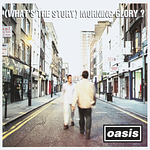
(What’s the Story) Morning Glory? is Oasis's 1995 album that crystallizes the band's take on Britpop and arena-sized alternative rock. Built around Noel Gallagher's melodic songwriting and Liam Gallagher's distinctive vocals, the record balances acoustic-driven ballads and loud, guitar-heavy anthems with layered production and singalong choruses. Its polished yet swaggering sound and emphasis on memorable hooks made it a defining release of the mid 1990s British rock scene.
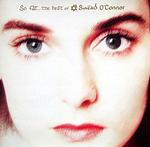
So Far… The Best of Sinéad O'Connor (1997) is a career-spanning compilation that showcases O'Connor's expressive, often intense vocal style across a range of settings from spare, folk-tinged ballads to more muscular alternative rock. The collection highlights her ability to move between intimate acoustic arrangements and atmospheric, downtempo or electronic-tinged production, with direct, personal lyrics and frequent spiritual or political undertones. It works as an accessible overview of her work to that point, emphasizing contrasts between raw emotional force and moments of delicate restraint.
#205 — Slanted and Enchanted by Pavement
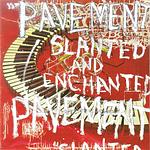
Slanted and Enchanted is Pavement's 1992 debut studio album. The record blends indie rock, alternative rock, lo-fi production and noise pop, characterized by Stephen Malkmus's laconic, often cryptic lyrics, a slack, conversational vocal delivery, jagged but melodic guitar interplay, loose rhythmic feel and a rough, home-recorded aesthetic that mixes tunefulness with distortion and off-kilter song structures. Its raw, DIY sound helped shape the early 1990s indie rock landscape and remains a touchstone for lo-fi guitar music.
#206 — Crooked Rain, Crooked Rain by Pavement
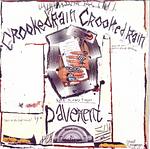
Crooked Rain, Crooked Rain (1994) by Pavement blends slacker-era indie rock with sharper songcraft and clearer production than the band’s earlier lo-fi recordings. The album pairs chiming, guitar-driven arrangements and offhand, oblique lyrics with melodic hooks and a relaxed, conversational vocal delivery, moving between hazy, noisy textures and more straightforward pop-leaning songs. Its mix of casual irony and tunefulness is a defining example of 1990s indie and alternative rock aesthetics.
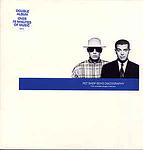
Discography: The Complete Singles Collection (1991) is a compilation that gathers the Pet Shop Boys' singles from their first decade, highlighting their blend of electronic pop, synth-pop and dance-oriented styles with house and dance-pop influences. The recordings pair Neil Tennant's literate, restrained vocal delivery with Chris Lowe's precise synthesizer arrangements and rhythmic production, mapping the duo's development from club-minded synth textures to polished pop songwriting. As a singles collection, it offers a concise overview of their early approach to melody, production and dancefloor-ready songwriting.
#208 — Very by Pet Shop Boys
Very is a 1993 Pet Shop Boys album built around bright, layered synth-pop and dance-pop production with house and techno-influenced rhythms. The sound is more overtly club-oriented and exuberant than some of their earlier work, featuring glossy electronic arrangements, prominent melodies, and the duo's characteristic blend of wry, emotionally sharp lyrics that touch on love and identity. The record is often noted for its polished, maximalist pop approach while maintaining the melodic and lyrical sensibilities of Neil Tennant and Chris Lowe.
#209 — Exile in Guyville by Liz Phair
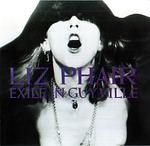
Exile in Guyville, Liz Phair's 1993 debut, blends indie rock and alternative rock with lo-fi, guitar-driven arrangements and frank, conversational lyrics. The album's spare production and direct vocal delivery create a confessional, intimate tone that foregrounds personal and gendered perspectives in rock music. Its combination of catchy melodies and rough-edged sonics helped establish Phair's distinctive voice within 1990s independent rock and has been cited as influential for later singer-songwriters in alternative and DIY scenes.
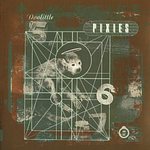
Doolittle, released in 1989 by Pixies and produced by Gil Norton, blends raw, angular guitar work with quiet-loud-quiet dynamics, concise pop hooks, and surreal, often darkly humorous lyrics. Black Francis's abrasive vocals and songwriting are balanced by Kim Deal's melodic bass and backing vocals, producing tracks that range from the abrasive "Debaser" to the more melodic "Here Comes Your Man" and the enigmatic "Monkey Gone to Heaven." The album's jagged arrangements and dynamic contrasts are frequently cited as an influence on early 1990s alternative and grunge bands.
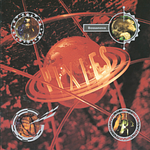
Bossanova (1990) finds the Pixies blending their signature loud-quiet dynamics and surreal songwriting with surf rock and spacey, reverb-heavy textures. The album pairs Black Francis's idiosyncratic vocals and cryptic lyrics with Joey Santiago's angular, surf-influenced guitar lines and Kim Deal's melodic bass and harmonies, yielding a more atmospheric and polished sound than some earlier recordings. It is notable for expanding the band’s sonic palette while retaining the energetic contrasts and offbeat sensibility that helped shape alternative and indie rock in the early 1990s.
#212 — Rum Sodomy & the Lash by The Pogues
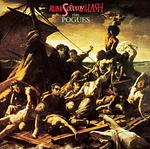
Rum Sodomy & the Lash is a 1985 album by The Pogues that fuses traditional Irish folk instrumentation with punk rock immediacy. The record pairs raw, idiosyncratic vocals and literate, often darkly humorous songwriting with arrangements built around fiddle, tin whistle, accordion and folk-derived rhythms, creating a loose, tavern-like atmosphere. Its blend of raucous energy and melancholy helped define the sound commonly called Celtic punk and influenced later folk punk and folk rock acts.
#213 — Outlandos d'Amour by The Police
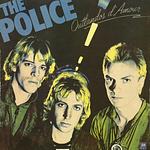
Outlandos d'Amour, the Police's 1978 debut, mixes rock and new wave with strong reggae and pop rock influences, pairing Sting's melodic, sometimes reggae-inflected vocals with Andy Summers' chiming, effects-tinged guitar and Stewart Copeland's energetic, syncopated drumming. The album includes early singles such as "Roxanne", "Can't Stand Losing You", and "So Lonely", and helped establish the band's lean, rhythmic sound that blended punk-era energy with pop songwriting.
#214 — Zenyattà Mondatta by The Police
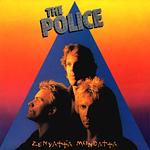
Zenyattà Mondatta, the Police's third studio album from 1980, tightens the band's fusion of rock, new wave and reggae-influenced pop with concise, rhythmically driven songs that highlight Sting's melodic bass and vocals, Stewart Copeland's syncopated drumming, and Andy Summers' chiming, textured guitar. The album pairs catchy pop hooks with rhythmic sophistication and spare arrangements, and includes well known tracks such as "Don't Stand So Close to Me" and "De Do Do Do, De Da Da Da" that exemplify the group's blend of punk energy and pop accessibility.
#215 — Pretenders by Pretenders
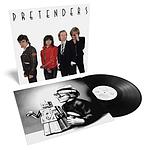
Pretenders is the 1979 debut album by Pretenders that blends new wave urgency with rock and pop sensibilities, pairing chiming, economical guitar work and a propulsive rhythm section with Chrissie Hynde's cool, emotionally direct vocals. The songs range from concise, hook-driven pop to taut post-punk rock, and the production keeps the band sound immediate and uncluttered. The record established the group's distinctive mix of melody and attitude and helped define a transitional sound between punk, post-punk, and mainstream rock.
#216 — Learning to Crawl by Pretenders
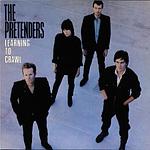
Learning to Crawl (1984) is the Pretenders' third studio album, blending rock, new wave and pop with melodic guitar work and a mix of upbeat tracks and introspective ballads. It includes the songs "Back on the Chain Gang" and "2000 Miles" and showcases Chrissie Hynde's direct, expressive vocals, crisp guitar textures, and concise, hook-driven songwriting. The album marked a regrouping of the band and presents a polished but emotionally immediate sound that bridges the group's punk-influenced roots with a more radio-friendly new wave and pop rock approach.
#217 — Talk Talk Talk by The Psychedelic Furs
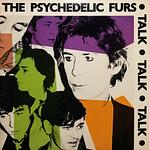
Talk Talk Talk is the Psychedelic Furs' second studio album, released in 1981. It refines their post-punk edge with stronger new wave and pop sensibilities, pairing Richard Butler's emotive baritone with jagged guitars, melodic basslines, propulsive rhythms and occasional saxophone. Songs such as "Pretty in Pink" and "Dumb Waiters" highlight the album's mix of moody atmosphere and hook-driven songwriting, marking an early shift toward a more anthemic side of the band's sound.
#218 — Different Class by Pulp
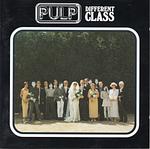
Different Class is Pulp's mid 1990s album that blends Britpop immediacy with art rock and glam influences, pairing catchy, theatrical arrangements with literate, observational lyrics about class, relationships, and everyday absurdities. Jarvis Cocker's conversational vocal delivery and character-driven storytelling sit alongside driving rock rhythms, occasional orchestral touches, and pop hooks; songs such as "Common People" and "Disco 2000" exemplify its mix of social satire and singable melodies. The record is often noted for its sharp songwriting and dramatic presentation within the broader Britpop and indie rock context.
#219 — Rated R by Queens of the Stone Age

Rated R is Queens of the Stone Age's 2000 album that refines their desert and stoner rock roots into tighter, more varied songs. It blends heavy, repetitive riffing and propulsive grooves with concise, hook-driven arrangements and often sardonic lyrics, set in a spare, punchy production that highlights rhythm and atmosphere. The record represented a stylistic shift toward more accessible songcraft while keeping a gritty, hard rock edge within alternative and metal-influenced contexts.
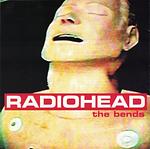
The Bends finds Radiohead expanding from their debut into more expansive, guitar-driven alternative rock that mixes melodic Britpop touches with darker, introspective lyrics and atmospheric, occasionally psychedelic textures. Thom Yorke's emotive voice and falsetto sit atop layered guitar arrangements and dynamic contrasts between loud, anthemic tracks and quieter, intimate moments. Songs such as "Fake Plastic Trees", "High and Dry", "Just", and "Street Spirit (Fade Out)" illustrate the album's blend of strong melodies and emerging experimental tendencies that the band would develop further on later records.
#221 — OK Computer by Radiohead
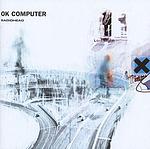
OK Computer is Radiohead's 1997 album that expands their alternative rock roots into art rock and electronic-influenced territory, pairing layered guitars and dense textures with electronic touches and Thom Yorke's expressive vocals. The record emphasizes atmospheric arrangements, unconventional song structures, and lyrics concerned with alienation, technology, and modern life, marking a turning point toward a more experimental and expansive sound for the band.
#222 — Evil Empire by Rage Against the Machine
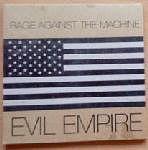
Evil Empire (1996) is the second studio album by Rage Against the Machine, continuing the band's mix of hard rock and rap-influenced metal with tight, riff-driven arrangements and propulsive rhythms. Tom Morello's inventive guitar work and effects interact with a muscular rhythm section while Zack de la Rocha delivers urgent, politically charged vocals and lyrics addressing corporate power, imperialism, and social injustice. The album is notable for its direct, confrontational sound and for reinforcing the group's blend of intense musical aggression and overt political messaging.
#223 — Blood Sugar Sex Magik by Red Hot Chili Peppers
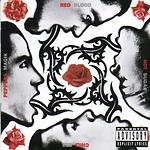
Blood Sugar Sex Magik, released in 1991 by Red Hot Chili Peppers, blends funk-driven grooves and raw rock with more melodic and introspective songwriting. Produced by Rick Rubin and featuring John Frusciante's chiming guitar lines and Flea's prominent slap bass, the album juxtaposes high-energy funk-rock tracks with quieter, personal songs, notably "Give It Away" and "Under the Bridge". Its cleaner, stripped-back production and emphasis on dynamics helped broaden the band's sound and influence on alternative rock and funk rock in the 1990s.
#225 — Music for 18 Musicians by Steve Reich
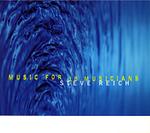
Music for 18 Musicians is Steve Reich’s large-scale minimalist work realized here as an ensemble recording that foregrounds interlocking rhythmic cells and gradual harmonic shifts. The piece moves from an opening cycle of chords into a sequence of pulsing, repetitive patterns performed by a chamber ensemble combining voices, tuned percussion, keyboards, and winds, producing a shimmering, trance-like texture. Its precise rhythmic interplay, shifting textures, and emphasis on timbre and process make it a widely regarded landmark of modern minimalism and a defining work in Reich’s output.
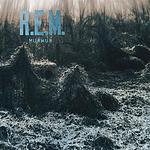
Murmur, R.E.M.'s 1983 debut, foregrounds the band's chiming, jangly guitars and Michael Stipe's distinctive, often obscured vocals. Produced by Mitch Easter and Don Dixon, the record mixes jangle pop, post-punk, and folk-rock elements into concise, atmospheric arrangements with cryptic lyrics, creating a moody alternative rock sound that became influential in early college rock scenes.
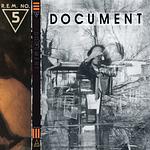
Document is R.E.M.'s 1987 album that moves their jangly, folk-tinged alternative rock toward a more direct, electric sound with tighter production by Scott Litt and the band. The record blends chiming guitars and melodic hooks with sharper, sometimes politically pointed lyrics, while retaining the group's signature vocal ambiguity and ringing guitar textures. Songs range from concise rockers to brisk, wordy tracks that emphasize rhythm and momentum, marking a step toward a more accessible, full-band sound.
#228 — Automatic for the People by R.E.M.
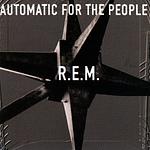
Automatic for the People, R.E.M.'s 1992 album, moves the band toward a more acoustic, reflective sound that blends alternative rock and jangle pop with orchestral strings and piano-based arrangements. The record is characterized by restrained, melancholic tempos and introspective lyrics that address themes of mortality, memory, and loss; tracks such as "Nightswimming", "Everybody Hurts", and "Man on the Moon" showcase its plaintive, melodic focus. Production is spare and atmospheric, putting emphasis on Michael Stipe's vocal delivery and the songs' emotional clarity while retaining elements of the band's melodic guitar work.
#229 — Let It Be by The Replacements
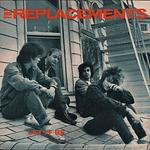
Let It Be, released in 1984 by The Replacements, blends raw garage rock and post-punk energy with melodic power pop and indie sensibilities. The album alternates raucous, loose performances and more reflective, melodic songs, showcasing Paul Westerberg's confessional songwriting on tracks such as I Will Dare, Bastards of Young and Androgynous. Its mix of rough-edged guitars, direct vocals and hooky melodies helped define a rough-hewn alternative rock sound that influenced many bands in the indie and college-rock scenes.
#230 — In C by Terry Riley
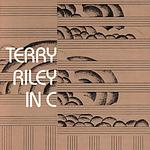
This album presents Terry Riley's seminal minimalist composition In C, built from 53 short melodic fragments in the key of C that performers repeat and overlap against a steady pulse. The resulting sound is rhythmic and meditative, with interlocking patterns and shifting harmonies emerging from ensemble interplay; because the score leaves tempo and repetition open, different performances vary in instrumentation and duration, giving the piece a process-driven, improvisatory feel. The work's open form and emphasis on gradual change have been influential in the development of minimalism and experimental classical music.
#231 — Avalon by Roxy Music
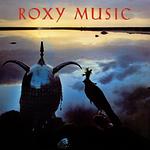
Avalon, released in 1982 by Roxy Music, pares the band’s art rock roots into a polished, atmospheric blend of sophisti-pop, soft rock, and pop rock. Bryan Ferry’s languid vocals float over shimmering synth textures, subtle guitar work, and tasteful saxophone, producing a romantic, late-night mood that emphasizes mood and production as much as songcraft. The record is notable for its sleek, restrained arrangements and for steering the group toward a smoother, more elegiac sound.
#232 — The Best of Roxy Music by Roxy Music
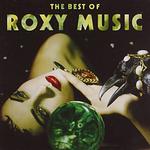
This compilation showcases Roxy Music's blend of glam and art rock with pop and early electronic textures, featuring Bryan Ferry's suave vocal delivery alongside inventive, often atmospheric arrangements. It highlights the band's evolution from art-school experimentation with abrasive, experimental sounds to sleeker, more polished pop and electronic-inflected productions, offering a concise overview of their musical range and stylistic shifts.
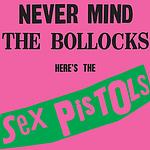
Never Mind the Bollocks, Here's the Sex Pistols is the Sex Pistols' only studio album, released in 1977. It condenses punk rock into short, abrasive tracks driven by distorted guitars, propulsive drums, and Johnny Rotten's sneering vocals, with blunt, confrontational lyrics aimed at social and political authority. The album is regarded as a defining work of the British punk movement and helped establish the raw, do-it-yourself aesthetic that influenced later punk and alternative bands.
#234 — Reign in Blood by Slayer
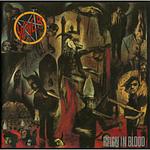
Reign in Blood is Slayer's 1986 studio album that helped define thrash metal's extreme edge. It features relentless tempos, razor-sharp guitar riffs from Kerry King and Jeff Hanneman, Tom Araya's snarled vocals, and Dave Lombardo's explosive drumming, delivered in a compact, intense runtime. The record is notable for its concise song structures, abrasive production, and tracks such as "Angel of Death" and "Raining Blood" that emphasize speed and brutality within a tight, focused framework.
#235 — Dig Me Out by Sleater‐Kinney
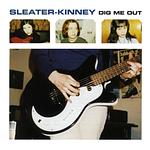
Dig Me Out, released in 1997, is Sleater-Kinney's third studio album and presents a lean, propulsive blend of indie rock and punk rooted in the riot grrrl movement. It foregrounds interlocking, abrasive guitar parts and urgent, emotive vocals from Corin Tucker and Carrie Brownstein, anchored by Janet Weiss's punchy drumming. The songs pair raw energy with sharper melodic hooks and direct, personal lyrics, marking a consolidation of the band's sound and an influential moment in late 1990s indie and punk circles.
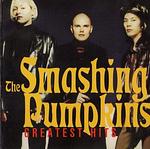
#236 — Greatest Hits by The Smashing Pumpkins
#237 — Singles by The Smiths
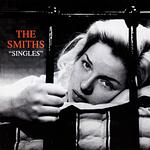
Singles, issued in 1995, is a compilation that brings together The Smiths' single releases and showcases the band's signature combination of jangly, melodic guitar and Morrissey's literate, melancholic vocals. The songs emphasize concise, hook-driven arrangements rooted in alternative rock while often pairing upbeat or ornate instrumentation with wry, introspective lyrics. Though centered on rock and alternative idioms, the collection also hints at wider influences, with occasional touches that recall blues or country phrasing and sporadic electronic textures, offering a compact overview of the band's stylistic range.
#238 — Daydream Nation by Sonic Youth
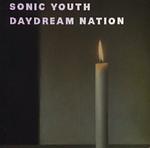
Daydream Nation (1988) by Sonic Youth blends noisy, experimental textures with melodic songcraft, moving between abrasive, dissonant guitar attack and extended, atmospheric passages. The band uses alternate tunings, feedback and layered guitars to create dense, shifting soundscapes while maintaining memorable hooks on tracks like Teen Age Riot and Silver Rocket. The album is frequently cited as an important bridge between no wave noise experiments and the emergence of alternative and indie rock in the late 1980s.
#239 — Dirty by Sonic Youth
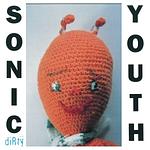
Dirty is Sonic Youth's 1992 album that blends the band's noise rock and experimental guitar work with tighter, more direct song structures drawn from alternative rock and grunge. Produced by Butch Vig, the record pairs abrasive, feedback-laden textures and alternate tunings with concise, hard-edged songs like "100%" and "Sugar Kane", making it a high-energy, polished entry in the band's major-label period that still emphasizes dissonance and sonic experimentation.
#240 — The Singles Collection by The Specials
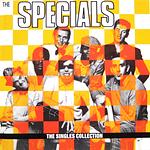
The Singles Collection (1991) by The Specials is a compilation that showcases the band's blend of Two Tone ska, reggae and dub influences with rock and new wave energy. The tracks emphasize offbeat guitar rhythms, punchy horn lines, deep bass and socially observant lyrics, capturing the gritty urban mood and political edge of late 1970s and early 1980s Britain. As a singles compilation it highlights the concise, direct side of the band's catalogue while retaining the raw production and rhythmic drive that marked their sound.
#241 — Is This It by The Strokes
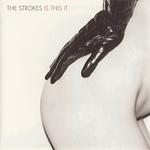
Is This It is the 2001 debut album by The Strokes, characterized by concise, guitar-driven songs that helped define the early 2000s garage rock revival. The record pairs jangly, riff-focused arrangements and tight rhythmic interplay with Julian Casablancas's detached, deadpan vocal delivery, and a lo-fi, immediate production that favors atmosphere over polish. Songwriting on the album emphasizes melodic hooks and sparse textures across compact tracks, and its aesthetic had a noticeable influence on subsequent indie and alternative rock acts.
#242 — Toxicity by System of a Down

Toxicity is an alternative metal album that mixes heavy, riff-driven rock with melodic hooks, abrupt tempo changes, and traces of Armenian folk influence. The band contrasts Serj Tankian's wide-ranging, theatrical vocals with Daron Malakian's grittier delivery, pairing aggressive guitars and tight rhythms with unexpected melodic passages. Lyrically it addresses political and social themes through surreal and direct imagery, and songs like "Chop Suey!" and "Aerials" highlight the album's blend of intensity and accessibility.
#243 — Maxinquaye by Tricky
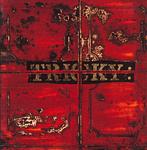
Maxinquaye is Tricky's 1995 solo debut, rooted in the Bristol trip hop sound and blending downtempo hip hop beats, dub textures, and dark, cinematic electronic production. Martina Topley-Bird's breathy, soulful vocals and Tricky's layered, sample-based arrangements create an intimate, unsettled mood that mixes blues, soul and experimental studio techniques. The album is often cited as a key record in trip hop and leftfield electronic music for its unconventional song structures and mood-driven approach.
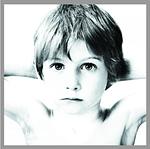
Boy is U2's 1980 debut album, produced by Steve Lillywhite. Rooted in post-punk and rock with early alternative sensibilities, it features The Edge's chiming, delay-heavy guitar textures, a propulsive rhythm section from Adam Clayton and Larry Mullen Jr., and Bono's urgent, youthful vocals. Lyrically it examines adolescence, innocence, and alienation, and tracks such as "I Will Follow" and "Out of Control" display the band's emerging anthemic sound.
#245 — The Joshua Tree by U2
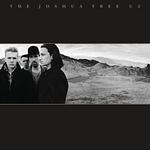
The Joshua Tree, released in 1987 by U2, refines the band’s post-punk roots into a widescreen rock sound that blends atmospheric, delay-heavy guitar work with blues, gospel and American roots influences. Produced by Brian Eno and Daniel Lanois, the album favors sparse, spacious arrangements that highlight The Edge’s chiming textures and Bono’s expressive vocals while exploring themes of faith, politics and the American landscape. Tracks move between spare balladry and driving, anthemic rock, and the record is noted for its cinematic production and lyrical focus on searching and spirituality.
#246 — Achtung Baby by U2
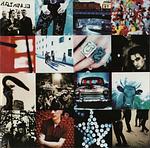
Achtung Baby is a 1991 U2 album that marked a deliberate reinvention of the band's sound, incorporating alternative rock, dance-rock and electronic textures into their songwriting. The record features dense, layered production, distorted and processed guitar tones, punchy rhythms and studio-driven effects that give it a darker, more angular and club-ready feel, while the lyrics explore themes of love, identity and personal and political tension. Its sonic experimentation and emphasis on rhythm and atmosphere set it apart from the band's earlier, more anthemic work.
#247 — All That You Can't Leave Behind by U2
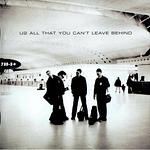
All That You Can't Leave Behind, released in 2000, finds U2 returning to a more melodic, song-focused rock sound after their experimental work in the 1990s. The album blends rock, pop rock and soft rock with atmospheric electronic textures and The Edge's echo and delay guitar, pairing arena-scale arrangements with intimate ballads and a renewed emphasis on concise songcraft and Bono's emotive vocals. Produced with Brian Eno and Daniel Lanois, it is notable for its restrained production and a balance between anthemic moments and quieter, reflective songs.
#248 — 24 Hour Party People by Various Artists
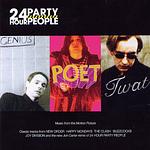
24 Hour Party People is the 2002 soundtrack compilation tied to the film of the same name, assembling music that traces Manchester’s transition from late 1970s post-punk and indie rock into the late 1980s and early 1990s dance and club culture. The album juxtaposes guitar-based, raw post-punk textures with early electronic and house-inflected rhythms to reflect the shifts in sound and scene portrayed in the movie, offering a snapshot of the musical currents that shaped the era.
#250 — Violent Femmes by Violent Femmes
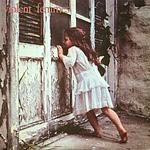
Violent Femmes is the 1983 self-titled debut by the Milwaukee trio Violent Femmes. The record pairs jangly acoustic guitar, minimal percussion and raw, often shouted vocals to fuse folk songcraft with punk attitude, producing terse, direct arrangements and confessional, sometimes abrasive lyrics. Songs such as "Blister in the Sun" and "Add It Up" showcase hooky melodies and urgent dynamics, and the album is frequently noted for its role in shaping early alternative, indie rock and folk punk sensibilities.
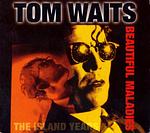
Beautiful Maladies: The Island Years (1998) is a compilation that surveys Tom Waits's Island Records period, highlighting his shift toward experimental, alternative, and blues-inflected rock. The collection emphasizes his distinctive, gravelly vocals and theatrical storytelling alongside unconventional arrangements, found percussion, and eclectic instrumentation drawn from albums such as Swordfishtrombones, Rain Dogs, and Frank's Wild Years. It serves as an accessible overview of the era in which Waits blended cabaret, blues, and avant garde approaches into a singular rock-inflected sound.
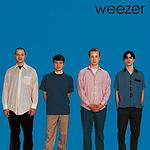
Weezer (1994), commonly known as the Blue Album, is the band's debut studio record. Produced by Ric Ocasek, it blends alternative rock and power pop with clean, guitar-driven arrangements, prominent melodic hooks, and introspective lyrics from Rivers Cuomo. Tracks such as "Undone (The Sweater Song)", "Buddy Holly", and "Say It Ain't So" mix crunchy guitars, singalong choruses, and occasional softer passages, creating an accessible yet angular sound that became associated with 1990s alternative and pop punk scenes.
#253 — White Blood Cells by The White Stripes
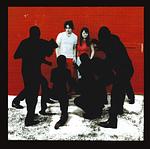
White Blood Cells, released in 2001, is the third album by The White Stripes and emphasizes a raw, lo-fi sound centered on Jack White's guitar and vocals and Meg White's spare, elemental drumming. The record blends blues rock, garage rock revival, punk blues and alternative rock, alternating between terse, high-energy rockers and slower, blues-tinged songs; tracks commonly cited from the album include "Fell in Love with a Girl," "Dead Leaves and the Dirty Ground," and "Hotel Yorba." Its stripped-down production and stark arrangements were influential in bringing wider attention to the duo and to the garage rock revival of the early 2000s.
#254 — Summerteeth by Wilco
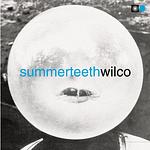
Summerteeth, released in 1999, marks Wilco's move from their alt-country roots toward a more studio-focused pop and rock sound. The album pairs Jeff Tweedy's intimate, often melancholic lyrics with bright, hook-driven melodies and dense, layered arrangements that incorporate prominent keyboards and chamber pop touches. Its combination of accessible songwriting and detailed studio textures makes it a transitional record in the band's catalogue, emphasizing mood and production as much as band dynamics.
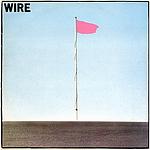
Pink Flag, Wire's 1977 debut, pares punk down to terse, guitar-driven songs and a spare, angular sound that blends punk urgency with art-punk experimentation and early post-punk restraint. Many tracks are extremely concise, featuring staccato guitar lines, clipped rhythms and detached vocals, giving the album a minimalist, precise feel that helped point punk toward more experimental and cerebral directions.
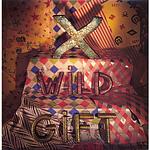
Wild Gift, released in 1981 by the Los Angeles band X, blends punk ferocity with classic rock and roll songcraft, pairing taut, driving guitars and rhythm with the distinctive interlocking vocals of John Doe and Exene Cervenka. The album balances short, urgent tracks with melodic hooks and occasional rockabilly inflections, presenting a direct, energetic sound that underlines the group's emphasis on songwriting as much as attitude.
#257 — Germ-Free Adolescents by X‐Ray Spex
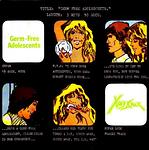
Germ-Free Adolescents, released in 1978 by British band X-Ray Spex, pairs raw, high-energy punk rock with pop-minded hooks and a prominent saxophone presence. Frontwoman Poly Styrene's urgent, idiosyncratic vocals and terse, satirical lyrics tackle consumerism, identity, and youthful alienation, while jagged guitars and brisk rhythms keep the music propulsive and edgy. The album is often noted for its unusual instrumentation and outspoken voice within the late 1970s punk scene.
#258 — Fossil Fuel: The XTC Singles 1977-92 by XTC
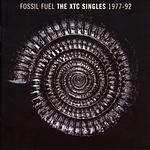
Fossil Fuel: The XTC Singles 1977-92 is a career-spanning singles compilation that covers the band’s output from their punchy late 1970s New Wave beginnings through their more studio-crafted, pastoral pop of the 1980s and early 1990s. The collection highlights XTC’s shift from angular, guitar-driven rhythms and concise, hooky singles to more intricate arrangements, layered production, and literate, often wry songwriting from both Andy Partridge and Colin Moulding. It serves as an overview of the group’s evolving sound, from sharp pop immediacy to more textured and melodic studio work.
#259 — Electr‐O‐Pura by Yo La Tengo
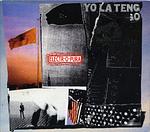
Electr-O-Pura (1995) finds Yo La Tengo blending indie pop songcraft with stretches of noisy, experimental rock; the album alternates quiet, intimate melodies and understated vocals with feedback-laden, textural instrumental passages, showcasing the band's taste for both concise pop hooks and loose improvisation. Recorded in their mid 1990s period, it emphasizes warm, unpretentious production and a wide dynamic range, and it helped solidify the group’s reputation for balancing accessibility with adventurous sonic touches.
#260 — Live Through This by Hole
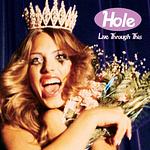
Live Through This, released in 1994 by Hole, blends grunge, punk, and alternative rock with raw, guitar-driven arrangements and strong melodic hooks. Courtney Love's vocals move between snarling aggression and vulnerable melody, anchored by lyrics that confront gender, identity, and personal trauma. The album pairs abrasive textures with pop-influenced songcraft, forming a defining statement for the band within 1990s alternative rock.
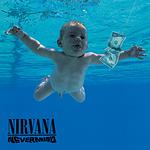
Nevermind, released in 1991 by Nirvana, is a grunge and alternative rock album that blends punk rawness with pop-minded songwriting, characterized by loud-quiet-loud dynamics, distorted guitars, and Kurt Cobain's raw, melodic vocal delivery and introspective lyrics about alienation and personal struggle. Produced by Butch Vig, the record pairs cleaner studio production with a sense of urgency and abrasive textures, and its accessible hooks alongside heavy instrumentation helped bring alternative rock aesthetics to a much wider audience.
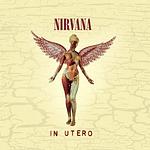
In Utero, released in 1993 by Nirvana, is a raw, abrasive alternative rock album that incorporates grunge, noise rock, and post-hardcore elements. Recorded with a deliberately less polished production, it foregrounds distorted guitars, strong dynamic contrasts, and Kurt Cobain's intense vocal delivery while still containing quieter, melodic passages. The songwriting blends confrontational imagery and personal themes with tuneful hooks, giving the record a deliberately rougher, more immediate sound compared with the band's previous studio work.
#263 — MTV Unplugged in New York by Nirvana
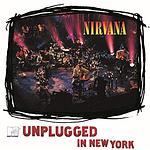
MTV Unplugged in New York is a live acoustic album by Nirvana recorded for the MTV Unplugged series that reframes the band's grunge sound with sparse, intimate arrangements rooted in folk rock and acoustic rock. The performances emphasize hushed dynamics and raw vocal delivery, with the core trio supported by an additional guitarist and a cellist, creating a darker, more melancholic texture than their electric studio work. The set mixes reworked band originals with covers, underscoring Nirvana's ties to alternative and folk influences while highlighting a quieter, more vulnerable side of their music.
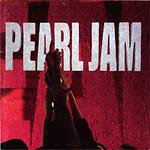
Ten is Pearl Jam's 1991 debut, rooted in grunge and alternative rock with hard rock dynamics. The album pairs Eddie Vedder's emotive, resonant vocals with layered, guitar-driven arrangements that alternate between heavy riffs and melodic hooks. Songs often combine anthemic choruses with introspective and sometimes angsty lyrics, and the production balances raw energy with a degree of studio polish. Ten is widely seen as a defining record of the early 1990s Seattle sound and established Pearl Jam's presence in alternative rock.
#265 — Superunknown by Soundgarden
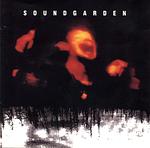
Superunknown (1994) is Soundgarden's fourth studio album that blends heavy alternative metal and grunge with melodic and psychedelic elements. The record is built around down-tuned, dense guitar riffs, varied time signatures and arrangements, and Chris Cornell's wide vocal range, shifting between raw intensity and melodic delivery. Its songs move from hard, riff-driven rock to more atmospheric and introspective pieces, reflecting a broadening of the band's sonic palette and experimentation.
#266 — The Big Bang: The Best of the MC5 by MC5
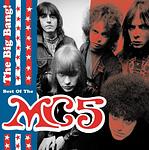
The Big Bang: The Best of the MC5 (2000) is a compilation that gathers key recordings from the band's late 1960s and early 1970s output, showcasing their aggressive, high-energy blend of hard rock, garage rock, and proto-punk. It emphasizes the group's loud, riff-driven sound, raw production, and politically charged attitude that helped bridge 1960s rock and the emerging punk movement, offering a concise overview of MC5's musical identity and influence.
#267 — The Modern Lovers by The Modern Lovers
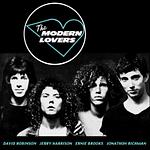
The Modern Lovers (1976) collects early recordings by Jonathan Richman and his band that favor a raw, direct approach rooted in garage rock and proto-punk while drawing on art rock and indie sensibilities. The music pairs spare, chiming guitars and steady, propulsive rhythms with Richman's candid, often childlike vocal delivery and conversational lyrics, blending deadpan wit and everyday observation. Its simplicity and immediacy highlight a balance of rough-edged energy and clear melodic focus that has been widely noted in discussions of early punk and indie precursors.
#268 — New York Dolls by New York Dolls
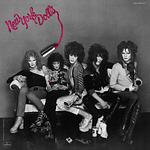
New York Dolls, the band's 1973 debut, delivers a raw, raucous fusion of glam theatrics and hard rock grit with clear proto-punk urgency. The record mixes distorted, riff-driven guitars and driving rhythms with sleazy, R&B-tinged rock and roll and theatrical, sneering vocals, producing a loose, streetwise sound that stood apart from more polished mainstream rock. Its rough-edged aesthetic and brash attitude is widely regarded as an important precursor to the punk movement and a touchstone for later punk and alternative artists.
#269 — Raw Power by Iggy and The Stooges
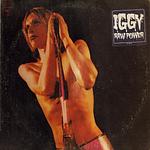
Raw Power, released in 1973 by Iggy and The Stooges, delivers a raw, aggressive blend of garage rock and hard rock that pointed toward punk. James Williamson's distorted, razor-edged guitar work and Iggy Pop's snarling, theatrical vocals drive short, propulsive songs that favor primal energy and lean arrangements. The album's abrasive tone, high volume, and emphasis on attitude over polish are often cited as influential on the emerging punk and later alternative scenes.
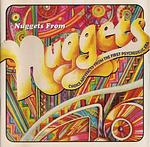
#271 — Peel Slowly and See by The Velvet Underground
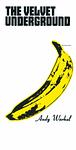
Peel Slowly and See is a 1995 box set by The Velvet Underground that assembles studio material, alternate takes, demos and live recordings spanning the band's career. The collection underscores the group’s range from raw, noise-tinged and garage-oriented experiments to more melodic, folk- and psychedelic-tinged songwriting, and it offers insight into how songs and arrangements evolved across sessions. For listeners and researchers it functions as an archival portrait of the band’s shifting approaches to texture, performance and production.
#272 — Parallel Lines by Blondie
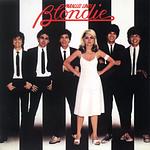
Parallel Lines, released in 1978 by Blondie, blends new wave, pop rock, and pop with polished production by Mike Chapman. The album mixes punk-derived energy with pop hooks and danceable rhythms, pairing crisp guitar lines and rhythmic bass with Deborah Harry's cool, charismatic vocal delivery. Standout tracks such as "Heart of Glass", "One Way or Another", and "Hanging on the Telephone" illustrate the band's crossover of rock and dance influences and their role in bringing new wave sounds into a mainstream pop context.
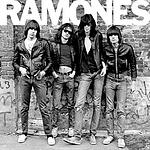
Ramones is the 1976 debut album by the Ramones. It delivers short, fast, stripped-down songs built on simple three-chord guitar figures, driving downbeat drumming, and a raw production that foregrounds catchy hooks and shouted vocals. Noted for its succinct songcraft and aggressive minimalism, the record is widely regarded as a foundational release in punk rock and helped establish the genre's aesthetic.
#274 — Leave Home by Ramones
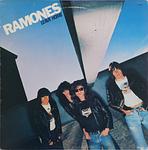
Leave Home, the Ramones second studio album from 1977, continues the band's fast, stripped-down punk-rock approach while introducing slightly fuller production and tighter arrangements compared with their debut. The songs are short and propulsive, built on simple power chords, driving drums and catchy, blunt melodies that merge raw punk energy with elements of early rock and roll and pop sensibility. Its concise songwriting and minimalist execution reinforce the Ramones aesthetic and helped solidify their place in the emerging punk scene.
#275 — Rocket to Russia by Ramones
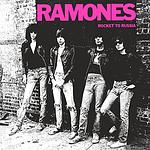
Rocket to Russia, the Ramones' third studio album from 1977, condenses their fast, stripped-down punk attack into short, melodic tracks that blend three-chord rock with pop hooks and surf-tinged guitar lines. The record emphasizes brisk tempos, raw guitar sound and concise, often playful lyrics that reference 1950s rock and roll while sharpening the band's ability to write instantly memorable choruses. Its lean production and economical songcraft helped shape the template for punk and early pop punk by balancing blunt energy with pop sensibility.
#276 — Horses by Patti Smith
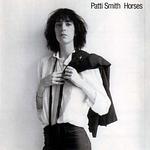
Horses, Patti Smith's 1975 debut, blends raw garage rock energy with art rock experimentation and proto-punk urgency. Produced by John Cale, the album pairs a spoken-word influenced vocal delivery and poetically charged lyrics with spare, driving arrangements built around guitar, piano, and drums. Its rough-edged production, confrontational performance style, and fusion of literary sensibility with rock idioms are often cited as influential on early punk and art punk movements, and the stark cover photograph by Robert Mapplethorpe complements the record's austere aesthetic.
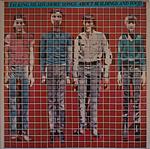
More Songs About Buildings and Food, produced by Brian Eno and released in 1978, expands Talking Heads' early new wave and art-punk approach with a stronger emphasis on tight rhythms and funk-influenced grooves. David Byrne's idiosyncratic, nervy vocals and angular guitar parts are anchored by interlocking bass and percussion, while Eno's production adds clarity and subtle studio texture. The album stands out for its rhythmic focus and danceable arrangements, pointing toward the band's later engagements with funk and worldbeat influences.
#278 — Remain in Light by Talking Heads
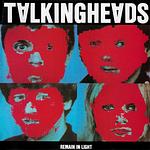
Remain in Light (1980) finds Talking Heads blending New Wave, post-punk, funk, and electronic textures through an experimental production approach with Brian Eno. The album foregrounds layered, polyrhythmic grooves influenced by West African rhythms, interlocking guitar and synth patterns, and funk-tinged bass to create dense, propulsive arrangements. David Byrne's vocal delivery moves between urgent and detached across fragmented, mantra-like lyrics, while studio techniques favor repetition, loops, and ambient sonics. The record is often noted for shifting the band's sound toward a more rhythmic, textural, and collaborative form of art rock.
#279 — Marquee Moon by Television
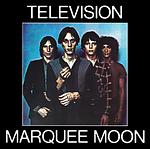
Marquee Moon is Television's 1977 debut album that blends art punk, new wave, post-punk, and art rock into a spare, guitar-driven sound. It features interlocking, melodic guitar lines from Tom Verlaine and Richard Lloyd, a taut rhythm section, and literate, elliptical lyrics, with the extended title track showcasing the band's improvisational interplay. The album's emphasis on texture and guitar interplay influenced later post-punk and indie rock approaches.
#280 — The Anthology by Bobby "Blue" Bland
#281 — The Chess Box by Willie Dixon
The Chess Box is a 1988 compilation that presents Willie Dixon's work for Chess Records, highlighting his role as a songwriter, bassist and producer within the Chicago blues tradition. The collection emphasizes his deep, propulsive bass lines, authoritative vocal presence and concise, memorable songwriting across slow blues, mid-tempo shuffles and electrified Chicago arrangements. Assembled from his Chess-era recordings, it offers a concentrated portrait of Dixon's influence on the sound and repertoire of postwar urban blues.
The Ultimate Collection: 1948–1990 is a career-spanning compilation that gathers John Lee Hooker's recordings across four decades and highlights his electric blues style. The selections showcase his spare, rhythmic guitar playing, hypnotic boogie patterns, and deep, conversational vocal delivery, moving from raw solo performances to fuller band arrangements that reflect changes in production and context over the years. It functions as an overview of Hooker’s distinctive musical persona rather than a focus on any single era.
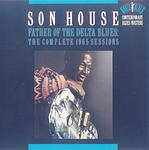
Father of the Delta Blues: The Complete 1965 Sessions collects Son House's 1965 acoustic recordings from his 1960s revival period. The album features stark, raw solo performances built around House's impassioned vocals and bottleneck slide guitar, blending gospel-inflected intensity with traditional Delta blues forms. The sparse arrangements and rhythmic drive highlight his expressive phrasing and revisit earlier repertoire, making the set a clear document of his late-career style and its influence on the 1960s folk and blues revival.
#284 — His Best by Howlin' Wolf
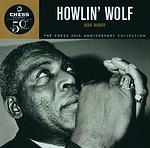
His Best is a 1997 compilation that highlights Howlin' Wolf's commanding, raw vocal presence and the gritty, electrified Chicago blues sound rooted in the Delta tradition. The tracks emphasize driving electric guitar, harmonica, and piano arrangements that underscore Wolf's forceful phrasing and bold rhythmic delivery, presenting a concentrated overview of his influential postwar recordings.
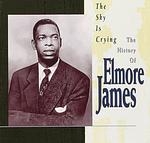
This 1993 collection surveys Elmore James's signature electric slide blues, emphasizing his raw, amplified sound and sharp bottleneck guitar phrasing that helped define postwar Chicago blues. The recordings showcase his trebly, searing slide tone, direct vocal delivery, and tight rhythmic backing that bridge Delta roots and urban electric ensembles, and the set underscores his lasting influence on later blues and rock guitarists.
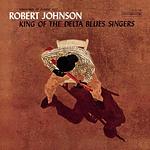
King of the Delta Blues Singers is a 1961 compilation of Robert Johnson's 1936 and 1937 recordings that showcases solo Delta blues with spare, intimate production. The tracks feature intricate fingerpicking, occasional slide guitar, and Johnson's expressive, often haunting vocals paired with lyrics about love, travel, and fate. The album helped bring Johnson's work to wider attention and has been frequently cited for its influence on later blues and rock musicians.
#287 — Live at the Regal by B.B. King
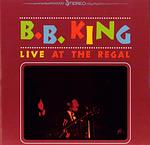
Live at the Regal, recorded at the Regal Theatre in Chicago and released in 1965, captures B.B. King's electric Chicago blues in a live club setting. The album showcases his warm, expressive vocals and economical yet powerful guitar solos backed by a tight band, with strong call-and-response moments and a vivid sense of audience interaction. It is widely regarded as a landmark live blues recording that highlights King's stage presence and the immediacy of urban electric blues.
#289 — King of the Delta Blues by Charley Patton
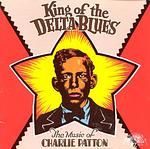
King of the Delta Blues (1991) presents Charley Patton's raw, rhythmic Delta blues performances, showcasing his gravelly voice, percussive, syncopated guitar style and direct, narrative lyrics. The recordings convey an earthy, immediate sound typical of early Mississippi Delta blues and illustrate the rhythmic drive and vocal intensity that made Patton a foundational influence on later blues and roots musicians.
#290 — The Essential Bessie Smith by Bessie Smith
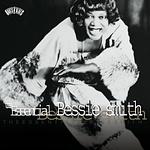
The Essential Bessie Smith collects recordings from Bessie Smith's peak years and showcases her forceful, emotionally direct vocal delivery rooted in vaudeville blues and early jazz. The tracks highlight her storytelling approach to classic blues themes, supported by small-group accompaniments typical of the 1920s and early 1930s, with piano and horns framing her rhythmic phrasing. The album serves as an introduction to one of the central voices of the classic blues era and to the mixture of blues and jazz elements that shaped popular American music in that period.
#291 — The Anthology by Muddy Waters
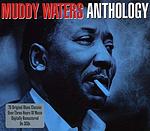
The Anthology (2001) by Muddy Waters is a compilation that surveys his essential Chicago blues style, featuring his electric guitar and slide work, gritty, expressive vocals, and the interplay with harmonica and tight rhythm sections typical of postwar urban blues. The recordings emphasize a band-centered, amplified sound that helped transform Delta blues into the electric Chicago idiom and demonstrate the raw tone, strong rhythmic drive, and call-and-response phrasing that influenced later blues and rock artists.
#292 — The Essential Leonard Cohen by Leonard Cohen
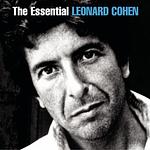
The Essential Leonard Cohen is a 2002 compilation that gathers material from across Cohen's career up to that point, offering a broad overview of his work. The album emphasizes his low, resonant voice and literate songwriting, pairing sparse acoustic folk arrangements from his early period with the more produced, rock and synth-influenced textures of his later recordings, and consistently foregrounds themes of love, loss, faith, and existential reflection. It functions as an accessible entry point to Cohen's evolution as a singer-songwriter rather than a comprehensive career retrospective.
#293 — Pink Moon by Nick Drake
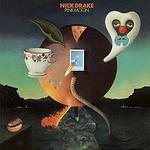
Pink Moon is Nick Drake's 1972 album, his third and final release during his lifetime. It presents stripped-down, intimate arrangements centered on Drake's fingerpicked acoustic guitar and subdued, melancholic vocals. The record moves away from the fuller textures of his earlier work, favoring concise, direct songs with minimal production and a fragile, introspective mood. Its spare sound and haunting songwriting have been influential on later singer-songwriters and contemporary folk artists.
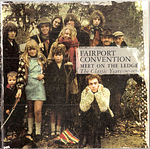
Meet on the Ledge: The Classic Years (1967–1975) is a 1999 compilation of Fairport Convention recordings from their formative period. It presents their blend of traditional British folk and rock instrumentation, with electric guitars, violin, and acoustic interplay underpinning both reworked traditional songs and original compositions, and includes performances from key lineups that feature figures such as Sandy Denny and Richard Thompson. The set illustrates the band’s role in shaping the British folk rock sound during the late 1960s and early 1970s.
#295 — Dust Bowl Ballads by Woody Guthrie
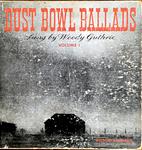
Dust Bowl Ballads (1940) is a collection of solo acoustic folk ballads in which Woody Guthrie chronicles life during the Dust Bowl and Great Depression. The recordings feature Guthrie's direct, narrative vocal style with simple guitar and occasional harmonica, combining personal storytelling, topical commentary, and vernacular phrasing. The sequence of related songs is often cited as an early example of a concept album and is regarded as an important document of American folk songwriting and social history.
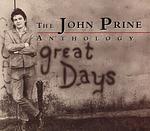
Great Days: The John Prine Anthology is a 1993 compilation that brings together selections illustrating John Prine's blend of folk and rock-influenced songwriting. The tracks highlight his conversational, often wry lyrical voice, simple acoustic arrangements alongside fuller band touches, and a focus on narrative songs that mix tenderness, humor, and plainspoken observation of everyday life.
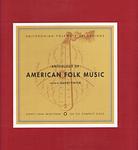
Anthology of American Folk Music is a landmark compilation assembled by collector Harry Smith in the early 1950s that gathers pre-World War II recordings across blues, country, folk, Cajun, gospel and country blues traditions. The tracks, drawn from 78 rpm-era commercial and regional sources, emphasize raw acoustic performances, solo blues singers, string bands and regional dance tunes, and the set's sequencing and notes helped shape later folk and roots revivals. The sound ranges from sparse country blues and narrative ballads to lively fiddle and Cajun numbers, offering a broad introduction to American vernacular music of the 1920s and 1930s.
#298 — The Hits by Garth Brooks
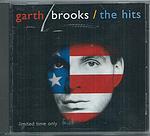
The Hits is a 1994 compilation by Garth Brooks that collects singles from his early career. It presents his contemporary country sound, blending traditional storytelling and acoustic elements with rock- and pop-informed production. The album highlights Brooks's dynamic vocal delivery across up-tempo, arena-ready numbers and quieter ballads, reflecting the radio-friendly, cross-genre approach that defined his recordings from that period.
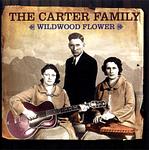
#299 — Wildwood Flower by The Carter Family
#300 — At Folsom Prison by Johnny Cash
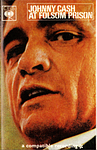
At Folsom Prison is a 1968 live album by Johnny Cash, recorded at Folsom State Prison. The performance features Cash's deep baritone and a spare backing band, blending traditional country, rockabilly and gritty country rock arrangements. The set presents hard-edged renditions of songs about crime, punishment and redemption, with direct audience interaction and ambient prison crowd sounds that give the recording an immediate, raw feel. The album helped reinforce Cash's outlaw persona and brought a tougher, more rock‑inflected sensibility into mainstream country.