 The Greatest Music
500 CDs You Must Own Before You Die
Weight: 80%
How much this list influences our overall rankings. Higher weight means more reliable data.
Penalties Applied:
who voted: John Aizlewood (editor), Matt Ashare, Michael Azerrad, Greg Beato, Johnny Black, Ben Brandt, J.D. Considine, John DeFore, Tom Doyle, Richard Gehr, Joe Gross, Gerald Hammill, John Harris, David Hiltbrand, Erik Himmelsbach, Hua Hsu, Howard Johnson, Daniel Krauss, Stuart Maconie, Craig Marks, Andy Pemberton, Tony Power, David Quantick, Richard Skanse, RJ Smith, David Smyth, Phil Sutcliffe, Rob Tannenbaum and Jonah Weiner
#101 — 20th Century Boy by T. Rex

#102 — Best of The Troggs by The Troggs
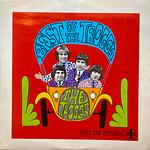
Best of The Troggs (1967) is a compilation of the band's mid 1960s pop and rock singles that showcases their lean, garage influenced pop rock and rock and roll. The recordings emphasize raw, direct vocals, simple three chord arrangements, driving backbeats and occasional organ flourishes, with a spare production feel that helped make the Troggs a touchstone for later garage and proto punk acts.
#103 — Meaty Beaty Big and Bouncy by The Who
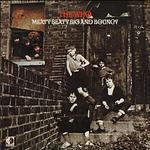
Meaty Beaty Big and Bouncy (1971) is a compilation album by The Who that collects many of the band's singles and notable tracks from the 1960s through 1970. The material ranges from their Mod and British rhythm and blues beginnings to more polished pop rock and hard-driving rock, highlighting punchy guitar work, a propulsive rhythm section, Pete Townshend's direct songwriting and power-chord approach, and Roger Daltrey's commanding vocals. As a single-disc overview, it presents a compact portrait of the band's stylistic development and stage-ready energy across their early career.
#104 — Who's Next by The Who
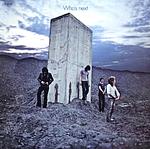
Who’s Next (1971) by The Who mixes hard rock power with art rock ambition, using prominent synthesizer textures alongside Pete Townshend's guitar work and Roger Daltrey's commanding vocals. Many songs grew out of Townshend’s abandoned Lifehouse project, condensed here into taut, arena-ready arrangements that range from driving rock anthems to introspective ballads. The album is notable for its muscular rhythm section, inventive production, and standout tracks such as "Baba O'Riley", "Won't Get Fooled Again", and "Behind Blue Eyes".
#105 — Quadrophenia by The Who
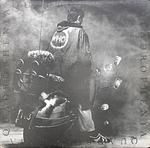
Quadrophenia is a 1973 rock opera album by The Who, written mainly by Pete Townshend. It blends hard rock energy and art rock ambition with layered studio production, prominent synthesizers, orchestral touches, and narrative sound effects to follow Jimmy, a disaffected mod in 1960s England. The music shifts between driving, guitar-led numbers and more introspective, piano or synth-based songs, and the album is notable for its storytelling focus and complex arrangements within the classic rock idiom.
#106 — Lucinda Williams by Lucinda Williams
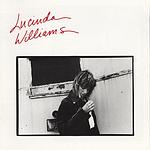
Lucinda Williams (1988) is a self-titled album that blends alternative country, roots rock, and country with spare, rock-tinged arrangements and plainspoken, emotionally direct songwriting. Williams's gravelly vocal delivery and economical lyrics move between country ballads and more urgent, bluesy numbers; the record includes songs such as "Passionate Kisses" and "I Just Wanted to See You So Bad" that showcase her talent for compact, narrative-driven songs. The album is an early example of the alt country and Americana direction she continued to develop in later work.
#107 — Car Wheels on a Gravel Road by Lucinda Williams
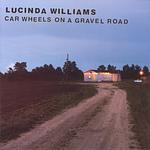
Car Wheels on a Gravel Road (1998) finds Lucinda Williams blending country, folk, blues and rock into a rootsy singer-songwriter statement. The record pairs spare, gritty arrangements—twangy electric guitar, slide, organ and tight percussion—with Williams's weathered, conversational vocals and plainspoken, often confessional lyrics. Tracks shift between slow-burning ballads and up-tempo roots rock, evoking southern landscapes and intimate relationship themes, and the album is commonly cited as a defining work in contemporary Americana.
#108 — Ultimate! by The Yardbirds
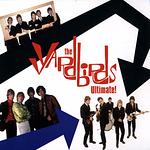
Ultimate! is a 2001 compilation that surveys The Yardbirds' 1960s recordings, tracing their shift from blues-rooted rock and R&B toward more adventurous, psychedelic-tinged arrangements. The set highlights the group's mix of punchy singles, blues covers, and guitar-driven explorations, and illustrates the differing styles of Eric Clapton, Jeff Beck, and Jimmy Page across the band's evolving lineups.
#109 — After the Gold Rush by Neil Young
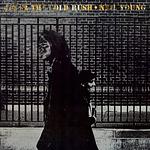
After the Gold Rush is a 1970 Neil Young album that blends folk, country, and rock into a mix of plaintive acoustic songs and raw electric passages. The record alternates spare piano and acoustic ballads with fuller guitar-driven tracks, and features Young's fragile, expressive vocals and direct songwriting about personal longing, social observation, and environmental unease. Its simple production and emotional clarity helped shape the sound of folk rock and country rock in the early 1970s.
#110 — Harvest by Neil Young
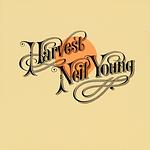
Harvest, released in 1972, blends acoustic folk songwriting with country rock and mellow rock arrangements. The album pairs spare guitar and harmonica with prominent pedal steel, piano and occasional string arrangements, and features Young's plaintive voice and reflective lyrics on themes of solitude, aging and relationships. Tracks such as Heart of Gold and Old Man sit alongside more expansive, orchestral-tinged pieces, creating a varied but cohesive record that helped define Young's early 1970s sound and his presence in folk rock and country rock.
#111 — Tonight's the Night by Neil Young
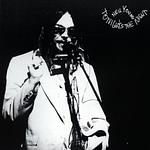
Tonight's the Night (1975) is a raw, emotionally charged album by Neil Young, recorded in informal sessions following the deaths of close friends. It blends country rock, blues rock, and hard-edged rock with ragged, loose performances, spare piano and guitar textures, and weary, intimate vocals. The album's rough production and persistent themes of grief and disillusionment mark a deliberate move away from polished studio work and give it a dark, candid character within Young's 1970s output.
#112 — Rust Never Sleeps by Neil Young, Crazy Horse
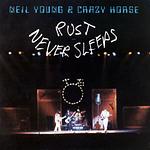
Rust Never Sleeps, credited to Neil Young with Crazy Horse and released in 1979, mixes acoustic folk rock songs with searing electric rock performed with Crazy Horse. The album contrasts quiet, introspective solo pieces and loud, distorted guitar workouts, exploring themes of aging, rock and roll, and cultural change, and it highlights Young's movement between delicate melodies and raw, feedback-heavy textures. The combination of folk, country-tinged numbers and hard rock passages creates a dramatic dynamic between intimacy and explosive live energy.
#113 — Weld by Neil Young, Crazy Horse
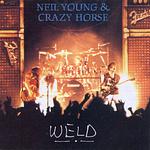
Weld is a 1991 live album by Neil Young with Crazy Horse that documents the band’s loud, electric set from their 1991 tour. Musically it emphasizes distorted, feedback-rich guitar work, extended solos, and a loose, propulsive groove from Crazy Horse, presenting hard rock interpretations of Young’s material alongside more recent songs. The record is often noted as a snapshot of Young’s early 1990s electric phase and the raw, high-volume sound the band explored in concert.
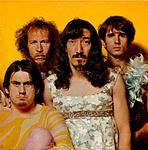
We’re Only in It for the Money (1968) by The Mothers of Invention is a satirical concept album led by Frank Zappa that critiques 1960s counterculture and pop music by using parody, sharp lyrics and collage techniques. Musically it blends rock foundations with orchestral touches, doo-wop pastiche, tape collage, musique concrète and studio-manipulated electronic effects, producing abrupt shifts, dissonant arrangements and a deliberately confrontational, experimental sound.
#115 — Genius: The Best of Warren Zevon by Warren Zevon

Genius: The Best of Warren Zevon (2002) is a compilation that highlights Zevon's fusion of rock and rock and roll with hard-edged rhythms and literate, often mordant songwriting. The tracks move between raucous, piano- and guitar-driven rockers and more reflective, piano-led ballads, showcasing his gravelly voice, dark humor and narrative storytelling. As a best-of collection, it offers an accessible overview of Zevon's distinctive blend of classic rock instrumentation and sharply observed, character-focused lyrics.
#116 — Greatest Hits by ZZ Top
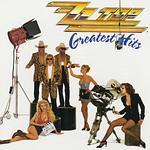
Greatest Hits (1992) is a compilation that showcases ZZ Top's blend of blues rock, boogie and hard rock with moments of pop-oriented 1980s production. The collection highlights Billy Gibbons' gritty guitar work and vocals over tight, groove-driven rhythms, illustrating the band's shift from raw Texas blues roots toward a more polished, synth-inflected rock sound.
#117 — Meet The Beatles! by The Beatles
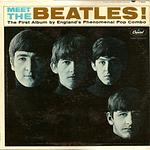
Meet the Beatles! is the Beatles' 1964 Capitol Records album that introduced American listeners to their early energetic blend of rock and roll and pop rock. Compiled from the group's early UK recordings and singles, it highlights punchy guitar rhythms, driving backbeats and close vocal harmonies alongside melodic pop songwriting, capturing the concise, hook-driven sound that characterized the Beatles' formative period.
#118 — A Hard Day's Night by The Beatles
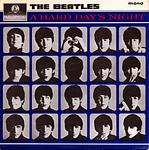
A Hard Day’s Night, the Beatles' 1964 soundtrack to their film of the same name, is built almost entirely from Lennon-McCartney compositions and crystallizes the group's early pop rock and beat sound. The record mixes concise, hook-driven songs and close vocal harmonies with jangly electric guitar textures, most famously the 12-string lead and the instantly recognizable opening chord of the title track. Songs range from driving rockers to melodic ballads and highlight punchy rhythmic interplay and melodic bass lines, marking a clear statement of the band’s songwriting focus during the early Beatles era.
#119 — Beatles for Sale by The Beatles
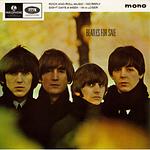
Beatles for Sale captures the group moving from upbeat early pop toward more reflective, songwriter-focused material, pairing rock and roll covers with originals that draw on folk and country touches. The sound features close vocal harmonies, Lennon-led confessional numbers and a slightly raw, road-weary production that reflects heavy touring, and it is often seen as a transitional record toward their more mature songwriting on later albums.
#120 — Help! by The Beatles
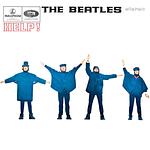
Help! is the Beatles' 1965 album that also served as the soundtrack to their film and marks a move from straightforward beat pop toward more varied, sometimes more introspective songwriting. It mixes rock, pop rock and folk rock elements with tight vocal harmonies, prominent acoustic textures and occasional orchestral arrangement, presenting both upbeat rockers and quieter, lyrically reflective pieces. The record documents the group's growing musical ambition and experimentation while retaining the melodic immediacy of their earlier work.
#121 — Rubber Soul by The Beatles
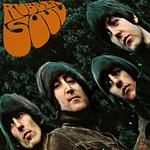
Rubber Soul (1965) finds The Beatles blending rock and pop with folk rock and British rhythm and blues influences, moving toward more acoustic textures, layered vocal harmonies, and varied instrumentation. The album emphasizes more introspective songwriting and features notable touches such as the sitar on Norwegian Wood, alongside tighter ensemble playing and increased studio experimentation. Its cohesive sound and stylistic breadth mark a shift toward album-focused artistry while retaining strong melodic hooks.
#122 — Revolver by The Beatles

Revolver (1966) finds The Beatles shifting from straightforward pop toward more studio-focused, experimental songwriting and arrangements. Musically it blends rock and pop with psychedelic textures and elements drawn from classical and Indian music, featuring tight vocal harmonies, sharp electric guitar work, string arrangements on songs such as "Eleanor Rigby", George Harrison's sitar on "Love You To", and the tape-loop, drone-driven production of "Tomorrow Never Knows". The album is notable for its inventive studio techniques, varied song forms, and concise production that broadened the sonic palette of popular music recording.
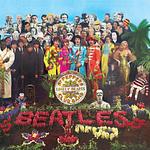
Sgt. Pepper's Lonely Hearts Club Band is a 1967 Beatles album that blends rock, psychedelic rock, baroque pop and pop with extensive studio experimentation. It features layered production, orchestral arrangements, unusual instrumentation and song sequencing that create a loose concept-album feel, and includes tracks such as "Lucy in the Sky with Diamonds", "Eleanor Rigby", "With a Little Help from My Friends" and "A Day in the Life". The album is often described as a milestone in popular music for its ambitious production and its expansion of pop and rock sounds.
#124 — The Beatles by The Beatles
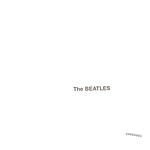
The Beatles, commonly known as the White Album, is a 1968 double album that captures the group's broad stylistic range across rock, pop, pop rock, experimental and hard rock. It moves between pared-back acoustic songs and concise pop tunes, heavier electric rockers and collage-like studio experiments, with a rawer, more immediate production and distinct individual songwriting voices. The minimalist white packaging complements the record's eclectic, personal character.
#125 — Slippery When Wet by Bon Jovi
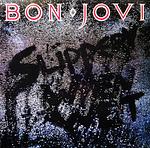
Slippery When Wet, Bon Jovi's 1986 album, blends hard rock guitar and glam metal sheen with pop-accessible songwriting and arena-ready choruses. The record features polished production, punchy riffs, soaring vocal melodies and singalong hooks, with Richie Sambora's guitar work and talk box textures complementing Jon Bon Jovi's anthemic delivery. Its mix of uptempo rockers and melodic ballads helped define a commercial pop metal sound aimed at stadium audiences.
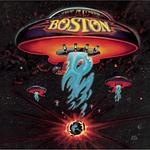
Boston is the band's 1976 self-titled debut, anchored by Tom Scholz's meticulous studio production and Brad Delp's high, harmony-rich vocals. Musically it blends hard rock guitar riffs and punchy AOR songcraft with arena-sized choruses, featuring layered, multi-tracked guitars, prominent keyboards, and tight vocal harmonies. The album's polished, radio-friendly sound became a reference point for mid 1970s arena rock and AOR.
#127 — Pyromania by Def Leppard
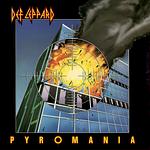
Pyromania, released in 1983 as Def Leppard's third studio album, presents a polished blend of hard rock, heavy metal and AOR under producer Robert John "Mutt" Lange. The record is built around tight guitar riffs, multilayered vocal harmonies and highly produced arrangements that emphasize melodic, radio-friendly choruses on songs such as "Photograph", "Rock of Ages" and "Foolin'". Its crisp, punchy production and stacked guitars are notable characteristics that helped define the band's commercial sound in the 1980s.
#128 — The Very Best…and Beyond by Foreigner
#129 — Appetite for Destruction by Guns N' Roses
Appetite for Destruction, released in 1987 by Guns N' Roses, is a raw, guitar-driven hard rock album that blends hard rock, punk attitude and heavy metal energy. The sound pairs Axl Rose's high, gritty vocals with blues-influenced riffs and incisive lead work from Slash, supported by a tight, propulsive rhythm section, and the songs move between aggressive, fast-paced tracks and more melodic, emotionally direct material. The record includes standout tracks such as "Welcome to the Jungle", "Sweet Child o' Mine" and "Paradise City" and is noted for its unpolished, streetwise approach that contrasted with much of the era's glam metal production.
#130 — Decade of Decadence '81–'91 by Mötley Crüe
Decade of Decadence '81–'91 is a 1991 compilation by Mötley Crüe that collects material from the band’s first decade, showcasing their brand of glam-influenced hard rock and heavy metal with riff-driven guitar work, punchy production, and big, anthemic choruses. The release pairs original hit recordings with reworked edits and newly recorded material, presenting a retrospective of the band’s 1980s sound and stage-oriented, high-energy style.
#131 — Greatest Hits I & II by Queen
Greatest Hits I & II is a 1994 compilation that combines Queen's two earlier greatest-hits collections into a single package, collecting singles and highlights from the band's career from the 1970s through the early 1990s. Musically it spans hard rock and arena rock anthems, pop rock singles and ballads, and moments of theatrical and electronic experimentation, showcasing the band's range from guitar-driven rock to synthesizer-based tracks and layered vocal arrangements.
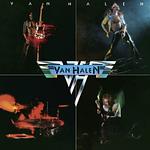
Van Halen's 1978 self-titled debut introduced the band's high-energy hard rock and arena-ready sound, anchored by Eddie Van Halen's inventive guitar work and David Lee Roth's flamboyant vocals. The record blends punchy riffs, pop-influenced hooks and a tight rhythm section, and includes the instrumental "Eruption" that showcased two-handed tapping alongside a cover of the Kinks' "You Really Got Me." Its raw production and emphasis on guitar virtuosity made it a touchstone for late 1970s hard rock and many guitar-centric rock acts that followed.
#133 — The Rolling Stones, Now! by The Rolling Stones
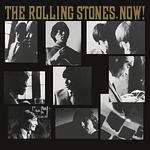
The Rolling Stones, Now! (1965) showcases the band's mid-1960s British blues-rooted rock, blending raw R&B covers and early originals with rough-edged guitar, driving rhythm, and prominent harmonica and piano accents. The sound emphasizes a gritty electric blues influence filtered through rock and roll energy, highlighting the group's shift toward more self-written material while retaining close ties to American rhythm and blues. The album offers a concise snapshot of the Stones' early style with taut arrangements, blues-based riffs, and a vocal delivery that balances world-weary swagger with youthful intensity.
#134 — Aftermath by The Rolling Stones
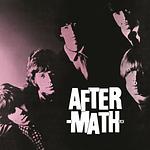
Aftermath (1966) marks the Rolling Stones' move from blues covers toward a fuller focus on original songwriting, notable as their first album comprised entirely of Jagger/Richards compositions. Musically it blends rock and blues roots with touches of folk, baroque and world-music colors, and it uses expanded instrumentation such as sitar and marimba to create distinctive textures. The record alternates riff-driven rock with quieter, more reflective moments and lyrics that probe domestic tensions and darker moods typical of the band's mid-1960s work.
#135 — Between the Buttons by The Rolling Stones
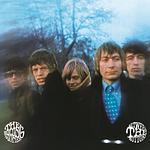
Between the Buttons is a 1967 Rolling Stones album that shifts the band away from their earlier blues-dominated sound toward a more varied palette of pop, baroque pop and psychedelic-tinged rock. Songs feature concise rock songwriting alongside unconventional arrangements and added instrumental color, with greater use of piano and orchestral textures and some studio experimentation, while the lyrics take on a more whimsical and reflective tone. The record is commonly cited as part of the Stones' mid 1960s transition into more diverse stylistic territory.
#136 — Beggars Banquet by The Rolling Stones
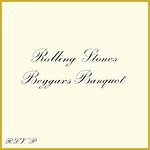
Beggars Banquet (1968) by The Rolling Stones is a roots-oriented rock album that moves away from late 1960s psychedelia toward a rawer blend of blues rock, hard-driving electric rock, and country-tinged acoustic numbers, featuring spare production, prominent guitar and slide work, and lyrical material rooted in everyday and street-level themes, marking a consolidation of the band’s classic rock identity.
#137 — Let It Bleed by The Rolling Stones
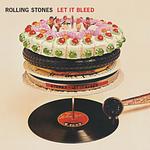
Let It Bleed is a 1969 Rolling Stones album that moves the band toward a rawer, roots-oriented sound blending blues rock, hard rock, country and gospel-tinged elements. The record balances loose, electric blues numbers with acoustic and country textures and longer, more expansive rock pieces, with songs such as "Gimme Shelter" and "You Can't Always Get What You Want" exemplifying its dramatic, often dark tone. Production favors a gritty, live-in-the-studio feel, and the songwriting reflects a more mature, unsettled mood compared with the group's earlier pop-oriented work.
#138 — Sticky Fingers by The Rolling Stones
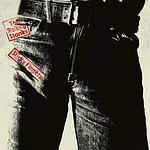
Sticky Fingers (1971) by the Rolling Stones blends rock, blues rock, hard rock, country rock, and rock and roll, alternating gritty electric numbers with quieter, country-influenced ballads. The record highlights the Jagger-Richards songwriting partnership and Keith Richards' guitar textures, and features tracks such as "Brown Sugar" and "Wild Horses." The album is also known for its Andy Warhol sleeve design and its turn toward a rawer, roots-oriented sound.
#139 — Exile on Main St. by The Rolling Stones
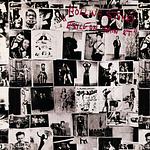
Exile on Main St. is a 1972 double album by The Rolling Stones that blends rock, blues rock, roots rock and country-inflected sounds into a loose, swampy collection of songs. Largely recorded at a villa in southern France with additional sessions in Los Angeles, the record features murky, layered production, horn and gospel-tinged backing vocals, and a raw, rootsy approach that mixes blues, country, soul and rock elements. Its sprawling sequencing and rough-edged sound mark it as a notable example of the band's early 1970s exploration of American roots music.
#140 — Some Girls by The Rolling Stones
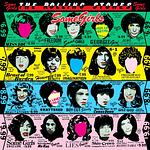
Some Girls is a late 1970s Rolling Stones album that blends the band’s rock and blues roots with touches of disco, punk attitude, and country-inflected songwriting. Produced under the Glimmer Twins name, it features leaner, guitar-driven arrangements, Mick Jagger’s direct vocals, and Keith Richards’ riff-based playing, yielding a rawer, more immediate sound. The record engages with contemporary musical currents of its era while remaining grounded in blues-rock fundamentals.
#141 — Under the Pink by Tori Amos
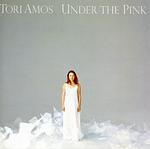
Under the Pink, Tori Amos's 1994 second studio album, expands on her piano-driven alternative rock approach with more varied arrangements and theatrical touches. The record blends confessional, sometimes surreal lyrics about relationships, identity and spirituality with prominent piano, inventive percussion and occasional baroque coloration, and includes the well known track "Cornflake Girl". The album is notable for its dense, literate songwriting and for pushing the boundaries of piano rock within a 1990s alternative pop context.
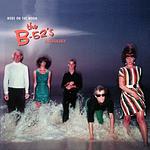
Nude on the Moon: The B-52's Anthology is a career-spanning compilation that showcases the band’s idiosyncratic blend of New Wave and pop rock, marked by upbeat, danceable rhythms, jangly guitars, prominent keyboards, and distinctive call-and-response vocals. The collection highlights their playful, camp-inflected lyrical approach and the shift from raw, party-oriented early recordings to more polished pop-rock arrangements, offering a broad overview of the group’s eccentric sound and cultural influence within late 20th century alternative pop.
#143 — Remedy by Basement Jaxx
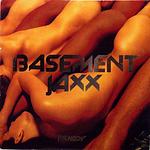
Remedy is the debut studio album by British electronic duo Basement Jaxx, released in 1999. It blends house, big beat, breakbeat, and electronica with funk, disco, and Latin rhythmic touches, featuring energetic, sample-rich production, prominent basslines, layered percussion, and guest vocalists. The record established Basement Jaxx's maximal, playful approach to dance music and contains club-oriented tracks that pair catchy hooks with eclectic, genre-mixing production.
#144 — Licensed to Ill by Beastie Boys
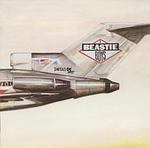
Licensed to Ill is the 1986 debut studio album by the Beastie Boys that fuses East Coast hip hop and rap rock. Produced by Rick Rubin, it pairs hard-hitting sampled beats and prominent rock guitar hooks with brash, party-oriented rhymes delivered by the trio. The record emphasizes dense sample collages, stripped-down drum patterns, and a punk-inflected, irreverent attitude, and is often noted for expanding the sonic possibilities of late 1980s hip hop by bringing rock textures into a rap framework.
#145 — Paul's Boutique by Beastie Boys
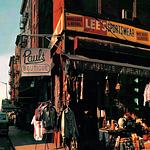
Paul's Boutique, released in 1989 by the Beastie Boys, pairs dense, sample-driven production with the group's rapid-fire, often tongue-in-cheek rapping. Produced mainly by the Dust Brothers, the album constructs collage-like tracks from layered loops and abrupt sample juxtapositions drawn from funk, soul, rock and other sources, creating a plunderphonics aesthetic and an experimental approach to East Coast hip hop. The lyrics alternate between playful braggadocio and offbeat cultural references, while the production emphasizes texture, unexpected rhythms and studio experimentation that marked a clear departure from the group's earlier party-rap sound.
#146 — Mellow Gold by Beck
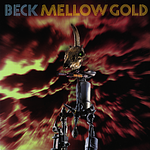
Mellow Gold is Beck's 1994 album that blends lo-fi alternative rock, anti-folk songwriting, and leftfield sample collage, combining acoustic guitars and ramshackle beats with hip-hop influenced loops and stray noise. The songs feature deadpan, stream-of-consciousness lyrics, a slacker aesthetic, and an experimental approach to production that juxtaposes home-recorded intimacy with found sounds and psychedelic touches. The record is notable for establishing Beck's eclectic, genre-blurring style and for bringing anti-folk and offbeat production techniques into a broader alternative rock context.
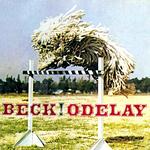
Odelay, released in 1996 by Beck, mixes alternative rock, electronic and downtempo grooves with folk, hip hop beats and psychedelic touches. Produced with the Dust Brothers, the album is built around sample based, collage-like production, skittering drum loops, and skewed arrangements that sit alongside more acoustic singer-songwriter moments, all topped by Beck's playful, surreal lyrics and idiosyncratic vocal delivery. Its eclectic, genre-blending sound became a defining element of Beck's mid 1990s work.
#148 — #1 Record / Radio City by Big Star
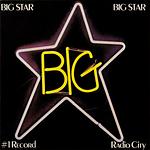
This 1987 compilation brings together Big Star's first two albums, #1 Record and Radio City, showcasing the band's concise, melody-driven power pop: chiming guitars, close vocal harmonies, and crisp arrangements that combine 1960s pop sensibilities with Southern rock undertones. Songs range from bright, hook-heavy numbers to more melancholic, introspective tracks, highlighting the songwriting of Alex Chilton and Chris Bell and the sound that later generations of indie and alternative musicians frequently point to as influential.
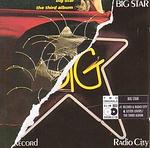
#1 Record & Radio City & Sister Lovers / The Third Album is a 1992 compilation that brings together Big Star's first three LPs, showing their mix of melody-driven power pop and rock alongside the darker, more experimental mood of Sister Lovers. The earlier records emphasize chiming guitars, concise hooks and close vocal harmonies, while the Third Album introduces raw production, orchestral touches and a melancholic, fragmented feel that expands the band's sonic palette. Together the set illustrates why Big Star earned a devoted cult following and became a touchstone for later alternative and indie rock musicians.
#150 — Greatest Hits by Björk
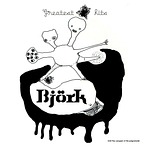
Greatest Hits is a 2002 compilation that collects singles from Björk's solo work in the 1990s and early 2000s, showcasing her blend of electronic, trip hop, downtempo and experimental pop. The tracks move between beat-driven, rhythmically bold songs and intimate, texture-focused pieces, highlighting Björk's distinctive vocal expression and inventive production techniques, often juxtaposing synthetic rhythms with organic instrumentation. The album functions as a concise overview of her evolving sound during that period.
#151 — Damaged by Black Flag
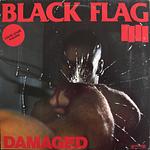
Damaged, released in 1981, is Black Flag's first full-length album and a touchstone of American hardcore punk. The record pairs Greg Ginn's jagged, dissonant guitar work and propulsive, stop-start rhythms with Henry Rollins' confrontational, shouted vocals, moving between short bursts of speed and slower, grinding passages. Its raw production and lyrics about alienation and anger helped shape a harsher, more abrasive strain of punk in the early 1980s.
#152 — Enema of the State by blink‐182
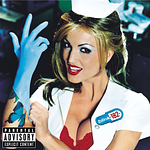
Enema of the State, released in 1999, is blink-182's third studio album and a landmark of late 1990s pop punk. The record pairs fast, punchy guitar work and driving rhythms with polished, radio-friendly production from Jerry Finn, combining irreverent, adolescent humor on tracks like "What's My Age Again?" and "All the Small Things" with more reflective moments such as "Adam's Song." Its bright melodies, tight vocal harmonies, and concise songcraft helped define the band's accessible, energetic sound within punk and alternative rock contexts.
#153 — Low by David Bowie
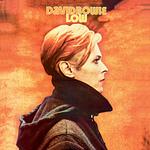
Low, released in 1977, finds David Bowie moving into a spare, electronic and ambient-influenced sound that began his Berlin-period work. Produced with Tony Visconti and featuring contributions from Brian Eno, the album splits between concise, experimental art pop and rock songs on the first side and largely instrumental, ambient and electronic pieces on the second side. Its textures combine synths, electronic treatments, fragmented vocal lines and minimalist arrangements, creating a cool, moody atmosphere that marked a notable stylistic shift in Bowie's career and influenced later blends of rock with ambient and electronic music.
#154 — Best of Bowie by David Bowie
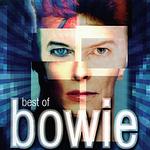
Best of Bowie (2002) is a compilation album that presents a cross-section of David Bowie’s work, emphasizing his movement between rock, art rock, pop rock, classic rock, and electronic textures. The collection highlights Bowie’s flair for reinvention, pairing theatrical vocal delivery and inventive arrangements with both guitar-driven glam moments and synth-based, atmospheric tracks. As a retrospective package, it underscores the stylistic contrasts and melodic variety that were central to his career.
#155 — Mermaid Avenue by Billy Bragg, Wilco
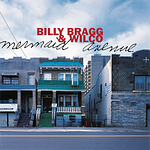
Mermaid Avenue is a 1998 collaboration between singer-songwriter Billy Bragg and the band Wilco that sets previously unrecorded Woody Guthrie lyrics to new music. The album mixes acoustic folk and roots songwriting with alternative rock and alt-country textures, combining Bragg's direct, literate vocal delivery with Wilco's layered, occasionally experimental arrangements. It foregrounds storytelling and Americana influences while updating Guthrie's material for a contemporary band setting, and it prompted further collaborative work drawing from Guthrie's archives.
#156 — Last Splash by The Breeders
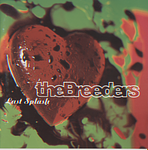
Last Splash, released in 1993 by The Breeders, is an alternative rock album that blends concise pop songwriting with noisy, guitar-driven textures and playful, off-kilter arrangements. Kim Deal's deadpan vocals and catchy hooks sit alongside tight rhythm parts and bursts of distortion, producing a mix of melodic accessibility and raw, lo-fi grit; it includes the distinctive single "Cannonball" and other tracks that highlight the band's use of surf-tinged riffs, vocal harmonies, and loose, improvisational moments. The record is often cited for its role in shaping the sound and attitude of early 1990s alternative rock.
#157 — Singles Going Steady by Buzzcocks
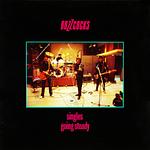
Singles Going Steady is a 1979 compilation album by Buzzcocks that assembles their early singles and non-album tracks from the late 1970s. Musically it pairs punk urgency with strong pop melodies and concise, hook-driven songwriting, delivered through bright, guitar-forward arrangements and direct vocals by Pete Shelley and Steve Diggle. The collection illustrates the band's blend of raw punk energy and melodic sensibility that helped shape later pop-punk and power pop approaches.
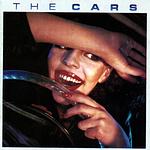
The Cars is the band's 1978 debut that blends rock and power pop with new wave sensibilities, pairing hook-driven guitar riffs with bright synthesizer textures and concise, melodic songcraft. Ric Ocasek's idiosyncratic songwriting and detached vocal delivery, often balanced by Benjamin Orr's more melodic leads, sits atop tight, layered production by Roy Thomas Baker that emphasizes punchy rhythms and polished arrangements. The record helped define a sleek, modern pop-rock sound that bridged late 1970s rock and emerging new wave styles.
#159 — Dig Your Own Hole by The Chemical Brothers
Dig Your Own Hole is the Chemical Brothers' 1997 second studio album and a defining example of the big beat sound of the late 1990s, blending heavy breakbeats, distorted basslines, and psychedelic sampling with rock-influenced rhythms. The record includes propulsive tracks like "Block Rockin' Beats" and "Setting Sun", the latter featuring Noel Gallagher, and is notable for its dense layering, dramatic buildups, and emphasis on groove and sonic impact over conventional pop song structures.
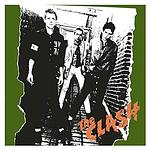
The Clash is the band's 1977 debut, a lean, hard-edged punk record that captures urgent, guitar-driven songs with politically charged lyrics. The album pairs fast, aggressive punk rock energy with traces of reggae and rockabilly influence, featuring punchy riffs, propulsive rhythms, and a raw, confrontational vocal style, and it helped define the sound of early UK punk.
#161 — London Calling by The Clash
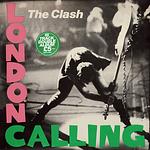
London Calling (1979) by The Clash is a double album that builds on the band’s punk roots while incorporating rockabilly, reggae, ska, new wave and straight rock. The record pairs punk’s urgency and raw guitar with melodic hooks, varied arrangements and occasional piano and horn touches, and features Joe Strummer’s often politically minded and observational lyrics. Its wide stylistic range and confrontational yet tuneful approach helped broaden the musical possibilities available to punk bands at the time.
#162 — A Rush of Blood to the Head by Coldplay
A Rush of Blood to the Head, Coldplay's 2002 second album, expands the band's sound from their debut with piano-driven ballads and more prominent guitar textures, balancing intimate, melancholic songwriting with larger, arena-scaled arrangements. Tracks such as "Clocks", "The Scientist", and "In My Place" emphasize spare piano motifs, ringing guitars, and melodic, emotive vocals that foreground atmosphere and directness. The record helped define the band's style within early 2000s post-Britpop and piano rock and marked a clear step toward more mature, anthemic songwriting.
#163 — This Year's Model by Elvis Costello
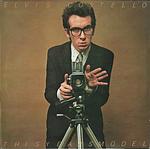
This Year’s Model is Elvis Costello’s 1978 album recorded with the Attractions that marks a move to a harder edged new wave sound. The record pairs jagged, punchy guitar and a muscular rhythm section with prominent organ and Costello’s acerbic, literate lyrics and urgent vocals. Produced by Nick Lowe, it contains concise, immediate songs such as 'Pump It Up' and 'Radio Radio' and is often cited as a key work in the late 1970s new wave movement.
#164 — Armed Forces by Elvis Costello & The Attractions
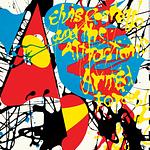
Armed Forces channels new wave energy into concise, hook-driven pop rock, pairing upbeat melodies with sharp, literate lyrics. The Attractions provide tight, punchy arrangements and prominent keyboards that give the songs a bright but restless sound, while Costello's songwriting balances personal and political themes with wry, pointed observations. The production is relatively polished and layered compared with his earliest work, producing songs that are immediate yet musically detailed.
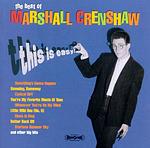
The Best of Marshall Crenshaw: This Is Easy is a 2000 compilation that showcases Crenshaw's concise, melody-forward approach to power pop and rock. The selections emphasize his knack for catchy hooks, jangly and chiming guitar parts, and clear, literate songwriting, balancing upbeat, hook-driven tracks with more reflective numbers to present an accessible overview of his songcraft and classic pop-rock sensibility.
#166 — Greatest Hits by The Cure
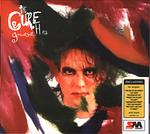
Greatest Hits by The Cure is a compilation that presents the band’s single-oriented output, moving from early new wave and post-punk textures through more melodic pop rock and occasional electronic elements. The selection highlights Robert Smith’s emotive vocals and the group’s blend of jangly and atmospheric guitars, synth layers, and rhythmic pop arrangements, capturing both upbeat, hook-driven singles and moodier, introspective tracks that illustrate the band’s evolving sound. It works as an accessible overview for listeners new to The Cure.
#167 — The Singles 86>98 by Depeche Mode
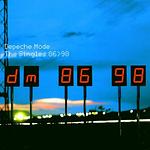
The Singles 86>98 is a 1998 compilation that collects Depeche Mode singles from 1986 through 1998, documenting the band’s shift from melodic synth-pop toward darker, more textured electronic and alternative dance territory. The material emphasizes layered synth arrangements, moody atmospherics, and Martin Gore’s introspective songwriting, while retaining rhythmic elements suited to alternative dance contexts. Overall the collection highlights the late 80s and 90s phase of the band and the production approaches that shaped their sound in that period.
#168 — Q: Are We Not Men? A: We Are Devo! by DEVO
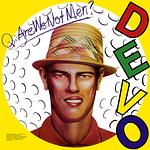
Q: Are We Not Men? A: We Are Devo! is Devo's 1978 debut album that fuses punk aggression with precise, mechanical rhythms, angular guitars, and synthesizer textures to produce a cold, ironic take on pop and rock. Tracks such as "Jocko Homo" and "Mongoloid" and their fractured cover of "(I Can't Get No) Satisfaction" feature staccato arrangements, off-kilter hooks, and satirical lyrics tied to the band's de-evolution concept. Produced by Brian Eno, the record crystallizes Devo's art punk and new wave approach and emphasizes performance art aesthetics and dark humor.
#169 — Endtroducing..... by DJ Shadow
Endtroducing....., released in 1996 by DJ Shadow (Joshua Davis), is an instrumental hip hop album built almost entirely from sampled material. Its sound combines downtempo beats, cinematic textures, scratches and found sounds into moody, collage-like tracks that sit at the intersection of trip hop, electronic and hip hop production. The album is widely regarded as a landmark in sample-based and instrumental hip hop for its dense layering and immersive sequencing.
#170 — Greatest by Duran Duran
Greatest is a 1998 compilation by Duran Duran that collects many of the band's well known singles and traces their shift from early 1980s synth-driven new wave and dance-pop toward a more mature pop rock and electronic-inflected sound in the 1990s. The tracks emphasize catchy hooks, polished production, layered synth textures and rhythmic guitar, illustrating both the band's club-oriented origins and their later, more song-focused arrangements.
#171 — Beat This! The Best of the Beat by The Beat
Beat This! The Best of the Beat is a 2000 compilation that gathers the English Beat's energetic fusion of ska, reggae and new wave into a concise overview of their work. The tracks emphasize danceable rhythms, tight horn arrangements, skanking guitar upstrokes and direct, socially aware vocals, showing how the band blended Jamaican influences with British pop and post-punk sensibilities. As a best of collection, it highlights the punchy singles and fan favorites that typify their crossover appeal between ska, dance-rock and new wave.
#172 — Here Come the Warm Jets by Brian Eno
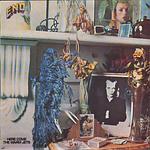
Here Come the Warm Jets is Brian Eno's 1973 debut solo album that blends art rock and glam sensibilities with experimental studio techniques. Short, song-based tracks combine pop structures and avant-garde approaches, using tape manipulation, unconventional arrangements, and a wry sense of humor, while contributions from various British rock musicians give the record a loose, patchwork feel. The album marks a transitional moment in Eno's work, showcasing his interest in production as a compositional tool and foreshadowing his later ambient explorations.
#173 — Another Green World by Brian Eno
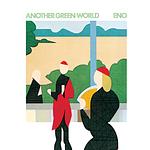
Another Green World, released in 1975, finds Brian Eno shifting from art rock toward ambient and experimental electronic composition. The album mixes a few vocal songs with mostly instrumental pieces, using treated keyboards, synthesizers, guitars and unconventional percussion to build sparse, textured soundscapes and melodic fragments. Its production emphasizes unusual timbres and layering, and the record marks a key step in Eno's development of ambient approaches to composition.
#174 — You've Come a Long Way, Baby by Fatboy Slim
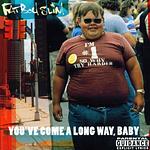
You’ve Come a Long Way, Baby is a 1998 Fatboy Slim album that epitomizes the big beat sound with punchy breakbeats, heavy use of samples, and playful, dancefloor-focused production. Songs mix acid-tinged synths, funky loops, and cut-up vocal hooks to create a lively, theatrical electronic record that moves between high-energy club tracks and more melodic, beat-driven moments. The album played a major role in bringing big beat and sample-based dance music into broader public awareness and helped define Fatboy Slim's signature DJ-producer approach.
#175 — Crazy Rhythms by The Feelies
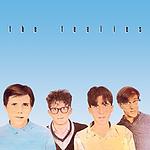
Crazy Rhythms, the Feelies' 1980 debut, blends jangle pop chiming guitars with a post-punk austerity that emphasizes interlocking rhythms and propulsive, metronomic drumming. The songs feature bright, repetitive guitar patterns, understated vocals, and lean arrangements that foreground texture and groove over conventional rock theatrics. Its rhythmic focus and off-kilter tempos have been noted as influential on later indie and alternative approaches to guitar interplay and pulse.
#176 — Entertainment! by Gang of Four
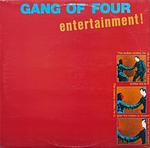
Entertainment!, the 1979 debut by Gang of Four, combines punk urgency with funk-influenced dance rhythms and art-punk angularity. The album is built on staccato, jagged guitar figures, propulsive, groove-driven bass and tight, rhythmic arrangements that favor economy and texture. Lyrically it offers direct, politically charged critiques of consumerism, interpersonal power and modern capitalism, delivered with a cool, detached vocal approach. The spare, abrasive sound and focus on rhythm and ideas helped define a strand of post-punk that fed into later dance-punk and alternative music.
#177 — Beauty and the Beat by Go‐Go's
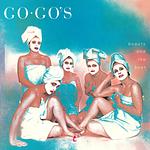
Beauty and the Beat is the Go-Go's 1981 debut album that blends new wave and pop rock with power pop and surf-rock influences. The record features bright, jangly guitars, punchy rhythms, tight vocal harmonies, and concise, hook-driven songs such as "We Got the Beat" and "Our Lips Are Sealed." Its energetic, upbeat sound and emphasis on band-written material marked a notable mainstream presence for an all-female rock group in the early 1980s.
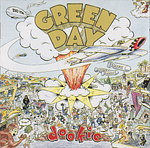
Dookie, released in 1994 by Green Day, is a defining pop punk record that blends punk rock urgency with strong melodic hooks and concise songcraft. The trio's fast, power-chord guitars, brisk tempos, and punchy arrangements are anchored by Billie Joe Armstrong's distinctive vocals, Mike Dirnt's driving bass, and Tré Cool's propulsive drumming. Lyrically the album addresses suburban ennui, anxiety, and youthful frustration with a mix of wit and urgency, and the cleaner studio production by the band and producer Rob Cavallo made the sound more polished while retaining a raw immediacy.

Rid of Me is PJ Harvey's 1993 album, produced by Steve Albini, noted for its raw, visceral sound and stark, live-feeling production. The music blends abrasive guitar work, driving rhythms, and intense, often confrontational vocals, with lyrics that explore power, desire, and emotional volatility. The record is commonly seen as a darker, more aggressive follow-up to her earlier work and a defining statement in 1990s alternative and indie rock.
#180 — To Bring You My Love by PJ Harvey
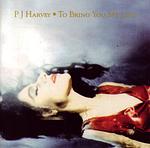
To Bring You My Love is PJ Harvey's 1995 record that shifts from her earlier raw trio sound toward a darker, more cinematic approach blending alternative rock with blues and folk influences. The songs pair intense, intimate vocals with organ, distorted guitar, sparse percussion and occasional string textures to create brooding, atmospheric arrangements. Lyrically it explores desire, religion and mortality, and the album marked a notable stylistic evolution in her work.
#181 — New Day Rising by Hüsker Dü
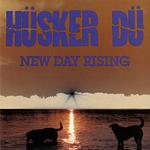
New Day Rising, released in 1985 by Hüsker Dü, sharpens the band’s fusion of hardcore punk energy and melody into concise, hook-driven songs that balance abrasive, feedback-laden guitars and driving drums with pop sensibilities. Bob Mould and Grant Hart share songwriting and vocal duties, creating a contrast between urgent aggression and tunefulness across short, immediate tracks. The record’s raw production and noisy textures point toward the alternative rock and indie directions the band helped shape in the mid 1980s.
#182 — Nothing's Shocking by Jane's Addiction
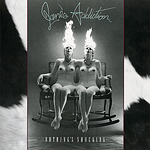
Nothing's Shocking (1988) captures Jane's Addiction's blend of alternative rock, hard rock, alternative metal and pop sensibilities, pairing heavy, riff-driven arrangements with melodic, often psychedelic songwriting. Perry Farrell's expressive, theatrical vocals sit atop Dave Navarro's layered, angular guitar work and a propulsive rhythm section from Eric Avery and Stephen Perkins, creating a dynamic contrast between abrasive, high-energy tracks and quieter, acoustic moments. The album is often cited as an influential touchstone in late 1980s alternative rock for its genre-crossing approach and uncompromising live-oriented sound.
#183 — Can You Fly by Freedy Johnston
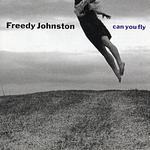
Can You Fly (1992) finds Freedy Johnston sharpening his singer-songwriter craft within an alternative rock setting, pairing literate, narrative lyrics with chiming electric guitars and quiet acoustic arrangements. The songs combine melodic hooks and a wistful, often darkly comic perspective, delivered in Johnston's clear, direct voice and supported by restrained, roots-tinged production. The record helped establish Johnston's reputation as a songwriter who could pair intimate storytelling with accessible rock arrangements.
#184 — Closer by Joy Division
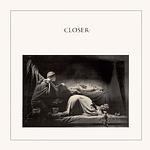
Closer is Joy Division's 1980 album that presents a stark, atmospheric take on post-punk with clear ties to new wave and early gothic rock. The record is characterized by Martin Hannett's spacious, reverb-heavy production, Peter Hook's melodic, high-register basslines, Bernard Sumner's angular guitars and synth textures, and Ian Curtis's deep, intense vocals paired with spare, often bleak lyrics. Overall it emphasizes mood, restraint, and a cold, cinematic ambience that proved influential on later alternative and gothic-leaning acts.
#185 — Follow the Leader by Korn
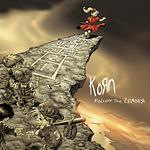
Follow the Leader, Korn's 1998 album, refines the band's nu metal approach with downtuned, syncopated guitar riffs and heavy, percussive bass anchored by hip-hop influenced beats and DJ textures. Jonathan Davis's vocal delivery alternates between whispered melody, visceral screams, and rhythmic spoken lines, while the band blends sludgy heaviness with moments of funk-derived groove and experimental noise. The record is often cited as a defining example of late 1990s nu metal for its fusion of metal, hip-hop, and alternative elements into a more expansive studio sound.
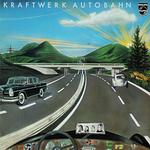
Autobahn (1974) by Kraftwerk marks a decisive shift toward largely electronic instrumentation, blending krautrock's steady motorik rhythms with analog synthesizers, repetitive melodic hooks, and processed vocals to evoke the sensation of highway travel, especially on the extended title track. Its minimalist arrangements, mechanical pulse and focus on texture and atmosphere helped define experimental electronic and electro aesthetics and influenced later synth-based music while retaining strands of rock and acoustic color.
#187 — Trans Europa Express by Kraftwerk
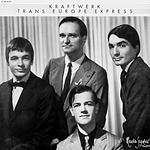
Trans-Europe Express, released in 1977 by Kraftwerk, is a landmark album of minimalist, machine-driven electronic music that helped shape late 1970s synth-based styles. It features steady, motorik-influenced rhythms, repetitive sequenced synthesizer lines, and vocoder-processed vocals that evoke themes of travel, technology, and modernity. The record's spare arrangements and emphasis on texture and groove marked a move toward fully electronic composition and influenced later electro, synth-pop, and experimental electronic artists.
#188 — How Will the Wolf Survive? by Los Lobos
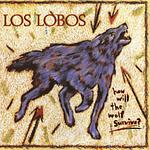
How Will the Wolf Survive? (1984) by Los Lobos blends Mexican folk and Tex-Mex traditions with rock, blues, and R&B touches, pairing electric guitar and accordion-driven arrangements with soulful vocal harmonies and bilingual lyrics. The songs move between raucous rockers and quieter, roots-oriented ballads, with storytelling that touches on immigration, identity, and everyday working-class life. The album expanded the band’s repertoire beyond earlier Chicano rock material and showcased their instrumental versatility and genre-crossing approach.
#189 — Forever Changes by Love
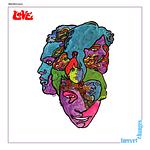
Forever Changes (1967) by Love blends folk rock, baroque pop, and subtle psychedelia into concise, orchestral-tinged songs. Arthur Lee's introspective and often unsettling lyrics sit against intricate acoustic guitar work and horn and string arrangements, creating a warm but melancholic chamber-pop sound that stands out in late 1960s American rock.
#190 — Basher: The Best of Nick Lowe by Nick Lowe
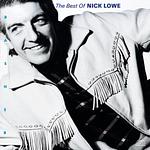
Basher: The Best of Nick Lowe is a 1989 compilation that showcases Lowe’s blend of country rock, new wave, pop and straight-ahead rock. The selections emphasize his economical arrangements, melodic hooks and wry, literate songwriting, moving between upbeat power pop and roots-tinged balladry. As a best-of collection, it offers an accessible overview of his solo output through the 1970s and 1980s and highlights his focus on concise, song-focused production and pointed lyricism.
#191 — 69 Love Songs by The Magnetic Fields
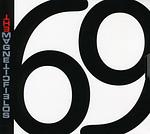
69 Love Songs is a 1999 three-volume album by The Magnetic Fields, written and chiefly performed by Stephin Merritt. Spanning 69 concise tracks, it mixes indie pop, chamber pop, electronic and folk-tinged arrangements to examine love in many guises, from playful and ironic to tender and rueful. The album is notable for its eclectic instrumentation, minimal and lush arrangements, and literate, often wry lyrics delivered in a variety of vocal styles. Its breadth of styles and ambitious conceit are central to how the record is discussed in indie music circles.
#192 — Blue Lines by Massive Attack
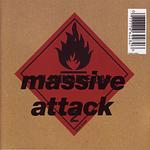
Blue Lines, Massive Attack's 1991 debut, blends hip hop rhythms, dub production, soul-influenced vocals and atmospheric electronic textures to help define the trip hop sound. The record pairs slow, heavy grooves and deep bass with lush string arrangements and distinctive guest vocals from Shara Nelson and Horace Andy, producing moody, cinematic tracks such as Unfinished Sympathy and Safe From Harm. Its fusion of sampled and live instrumentation, downtempo pacing, and a shadowy, club-informed aesthetic made it a touchstone for the Bristol scene and later alternative electronic music.
#193 — Meat Puppets II by Meat Puppets
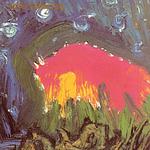
Meat Puppets II, released in 1984, marks a shift from the band's hardcore roots toward an idiosyncratic blend of country, folk, psychedelic and punk influences. The album pairs acoustic textures and melodic songwriting by Curt Kirkwood with loose, ramshackle production, mixing quieter, reflective songs with more raucous electric rockers. Its wide stylistic range and offbeat arrangements helped broaden the sound of underground rock and contributed to the development of alternative rock.
#194 — The Mekons Rock 'n' Roll by The Mekons
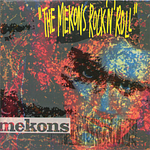
The Mekons Rock 'n' Roll (1989) finds the British post-punk collective shifting toward a loose, rootsy blend of rock, country and folk tempered by a punk attitude. The record pairs ragged electric guitars and acoustic textures with accordion and rough-hewn vocals, producing a raw, immediate sound that balances tunefulness with off-kilter rhythms and literate, observational lyrics about America and everyday life. The album marked a turning point for the band, opening up a more expansive, genre-mixing approach that influenced subsequent alternative and country-tinged acts.
#195 — Complete Discography by Minor Threat
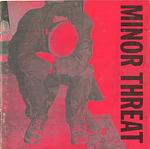
Complete Discography is a 1989 compilation that assembles Minor Threat's recorded output into one release, presenting their terse, high-energy hardcore punk songs driven by Ian MacKaye's urgent vocals and punchy, fast guitar work. The tracks are notable for their short runtimes, direct lyrical approach including early expressions of the straight edge ethos, raw production and a DIY attitude that became influential within the American hardcore punk scene.
#196 — Double Nickels on the Dime by Minutemen
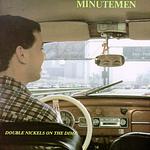
Double Nickels on the Dime is a sprawling 1984 double album by Minutemen that condenses their punk and hardcore roots into brief, tightly written songs while incorporating funk, jazz, and experimental rock touches. The trio's clipped, conversational vocals, angular guitar and prominent, melodic bass drive rapid shifts in tempo and texture across a dense tracklist, with lyrics that alternate between political observation and personal reflection. Its DIY production and eclectic approach broadened the palette of American underground rock and influenced many artists in alternative and post-punk circles.
#197 — Play: The Complete Recordings by Moby
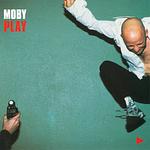
Play: The Complete Recordings, commonly known as Play, is a 1999 Moby album that fuses electronic, breakbeat and downtempo production with ambient textures and extensive use of sampled blues, gospel and field-recording vocal fragments. It pairs warm acoustic touches like piano and strings with programmed beats and looped vocal motifs to create melancholic, cinematic tracks that balance introspective mood with rhythmic immediacy. The album’s sample-driven, accessible arrangements helped bring ambient and electronic sounds into broader popular contexts, and several tracks have been used in film and advertising.
#198 — Jagged Little Pill by Alanis Morissette
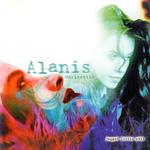
Jagged Little Pill, released in 1995 by Alanis Morissette, is an alternative rock album that blends post-grunge edge with pop rock hooks and candid singer-songwriter lyrics. Produced with Glen Ballard, the record mixes acoustic and distorted electric guitars, driving rhythms, and direct, emotionally charged vocals that move between quiet intimacy and cathartic release. Its plainspoken, confessional writing paired with memorable melodies marks a stylistic shift toward a more rock-oriented, expressive sound for Morissette.
#199 — Loveless by My Bloody Valentine
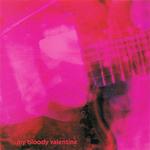
Loveless (1991) by My Bloody Valentine is a defining shoegaze album built from densely layered, heavily processed guitars, submerged vocals, and a washed, immersive sonic texture. Kevin Shields's use of a distinctive glide guitar technique, tremolo, pitch bending, and thick reverb produces a dreamy but noisy pop sound that influenced many subsequent dream pop and alternative rock acts.
#200 — (The Best of) New Order by New Order

(The Best of) New Order is a 1994 compilation that collects the band's singles and highlights their shift from post-punk and new wave into a synthesis of electronic dance, pop, and alternative rock. The material emphasizes propulsive sequenced rhythms, melodic synth lines, prominent bass guitar and understated, emotive vocals, illustrating how the band fused club-oriented production with traditional rock songwriting. As an overview of their work through the early 1990s, the album showcases New Order's role in bringing electronic textures into mainstream alternative pop and dance contexts.