 The Greatest Music
500 CDs You Must Own Before You Die
Weight: 80%
How much this list influences our overall rankings. Higher weight means more reliable data.
Penalties Applied:
who voted: John Aizlewood (editor), Matt Ashare, Michael Azerrad, Greg Beato, Johnny Black, Ben Brandt, J.D. Considine, John DeFore, Tom Doyle, Richard Gehr, Joe Gross, Gerald Hammill, John Harris, David Hiltbrand, Erik Himmelsbach, Hua Hsu, Howard Johnson, Daniel Krauss, Stuart Maconie, Craig Marks, Andy Pemberton, Tony Power, David Quantick, Richard Skanse, RJ Smith, David Smyth, Phil Sutcliffe, Rob Tannenbaum and Jonah Weiner
#301 — The Essential Johnny Cash by Johnny Cash
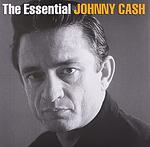
The Essential Johnny Cash is a compilation that brings together key recordings illustrating Cash’s range within country, country rock and rock, emphasizing his deep baritone and storytelling songwriting. The selection moves between spare, acoustic arrangements and more driving, electric rhythms, showcasing both rock-tinged energy and folk-rooted narrative songs. It functions as an accessible overview of his longstanding influence on American roots music.
#302 — The Ultimate Collection by Patsy Cline
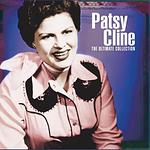
The Ultimate Collection (2000) is a compilation of Patsy Cline recordings that showcases her warm, emotive contralto and her blend of country, country pop, rockabilly and traditional country. The tracks emphasize her richly arranged ballads and more rhythmic numbers from her late 1950s and early 1960s sessions, illustrating the crossover sound and vocal phrasing that have influenced generations of country and pop singers. The album serves as a concise overview of her recorded legacy.
#303 — Guitar Town by Steve Earle
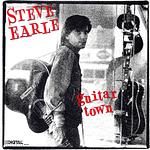
Guitar Town, Steve Earle's 1986 debut studio album, blends country rock and straight-ahead rock with twangy electric guitar, tight rhythms, and concise, narrative songwriting. The record draws on rockabilly and roots-country textures while focusing on working-class characters, highways and small-town restlessness, showcasing the roadwise melodic and lyrical style that became central to Earle's music.
#304 — The Best of Lefty Frizzell by Lefty Frizzell
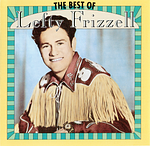
This 1991 compilation collects Lefty Frizzell's classic country recordings, showcasing his relaxed, sliding vocal phrasing and straightforward honky-tonk arrangements anchored by acoustic guitar, steel guitar, and fiddle. The selections emphasize themes of heartache, drinking, and love and illustrate Frizzell's natural, conversational delivery that helped shape postwar country singing.
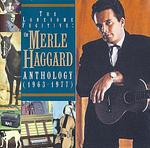
This 1995 anthology gathers Merle Haggard recordings from 1963 to 1977, showcasing his Bakersfield Sound mix of sharp Telecaster leads, pedal steel, and honky tonk rhythms. The collection highlights Haggard's concise, narrative songwriting about working class life, incarceration, love, and social observation, often supported by his longrunning backing band, The Strangers, and arrangements that move between traditional country and more progressive touches. It serves as a broad retrospective of a key period in Haggard's career and his influence on modern country styles.
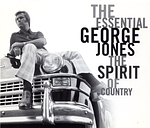
#307 — All Time Greatest Hits by Loretta Lynn
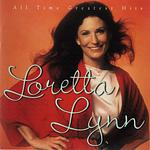
All Time Greatest Hits (2002) is a compilation that gathers Loretta Lynn’s classic country recordings and highlights her direct, unvarnished vocal delivery, strong storytelling, and honky tonk roots. The collection emphasizes recurring themes in her music such as working class life, love and marital conflict, personal strength, and candid autobiographical detail, set against traditional country arrangements with steel guitar, fiddle, and piano. It serves as a concise introduction to Lynn’s influential role as a forthright female voice in country music.
Revolutions of Time... The Journey 1975-1993 is a retrospective compilation covering Willie Nelson’s recordings from 1975 through 1993. The collection illustrates his signature blend of classic country, outlaw country, and country-folk, built around his relaxed, conversational vocal delivery and spare guitar work, and emphasizes intimate, narrative songwriting about love, loss, and American life. As a career overview it highlights stylistic shifts and production variations across two decades of his output.
#309 — RCA Country Legends by Dolly Parton
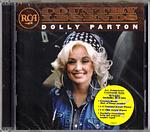
RCA Country Legends is a 2002 compilation of Dolly Parton’s RCA-era recordings that surveys her work across traditional country, country pop, country rock, and contemporary country. The collection highlights her clear, high-register vocals and songwriting, moving between acoustic-based traditional arrangements and more polished pop-leaning productions that reflect her crossover appeal. It provides a concise overview of the stylistic range she explored while on RCA.
#310 — The Essential Jimmie Rodgers by Jimmie Rodgers
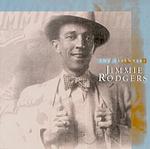
The Essential Jimmie Rodgers is a 1997 compilation that collects recordings by Jimmie Rodgers, the early country singer best known for his plaintive voice and trademark yodeling. The selections highlight Rodgers's blend of country, blues, folk and early jazz influences, with songs that evoke travel, train life and heartbreak, and they illustrate his role as a foundational figure in the development of American country music.
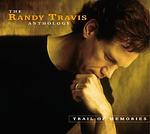
Trail of Memories: The Randy Travis Anthology (2002) is a retrospective compilation that highlights Randy Travis's signature neo-traditional country sound, centered on his warm baritone and straightforward, acoustic-leaning arrangements with steel guitar and modest production. The collection presents a mix of plaintive ballads and midtempo country numbers that emphasize narrative songwriting and traditional themes, offering a concise view of the material that established his place in contemporary country music.
#312 — Come On Over by Shania Twain
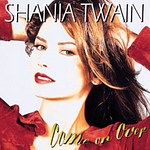
Come On Over is a 1997 album by Shania Twain that blends country, pop, and pop rock with production by Robert John "Mutt" Lange. The sound pairs country instruments such as steel guitar and fiddle with polished, hook-driven pop-rock arrangements, spanning upbeat, danceable tracks and slower ballads with lyrics about relationships and personal confidence. The album is notable for its crossover approach within contemporary country music.
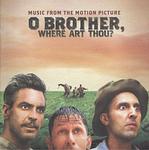
O Brother, Where Art Thou? Music From a Film by Joel Coen & Ethan Coen is a roots-oriented soundtrack produced by T-Bone Burnett that assembles traditional American styles including bluegrass, country blues, gospel, folk and early country. The collection favors acoustic arrangements, close harmony singing, fiddle and banjo textures, and a deliberately rustic production that evokes the film's 1930s setting. Featuring contemporary and traditional performers such as Ralph Stanley, Alison Krauss, Gillian Welch, Norman Blake and the studio group credited as the Soggy Bottom Boys, the album is notable for its focus on Appalachian and early country repertoire and for bringing those sounds to a wider audience.
#314 — 40 Greatest Hits by Hank Williams
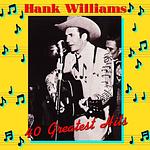
40 Greatest Hits is a 1978 compilation that presents a broad selection of Hank Williams's country and honky tonk recordings, highlighting his spare, direct songwriting and plaintive vocal delivery. The arrangements are typically simple and centered on acoustic guitar, steel guitar, and fiddle, with concise performances that emphasize melodies and themes of heartache, longing, and faith. As a posthumous collection, it functions as an accessible overview of Williams's foundational role in traditional country and honky tonk music.
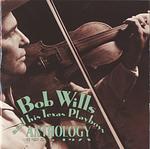
Anthology 1935-1973 is a career spanning compilation that assembles recordings by Bob Wills and His Texas Playboys from the mid 1930s through the early 1970s. It highlights the band’s Western swing approach, blending country, jazz and blues with driving dance rhythms, fiddles, steel guitar and horn textures, often featuring extended instrumental breaks and a loose, upbeat feel. The set provides a broad overview of the group’s stylistic range and its place in the development of dance oriented country music.
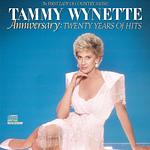
Anniversary: Twenty Years of Hits (1987) is a compilation that collects Tammy Wynette’s best-known recordings from roughly the late 1960s through the 1980s. The album highlights her intimate, emotive vocal delivery and songs about love, heartache, and domestic life, presented in the Nashville country and countrypop arrangements that shaped her sound. As a career retrospective, it underscores Wynette’s prominence as a defining female voice in mainstream country music.
#317 — The Definitive Collection by ABBA
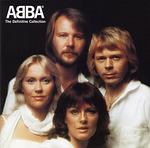
The Definitive Collection (2001) is a compilation album presenting ABBA's Europop, disco and pop rock repertoire, emphasizing their polished studio production, tight vocal harmonies and memorable melodic hooks. The set highlights the group's blend of danceable, disco-influenced arrangements and pop songwriting that defined much of their late 1970s and early 1980s output.
#318 — The Hits – Chapter One by Backstreet Boys
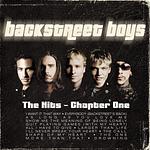
The Hits – Chapter One is a 2001 greatest hits compilation by Backstreet Boys that collects their late 1990s and early 2000s singles, showcasing the group's blend of polished pop, dance-pop rhythms, teen pop hooks, Europop production touches, and emotive ballads. The record highlights their signature smooth multi-part harmonies and sleek, radio-oriented production, balancing uptempo, club-friendly tracks with slower, melody-driven songs that emphasize vocal interplay. As a compilation, it provides a concise overview of the band’s mainstream sound from their breakthrough era.
#319 — Their Greatest Hits: The Record by Bee Gees
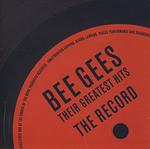
Their Greatest Hits: The Record (2001) is a retrospective compilation that brings together the Bee Gees' work across pop and soft rock, blues-tinged ballads, disco-era anthems and later electronic-influenced productions. The collection highlights the group's tight three-part harmonies, strong songwriting focus and Barry Gibb's signature falsetto on dance-oriented tracks, illustrating their stylistic evolution from 1960s pop to 1970s disco and beyond.
#320 — The Best of Bread by Bread
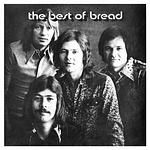
The Best of Bread is a 1973 compilation that collects the band's melodic soft rock and pop ballads, highlighting David Gates's smooth lead vocals and songwriting alongside warm vocal harmonies and restrained acoustic and orchestral arrangements. The selections emphasize gentle melodies and sentimental lyrics about love and relationships, presented in a polished, easy listening production that reflects the band's role in early 1970s soft rock and classic pop.
#321 — Singles 1969–1981 by Carpenters
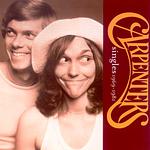
Singles 1969–1981 is a 1999 compilation that collects the Carpenters' single releases across their career, showcasing their soft rock and pop sound characterized by Karen Carpenter's warm contralto and Richard Carpenter's meticulous arrangements and production. The collection emphasizes melodic ballads and polished studio pop with smooth vocal harmonies and orchestral touches, tracing the duo's evolution from late 1960s pop into early 1980s soft rock and offering a concise overview of their signature sound.
#322 — The Neil Diamond Collection by Neil Diamond
#323 — Only Time: The Collection by Enya
Only Time: The Collection (2002) is a compilation that presents Enya's signature blend of New Age, ambient and Celtic-influenced music. The recordings emphasize layered, reverb-rich vocals and luminous synth textures, producing tranquil, meditative soundscapes with gentle rhythms, harp-like motifs and occasional Gaelic-inflected phrases. As a collection it highlights the atmospheric clarity and melodic focus that characterize her work.
#324 — Whitney Houston by Whitney Houston
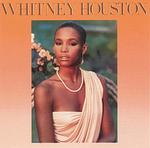
Whitney Houston is the 1985 self-titled debut album by Whitney Houston. Rooted in pop and contemporary R&B with dance-pop and electronic 1980s production, it pairs bright, synth-driven uptempo tracks with lush ballads and showcases Houston's wide range, precise phrasing, and vocal control. Produced by a team of pop and R&B producers, the record helped define her crossover appeal and contains songs that became central to her repertoire.
#325 — Off the Wall by Michael Jackson
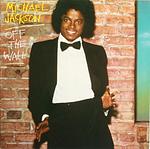
Off the Wall (1979) finds Michael Jackson moving from child star to mature solo artist with a polished blend of disco, pop, contemporary R&B and funk. Produced by Quincy Jones, the album pairs buoyant dance grooves and tight funk rhythms with smooth balladry, featuring slick horn and string arrangements, layered backing vocals and confident lead performances. Its emphasis on sophisticated production, dancefloor songs and crossover R&B sensibility helped redefine Jackson's sound and shaped his direction on later projects.
#326 — Thriller by Michael Jackson
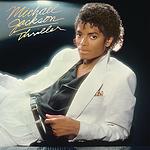
Thriller, released in 1982 and produced by Quincy Jones, is a pop and contemporary R&B album that blends dance-pop, disco, funk and rock elements. It is characterized by polished, cinematic production, tight rhythms, layered vocal harmonies and strong melodic hooks on tracks such as "Billie Jean", "Beat It" and "Thriller". Notable moments include Eddie Van Halen's guitar solo on "Beat It" and Vincent Price's spoken-word cameo on the title track. The record helped broaden Jackson's crossover appeal and played a significant role in shaping the era of high-concept music videos.
#327 — Anthology by The Jacksons
#328 — The Stranger by Billy Joel
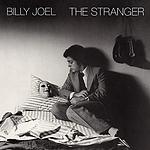
The Stranger (1977) is Billy Joel's fifth studio album, produced by Phil Ramone, that helped define his piano-led pop rock identity by blending soft rock balladry, pop hooks and occasional funk-tinged rhythms. It pairs intimate songs such as "Just the Way You Are" and "She's Always a Woman" with livelier tracks like "Movin' Out (Anthony's Song)" and "Only the Good Die Young," and includes the contemplative "Vienna" and the title track. The arrangements emphasize melodic piano, warm horns and clear studio production, giving the record a cohesive sound that broadened Joel's stylistic range in the late 1970s.
#329 — Greatest Hits by Elton John
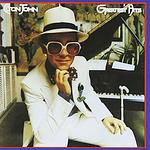
Greatest Hits by Elton John is a compilation that presents his piano-led pop and rock songwriting from his early career, characterized by strong melodies, theatrical piano performances, and the lyrical partnership with Bernie Taupin. Arrangements often include strings and brass, giving several tracks an orchestral or classical-tinged character alongside straightforward rock and pop instrumentation. The collection serves as an accessible overview of his sound in that period, emphasizing his vocal delivery, melodic hooks, and dramatic, piano-driven arrangements.
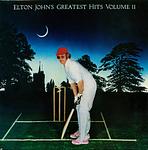
Elton John's Greatest Hits, Volume II (1977) is a compilation of his mid 1970s singles that highlights his piano-led pop rock and soft rock work. The collection mixes intimate ballads and uptempo pop rock numbers marked by Bernie Taupin's lyrics, polished studio arrangements, and prominent piano along with occasional orchestral or brass touches. It serves as a snapshot of Elton John's melodic songwriting and pop sensibility from that period and includes prominent collaborations such as his duet with Kiki Dee.
#332 — Tapestry by Carole King
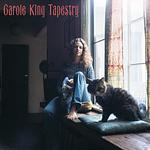
Tapestry is Carole King’s 1971 album characterized by an intimate, piano-centered singer-songwriter sound that blends folk rock, soft rock, and pop. The record features warm, conversational vocals and direct, personal songwriting supported by spare arrangements built around piano, acoustic guitar, and a restrained rhythm section. Its accessible melodies and confessional tone helped define the early 1970s singer-songwriter style and made several songs closely associated with King. Production is uncluttered, keeping the focus on her piano, voice, and songcraft.
#333 — Greatest Hits by The Lovin' Spoonful
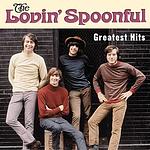
Greatest Hits is a compilation showcasing The Lovin' Spoonful's mid-1960s blend of folk-rock and pop, featuring John Sebastian's warm lead vocals, jangly acoustic guitar, harmonica touches, and light organ textures. The material combines upbeat, catchy melodies with rootsy folk and subtle country influences, capturing the band's melodic, often whimsical songwriting and polished studio sound. As a concise overview of their best-known work, it highlights the group's role in the American folk-pop and sunshine pop currents of the era.
#334 — The Immaculate Collection by Madonna
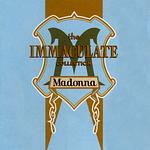
The Immaculate Collection is a 1990 compilation that collects Madonna's key singles from the 1980s into a cohesive pop and dance-pop package, bridging early synth-pop textures with later electronic and pop rock elements. The sequencing and remixes emphasize polished, hook-driven production and dance-floor-friendly arrangements, highlighting her shift from catchy synth-based pop toward denser, rhythmically focused club sounds. The album functions as a concise overview of her mainstream pop and club-oriented output from that period.
#335 — GHV2: Greatest Hits, Volume 2 by Madonna

Madonna's 2001 compilation collects singles from the 1990s through the turn of the century, highlighting a shift from mainstream pop toward more electronic, synth-pop and dance-pop textures. The record balances atmospheric, introspective tracks with club-ready uptempo material, reflecting her increased use of electronic production and stylistic experimentation during that period. It functions as a concise overview of her musical evolution across that decade into the early 2000s.
#336 — Greatest Hits by The Mamas & the Papas
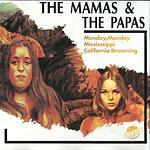
Greatest Hits (1992) is a compilation that gathers The Mamas & the Papas' signature 1960s folk-rock singles, showcasing the group's close four-part vocal harmonies, warm acoustic textures, and melodic pop arrangements. The collection highlights the band's blend of folk and pop, with prominent acoustic guitar, vocal interplay, and polished studio production that helped define much of the West Coast sound of the era, making the album a concise introduction to their key material.
#337 — Faith by George Michael
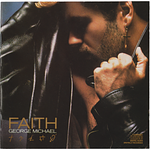
Faith is George Michael's 1987 solo debut, blending pop, dance-pop, dance-rock and pop rock with soul and R&B influences. The album pairs tight, groove-oriented production and layered synths with prominent guitar work and polished vocal arrangements, moving between upbeat dance tracks and more intimate ballads. Lyrically it covers love, desire, identity and the pressures of fame, and it represents a stylistic shift from his work with Wham! toward a more mature singer-songwriter and producer persona.
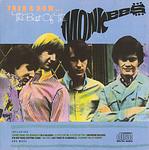
Then & Now...The Best of the Monkees (1986) is a compilation that gathers the group's most recognizable 1960s pop rock singles, highlighting their tight vocal harmonies, jangly guitars, and concise, hook-driven arrangements that blend rock, folk and sunshine pop influences. Issued during the Monkees' 1980s reunion, the album pairs classic tracks from their original run with a couple of contemporary reunion-era recordings, offering a compact overview of their evolution from a television-formed act into a band with enduring pop-rock songs.
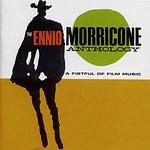
A compilation of Ennio Morricone film themes that showcases his range across ballad, easy listening, jazz, lounge, and pop-inflected scores. The album moves between intimate, melodic ballads and more atmospheric or groove-oriented pieces, featuring Morricone's characteristic use of spare motifs and diverse instrumentation such as muted brass, electric guitar, and vocal textures. It presents a compact overview of his cinematic voice, from lyrical tenderness to vivid, filmic color.
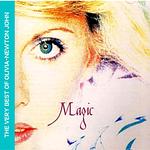
Magic: The Very Best of Olivia Newton-John (2001) is a compilation that surveys Newton-John's work in pop and soft rock, tracing her move from country-inflected pop toward more polished, synth-tinged mainstream pop and adult contemporary. The selection includes material associated with the films Grease and Xanadu and pairs her gentle, melodic vocal style with more uptempo, produced tracks such as "Physical". The album highlights her stylistic range and crossover appeal across the 1970s and 1980s.
#341 — M!ssundaztood by P!nk

Released in 2001 as P!nk's second studio album, M!ssundaztood marks a shift from the polished R&B of her debut toward a more pop rock and alternative rock sound while retaining elements of dance-pop and contemporary R&B. The record mixes punchy, guitar-driven tracks and uptempo pop with piano-led ballads and candid, confessional lyrics about identity and relationships. A prominent collaboration with songwriter and producer Linda Perry contributed to a rawer, more personal songwriting approach that helped define P!nk's transition into a pop-rock artist.
#342 — Ooo Baby Baby: The Anthology by The Miracles
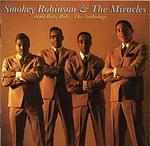
Ooo Baby Baby: The Anthology (2002) is a compilation that draws on The Miracles' Motown-era recordings, emphasizing Smokey Robinson's warm, expressive lead vocals, the group's tight harmonies, and a blend of soul, pop, and R&B arrangements typical of classic Motown production. The collection presents both tender ballads and upbeat grooves, showcasing melodic songwriting and polished studio backing that helped define the group's crossover sound.
#343 — The Motown Anthology by Diana Ross
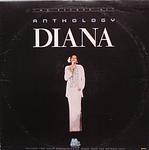
#344 — Anthology by The Supremes
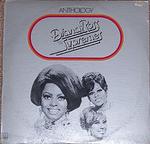
Anthology (1974) by The Supremes is a compilation of their Motown-era material that highlights the group's polished R&B and pop-soul sound. The collection centers on Diana Ross's distinctive lead voice supported by close harmonies and lush, orchestral arrangements typical of the label, and it traces the group's evolution across the 1960s into the early 1970s. Overall, the album presents the mix of gospel-rooted singing, pop songwriting, and smooth production that characterized The Supremes' contribution to Motown's repertoire.
#345 — 20th Century Masters: The Millennium Collection: The Best of The Shangri-Las by The Shangri‐Las
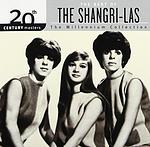
This 2002 compilation from the 20th Century Masters series collects the Shangri-Las' signature mid 1960s girl-group pop, featuring breathy lead vocals, lush orchestral arrangements and melodramatic teenage narratives. The tracks fuse pop and early rock and roll elements with occasional spoken-word passages and a theatrical production style that helped define the teenage tragedy strand of 1960s pop. It functions as a concise overview of the group's dark, dramatic sound rather than a complete career anthology.
#346 — The Very Best of The Shirelles by The Shirelles
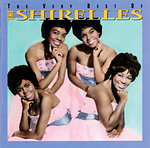
The Very Best of The Shirelles (1994) is a compilation that assembles key recordings by the early 1960s girl group The Shirelles. It highlights their blend of pop, R&B, and doo-wop, featuring Shirley Owens' clear lead vocals and close harmony arrangements, with songs that focus on teenage romance and relationships. The collection reflects the polished Scepter-era production and songwriting that helped define the classic girl-group sound.
#347 — Spice by Spice Girls
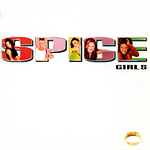
Spice is the 1996 debut album by the Spice Girls, built around glossy pop and dance-pop arrangements with synth textures and touches of electronic and hip hop production. The songs favor catchy hooks, strong choruses and prominent melody lines, with the five members taking turns on lead vocals and delivering characterful, personality-driven performances. Lyrical themes center on friendship, confidence and relationships, and the album's upbeat, radio-friendly sound helped shape the mainstream girl-group pop style of the late 1990s.
#348 — Dusty in Memphis by Dusty Springfield
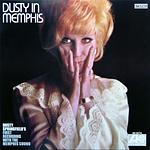
Dusty in Memphis, released in 1969, pairs Dusty Springfield's supple, emotive voice with Memphis-rooted soul arrangements to create a pop-soul record that leans into blue-eyed soul and classic Southern rhythm and blues. The album combines intimate, torch-like ballads and punchier soul grooves, using warm horn and string textures alongside a restrained rhythm section, and includes the single "Son of a Preacher Man." Its sound highlights Springfield's ability to move between pop phrasing and raw soul feeling, and it is often cited as a key example of cross-Atlantic soul-pop collaboration.
#350 — The Disco Box by Various Artists

#351 — Girl Group Greats by Various Artists
#352 — The All-Star Jock Jams by Various Artists

#353 — The Perfect Beats, Volume 2 by Various Artists
#354 — The Phil Spector Collection by Various Artists
A compilation of recordings produced by Phil Spector, this collection highlights his signature Wall of Sound production techniques: dense, layered arrangements, prominent strings and horns, and heavy reverberation that gave 1960s pop a larger-than-life quality. It emphasizes Spector's dramatic, orchestral approach to R&B and pop and functions as an overview of his production style across the era in which he was most active.
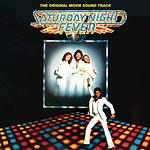
A landmark 1977 film soundtrack that captures the polished, groove-driven sound of late 1970s disco and dance music. It centers on contributions from the Bee Gees alongside songs from other contemporary disco, funk, and pop artists, mixing driving four-on-the-floor rhythms, prominent basslines, lush string and orchestral touches, and falsetto vocal harmonies with a few slower ballad moments. The album is notable for presenting a cohesive dance-oriented sound that helped define popular perceptions of disco and nightclub culture in that era.
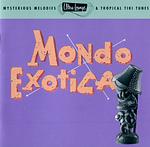
Ultra-Lounge, Volume 1: Mondo Exotica (1996) is a compilation from Capitol's Ultra-Lounge series that showcases mid-century exotica and easy listening sounds. The tracks emphasize tropical percussion, vibraphone and marimba textures, lush orchestral arrangements and relaxed cocktail-jazz grooves, creating a retro tiki bar atmosphere. The set reflects the 1990s interest in lounge revival by presenting atmospheric, often instrumental pieces that blend jazz, pop and exotica influences.
#357 — Best of Village People by Village People
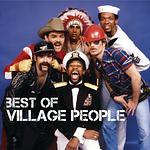
Best of Village People (2007) is a compilation of the group's disco-era material, featuring upbeat four-on-the-floor rhythms, funk-influenced basslines, and singalong choruses. The Village People's sound combines catchy pop hooks with camp theatricality and portrayals of macho archetypes, qualities that made songs such as "YMCA" and "Macho Man" enduring party staples. This collection functions as an accessible overview of the band's late 1970s disco output and its visibility in mainstream pop culture.
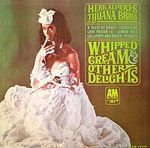
Whipped Cream & Other Delights (1965) by Herb Alpert & the Tijuana Brass pairs bright, muted-trumpet leads and crisp brass arrangements with Latin-tinged rhythms and accessible pop orchestration. The album exemplifies the group’s blend of jazz-influenced arranging and easy listening polish, favoring hummable instrumental melodies, tight rhythmic accents, and a light, lounge-friendly production. It is also widely remembered for its striking cover photo of a model posed with whipped cream, which became a notable part of the record’s public identity.
#359 — Themeology: The Best of John Barry by John Barry
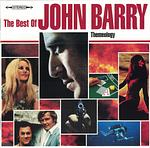
Themeology: The Best of John Barry is a 1997 compilation that highlights Barry's signature film-scoring voice, with lush string arrangements, prominent brass, memorable melodic themes, and subtle jazz and lounge inflections. The selection emphasizes the crossover between orchestral soundtrack writing and popular styles, occasionally incorporating pop rock and rhythmic elements that underscore Barry's influence on easy listening and cinematic mood music.
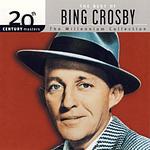
This compilation presents a selection of Bing Crosby's pop and ballad recordings, showcasing his warm, relaxed baritone, intimate phrasing, and smooth melodic delivery backed by orchestral arrangements typical of mid 20th century popular music. The tracks emphasize Crosby's conversational vocal style and understated approach to standards, offering an accessible overview of the sound that helped define the era's popular singing and studio technique.
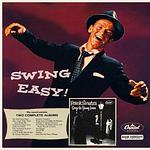
A mid-1950s pairing of material from Songs for Young Lovers and Swing Easy! that showcases Frank Sinatra with Nelson Riddle's tidy, small-group arrangements. The record balances intimate, slow-tempo ballads and buoyant swing numbers, with Sinatra's relaxed, conversational phrasing supported by crisp horn voicings and a subtle rhythm section. Its focus on romantic material and close integration of voice and orchestrations exemplify the sound Sinatra cultivated during his Capitol era.
#362 — In the Wee Small Hours by Frank Sinatra
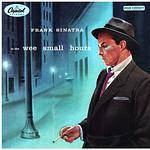
In the Wee Small Hours (1955) is a late-night, introspective album by Frank Sinatra featuring subdued, orchestral arrangements by Nelson Riddle supporting slow, melancholic ballads. The songs center on themes of loneliness and lost love, with Sinatra using intimate, nuanced phrasing and restrained dynamics to create a cohesive, moody atmosphere. The record is often regarded as an early example of a concept album for its unified emotional focus.
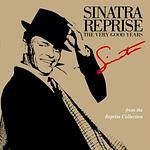
Sinatra Reprise: The Very Good Years (1991) is a compilation of Frank Sinatra recordings from his Reprise era that showcases his blend of easy listening, jazz, pop, and traditional pop. The tracks emphasize Sinatra's mature phrasing and interpretive nuance across swinging uptempo numbers and intimate ballads, backed by orchestral and small-group arrangements typical of American popular music standards. The collection provides an accessible overview of his work on the Reprise label and his ongoing engagement with the Great American Songbook.
#364 — The Super Rare Doo Wop Box by Various Artists
#365 — Burt Bacharach by Various Artists
#366 — What's the 411? by Mary J. Blige
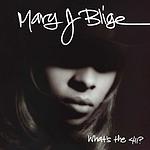
What's the 411? is Mary J. Blige's 1992 debut that fused contemporary R&B singing with hip hop production, helping to define the early 1990s hip hop soul sound. The album pairs expressive, blues-inflected vocals with sample-driven, groove-oriented beats and spare arrangements, exploring themes of love, heartbreak, and resilience. Its blend of soulful melodies and urban rhythms established much of Blige's signature vocal identity.
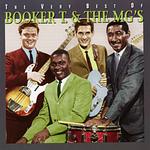
The Very Best of Booker T. & the MG's (1994) is a compilation that gathers the group's signature instrumental tracks, presenting their tight, groove-driven blend of soul, R&B, funk, and Southern soul. Built around Booker T. Jones's organ and Steve Cropper's economical guitar lines, with Donald "Duck" Dunn on bass and Al Jackson Jr. on drums, the music emphasizes melodic hooks, syncopated grooves, and concise arrangements. The collection highlights the band's role as the Stax Records house band and their influence on instrumental rock and contemporary soul sounds.
#368 — Live at the Apollo, 1962 by James Brown
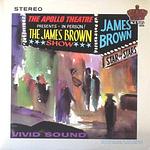
Live at the Apollo, 1962 captures James Brown's raw stage energy and tight band interplay, blending soul, deep soul, R&B and early funk elements. The recording emphasizes call-and-response vocals, punchy horn arrangements, driving rhythms and extended live passages that showcase Brown's showmanship and the band's rhythmic precision. The sound favors immediacy and dynamic range over studio polish, presenting immersive, intense performances typical of his concerts at the time.
#369 — Star Time by James Brown
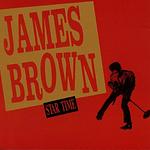
Star Time is a career-spanning box set compilation that collects James Brown's recordings across his career, tracing his work from early R&B and soul into the emergence of funk. Musically it highlights Brown's rhythmic innovations, propulsive grooves, punchy horn arrangements, and emphatic vocal delivery, with selections that showcase both dance-oriented singles and tighter band performances. The set functions as an overview of his stylistic development and his central role in shaping soul and funk.
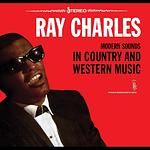
Modern Sounds in Country and Western Music (1962) finds Ray Charles reinterpreting country songs through a soul and big band lens, pairing gospel-inflected vocals with lush strings, brass, and rhythm arrangements. The record blends country songwriting with pop, jazz, and rhythm and blues elements to create a country soul sound that crosses traditional genre boundaries. Its notable characteristic is the fusion of straightforward country material with sophisticated orchestration and Charles's expressive delivery.
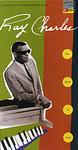
#371 — The Birth of Soul by Ray Charles
#372 — Dance, Dance, Dance: The Best of Chic by Chic
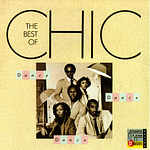
Dance, Dance, Dance: The Best of Chic (1991) is a compilation that presents Chic’s signature disco-funk sound, marked by Nile Rodgers’ percussive, rhythmic guitar, Bernard Edwards’ melodic basslines, and tight, dance-focused arrangements with horns and strings. The selections emphasize polished, groove-driven tracks that bridge disco, funk, and pop sensibilities, and illustrate the band’s influence on later dance and electronic music as well as on artists who sampled their grooves in other genres.
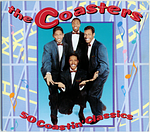
#373 — 50 Coastin' Classics by The Coasters
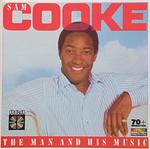
#374 — The Man and His Music by Sam Cooke
#375 — Brown Sugar by D'Angelo
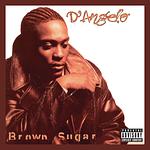
Brown Sugar, D'Angelo's 1995 debut, blends contemporary R&B, soul, funk and hip hop-soul into warm, groove-driven songs characterized by laid-back, expressive vocals and prominent live instrumentation. The album pairs intimate, romantic songwriting with retro-soul production touches and loose, organic grooves that helped position D'Angelo as a central figure in the 1990s neo-soul movement.
#376 — His Best by Bo Diddley
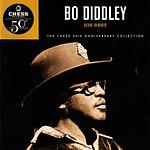
The 1997 release His Best presents Bo Diddley’s raw, blues-rooted rock and roll and his signature syncopated rhythm known as the Bo Diddley beat. The recordings emphasize driving, percussive guitar, chanted vocals and a spare, rhythmic production that bridges jump blues and early rock. The album highlights the direct, stripped-down sound and rhythmic innovations that were central to Bo Diddley’s influence on subsequent rock and roll musicians.
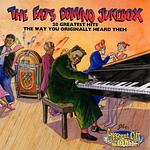
#377 — The Fats Domino Jukebox by Fats Domino
#378 — Working in the Coal Mine by Lee Dorsey

Working in the Coal Mine (1966) by Lee Dorsey is a compact New Orleans R&B album anchored by the title track, a song by Allen Toussaint. Dorsey sings in a relaxed, conversational style over crisp, percussive rhythms, tight horn stabs, and piano parts that blend R&B with early funk elements. The record emphasizes everyday, blue collar themes and reflects the studio-crafted, groove-oriented sound coming out of New Orleans in the mid 1960s.
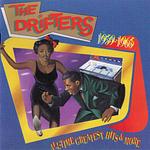
This 1988 compilation collects The Drifters' recordings from 1959 through 1965, a period when the group blended doo-wop harmonies, R&B rhythms, and emerging soul sensibilities. The material is marked by smooth lead vocals fronting tight background harmonies and polished arrangements that often include orchestral touches, illustrating the group’s role in shaping vocal R&B-pop crossover sounds of the early 1960s.
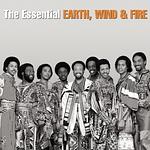
The Essential Earth, Wind & Fire (2002) is a two-disc compilation that presents the group's signature mix of soul, R&B and pop infused with funk, jazz and African rhythmic elements. The selections showcase polished horn arrangements, layered vocal harmonies led by Philip Bailey's falsetto, propulsive rhythm section grooves and a balance of uptempo dance tracks and softer ballads, offering a broad overview of the band’s influential sound from the 1970s and early 1980s.
Queen of Soul: The Atlantic Recordings (1992) is a multi-disc compilation drawing from Aretha Franklin's Atlantic Records output in the late 1960s and early 1970s. The collection highlights her gospel-rooted vocal delivery applied to soul and R&B material, spanning raw deep soul and Southern soul grooves alongside more polished arrangements with horns and strings. It showcases her powerful, emotionally direct singing and the fusion of gospel, blues, and rhythm and blues that characterized her Atlantic period.
#382 — One Nation Under a Groove by Funkadelic
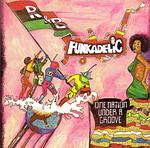
One Nation Under a Groove, released in 1978 by Funkadelic, fuses funk, rock and psychedelic soul into a cohesive P-Funk statement. The record pairs propulsive basslines and wah-drenched guitars with synth textures, layered vocal harmonies and a mixture of extended jams and concise, danceable songs. It is often cited as one of Funkadelic's most accessible albums and helped crystallize the loose, spacey, party-minded aesthetic associated with the P-Funk collective.
#383 — Music for Your Mother by Funkadelic
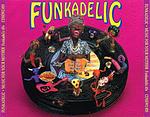
#384 — Anthology by Marvin Gaye
Anthology (1995) is a career-spanning compilation that presents Marvin Gaye's evolution from classic Motown soul to the more intimate, socially aware and sensual styles of his later work. It emphasizes his warm, expressive tenor, gospel-influenced phrasing, and a range of arrangements from driving R&B grooves to lush, orchestral production, offering an overview of his influence on blues-tinged soul and modern R&B.
#385 — Greatest Hits by Al Green
Greatest Hits (1975) by Al Green compiles his early 1970s soul recordings and highlights his intimate, gospel-tinged vocal delivery atop warm, economical arrangements associated with the Hi Records sound and producer Willie Mitchell. The collection balances slow, romantic ballads with tighter, funkier grooves and hints of blues and rock, showcasing Green's ability to shift between tenderness and raw emotional intensity. Overall it offers a concise portrait of his distinctive voice and production style from that period.
The Supreme Al Green: The Greatest Hits (1994) is a compilation of Al Green's signature soul recordings, largely drawn from his early 1970s Hi Records period. It highlights his intimate, gospel-influenced tenor and smooth falsetto set against warm horn arrangements, mellow grooves, and the restrained, elegant production often associated with producer Willie Mitchell, showcasing the romantic balladry and sacred-rooted vocal phrasing that defined his classic sound.
#387 — The Miseducation of Lauryn Hill by Lauryn Hill
The Miseducation of Lauryn Hill blends R and B, neo soul and hip hop, combining sung vocals and expressive rapping over warm, organic production that mixes live instrumentation, soulful samples and hip hop rhythms. Lauryn Hill’s songwriting is direct and personal, exploring themes of love, motherhood, spirituality and selfhood, and the album features standout songs that showcase its mix of melodic hooks and lyrical intensity. Its fusion of contemporary R and B sensibility with alternative hip hop textures helped shape the sound of early 2000s neo soul and influenced many artists who followed.
#389 — Design of a Decade: 1986/1996 by Janet Jackson
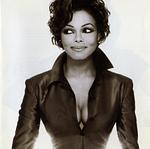
Design of a Decade: 1986/1996 is a 1995 compilation that gathers Janet Jackson's singles from a ten year span, showcasing her mix of pop, contemporary R&B, electronic and dance-pop. The tracks emphasize the sleek, layered production and syncopated rhythms associated with producers Jimmy Jam and Terry Lewis, moving between upbeat dance numbers, downtempo grooves and funk-influenced arrangements while reflecting her artistic development across the late 1980s and early 1990s.
#390 — Her Best by Etta James
Let the Good Times Roll: The Anthology (1938-1953) collects Louis Jordan's recordings from the late 1930s through the early 1950s, showcasing his signature jump blues blend of swing, boogie-woogie, and early rhythm and blues. The tracks feature tight small-group arrangements with prominent saxophone riffs, rollicking piano, steady rhythm and Jordan's witty, conversational vocal delivery, ranging from upbeat dance numbers to bluesier, relaxed tunes. The anthology highlights Jordan's role in bridging big band swing and postwar R&B and his influence on later popular music styles.
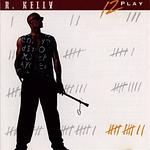
12 Play is R. Kelly's 1993 solo album that blends contemporary R&B with elements of new jack swing, hip hop-influenced production, and pop-soul melodies. The record emphasizes sensual slow jams and midtempo grooves, featuring frank, intimate lyrics, layered vocal harmonies, and polished programmed rhythms, with R. Kelly writing and producing much of the material. Anchored by the single "Bump N' Grind", the album helped define the 1990s R&B slow jam style and established Kelly's profile as a solo artist.
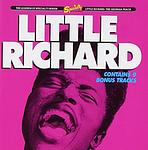
#393 — The Georgia Peach by Little Richard
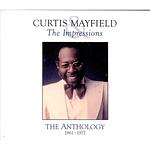
This 1992 anthology compiles recordings from 1961 to 1977 by Curtis Mayfield and The Impressions, tracing their evolution within Chicago soul and R&B. It contrasts the Impressions' gospel-influenced vocal harmonies and polished 1960s soul arrangements with Mayfield's later solo work, which moves toward funkier grooves, richer orchestration, and socially conscious songwriting. The collection highlights Mayfield's distinctive high tenor, economical guitar and songwriting style, and the lyrical focus on community and civil rights alongside smooth R&B production.
#395 — The Very Best of the Meters by The Meters
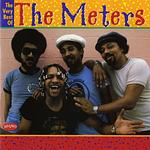
The Very Best of the Meters (1999) is a compilation that showcases the New Orleans funk quartet's tight, groove-driven instrumentals and concise songcraft. It highlights the band's syncopated guitar lines, propulsive bass and drums, and soulful organ accents, presenting the minimalist, rhythm-first approach that became a touchstone for funk and influenced later R&B and hip hop producers. The collection serves as an accessible overview of the Meters' core sound and rhythmic innovations.
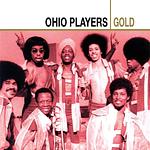
#396 — Gold by Ohio Players
#397 — Tear the Roof Off: 1974-1980 by Parliament
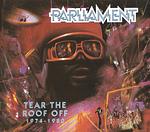
Tear the Roof Off: 1974-1980 is a 1993 compilation that gathers Parliament's key recordings from their peak years between 1974 and 1980. The collection highlights the P-Funk blend of deep, syncopated funk grooves, psychedelic soul textures, bold horn and synthesizer arrangements, and George Clinton's theatrical production and group vocals. As an overview of Parliament's mid 1970s output, it illustrates the band's expansion of funk into a cosmic, theatrical sound that had wide influence on later R&B and hip-hop sampling.
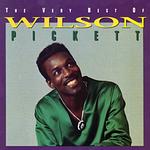
The Very Best of Wilson Pickett (1993) is a compilation that highlights Pickett's raw, gospel-influenced soul voice, featuring punchy horn arrangements, driving R&B grooves, and emotional balladry. The selections illustrate the muscular, visceral style and rhythmic urgency that characterize his classic recordings and present a concise introduction to his contribution to classic American soul music.
#399 — Dirty Mind by Prince
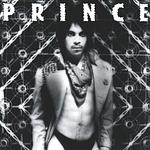
Dirty Mind (1980) is Prince's third studio album that marked a stylistic shift toward a stripped-down, synth-driven blend of funk, rock, dance-pop and contemporary R&B. The record pairs sparse drum-machine patterns and angular guitar work with candid, sexually frank lyrics, favoring raw, lo-fi production and tight, hook-focused songwriting. Its genre-blurring approach and minimalist aesthetic helped shape the early Minneapolis sound and signaled Prince's emergence as a daring songwriter and producer.
#400 — Purple Rain by Prince, The Revolution
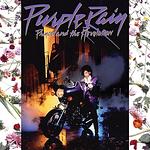
Purple Rain is a genre-blending album that mixes funk, pop, rock and contemporary R&B, combining driving dance tracks and intimate ballads with lush synthesizer textures and distinctive electric guitar work. Produced and largely written by Prince with his band The Revolution, the record balances concise pop hooks, extended guitar solos, and dramatic, cinematic arrangements that reflect its connection to the film of the same name. The album highlights Prince's range as a songwriter, producer, vocalist and guitarist, and it helped define his sound in the mid 1980s.