 The Greatest Music
The 1000 Best Albums of All Time (Updated 2015)
This list is basically a personal canon of albums across the modern LP era (framed on-site as “since 1949”), with a strong tilt toward rock’s artier / heavier edges (proto-punk, punk/post-punk, psych, experimental) while also pulling in major jazz and other genre essentials.
#503 — Outlandos d'Amour by The Police
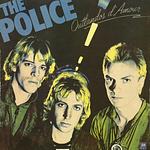
Outlandos d'Amour, the Police's 1978 debut, mixes rock and new wave with strong reggae and pop rock influences, pairing Sting's melodic, sometimes reggae-inflected vocals with Andy Summers' chiming, effects-tinged guitar and Stewart Copeland's energetic, syncopated drumming. The album includes early singles such as "Roxanne", "Can't Stand Losing You", and "So Lonely", and helped establish the band's lean, rhythmic sound that blended punk-era energy with pop songwriting.
#504 — The Scream by Siouxsie and the Banshees
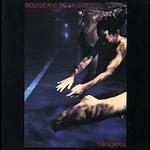
The Scream is the 1978 debut album by Siouxsie and the Banshees that presents a tense, spare post-punk sound marrying angular guitar textures, propulsive basslines and stark, tribal drumming with Siouxsie Sioux's dramatic, enigmatic vocals. Its songs favor jagged rhythms, eerie atmospheres and bold lyrical imagery, making the record an early touchstone for gothic rock and the darker edge of new wave.
#505 — The Argument by Fugazi
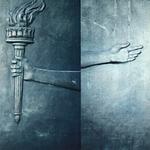
The Argument is Fugazi's 2001 album that channels the band's post-hardcore roots into denser, more textural songs that blend punk energy with measured, intricate arrangements. Guitar parts range from angular, dissonant riffs to shimmering, layered lines while the rhythm section alternates between propulsive grooves and restrained, almost dub-influenced pockets. Vocals are mostly conversational and urgent, used sparingly to heighten dynamics, and the record emphasizes muscular clarity and tight interplay across tracks. The album is often noted for its mature songwriting and a willingness to expand the band's sound without abandoning directness.
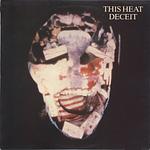
Deceit is a dense, politically charged album that blends post-punk urgency with experimental tape manipulation and art rock textures. The band mixes jagged, repetitive rhythms, dystopian lyrics and layered studio techniques to create tense, cinematic pieces that move between abrasive noise, dub-like space and surprisingly melodic passages. Its idiosyncratic arrangements and emphasis on texture and atmosphere have made it a touchstone for later experimental and post-rock artists.
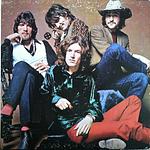
Traffic (1968) captures the early sound of Steve Winwood, Jim Capaldi, Chris Wood and Dave Mason as they blend rock, blues, folk and psychedelic textures with nascent progressive tendencies. The album features organ- and flute-driven arrangements, warm vocal harmonies and a mix of compact songs and more exploratory instrumental passages that point toward the band’s later jazz- and groove-influenced work. It stands as a document of Traffic’s transitional phase, balancing pop songwriting with adventurous instrumentation and mood-driven experimentation.
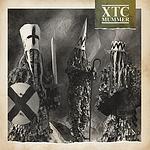
Mummer is XTC's 1983 album that emphasizes pastoral, chamber pop textures within the band's art pop and new wave framework. The songs favor acoustic guitars, layered vocal harmonies, and restrained arrangements with keyboards and subtle orchestral touches, producing a softer, more reflective sound than some of the band's earlier rockier work. Andy Partridge and Colin Moulding's songwriting alternates between whimsical and introspective tones, making the record a transitional, studio-focused effort that showcases the band's interest in melodic sophistication and coloristic production.

Rid of Me is PJ Harvey's 1993 album, produced by Steve Albini, noted for its raw, visceral sound and stark, live-feeling production. The music blends abrasive guitar work, driving rhythms, and intense, often confrontational vocals, with lyrics that explore power, desire, and emotional volatility. The record is commonly seen as a darker, more aggressive follow-up to her earlier work and a defining statement in 1990s alternative and indie rock.
#516 — Bad Brains by Bad Brains
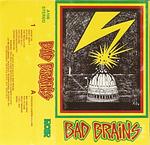
Bad Brains, released in 1982, is the band's self-titled debut that combines blistering hardcore punk with intermittent reggae grooves. The record juxtaposes very fast, tightly played punk passages with slower, bass-led reggae sections, anchored by rhythmic precision and H.R.'s wide-ranging, intense vocals. Its abrupt shifts in tempo and style and the group's muscular musicianship helped establish a distinctive template that bridged punk aggression and Caribbean-influenced rhythms.
#517 — Rated R by Queens of the Stone Age

Rated R is Queens of the Stone Age's 2000 album that refines their desert and stoner rock roots into tighter, more varied songs. It blends heavy, repetitive riffing and propulsive grooves with concise, hook-driven arrangements and often sardonic lyrics, set in a spare, punchy production that highlights rhythm and atmosphere. The record represented a stylistic shift toward more accessible songcraft while keeping a gritty, hard rock edge within alternative and metal-influenced contexts.
#518 — L.A. Woman by The Doors
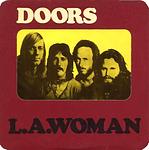
Released in 1971, L.A. Woman is the Doors' final studio album to feature Jim Morrison. The record moves toward a rawer, blues-based sound that blends blues rock and psychedelic textures, driven by Robby Krieger's guitars and Ray Manzarek's organ beneath Morrison's gritty vocal delivery. Recorded with engineer Bruce Botnick after producer Paul A. Rothchild left the sessions, the performances have a live-in-studio immediacy and include songs such as "L.A. Woman" and "Riders on the Storm." The album is notable for its loose grooves, urban lyrical themes, and a marked return to roots-oriented songwriting.
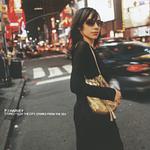
Stories From the City, Stories From the Sea is PJ Harvey's 2000 album that emphasizes brighter, more melodic arrangements while keeping her intense, concise songwriting. The record blends indie and alternative rock with art rock and folk influences, using chiming guitars, piano and atmospheric production to frame lyrics that often evoke urban life and intimate relationships. Compared with her earlier, rawer records, this album is notable for its clearer melodic focus and varied instrumental textures.
#524 — Sister by Sonic Youth
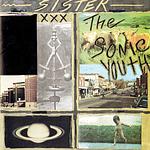
Sister is a 1987 Sonic Youth album that blends the band's No Wave and experimental roots with tighter song structures and clearer melodic threads. It emphasizes detuned, interlocking guitars, feedback and textural noise alongside more concise songwriting and shared vocal duties, producing a sound that sits between abrasive noise-rock and emerging alternative rock sensibilities. The record is notable as a transitional work that refines their experimental approach and points toward the more expansive arrangements they explored on subsequent releases.
#525 — Loaded by The Velvet Underground
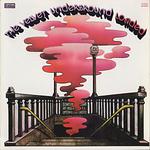
Loaded, released in 1970 by The Velvet Underground, moves toward a cleaner, more pop-oriented sound while retaining the band's art rock and garage roots. The record emphasizes hook-driven songwriting and melodic vocals on tracks such as "Sweet Jane" and "Rock and Roll", blending rock and folk-rock textures with concise, radio-friendly arrangements and clearer production compared with the group's earlier experimental work. The result is a more accessible, songwriter-focused entry in the Velvet Underground catalog that still carries their characteristic lyrical edge.
#526 — Bug by Dinosaur Jr.
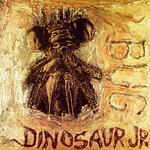
Bug, released in 1988 by Dinosaur Jr., crystallizes the band's blend of alternative and indie rock with heavy noise rock textures and pop-minded songwriting. The album pairs loud, heavily distorted guitars and extended, melodic solos with hushed, introspective vocals and a mix of abrasive feedback and simple hooks, moving between noise pop immediacy and grungier dynamics. Its raw production and emphasis on guitar tone helped define the group's signature sound and position them between 1980s underground noise rock and the alternative rock that followed.
#527 — Kaya by Bob Marley & The Wailers

Kaya, released in 1978 by Bob Marley & The Wailers, is a mellow roots reggae album that emphasizes relaxed tempos, warm bass-forward production, and smooth vocal delivery. Its songs blend themes of love, peace, and marijuana with spiritual undertones, and the arrangements feature prominent rhythm guitar, rolling bass lines, subtle horn and keyboard textures. The overall atmosphere is intimate and laid-back, showcasing the band's knack for spacious grooves and melodic hooks while offering a softer counterpoint to some of Marley's more overtly political work.
#528 — News of the World by Queen
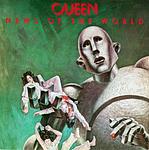
News of the World, released in 1977 by Queen, moves toward a more direct, guitar-driven sound that blends hard rock and glam with pop sensibility and arena-ready anthems. The album pairs stomping, audience-focused rockers with melodic ballads and occasional experimental textures, featuring layered vocal harmonies and Brian May’s distinctive guitar tone. Its mix of punchy, singalong songs and quieter, more introspective moments helped shape the band’s stadium-oriented style in the late 1970s.
#529 — The Head on the Door by The Cure
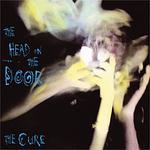
The Head on the Door (1985) showcases The Cure blending their gothic roots with pop and new wave influences to produce concise, melody-driven songs that range from upbeat, synth-tinged singles to darker, atmospheric tracks. Robert Smith's vocal melodies sit over layered guitars, keyboards and varied rhythms, and the record is notable for its stylistic variety, cleaner production and an expanded sonic palette that brought more accessible hooks into the band's moody sound.
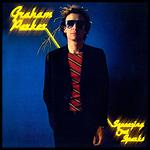
Released in 1979, Squeezing Out Sparks finds Graham Parker & The Rumour delivering a lean, guitar-driven record that blends pub rock directness with New Wave urgency and pop rock hooks. Produced by Jack Nitzsche, the album emphasizes stripped-back arrangements and tense, ringing guitars, foregrounding Parker's urgent vocal delivery and literate, often caustic lyrics about relationships and urban life. Its concise songs and muscular production mark a stylistic sharpening from the band's earlier work and make the album a notable statement in Parker's catalog.
#532 — Give 'Em Enough Rope by The Clash
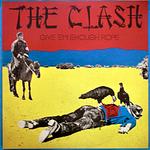
Give 'Em Enough Rope, released in 1978 by The Clash, is the band's second studio album and builds on their punk rock roots with tighter arrangements and more polished production. The record pursues a broader, more rock-oriented sound with heavier guitar work and melodic hooks while keeping politically charged and narrative lyrics. It is often noted for expanding the band's musical range beyond the raw immediacy of their debut without abandoning punk energy.
LiLiPUT (1982) is the self-titled album by the Swiss post-punk band LiLiPUT, presenting short, energetic songs that mix punk urgency with catchy pop hooks and artful post-punk edges. The record is marked by jagged guitar lines, tight, propulsive rhythms, and distinctive vocal delivery that ranges from playful to abrasive, producing a sound that is both immediate and idiosyncratic. It stands as a clear example of early 1980s underground European post-punk that balances melodic accessibility with rough-edged intensity.
#536 — Who's Next by The Who
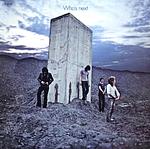
Who’s Next (1971) by The Who mixes hard rock power with art rock ambition, using prominent synthesizer textures alongside Pete Townshend's guitar work and Roger Daltrey's commanding vocals. Many songs grew out of Townshend’s abandoned Lifehouse project, condensed here into taut, arena-ready arrangements that range from driving rock anthems to introspective ballads. The album is notable for its muscular rhythm section, inventive production, and standout tracks such as "Baba O'Riley", "Won't Get Fooled Again", and "Behind Blue Eyes".
#537 — Beggars Banquet by The Rolling Stones
Beggars Banquet (1968) by The Rolling Stones is a roots-oriented rock album that moves away from late 1960s psychedelia toward a rawer blend of blues rock, hard-driving electric rock, and country-tinged acoustic numbers, featuring spare production, prominent guitar and slide work, and lyrical material rooted in everyday and street-level themes, marking a consolidation of the band’s classic rock identity.
#538 — Killer by Alice Cooper
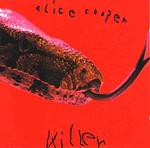
Killer is the fourth studio album by the Alice Cooper band, released in 1971. It features a raw hard rock sound that draws on glam and acid rock textures, propelled by gritty guitar riffs, driving drums, and Vincent Furnier's theatrical vocals and macabre lyrics. The album tightens the band's songwriting and production compared with earlier records and includes tracks such as "Under My Wheels", "Be My Lover", and "Dead Babies", illustrating the group's developing shock rock approach.
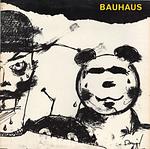
Mask is Bauhaus's second studio album, released in 1981, that builds on their gothic rock roots while broadening into darker art rock and post-punk textures. Peter Murphy's theatrical baritone sits over angular guitar lines, driving rhythms, and shadowy production, giving the record a moody, cinematic feel. The band explores varied dynamics and melodic hooks while preserving the cold, atmospheric aesthetic that helped define early 1980s gothic rock.
#541 — The Colour of Spring by Talk Talk
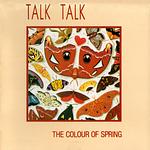
The Colour of Spring, released in 1986, finds Talk Talk moving from their earlier synth-pop toward a warmer, more organic form of art pop. Produced with Tim Friese-Greene, the album pairs Mark Hollis's intimate, restrained vocals with richer arrangements that include acoustic instruments, horns, and freer rhythmic interplay; tracks such as "Life's What You Make It" and "Living in Another World" exemplify this shift. The record is regarded as a transitional work that foreshadows the band's later, more experimental albums Spirit of Eden and Laughing Stock.
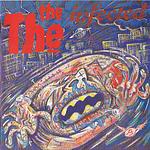
Infected is the 1986 album by The The, led by songwriter and vocalist Matt Johnson. It blends new wave and alternative rock with electronic textures and popcraft, featuring dense, cinematic arrangements, moody atmospherics, and prominent brass and bass elements underpinning Johnson's emotive baritone. The lyrics focus on social and political themes, giving the record a brooding, urgent tone that marked The The's mid 1980s sound.
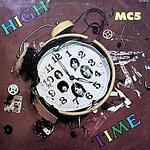
High Time (1971) finds MC5 blending their hard-driving garage rock and proto-punk aggression with more melodic and psychedelic textures, exploring varied tempos, tighter songcraft, and occasional lyrical introspection. The album keeps the band’s raw energy and political edge while expanding arrangements and production compared with their earlier work, making it a transitional record often referenced in discussions of proto-punk and the move toward punk.
#546 — Girls Can Tell by Spoon
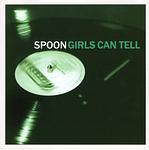
Girls Can Tell, Spoon's 2001 album, marks a move toward a tighter, more restrained indie rock approach with concise songcraft, precise rhythms, and lean arrangements. The record emphasizes crisp guitar lines, understated keyboards and piano, and Britt Daniel's laconic, introspective vocals, creating a cool, focused atmosphere compared with the band's earlier, rawer work. It served as a turning point that refined Spoon's minimalist tendencies and influenced the sound they developed on subsequent records.
#547 — Stranded by Roxy Music
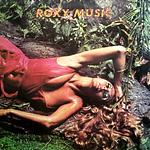
Stranded is Roxy Music's 1973 third studio album, marking the band's transition after Brian Eno's departure and the arrival of Eddie Jobson on violin and keyboards. The record tightens their art rock and glam foundations into a more polished, cinematic sound, pairing Bryan Ferry's stylish vocal delivery with layered arrangements, saxophone and string textures, and concise pop-oriented songwriting. It represents a move toward more structured, song-focused material while retaining the band's theatrical and experimental sensibility.
#549 — Country Life by Roxy Music
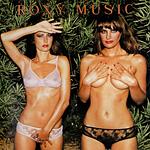
Country Life is the fourth studio album by Roxy Music, released in 1974. It blends art rock, glam rock, and pop rock with a more muscular, guitar-forward sound alongside Bryan Ferry's stylish vocals and literate lyrics. The arrangements combine glossy keyboards, saxophone and layered harmonies to create songs that balance sophistication and raw energy. The record is also notable for its bold, sexually suggestive sleeve that attracted controversy and for consolidating the band's move toward tighter, rock-oriented songwriting.
#552 — "Heroes" by David Bowie
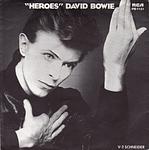
Heroes, released in 1977, is David Bowie’s album that blends art rock, electronic, ambient, art pop, and experimental rock. Recorded in West Berlin with producer Tony Visconti and frequent collaborator Brian Eno, the record pairs driving, guitar‑based songs with spare instrumental pieces built from layered synths and treated guitars, producing a stark and cinematic sound. The title track and several instrumentals emphasize atmospheric production and unconventional textures, making the album a central work from Bowie’s Berlin period that fuses pop songwriting with experimental electronics.
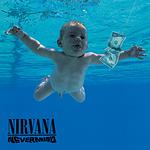
Nevermind, released in 1991 by Nirvana, is a grunge and alternative rock album that blends punk rawness with pop-minded songwriting, characterized by loud-quiet-loud dynamics, distorted guitars, and Kurt Cobain's raw, melodic vocal delivery and introspective lyrics about alienation and personal struggle. Produced by Butch Vig, the record pairs cleaner studio production with a sense of urgency and abrasive textures, and its accessible hooks alongside heavy instrumentation helped bring alternative rock aesthetics to a much wider audience.
#556 — Warehouse: Songs and Stories by Hüsker Dü
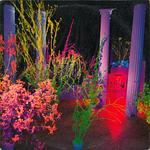
Warehouse: Songs and Stories is a 1987 double album by Hüsker Dü that expands the band's hardcore roots into a fuller, more melodic alternative rock sound. The record balances distorted, high-energy guitars and punk urgency with tuneful hooks and more complex song structures, featuring the contrasting songwriting and vocals of Bob Mould and Grant Hart. Its denser, layered arrangements and wider stylistic range, from fast, abrasive tracks to reflective, melodic songs, illustrate the band's role in bridging hardcore punk and the developing alternative rock scene.
#557 — New Gold Dream (81‐82‐83‐84) by Simple Minds
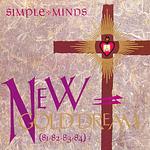
New Gold Dream (81-82-83-84) is Simple Minds' 1982 album that crystallizes their move toward a more polished, synth-driven sound rooted in New Wave and New Romantic styles. The record features shimmering synthesizer textures, clean guitar lines, taut bass and drum patterns, and Jim Kerr's emotive vocals, creating an atmospheric pop sound that balances mood and melody. Production emphasizes clarity and layered arrangements, with songs built from repeating motifs and gradual builds that showcase the band shifting from post-punk rawness to a more ornate synth-pop approach.
#559 — Throwing Muses by Throwing Muses
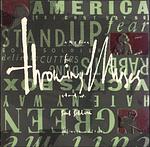
Throwing Muses (1986) is the band's debut album, pairing jagged, angular guitar work and shifting rhythms with Kristin Hersh's intense, often cryptic vocals and lyrics. The songs move between post-punk dissonance and unexpectedly melodic, sometimes folk-tinged passages, creating abrupt dynamic shifts and unconventional song structures. The record is frequently cited as an early example of American indie rock that blends raw edge with personal, inward-focused songwriting.
#570 — In the City by The Jam
In the City, The Jam's 1977 debut, presents the trio of Paul Weller, Bruce Foxton and Rick Buckler delivering concise, energetic songs that blend punk rock urgency with 1960s mod influences. The record emphasizes trebly, punchy guitars, driving bass and tight drumming, with Weller's sharp, socially observant lyrics and melodic sensibilities that nod to soul and British invasion pop. As an early statement from the band, it established their mod revival approach and set a clear template for their subsequent work.
#574 — Hejira by Joni Mitchell
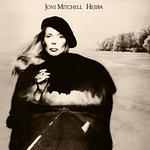
Hejira, released in 1976, finds Joni Mitchell moving further into jazz-influenced territory while retaining her folk songwriting. The album pairs poetic, travel-focused lyrics about movement and solitude with sparse, spacious arrangements that foreground her open-tuned guitar work and long, melodic fretless bass lines from Jaco Pastorius. Songs blend folk narrative, jazz harmonies, and loose, improvisational interplay to produce an introspective, nocturnal sound that points toward her later jazz explorations.
#576 — Everybody Knows This Is Nowhere by Neil Young, Crazy Horse
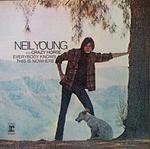
Everybody Knows This Is Nowhere (1969) is Neil Young's second studio album and his first with Crazy Horse. Musically it pairs Young's folk and country-rooted songwriting with raw, guitar-driven rock from Crazy Horse, featuring extended, distorted electric jams alongside quieter acoustic moments. The record helped establish recurring elements of Young's sound such as ragged, feedback-tinged guitar work and direct, often spare lyrics, and includes notable tracks like "Cinnamon Girl", "Down by the River", and "Cowgirl in the Sand".
#577 — Presence by Led Zeppelin
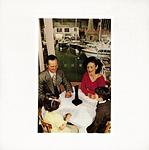
Presence, released in 1976, is Led Zeppelin's eighth studio album and a guitar-driven record that favors concise, riff-focused songs over extended improvisation. Recorded quickly in Munich while Robert Plant was recuperating from a car accident, it pairs dense, urgent hard rock pieces like "Achilles Last Stand" with blues-tinged moments such as "Tea for One," yielding a leaner, more direct late-period sound. The album's stark, surreal cover art and concentrated studio approach make it notable for its intensity and focus within the band's catalog.

Atomizer (1986) by Big Black is a stark, abrasive album that blends post-hardcore, noise rock, and post-punk elements with industrial and electronic touches. Steve Albini's jagged, metallic guitar and confrontational vocal delivery are paired with drum-machine rhythms and a raw, unpolished production, creating a cold, intense atmosphere and lyrics that confront urban decay and violence. The record is widely regarded as influential within underground indie and noise rock circles.
#582 — Y by The Pop Group
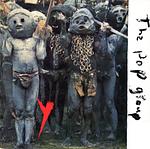
Y is The Pop Group's 1979 debut that fuses jagged post-punk attack with dub-influenced bass and studio effects, free-jazz saxophone touches, funk-derived rhythms, and abrasive, confrontational vocals and lyrics. The production foregrounds heavy low end and echoing space, creating an unsettling, dense sound that pushes rock toward experimental and avant-garde territory. Its tense interplay of danceable grooves, dissonant textures, and political urgency marks it as a distinctive statement within post-punk and art punk contexts.
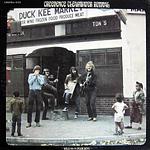
Willy and the Poor Boys (1969) presents Creedence Clearwater Revival's compact, roots-oriented rock, blending blues, country, and Southern-flavored swamp rhythms into concise, direct songs. John Fogerty's songwriting and vocals steer a tight band sound of churning guitars, rollicking piano, and steady rhythm that ranges from lively, singalong numbers like "Down on the Corner" to more pointed, socially minded tracks such as "Fortunate Son"; the record also mixes original tunes with folk and blues covers arranged in a stripped-down, live-feeling style that helped define CCR's Americana-tinged approach.
#588 — The Rise & Fall by Madness
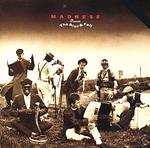
The Rise & Fall (1982) by Madness blends the band's ska and new wave roots with pop rock and more expansive, often pastoral arrangements. Songs range from upbeat, brass-driven numbers to quieter, piano and string-accented tracks, reflecting a move toward more reflective songwriting and varied instrumentation. The album includes the well-known single "Our House" and highlights the band's interest in English social observation and melodic pop craftsmanship.
#593 — Vampire Weekend by Vampire Weekend
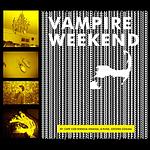
Vampire Weekend is the band's debut album, pairing indie rock guitar jangle with Afro-pop and worldbeat influences and ornate pop arrangements. The record is notable for its bright, rhythmic production, literate and often playful lyrics sung by Ezra Koenig, and layered instrumentation from the band's multi-instrumental lineup, creating a clean, breezy sound that helped shape a strand of mid 2000s indie pop.
#596 — Twelve Dreams of Dr. Sardonicus by Spirit
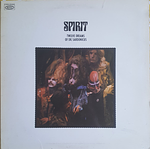
Twelve Dreams of Dr. Sardonicus, released in 1970 by Spirit, blends psychedelic rock, art rock, blues and folk influences into a moody, atmospheric album. It pairs layered vocal harmonies, organ and horn colors, and acoustic and electric guitar interplay with introspective lyrics and ambitious arrangements, and includes the track 'Nature's Way'. The result is one of the band's most distinctive recordings, notable for its textural variety and compositional focus.
#597 — The Low Spark of High Heeled Boys by Traffic
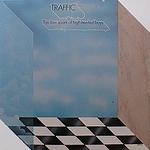
The Low Spark of High Heeled Boys, released in 1971 by Traffic, showcases the band's move toward spacious, groove-oriented rock that blends progressive and psychedelic elements with jazz and blues touches. The album favors long, relaxed arrangements built around organ and piano, fluid sax and flute lines, and a loose but elastic rhythmic feel that encourages extended instrumental interplay. Its emphasis on mood, texture, and improvisation marks a shift away from concise pop songwriting toward a more atmospheric, art rock approach within a classic rock framework.
#599 — Love It to Death by Alice Cooper
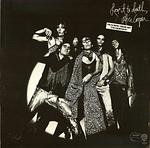
Love It to Death (1971) is Alice Cooper's album that moves the band toward a harder, guitar-driven sound blending hard rock, acid rock, glam and garage rock. Produced by Bob Ezrin and featuring the song "I'm Eighteen", the record pairs raw, riff-based arrangements and snarling vocals with a theatrical, often dark lyrical sensibility that helped define the group's shock-rock persona. Its relatively stripped production emphasizes punchy guitar and piano interplay and a direct, confrontational energy.