 The Greatest Music
The 1000 Best Albums of All Time (Updated 2015)
This list is basically a personal canon of albums across the modern LP era (framed on-site as “since 1949”), with a strong tilt toward rock’s artier / heavier edges (proto-punk, punk/post-punk, psych, experimental) while also pulling in major jazz and other genre essentials.
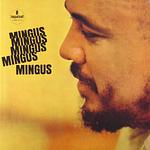
Mingus Mingus Mingus Mingus Mingus (1964) finds Charles Mingus revisiting and reworking earlier compositions into tightly arranged, high-energy ensemble settings. The music balances Mingus's forceful bass and bandleading with dense horn voicings, gospel and blues inflections, and moments of collective improvisation, yielding a sound that is both orchestral and raw. The repeated-title presentation underscores the album as a bold statement of Mingus's musical identity in the mid 1960s.
#603 — The Yes Album by Yes
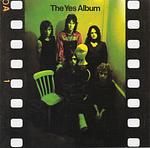
The Yes Album (1971) is Yes's third studio album and the first to feature guitarist Steve Howe. It marks a clear move toward longer, more ambitious progressive rock arrangements that blend intricate guitar work, layered vocal harmonies, organ and Mellotron textures, and shifts between acoustic and electric passages. Tracks such as "Yours Is No Disgrace", "Starship Trooper", and "Ive Seen All Good People" illustrate the interplay of Jon Anderson's vocals, Chris Squire's melodic bass, Bill Bruford's precise drumming, Steve Howe's versatile guitar tones, and Tony Kaye's keyboards, all presented with production that emphasizes dynamic contrasts. The record is widely regarded as an important early example of the classic progressive rock sound and set the band on a more expansive musical course in the 1970s.
#606 — Between the Buttons by The Rolling Stones
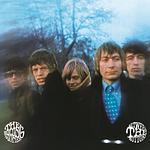
Between the Buttons is a 1967 Rolling Stones album that shifts the band away from their earlier blues-dominated sound toward a more varied palette of pop, baroque pop and psychedelic-tinged rock. Songs feature concise rock songwriting alongside unconventional arrangements and added instrumental color, with greater use of piano and orchestral textures and some studio experimentation, while the lyrics take on a more whimsical and reflective tone. The record is commonly cited as part of the Stones' mid 1960s transition into more diverse stylistic territory.
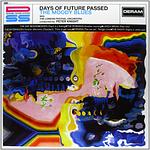
Days of Future Passed (1967) by The Moody Blues with the London Festival Orchestra conducted by Peter Knight is a concept album that juxtaposes the band's rock songs with orchestral interludes organized around the passage of a single day. The sound combines melodic rock instrumentation, prominent Mellotron textures, and folk-tinged songwriting with lush string and brass arrangements, producing a cinematic, baroque-influenced pop and symphonic rock palette. Notable for its suite-like sequencing and the fusion of classical orchestration with rock elements, the record is often cited as an early example of progressive and symphonic rock.
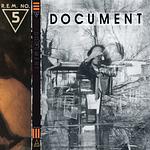
Document is R.E.M.'s 1987 album that moves their jangly, folk-tinged alternative rock toward a more direct, electric sound with tighter production by Scott Litt and the band. The record blends chiming guitars and melodic hooks with sharper, sometimes politically pointed lyrics, while retaining the group's signature vocal ambiguity and ringing guitar textures. Songs range from concise rockers to brisk, wordy tracks that emphasize rhythm and momentum, marking a step toward a more accessible, full-band sound.
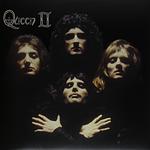
Queen II, released in 1974, is the band's second studio album and showcases an early blend of hard rock, glam and progressive rock with theatrical, often dark atmospheres. The record is notable for dense multi-tracked vocal harmonies, layered guitars and complex arrangements that alternate between heavy riffing and ornate, prog-influenced passages. It is structured around a contrast between two sides, commonly called the White side and the Black side, and contains songs that emphasize dramatic storytelling and ambitious studio production that the group would continue to develop on later records.
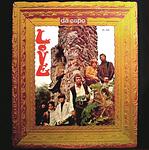
Da Capo, Love's 1966 album led by Arthur Lee, extends the group's folk-rock base into baroque pop and early psychedelia by pairing concise, melody-driven songs and chamber-pop arrangements with moments of distortion, organ and studio experimentation. The record balances delicate string and vocal textures against more adventurous, improvisatory passages, producing a varied sound that illustrates Love's distinctive approach to West Coast rock in the mid 1960s.
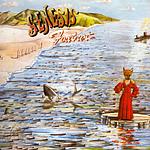
Foxtrot is a 1972 Genesis album from the Peter Gabriel era that exemplifies early British progressive rock, combining symphonic keyboard textures, intricate time-signature shifts, and theatrical, story-driven vocals. The band balances sprawling compositions, most notably the multi-part suite "Supper's Ready", with shorter, more direct rock pieces, showcasing Mellotron and organ-dominated arrangements, layered guitars, and dynamic contrasts between quiet passages and full-band climaxes. The album highlights Genesis's emphasis on ambitious arrangements and narrative lyricism within progressive and art rock contexts.
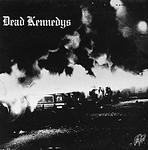
Fresh Fruit for Rotting Vegetables is the 1980 debut album by Dead Kennedys, rooted in fast, abrasive punk and early hardcore while incorporating surf-influenced guitar work and occasional melodic hooks. The record pairs brisk, tightly arranged songs with Jello Biafra's satirical, politically charged lyrics and dark humor, exemplified by tracks such as "Holiday in Cambodia" and "California Über Alles". Its sound and tone were influential in shaping the West Coast punk and hardcore scene.
13 Songs (1989) compiles Fugazi's first two EPs and captures their early post-hardcore sound: angular, rhythmic guitar interplay, propulsive bass and drums, and Ian MacKaye's urgent, concise vocals paired with socially aware lyrics. Recorded at Inner Ear and released on Dischord, the short, tightly arranged tracks emphasize dynamics and a DIY ethic that helped define the band's influence within the post-hardcore scene.
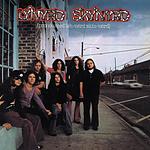
The 1973 debut album (pronounced ’lĕh-’nérd ’skin-’nérd) introduces Lynyrd Skynyrd's raw Southern rock sound, blending blues-based guitar work, country inflections, and hard rock drive. The record highlights the band's three-guitar interplay and Ronnie Van Zant's rough-edged vocals across tight, riff-driven songs and longer, soulful numbers, notably the extended, improvisational guitar climax of 'Free Bird'. Tracks such as 'Simple Man' and 'Gimme Three Steps' pair plaintive melodies with boogie rhythms, helping establish the musical template the band would continue to explore.
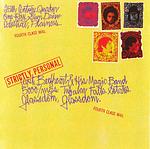
Strictly Personal (1968) finds Captain Beefheart and His Magic Band expanding their blues roots into a more psychedelic and avant-garde direction. The album mixes Delta-derived blues structures with angular guitar figures, jagged rhythms, and Don Van Vliet's idiosyncratic, guttural vocals and surreal lyrics. Its studio production uses pronounced echo and reverb effects that create a hallucinatory, distant sound, giving the songs a more psychedelic sheen compared with the band's rawer debut. As a transitional record between Safe as Milk and the denser experiments that followed, it highlights Beefheart's move toward more abrasive and unconventional song forms.
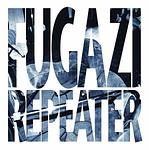
Repeater, Fugazi's 1990 full-length, refines the band's post-hardcore approach by combining angular, punk-derived guitar work with taut, groove-driven rhythms and stark, conversational vocals from Ian MacKaye and Guy Picciotto. Songs move between terse, urgent bursts and more spacious, rhythm-focused passages, showcasing tight instrumental interplay, off-kilter accents, and a dry, immediate production that emphasizes dynamics and texture. The album is frequently mentioned as an influential touchstone in post-hardcore for its balance of intensity, restraint, and rhythmic experimentation.
#622 — Begin by The Millennium
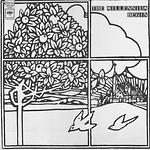
Begin, released in 1968 by The Millennium, is a densely arranged example of late 1960s baroque pop that blends rich, multi-part vocal harmonies with folk-rock songwriting, pop-rock hooks, orchestral flourishes and occasional psychedelic studio touches. The album is characterized by intricate studio arrangements, close-knit vocal ensembles and a polished, layered production that bridges pastoral melodies and experimental sonic detail, making it a frequently cited entry for listeners interested in baroque and sunshine pop from that era.
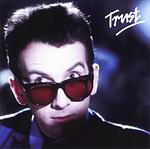
#623 — Trust by Elvis Costello & The Attractions
#624 — Kimono My House by Sparks
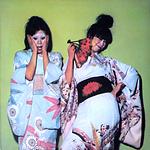
Kimono My House (1974) pairs glam rock energy with art pop and progressive pop ambitions, featuring Ron Mael's angular, piano-led arrangements and Russell Mael's theatrical, vibrato-rich vocals. The songs blend concise pop hooks with eccentric, literate lyrics and dramatic orchestral touches, creating abrupt shifts in mood and a distinctive, witty sound exemplified by "This Town Ain't Big Enough for Both of Us" and "Amateur Hour". The album is widely regarded as the record that established Sparks' idiosyncratic fusion of glam and art rock and brought them broader attention in the 1970s.
#625 — The Woods by Sleater‐Kinney
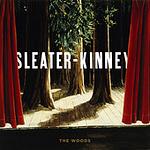
The Woods, released in 2005 by Sleater-Kinney, marks a deliberate turn toward a louder, more guitar-driven sound anchored by Carrie Brownstein and Corin Tucker’s intertwining guitars and impassioned vocals. The album favors saturated, dense production and extended song structures that emphasize powerful riffs and propulsive rhythms over the shorter punk-influenced bursts of earlier records. Its aggressive textures and layered approach position it as a bold, rock-oriented statement within the band’s catalog while keeping their direct songwriting and confrontational tone intact.
#626 — Bone Machine by Tom Waits
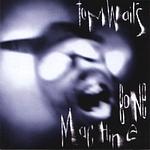
Bone Machine, released in 1992, finds Tom Waits delivering a raw, percussive take on blues-inflected rock and experimental soundscapes. The album pairs his gravelly, theatrical vocals with stripped-down, often industrial rhythms and unconventional textures to create a bleak, rough-hewn atmosphere centered on themes of mortality, decay, and human fragility. It stands as one of his darker, more abrasive works and continues his exploration of avant-garde arrangements within a rock and blues context.
#627 — Return to Cookie Mountain by TV on the Radio
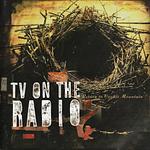
Return to Cookie Mountain (2006) expands TV on the Radio's blend of indie rock and experimental electronics into a dense, cinematic record that pairs angular guitars and driving rhythms with processed synths, brass textures and layered vocal harmonies. The music shifts between urgent, propulsive songs and slower, atmospheric passages, trading conventional rock structures for ambitious arrangements that draw on soul, downtempo and electronic influences. The album is often cited for its rich production and for crystallizing the band's distinctive, genre-blurring sound in the mid 2000s.
#628 — Quadrophenia by The Who
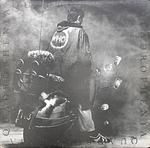
Quadrophenia is a 1973 rock opera album by The Who, written mainly by Pete Townshend. It blends hard rock energy and art rock ambition with layered studio production, prominent synthesizers, orchestral touches, and narrative sound effects to follow Jimmy, a disaffected mod in 1960s England. The music shifts between driving, guitar-led numbers and more introspective, piano or synth-based songs, and the album is notable for its storytelling focus and complex arrangements within the classic rock idiom.
#629 — One Beat by Sleater‐Kinney
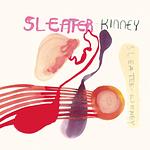
One Beat, released in 2002 by Sleater-Kinney, is an energetic indie rock album with a garage rock edge that foregrounds interlocking guitars, driving rhythms, and impassioned dual vocals. The songs pair punchy, rhythmic arrangements and prominent drumming with lyrics that mix personal reflection and political awareness, presenting a more direct, propulsive sound within the band’s catalogue. The record emphasizes clarity and momentum while retaining the raw intensity of the group’s earlier work.
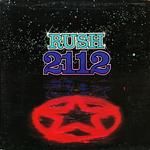
2112, released in 1976, is a landmark Rush album that pairs extended progressive composition with hard rock drive. The centerpiece is the roughly 20 minute title suite, a science fiction rock opera with multiple movements that combine shifting time signatures, thematic motifs, and both aggressive and melodic passages; the lyrics were written by drummer Neil Peart. The shorter tracks on the album offer concise hard rock and instrumental moments that highlight Geddy Lee's high-register vocals and bass work and Alex Lifeson’s textural guitar playing. The record represents a clear move toward more complex arrangements and lyrical ambition within the band's sound.
#640 — High Voltage by AC/DC
#641 — Fulfillingness' First Finale by Stevie Wonder
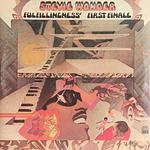
Fulfillingness’ First Finale (1974) finds Stevie Wonder refining the soulful, genre-blending approach he developed in the early 1970s. The album pairs intimate, introspective songwriting and social commentary with economical, groove-driven arrangements that draw on soul, funk, pop and occasional rock or disco rhythms. Wonder’s multi-instrumental production emphasizes keyboards and warm synth textures alongside melodic vocals and understated backing, giving the record a focused, contemplative character within his mid-1970s run of albums.
#644 — I Against I by Bad Brains
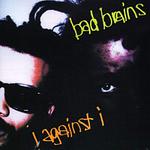
I Against I is a 1986 album by Bad Brains that expands their hardcore punk foundation into heavier, more varied territory, blending aggressive guitar-driven rock with reggae and dub-influenced passages. The record emphasizes dynamic contrasts, heavier low-end grooves and occasional slower tempos alongside bursts of speed and the band's distinctive vocal intensity, illustrating a tighter, more diverse songwriting approach. Its cross-genre sound is often cited as influential on later alternative metal and punk-adjacent bands.
#650 — Quiet Life by Japan
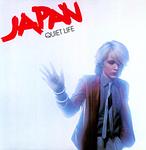
Quiet Life, released in 1979, marks Japan's shift from glam-tinged art rock toward a leaner, synth-driven sound blending New Wave, ambient textures, art pop stylings and early New Romantic aesthetics. The album emphasizes David Sylvian's cool, expressive vocals, Mick Karn's melodic fretless bass, Richard Barbieri's atmospheric synth layers and restrained arrangements that favor mood and space over rock bombast. Its polished, cinematic production and focus on texture and atmosphere set the template for the band's later work and helped situate them within the emerging electronic and New Romantic currents of the early 1980s.
#651 — To Bring You My Love by PJ Harvey
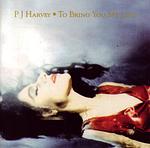
To Bring You My Love is PJ Harvey's 1995 record that shifts from her earlier raw trio sound toward a darker, more cinematic approach blending alternative rock with blues and folk influences. The songs pair intense, intimate vocals with organ, distorted guitar, sparse percussion and occasional string textures to create brooding, atmospheric arrangements. Lyrically it explores desire, religion and mortality, and the album marked a notable stylistic evolution in her work.
#659 — Rastaman Vibration by Bob Marley & The Wailers
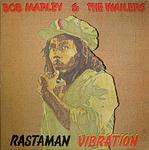
Rastaman Vibration (1976) by Bob Marley & The Wailers is a roots reggae album that pairs Rastafarian and political themes with tight, band-oriented arrangements. The sound emphasizes deep, syncopated bass and steady drums alongside skanking guitar, organ fills, and layered harmony vocals, yielding a more polished production than some earlier recordings. Tracks such as "War," which sets words from a Haile Selassie speech to music, and "Roots, Rock, Reggae" illustrate the album's mix of militant messaging and accessible grooves, marking an important moment in Marley's evolution as a global voice of reggae.
#667 — A Night at the Opera by Queen
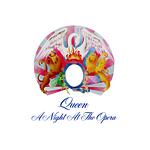
A Night at the Opera (1975) showcases Queen's theatrical, genre-blending approach, combining hard rock energy, glam flamboyance, art rock ambition, and baroque pop ornamentation. The record features dense multi-tracked vocal harmonies and layered studio production, with arrangements ranging from piano-led balladry to the operatic suite of Bohemian Rhapsody and the expansive The Prophet's Song, illustrating the band's appetite for dramatic shifts in form and texture. Brian May's distinctive guitar tone, Freddie Mercury's wide-ranging vocals, and John Deacon's melodic bass work underpin an album notable for its eclectic sequencing and studio craftsmanship, and it marked a creative high point in the band's early period.
#668 — EVOL by Sonic Youth
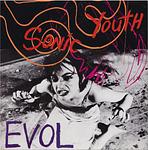
EVOL, released in 1986, finds Sonic Youth moving from abrasive No Wave experiments toward more song-based structures while retaining their signature dissonant guitars, alternate tunings, feedback and textural noise. The record mixes jagged, noisy passages with more melodic moments and alternating vocals, marking a transitional step that helped shape their approach to alternative and experimental rock.
#671 — Greetings From L.A. by Tim Buckley
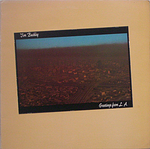
Greetings From L.A. (1972) marks Tim Buckley’s move toward a tighter, groove-oriented sound drawing on funk, jazz fusion and soul jazz. The record emphasizes electric instrumentation, rhythmic bass and punchy arrangements that support Buckley’s expressive, R&B-inflected vocals and shorter, more direct song forms. It stands as a clear stylistic shift in his catalog from earlier folk and avant-garde experiments toward rhythm-driven, soul-influenced music.
#673 — In Rainbows by Radiohead
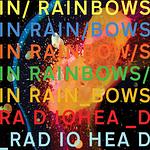
In Rainbows, released in 2007, finds Radiohead blending electronic textures and art rock ambition with more immediate, song-oriented writing and warm, intimate production. The record balances kinetic rhythms and layered guitars with subtle electronics, lush strings and Thom Yorke's restrained, emotive vocals, producing songs that range from propulsive and rhythmic to sparse and atmospheric. The arrangements emphasize texture and dynamic contrast, and the album's release used an unconventional digital pay-what-you-want approach that drew attention to distribution as well as the music.
#674 — Dare by The Human League
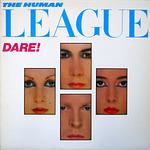
Released in 1981, Dare is The Human League's polished synthpop album that moved the band toward a more pop-oriented, vocal-led sound. Featuring crisp electronic percussion and layered synthesizers, it pairs Philip Oakey's baritone with the prominent female singers Susan Ann Sulley and Joanne Catherall to create hook-driven songs such as "Don't You Want Me". The record blends New Wave and New Romantic textures with dance-pop rhythms and straightforward pop songwriting, and is closely associated with the early 1980s mainstream synth-driven pop sound.
#678 — Liege & Lief by Fairport Convention
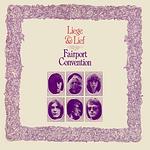
Liege & Lief (1969) by Fairport Convention is a landmark British folk rock album that blends traditional English folk songs with electric rock instrumentation, anchored by Sandy Denny's vocals and Richard Thompson's distinctive guitar work. The arrangements mix acoustic textures, fiddle-led melodies, and driving electric rhythms to create a muscular yet rooted sound that helped define the electric folk movement and steer British folk toward fuller band-oriented interpretations with country and rock influences.
#679 — At Last! by Etta James
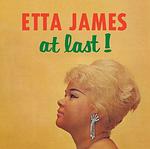
At Last! is Etta James's 1960 debut album that blends blues, R and B, and soul into a set of heartfelt ballads and more driving rhythm numbers. The record highlights her powerful, expressive voice across torch songs and Southern Soul-tinged performances, pairing intimate vocal delivery with orchestral and band arrangements. It includes the now closely associated rendition of the title track, and is often cited as a defining release in her early career.
#680 — Black Woman by Sonny Sharrock
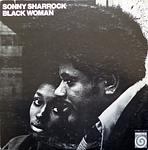
Black Woman is an uncompromising free jazz album led by guitarist Sonny Sharrock that foregrounds abrasive, extended electric guitar textures and collective improvisation. The music moves between jagged single note lines, dense ensemble passages, and moments of spacious interplay, treating the guitar as a forceful, often orchestral voice rather than a conventional solo instrument. The long title piece features prominent, wordless and impassioned vocals that heighten the record's intensity, making the album an early and distinctive example of electric guitar centered avant-garde jazz.
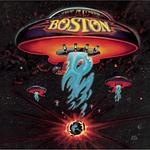
Boston is the band's 1976 self-titled debut, anchored by Tom Scholz's meticulous studio production and Brad Delp's high, harmony-rich vocals. Musically it blends hard rock guitar riffs and punchy AOR songcraft with arena-sized choruses, featuring layered, multi-tracked guitars, prominent keyboards, and tight vocal harmonies. The album's polished, radio-friendly sound became a reference point for mid 1970s arena rock and AOR.
#687 — A Trick of the Tail by Genesis
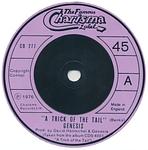
A Trick of the Tail (1976) is Genesis's first studio album after Peter Gabriel left, with drummer Phil Collins taking over lead vocals. Musically it retains the group's progressive rock foundations—lush keyboards, shifting time signatures, and narrative lyrics—while moving toward shorter, more melodic song structures and clearer vocal focus. The record balances theatrical arrangements and instrumental interplay with a cleaner, more accessible sound, marking a transitional moment in the band's evolution.
#694 — Sandinista! by The Clash
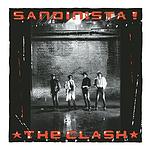
Sandinista! is The Clash's sprawling 1980 project that pushes the band beyond straight punk into a wide mix of dub, reggae, funk, early hip hop, pop rock, and experimental studio work. The record pairs political and social lyrics with extended dub mixes, instrumental passages and genre-hopping arrangements, reflecting a deliberate move toward sonic variety and studio experimentation. Its loose, sometimes rough production and eclectic song styles mark it as an ambitious, genre-blurring statement from a band stretching the boundaries of punk.
#699 — Tim by The Replacements
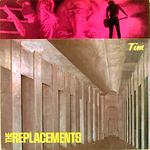
Tim, released in 1985 by The Replacements, is the band’s fourth studio album and a bridge between their punk roots and a more melodic alternative rock and power pop approach. The record pairs raw energy and jagged guitar work with tuneful, emotionally direct songwriting, highlighting Paul Westerberg’s blunt, literate lyrics and memorable hooks while retaining a rough, live feel. Its combination of urgency and melodic craft is a defining element in the band’s evolution and helped shape the sound of American alternative rock that followed.