 The Greatest Music
The 100 Best Albums of All Time
Weight: 75%
How much this list influences our overall rankings. Higher weight means more reliable data.
Penalties Applied:
In late 1993, The Times’ “Vulture” music feature ran a four-part countdown of the 100 best albums of the previous ~30 years, compiled from a points ballot of a 10-person panel spanning journalists, broadcasters, and radio programmers. Panelists scored a prepared shortlist of 200 albums (0–10) and could add up to 20 personal choices, with a rule limiting any artist to two albums maximum to prevent domination by canonical acts.
#1 — Pet Sounds by The Beach Boys
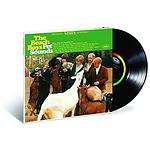
Pet Sounds is a 1966 studio album by The Beach Boys, largely written and produced by Brian Wilson. Musically it blends pop, baroque pop, psychedelic pop and rock with lush, chamber-pop influenced arrangements, inventive studio production and layered vocal harmonies. The record is notable for its introspective lyrics, unusual instrumentation and emphasis on studio experimentation that helped expand the sonic possibilities of pop music.
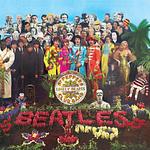
Sgt. Pepper's Lonely Hearts Club Band is a 1967 Beatles album that blends rock, psychedelic rock, baroque pop and pop with extensive studio experimentation. It features layered production, orchestral arrangements, unusual instrumentation and song sequencing that create a loose concept-album feel, and includes tracks such as "Lucy in the Sky with Diamonds", "Eleanor Rigby", "With a Little Help from My Friends" and "A Day in the Life". The album is often described as a milestone in popular music for its ambitious production and its expansion of pop and rock sounds.
#3 — Astral Weeks by Van Morrison
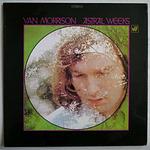
Astral Weeks, released in 1968, finds Van Morrison melding folk, jazz, blues and soul into a series of long, flowing songs built on loose, improvisational performances. The arrangements foreground acoustic guitar, upright bass and subtle percussion with occasional strings and woodwinds, producing a chamberfolk atmosphere that complements Morrison's stream-of-consciousness vocals and poetic lyrics. The album is often regarded as a distinctive, genre-blurring turning point in his work for its intimate, contemplative mood and unconventional song structures.
#4 — Transformer by Lou Reed
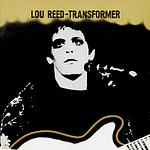
Transformer, released by Lou Reed in 1972, blends glam rock, art rock, and pop rock with a more polished production than his Velvet Underground work. Produced by David Bowie and Mick Ronson, the album pairs Reed's cool, narrative vocal style with melodic arrangements, strings, and distinctive guitar work. Songs such as "Walk on the Wild Side", "Perfect Day", and "Satellite of Love" present concise character-driven vignettes about New York life while adopting a more accessible, glam-influenced sound, making the record a key moment in Reed's solo career.
#5 — Highway 61 Revisited by Bob Dylan
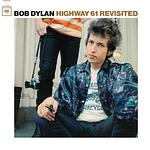
Highway 61 Revisited, released in 1965 by Bob Dylan, marks a decisive shift from acoustic folk toward a fuller electric rock and blues rock sound. The album combines conversational, often surreal lyrics with band arrangements that feature electric guitar, piano and organ, moving between propulsive, riff-driven tracks and slower, blues-inflected numbers. Its songs expand folk storytelling into longer, more free-associative forms and place literary, image-rich writing into a rock context, making the record a notable turning point in Dylan's work and 1960s popular music.
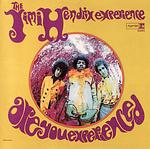
Are You Experienced is the debut album by the Jimi Hendrix Experience, released in 1967. It blends blues rock, psychedelic and acid rock with early hard rock, centered on Hendrix's inventive electric guitar playing and striking studio experimentation such as feedback, wah-wah textures, reversed tape effects, and layered overdubs. The record features concise originals and covers that range from fiery, riff-driven songs to atmospheric balladry, and is widely regarded as a landmark in guitar-led psychedelic rock.
#7 — Revolver by The Beatles
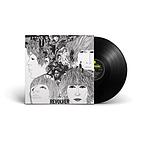
Revolver (1966) finds The Beatles shifting from straightforward pop toward more studio-focused, experimental songwriting and arrangements. Musically it blends rock and pop with psychedelic textures and elements drawn from classical and Indian music, featuring tight vocal harmonies, sharp electric guitar work, string arrangements on songs such as "Eleanor Rigby", George Harrison's sitar on "Love You To", and the tape-loop, drone-driven production of "Tomorrow Never Knows". The album is notable for its inventive studio techniques, varied song forms, and concise production that broadened the sonic palette of popular music recording.
#8 — After the Gold Rush by Neil Young
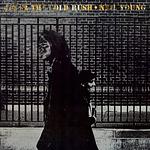
After the Gold Rush is a 1970 Neil Young album that blends folk, country, and rock into a mix of plaintive acoustic songs and raw electric passages. The record alternates spare piano and acoustic ballads with fuller guitar-driven tracks, and features Young's fragile, expressive vocals and direct songwriting about personal longing, social observation, and environmental unease. Its simple production and emotional clarity helped shape the sound of folk rock and country rock in the early 1970s.
#9 — Catch a Fire by The Wailers
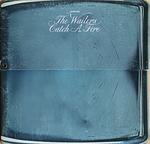
Catch a Fire, released by The Wailers in 1973, is a roots reggae album that blends traditional Jamaican rhythms with rock-influenced production and soulful vocals. Produced for Island Records by Chris Blackwell, the record features fuller arrangements and a cleaner mix that brought the group's Rastafarian-themed lyrics and dub-tinged grooves to a broader audience, while retaining the rhythmic emphasis and bass-driven pulse of reggae. Its sound marked a turning point in how reggae was presented internationally and remains a frequently referenced work in the genre.
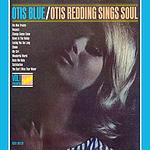
Otis Blue / Otis Redding Sings Soul (1965) captures Otis Redding at the height of his Stax period, blending deep soul, blues, and R&B with a raw Southern soul intensity. Backed by the Stax house musicians, including Booker T. & the M.G.'s and a tight horn section, the album pairs impassioned originals and contemporary covers, from heartfelt slow balladry to gritty up-tempo performances. Redding's rough-hewn, urgent vocals and dynamic arrangements give the record a live, immediate feel that helped define his sound and influenced soul music in the 1960s.
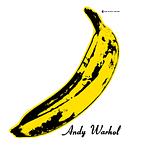
The Velvet Underground & Nico (1967) blends art rock, experimental and garage influences, pairing Lou Reed's stark songwriting and vocals with John Cale's abrasive viola and drone textures, Sterling Morrison's guitar and Maureen Tucker's spare percussion. Nico supplies detached lead vocals on a few tracks. The record mixes concise pop melodies with feedback, distortion and candid lyrics about urban life, sex and drug use, creating a raw, intimate sound that helped shape later art rock, punk and alternative music. Produced with Andy Warhol's involvement and notable for its banana cover, the album is distinguished by its experimental production and unconventional subject matter.
#12 — Sticky Fingers by The Rolling Stones
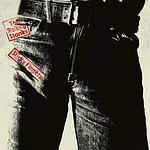
Sticky Fingers (1971) by the Rolling Stones blends rock, blues rock, hard rock, country rock, and rock and roll, alternating gritty electric numbers with quieter, country-influenced ballads. The record highlights the Jagger-Richards songwriting partnership and Keith Richards' guitar textures, and features tracks such as "Brown Sugar" and "Wild Horses." The album is also known for its Andy Warhol sleeve design and its turn toward a rawer, roots-oriented sound.
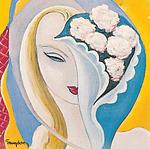
Layla and Other Assorted Love Songs is a 1970 album by Derek and the Dominos that blends blues rock and straight rock with moments of softer, acoustic balladry. Led by Eric Clapton and featuring notable slide guitar contributions from Duane Allman, the record is built around expressive, guitar-driven arrangements, mixing raw electric blues numbers with more intimate melodic songs. The title track contrasts a storming rock section with a quieter, piano-led coda, and the album is frequently cited for its emotional intensity and guitar interplay.
#14 — Lady Soul by Aretha Franklin
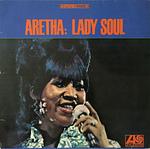
Lady Soul (1968) captures Aretha Franklin in the fertile late 1960s Atlantic period, showcasing her gospel-rooted, deeply expressive voice across material that blends soul, Southern soul, blues, and classic R&B. The record pairs her commanding vocals and piano with tight rhythm and horn arrangements, moving between punchy, groove-driven numbers and tender, intimate ballads. Its raw emotional intensity and authoritative phrasing helped define a model of deep soul singing that influenced many later vocalists.
#15 — Purple Rain by Prince, The Revolution
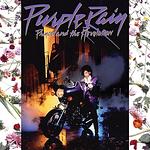
Purple Rain is a genre-blending album that mixes funk, pop, rock and contemporary R&B, combining driving dance tracks and intimate ballads with lush synthesizer textures and distinctive electric guitar work. Produced and largely written by Prince with his band The Revolution, the record balances concise pop hooks, extended guitar solos, and dramatic, cinematic arrangements that reflect its connection to the film of the same name. The album highlights Prince's range as a songwriter, producer, vocalist and guitarist, and it helped define his sound in the mid 1980s.
#16 — New Boots and Panties!! by Ian Dury
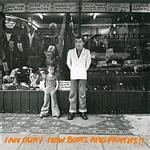
New Boots and Panties!!, released in 1977 by Ian Dury, blends pub rock, music hall, funk and nascent new wave with pop sensibilities. The album pairs tight, rhythm-driven arrangements with Dury's idiosyncratic spoken-sung delivery and characterful, often humorous lyrics that draw on working-class life and vivid storytelling. Its mix of cheeky humour, melodic hooks and varied styles helped establish Dury as a distinctive voice in the late 1970s British rock scene.
#17 — The Dark Side of the Moon by Pink Floyd
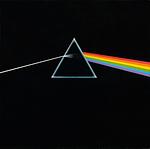
The Dark Side of the Moon is Pink Floyd's 1973 progressive rock album that blends rock, psychedelic and art rock elements into a continuous, concept-driven suite exploring themes such as time, money, mental strain and mortality. It is distinguished by its studio production and sound design, including layered synthesizers, tape effects and looping, prominent saxophone parts and an emotive wordless vocal performance on one track, with seamless transitions that emphasize atmosphere and textural detail across the record.
#18 — [Led Zeppelin IV] by Led Zeppelin
![[Led Zeppelin IV]](https://images.thegreatestmusic.org/yfyip7ss5dlcr6r39qje3hx89jrl)
Led Zeppelin IV, released in 1971, is a pivotal album in the band's catalogue that blends hard rock, blues, and folk elements. It alternates between acoustic, pastoral numbers and heavy electric songs, showcasing Jimmy Page's layered guitar work, Robert Plant's dynamic vocals, John Paul Jones's arranging and keyboard contributions, and John Bonham's powerful drumming. The album's mix of riff-driven rock, acoustic storytelling, and expansive production helped shape what became known as classic and arena rock sounds.
#19 — Imagine by John Lennon
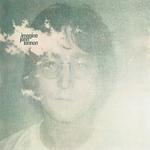
Imagine, released in 1971, is a John Lennon album that blends piano-led pop and rock with folk and rock and roll influences. The record moves between spare, introspective ballads and more direct rockers, often pairing simple arrangements with occasional orchestral touches and a focus on plainspoken, personal lyrics. The title track is a restrained, piano-centered piece that captures the album's themes of idealism and reflection, while other songs shift from confessional to satirical tones, showcasing Lennon's melodic songwriting and post-Beatles musical approach.
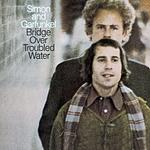
Bridge Over Troubled Water is the fifth and final studio album by Simon & Garfunkel, released in 1970. The record blends folk, folk rock, soft rock and pop, showcasing Paul Simon's songwriting and Art Garfunkel's high tenor and close harmonies. The title track features gospel-influenced piano, choral backing and expansive production, while songs like "The Boxer" and "Cecilia" range from intimate acoustic storytelling to rhythmically driven pop, making the album a stylistic culmination of the duo's collaborative sound.
#21 — Rumours by Fleetwood Mac
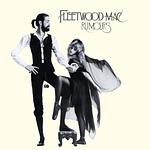
Rumours is a 1977 album by Fleetwood Mac that blends rock, pop rock, soft rock, blues and folk pop into a polished, radio-friendly sound. The record features layered vocal harmonies, melodic songwriting and a mix of acoustic and electric textures that foreground strong hooks and intimate arrangements. Many songs reflect interpersonal relationships and band tensions, giving the lyrics a candid, confessional feel, while the production emphasizes clarity and warmth. The album is widely cited as a defining example of late 1970s pop rock and a central release in Fleetwood Mac's catalog.
#22 — Born to Run by Bruce Springsteen
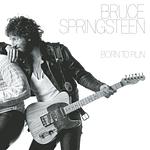
Born to Run (1975) blends rock, heartland rock, folk rock, piano-driven rock, and singer-songwriter storytelling into a sweeping, cinematic sound. Built around dense, Wall of Sound inspired arrangements with prominent saxophone and piano, the album pairs anthemic, propulsive tracks with intimate, narrative songs about escape, youthful restlessness, and working-class longing. It represented a major artistic leap for Springsteen and helped define the musical themes and larger-than-life production style he explored in later work.
#23 — The Joshua Tree by U2
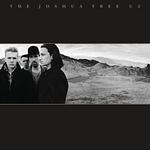
The Joshua Tree, released in 1987 by U2, refines the band’s post-punk roots into a widescreen rock sound that blends atmospheric, delay-heavy guitar work with blues, gospel and American roots influences. Produced by Brian Eno and Daniel Lanois, the album favors sparse, spacious arrangements that highlight The Edge’s chiming textures and Bono’s expressive vocals while exploring themes of faith, politics and the American landscape. Tracks move between spare balladry and driving, anthemic rock, and the record is noted for its cinematic production and lyrical focus on searching and spirituality.
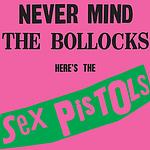
Never Mind the Bollocks, Here's the Sex Pistols is the Sex Pistols' only studio album, released in 1977. It condenses punk rock into short, abrasive tracks driven by distorted guitars, propulsive drums, and Johnny Rotten's sneering vocals, with blunt, confrontational lyrics aimed at social and political authority. The album is regarded as a defining work of the British punk movement and helped establish the raw, do-it-yourself aesthetic that influenced later punk and alternative bands.
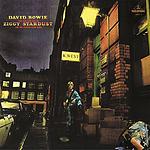
The Rise and Fall of Ziggy Stardust and the Spiders From Mars (1972) is a loose concept album in which David Bowie adopts the persona of Ziggy Stardust, an androgynous alien rock star. Musically it blends glam rock theatricality with straightforward rock and pop songwriting and elements of art rock, driven by Mick Ronson's guitar work and arrangements and a rhythm section that supports both crunchy rock numbers and quieter, melodic passages. The album is notable for its narrative focus, dramatic vocals, and cinematic arrangements that helped define Bowie's early 1970s sound and stage persona.
#26 — Blue by Joni Mitchell
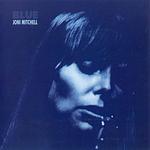
Blue, released in 1971, is Joni Mitchell's spare and intimate album that blends contemporary folk, folk rock, and singer-songwriter approaches. Its uncluttered arrangements, open-tuned guitar and piano, and candid, confessional lyrics explore love, longing, and self-examination; songs such as "A Case of You", "River", "Carey", and "California" balance folk intimacy with pop-minded melodies. The record is often cited as a defining work for later singer-songwriters and for its emotional directness.
#27 — Who's Next by The Who
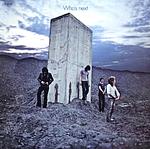
Who’s Next (1971) by The Who mixes hard rock power with art rock ambition, using prominent synthesizer textures alongside Pete Townshend's guitar work and Roger Daltrey's commanding vocals. Many songs grew out of Townshend’s abandoned Lifehouse project, condensed here into taut, arena-ready arrangements that range from driving rock anthems to introspective ballads. The album is notable for its muscular rhythm section, inventive production, and standout tracks such as "Baba O'Riley", "Won't Get Fooled Again", and "Behind Blue Eyes".
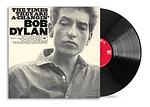
#28 — The Times They Are A-Changin' by Bob Dylan
#29 — Sign "☮︎" the Times by Prince
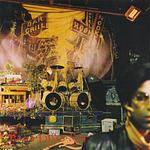
Sign o' the Times, released in 1987, is a sprawling double album by Prince that blends funk, contemporary R&B, pop rock, rock, and soul. The record moves between sparse electronic textures and drum machines and fuller guitar and horn arrangements, pairing intimate ballads with upbeat funk-pop tracks; it includes the title track "Sign o' the Times", "U Got the Look", "I Could Never Take the Place of Your Man", and "If I Was Your Girlfriend". Lyrically and sonically diverse, the album mixes personal themes about relationships with broader social commentary and represents a particularly experimental and wide-ranging phase in Prince's work.
#30 — Disraeli Gears by Cream
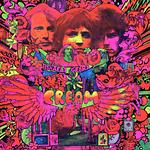
Disraeli Gears (1967) by Cream mixes blues rock and early hard rock with psychedelic touches, bringing more studio color and compact songcraft to the trio format. Eric Clapton's guitar tones and riff-driven playing sit alongside Jack Bruce's melodic bass and vocals and Ginger Baker's dynamic drumming, combining blues roots with psychedelic textures and tighter, radio-friendly arrangements that contrast with the band's longer live jams.
#31 — Exodus by Bob Marley & The Wailers
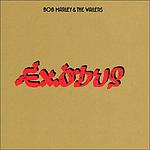
Exodus (1977) by Bob Marley & The Wailers is a landmark roots reggae album that pairs bass-driven, skanking rhythms with warm lead vocals and close backing harmonies. Its songs range from spiritual and politically charged lyrics to intimate love songs, carried by spare, dub-influenced arrangements, organ fills, and steady, groove-oriented production. Recorded while Marley was based in London, the record is often cited for combining militant themes and uplifting melodies into a concise, cohesive set of tracks.
#32 — My Aim Is True by Elvis Costello
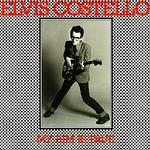
My Aim Is True is Elvis Costello's 1977 debut studio album that blends rock, new wave, pub rock, pop rock and country influences. The record pairs lean, guitar-driven arrangements with concise, literate songwriting, juxtaposing caustic wit and melodic hooks across raucous rockers and more reflective, country-tinged numbers. Recorded with a loose, energetic band feel, the album introduced Costello's distinctive vocal delivery and sharp lyrical voice, marking his emergence as a notable and eclectic songwriter in the late 1970s.
#33 — Beggars Banquet by The Rolling Stones
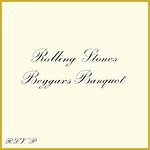
Beggars Banquet (1968) by The Rolling Stones is a roots-oriented rock album that moves away from late 1960s psychedelia toward a rawer blend of blues rock, hard-driving electric rock, and country-tinged acoustic numbers, featuring spare production, prominent guitar and slide work, and lyrical material rooted in everyday and street-level themes, marking a consolidation of the band’s classic rock identity.
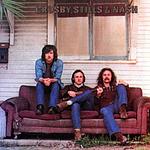
Crosby, Stills & Nash (1969) is the debut album by the trio, characterized by close three-part vocal harmonies, intertwining acoustic and electric guitars, and a blend of folk, rock and pop sensibilities. The record mixes tightly arranged harmony songs and more expansive, improvisatory moments, with tracks like "Suite: Judy Blue Eyes" and "Marrakesh Express" highlighting intricate vocal arrangements and guitar interplay. Lyrics move between personal reflection and broader late 1960s cultural references, and the album is often cited for helping to define the singer-songwriter and folk rock sound that followed.
#35 — So by Peter Gabriel
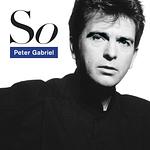
Peter Gabriel's 1986 album So blends art rock and pop rock with electronic and world music influences, combining concise, radio-friendly songcraft with layered, atmospheric production. Notable tracks include the horn-driven, funk-tinged "Sledgehammer" and the duet "Don't Give Up" with Kate Bush; the album emphasizes rhythmic textures, synthesizer atmospheres, and studio polish while retaining Gabriel's experimental sensibility.
#36 — Remain in Light by Talking Heads
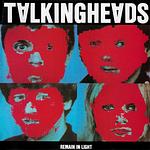
Remain in Light (1980) finds Talking Heads blending New Wave, post-punk, funk, and electronic textures through an experimental production approach with Brian Eno. The album foregrounds layered, polyrhythmic grooves influenced by West African rhythms, interlocking guitar and synth patterns, and funk-tinged bass to create dense, propulsive arrangements. David Byrne's vocal delivery moves between urgent and detached across fragmented, mantra-like lyrics, while studio techniques favor repetition, loops, and ambient sonics. The record is often noted for shifting the band's sound toward a more rhythmic, textural, and collaborative form of art rock.
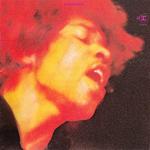
Electric Ladyland, the third studio album by The Jimi Hendrix Experience from 1968, expands Hendrix's palette into dense, studio-driven arrangements that blend blues rock, psychedelic textures, acid rock and hard rock. The record juxtaposes extended, improvisatory jams with concise blues and rock performances, using layered guitar overdubs, stereo effects and studio experimentation, and includes guest contributions that enrich the sound. Highlights include Hendrix's interpretations of "All Along the Watchtower" and the electrifying "Voodoo Child (Slight Return)", which showcase the album's mix of raw performance and studio craft.
#38 — Graceland by Paul Simon
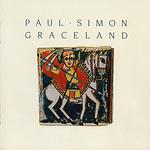
Graceland (1986) is a Paul Simon album that combines his singer-songwriter pop and folk sensibilities with South African musical styles, producing a worldbeat-influenced pop rock sound. Recorded with South African musicians and featuring vocal contributions from Ladysmith Black Mambazo, the record is marked by syncopated mbaqanga guitar lines, rich vocal harmonies, and a mix of acoustic songwriting and studio textures. Lyrically it blends personal storytelling with themes of travel, exile, and everyday observation, and its cross-cultural production is a notable example of Western popular music engaging directly with African musical traditions.
#39 — For Your Pleasure by Roxy Music
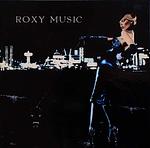
For Your Pleasure, Roxy Music's second studio album released in 1973, refines the band's art rock and glam approach with theatrical arrangements, sleek pop songwriting and abrasive experimental textures. Bryan Ferry's elegant, ironic vocals ride over Andy Mackay's saxophone, Phil Manzanera's guitar work and Brian Eno's synthesizer treatments, producing songs that range from seductive to unsettling, notably "Do the Strand" and "In Every Dream Home a Heartache". The album is the last to feature Eno and is often cited for combining glamour and avant garde production with a raw edge that points toward proto-punk and post-punk sounds.
#40 — Music From Big Pink by The Band
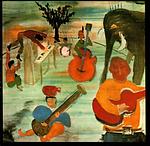
Music From Big Pink, released in 1968 by The Band, presents a warm, roots-based blend of rock, folk, country and Americana. The record emphasizes close ensemble vocals, piano and organ textures, and understated acoustic and electric guitar work, with narrative songwriting and roomy, organic arrangements. Emerging from the group’s work backing Bob Dylan, the album helped crystallize a roots rock approach and features songs such as "The Weight" and "Tears of Rage".
#41 — Led Zeppelin by Led Zeppelin
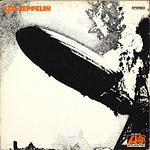
Led Zeppelin's 1969 debut is a raw, blues-rooted hard rock album that introduced the band's heavy, riff-driven sound. It combines electrified blues interpretations and original compositions with acoustic interludes, showcasing Jimmy Page's layered guitar production, Robert Plant's expressive vocals, John Paul Jones's versatile arrangements, and John Bonham's powerful drumming. The record's emphasis on distorted guitar tones, dynamic shifts and extended arrangements helped establish a blueprint for much of late 1960s and 1970s hard rock and early heavy metal.
#42 — Tapestry by Carole King
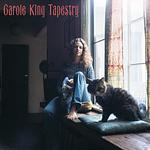
Tapestry is Carole King’s 1971 album characterized by an intimate, piano-centered singer-songwriter sound that blends folk rock, soft rock, and pop. The record features warm, conversational vocals and direct, personal songwriting supported by spare arrangements built around piano, acoustic guitar, and a restrained rhythm section. Its accessible melodies and confessional tone helped define the early 1970s singer-songwriter style and made several songs closely associated with King. Production is uncluttered, keeping the focus on her piano, voice, and songcraft.
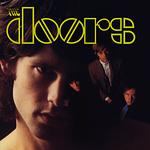
The Doors is the band's 1967 debut album that introduced their distinctive mix of psychedelic rock, blues rock, and acid-tinged atmospherics. Ray Manzarek's prominent electric organ and Jim Morrison's deep, poetic vocals shape a moody, nocturnal sound, while Robby Krieger's guitar and the rhythm section move between driving grooves and sparse blues. The record balances concise rock singles such as 'Break On Through' and 'Light My Fire' with extended, cinematic pieces like 'The End', blending improvisation, literary lyrics, and a darker, theater-influenced sensibility that helped define the band's early identity.
#44 — Wheels of Fire by Cream
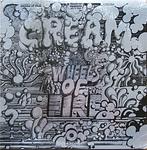
Wheels of Fire is a 1968 double album by Cream that pairs a studio disc with a live disc, showcasing the group's blend of blues rock, psychedelic rock, and hard rock. The studio side includes tightly arranged, studio-crafted songs such as "White Room" alongside more melodic and experimental pieces, while the live side highlights extended improvisation and the virtuosic interplay between Eric Clapton's guitar, Jack Bruce's bass and vocals, and Ginger Baker's drums, underlining the band's blues roots and psychedelic exploration.
#45 — London Calling by The Clash
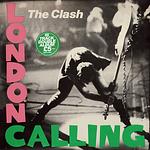
London Calling (1979) by The Clash is a double album that builds on the band’s punk roots while incorporating rockabilly, reggae, ska, new wave and straight rock. The record pairs punk’s urgency and raw guitar with melodic hooks, varied arrangements and occasional piano and horn touches, and features Joe Strummer’s often politically minded and observational lyrics. Its wide stylistic range and confrontational yet tuneful approach helped broaden the musical possibilities available to punk bands at the time.
#46 — Live at the Apollo, 1962 by James Brown
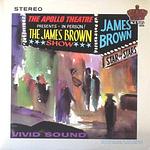
Live at the Apollo, 1962 captures James Brown's raw stage energy and tight band interplay, blending soul, deep soul, R&B and early funk elements. The recording emphasizes call-and-response vocals, punchy horn arrangements, driving rhythms and extended live passages that showcase Brown's showmanship and the band's rhythmic precision. The sound favors immediacy and dynamic range over studio polish, presenting immersive, intense performances typical of his concerts at the time.
#47 — Steve McQueen by Prefab Sprout
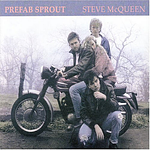
Steve McQueen is Prefab Sprout's 1985 album, produced by Thomas Dolby, that refines the band's blend of synth-pop, pop rock and sophisti-pop into a polished, literate form of chamber pop. Paddy McAloon's songwriting pairs wry, introspective lyrics with sophisticated chordal movement, warm melodies and smooth synth textures, while the production favors crisp, economical arrangements. The album is a clear example of mid 1980s sophisti-pop, notable for combining accessible hooks with musically intricate structures.
#48 — Raw Power by Iggy and The Stooges
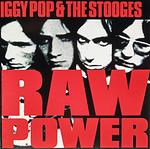
Raw Power, the Stooges' third studio album, delivers a louder, more aggressive take on garage rock with jagged, riff-driven guitar and Iggy Pop's snarling, confrontational vocals. Tracks like "Search and Destroy", "Gimme Danger" and the title song pair muscular arrangements with blunt, urban-tinted lyrics, creating a stripped-down, urgent sound that became a touchstone for later punk and garage rock acts.
#49 — What's Going On by Marvin Gaye
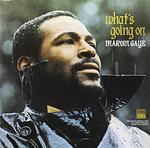
"What’s Going On" (1971) by Marvin Gaye is a cohesive, socially conscious soul album that blends Motown rhythm and smooth soul vocals with lush orchestral arrangements and jazz-influenced horns and strings. Gaye's intimate lead singing, layered background vocals, and subtle studio production create a reflective, spiritual atmosphere as the songs address themes such as war, urban poverty, policing, and environmental concerns. The result is a quieter, more contemplative direction for Motown sounds that broadened the expressive range of R&B.
#50 — The Queen Is Dead by The Smiths
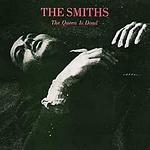
The Queen Is Dead (1986) by The Smiths pairs Johnny Marr's chiming, layered guitars and inventive arrangements with Morrissey's literate, sardonic vocals and lyrics, folding jangle pop and neo-acoustic textures into more muscular indie rock moments. The songs move between upbeat, melodic tracks and quieter, introspective pieces, highlighting tight songcraft, melodic basslines, and occasional fuller production that broadens the band's earlier, sparer sound. The album is frequently cited as a defining statement of the band's style and an important record in 1980s British indie music.
#51 — Ogdens' Nut Gone Flake by Small Faces
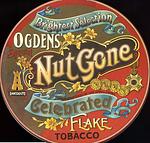
Ogdens' Nut Gone Flake is a 1968 Small Faces album that mixes psychedelic rock and pop with the group's mod R and B roots, combining tight vocal harmonies, piano and organ textures, acoustic guitars and playful studio effects. The record is notable for its whimsical, British music hall and vaudeville touches and for a side-long story sequence commonly called Happiness Stan, featuring spoken contributions from comedian Stanley Unwin. Its distinctive circular packaging echoed a tobacco tin and the album showcases the band experimenting with concise pop songs alongside more adventurous, cinematic arrangements.
#52 — Out of Time by R.E.M.
Out of Time (1991) finds R.E.M. moving toward a more acoustic and orchestrated sound, blending jangly guitars and pop melodies with folk and ambient textures. The album features prominent mandolin and string arrangements alongside layered vocals and clean, song-focused production, showing the band expanding their instrumentation and pop sensibility. It is a pivotal record in their catalog for its accessible arrangements and stylistic range.
#53 — Countdown to Ecstasy by Steely Dan
Countdown to Ecstasy, Steely Dan's 1973 album, furthers the band's blend of pop rock and jazz-influenced songwriting with tight arrangements, sophisticated chord changes, and literate, ironic lyrics. The sound pairs rock rhythms and guitar with jazz-pop and jazz-rock touches such as horn accents, piano work, and unexpected harmonic turns, and performances retain a more band-oriented energy than the later, more studio-controlled records. Songs like "Bodhisattva" and "My Old School" showcase the album's funky grooves and melodic complexity, making it an early example of Steely Dan's jazz-inflected pop sensibility.
#54 — Stop Making Sense by Talking Heads
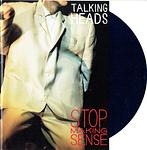
Stop Making Sense is a 1984 live album and concert film soundtrack by Talking Heads that captures the band’s kinetic stage performance and reworked arrangements of their material. Musically it foregrounds tight, interlocking rhythms, layered percussion and synth textures that blend new wave, rock, funk and electronic pop, while David Byrne’s distinctive vocals and theatrical delivery drive the dynamic, dance-oriented interpretations of familiar songs. The recording is noted for its clear live arrangements and energetic momentum that highlight the band’s rhythmic and textural strengths.
#55 — Every Picture Tells a Story by Rod Stewart
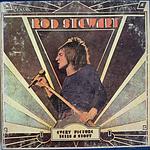
Every Picture Tells a Story, released in 1971, is Rod Stewart's third solo album. It blends rock, blues rock, folk rock and pop into a rootsy, acoustic-tinged sound anchored by Stewart's gritty, conversational vocals, loose band arrangements, and a mix of upbeat rockers and reflective ballads. The record features the well-known tracks "Maggie May" and "Mandolin Wind" and is often noted for capturing Stewart's move from folk-influenced singer-songwriter material toward a more rock-oriented solo identity.
#56 — Pearl by Janis Joplin
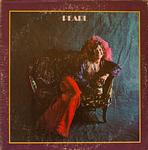
Pearl, released after Janis Joplin's death in 1971, is her final studio album and blends blues rock, soul, country-tinged rock and acoustic blues elements. Backed by the Full Tilt Boogie Band and produced by Paul Rothchild, the record pairs raw, emotive vocals with fuller, more polished production than her earlier work. Songs such as "Me and Bobby McGee" and "Mercedes Benz" showcase her storytelling and improvisational intensity, while rockers like "Move Over" and slower blues numbers underline a mix of power and vulnerability. The album serves as a document of Joplin's late-career sound.
#57 — New Gold Dream (81‐82‐83‐84) by Simple Minds
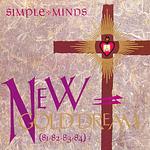
New Gold Dream (81-82-83-84) is Simple Minds' 1982 album that crystallizes their move toward a more polished, synth-driven sound rooted in New Wave and New Romantic styles. The record features shimmering synthesizer textures, clean guitar lines, taut bass and drum patterns, and Jim Kerr's emotive vocals, creating an atmospheric pop sound that balances mood and melody. Production emphasizes clarity and layered arrangements, with songs built from repeating motifs and gradual builds that showcase the band shifting from post-punk rawness to a more ornate synth-pop approach.
#58 — Let's Get It On by Marvin Gaye
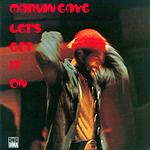
Let’s Get It On, released in 1973, is Marvin Gaye’s soulful, sensual album that emphasizes romantic and erotic themes through warm, intimate vocals and rich arrangements. Gaye produced and co-wrote much of the material, using layered harmonies, a breathy falsetto, and a blend of funk, pop soul, blues and gospel-inflected phrasing to create a smooth, seductive atmosphere. The album represents a shift toward more personal, adult subject matter within the Motown framework and helped shape the sound of later R&B and soul recordings.
#59 — There Goes Rhymin' Simon by Paul Simon
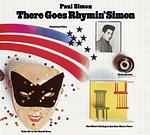
There Goes Rhymin' Simon, Paul Simon's 1973 solo album, blends his folk-rooted songwriting with pop rock production and touches of gospel and R&B. The record moves between upbeat, radio-friendly tracks such as "Kodachrome" and "Loves Me Like a Rock" and more reflective pieces like "American Tune", using layered instrumentation, horn and string arrangements, and notable backing vocals to expand Simon's acoustic base. The album is notable for its varied sonic textures and concise, lyrically focused songcraft.
#60 — Five Leaves Left by Nick Drake
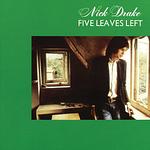
Five Leaves Left, Nick Drake's 1969 debut, pairs his intricate acoustic fingerpicking and hushed, melancholic vocals with restrained string and brass arrangements by Robert Kirby. The album blends English folk and chamber folk sensibilities with intimate singer-songwriter songwriting, emphasizing pastoral imagery, introspective lyrics, and subtle harmonic nuance. Its quiet, atmospheric production and focus on mood and texture helped establish it as an influential touchstone for later contemporary folk and British folk rock artists.
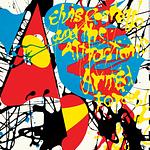
Armed Forces channels new wave energy into concise, hook-driven pop rock, pairing upbeat melodies with sharp, literate lyrics. The Attractions provide tight, punchy arrangements and prominent keyboards that give the songs a bright but restless sound, while Costello's songwriting balances personal and political themes with wry, pointed observations. The production is relatively polished and layered compared with his earliest work, producing songs that are immediate yet musically detailed.
#62 — Outlandos d'Amour by The Police
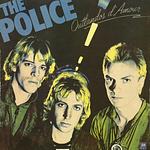
Outlandos d'Amour, the Police's 1978 debut, mixes rock and new wave with strong reggae and pop rock influences, pairing Sting's melodic, sometimes reggae-inflected vocals with Andy Summers' chiming, effects-tinged guitar and Stewart Copeland's energetic, syncopated drumming. The album includes early singles such as "Roxanne", "Can't Stand Losing You", and "So Lonely", and helped establish the band's lean, rhythmic sound that blended punk-era energy with pop songwriting.
#63 — Avalon Sunset by Van Morrison
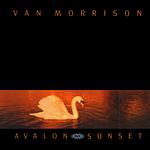
Avalon Sunset (1989) finds Van Morrison in a mellow, reflective mode that blends blue-eyed soul, folk rock, pop balladry, and light jazz touches. The album emphasizes pastoral and spiritual themes delivered through warm, intimate vocals and lush, restrained arrangements that foreground acoustic elements and gentle orchestration. Its quiet, contemplative sound and focus on love and faith mark it as a late-1980s record that favors subtlety and mood over rock energy.
#64 — Parallel Lines by Blondie
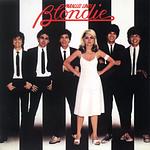
Parallel Lines, released in 1978 by Blondie, blends new wave, pop rock, and pop with polished production by Mike Chapman. The album mixes punk-derived energy with pop hooks and danceable rhythms, pairing crisp guitar lines and rhythmic bass with Deborah Harry's cool, charismatic vocal delivery. Standout tracks such as "Heart of Glass", "One Way or Another", and "Hanging on the Telephone" illustrate the band's crossover of rock and dance influences and their role in bringing new wave sounds into a mainstream pop context.
#65 — Sound Affects by The Jam
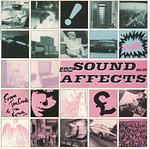
Sound Affects, released in 1980 by The Jam, blends the band's mod revival roots with new wave immediacy, post-punk angularity, rock drive, and power pop melody. Paul Weller's concise, observant songwriting pairs social and personal lyrics with strong melodic hooks, while the trio of Weller, Bruce Foxton, and Rick Buckler delivers tight, rhythm-forward arrangements that move from spare acoustic moments to punchy, guitar-led tracks. Notable for its clear production and Beatles-influenced touches, the album shows the band expanding their sound beyond punk urgency into more varied and melodic songcraft.
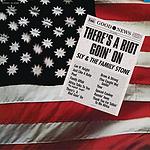
There’s a Riot Goin’ On, released in 1971 by Sly & the Family Stone, marks a turn from the band’s earlier upbeat crossover soul toward a darker, more inward form of funk and psychedelic soul. The record emphasizes slow, groove-centered rhythms, prominent bass, muted horns and layered, often murky production that creates an intimate, raw atmosphere. Its lyrics and tone convey disillusionment and reflection rather than the communal optimism of the 1960s, and the album’s emphasis on texture and mood helped shape later directions in deep funk and progressive soul.
#67 — L.A. Woman by The Doors
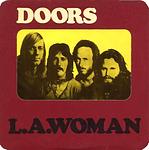
Released in 1971, L.A. Woman is the Doors' final studio album to feature Jim Morrison. The record moves toward a rawer, blues-based sound that blends blues rock and psychedelic textures, driven by Robby Krieger's guitars and Ray Manzarek's organ beneath Morrison's gritty vocal delivery. Recorded with engineer Bruce Botnick after producer Paul A. Rothchild left the sessions, the performances have a live-in-studio immediacy and include songs such as "L.A. Woman" and "Riders on the Storm." The album is notable for its loose grooves, urban lyrical themes, and a marked return to roots-oriented songwriting.
#68 — Songs of Leonard Cohen by Leonard Cohen
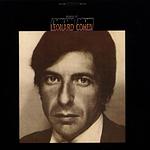
Songs of Leonard Cohen, released in 1967 as Cohen's debut album, introduces his deep, husky voice and literate songwriting within a folk-rooted framework. The record pairs spare acoustic arrangements with occasional chamber folk touches such as strings and restrained orchestration, supporting songs like "Suzanne", "So Long, Marianne", and "Sisters of Mercy". Its focus on poetic lyrics and themes of love, faith, and solitude, delivered in an intimate, understated sonic palette, established Cohen as a distinctive contemporary folk songwriter.
#69 — Pretenders by Pretenders
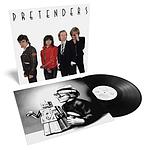
Pretenders is the 1979 debut album by Pretenders that blends new wave urgency with rock and pop sensibilities, pairing chiming, economical guitar work and a propulsive rhythm section with Chrissie Hynde's cool, emotionally direct vocals. The songs range from concise, hook-driven pop to taut post-punk rock, and the production keeps the band sound immediate and uncluttered. The record established the group's distinctive mix of melody and attitude and helped define a transitional sound between punk, post-punk, and mainstream rock.
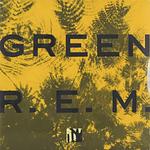
Green, released in 1988, is R.E.M.'s sixth studio album and their first on a major label. It blends the band's jangly alternative rock roots with brighter pop hooks and occasional harder-edged guitar sounds, while experimenting with varied textures and arrangements. The lyrics take on more overt political and topical themes alongside lighter singalong moments, yielding a diverse record that includes songs such as "Orange Crush" and "Stand".
#71 — Talking Book by Stevie Wonder
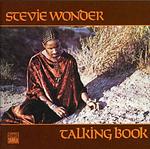
Talking Book, released in 1972, is a key album by Stevie Wonder that blends soul, funk, R&B and pop with a warm, studio-crafted sound. The record features prominent use of keyboards and synthesizers, including clavinet and Moog textures, and showcases Wonder's multi-instrumental performance and self-production. It balances intimate ballads and tight, groove-driven tracks, including well-known songs such as "Superstition" and "You Are the Sunshine of My Life", and represents a shift toward more personal, innovative arrangements in his early 1970s work.
#72 — The Stone Roses by The Stone Roses
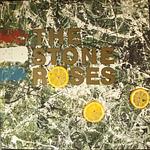
The Stone Roses' 1989 self-titled debut blends jangly, chiming guitar work with propulsive, danceable rhythms and a touch of psychedelia, pairing John Squire's melodic guitar lines with Ian Brown's laconic vocal delivery. Tracks shift between concise pop hooks and sprawling, groove-driven pieces, with production that emphasizes shimmering guitars and elastic bass. The album is closely associated with the Madchester scene and is often cited as an influential touchstone for later Britpop and indie bands.
#73 — Songs in the Key of Life by Stevie Wonder
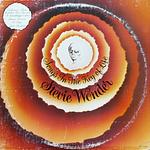
Songs in the Key of Life is a sprawling 1976 double album by Stevie Wonder that blends soul, contemporary R&B, pop soul, funk and pop with elements of jazz, gospel and reggae. The record pairs intimate ballads and social and spiritual meditations with uptempo funk grooves and instrumental interludes, featuring layered arrangements, prominent synthesizer and harmonica work, and varied musical textures. Its breadth and ambition are widely regarded as a high point in Wonder's creative output and a lasting influence on later R&B and pop artists.
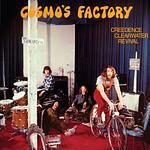
Cosmo's Factory is a 1970 album by Creedence Clearwater Revival that showcases the band's concise, roots-based rock, blending blues, country, rockabilly and Southern-influenced grooves. Centered on John Fogerty's gritty vocals and tight, riff-driven arrangements, the record pairs punchy originals with a notable extended cover, delivering a raw, direct sound and an accessible take on Americana and classic rock styles.
#75 — Band on the Run by Wings
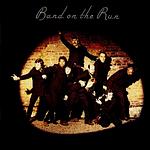
Band on the Run is a 1973 album by Wings, led by Paul McCartney, that blends rock, pop rock and soft rock with accessible pop songwriting. It moves between driving rockers such as "Jet" and the multi-part title suite, and quieter melodic ballads, featuring layered harmonies, concise hooks and varied arrangements that include acoustic textures and orchestral touches. The record is often cited as a defining statement of McCartney's post-Beatles work, showcasing his gift for melody and compact, studio-focused production.
#76 — All Mod Cons by The Jam
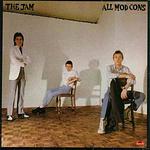
All Mod Cons is The Jam's 1978 album that crystallizes their blend of punchy rock, mod revival aesthetics, and melodic power pop. The record pairs Paul Weller's concise, socially aware songwriting with a tight three piece sound that balances punk-era urgency and 1960s mod influence, moving the band toward more developed melodies and arrangements. Notable for its economical production and tracks like "Down in the Tube Station at Midnight" and the wistful acoustic "English Rose", the album is often cited as a key moment in the Jam's transition from raw youth band to sharper, more focused songwriting voice.
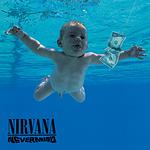
Nevermind, released in 1991 by Nirvana, is a grunge and alternative rock album that blends punk rawness with pop-minded songwriting, characterized by loud-quiet-loud dynamics, distorted guitars, and Kurt Cobain's raw, melodic vocal delivery and introspective lyrics about alienation and personal struggle. Produced by Butch Vig, the record pairs cleaner studio production with a sense of urgency and abrasive textures, and its accessible hooks alongside heavy instrumentation helped bring alternative rock aesthetics to a much wider audience.
#78 — Déjà vu by Crosby, Stills, Nash & Young
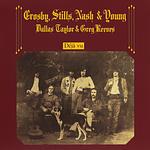
Déjà Vu is Crosby, Stills, Nash & Young's 1970 album that broadened the trio's harmony-driven folk rock by adding Neil Young's rawer voice and guitar work. It mixes acoustic and electric textures across folk, country rock, and rock, with close vocal harmonies, layered guitar interplay, and a balance of intimate singer-songwriter pieces and more forceful electric moments. Songwriting contributions from all four members give the record a varied yet cohesive sound that helped define a strand of early 1970s American rock.
#79 — All Things Must Pass by George Harrison
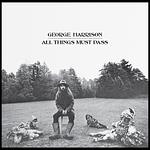
All Things Must Pass is George Harrison's 1970 solo triple album that presents a mix of folk rock, pop rock and gospel-tinged pop with a rock foundation. Recorded with producer Phil Spector's dense, layered production, it features expansive arrangements built from acoustic and electric guitars, prominent slide guitar, keyboards and vocal harmonies. The material ranges from personal, spiritual meditations to more upbeat pop-rock songs, and the record is notable for showcasing Harrison asserting a distinct songwriting voice and a more expansive sonic palette than his earlier work.
#80 — Forever Changes by Love
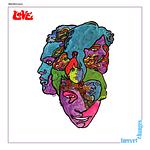
Forever Changes (1967) by Love blends folk rock, baroque pop, and subtle psychedelia into concise, orchestral-tinged songs. Arthur Lee's introspective and often unsettling lyrics sit against intricate acoustic guitar work and horn and string arrangements, creating a warm but melancholic chamber-pop sound that stands out in late 1960s American rock.
#81 — Hotel California by Eagles
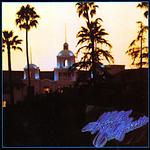
Hotel California is the Eagles album that blends their country rock roots with a more polished rock sound, featuring layered vocal harmonies, polished production, and prominent electric guitar interplay. The record is anchored by the atmospheric title track with its extended guitar coda and cinematic, evocative lyrics, alongside other tracks that mix soft rock and pop rock sensibilities with darker lyrical themes about excess and disillusionment. The overall sound marks a shift toward a richer, more rock-oriented palette while retaining melodic songwriting and close harmonies.
#82 — Liege & Lief by Fairport Convention
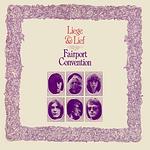
Liege & Lief (1969) by Fairport Convention is a landmark British folk rock album that blends traditional English folk songs with electric rock instrumentation, anchored by Sandy Denny's vocals and Richard Thompson's distinctive guitar work. The arrangements mix acoustic textures, fiddle-led melodies, and driving electric rhythms to create a muscular yet rooted sound that helped define the electric folk movement and steer British folk toward fuller band-oriented interpretations with country and rock influences.
#83 — Sweetheart of the Rodeo by The Byrds
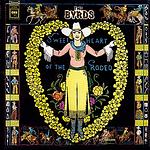
Sweetheart of the Rodeo is The Byrds' 1968 album that shifts the group's sound toward country rock, blending folk rock songwriting and rock rhythms with country instrumentation such as pedal steel and acoustic arrangements. Gram Parsons' involvement steered the record toward traditional country material and roots-flavored originals, delivered with close harmonies and a simpler, more direct production than the band's earlier psychedelic work, with songs like "Hickory Wind" exemplifying the album's tone. The record is widely regarded as an early and influential example of the country rock and Americana crossover.
#84 — Synchronicity by The Police
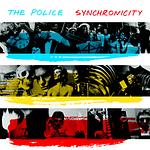
Synchronicity, released in 1983, is the Police's fifth studio album and represents a culmination of their move from lean new wave and reggae-inflected rock toward a more polished pop rock sound with layered production and increased use of synthesizers. Sting's songwriting on the record leans toward introspective and sometimes dark themes, and the band balances spare rhythmic foundations with richer melodic and textural elements. The album includes prominent tracks such as "Every Breath You Take", "King of Pain", "Wrapped Around Your Finger", and "Synchronicity II", and is frequently viewed as the high point of the group's studio work.
#85 — American Stars 'n Bars by Neil Young
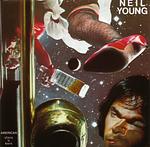
American Stars 'n Bars (1977) gathers material from several mid 1970s sessions and showcases Neil Young moving between electric rock, country rock, and folk rock. The album juxtaposes expansive, guitar-driven numbers with quieter country and acoustic pieces, and its patchwork sequencing highlights Young's range and his preference for loose, spontaneous-sounding performances.
#86 — A Night at the Opera by Queen
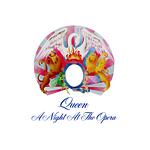
A Night at the Opera (1975) showcases Queen's theatrical, genre-blending approach, combining hard rock energy, glam flamboyance, art rock ambition, and baroque pop ornamentation. The record features dense multi-tracked vocal harmonies and layered studio production, with arrangements ranging from piano-led balladry to the operatic suite of Bohemian Rhapsody and the expansive The Prophet's Song, illustrating the band's appetite for dramatic shifts in form and texture. Brian May's distinctive guitar tone, Freddie Mercury's wide-ranging vocals, and John Deacon's melodic bass work underpin an album notable for its eclectic sequencing and studio craftsmanship, and it marked a creative high point in the band's early period.
#87 — Paradise and Lunch by Ry Cooder
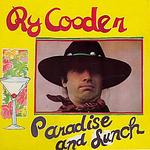
Paradise and Lunch (1974) finds Ry Cooder working in a spare, roots-oriented mode that blends blues, folk, and vernacular American styles with occasional reggae-tinged rhythms. The album foregrounds Cooder’s slide and bottleneck guitar work and favors understated, acoustic-centered arrangements that revive and reinterpret traditional and obscure songs. Its warm, lived-in sound emphasizes Cooder’s role as an interpreter and arranger of American roots music rather than as a commercial pop effort.
#88 — One Step Beyond… by Madness
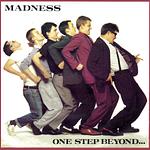
One Step Beyond… is the 1979 debut album by Madness that blends upbeat ska rhythms with British pop and a theatrical sensibility. The record features choppy upstroke guitar, punchy horn arrangements, and the distinctive vocal delivery of Suggs, pairing exuberant, danceable tracks with wry, observational lyrics about everyday life. Opening with a cover of Prince Buster's instrumental title track, the album helped define the ska-pop sound associated with the late 1970s 2 Tone scene and established Madness's mix of humor and melancholy.
#89 — Goodbye Yellow Brick Road by Elton John
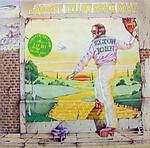
Goodbye Yellow Brick Road is Elton John’s 1973 double album that crystallizes his piano-led blend of pop rock, glam and soft rock into a varied, ambitious set. It moves between raucous rockers like "Saturday Night's Alright for Fighting" and intimate ballads such as "Candle in the Wind", featuring theatrical vocals, rich arrangements and melodic songwriting from his partnership with lyricist Bernie Taupin. The title track and "Bennie and the Jets" display studio experimentation alongside straightforward pop craft, making the record a defining release from his early 1970s period.
#90 — Fisherman's Blues by The Waterboys
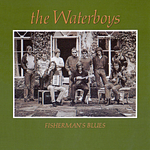
Fisherman's Blues, released in 1988 by The Waterboys, represents a deliberate shift from the band's earlier expansive rock toward a rootsy folk rock sound. Led by Mike Scott, the album foregrounds acoustic instrumentation and traditional influences, with fiddle and other folk textures interwoven with rock rhythms to produce a loose, earthy atmosphere. Its more collaborative, band-driven arrangements and embrace of Celtic and American folk elements helped redefine the group’s musical direction.
#91 — The Pretender by Jackson Browne
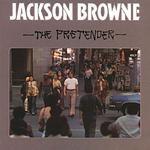
The Pretender is Jackson Browne's 1976 album that blends rock, pop rock, and folk rock with his signature singer-songwriter approach. Musically it pairs piano and acoustic guitar centered arrangements with fuller production and smooth harmonies, creating a polished soft rock sound that supports introspective, often melancholic lyrics about adulthood, compromise, and loss. The record represents a move toward more produced, radio-friendly arrangements while retaining Browne's focus on narrative, reflective songwriting.
#92 — Fire and Water by Free
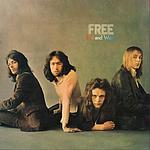
Fire and Water (1970) blends blues rock and hard rock with concise, soulful songwriting and a warm, live-feeling production. Paul Rodgers' gritty, expressive vocals sit atop Paul Kossoff's sustained, vibrato-rich lead guitar and Andy Fraser's melodic bass work, while the band moves between driving blues-based rockers and more relaxed, reflective tunes. The album includes the song "All Right Now", which became the band's signature track and helped define their early sound.
#93 — Rum Sodomy & the Lash by The Pogues
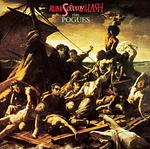
Rum Sodomy & the Lash is a 1985 album by The Pogues that fuses traditional Irish folk instrumentation with punk rock immediacy. The record pairs raw, idiosyncratic vocals and literate, often darkly humorous songwriting with arrangements built around fiddle, tin whistle, accordion and folk-derived rhythms, creating a loose, tavern-like atmosphere. Its blend of raucous energy and melancholy helped define the sound commonly called Celtic punk and influenced later folk punk and folk rock acts.
#94 — Feats Don't Fail Me Now by Little Feat
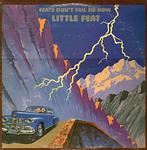
Feats Don't Fail Me Now (1974) is Little Feat's fourth studio album and continues the band's blend of blues-based rock and Southern roots with stronger funk and New Orleans R&B influences. The record emphasizes groove-oriented arrangements, prominent keyboards, and Lowell George's spare vocals and slide guitar, showcasing tight rhythm section interplay and a move toward looser, syncopated grooves that marked the band's mid 1970s sound.
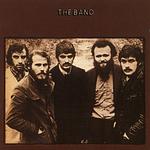
The Band (1969) is a roots-oriented album that blends rock, country, folk, and R&B into close ensemble performances and earthy, acoustic-leaning arrangements. Its character-driven storytelling, distinctive lead vocals from Levon Helm and Richard Manuel, concise songwriting from Robbie Robertson, and textured organ and sax work create a warm, timeless sound that helped shape roots rock and Americana.
#96 — The Nightfly by Donald Fagen
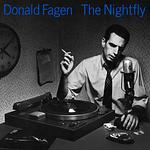
The Nightfly, Donald Fagen's 1982 solo debut, blends jazz-inflected pop, pop rock and soft rock with the polished, meticulous studio production associated with his work in Steely Dan. The album features tight horn and keyboard arrangements, sophisticated jazz chords and solos, and literate, nostalgic lyrics that evoke postwar late-night radio and small-town optimism. Produced by Gary Katz and built around a smooth, urbane sound, the record is often singled out for its attention to arrangement and sonic detail.
#97 — Thriller by Michael Jackson
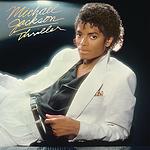
Thriller, released in 1982 and produced by Quincy Jones, is a pop and contemporary R&B album that blends dance-pop, disco, funk and rock elements. It is characterized by polished, cinematic production, tight rhythms, layered vocal harmonies and strong melodic hooks on tracks such as "Billie Jean", "Beat It" and "Thriller". Notable moments include Eddie Van Halen's guitar solo on "Beat It" and Vincent Price's spoken-word cameo on the title track. The record helped broaden Jackson's crossover appeal and played a significant role in shaping the era of high-concept music videos.
#98 — Actually by Pet Shop Boys
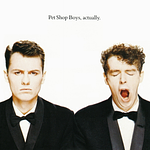
Actually, released in 1987 by Pet Shop Boys, is a polished synth-pop album that blends electronic dance-pop rhythms with literate, often wry songwriting. The production features bright synthesizer lines, programmed beats and occasional orchestral touches, creating a tension between upbeat arrangements and Neil Tennant's detached, melancholic vocal delivery; notable tracks include the dramatic "It's a Sin" and the duet with Dusty Springfield, "What Have I Done to Deserve This?", and the record highlights the duo's knack for marrying pop melodies with ironic, introspective themes.
#99 — The Wall by Pink Floyd
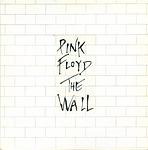
The Wall is a 1979 concept album and rock opera that follows the psychological collapse of a fictional character named Pink, exploring themes of isolation, alienation, and the impact of trauma. Musically it blends progressive rock and art rock structures with elements of classic and psychedelic rock, moving between intimate acoustic passages, dense studio production, orchestral interludes, and powerful, anthemic songs such as "Comfortably Numb" and "Another Brick in the Wall Part 2". The album is notable for its theatrical narrative approach, layered soundscapes, prominent guitar solos, and use of sound effects and spoken segments to advance the story.
#100 — The Unforgettable Fire by U2
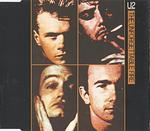
The Unforgettable Fire is U2's fourth studio album, released in 1984 and produced by Brian Eno and Daniel Lanois. The record moves the band away from straightforward post-punk toward more atmospheric, ambient-influenced soundscapes, with The Edge's textural guitar work, layered production, and Bono's impassioned vocals supporting songs that blend political themes and abstract lyrical imagery. The album expands the band's sonic palette and helped set the stage for their subsequent musical direction.