 The Greatest Music
1000 Albums to Hear Before you Die
Weight: 67%
How much this list influences our overall rankings. Higher weight means more reliable data.
Penalties Applied:
The Guardian – 1000 Albums to Hear Before You Die (2007) is a large, cross-genre listening guide compiled by the Guardian’s music writers. It’s not a ranked “best of all time” list: entries are presented alphabetically by artist and each album gets a short capsule explaining why it’s worth hearing. The team set a few rules—one album per main artist, often choosing a less-obvious pick over the canonical choice, and allowing Various Artists compilations to represent scenes built on singles. The project also invited readers to suggest omissions, later publishing a “we forgot…” follow-up selection.
#401 — Gold by Buddy Holly
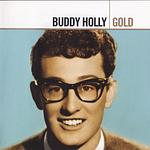
Gold is a 2005 compilation that gathers Buddy Holly's key recordings from the 1950s, highlighting his blend of rock and roll and rockabilly. The tracks emphasize concise, melody-driven songwriting, jangly guitar lines, rhythmic drive, and Holly's distinctive vocal phrasing, offering a clear sense of his role as an early rock pioneer whose simple, hook-focused arrangements influenced later pop and rock artists.
#402 — Let's Get Killed by David Holmes
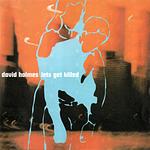
Let’s Get Killed is a 1997 album by Northern Irish DJ and producer David Holmes. It blends downtempo, breakbeat, trip hop and techno textures into sample-based grooves with sparse instrumentation and cinematic touches. Holmes used field recordings and street voices captured in New York to give the tracks a gritty, filmic atmosphere that balances club-ready rhythms with moody, soundtrack-like arrangements, and helped establish his reputation for cinematic electronic production.
#403 — 1000 Volts of Holt by John Holt
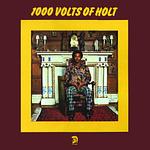
1000 Volts of Holt is a 1973 album that presents John Holt's smooth, expressive vocal style applied to pop-leaning reggae arrangements. The record emphasizes mellow rhythms, melodic phrasing, and polished production that leans toward a crossover reggae-pop sound of the early 1970s, highlighting Holt's talent for interpreting songs with a relaxed, soulful delivery.
#404 — Hooker by John Lee Hooker

#405 — The House of Love by The House of Love
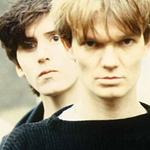
The House of Love is the band's 1988 debut album, built around Guy Chadwick's melodic songwriting and chiming, reverb-heavy guitars that mix indie pop hooks with the textural atmospheres of dream pop and early alternative rock. Arrangements move between bright, jangly passages and denser, feedback-soaked layers, producing concise songs that emphasize melody within a hazy, guitar-driven sonic setting. The record established the group's signature blend of pop craft and atmospheric guitar work that would define their early output.
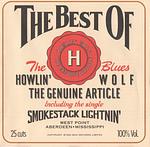
#406 — The Genuine Article by Howlin' Wolf
#407 — Pick a Dub by Keith Hudson

Pick a Dub (1974) is an early dub album by producer Keith Hudson that foregrounds bass, rhythm, and studio effects to create sparse, atmospheric reinterpretations of reggae material. Hudson's mixes emphasize echo, reverb, and space, producing a darker, more introspective mood than many contemporaneous records. The album is often cited as a landmark in dub for its minimalist approach and its influence on later producers working in reggae and experimental bass music.
#408 — Drum by Hugo Largo
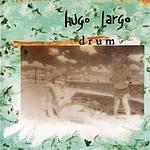
Drum (1988) by Hugo Largo is a spare, avant-garde rock album that blends minimalist composition with ambient textures. The arrangements put low-register stringed instruments and subtle percussion in the foreground while a high, ethereal vocal often functions as another instrument, creating a chamber like, hypnotic atmosphere that favors repetition, space, and mood over conventional rock dynamics.
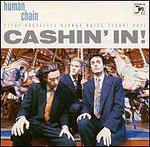
#409 — Cashin' In! by Human Chain
#410 — Dare by The Human League
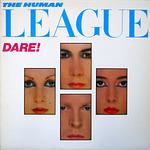
Released in 1981, Dare is The Human League's polished synthpop album that moved the band toward a more pop-oriented, vocal-led sound. Featuring crisp electronic percussion and layered synthesizers, it pairs Philip Oakey's baritone with the prominent female singers Susan Ann Sulley and Joanne Catherall to create hook-driven songs such as "Don't You Want Me". The record blends New Wave and New Romantic textures with dance-pop rhythms and straightforward pop songwriting, and is closely associated with the early 1980s mainstream synth-driven pop sound.
#411 — New Day Rising by Hüsker Dü
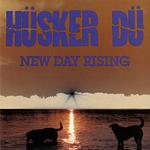
New Day Rising, released in 1985 by Hüsker Dü, sharpens the band’s fusion of hardcore punk energy and melody into concise, hook-driven songs that balance abrasive, feedback-laden guitars and driving drums with pop sensibilities. Bob Mould and Grant Hart share songwriting and vocal duties, creating a contrast between urgent aggression and tunefulness across short, immediate tracks. The record’s raw production and noisy textures point toward the alternative rock and indie directions the band helped shape in the mid 1980s.
#412 — Love Oh Love by Leroy Hutson
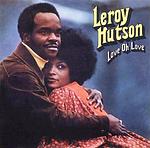
Love Oh Love (1973) by Leroy Hutson presents smooth, sophisticated soul rooted in early 1970s Chicago soul, highlighting Hutson's warm, expressive tenor against lush string and horn arrangements, mellow midtempo grooves and romantic balladry, with touches of funk and soul-jazz in the rhythms and production that emphasize refined songwriting and a mellow, polished sound.
#413 — Water From an Ancient Well by Abdullah Ibrahim
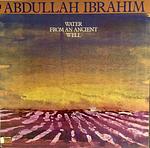
Water From an Ancient Well (1986) by Abdullah Ibrahim is a jazz album that reflects Ibrahim's fusion of South African musical roots with jazz improvisation, often presenting lyrical, hymn-like themes and a contemplative, spacious sense of melody and harmony. The music tends to emphasize pastoral and folk-inflected motifs, restrained rhythms, and gradual, narrative development, illustrating Ibrahim's approach of blending tradition, church and Cape Malay influences with modern jazz sensibilities.
#414 — AmeriKKKa's Most Wanted by Ice Cube
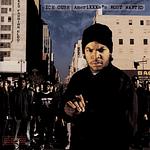
AmeriKKKa's Most Wanted is Ice Cube's 1990 solo debut that pairs aggressive, confrontational gangsta rap lyricism with dense, sample-heavy production drawing on East Coast bomb squad techniques and West Coast funk influences. The songs mix blunt street narratives and political commentary about race and policing with abrasive beats, layered horns, and spare funk grooves, creating a raw, uncompromising sound that became a touchstone for hardcore West Coast hip hop in the early 1990s.
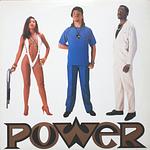
Power, Ice-T's 1988 album, is an early West Coast gangsta rap record that combines hard-edged, funk-influenced beats and drum machine patterns with Ice-T's low, conversational delivery. The songs present direct narratives about street life, crime, and social realities, delivered with a confrontational, no-frills vocal style. Musically it favors bass-heavy, sample-driven production and turntable work that foregrounds rhythm and atmosphere and helped articulate a grittier West Coast hip hop sound in the late 1980s.
#416 — Big Sixteen by The Impressions
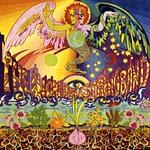
The 5000 Spirits or the Layers of the Onion (1967) by the Incredible String Band is a psychedelic folk record that blends British folk songwriting with eclectic, world‑influenced instrumentation and studio experimentation. Acoustic guitars and close vocal harmonies sit alongside unusual stringed instruments and modal textures, producing a pastoral, otherworldly sound marked by whimsical, mystical lyrics and inventive arrangements. The album is often cited as a key example of the group's idiosyncratic approach to merging traditional folk elements with psychedelic sensibilities.
#418 — Paradise by Inner City
Paradise is Inner City's 1989 debut album, produced by Kevin Saunderson and featuring Paris Grey on vocals. It blends Detroit techno production with house rhythms and pop-oriented vocal hooks, delivering synth-driven grooves, upbeat tempos, and soulful singing. The record includes club-oriented singles such as "Big Fun" and "Good Life" and is notable for applying a more song-focused, polished approach to techno and house while retaining dancefloor energy.
#419 — Cowboys to Girls by The Intruders
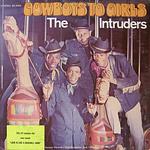
Cowboys to Girls (1968) is a Philadelphia soul album centered on the smooth, romantic title track that showcases The Intruders' warm lead vocals and close harmonies over a relaxed, groove-oriented backing. The record blends doo-wop influenced melodies with the emerging Philly soul sound of lush strings, restrained horns, and a steady rhythm section, reflecting the group's role in moving soul toward sleeker, more orchestrated arrangements. The album is notable for its vocal interplay and for exemplifying the stylistic shift in late 1960s soul toward more polished production and pop-friendly songwriting.
#420 — The Number of the Beast by Iron Maiden
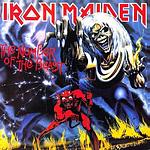
The Number of the Beast (1982) is Iron Maiden's third studio album and the first to feature vocalist Bruce Dickinson. Musically it blends the twin-guitar harmonies and riff-driven energy of the New Wave of British Heavy Metal with more expansive song structures, theatrical melodies, prominent galloping rhythms, and Dickinson's wide vocal range. The record includes well-known tracks such as "Run to the Hills" and "The Number of the Beast" and marked a move toward more epic, narrative songwriting that helped shape the band's sound within heavy metal.
#421 — Night Nurse by Gregory Isaacs
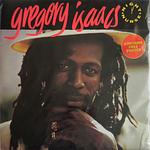
Night Nurse is a 1982 album that showcases Gregory Isaacs's signature lovers rock style, featuring his smooth, intimate vocal delivery over mellow reggae rhythms. The record mixes romantic themes with a roots-influenced undercurrent, using warm basslines, gentle guitar skank and understated keyboard and horn touches; the title track "Night Nurse" is a song closely associated with Isaacs. Overall the album highlights his relaxed phrasing and the soulful, seductive side of early 1980s reggae-pop.
#422 — 3+3 by The Isley Brothers
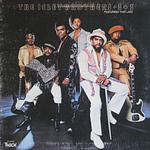
3+3, released in 1973, marks The Isley Brothers' expansion from a vocal trio into a six-member band with the addition of Ernie and Marvin Isley and keyboardist Chris Jasper. The album blends soul and early quiet storm balladry with funk grooves and rock-inflected guitar work, featuring Ernie Isley’s Hendrix-influenced solos and tighter band arrangements; it mixes original songs and reinterpretations to showcase a fuller, more instrumentally adventurous sound that helped define the group’s 1970s direction.

Donuts is a 2006 instrumental hip hop album by J Dilla that presents a mosaic of short, sample-based instrumentals. Tracks are concise and often flow into one another, combining soulful loops, unexpected rhythmic shifts, and dense collage techniques that highlight Dilla's inventive beatcraft. Released shortly before his death, the record is widely regarded as a landmark in instrumental hip hop and in contemporary beat-making.
#424 — Control by Janet Jackson
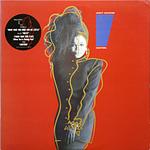
Control, Janet Jackson's 1986 album, marked a stylistic shift toward tight, synth-driven R&B and pop shaped by producers Jimmy Jam and Terry Lewis. The record blends danceable grooves, crisp drum-machine patterns, and layered synth textures with elements of hip hop and electronic production, and features direct, assertive lyrics about independence and relationships. Its polished, rhythm-focused sound helped define Janet Jackson's artistic identity in the mid 1980s.
#425 — Look Sharp! by Joe Jackson
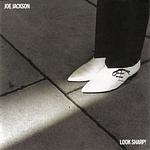
Look Sharp! is Joe Jackson's 1979 debut album, presenting concise, punchy songs that blend new wave and power pop with jazz-pop touches. The arrangements highlight piano alongside tight rhythm guitar and bass, with occasional saxophone flourishes, and pair catchy melodic hooks with wry, literate lyrics; the record includes the song 'Is She Really Going Out With Him?'. The album marked Jackson's emergence as a songwriter who mixed pop songcraft with jazz-informed musicianship.
#426 — Off the Wall by Michael Jackson
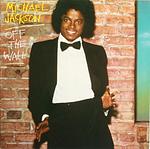
Off the Wall (1979) finds Michael Jackson moving from child star to mature solo artist with a polished blend of disco, pop, contemporary R&B and funk. Produced by Quincy Jones, the album pairs buoyant dance grooves and tight funk rhythms with smooth balladry, featuring slick horn and string arrangements, layered backing vocals and confident lead performances. Its emphasis on sophisticated production, dancefloor songs and crossover R&B sensibility helped redefine Jackson's sound and shaped his direction on later projects.
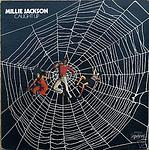
#427 — Caught Up by Millie Jackson
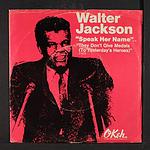
#428 — Speak Her Name by Walter Jackson
#429 — Rockin' With Wanda by Wanda Jackson
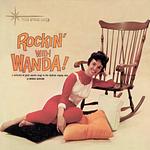
Rockin' With Wanda (1960) collects Wanda Jackson's bracing blend of country, rockabilly, and pop in a set of uptempo, guitar-forward songs that showcase her raw, expressive voice. The album emphasizes twangy instrumentation, punchy rhythms, and a feel that sits between honky tonk country and early rock and roll, and it is often cited as an early example of a woman bringing a rockabilly edge to country and pop styles.
#430 — Triumph by The Jacksons
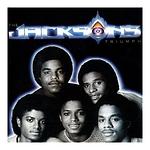
Triumph is a 1980 album by The Jacksons that blends disco, funk, soul and pop with early electronic production. The record emphasizes dance-oriented arrangements, prominent synthesizers and tight group harmonies, with Michael Jackson handling lead vocals on several tracks. It continues the group's post-Motown shift toward more self-contained songwriting and polished studio production, balancing upbeat grooves with smoother soul numbers.
#431 — Sound Affects by The Jam
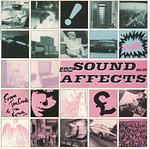
Sound Affects, released in 1980 by The Jam, blends the band's mod revival roots with new wave immediacy, post-punk angularity, rock drive, and power pop melody. Paul Weller's concise, observant songwriting pairs social and personal lyrics with strong melodic hooks, while the trio of Weller, Bruce Foxton, and Rick Buckler delivers tight, rhythm-forward arrangements that move from spare acoustic moments to punchy, guitar-led tracks. Notable for its clear production and Beatles-influenced touches, the album shows the band expanding their sound beyond punk urgency into more varied and melodic songcraft.
#433 — Nothing's Shocking by Jane's Addiction
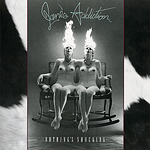
Nothing's Shocking (1988) captures Jane's Addiction's blend of alternative rock, hard rock, alternative metal and pop sensibilities, pairing heavy, riff-driven arrangements with melodic, often psychedelic songwriting. Perry Farrell's expressive, theatrical vocals sit atop Dave Navarro's layered, angular guitar work and a propulsive rhythm section from Eric Avery and Stephen Perkins, creating a dynamic contrast between abrasive, high-energy tracks and quieter, acoustic moments. The album is often cited as an influential touchstone in late 1980s alternative rock for its genre-crossing approach and uncompromising live-oriented sound.
#434 — Bert Jansch by Bert Jansch
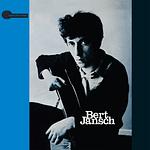
Bert Jansch's 1965 self-titled debut showcases his intimate acoustic guitar work and understated vocals rooted in British folk and blues traditions. The record emphasizes solo fingerstyle arrangements and a blend of traditional songs and Jansch originals, marked by intricate picking, modal inflections, and a spare, melancholic sound. Its minimal production and distinctive guitar technique helped establish Jansch as a central figure in the 1960s British folk revival and a lasting influence on folk guitarists.
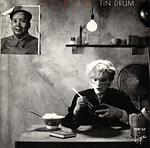
Tin Drum, released in 1981 by Japan, is a New Wave and art pop record built around spare electronic arrangements, stylized percussion, and East Asian musical references. David Sylvian's cool, restrained vocals sit against layered synths, metallic percussion patterns, and minimalist bass, with tracks such as "Ghosts" and "Visions of China" highlighting the album's focus on mood, texture, and non-Western influences. The record marked the band's shift toward a more experimental, atmospheric sound within electronic and art pop contexts.
#436 — Manifiesto (Chile September 1973) by Víctor Jara
#437 — The Köln Concert by Keith Jarrett
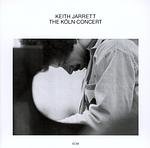
The Köln Concert is a 1975 live solo piano recording by Keith Jarrett consisting of extended, spontaneously improvised performances presented in multi-part sequences. The music blends lyrical melody, repeated rhythmic motifs and open harmonies drawn from jazz, blues and gospel idioms while remaining firmly within free improvisation and contemporary jazz contexts. Jarrett’s expressive touch, on-the-spot development of themes and responsiveness to the instrument and room create a meditative yet propulsive sound; the concert is widely regarded as a key document of solo piano improvisation in modern jazz.
#438 — The Black Album by JAY‐Z
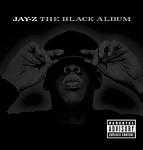
The Black Album, released in 2003 by JAY-Z, is a late-career studio record that blends East Coast hip hop and hardcore rap with pop rap sensibilities. It pairs dense, autobiographical lyricism about fame, legacy, and street life with varied production that ranges from sample-based soul beats to spare, rock-tinged arrangements. Framed at the time as a sendoff, the album is often noted for its focused sequencing and the mix of introspective tracks and assertive, braggadocio-driven songs.
#439 — Surrealistic Pillow by Jefferson Airplane
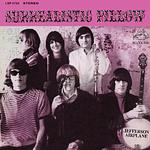
Surrealistic Pillow, released in 1967 by Jefferson Airplane, blends folk rock songwriting with electric psychedelia, pairing acoustic textures and jangling guitars with distorted guitars, organ, and studio effects. Grace Slick's powerful, theatrical vocals contrast with Marty Balin's softer delivery to create distinctive harmonies, while the songs mix concise pop structures with hallucinatory lyrical images and moments of freer instrumental exploration. The album captures the sound of the late 1960s San Francisco psychedelic scene and helped define Jefferson Airplane's role in that era.
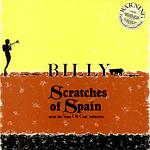
Scratches of Spain (1987) by Billy Jenkins and the Voice of God Collective is an experimental record that blends jazz improvisation with rock and space rock textures, centered on Jenkins' distinctive electric guitar and unconventional arrangements. The title nods to Miles Davis' Sketches of Spain, and the music pairs composed themes with loose, exploratory passages, studio effects, and a wry, offbeat sensibility. It exemplifies Jenkins' late 1980s approach of merging jazz language with rock energy and a willingness to subvert genre expectations.
#441 — Psychocandy by The Jesus and Mary Chain
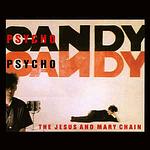
Psychocandy, the 1985 debut by The Jesus and Mary Chain, pairs 1960s pop melodies with heavy feedback, distortion, and reverb to create an early noise pop sound that helped shape later shoegaze and alternative rock. The songs often juxtapose simple, catchy hooks and a detached vocal style with dense, abrasive guitar textures and spare rhythmic backing, emphasizing atmosphere and texture over polish. Its raw production and striking contrasts between sweetness and noise made the record a distinctive influence within indie and alternative scenes.
#442 — Goodbye Yellow Brick Road by Elton John
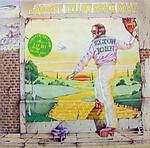
Goodbye Yellow Brick Road is Elton John’s 1973 double album that crystallizes his piano-led blend of pop rock, glam and soft rock into a varied, ambitious set. It moves between raucous rockers like "Saturday Night's Alright for Fighting" and intimate ballads such as "Candle in the Wind", featuring theatrical vocals, rich arrangements and melodic songwriting from his partnership with lyricist Bernie Taupin. The title track and "Bennie and the Jets" display studio experimentation alongside straightforward pop craft, making the record a defining release from his early 1970s period.
#443 — Dread Beat an' Blood by Linton Kwesi Johnson
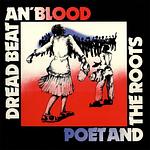
Dread Beat an' Blood (1978) features Linton Kwesi Johnson delivering spoken-word performances in Jamaican patois over sparse, bass-heavy reggae and dub backings. The album uses echo, reverb and rhythmic repetition to highlight its direct social and political commentary on life for black Britons, and it is regarded as an early and influential example of dub poetry.
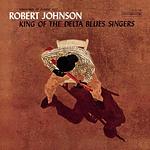
King of the Delta Blues Singers is a 1961 compilation of Robert Johnson's 1936 and 1937 recordings that showcases solo Delta blues with spare, intimate production. The tracks feature intricate fingerpicking, occasional slide guitar, and Johnson's expressive, often haunting vocals paired with lyrics about love, travel, and fate. The album helped bring Johnson's work to wider attention and has been frequently cited for its influence on later blues and rock musicians.
#445 — 1990 by Daniel Johnston
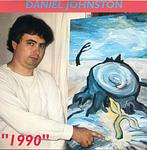
1990 is a Daniel Johnston album that continues his lo-fi, art rock approach, pairing simple, direct melodies with rough production and an emotionally raw, often childlike vocal delivery. The songs balance pared-back acoustic sketches with occasional fuller rock-oriented touches, and the lyrics frequently address love, creativity, and personal struggle, reflecting Johnston's idiosyncratic songwriting and fragile sincerity. As part of his late 1980s and early 1990s work, the record is representative of the intimate, off-kilter style for which he is known.
#447 — Nightclubbing by Grace Jones
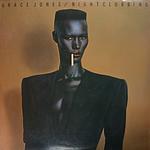
Nightclubbing (1981) sees Grace Jones merge disco, new wave, art pop, dub and funk into a cool, minimalist sound built on deep, dub-influenced bass, taut drum patterns and atmospheric synths. Her detached, theatrical vocal delivery shapes both original songs and reworked covers, giving the album a moody, cinematic club feel, with notable tracks including 'Pull Up to the Bumper' and 'I've Seen That Face Before (Libertango)'. The record helped define Jones's iconic persona and a darker, more experimental strand of pop aimed at the dancefloor.
#448 — Pearl by Janis Joplin
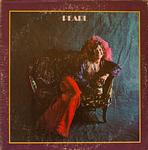
Pearl, released after Janis Joplin's death in 1971, is her final studio album and blends blues rock, soul, country-tinged rock and acoustic blues elements. Backed by the Full Tilt Boogie Band and produced by Paul Rothchild, the record pairs raw, emotive vocals with fuller, more polished production than her earlier work. Songs such as "Me and Bobby McGee" and "Mercedes Benz" showcase her storytelling and improvisational intensity, while rockers like "Move Over" and slower blues numbers underline a mix of power and vulnerability. The album serves as a document of Joplin's late-career sound.
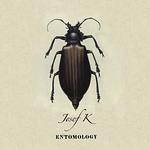
#449 — Entomology by Josef K
#450 — Closer by Joy Division
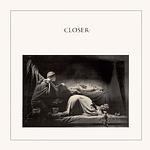
Closer is Joy Division's 1980 album that presents a stark, atmospheric take on post-punk with clear ties to new wave and early gothic rock. The record is characterized by Martin Hannett's spacious, reverb-heavy production, Peter Hook's melodic, high-register basslines, Bernard Sumner's angular guitars and synth textures, and Ian Curtis's deep, intense vocals paired with spare, often bleak lyrics. Overall it emphasizes mood, restraint, and a cold, cinematic ambience that proved influential on later alternative and gothic-leaning acts.
#451 — Just a Little Bit Crazy by Joyce, Banda Maluca
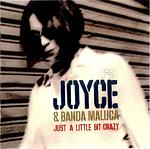
#452 — British Steel by Judas Priest
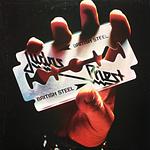
British Steel, released in 1980 by Judas Priest, is a lean, hard-driving heavy metal album that emphasizes concise songwriting, punchy guitar riffs, and high-register vocals from Rob Halford. The record foregrounds twin-guitar harmonies and a cleaner, more direct production, moving toward shorter, anthem-oriented tracks such as "Breaking the Law" and "Living After Midnight". Its combination of melodic hooks and metal aggression helped crystallize a more accessible strain of heavy metal within the band's catalog and influenced later acts in the genre.
#453 — Last Exit by Junior Boys

Last Exit, Junior Boys' 2004 debut album, blends crisp minimal house rhythms, soft synth textures, and understated R&B influenced vocals to create a cool, intimate strain of electronic pop. The record emphasizes tight, syncopated drum programming, shimmering synth lines, and hushed, melancholic lyricism, producing a refined, restrained sound that balances danceable grooves with emotional distance. Its meticulous production and melding of club and soul elements helped define a distinctive approach to electronic pop in the 2000s.
#454 — The Dusty Foot Philosopher by K'naan

The Dusty Foot Philosopher is an early K'naan album that blends hip hop and spoken-word poetry with Somali and East African musical influences, pairing beat-driven production and acoustic guitar motifs with occasional rock-tinged elements. K'naan delivers autobiographical storytelling about migration, conflict, and urban life alongside social and political observation, alternating rap, sung hooks, and poetic spoken passages. The album foregrounds his personal voice and cross-cultural sound, using minimalist rhythmic backdrops and melodic, traditional textures to support literate, narrative lyrics.
#455 — Soro by Salif Keita

Soro is a 1987 album by Malian singer Salif Keita that blends traditional West African Mande melodies and rhythms with contemporary pop-oriented production. The record pairs Keita's high, emotive voice with a mix of acoustic and electric instruments, including guitars, keyboards and layered percussion, producing a polished, rhythmic sound that helped introduce his music to wider international audiences. Its arrangements emphasize melodic hooks and danceable grooves while retaining roots in Malian musical traditions.
#456 — Kaleidoscope by Kelis
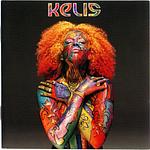
Kaleidoscope is Kelis's 1999 debut album, produced largely by Pharrell Williams and Chad Hugo of The Neptunes. It blends contemporary R&B and hip hop with sparse, syncopated beats, clipped synth textures, and bold, confrontational vocal performances, notably on the single "Caught Out There". The record showcases an off-kilter pop rap sensibility and helped introduce Kelis's distinctive voice alongside the Neptunes' emerging production style.
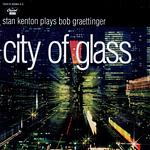
City of Glass: Stan Kenton Plays Bob Graettinger collects performances of Bob Graettinger’s densely scored, modernist works as realized by Stan Kenton’s orchestra. The music blends big band forces with mid century classical techniques, emphasizing dissonant harmonies, layered counterpoint, and orchestral color rather than conventional swing or pop melodies. The album highlights a more experimental side of postwar big band jazz, where complex arranging and avant garde textures reshape the orchestra’s sound.
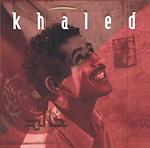
Self-titled album by Algerian raï singer Khaled from the early 1990s that blends traditional raï vocal stylings and melodies with contemporary pop production. The record pairs emotive, Arabic-language singing with synthesizers, programmed rhythms and electric instrumentation to create a danceable, accessible sound that mixes North African melodic modes with modern pop song structures. It is notable for presenting raï in a format aimed at wider, cross-cultural audiences while retaining the genre's emotive and improvisatory qualities.
#459 — 25 Greatest Hits by Johnny Kidd and the Pirates

#460 — Hot Fuss by The Killers
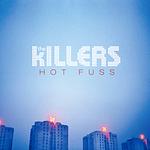
Hot Fuss is The Killers' 2004 debut studio album that blends post-punk revival and new wave influences with alternative and indie rock elements. The sound combines bright, 1980s-style synthesizer textures and driving basslines with urgent, anthemic guitar parts and Brandon Flowers' theatrical vocals, yielding energetic, danceable rock songs built around strong hooks and lyrical themes of jealousy and longing. Several tracks on the record became signature songs for the band and the album is often associated with the mid 2000s resurgence of synth-tinged rock.
#461 — Killing Joke by Killing Joke
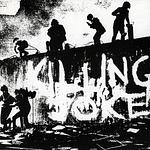
Killing Joke's 1980 self-titled debut blends jagged post-punk guitars, primal drumming, and cold electronic textures to create a dark, propulsive sound that bridges punk energy and emerging industrial electronics. Jaz Coleman's urgent vocals and Geordie Walker's metallic, angular guitar work give the record a confrontational atmosphere, while repetitive rhythms and stark production emphasize tension and trance-like momentum. The album is often cited for helping to shape the aesthetics of post-punk and industrial rock and for establishing the band's abrasive, apocalyptic themes.
#462 — Conversations With the Unseen by Soweto Kinch
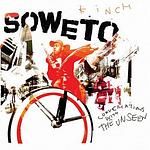
Conversations With the Unseen (2003) is an album by British saxophonist and rapper Soweto Kinch that melds contemporary jazz and hip hop. The music centers on Kinch's alto saxophone and vocal delivery, pairing improvisational jazz phrasing with beats, grooves, and spoken-word or rap elements. Arrangements move between acoustic jazz textures and rhythmic, hip hop-inflected backdrops, emphasizing interplay between instrumental solos and lyrical narrative and showcasing an effort to connect jazz tradition with urban contemporary forms.
#463 — In the Court of the Crimson King by King Crimson
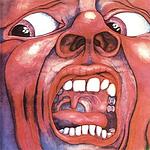
In the Court of the Crimson King is an early progressive rock album that blends heavy rock, jazz inflections, and classical textures into extended, dramatic compositions. The sound features Robert Fripp's angular guitar, Ian McDonald's Mellotron and woodwinds, and Greg Lake's resonant vocals, with tracks like "21st Century Schizoid Man" and the multi-part title piece emphasizing shifting time signatures, dense arrangements, and a dark, theatrical mood. The record is widely regarded as a foundational work in the development of progressive rock and is notable for its emphasis on atmosphere and compositional ambition.
#464 — Tapestry by Carole King
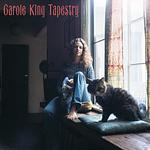
Tapestry is Carole King’s 1971 album characterized by an intimate, piano-centered singer-songwriter sound that blends folk rock, soft rock, and pop. The record features warm, conversational vocals and direct, personal songwriting supported by spare arrangements built around piano, acoustic guitar, and a restrained rhythm section. Its accessible melodies and confessional tone helped define the early 1970s singer-songwriter style and made several songs closely associated with King. Production is uncluttered, keeping the focus on her piano, voice, and songcraft.
#465 — Face to Face by The Kinks
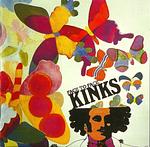
Face to Face (1966) finds The Kinks moving from their earlier raw R&B and garage sound toward a more studio‑oriented pop rock that incorporates baroque pop and mod influences with occasional psychedelic touches. Ray Davies' songwriting on the record leans into short character sketches and social observation, delivered with compact melodies, layered arrangements and a greater variety of instruments and textures than earlier releases. The album is often regarded as an important step in the band’s artistic development toward more polished, narrative songwriting.
#466 — The White Room by The KLF
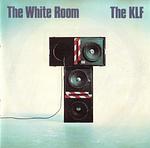
The White Room, issued by The KLF in 1991, blends acid house, house, breakbeat and broader electronic dance production into a cinematic, sample-heavy album. Its sound shifts between propulsive club tracks driven by squelching acid lines and steady house grooves and more atmospheric, orchestral moments that reflect the record's origins as a planned soundtrack. The KLF's use of cut-up samples, dramatic builds and concise song forms creates a crossover feel that connects early 90s rave textures with pop songwriting without losing an experimental, tongue-in-cheek edge.
#467 — Silent Shout by The Knife
Silent Shout, the 2006 album by The Knife, is a stark, nocturnal electronic record built from cold synth textures, propulsive techno rhythms, and tightly processed vocals by Karin Dreijer. The production favors dense, minimal arrangements and ominous atmospheres, blending electropop and synth-pop hooks with experimental sound design and club-ready beats. Notable for its unsettling mood and adventurous use of vocal manipulation and contrast between melody and noise, the album is often cited as a distinctive, darker turn in contemporary electronic pop.
#468 — Congotronics by Konono Nº1
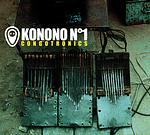
Congotronics, released in 2004 by Konono Nº1, captures the group's raw fusion of traditional Congolese likembe music with homemade electric amplification and pulsing percussion. The sound is notable for distorted, metallic timbres from amplified thumb pianos, repetitive polyrhythms, and call-and-response vocals that create a trance-like, minimalist intensity bridging vernacular performance and an electronic-minded aesthetic. The record helped introduce the band's tradi-moderne approach to wider audiences and influenced later cross-genre interest in amplified African rhythmic textures.
#469 — The Very Best Of by Kool & the Gang

The Very Best Of (1990) by Kool & the Gang is a compilation that surveys the band’s crossover pop, disco, funk and soul material from their most widely heard period. It emphasizes punchy horn arrangements, tight rhythmic grooves and memorable choruses, moving from raw 1970s funk into the slicker, electronically tinged pop and disco productions of the late 1970s and early 1980s. The collection showcases the group’s blend of dance-focused arrangements, soulful vocals and concise, radio-friendly songcraft.
#470 — Segu Blue by Bassekou Kouyaté, Ngoni ba
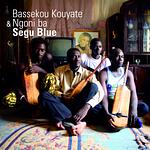
Segu Blue is an album by Malian ngoni player Bassekou Kouyaté with his group Ngoni Ba that foregrounds the ngoni in a modern, electrified roots setting. The music pairs layered, plucked ngoni parts and driving percussion with expressive vocal lines, blending traditional Malian song forms and rhythms with contemporary arrangements and amplified textures. The record is notable for bringing the acoustic and electric ngoni into a prominent ensemble role and for presenting a raw, rhythmic sound rooted in West African musical traditions.
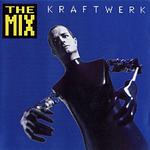
The Mix is a 1991 album in which Kraftwerk revisited and reworked a number of their classic tracks, presenting newly arranged and digitally updated versions. The material emphasizes tighter, cleaner sequencing, sharper drum programming, and a more dancefloor-oriented pacing that aligns with early 1990s electronic and techno production, while retaining the band's minimalist, machine-like aesthetic and melodic motifs. The album is notable as a deliberate recontextualization of their earlier electropop and electro work for a contemporary electronic music scene.
#472 — Let Love Rule by Lenny Kravitz
Let Love Rule, Lenny Kravitz's 1989 debut, blends rock, neo-psychedelia, pop rock, classic rock and funk rock with clear 1960s and 1970s soul and funk influences. The album is built around warm, vintage-flavored production, prominent guitar work, retro grooves and touches of organ and horns, with direct songs about love and personal resilience. It introduced Kravitz's throwback aesthetic and his role as a multi-instrumentalist and producer.
#473 — The K&D Sessions™ by Kruder & Dorfmeister

The K&D Sessions, released by Kruder & Dorfmeister in 1998, is a two-disc mix of their slow, extended downtempo remixes and edits that blend electronica, trip hop and dub influences. The sound emphasizes deep, dubby basslines, spacious production, lush textural layers and prominent use of reverb and delay to create a cinematic, late-night atmosphere. The record became a touchstone for the chillout and downtempo scenes by showcasing remixing as a way to craft mood and extended listening experiences rather than just dancefloor tracks.
#474 — Disco Dancer by Bappi Lahiri
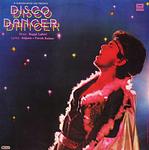
Disco Dancer is a 1982 film soundtrack by Bappi Lahiri that blends disco and electronic instrumentation with Hindi filmi songwriting, pairing synthesizer leads, drum-machine rhythms and funk-influenced bass with Bollywood vocal melodies. The album contains high-energy dance numbers such as "I Am a Disco Dancer" and "Jimmy Jimmy Aaja Aaja" and is credited with helping bring Western disco textures into mainstream Indian film music.
#475 — BBC In Session by The La's
BBC In Session (2006) by The La's collects the band's BBC radio studio performances, presenting rawer, more immediate versions of their material. The recordings foreground jangly guitars, chiming melodies, and concise, folk-tinged indie rock songwriting, with a live-in-studio feel that emphasizes the band's direct energy and interplay rather than studio polish.
#476 — What Another Man Spills by Lambchop
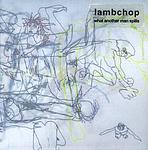
What Another Man Spills (1998) finds Lambchop working in a restrained, chamber pop-tinged vein of indie rock, pairing Kurt Wagner's intimate, deadpan vocals with spacious arrangements of strings, horns, and subtle rhythm section. The record emphasizes mood, lyrical detail, and gentle tempo shifts over conventional rock dynamics, blending elements of country, soul, and orchestral texture into a quiet, atmospheric sound.
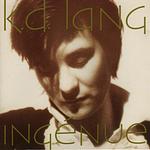
Ingenue (1992) marks k.d. lang moving from her earlier country roots toward a more pop-oriented, torch-tinged sound, pairing her smoky, expressive voice with lush, spacious arrangements that blend pop, pop rock, and subtle country inflections. Collaborations with multi-instrumentalist Ben Mink contribute to the album's chamber-pop textures and restrained instrumental detail, and the set includes the notable song "Constant Craving." The record is distinguished by its intimate vocal phrasing and sophisticated production that emphasize mood and atmosphere over rock aggression.
#478 — Shine by Daniel Lanois
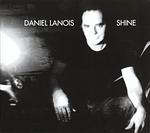
Shine is a 2003 album by Daniel Lanois that applies his signature atmospheric production to song-oriented pop rock. The music pairs intimate, low-key vocals with layered, reverb-soaked guitars and subtle pedal steel, creating moody, spacious arrangements where texture and studio detail are as important as melody. The record reads as a return to solo songwriting after years spent producing other artists, emphasizing restrained performances and ambient studio effects over conventional rock bombast.
#479 — Sound of Silver by LCD Soundsystem
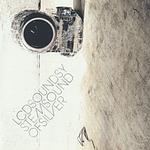
Sound of Silver is LCD Soundsystem's second studio album, released in 2007. It blends dance-punk, electronic, indietronica, and alternative rock with long, groove-driven arrangements, shimmering synths, and a tight rhythm section anchored by electronic percussion and bass. James Murphy's talk-sung vocals and candid, reflective lyrics explore themes of aging, nostalgia, and isolation across songs that range from extended club-leaning grooves to more restrained, piano-based moments. The record balances dancefloor energy and introspective songwriting and includes standout tracks such as "All My Friends" and "Someone Great".
#480 — Take This Hammer by Lead Belly

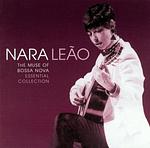
#481 — The Muse of Bossa Nova by Nara Leão
#482 — Physical Graffiti by Led Zeppelin
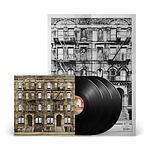
Physical Graffiti, released in 1975, is Led Zeppelin's double album that showcases a wide range of the band's styles, from hard rock and blues to folk-influenced acoustic pieces. The record combines heavy, riff-driven songs with layered production, expansive arrangements and intimate acoustic moments, highlighting Jimmy Page's production and guitar work, Robert Plant's vocals, John Paul Jones's multi-instrumental contributions and John Bonham's powerful drumming. Tracks such as Kashmir and Ten Years Gone illustrate the album's scale and textural variety while shorter bluesy and folk-derived numbers provide contrast, making it a broad statement of the band's musical range.
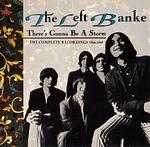
There's Gonna Be a Storm: The Complete Recordings 1966-1969 is a 1992 compilation that collects The Left Banke's 1966 to 1969 material, showcasing their baroque pop approach with ornate string arrangements, harpsichord and piano textures, and close vocal harmonies. The set highlights the melancholic, melodic songwriting exemplified by songs such as 'Walk Away Renee' and 'Pretty Ballerina', and presents a mix of singles, album tracks and other period recordings that illustrate the group's fusion of classical instrumentation with 1960s pop and rock sensibilities.
#485 — Les Parapluies de Cherbourg by Michel Legrand
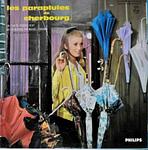
Les Parapluies de Cherbourg is the soundtrack Michel Legrand wrote for Jacques Demy’s 1964 film; it functions as a sung-through pop-influenced musical score featuring Legrand’s blend of lush orchestral arrangements and jazz-inflected harmonies. The music relies on recurring melodic motifs and shifts between bright, romantic themes and more melancholy passages, and includes the tune later known in English as "I Will Wait for You." The album is notable for integrating pop songwriting and jazz colors into cinematic orchestration.
#486 — Lost Horizons by Lemon Jelly
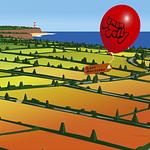
Lost Horizons (2002) by Lemon Jelly is a warm, playful electronic album rooted in downtempo grooves. It pairs sample-based production and mellow beats with occasional sung and spoken vocals to create a relaxed, cinematic mood. The duo blends touches of lounge, trip-hop, and funk with bright melodic hooks and short interludes, producing an accessible, whimsical sound associated with early 2000s chill-out electronic music.
#487 — It's a Shame About Ray by The Lemonheads
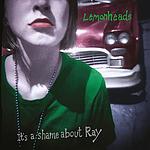
It’s a Shame About Ray (1992) by The Lemonheads is an alternative rock album built around concise, melodic songwriting, jangly electric guitars and occasional acoustic textures, anchored by Evan Dando’s laconic, expressive vocals. The record balances punk-influenced immediacy with pop hooks and introspective, wry lyrics, presenting a compact, accessible sound that became closely associated with the band’s early 1990s output.
#488 — Plastic Ono Band Sessions by John Lennon
#489 — Live at the Paradise Garage by Larry Levan
Live at the Paradise Garage captures Larry Levan's live mixing approach at the New York club, blending disco, Philly soul, funk and early garage house into extended, groove-driven sequences. The recording emphasizes deep bass, soulful vocals, layered percussion and atmospheric effects, with long transitions and careful pacing that foreground dancefloor dynamics and crowd interplay, illustrating the style that influenced the development of garage house and New York club culture.
#490 — World Machine by Level 42
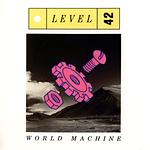
World Machine (1985) finds Level 42 blending their jazz-funk foundation with a more polished pop and sophisti-pop approach. The record emphasizes Mark King’s distinctive slap-bass and tight rhythmic interplay, layered keyboards and atmospheric synth textures, and concise, melody-driven songs that streamline some of the band’s earlier instrumental complexity. The overall sound balances funk grooves and jazzy musicianship with smoother pop production, marking a noticeable shift in the band’s direction.
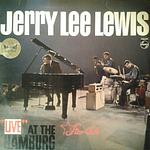
Live at the Star-Club, Hamburg (1964) captures Jerry Lee Lewis in a raw, high-energy live setting, driven by his piano-led rock and roll with clear country inflections. The recording showcases raucous performances of his rock and roll standards and covers, emphasizing frenetic piano runs, rollicking rhythms, and Lewis's exuberant stage presence; the sound is immediate and unpolished, reflecting the club atmosphere. The album serves as a vivid document of his live power during his European appearances in the mid 1960s.
#493 — Frequencies by LFO
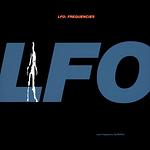
Frequencies, released in 1991 by British duo LFO, is a foundational record in bleep techno and early UK electronic music. The album combines deep sub-bass and taut techno rhythms with sparse, high-pitched bleeps and icy synth textures, alternating between dancefloor-oriented grooves and more abstract, ambient-leaning moments. Its minimalist production and focus on low end helped define an early Warp Records aesthetic and fed into the development of IDM and later techno styles.
#494 — Up the Bracket by The Libertines
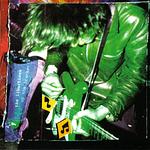
Up the Bracket is The Libertines' 2002 debut studio album, produced by Mick Jones. It blends garage rock and indie rock with raucous, lo-fi energy, ragged guitar interplay and urgent tempos, driven by the dueling, conversational vocals of Peter Doherty and Carl Barat. The record is marked by its streetwise, confessional lyrics and a raw immediacy that became a touchstone for early 2000s British garage-influenced rock.
#495 — Mouldy Old Music by Lieutenant Pigeon
Mouldy Old Music (1973) by Lieutenant Pigeon is an eccentric, piano-forward rock album that blends classic rock instrumentation with novelty and experimental touches. The arrangements foreground honky-tonk piano and organ alongside steady rock rhythms, with touches of music-hall and country-tinged influences that give the songs a playful, offbeat character. Tracks alternate between short, jaunty instrumentals and vocal numbers, showcasing the band’s quirky melodic sensibility and unconventional approach to pop and rock forms of the era.

The Texas-Jerusalem Crossroads, released in 2001 by Lift to Experience, is a sprawling concept album that fuses shoegaze and psychedelic rock with touches of alternative country and rock, framing a biblically inflected, apocalyptic narrative that imagines Texas as a spiritual Jerusalem. Musically it pairs reverb-drenched, layered guitars and widescreen noise with dynamic crescendos and Josh T. Pearson's intense, hymn-like vocals, producing long, cinematic songs that blur the line between noise rock and Americana songwriting.
#497 — Light of the World by Light of the World
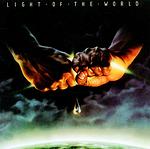
Light of the World (1979) is the self-titled debut from the London ensemble Light of the World. Rooted in jazz-funk, the album combines tight, syncopated funk grooves, horn-led arrangements, and jazz-inflected improvisation with dance-friendly rhythms and polished late 1970s production. Associated with the emerging Brit-funk scene, it showcases a blend of instrumental skill and accessible, groove-oriented songwriting.
#498 — Summer Side of Life by Gordon Lightfoot
Summer Side of Life, released in 1971, finds Gordon Lightfoot blending contemporary folk songwriting with folk rock and country-tinged arrangements. The album centers on his warm baritone and narrative lyrics, supported by a mix of acoustic and electric guitars, piano, and restrained orchestral touches that create a mellow, melodic sound balancing intimate balladry with fuller band textures. It is representative of Lightfoot's early 1970s approach to singer-songwriter craft and crossover folk-rock sensibilities.
#499 — Noon Chill by Arto Lindsay
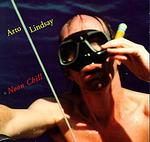
Noon Chill blends Arto Lindsay's delicate, whispering vocal delivery and thin, occasionally dissonant guitar with soft electronic beats, subdued ambient textures, and bossa nova rhythms filtered through art pop and rock sensibilities. The arrangements favor mood and contrast, pairing gentle melodic lines with prickly studio treatments and minimalist grooves. The result is a polished, intimate record that highlights Lindsay's interest in marrying Brazilian influences with experimental production techniques.
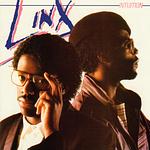
Intuition (1981) by Linx is a polished early 1980s soul and post-disco record that blends danceable grooves with electronic textures. The album pairs smooth, soulful vocals with rhythmic basslines, crisp percussion, and prominent synth arrangements, reflecting a British approach to funk-influenced R&B as disco gave way to more electronic production. Its sound balances club-oriented beats with melodic soul songwriting, characteristic of that transitional moment in popular dance music.