 The Greatest Music
Colin Larkin’s All Time Top 1000 Albums
Weight: 10%
How much this list influences our overall rankings. Higher weight means more reliable data.
Penalties Applied:
A book series created by Encyclopedia of Popular Music editor Colin Larkin (1st ed. 1994; later pocket/2nd ed. 1998; 3rd ed. 2000), presenting a ranked “top 1000” derived from a large, ongoing public poll—ballots gathered in record shops, universities, schools, and at the MIDEM trade show—rather than a critics’ ballot. The project grew across editions, with annotations for each album and shifting results as more votes came in.
#501 — Tres hombres by ZZ Top
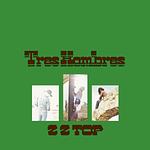
Tres Hombres is ZZ Top's 1973 album that crystallized the band's stripped-down Texas blues rock approach. It blends raw blues-rock riffing, boogie grooves, and Southern rock swagger, driven by Billy Gibbons's guitar tone, Dusty Hill's bass and vocals, and Frank Beard's tight drumming, with production by Bill Ham that keeps the sound direct and spare. Tracks such as 'La Grange' exemplify the album's terse, groove-centered approach while songs like 'Waitin' for the Bus' and 'Jesus Just Left Chicago' underscore its blues roots and storytelling.
#502 — In Search of the Lost Chord by The Moody Blues
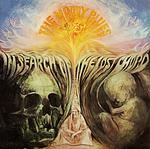
In Search of the Lost Chord, released in 1968, finds The Moody Blues extending their blend of psychedelic rock and baroque pop into a loosely themed exploration of inner discovery and altered consciousness. The album mixes acoustic and electric guitars, Mellotron textures, flute and other woodwinds, sitar and varied percussion, producing a sound that moves between driving rockers, pastoral ballads and short instrumental vignettes. Lyrically it embraces spiritual and philosophical themes, and musically it consolidates the band's move toward progressive pop arrangements and conceptual albums. The record is notable for its eclectic instrumentation and studio experimentation within a cohesive thematic framework.
#503 — Eden by Everything but the Girl
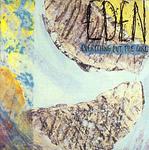
Eden (1984) is the debut album by Everything but the Girl that blends soft pop with bossa nova and jazz-tinged arrangements, centered on Tracey Thorn's intimate vocal delivery and Ben Watt's understated guitar and production. The record favors mellow tempos, gentle rhythms, and subtle horn and percussion touches, creating a smooth, lounge-inflected sound that bridges pop and adult contemporary. As an early statement from the duo, it highlights their acoustic and jazz-pop roots before their later exploration of fuller band and electronic textures.
#504 — Gaucho by Steely Dan
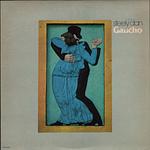
Gaucho, released in 1980, is Steely Dan's polished, studio-crafted blend of pop rock and jazz rock with strong yacht rock sensibilities. The album features meticulous production, sophisticated jazz-influenced harmonies and arrangements, and cryptic, often noirish lyrics delivered in Donald Fagen's cool vocal style. It relies on top session musicians and layered studio touches to create a smooth, richly textured sound exemplified by tracks such as "Hey Nineteen." Gaucho is also notable as the group's final studio album for roughly two decades and as a concentrated example of their studio-focused approach.
#505 — Last Time Around by Buffalo Springfield
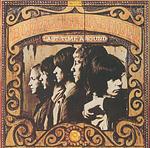
Last Time Around is Buffalo Springfield's third and final studio album, issued in 1968. The record mixes rock, folk rock, and psychedelic-inflected sounds and reflects the distinct songwriting voices of Stephen Stills, Neil Young, and Richie Furay. Assembled from sessions made amid the band's breakup, the tracks range from polished folk and country-leaning arrangements to rawer, guitar-driven performances that point toward the members' later solo and country-rock work.
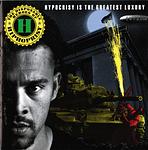
Hypocrisy Is the Greatest Luxury is the 1992 debut album by The Disposable Heroes of Hiphoprisy. It pairs Michael Franti's pointed spoken-word and vocal delivery with hard-hitting hip hop beats and electronic and industrial textures, built from samples, abrasive sounds, and dense programming. The album focuses on media critique and social commentary, exemplified by the single "Television, the Drug of the Nation", and is notable for merging punk and industrial sonics with alternative hip hop approaches to create a confrontational, documentary-like sound.
#507 — Starsailor by Tim Buckley
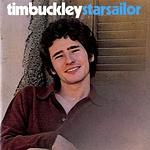
#508 — New Boots and Panties!! by Ian Dury
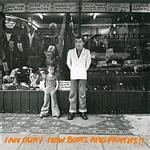
New Boots and Panties!!, released in 1977 by Ian Dury, blends pub rock, music hall, funk and nascent new wave with pop sensibilities. The album pairs tight, rhythm-driven arrangements with Dury's idiosyncratic spoken-sung delivery and characterful, often humorous lyrics that draw on working-class life and vivid storytelling. Its mix of cheeky humour, melodic hooks and varied styles helped establish Dury as a distinctive voice in the late 1970s British rock scene.
#509 — The Pretender by Jackson Browne
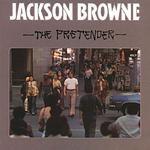
The Pretender is Jackson Browne's 1976 album that blends rock, pop rock, and folk rock with his signature singer-songwriter approach. Musically it pairs piano and acoustic guitar centered arrangements with fuller production and smooth harmonies, creating a polished soft rock sound that supports introspective, often melancholic lyrics about adulthood, compromise, and loss. The record represents a move toward more produced, radio-friendly arrangements while retaining Browne's focus on narrative, reflective songwriting.
#510 — Oar by Alexander "Skip" Spence
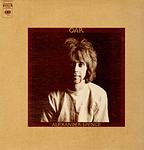
Oar, released in 1969, is the lone solo album by Alexander "Skip" Spence. It combines folk rock and psychedelic folk with a sparse, often lo-fi rock backdrop, largely recorded by Spence alone during a turbulent period. The sound is intimate and raw, centered on acoustic guitar with occasional electric guitar, organ and harmonica, and features surreal, stream-of-consciousness lyrics and loose song structures that move between lullaby, blues and free-form psychedelia. Its stark production and emotional directness have made it a distinctive record for listeners and musicians drawn to outsider and lo-fi approaches.
#511 — Can't Slow Down by Lionel Richie
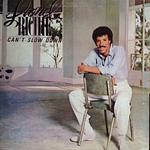
Can't Slow Down, Lionel Richie's 1983 solo album, blends pop, contemporary R&B, pop soul and smooth soul into polished ballads and upbeat dance-pop with a prominent use of synthesizers, soulful vocal delivery, and horn arrangements. It includes notable tracks such as "All Night Long (All Night)", "Hello", and "Stuck on You", showcasing both party-oriented grooves and intimate romantic ballads. The production emphasizes slick arrangements and accessible melodies that bridge pop and R&B sensibilities.
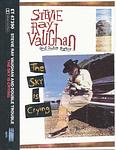
The Sky Is Crying is a posthumous 1991 collection of previously unreleased studio tracks and outtakes featuring Stevie Ray Vaughan with his band Double Trouble. The record highlights Vaughan’s blend of Texas blues and blues rock, showcasing his searing electric guitar tone, expressive phrasing, and a mix of up-tempo shuffles, slow blues and interpretive covers of classic blues material. It is commonly heard as a document of his raw, emotive playing and the band’s tight rhythmic backing.
#513 — Stand Up by Jethro Tull
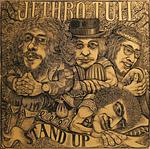
Stand Up is Jethro Tull's second studio album, released in 1969. It represents a shift from the band's earlier blues base toward a more eclectic blend of folk, rock, and early progressive elements, with increased acoustic textures and Ian Anderson's flute taking a prominent melodic role. The record mixes blues rock energy with concise folk songcraft and occasional classical touches, including a reworking of a Bach lute piece, and is notable for introducing guitarist Martin Barre as a key member of the lineup.
#514 — What's the 411? by Mary J. Blige
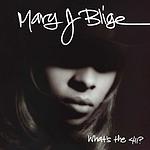
What's the 411? is Mary J. Blige's 1992 debut that fused contemporary R&B singing with hip hop production, helping to define the early 1990s hip hop soul sound. The album pairs expressive, blues-inflected vocals with sample-driven, groove-oriented beats and spare arrangements, exploring themes of love, heartbreak, and resilience. Its blend of soulful melodies and urban rhythms established much of Blige's signature vocal identity.
#515 — Band on the Run by Wings
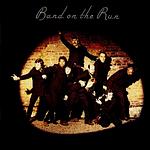
Band on the Run is a 1973 album by Wings, led by Paul McCartney, that blends rock, pop rock and soft rock with accessible pop songwriting. It moves between driving rockers such as "Jet" and the multi-part title suite, and quieter melodic ballads, featuring layered harmonies, concise hooks and varied arrangements that include acoustic textures and orchestral touches. The record is often cited as a defining statement of McCartney's post-Beatles work, showcasing his gift for melody and compact, studio-focused production.
#516 — Goodbye and Hello by Tim Buckley
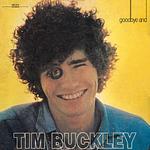
Goodbye and Hello, Tim Buckley’s 1967 album, expands on his acoustic folk roots with fuller band arrangements and psychedelic-tinged folk rock. The record blends poetic, introspective lyrics and Buckley’s wide-ranging, expressive vocals with electric guitar, keyboards and occasional orchestral touches, signaling a move toward more adventurous musical textures. It stands as an early example of Buckley stretching folk songwriting into broader, more eclectic sonic territory.
#517 — Mr. Fantasy by Traffic
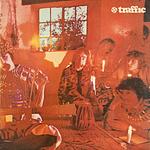
Mr. Fantasy is Traffic's 1967 debut album that blends psychedelic rock, blues rock and pop rock with jazz-tinged arrangements. The record highlights Steve Winwood's soulful vocals and organ playing alongside Chris Wood's woodwinds and Jim Capaldi's rhythmic contributions, moving between concise, catchy songs and looser, more improvisational passages. Its sound mixes pop-oriented hooks with loose, jazzy rhythms and psychedelic studio touches, making it an early, eclectic statement in late 1960s British rock.
#518 — Bedtime Stories by Madonna
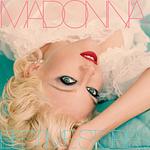
Bedtime Stories is Madonna's 1994 album that shifts toward smoother, R&B-tinged pop and downtempo electronic textures. It combines dance-pop hooks with atmospheric, mood-driven production and a softer, more intimate vocal approach, incorporating sultry grooves and trip-hop influenced beats alongside accessible melodies. The record presents a more restrained, mature sound that emphasizes mood and texture over overt pop bombast.
#519 — The "Chirping" Crickets by The Crickets
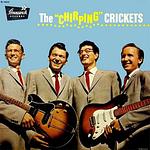
The “Chirping” Crickets is the 1957 debut LP by The Crickets, led by Buddy Holly, that blends rock and roll, rockabilly, and pop sensibilities into concise, hook-driven songs. The album highlights Holly’s clear vocal delivery and economical guitar playing alongside tight rhythmic backing and close vocal harmonies, producing a bright, direct sound built around short melodic tracks. It is often cited as an early example of a self-contained rock band record that influenced the development of pop rock and later British Invasion groups.
#520 — Songs From the Wood by Jethro Tull
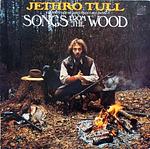
Songs from the Wood (1977) finds Jethro Tull blending English folk influences with the band’s progressive rock sensibility. Ian Anderson’s flute and pastoral lyrics are central, supported by acoustic guitars, layered keyboards, and Martin Barre’s electric guitar, creating warm, earthy arrangements that emphasize traditional motifs and seasonal themes. The record marked a renewed focus on folk-rooted songwriting within the group’s late 1970s output.
#521 — In the Dark by Grateful Dead
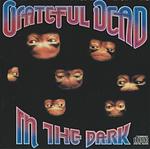
In the Dark is a 1987 studio album by the Grateful Dead that blends country rock, rock, blues rock, folk rock, and roots rock into a compact, late 1980s studio sound. The material moves between driving, guitar-led rockers, blues-tinged grooves, and folk-rooted balladry, emphasizing melody and more concise arrangements while retaining elements of the band's improvisational and roots-oriented approach.
#522 — Reggae Greats by Toots & The Maytals
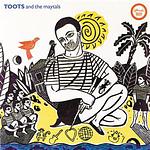
Reggae Greats (1985) is a compilation that presents Toots & the Maytals' energetic blend of ska, rocksteady and reggae, centered on Toots Hibbert's soulful, gospel-tinged vocals, driving offbeat rhythms, prominent horn lines and organ textures. The album offers an accessible overview of the group's classic sound and their role in shaping Jamaica's vocal and rhythmic traditions.
#523 — The Singles 1969–1973 by Carpenters
The Singles 1969–1973 is a 1973 compilation by Carpenters that gathers their early single releases into a single collection. It showcases the duo's blend of pop, soft rock, and easy listening, characterized by Karen Carpenter's warm contralto and Richard Carpenter's polished, orchestral-leaning arrangements, emphasizing melodic, radio-friendly songwriting and mellow, well-crafted production.
#524 — The River by Bruce Springsteen
The River is a double album by Bruce Springsteen that blends heartland rock with folk and roots influences, alternating raucous, sax- and guitar-driven anthems with quieter, narrative ballads. Lyrically it centers on working-class life, love, and the burdens of adulthood, and the expanded arrangements showcase a wider emotional and sonic range for Springsteen and the E Street Band, making the album a key, expansive statement in his catalog.
#525 — Here's Little Richard by Little Richard
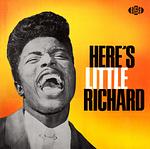
Here's Little Richard, released in 1957 on Specialty Records, collects his early singles and studio tracks that helped define his raw, frenetic brand of rock and roll. The album features piano-driven boogie rhythms, explosive vocals with gospel-influenced shouts, driving backbeats, and raucous saxophone accents on songs such as Tutti Frutti and Long Tall Sally, emphasizing rhythmic intensity and exuberant performance. It is regarded as a foundational rock and roll record that influenced many later artists.
#526 — 'Round About Midnight by Miles Davis
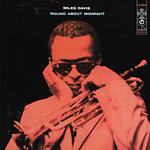
'Round About Midnight (1957) is a key jazz album by Miles Davis that documents the sound of his mid 1950s quintet with John Coltrane, Red Garland, Paul Chambers, and Philly Joe Jones. Rooted in hard bop, the record balances moody, lyrical ballad work on the title piece with swinging small group interplay, emphasizing Davis's muted, expressive trumpet and Coltrane's searching tenor lines over a crisp, supportive rhythm section, marking a defining step in Davis's late 1950s artistic direction.
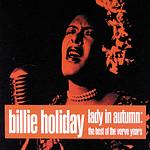
Lady in Autumn: The Best of the Verve Years (1991) is a compilation of Billie Holiday's recordings from her time with the Verve label that highlights her late-period interpretive style. The selections sit within jazz and swing traditions, often supported by intimate small-group backing and occasional orchestral arrangements, and they emphasize Holiday's distinctive phrasing, emotional directness, and the more fragile, expressive timbre her voice took on in later years. The set offers a focused overview of how she approached standards and ballads during the Verve era.
#528 — One of These Nights by Eagles
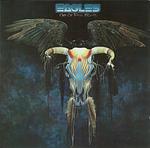
One of These Nights, the Eagles' fourth studio album from 1975, moves the band further from straight country rock toward a more polished blend of soft rock and pop rock while retaining country influences. The record pairs smooth vocal harmonies and melodic songwriting with tighter rock arrangements, featuring the soulful, groove-oriented title track alongside country-tinged ballads such as "Lyin' Eyes" and the expansive "Take It to the Limit". The overall sound emphasizes layered production and radio-friendly hooks that broadened the band’s musical palette.
#529 — Band of Gypsys by Jimi Hendrix
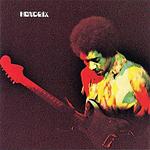
Band of Gypsys is a 1970 live album by Jimi Hendrix, recorded at the Fillmore East on New Year's Eve 1969 and New Year's Day 1970 with bassist Billy Cox and drummer Buddy Miles. The performances emphasize a rawer, groove-oriented approach that blends rock, blues rock, psychedelic textures and funk-leaning rhythms, featuring extended improvisation and reworked versions of Hendrix material, notably the long, evocative "Machine Gun". The trio's tighter, more rhythmic interplay and Buddy Miles' vocal presence distinguish the sound from the Experience and document Hendrix's musical direction during that period.
#530 — One Step Beyond… by Madness
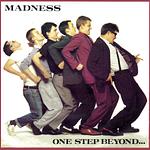
One Step Beyond… is the 1979 debut album by Madness that blends upbeat ska rhythms with British pop and a theatrical sensibility. The record features choppy upstroke guitar, punchy horn arrangements, and the distinctive vocal delivery of Suggs, pairing exuberant, danceable tracks with wry, observational lyrics about everyday life. Opening with a cover of Prince Buster's instrumental title track, the album helped define the ska-pop sound associated with the late 1970s 2 Tone scene and established Madness's mix of humor and melancholy.
#531 — Money Jungle by Duke Ellington, Charles Mingus, Max Roach
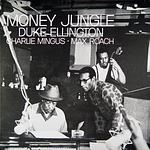
Money Jungle (1962) is a piano-bass-drums trio record pairing Duke Ellington with Charles Mingus and Max Roach. The music blends Ellington's harmonic and melodic sensibility with Mingus's muscular, sometimes confrontational bass and Roach's precise, propulsive drumming, yielding a lean, often intense approach to post-bop and modern jazz. The session favors sparse trio textures, strong rhythmic interplay, and a range of moods from blues-tinged introspection to angular, percussive drive, illustrating a meeting of a veteran composer-pianist with younger modernist players.
#532 — Janet Jackson by Janet Jackson
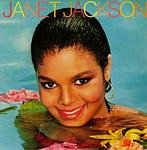
Janet Jackson is the singer's 1982 debut studio album that blends disco, funk, contemporary R&B and pop into early 1980s dance-pop and R&B arrangements. The sound emphasizes synth-driven grooves, danceable rhythms and a youthful vocal approach consistent with its era, and it functions as an introductory statement that predates her later, more self-directed work with producers Jimmy Jam and Terry Lewis.
#533 — Burn by Deep Purple
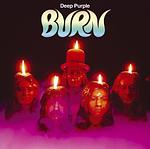
Burn, released in 1974, is Deep Purple's first album with vocalist David Coverdale and bassist and co-vocalist Glenn Hughes, recorded with Ritchie Blackmore, Jon Lord, and Ian Paice. The music keeps the band's hard rock core while incorporating blues, funk, and soul inflections, with organ-driven textures, extended instrumental passages, and prominent dual lead vocals. Tracks such as the title song and Mistreated emphasize heavy riffing and a looser, more groove-oriented, improvisational approach that marked a stylistic shift for the group.
#534 — Full Moon Fever by Tom Petty
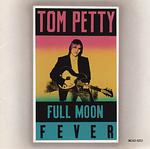
Full Moon Fever is Tom Petty's 1989 solo album that blends heartland rock, classic rock, pop rock, and folk rock into concise, melodic songs. Produced by Jeff Lynne and featuring guitar work from Mike Campbell, the record pairs jangly and acoustic textures with layered harmonies and polished, hook-driven arrangements. Its plainspoken lyrics and memorable choruses emphasize Petty's strengths as a songwriter while exploring a slightly more pop-oriented production than his work with the Heartbreakers.
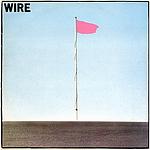
Pink Flag, Wire's 1977 debut, pares punk down to terse, guitar-driven songs and a spare, angular sound that blends punk urgency with art-punk experimentation and early post-punk restraint. Many tracks are extremely concise, featuring staccato guitar lines, clipped rhythms and detached vocals, giving the album a minimalist, precise feel that helped point punk toward more experimental and cerebral directions.
#536 — Black and Blue by The Rolling Stones
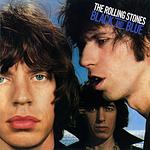
Black and Blue (1976) finds The Rolling Stones stretching beyond their blues foundation into funk, soul, reggae and hard rock while retaining their classic rock core. Recorded during a period of lineup change as the band auditioned replacement guitarists, the album features contributions from multiple players including Ronnie Wood and mixes muscular riffing and grooves on tracks such as "Hot Stuff" with softer, soul-tinged balladry like "Fool to Cry." The overall sound is eclectic and transitional, reflecting the band's mid 1970s exploration of new rhythmic and stylistic directions.
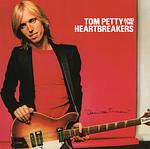
Damn the Torpedoes (1979) is Tom Petty and the Heartbreakers' third album, produced by Jimmy Iovine. It pairs concise, punchy rock arrangements and jangly guitar lines with strong pop hooks and a heartland rock sensibility, with occasional harder-edged guitar work and driving rhythms. Tracks like "Refugee", "Don't Do Me Like That" and "Here Comes My Girl" showcase Petty's direct songwriting about resilience and everyday life. The record marked a commercial and artistic breakthrough that helped define Petty's signature sound and influenced rock of the era.
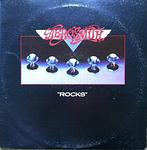
Rocks is a raw, hard-hitting Aerosmith album that leans into blues-rooted hard rock with arena-ready hooks and gritty, aggressive riffs. Steven Tyler's vocal theatrics and Joe Perry's muscular guitar work drive tight, riff-driven songs with a live, unvarnished production that emphasizes power and attitude. The record helped define the band's harder edge and includes standout tracks such as "Back in the Saddle" and "Last Child", which highlight its blend of blues influence and heavier rock textures.
#539 — Teaser and the Firecat by Cat Stevens
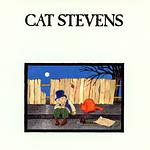
Teaser and the Firecat is a 1971 album by Cat Stevens that blends acoustic folk rock and singer-songwriter sensibilities with touches of folk pop and blues rock, featuring warm, melodic arrangements, prominent acoustic guitar, and reflective yet accessible lyrics; notable tracks include 'Morning Has Broken', 'Moonshadow', and 'Peace Train', and the record exemplifies the gentle, contemplative sound Stevens developed in the early 1970s.
#540 — King of America by Elvis Costello, The Attractions, The Confederates
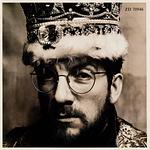
King of America is a 1986 Elvis Costello album that shifts from his earlier new wave sound toward a rootsy, Americana-informed approach, blending country rock, folk, pop rock, and classic rock and roll. Produced in collaboration with T Bone Burnett, the sessions used American session players and a loosely assembled backing group often called the Confederates, with some involvement from members of the Attractions, yielding stripped-back arrangements built around acoustic guitar, piano and organ and a more conversational vocal delivery. The record is notable for its emphasis on narrative, character-driven lyrics and for showing Costello exploring American musical traditions within his songwriting.
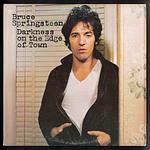
Darkness on the Edge of Town is Bruce Springsteen's 1978 album that adopts a leaner, grittier approach to heartland rock and singer-songwriter storytelling. The sound emphasizes direct, guitar-driven arrangements with piano accents and a more restrained, raw production than some earlier work. Lyrically the album focuses on working-class characters, moral struggle, loss and the pursuit of dignity, delivered in spare, atmospheric songs such as "Badlands" and "Racing in the Street". Its sober tone and narrative focus helped define Springsteen's signature blend of rock and character-driven songwriting.
#542 — Baduizm by Erykah Badu
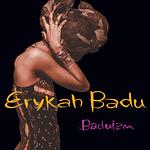
Baduizm is Erykah Badu's 1997 debut studio album that blends neo soul, jazz, hip hop and electronic textures into warm, groove-driven songs. Badu's smoky, conversational vocal delivery floats over sparse, syncopated rhythms, upright-bass warmth and languid keyboard and horn touches, with moments of spoken-word intimacy and loose jazz-influenced arrangements. The lyrics move between romantic, spiritual and introspective themes, and the record helped establish the aesthetic associated with the late 1990s neo soul movement.
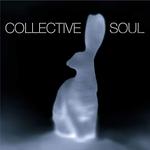
#543 — Collective Soul by Collective Soul
#544 — Tyranny Unleashed in the East by Judas Priest
#545 — Nice 'n' Easy by Frank Sinatra
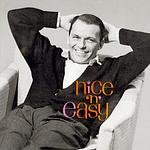
Nice ’n’ Easy (1960) features Frank Sinatra in a relaxed, late Capitol-era mode, delivering intimate, softly swinging performances of American popular songs. The album emphasizes warm, mid-tempo ballads and smooth orchestral arrangements that support Sinatra's conversational phrasing and close-miked vocal style. It serves as a concise example of his easy listening and vocal jazz approach from around 1960.
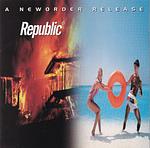
Republic (1993) finds New Order blending their post-punk and electronic roots with a fuller, more polished pop-rock sound. The album pairs dancefloor rhythms and layered synthesizer textures with guitar-driven arrangements and concise, melodically focused songs, reflecting the band’s alternative dance, dance-rock and pop-rock tendencies. Production is expansive and polished, emphasizing atmospherics, syncopated beats and strong hooks; the material moves between upbeat, club-oriented tracks and moodier, more reflective pieces, continuing New Order’s long-running synthesis of rock and dance elements.
#547 — Stranded by Roxy Music
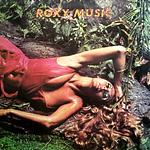
Stranded is Roxy Music's 1973 third studio album, marking the band's transition after Brian Eno's departure and the arrival of Eddie Jobson on violin and keyboards. The record tightens their art rock and glam foundations into a more polished, cinematic sound, pairing Bryan Ferry's stylish vocal delivery with layered arrangements, saxophone and string textures, and concise pop-oriented songwriting. It represents a move toward more structured, song-focused material while retaining the band's theatrical and experimental sensibility.
#549 — Kate & Anna McGarrigle by Kate & Anna McGarrigle
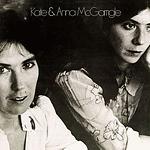
Kate and Anna McGarrigle is a warm, intimate folk album that showcases the sisters' close vocal harmonies, plainspoken songwriting, and a mix of English and French material. Arrangements favor acoustic guitar, piano, and light folk rock touches, blending traditional folk sensibilities with contemporary songcraft. The record introduced their conversational storytelling, bittersweet melodies, and bilingual repertoire that became a defining feature of their work.
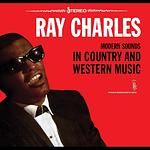
Modern Sounds in Country and Western Music (1962) finds Ray Charles reinterpreting country songs through a soul and big band lens, pairing gospel-inflected vocals with lush strings, brass, and rhythm arrangements. The record blends country songwriting with pop, jazz, and rhythm and blues elements to create a country soul sound that crosses traditional genre boundaries. Its notable characteristic is the fusion of straightforward country material with sophisticated orchestration and Charles's expressive delivery.
#551 — Wild Wood by Paul Weller
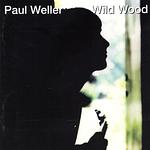
Wild Wood, released in 1993, is Paul Weller's second solo album and a consolidation of his post-Jam musical direction. It blends acoustic folk, soul-inflected vocals and warm electric guitar textures with reflective, pastoral songwriting, producing a relaxed but focused sound. The arrangements mix organic instruments with subtle studio touches, and the record is often noted for its melodic, roots-oriented approach that helped define Weller's early solo identity.
#552 — Damned Damned Damned by The Damned
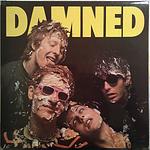
Damned Damned Damned (1977) by The Damned is a brisk, raucous punk rock album built from short, fast songs, snarling vocals, and jagged guitar work. The record captures the raw immediacy of early British punk while incorporating moments of melody and a darker vocal timbre that later fed into gothic rock and post-punk sensibilities. Its live-sounding, no-frills approach and high energy make it a frequently cited touchstone of the late 1970s punk scene.
#553 — Happy Trails by Quicksilver Messenger Service
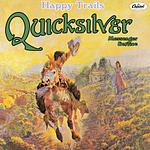
Happy Trails (1969) is a primarily live album by Quicksilver Messenger Service that showcases the band's blend of psychedelic rock, acid rock, and blues-tinged rock. The record emphasizes extended, improvisational guitar passages and fluid instrumental interplay, capturing a loose, live atmosphere that highlights the exploratory, jam-oriented side of late 1960s San Francisco rock. Its sound moves between reverb-soaked, atmospheric textures and more driving, rhythmically direct passages, making it a notable document of the period's live psychedelic performance.
#554 — Face to Face by The Kinks
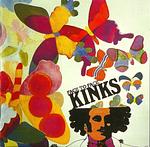
Face to Face (1966) finds The Kinks moving from their earlier raw R&B and garage sound toward a more studio‑oriented pop rock that incorporates baroque pop and mod influences with occasional psychedelic touches. Ray Davies' songwriting on the record leans into short character sketches and social observation, delivered with compact melodies, layered arrangements and a greater variety of instruments and textures than earlier releases. The album is often regarded as an important step in the band’s artistic development toward more polished, narrative songwriting.
#555 — The Last Record Album by Little Feat
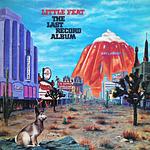
The Last Record Album (1975) finds Little Feat expanding their Southern rock and blues rock foundations with pronounced funk, country, and R&B influences. The record emphasizes groove-oriented arrangements, tight interplay between guitar, keyboards, and rhythm section, and Lowell George's distinctive slide guitar and songwriting, resulting in a varied set that blends roots textures with more experimental rhythmic and instrumental touches. It is a mid 1970s Little Feat release that showcases the band's eclectic approach to rock rooted in American vernacular styles.
#556 — From the Mars Hotel by Grateful Dead
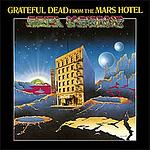
From the Mars Hotel, released in 1974 by the Grateful Dead, blends rock, folk rock, country rock, and psychedelic elements into a warm, roots-oriented studio record. The album pairs concise, song-focused arrangements with moments of the band's characteristic instrumental interplay, combining acoustic textures, country-tinged rhythms, and shimmering electric guitar work. It reflects the band's mid 1970s interest in Americana-influenced songwriting while still leaving space for improvisation and studio experimentation.
#557 — Bellybutton by Jellyfish
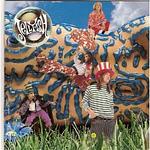
Bellybutton is the 1990 debut album by Jellyfish that blends power pop and rock with alternative sensibilities. The record is marked by bright, Beatles-influenced melodies, tight, layered vocal harmonies and ornate, retro-minded arrangements that pair chiming guitars and keyboards with occasional baroque touches. Songs emphasize strong pop hooks and theatrical flourishes, showcasing detailed studio production and a mix of upbeat singles and more elaborate mid-tempo numbers.
#558 — Aretha Now by Aretha Franklin
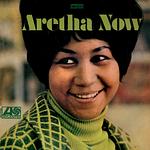
Aretha Now (1968) is a compact album that continues Aretha Franklin's late 1960s soul work with a blend of uptempo R&B, pop-leaning songs, southern soul grit, and touches of jazz and blues. Her gospel-rooted voice leads both energetic grooves and more intimate performances, supported by punchy horns, piano and organ textures and tight rhythm playing. The record highlights her expressive phrasing and interpretive range and sits within the run of Atlantic-era records that established the core of her classic sound.
#559 — My Fair Lady by Alan Jay Lerner, Frederick Loewe
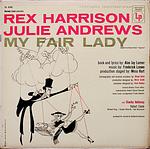
My Fair Lady is the 1956 musical by Alan Jay Lerner and Frederick Loewe, presented in a classic midcentury Broadway style that pairs witty, character-driven lyrics with lyrical, melodic tunes. The album captures a mix of romantic solos and buoyant ensemble numbers, including standards such as "I Could Have Danced All Night," "Wouldn't It Be Loverly," "The Rain in Spain," and "On the Street Where You Live," and emphasizes clear vocal characterization and comic timing. Orchestral arrangements reflect the era's theatrical textures, supporting both intimate moments and larger production set pieces, and the score is often cited for its craftsmanship in storytelling through song.
#560 — Organ Grinder Swing by Jimmy Smith
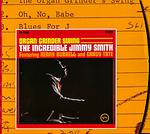
Organ Grinder Swing (1965) showcases Jimmy Smith's signature Hammond B3 sound, blending blues-drenched grooves, gospel-inflected phrasing, and swinging jazz improvisation. The record emphasizes rhythmic drive and soulful soloing, with arrangements that leave room for Smith's percussive left-hand bass patterns and nimble right-hand runs. It is representative of Smith's role in bringing the electric organ to the forefront of 1960s jazz and of the soul-jazz aesthetic of that period.
#561 — Pieces of the Sky by Emmylou Harris
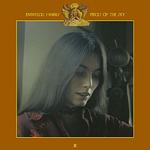
Pieces of the Sky, released in 1975, is Emmylou Harris's major-label album that builds on her work with Gram Parsons and helped establish her signature blend of country and rock. Harris's clear, luminous vocals are set against arrangements that combine acoustic guitar, pedal steel, and tasteful electric accents, creating a roots-oriented yet contemporary sound. The record mixes sympathetic covers with original material and highlights Harris's gift for interpretation and harmony, marking an early milestone in the country-rock and Americana traditions.
#562 — Hello, I Must Be Going! by Phil Collins
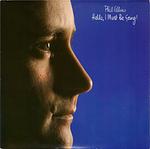
Hello, I Must Be Going! (1982) is Phil Collins' second solo album, blending pop rock, pop and soft rock with soul and R&B influences. It pairs Motown-influenced material such as a cover of The Supremes' "You Can't Hurry Love" with darker, more hard-edged originals like "I Don't Care Anymore", highlighted by Collins' emphatic gated-reverb drum sound and layered vocal arrangements. Co-produced with Hugh Padgham, the record further established Collins' solo identity apart from Genesis by emphasizing concise songcraft and personal lyrical themes.
#563 — Dixie Chicken by Little Feat
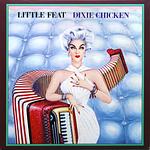
Dixie Chicken (1973) finds Little Feat refining a New Orleans influenced blend of rock, blues, country and funk, with Lowell George's laconic vocals and slide guitar working off Bill Payne's piano and organ. The title track and other cuts combine rollicking R&B grooves, swampy rhythms and tight rhythm section interplay, balancing concise songs with looser, jam-oriented passages. The record marked a shift toward groove based songwriting that became a defining element of Little Feat's sound and a notable touchstone in roots and southern rock circles.
#564 — Sonny Rollins, Volume 2 by Sonny Rollins
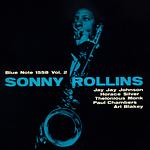
Sonny Rollins, Volume 2 (1957) presents Rollins in a hard bop setting, with his robust tenor tone and long, thematic improvisations at the center. The music emphasizes motivic development, blues-inflected phrasing and energetic interplay with a small rhythm section, reflecting the mid 1950s balance of swing, blues feeling and modern harmonic exploration. The album is representative of Rollins's developing voice as a leading tenor soloist in the hard bop era.
#565 — Shift‐Work by The Fall
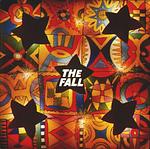
Shift-Work, released in 1991 by The Fall, continues the band's abrasive post-punk and alternative rock approach. The album pairs Mark E. Smith's acerbic, spoken-sung vocal delivery with propulsive, repetitive rhythms, angular guitar lines, and a lean, often raw production. Tracks tend toward short, punchy arrangements that mix punk urgency with experimental touches and oblique, literate lyrics, reflecting the group's steady, groove-focused output in the early 1990s.
#566 — Bare Wires by John Mayall & the Bluesbreakers
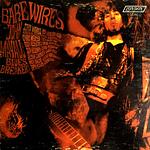
Bare Wires, released in 1968 by John Mayall & the Bluesbreakers, moves beyond straight Chicago-style blues into a tighter, more varied set of songs that blend blues foundations with rock drive and jazz-tinged arrangements. The album emphasizes shorter, structured compositions and ensemble interplay, incorporating brass and rhythmic color alongside electric guitar and piano, and it points toward Mayall's interest in broader sonic textures and group dynamics rather than extended soloing.
#567 — Van Halen II by Van Halen
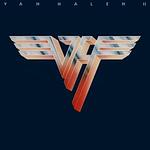
Van Halen II, released in 1979 as the band's second studio album, builds on the high-energy hard rock of their debut with a mix of blistering guitar pyrotechnics, a solid, driving rhythm section, and David Lee Roth's theatrical vocals. The record balances riff-driven rock with more melodic, hook-oriented songs, showcasing Eddie Van Halen's inventive lead work and the group's tight, punchy arrangements that helped shape late 1970s hard rock and heavy-leaning rock sounds.
#568 — Steel Wheels by The Rolling Stones
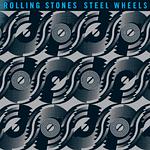
Steel Wheels, released in 1989, finds The Rolling Stones returning to a blend of rock, blues rock, hard rock and pop rock with a polished late 1980s production. The album pairs driving guitar work and bluesy textures with radio-friendly hooks and a mix of up-tempo rockers and slower ballads, and it marked a renewed collaboration between Mick Jagger and Keith Richards that set the stage for the band's large-scale tour that year. Overall the record balances the group's blues-rooted sound with a contemporary production aesthetic.
#569 — The Soul Album by Otis Redding
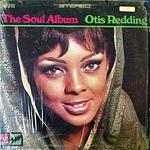
The Soul Album (1966) showcases Otis Redding's raw, emotive take on Southern soul, balancing slow-burning ballads and more urgent R&B numbers driven by punchy horn lines and a steady, groove-oriented rhythm. Redding's impassioned, gritty vocals and expressive phrasing are the record's focus, giving simple arrangements a powerful, immediate impact. As part of his mid-1960s output, the album exemplifies the heartfelt intensity and earthy sound that helped define classic Southern soul.
#570 — Travels by Pat Metheny Group
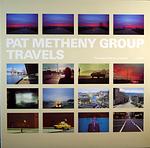
Travels is a live album by the Pat Metheny Group that captures the band’s early 1980s jazz fusion sound, blending Metheny’s lyrical electric and acoustic guitar with Lyle Mays’ expansive keyboards, a rhythm section grounded in melodic bass and drums, and additional percussion and vocals. The recordings present extended, improvisation-forward renditions of the group’s compositions, emphasizing atmospheric textures, folk and world music inflections, and a balance between composed themes and open solos. The album serves as a clear document of the Group’s onstage interplay and evolving ensemble character.
#571 — Vivid by Living Colour
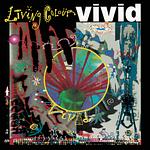
Vivid is the 1988 debut album by Living Colour that blends hard rock and heavy metal power with funk rhythms and alternative textures, often punctuated by jazz-informed guitar work. Vernon Reid's angular, virtuosic guitar and a tight rhythm section create a sound that alternates between heavy, riff-driven songs and more melodic or experimental passages, while Corey Glover's vocals and the lyrics address social and political themes. The record helped define the band's genre-crossing approach and includes the well known track "Cult of Personality".
#572 — Our Man in Paris by Dexter Gordon
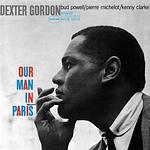
Our Man in Paris (1963) finds tenor saxophonist Dexter Gordon leading a swinging, bop-rooted quartet in a relaxed Paris studio session. The album showcases Gordon's warm, spacious tone and extended improvisations over a mix of bebop standards and ballads, with pianist Bud Powell providing angular, bebop-inflected accompaniment and a responsive rhythm section anchored by bassist Pierre Michelot and drummer Kenny Clarke. The overall sound blends hard bop drive with polished, conversational group interplay that reflects Gordon's expatriate period in Europe.
#573 — Hot Buttered Soul by Isaac Hayes
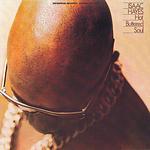
Hot Buttered Soul (1969) is Isaac Hayes's expansive soul album notable for its lengthy, slow-burning arrangements that blend orchestral strings, lush horn charts, deep funk rhythms and Hayes's baritone voice. It reworks pop and soul songs into extended, cinematic tracks with dramatic instrumental passages, warm electric piano and rhythmic grooves that emphasize mood and space over conventional single-length formats. The album broadened the palette and pacing of soul music, pointing toward elements of funk, jazz-funk and later orchestral dance styles while showcasing a more orchestral, album-oriented approach to R&B.
#574 — This Was by Jethro Tull
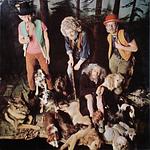
This Was (1968) is Jethro Tull's debut album, rooted in blues rock with noticeable jazz and R&B touches; the sound foregrounds Mick Abrahams' bluesy guitar and Ian Anderson's emerging vocal style and early flute contributions, resulting in raw, groove-oriented arrangements that contrast with the acoustic and folk-influenced direction the band adopted after this lineup changed.
#575 — The Family That Plays Together by Spirit
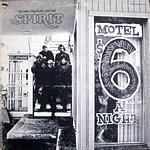
The Family That Plays Together, Spirit's 1968 second album, blends psychedelic rock and hard rock with jazz-tinged touches and folk-tinged acoustic passages. The record features tight interplay between Randy California's inventive guitar work, Jay Ferguson's vocals, John Locke's keyboards, Mark Andes' bass and Ed Cassidy's drums, and includes the well-known track "I Got a Line on You." Its sound emphasizes concise songwriting, dynamic shifts between heavy riffs and atmospheric textures, and a more polished approach than the band's debut.
#576 — Kill 'Em All by Metallica
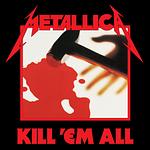
Kill ’Em All, Metallica's 1983 debut, is a raw and aggressive record that crystallized the early thrash metal sound. It combines breakneck tempos, palm-muted downpicked riffs, and sparse production that emphasizes intensity over polish, shifting between speed-metal assaults and heavy metal grooves. The album's direct, riff-driven approach helped establish the band's early identity and influenced the emerging extreme metal scene.
#577 — Together Alone by Crowded House
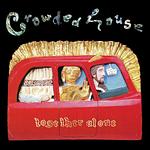
Together Alone is Crowded House's fourth studio album, released in 1993. The record foregrounds Neil Finn's melodic songwriting while expanding the band's sound with denser, more atmospheric production, layered guitars, and occasional worldbeat-influenced rhythms. Tracks such as "Distant Sun" and "Private Universe" balance intimate, reflective lyrics with full, textured arrangements, giving the album a more experimental and moodier feel compared with their earlier pop rock work.
#578 — No Need to Argue by The Cranberries
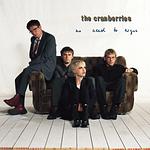
No Need to Argue is the Cranberries' 1994 album that expands their blend of melodic alternative rock and pop rock into both intimate acoustic ballads and more electrically charged songs. Dolores O'Riordan's distinctive, keening voice and direct lyrical delivery anchor material that moves between quiet, folk-tinged arrangements and heavier, distorted tracks such as "Zombie", giving the record a contrast of vulnerability and confrontation. The overall sound emphasizes chiming guitars, layered harmonies and simple rhythmic foundations, with occasional atmospheric touches that broaden the band's rock palette.
#579 — Nashville Skyline by Bob Dylan
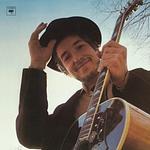
Nashville Skyline (1969) marks Bob Dylan's turn toward a warm, country-tinged sound, featuring a relaxed baritone vocal and pared back, melody focused arrangements. Recorded in Nashville with local musicians, the album blends country, folk, and rock elements with prominent pedal steel and acoustic textures; it includes well known tracks such as "Lay Lady Lay" and a duet with Johnny Cash on "Girl from the North Country". The record is notable for its immediately accessible, country rock feel and for representing a clear stylistic shift from Dylan's mid 1960s electric period.
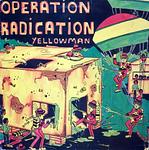
#580 — Operation Radication by Yellowman
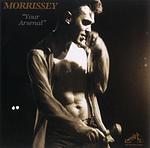
#581 — Your Arsenal by Morrissey
#582 — Sail Away by Randy Newman
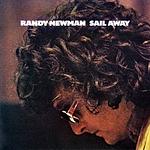
Sail Away is a 1972 Randy Newman album that pairs his piano-centered pop and rock with baroque pop and cabaret inflections. The songs use lush arrangements and piano-led motifs to frame Newman's character-driven, often ironic lyrics about American life, delivered with theatrical vocals and a blend of melancholy and dark humor. The record showcases his songwriting craft through melodic accessibility coupled with sharply observed storytelling.
#583 — E. 1999 Eternal by Bone Thugs‐n‐Harmony
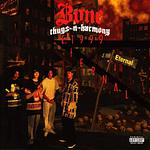
E. 1999 Eternal is an atmospheric hip hop album that mixes gangsta rap, G-Funk, hip hop soul, and horrorcore elements with Bone Thugs-n-Harmony's signature rapid-fire, melodic harmonies and layered vocal interplay. The production leans on dark, synth-driven grooves and slow, rolling beats that frame lyrics about street life, mortality, and spirituality. The group's tight harmonies, sung hooks, and fast triplet flows give the record a distinctive, eerie R&B-inflected sound that became closely associated with their style.
#584 — The Sidewinder by Lee Morgan
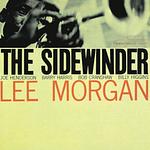
The Sidewinder, recorded in late 1963 and released in 1964, is a hard bop album with a strong soul jazz sensibility. Its title track is built around a propulsive, riff-driven boogaloo groove that foregrounds Lee Morgan's bright, blues-inflected trumpet and has a relaxed, danceable feel. The album pairs that soulful funkiness with straight-ahead hard bop improvisation across the band, featuring Joe Henderson on tenor sax, Barry Harris on piano, Bob Cranshaw on bass, and Billy Higgins on drums, and is often noted for its tight ensemble playing and accessible, groove-oriented sound.
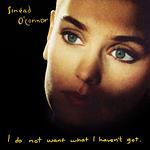
I Do Not Want What I Haven’t Got is Sinéad O'Connor's 1990 second studio album. It blends alternative rock, pop, and folk rock with O'Connor's raw, emotive vocals and largely sparse, intimate arrangements, and is widely associated with her cover of Prince's "Nothing Compares 2 U." The album's confessional lyrical tone and mix of acoustic textures and occasional fuller production helped bring O'Connor broad international attention and stands as a defining work of her early career.
#586 — Live at the Regal by B.B. King
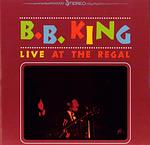
Live at the Regal, recorded at the Regal Theatre in Chicago and released in 1965, captures B.B. King's electric Chicago blues in a live club setting. The album showcases his warm, expressive vocals and economical yet powerful guitar solos backed by a tight band, with strong call-and-response moments and a vivid sense of audience interaction. It is widely regarded as a landmark live blues recording that highlights King's stage presence and the immediacy of urban electric blues.
#587 — The Song Remains the Same by Led Zeppelin
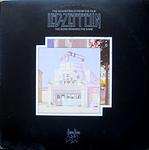
The Song Remains the Same is a 1976 live album and soundtrack to the concert film, documenting Led Zeppelin's performances at Madison Square Garden in July 1973. It captures the band's arena-era blend of hard rock, blues rock and acoustic passages, featuring extended live arrangements and improvisations of songs such as Rock and Roll, Stairway to Heaven, Dazed and Confused and Whole Lotta Love. The recording highlights Jimmy Page's electric and acoustic guitar work, Robert Plant's vocals, John Paul Jones's bass and keyboards, and John Bonham's powerful drumming, although several tracks were edited or received studio overdubs for the release. The album presents the scale of Led Zeppelin's stage show and their approach to live reinterpretation of studio material.
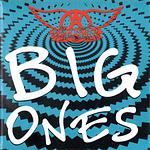
Big Ones is a 1994 greatest-hits compilation that gathers Aerosmith's major singles from their late 1980s and early 1990s Geffen era along with three new recordings. The tracks emphasize a polished, radio-friendly hard rock sound that blends arena-sized riffs, blues-rock roots, and pop-oriented hooks, reflecting a period when outside songwriters and glossy production broadened the band's commercial scope. The collection functions as a snapshot of that era rather than a representation of their earlier raw blues-rock work.
#589 — Stanley Road by Paul Weller
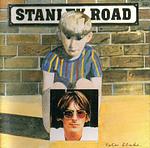
Stanley Road is Paul Weller's 1995 album that blends rock and indie rock with strong touches of classic British pop, soul, and R&B. The songs alternate between punchy electric guitar numbers and more intimate acoustic ballads, characterized by warm, layered production and Weller's reflective, melodic songwriting. The record is often viewed as a defining statement of his 1990s solo work, consolidating retro influences into a contemporary indie-rock framework.
#590 — Between the Lines by Janis Ian
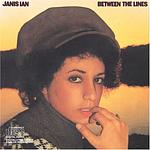
Between the Lines (1975) showcases Janis Ian's singer-songwriter blend of folk, folk rock and balladry, built around intimate, confessional lyrics and strong melodic hooks. The album mixes spare acoustic guitar and piano-based arrangements with occasional fuller studio touches and strings, foregrounding Ian's narrative songwriting and social observation; it includes the well-known song "At Seventeen". The overall tone shifts between quiet, reflective folk-pop ballads and more richly arranged tracks, emphasizing emotional clarity and direct storytelling.
#591 — Crown of Creation by Jefferson Airplane
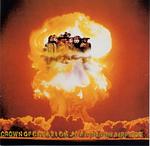
Crown of Creation (1968) is Jefferson Airplane's fourth studio album that blends folk rock roots with acid and psychedelic rock textures. The record features the band's trademark vocal harmonies and Grace Slick's distinctive lead vocals over a mix of acoustic passages, electric guitar and organ textures, and studio experimentation, moving between melodic songwriting and more adventurous arrangements. It reflects the group's late 1960s sound and their approach to combining melodic folk influences with psychedelic and rock elements.
#592 — Bone Machine by Tom Waits
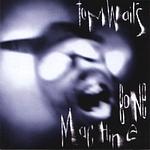
Bone Machine, released in 1992, finds Tom Waits delivering a raw, percussive take on blues-inflected rock and experimental soundscapes. The album pairs his gravelly, theatrical vocals with stripped-down, often industrial rhythms and unconventional textures to create a bleak, rough-hewn atmosphere centered on themes of mortality, decay, and human fragility. It stands as one of his darker, more abrasive works and continues his exploration of avant-garde arrangements within a rock and blues context.
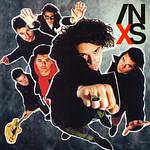
X, released in 1990, is INXS's follow-up to 1987's Kick and continues the band's blend of rock, pop rock and dance-rock with electronic textures. The album pairs polished, radio-friendly arrangements with taut rhythmic grooves, combining guitar-driven rock, synth layers and Michael Hutchence's charismatic vocals. Tracks such as "Suicide Blonde" and "Disappear" showcase its mix of pop hooks and danceable production, while other songs offer more atmospheric or soulful moments. X consolidated the band's late 1980s sound and carried that approach into the early 1990s.
#594 — Late for the Sky by Jackson Browne
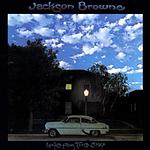
Late for the Sky (1974) is an introspective album by Jackson Browne that blends rock and folk rock with singer-songwriter storytelling. Its songs pair reflective, often melancholic lyrics about relationships, loss, and mortality with spare but textured arrangements featuring acoustic guitar, piano, and subtle electric touches. The record is notable for its careful songwriting, measured pacing, and an overall contemplative mood that marked a defining moment in Browne's early work.
#595 — After Bathing at Baxter's by Jefferson Airplane
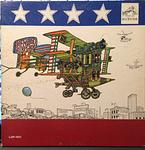
After Bathing at Baxter's (1967) finds Jefferson Airplane deepening their psychedelic exploration, shifting from earlier folk-pop toward looser, darker and more experimental rock. The record blends acid rock jams, inventive studio touches and avant-garde textures, with Grace Slick and Marty Balin sharing vocal duties over prominent lead guitar and bass interplay. Songs range from concise compositions to extended, improvisatory pieces, making the album a distinctive example of late 1960s San Francisco psychedelia.
#596 — One Size Fits All by Frank Zappa, The Mothers of Invention
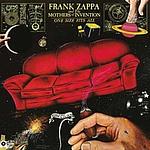
One Size Fits All (1975) is an album by Frank Zappa and the Mothers of Invention that blends rock, jazz fusion and progressive composition into tightly arranged yet flexible performances. The record features complex, frequently shifting time signatures, extended instrumental passages and Zappa's angular guitar work alongside intricate percussion and keyboard colors, highlighting the virtuosity of the mid 1970s Mothers lineup, including musicians such as George Duke, Ruth Underwood and Napoleon Murphy Brock. Tracks move between hard-edged rock and sophisticated jazz-influenced writing, with Zappa's wry, satirical vocals and lyrics present amid meticulous studio production. The album exemplifies Zappa's interest in combining composition and improvisation and in fusing diverse musical styles.
#597 — Word Gets Around by Stereophonics
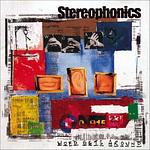
Word Gets Around is the 1997 debut album by Welsh rock band Stereophonics that blends Britpop-era melodic sense with alternative and indie rock grit. The record emphasizes Kelly Jones' rough-edged vocals and observational, small-town storytelling, backed by guitar-driven arrangements, occasional piano touches, and concise power pop hooks. It introduced the band's direct, song-centered approach and a spare production style that foregrounds melody and narrative.
#598 — Dreadlocks Dread by Big Youth
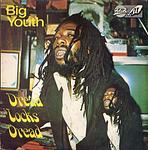
Dreadlocks Dread (1975) by Big Youth is a roots reggae album centered on the deejay toasting tradition, with Big Youth delivering rhythmic spoken and chanted vocals over deep, bass-driven riddims and the echo and delay effects common in 1970s Jamaican production. The sound balances sparse, heavy grooves with rhythmic guitar and horn accents, and the lyrics draw on Rastafarian themes and streetwise commentary, making the record a clear example of the era's deejay-focused roots reggae style.
#599 — Making Movies by Dire Straits
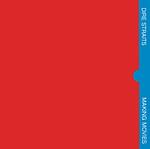
Making Movies, released in 1980, finds Dire Straits moving toward more ambitious, cinematic rock that blends blues and country-tinged touches with pop rock accessibility. The record foregrounds Mark Knopfler's economical fingerpicked guitar and narrative lyricism, and songs such as "Romeo and Juliet" and "Tunnel of Love" showcase longer arrangements, richer keyboard textures, and a focus on storytelling. The album marked a shift toward denser production and more expansive song forms in the band's development.
#600 — Substance 1987 by New Order
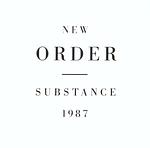
Substance 1987 is a 1987 compilation album by New Order that collects the band's singles and extended mixes from the early to mid 1980s. It documents their move from post-punk toward a synth-driven, dance-oriented sound, combining melodic synth hooks, propulsive drum machine grooves and prominent basslines with Bernard Sumner's cool vocal delivery. The release pairs single edits with longer 12 inch versions, offering both a concise singles overview and a set of club-focused mixes that illustrate the band's crossover between alternative and dance music.