 The Greatest Music
NME’s The 500 Greatest Albums of All Time
Weight: 80%
How much this list influences our overall rankings. Higher weight means more reliable data.
Penalties Applied:
NME’s The 500 Greatest Albums of All Time (2013) is a special issue compiled from ballots cast by current and former NME journalists, each submitting a weighted top-50; the final list—topped by The Smiths’ The Queen Is Dead—reflects the magazine’s editorial vantage point more than a broad industry poll.
#401 — 20 Jazz Funk Greats by Throbbing Gristle
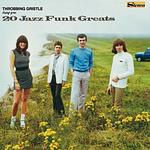
20 Jazz Funk Greats is Throbbing Gristle's 1979 album that broadens their industrial approach by combining abrasive noise, tape manipulation and found sound with more song-based electronic and rock structures. The record shifts between stark experimental pieces and surprisingly melodic tracks such as "Hot on the Heels of Love", using synth textures, percussion and confrontational vocals to unsettle as much as to groove. The title and the cover image, photographed at Beachy Head, are deliberately ironic and reflect the band's provocative, concept-driven sensibility.
#402 — Twenty One by Mystery Jets
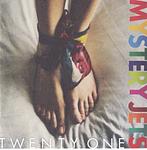
Twenty One, Mystery Jets' 2008 second album, moves the band toward brighter, more pop-oriented indie rock, mixing jangly guitars with layered keyboards and electronic textures. The record emphasizes hook-driven melodies, concise songcraft, and a more polished production compared with their earlier work, while lyrical themes often touch on youth and relationships. It marks a shift toward accessible pop-rock territory while retaining the band's indie sensibilities.
#403 — Vespertine by Björk
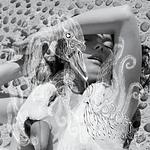
Vespertine, released in 2001 by Björk, is an intimate, inward-looking album that fuses electronic and art pop with ambient, folktronica and glitch elements. Its hushed vocals sit atop delicate microbeats, fragmented percussion and close-miked textures, balanced by warm acoustic touches like harp and chamber strings to create a domestic, wintry atmosphere. The production emphasizes small-scale sonic detail and intricate arrangements, rewarding attentive listening.
#404 — No Other by Gene Clark
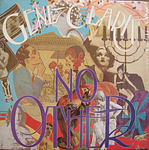
No Other, released in 1974 by Gene Clark, is a richly arranged album that blends country rock and folk rock with expansive, cinematic production. The songs pair Clark's introspective, often melancholic songwriting with layered strings, vocal harmonies, and occasional synth textures, producing a baroque, atmospheric sound that departs from his earlier, more stripped-back work. The album is regarded as one of his most ambitious solo statements and is notable for its emotional intensity and ornate arrangements.
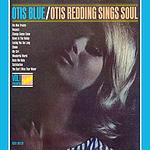
Otis Blue / Otis Redding Sings Soul (1965) captures Otis Redding at the height of his Stax period, blending deep soul, blues, and R&B with a raw Southern soul intensity. Backed by the Stax house musicians, including Booker T. & the M.G.'s and a tight horn section, the album pairs impassioned originals and contemporary covers, from heartfelt slow balladry to gritty up-tempo performances. Redding's rough-hewn, urgent vocals and dynamic arrangements give the record a live, immediate feel that helped define his sound and influenced soul music in the 1960s.
#406 — Rated R by Queens of the Stone Age

Rated R is Queens of the Stone Age's 2000 album that refines their desert and stoner rock roots into tighter, more varied songs. It blends heavy, repetitive riffing and propulsive grooves with concise, hook-driven arrangements and often sardonic lyrics, set in a spare, punchy production that highlights rhythm and atmosphere. The record represented a stylistic shift toward more accessible songcraft while keeping a gritty, hard rock edge within alternative and metal-influenced contexts.
#407 — Going Blank Again by Ride
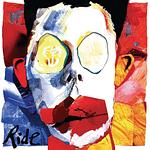
Going Blank Again, Ride's 1992 second album, expands the band's shoegaze foundation with clearer production, stronger emphasis on songcraft and melody, and a broader palette that includes dream pop and neo-psychedelic touches. Dense, chiming guitars and generous reverb create a shimmering wall of sound around twin vocal harmonies, while the arrangements move between layered, driving rockers and quieter, more introspective passages. The record is notable for balancing immersive guitar textures with more conventional melodic structures, representing a more expansive and polished phase of the band's early work.
#408 — Crooked Rain, Crooked Rain by Pavement
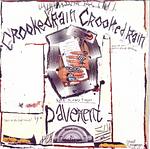
Crooked Rain, Crooked Rain (1994) by Pavement blends slacker-era indie rock with sharper songcraft and clearer production than the band’s earlier lo-fi recordings. The album pairs chiming, guitar-driven arrangements and offhand, oblique lyrics with melodic hooks and a relaxed, conversational vocal delivery, moving between hazy, noisy textures and more straightforward pop-leaning songs. Its mix of casual irony and tunefulness is a defining example of 1990s indie and alternative rock aesthetics.
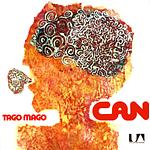
Tago Mago (1971) by Can is a key album in the krautrock and experimental rock canon that blends long-form improvisation, tape editing and early electronic textures into dense, hypnotic soundscapes. The record emphasizes repetitive, propulsive rhythms, spare organ and guitar motifs, and Damo Suzuki's improvisatory vocal contributions, producing a collage-like flow that moves between sprawling jams and shorter, fragmentary pieces. Its focus on studio experimentation, groove and atmosphere helped open rock toward more abstract and electronic approaches and has been widely cited as influential on later experimental and electronic artists.

Antics (2004) is Interpol's second album, extending their post-punk revival approach with taut, bass-led arrangements, staccato guitars, and Paul Banks's baritone vocals. Compared with their debut it features tighter, more concise songwriting and cleaner production that emphasizes rhythmic drive and sharper melodic hooks on tracks such as 'Slow Hands', 'Evil', and 'C'mere'. The record reinforced the band's presence within indie rock and post-punk revival circles by refining the moody, angular sound they had become known for.
#411 — Madvillainy by Madvillain
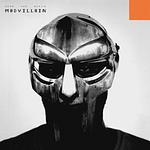
Madvillainy pairs Madlib's collage-like, sample-rich, jazz-inflected production with MF DOOM's dense, off-kilter delivery and cryptic, stream-of-consciousness lyrics. The album's short, tightly arranged tracks and brief connective skits create a compact, unpredictable flow that balances instrumental experimentation with classic hip hop rhythms. Its lo-fi textures, unconventional song structures, and focus on mood and sonic detail helped shape an approach to abstract and experimental hip hop.
#412 — Endtroducing..... by DJ Shadow
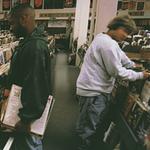
Endtroducing....., released in 1996 by DJ Shadow (Joshua Davis), is an instrumental hip hop album built almost entirely from sampled material. Its sound combines downtempo beats, cinematic textures, scratches and found sounds into moody, collage-like tracks that sit at the intersection of trip hop, electronic and hip hop production. The album is widely regarded as a landmark in sample-based and instrumental hip hop for its dense layering and immersive sequencing.
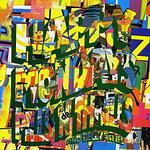
Pills ’n’ Thrills and Bellyaches (1990) captures Happy Mondays blending indie rock guitar and raw, conversational vocals with dancefloor elements drawn from house, funk and psychedelia. The album is groove-driven, featuring looping rhythms, prominent bass and percussion, samples and organ-like keyboards that create a hazy, party-oriented atmosphere. Its sound exemplifies the late Manchester crossover between alternative rock and club culture, emphasizing rhythm and texture over conventional songcraft.
#414 — Dig Your Own Hole by The Chemical Brothers
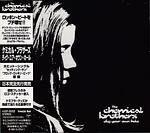
Dig Your Own Hole is the Chemical Brothers' 1997 second studio album and a defining example of the big beat sound of the late 1990s, blending heavy breakbeats, distorted basslines, and psychedelic sampling with rock-influenced rhythms. The record includes propulsive tracks like "Block Rockin' Beats" and "Setting Sun", the latter featuring Noel Gallagher, and is notable for its dense layering, dramatic buildups, and emphasis on groove and sonic impact over conventional pop song structures.
#415 — Chet Baker Sings by Chet Baker
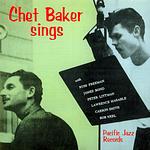
Chet Baker Sings, from 1954, showcases Baker's soft, intimate vocal style alongside his lyrical, understated trumpet playing in a cool jazz setting. The album presents relaxed, melodic interpretations of standards with spare accompaniment and conversational phrasing, highlighting a subdued, introspective approach to balladry. Its combination of breathy singing and understated instrumental lines is often cited as a defining example of the West Coast cool aesthetic and marked an important moment in Baker's role as both singer and instrumentalist.
#416 — Merriweather Post Pavilion by Animal Collective
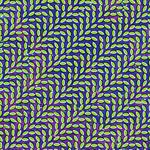
Merriweather Post Pavilion is a 2009 album by Animal Collective that blends neo-psychedelia, experimental electronics, indietronica and sunshine pop into densely layered, rhythmically insistent songs. It features bright, reverb-soaked vocal harmonies, looping synth patterns and heavily processed textures that create a kaleidoscopic, immersive sound while still foregrounding catchy melodies. The arrangements favor repetitive grooves and saturated sonics over traditional rock dynamics, marking a shift toward a more electronic and pop-inflected direction in the band’s work.
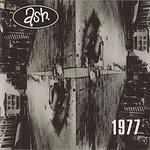
1977 is Ash's 1996 debut studio album that blends pop punk urgency with Britpop and indie rock melodies, often colored by noise pop textures. The songs are generally concise and guitar driven, pairing bright, hooky choruses with rawer, feedback-tinged guitar work and an overall youthful, high-energy feel. The record established the band's early sound by balancing punk immediacy and pop songwriting within the mid 1990s alternative landscape.
#418 — Electro‐Shock Blues by EELS
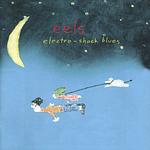
Electro-Shock Blues, released in 1998 by Eels, is a somber and intimate sophomore album that blends singer-songwriter confessionalism with alternative rock and indie pop textures. Mark Everett's songs address themes of illness, loss and mortality with plainspoken lyrics, mixing sparse acoustic pieces, chamberlike string arrangements, electronic touches and upbeat rock moments that create a contrast between heavy subject matter and melodic accessibility. The record is notable within the band's catalog for its emotional directness and for deepening the melancholic, darkly witty aesthetic that characterizes Eels' work.
#419 — Let It Come Down by Spiritualized

Let It Come Down (2001) by Spiritualized is a lavish, orchestral take on the band’s space rock and indie roots, produced and led by Jason Pierce. The album layers strings, brass, choir, organ and droning guitars into dense, symphonic arrangements that combine gospel and soul touches with slow-building, atmospheric textures and melancholic lyrical themes.
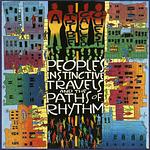
People's Instinctive Travels and the Paths of Rhythm, A Tribe Called Quest's 1990 debut, blends hip hop with jazz-inflected samples and boom bap rhythms. The group's conversational, understated flows from Q-Tip, Phife Dawg and Jarobi ride warm, melodic loops and offbeat percussion, balancing playful, personal storytelling with socially aware lyrics. The production foregrounds crate-digging jazz and funk loops, loose drum programming, and an eclectic, relaxed vibe that helped shape jazz rap and alternative East Coast hip hop styles.
#421 — Radio City by Big Star
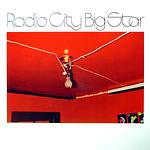
Radio City, released in 1974 by Big Star, is a crisp example of American power pop and pop rock that pairs chiming, guitar-driven arrangements with tight vocal harmonies and concise, melody-focused songwriting. The album moves between bright, hooky pop textures and moments of harder-edged guitar, creating a balance of studio polish and rawer rock energy. It is often noted for its songwriting clarity and its role in shaping later strains of alternative and indie pop.
#422 — Too-Rye-Ay by Dexys Midnight Runners
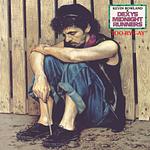
Too-Rye-Ay is the second studio album by Dexys Midnight Runners, released in 1982. It blends the group's blue-eyed soul and New Wave energy with folk rock touches, incorporating fiddle and Celtic-inflected arrangements alongside brass and driving rhythms. The record is notable for Kevin Rowland's raw, emotive vocals and a shift toward more exuberant, danceable pop-soul songs with a distinct folk flavor.
#423 — Live at Leeds by The Who
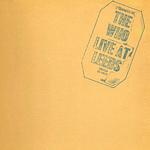
Recorded at Leeds University in 1970, Live at Leeds captures The Who in a loud, raw live set that emphasizes hard rock and blues-rock intensity alongside the band's classic rock songwriting. The album features extended, high-energy performances, muscular guitar work from Pete Townshend, forceful vocals from Roger Daltrey, dynamic bass from John Entwistle, and frenetic drumming by Keith Moon, with a stripped-down, immediate sound that influenced subsequent live rock recordings.
#424 — The Joshua Tree by U2
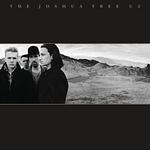
The Joshua Tree, released in 1987 by U2, refines the band’s post-punk roots into a widescreen rock sound that blends atmospheric, delay-heavy guitar work with blues, gospel and American roots influences. Produced by Brian Eno and Daniel Lanois, the album favors sparse, spacious arrangements that highlight The Edge’s chiming textures and Bono’s expressive vocals while exploring themes of faith, politics and the American landscape. Tracks move between spare balladry and driving, anthemic rock, and the record is noted for its cinematic production and lyrical focus on searching and spirituality.
#425 — Nancy & Lee by Nancy Sinatra, Lee Hazlewood
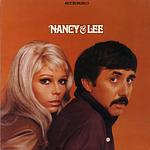
Nancy & Lee is a 1968 collaboration between Nancy Sinatra and Lee Hazlewood that blends baroque pop, easy listening, and touches of jazz into a cinematic late 1960s pop sound. The album contrasts Hazlewood's low, conversational baritone with Sinatra's breathy, intimate delivery over lush, often orchestral arrangements and spare, atmospheric production, producing duets that trade between sultry storytelling and melancholic detachment. Its distinctive vocal interplay and dramatic, lounge-tinged arrangements distinguish the record within both artists' catalogs.
#426 — Goo by Sonic Youth
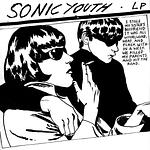
Goo (1990) finds Sonic Youth moving their underground noise and experimental guitar work into more song-focused arrangements following their move to a major label. The album blends dissonant, alternate-tuned guitars, dense feedback and textural noise with clearer melodic hooks and shorter song forms, evident on tracks like "Kool Thing" and "Dirty Boots". Kim Gordon's vocal presence and the interlocking guitars of Thurston Moore and Lee Ranaldo give the record a gritty, art rock edge while retaining the band's experimental impulses.
#427 — Here Come the Warm Jets by Brian Eno
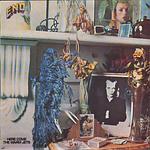
Here Come the Warm Jets is Brian Eno's 1973 debut solo album that blends art rock and glam sensibilities with experimental studio techniques. Short, song-based tracks combine pop structures and avant-garde approaches, using tape manipulation, unconventional arrangements, and a wry sense of humor, while contributions from various British rock musicians give the record a loose, patchwork feel. The album marks a transitional moment in Eno's work, showcasing his interest in production as a compositional tool and foreshadowing his later ambient explorations.
#428 — Born in the U.S.A. by Bruce Springsteen
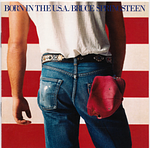
Born in the U.S.A. is Bruce Springsteen's 1984 album that blends heartland rock, pop rock, folk rock and AOR into a big, radio-ready sound. It pairs driving rock arrangements, bright synthesizer textures and prominent saxophone with anthemic, singalong choruses, while the lyrics continue Springsteen's focus on working-class life and the struggles of veterans, often juxtaposing upbeat music with stark storytelling. The overall effect is a muscular, accessible record that reinforced Springsteen's reputation for combining melodic rock with socially minded narratives.
#429 — Bleed American by Jimmy Eat World
Bleed American is Jimmy Eat World's 2001 album that blends alternative rock, emo, and pop-rock into concise, hook-driven songs. It pairs energetic, guitar-forward arrangements and propulsive rhythms with candid, emotionally direct lyrics and soaring choruses, with production that emphasizes clarity and dynamic contrast. The record's melodic focus and accessible songwriting marked a turning point for the band and helped bring their sound to a wider audience within early 2000s emo and alternative rock circles.
#430 — Scott 4 by Scott Walker
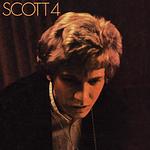
Scott 4, released in 1969, finds Scott Walker moving deeper into baroque pop and orchestral art pop with somber, literate songwriting and lush chamber-pop arrangements. The record foregrounds Walker's deep, expressive baritone against dense strings and brass while exploring introspective and enigmatic themes, representing a deliberate shift away from mainstream pop toward a darker, more idiosyncratic solo direction that anticipated his later experimental work.
#431 — Badmotorfinger by Soundgarden
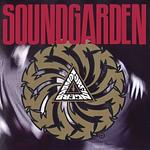
Badmotorfinger, Soundgarden's 1991 studio album, blends heavy metal heft with alternative rock and grunge sensibilities. The record is marked by thick, metallic guitar riffs, dense production, and frequent shifts in tempo and meter, anchored by Chris Cornell's powerful, wide-ranging vocals. Tracks move between sludgy, downtuned heaviness and more melodic passages, showcasing the band's mix of hard rock, metal, and alternative influences and helping to define their sound in the early 1990s.
#432 — Tindersticks by Tindersticks
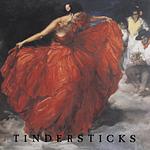
Tindersticks (1993) is the band's debut album built around Stuart Staples's deep, smoky baritone and a slow, chamber pop sound that blends rock instrumentation with string and horn arrangements. The songs emphasize cinematic, melancholic moods, sparse percussion, and elegiac piano and violin lines, creating a lounge-like, orchestral atmosphere that established the band's early aesthetic.
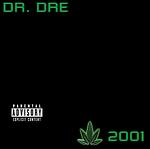
2001 is Dr. Dre's 1999 studio album, a glossy, hard-edged West Coast hip hop record that refines the G-funk palette with cinematic, bass-heavy production and crisp, layered beats. A follow-up to his early 1990s work, it features many guest vocalists and pairs gangsta rap themes with melodic synth lines, deep low end, and precise drum programming, reflecting Dre's emphasis on studio craftsmanship and a polished, larger-than-life sound.
#434 — Steve McQueen by Prefab Sprout
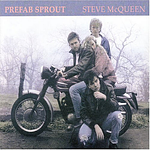
Steve McQueen is Prefab Sprout's 1985 album, produced by Thomas Dolby, that refines the band's blend of synth-pop, pop rock and sophisti-pop into a polished, literate form of chamber pop. Paddy McAloon's songwriting pairs wry, introspective lyrics with sophisticated chordal movement, warm melodies and smooth synth textures, while the production favors crisp, economical arrangements. The album is a clear example of mid 1980s sophisti-pop, notable for combining accessible hooks with musically intricate structures.
#435 — Easter by Patti Smith Group
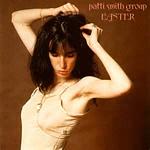
Easter, released in 1978 by the Patti Smith Group, blends Smith's art punk roots with fuller rock arrangements and elements of new wave and hard rock. The album pairs her poetic, often declamatory lyrics with more melodic song structures and cleaner production, most notably on "Because the Night", co-written with Bruce Springsteen, while retaining raw, confrontational tracks and spoken-word passages. It marks a moment where Smith's punk intensity intersects with broader rock accessibility without abandoning her literary approach.
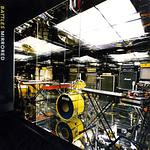
Mirrored, Battles' 2007 debut studio album, blends math rock precision with electronic production and experimental post-rock textures. It features complex interlocking rhythms, looping guitars and synths, and distinctive processed vocals by Tyondai Braxton that act as a rhythmic and melodic element, most prominently on the track Atlas. The album's tight grooves and layered sound design helped establish Battles' approach to merging rock instrumentation with electronic manipulation.
#437 — Dear Science by TV on the Radio
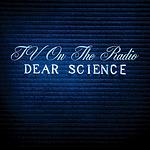
Dear Science, released in 2008 by TV on the Radio, blends indie rock, electronic textures, soul-informed vocals and experimental production into dense but hook-driven songs. The arrangements layer jagged guitars, funk and R&B rhythms, brass and synth color, and layered vocal harmonies to create music that is both propulsive and intricate, marking a moment where the band balanced accessible melodies with adventurous sonic detail.
#438 — Aha Shake Heartbreak by Kings of Leon
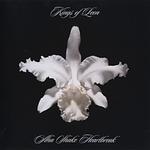
Aha Shake Heartbreak is a 2004 album by Kings of Leon that channels alternative and indie rock through a Southern rock and blues-tinged lens, emphasizing raw, guitar-driven arrangements and concise, energetic songs. The sound mixes reverb-drenched riffs and rhythmic urgency with often high-register, gritty vocals, creating a tense, atmospheric feel that balances garage-influenced roughness with melodic hooks. It is notable for capturing the band’s early style, where compact, punchy tracks and a dusty Southern atmosphere shape its character.
#439 — The Futureheads by The Futureheads
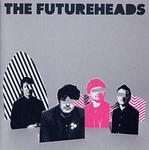
The Futureheads is the 2004 debut album by British indie rock band The Futureheads. It features concise, angular guitar-driven songs with tight, often staccato rhythms and prominent four-part vocal harmonies, drawing on post-punk revival influences. The record's brisk tempos, frayed guitar textures, and melody-forward arrangements emphasize energetic interplay between guitars and layered voices, establishing the band's distinctive sound.
#440 — Life's a Riot With Spy vs Spy by Billy Bragg
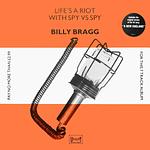
Life's a Riot with Spy vs Spy, Billy Bragg's 1983 debut, is a spare, direct collection built around his electric guitar and urgent voice, blending punk energy with folk songwriting and politically minded, often personal lyrics. The minimal arrangements foreground the words and melodies, producing a raw, intimate sound that helped define Bragg's early identity and influenced later strands of British folk rock and anti-folk. Its concise, punchy approach emphasizes both protest and tenderness without heavy production.
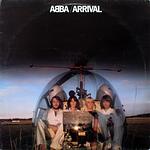
Arrival, released in 1976 by ABBA, blends polished pop and Europop with disco and dance elements, featuring rich vocal harmonies, layered studio production, and prominent string arrangements. The album is anchored by the well known single "Dancing Queen" and balances upbeat, danceable tracks with melodic ballads and occasional rock-tinged touches, reflecting the group's focus on strong hooks and meticulous pop craftsmanship.
#442 — Al Green Is Love by Al Green
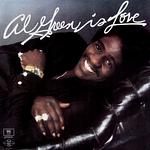
Al Green Is Love (1975) is a mid 1970s soul and R&B record that emphasizes smooth, intimate vocal performances over relaxed grooves, warm horns, and subtle string arrangements. Produced with his longtime collaborator Willie Mitchell and featuring the restrained, soulful backup typical of the Hi Records sound, the album continues Green's mix of romantic and spiritual themes and highlights his signature falsetto and polished, understated arrangements.
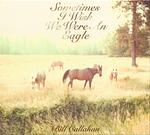
Sometimes I Wish We Were an Eagle is a 2009 album by Bill Callahan that melds alternative country and Americana into a sparse, pastoral sound. The songs foreground Callahan's deep baritone and introspective, elliptical lyrics, with slow tempos, minimalist arrangements and occasional subtle orchestral touches that create a meditative, melancholic atmosphere. The record emphasizes spacious production and restrained emotional power rather than conventional hooks or dense instrumentation.
#444 — Violator by Depeche Mode
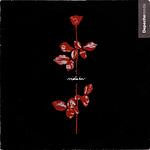
Violator is Depeche Mode's 1990 album that blends synth-pop and darker electronic textures with rock and alternative dance rhythms. Its sound pairs hook-driven melodies and brooding atmospheres with layered synthesizers, rhythmic guitar elements, and prominent beats, while Martin Gore's songwriting and Dave Gahan's vocals give the songs a more polished, song-focused character that broadened the band's musical palette and influence.
#445 — Tusk by Fleetwood Mac
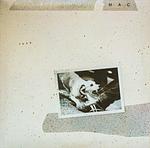
Tusk is Fleetwood Mac's 1979 album that pushed the band into more experimental territory after their earlier pop rock success. It blends rock and pop rock with art rock textures, country inflections, and dreamlike atmospheres, featuring rawer production, unconventional arrangements, and prominent percussion on the title track. The record is notable for its willingness to embrace looser song structures and studio experimentation while retaining the band's vocal harmonies. Overall it is an adventurous and eclectic entry in the band's catalog.
#446 — The Warning by Hot Chip
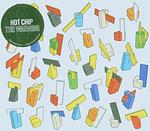
The Warning is Hot Chip's 2006 album that refines their mix of synth-pop, electropop and indie electronic dance music, pairing warm analogue synth textures and jittery drum-machine patterns with layered vocal harmonies. The songs shift between intimate, bittersweet songwriting and propulsive grooves, balancing a home-studio, DIY sensibility with hook-driven pop arrangements and club-ready rhythms. Its sound emphasizes melodic hooks, textured production and a blend of emotional lyricism with dancefloor energy.
#447 — Diamond Dogs by David Bowie
Diamond Dogs (1974) is a David Bowie album that blends glam rock and classic rock with a darker, theatrical tone, featuring raw, guitar-driven arrangements alongside moments of horn-tinged soul and funk that point toward his later stylistic shifts. The record has a loose conceptual thread of urban decay and dystopian imagery, and includes sprawling sequences such as the Sweet Thing suite and the anthemic single Rebel Rebel, marking a move away from his Ziggy Stardust stage persona toward a more fragmented, cinematic sound.
#448 — Sci‐fi Lullabies by Suede
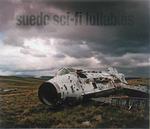
Sci‑fi Lullabies (1997) by Suede blends alternative rock and Britpop foundations with glam rock theatricality, indie rock intimacy, and power pop melody. The album's style emphasizes melodic, guitar-driven arrangements and dramatic vocals, balancing punchy, hook-focused tracks with more reflective, atmospheric moments that reflect the band's engagement with 1990s British alternative and glam-influenced sounds.
#449 — AM by Arctic Monkeys
AM, released in 2013 by Arctic Monkeys, blends the band's indie and alternative rock foundations with bluesy guitar riffs, R&B inflections and hip hop influenced rhythms to create a groove-oriented, nocturnal sound. The record emphasizes low-end guitar hooks, punchy backbeats and slick, crooning vocal lines from Alex Turner, marking a shift toward darker, more rhythm-driven textures compared with the band's earlier, more overtly guitar-led albums. Largely produced by James Ford, the album is notable for its polished production and emphasis on atmosphere and groove.
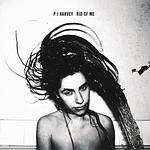
Rid of Me is PJ Harvey's 1993 album, produced by Steve Albini, noted for its raw, visceral sound and stark, live-feeling production. The music blends abrasive guitar work, driving rhythms, and intense, often confrontational vocals, with lyrics that explore power, desire, and emotional volatility. The record is commonly seen as a darker, more aggressive follow-up to her earlier work and a defining statement in 1990s alternative and indie rock.
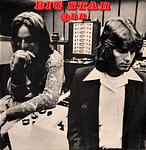
3rd, often issued as Third or Third/Sister Lovers, is Big Star's late 1970s album that departs from the bright power pop of their earlier records in favor of a darker, more experimental and melancholic sound. Alex Chilton's intimate, sometimes raw vocals sit against spare, fragmented arrangements and occasional orchestral touches, creating a haunted, introspective atmosphere that reflects the difficult circumstances of the sessions. Its unconventional textures and emotional directness have made it influential to later indie and alternative musicians.
#452 — The B‐52's by The B‐52s
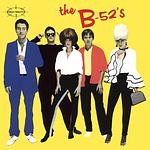
The B-52's is the band's 1979 debut, a loose and exuberant collection that helped define late 1970s New Wave with a blend of surf-influenced guitar, propulsive dance rhythms, and buoyant call-and-response vocals. The album's quirky lyrics, party-ready arrangements, and prominent organ and angular guitar give it a playful, kitschy feel that bridged art-pop and dance-rock while establishing the group's distinctive image in alternative music. Its energetic, danceable songs and offbeat humor made it a touchstone for bands exploring pop hooks with an avant-garde sensibility.
#453 — The House of Love by The House of Love
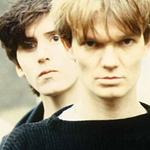
The House of Love is the band's 1988 debut album, built around Guy Chadwick's melodic songwriting and chiming, reverb-heavy guitars that mix indie pop hooks with the textural atmospheres of dream pop and early alternative rock. Arrangements move between bright, jangly passages and denser, feedback-soaked layers, producing concise songs that emphasize melody within a hazy, guitar-driven sonic setting. The record established the group's signature blend of pop craft and atmospheric guitar work that would define their early output.
#454 — The Writing's on the Wall by Destiny's Child
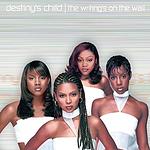
The Writing's on the Wall (1999) is Destiny's Child's second studio album, blending contemporary R&B and pop with polished production, tight three-part harmonies, and rhythmically driven grooves. Tracks range from intimate midtempo numbers to upbeat pop-R&B singles such as "Bills, Bills, Bills" and "Say My Name", with lyrics that address relationship tensions, trust, and female assertiveness. The album solidified the group's signature vocal dynamics and marked a defining moment in their late 1990s sound.
#455 — Vampire Weekend by Vampire Weekend
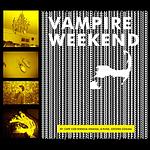
Vampire Weekend is the band's debut album, pairing indie rock guitar jangle with Afro-pop and worldbeat influences and ornate pop arrangements. The record is notable for its bright, rhythmic production, literate and often playful lyrics sung by Ezra Koenig, and layered instrumentation from the band's multi-instrumental lineup, creating a clean, breezy sound that helped shape a strand of mid 2000s indie pop.
#456 — September of My Years by Frank Sinatra
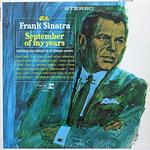
September of My Years (1965) presents Frank Sinatra in a reflective, late-career mode, delivering a sequence of ballads and standards arranged and conducted by Gordon Jenkins. The album emphasizes lush string charts, restrained brass touches, and measured tempos that foreground Sinatra's warm, seasoned baritone, with recurring themes of aging, memory, and nostalgia woven through the song choices. Stylistically it sits between traditional pop, jazz-inflected phrasing, and easy listening orchestration, offering a coherent, intimate mood throughout.
#457 — Black Cherry by Goldfrapp
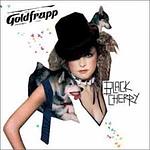
Black Cherry, Goldfrapp's 2003 album, moves the duo away from the nocturnal, cinematic electronica of their debut toward a sleeker, synth-driven sound that blends electro, glam and leftfield electronic textures. Alison Goldfrapp's breathy, sensual vocals sit atop pulsing analogue synths, motorik rhythms and icy basslines, balancing downtempo moodiness with dance-oriented arrangements and marking a clear stylistic pivot for the band.
#458 — Yankee Hotel Foxtrot by Wilco
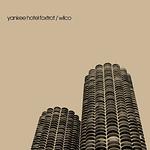
Yankee Hotel Foxtrot (2002) finds Wilco moving beyond their alt-country foundations toward a more experimental, studio-focused sound, pairing Jeff Tweedy's introspective, often ambiguous lyrics with layered guitar textures, tape manipulation, and subtle electronic touches. The record balances songcraft and sonic adventurousness, alternating intimate ballads with noisy, atmospheric passages and marking a notable shift in the band's approach to production and arrangement.
#459 — The Black Album by JAY‐Z
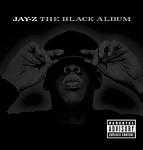
The Black Album, released in 2003 by JAY-Z, is a late-career studio record that blends East Coast hip hop and hardcore rap with pop rap sensibilities. It pairs dense, autobiographical lyricism about fame, legacy, and street life with varied production that ranges from sample-based soul beats to spare, rock-tinged arrangements. Framed at the time as a sendoff, the album is often noted for its focused sequencing and the mix of introspective tracks and assertive, braggadocio-driven songs.
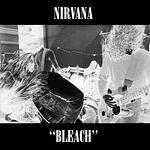
Bleach is Nirvana's 1989 debut album, recorded with producer Jack Endino at Reciprocal Recording in Seattle and released on Sub Pop. The record has a raw, heavy sound defined by thick, distorted guitars, strong bass presence, and gritty low fidelity production that draws on punk, sludge metal, and noise rock while helping define the early grunge and alternative rock aesthetic. Kurt Cobain's songs alternate between abrasive, riff-driven tracks and more melodic moments, presenting the band in a blunt, uncompromising early form.
#461 — Generation Terrorists by Manic Street Preachers
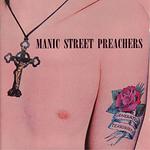
Generation Terrorists is the debut studio album by Manic Street Preachers, released in 1992. It blends alternative rock with glam and hard rock influences, pairing big, anthemic guitar riffs and melodic hooks with punk-derived energy and confrontational, politically charged lyrics. The production leans toward a theatrical, bombastic sound with occasional orchestral touches, and the songs often tackle themes of fame, consumerism and leftist politics.
#462 — Master of Puppets by Metallica
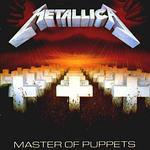
Master of Puppets (1986) is Metallica's third studio album and a landmark of thrash metal, blending aggressive, fast-paced riffs and palm-muted gallops with extended song structures and melodic guitar solos. The record pairs relentless speed and tight rhythmic precision with moments of dynamic contrast and instrumental complexity, showing progressive tendencies in longer arrangements. Lyrically it touches on themes of control and manipulation, and the production delivers a clearer, heavier sound compared with the band's earlier releases.
#463 — Pod by The Breeders
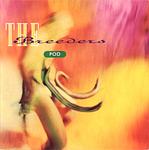
Pod is the Breeders' 1990 debut album, led by Kim Deal and produced by Steve Albini, that delivers a raw, stripped-down take on alternative and indie rock; its sparse arrangements, hushed-to-loud dynamics, idiosyncratic melodies, and lo-fi textures foreground Deal's songwriting and voice, and the record includes a distinctive reworking of the Beatles' "Happiness Is a Warm Gun".
#464 — Because of the Times by Kings of Leon
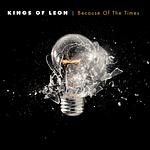
Because of the Times is a 2007 Kings of Leon album that expands the band's earlier garage and Southern rock roots into a more widescreen, arena-oriented sound. The record pairs reverb-heavy guitars and muscular rhythms with atmospheric production and dynamic song structures, shifting between raucous, punk-tinged rock and slower, blues-influenced passages. Overall it emphasizes bigger arrangements and anthemic choruses while retaining the rawness of their earlier work, representing a clear move toward a more ambitious, textured sound.
#465 — High Violet by The National
High Violet is The National's 2010 album that blends indie rock and chamber pop with post-punk revival influences, anchored by Matt Berninger's baritone and taut, introspective songwriting. The record pairs layered guitars, piano and string arrangements to create brooding, dynamic tracks that move from restrained verses to expansive, emotionally charged choruses, with lyrics often addressing anxiety, relationships and urban unease. Produced by Peter Katis, the album emphasizes spacious production and a contrast between intimate detail and sweeping arrangements.
#466 — The W by Wu‐Tang Clan
The W, released in 2000, finds Wu-Tang Clan doubling down on a gritty East Coast hip hop sound driven by RZA's shadowy, sample-heavy production and spotlighting multiple core members in a group-focused record. The album emphasizes dense, often murky beats, raw hardcore delivery, cinematic martial arts touches, and layered lyricism that balances street narratives with abstract imagery.
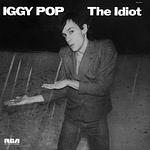
The Idiot, Iggy Pop's 1977 solo album produced and co-written in part by David Bowie, marks a shift from raw garage rock toward a darker, more measured sound that blends rock, art rock, punk energy, and early new wave elements. The record emphasizes sparse, mechanical rhythms, atmospheric synth and guitar textures, and subdued, brooding vocals, with songs like "Nightclubbing" and "China Girl" highlighting its minimalist arrangements and European electronic influences. The album is often seen as a stylistic pivot in Pop's career that contributed to the development of post-punk and new wave aesthetics.
#468 — Chutes Too Narrow by The Shins
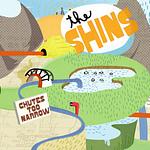
Chutes Too Narrow is a 2003 album by The Shins centered on James Mercer’s concise, melody-forward songwriting. It blends jangly guitars, piano, tight rhythmic interplay and layered vocal harmonies into compact indie pop and alternative rock songs with cleaner, more direct arrangements than the band’s debut. The album emphasizes focused songcraft and hook-driven melodies that helped define The Shins’ early sound.
#469 — Holland by The Beach Boys
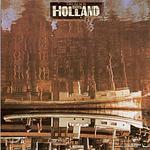
Holland, released in 1973, was recorded in the Netherlands and presents a varied collection that blends pop and rock with art rock and occasional spoken word moments. The album pairs the Beach Boys trademark vocal harmonies with more adventurous arrangements, orchestral touches, and a mixture of sunny California-themed songs and more introspective or experimental material. It is a collaborative, exploratory entry in the band’s 1970s output that reflects a move away from their early surf-pop image toward broader sonic textures.
#470 — Graduation by Ye
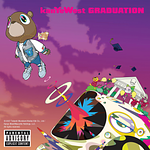
Graduation, released in 2007, is Kanye West's third studio album and represents a shift toward synth-forward, stadium-friendly production that blends hip hop, pop rap and electropop with alternative hip hop sensibilities. The record moves away from the heavy soul-sample sound of his earlier albums in favor of layered synthesizers, electronic textures and polished, anthemic arrangements while retaining introspective and boastful lyrical themes about fame, ambition and personal growth. Its combination of pop-oriented hooks, electronic influences and hip hop foundations broadened the album's sonic reach within mainstream hip hop at the time.
#471 — Oracular Spectacular by MGMT
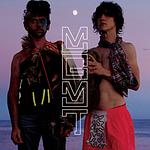
Oracular Spectacular, MGMT's 2007 major-label debut, fuses indie pop and indietronica with neo-psychedelic and alternative rock textures. The album pairs bright, synth-driven arrangements and danceable rhythms with surreal and sometimes melancholic lyrics, exemplified by tracks like "Time to Pretend", "Electric Feel", and "Kids". Its production balances retro synth sounds and modern indie sensibilities to create a hook-heavy but offbeat pop-psych aesthetic.
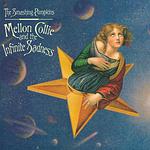
Mellon Collie and the Infinite Sadness is a sprawling 1995 double album by The Smashing Pumpkins that blends alternative rock, grunge, hard rock and dream pop textures. It juxtaposes loud, guitar-driven anthems and heavy distortion with delicate piano, strings and layered vocals, showcasing Billy Corgan's densely produced arrangements and dramatic shifts in dynamics. The record moves between aggressive, riff-based songs and more reflective, orchestral or acoustic passages, creating a wide-ranging, cinematic soundscape that broadened the band's musical palette.
#473 — A Storm in Heaven by The Verve
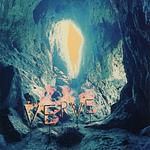
A Storm in Heaven is The Verve's 1993 debut album, built around shimmering, reverb-drenched guitars and an expansive, psychedelic atmosphere. The record blends shoegaze and dream pop textures with neo-psychedelia and space rock tendencies, featuring layered effects, extended instrumental passages and Richard Ashcroft's often distant, soaring vocals. Its focus on mood, texture and spacious arrangements established the band's early sound and experimental approach prior to their later, more song-oriented work.
#474 — Tarot Sport by Fuck Buttons
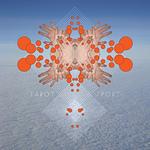
Tarot Sport (2009) is the second album by Fuck Buttons that expands the duo's drone-based electronics into louder, more rhythm-driven territory. It is characterized by dense layers of distortion and low-frequency pulses paired with clipped percussion and occasional melodic sweep, combining experimental electronica and IDM textures with rock-like dynamics. The album emphasizes slow-building crescendos and contrasts between abrasive noise and moments of clarity, showing a move toward more structured, cinematic arrangements.
#475 — Smoke Ring for My Halo by Kurt Vile
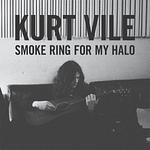
Smoke Ring for My Halo (2011) finds Kurt Vile blending loose indie rock and Americana-inflected folk with hazy, reverb-soaked guitar textures and a relaxed, talk-singing vocal delivery. The arrangements are generally spare and guitar-focused, with subtle percussion and layered melodic lines that let introspective, image-driven lyrics breathe. The record refines Vile’s home-recorded aesthetic into more focused, melodic songs while keeping a wandering, slightly psychedelic atmosphere.
#476 — Foo Fighters by Foo Fighters
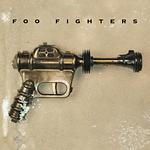
Foo Fighters is the 1995 debut album largely recorded by Dave Grohl after the end of Nirvana. It mixes grunge-tinged, guitar-driven rock with strong power pop melodies and concise, energetic songcraft, presented with a raw, lo-fi production that highlights Grohl's transition into a songwriter and the initial blueprint for Foo Fighters as a full band.
#477 — Crystal Castles by Crystal Castles
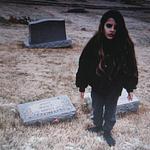
Crystal Castles (2010) is the duo's second studio album, moving their chiptune and electropop roots into darker, more abrasive territory. It pairs bitcrushed, lo-fi synth textures and punchy electronic beats with Alice Glass's raw, often heavily processed vocals, blending catchy pop motifs with noisy, industrial-tinged production. The record features a guest vocal appearance by Robert Smith on the song "Not In Love" and is often cited for its intensified dynamics and streamlined songcraft compared with their earlier material.
#478 — Trouble Will Find Me by The National
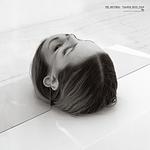
Trouble Will Find Me, released in 2013 by The National, is a moody, introspective indie rock album that refines the band’s post-punk revival roots into a more expansive, textural sound. Matt Berninger’s low, conversational vocals convey literate, melancholic lyrics while layered guitars, piano, strings and subtle brass create dense but restrained arrangements that emphasize mood and dynamics. The record balances intimate ballads and more propulsive tracks, consolidating the band’s signature blend of emotional tension and quiet release.
#479 — The Real Ramona by Throwing Muses
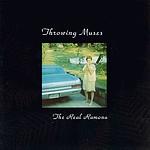
The Real Ramona (1991) finds Throwing Muses tightening their sound into concise, melody-forward songs that blend alternative and indie rock sensibilities with clear power pop leanings. Kristin Hersh's intense, often elliptical lyrics and emotive vocals sit atop interlocking guitar textures and dynamic shifts, producing a mix of immediacy and subtle dissonance. Compared with some of the band's earlier, more sprawling work, this album emphasizes direct songcraft and hooky arrangements while retaining the off-kilter rhythmic and tonal qualities that define their sound.
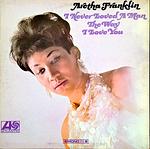
I Never Loved a Man the Way I Love You is Aretha Franklin's 1967 Atlantic breakthrough that crystallized her gospel-rooted, deeply soulful sound. Produced by Jerry Wexler and shaped by sessions at Muscle Shoals and in New York, the album blends Southern soul grooves, church-influenced vocals, and punchy horn and piano arrangements to create a raw, emotionally direct record. It includes the title track and her interpretation of Otis Redding's "Respect", and helped establish the vocal style and repertoire she became known for.
#481 — SMiLE by Brian Wilson

Brian Wilson Presents Smile (2004) is a solo reworking and completion of the famously unfinished 1966-67 Smile sessions originally conceived for the Beach Boys. The album uses modular song fragments, dense vocal harmonies and orchestral color to blend pop and chamber pop textures with psychedelic and classic rock touches, often referencing California and pastoral themes. Its sound emphasizes intricate arrangements, shifting song sections, and a theatrical, collage-like approach to melody and instrumentation.
#482 — Lady in Satin by Billie Holiday
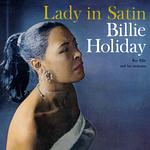
Lady in Satin (1958) presents Billie Holiday in a late-career, emotionally raw mode, her fragile, weathered voice set against lush orchestral arrangements by Ray Ellis that emphasize strings and melancholic textures. The record focuses on torch songs and standards delivered with intimate phrasing and a sense of vulnerability, the contrast between Holiday's worn timbre and the polished orchestral backdrop creating a haunting, poignant atmosphere. It is widely regarded as a powerful and affecting artistic statement from her later years.
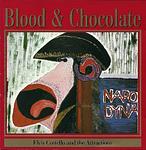
Blood & Chocolate finds Elvis Costello and the Attractions in a raw, volatile mode, returning to jagged, punchy rock and roll with a darker, more abrasive edge. The performances have a live-in-studio urgency, driven by sharp guitar, insistent bass and propulsive drums that frame Costello's intense, often confrontational lyrics. Lean production and a focus on band interplay give the album a direct, high-energy sound that contrasts with some of his more ornate 1980s recordings and emphasizes rock-based arrangements over studio gloss.
#484 — The River by Bruce Springsteen
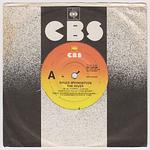
The River is a double album by Bruce Springsteen that blends heartland rock with folk and roots influences, alternating raucous, sax- and guitar-driven anthems with quieter, narrative ballads. Lyrically it centers on working-class life, love, and the burdens of adulthood, and the expanded arrangements showcase a wider emotional and sonic range for Springsteen and the E Street Band, making the album a key, expansive statement in his catalog.
#485 — good kid, m.A.A.d city by Kendrick Lamar
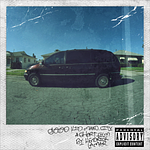
good kid, m.A.A.d city is a concept album that follows a loose, cinematic narrative of adolescence in Compton, pairing Kendrick Lamar's dense, introspective lyricism with varied flows and character-driven vocal moments. Musically it draws on West Coast hip hop and gangsta rap traditions while incorporating elements of conscious hip hop, boom-bap rhythms, soulful samples, and atmospheric production. The record is notable for its storytelling structure, interstitial skits and recurring motifs that connect songs, and for foregrounding moral complexity, community ties, and personal struggle in its themes.

Homogenic is Björk's 1997 album that pairs bold electronic production with lush string arrangements to create a tense, intimate sound. It blends downtempo beats, trip hop grooves and glitchy electronic textures with her expressive voice and a strong sense of atmosphere, often evoking stark, elemental landscapes associated with Iceland. The album emphasizes a tighter, more cohesive sonic identity than some of her earlier work, foregrounding contrasts between organic strings and processed beats.
#487 — Sound Affects by The Jam
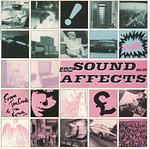
Sound Affects, released in 1980 by The Jam, blends the band's mod revival roots with new wave immediacy, post-punk angularity, rock drive, and power pop melody. Paul Weller's concise, observant songwriting pairs social and personal lyrics with strong melodic hooks, while the trio of Weller, Bruce Foxton, and Rick Buckler delivers tight, rhythm-forward arrangements that move from spare acoustic moments to punchy, guitar-led tracks. Notable for its clear production and Beatles-influenced touches, the album shows the band expanding their sound beyond punk urgency into more varied and melodic songcraft.
#488 — I'm Your Man by Leonard Cohen
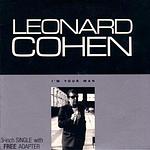
I’m Your Man is a 1988 Leonard Cohen album that updates his songwriting with synth-driven, drum machine and pop rock textures while retaining a strong folk and ballad sensibility. Cohen’s deep, conversational voice anchors songs that blend wry humor, romantic yearning and bleak, observational lyrics, presented in sparse, moody arrangements that emphasize atmosphere and narrative. The record marked a stylistic shift toward more modern production while keeping the lyrical focus that defines his work.
#489 — George Best by The Wedding Present
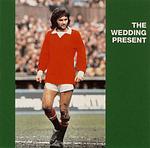
George Best is the Wedding Present's 1987 debut album, rooted in the C86 indie tradition with jangly, propulsive guitars and concise, fast-moving songs. David Gedge's direct, conversational vocals and lyrical focus on relationships and heartbreak pair with chiming guitar lines and a post-punk rhythmic urgency, producing a blend of jangle pop immediacy and angular indie rock tension. The record's lean production and short song lengths helped crystallize a distinctive late 1980s British indie sound.
#490 — Back in the USA by MC5
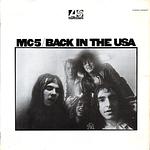
Back in the USA is MC5's 1970 studio album that channels the band's garage rock urgency into a more streamlined, rock and roll oriented sound. It pairs punchy guitar work and driving rhythms with tighter song structures and clearer production than their raw live debut, blending classic rock and roll influences with hard rock intensity while retaining a confrontational energy and immediacy.
#491 — Actually by Pet Shop Boys
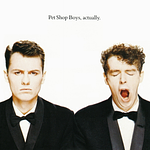
Actually, released in 1987 by Pet Shop Boys, is a polished synth-pop album that blends electronic dance-pop rhythms with literate, often wry songwriting. The production features bright synthesizer lines, programmed beats and occasional orchestral touches, creating a tension between upbeat arrangements and Neil Tennant's detached, melancholic vocal delivery; notable tracks include the dramatic "It's a Sin" and the duet with Dusty Springfield, "What Have I Done to Deserve This?", and the record highlights the duo's knack for marrying pop melodies with ironic, introspective themes.
#492 — Hidden by These New Puritans
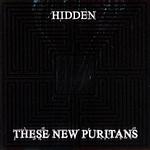
Hidden is a stark, percussion-driven album that pushes These New Puritans toward a tense, cinematic sound by blending electronic production with martial drumming, industrial textures, and echoes of dancehall rhythm. The arrangements favor sparse, tightly controlled beats and angular vocal lines, with an experimental approach to sampling and sound design that gives the record an austere, avant-garde feel. It is often heard as a decisive stylistic pivot for the band, emphasizing rhythm and atmosphere over conventional song structures.
#493 — Blood by This Mortal Coil
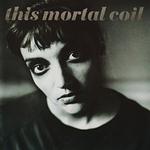
Blood (1991) is a compilation by This Mortal Coil that gathers the project's atmospheric recordings into a single release, emphasizing ambient textures, dream pop melodies, electronic elements, and experimental arrangements. The album showcases the collective's signature layered vocal harmonies and lush, reverb-rich production, offering a concise retrospective of the project's collaborative, reinterpretive approach within the 4AD milieu.
#494 — The Head on the Door by The Cure
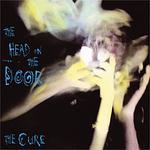
The Head on the Door (1985) showcases The Cure blending their gothic roots with pop and new wave influences to produce concise, melody-driven songs that range from upbeat, synth-tinged singles to darker, atmospheric tracks. Robert Smith's vocal melodies sit over layered guitars, keyboards and varied rhythms, and the record is notable for its stylistic variety, cleaner production and an expanded sonic palette that brought more accessible hooks into the band's moody sound.
#495 — Hot Fuss by The Killers
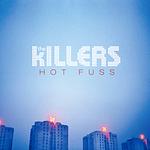
Hot Fuss is The Killers' 2004 debut studio album that blends post-punk revival and new wave influences with alternative and indie rock elements. The sound combines bright, 1980s-style synthesizer textures and driving basslines with urgent, anthemic guitar parts and Brandon Flowers' theatrical vocals, yielding energetic, danceable rock songs built around strong hooks and lyrical themes of jealousy and longing. Several tracks on the record became signature songs for the band and the album is often associated with the mid 2000s resurgence of synth-tinged rock.
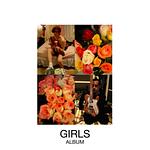
Album is the 2009 debut by Girls, an indie rock project led by Christopher Owens with collaborator Chet White. It mixes lo-fi indie rock with 1960s-inspired pop and surf textures, featuring reverb-heavy guitars, warm vocal harmonies, and moments of soul-tinged arrangement. The songs pair sunny, melodic production with intimate, often confessional lyrics, establishing a nostalgic yet contemporary indie sound.
#497 — Random Access Memories by Daft Punk
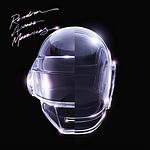
Random Access Memories (2013) finds Daft Punk shifting from sample-based house toward a warm, live-instrument approach that blends electronic production with disco, funk and nu-disco influences. The album emphasizes analog textures, extended groove-based arrangements and contributions from collaborators such as Nile Rodgers, Pharrell Williams and Giorgio Moroder, producing a mix of sunlit disco rhythms, soulful vocals and electronic accents. Its sound represents a deliberate move toward vintage studio techniques and human performance while retaining modern studio polish.
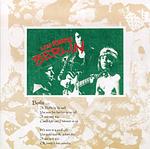
Berlin, Lou Reed's 1973 album produced by Bob Ezrin, is a dark, theatrical concept record that chronicles a troubled couple's descent into addiction, abuse, and despair. Musically it blends rock and art rock with glam and harder-edged moments, using orchestral arrangements, layered vocals, and dramatic dynamics to create a cinematic, unsettling atmosphere that contrasts with the more straightforward rock of his earlier solo work. The album's narrative focus, intense moods, and raw emotional delivery make it a distinctive and provocative work in Reed's catalogue.
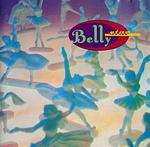
Star (1993) is Belly's debut album led by singer-songwriter Tanya Donelly. It blends indie and alternative rock with dream pop textures and pop rock hooks, marked by chiming guitars, layered reverb and melodic, breathy vocals. Tracks such as "Feed the Tree" and "Gepetto" showcase the album's combination of accessible hooks and atmospheric arrangements, and the record became a defining example of early 1990s female-fronted alternative rock.
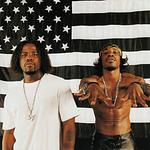
OutKast's 2000 album Stankonia finds Andre 3000 and Big Boi pushing Dirty South hip hop into a more experimental, wide-ranging sound that incorporates electronic textures, techno and drum and bass rhythms alongside funk, soul and psychedelic elements. The production is dense and eclectic, mixing rapid breakbeats, distorted synths, horns and live instrumentation while the duo alternates playful bravado, melodic hooks and pointed social commentary. Songs move from high-energy, drum and bass influenced tracks like "B.O.B." to more melodic, reflective moments such as "Ms. Jackson," and the record is notable for expanding hip hop's sonic palette at the time.