 The Greatest Music
The 100 Best Albums of the 1970s
Weight: 44%
How much this list influences our overall rankings. Higher weight means more reliable data.
Penalties Applied:
Pitchfork’s “The 100 Best Albums of the 1970s” (published June 23, 2004) is a staff-curated countdown framed around the 1970s as the era when the album became a “unified statement,” spanning glam, prog, punk, dub/reggae, soul, art-rock, and more. The writeups are individually signed by different Pitchfork writers (you’ll see multiple bylines across the entries), and the list ultimately crowns David Bowie’s Low at #1 (with The Clash’s London Calling at #2). Conservative “voters” estimate: Pitchfork doesn’t publish a voter count for this feature, but because the capsules are credited to a range of staffers, a cautious estimate is ~15–20 people involved (roughly “dozens” would be too high for the visible byline footprint; “one person” doesn’t fit what’s credited).
#1 — Low by David Bowie
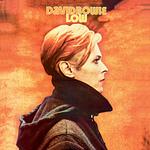
Low, released in 1977, finds David Bowie moving into a spare, electronic and ambient-influenced sound that began his Berlin-period work. Produced with Tony Visconti and featuring contributions from Brian Eno, the album splits between concise, experimental art pop and rock songs on the first side and largely instrumental, ambient and electronic pieces on the second side. Its textures combine synths, electronic treatments, fragmented vocal lines and minimalist arrangements, creating a cool, moody atmosphere that marked a notable stylistic shift in Bowie's career and influenced later blends of rock with ambient and electronic music.
#2 — London Calling by The Clash
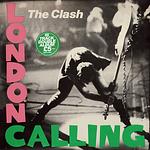
London Calling (1979) by The Clash is a double album that builds on the band’s punk roots while incorporating rockabilly, reggae, ska, new wave and straight rock. The record pairs punk’s urgency and raw guitar with melodic hooks, varied arrangements and occasional piano and horn touches, and features Joe Strummer’s often politically minded and observational lyrics. Its wide stylistic range and confrontational yet tuneful approach helped broaden the musical possibilities available to punk bands at the time.
#3 — Marquee Moon by Television
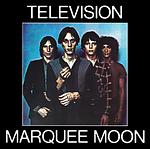
Marquee Moon is Television's 1977 debut album that blends art punk, new wave, post-punk, and art rock into a spare, guitar-driven sound. It features interlocking, melodic guitar lines from Tom Verlaine and Richard Lloyd, a taut rhythm section, and literate, elliptical lyrics, with the extended title track showcasing the band's improvisational interplay. The album's emphasis on texture and guitar interplay influenced later post-punk and indie rock approaches.
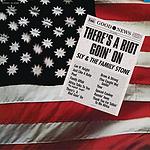
There’s a Riot Goin’ On, released in 1971 by Sly & the Family Stone, marks a turn from the band’s earlier upbeat crossover soul toward a darker, more inward form of funk and psychedelic soul. The record emphasizes slow, groove-centered rhythms, prominent bass, muted horns and layered, often murky production that creates an intimate, raw atmosphere. Its lyrics and tone convey disillusionment and reflection rather than the communal optimism of the 1960s, and the album’s emphasis on texture and mood helped shape later directions in deep funk and progressive soul.
#5 — Blood on the Tracks by Bob Dylan
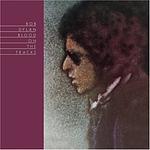
Blood on the Tracks, released in 1975, is an intimate, lyrically driven album that blends Dylan's folk rock roots with elements of blues and country rock. The songs are narrative and confessional, centering on relationships and emotional turmoil, delivered through spare acoustic arrangements with occasional fuller band backing. The record is characterized by direct, conversational vocals, rich storytelling, and a live, immediate studio feel that emphasizes songwriting and emotional clarity.
#6 — Trans Europa Express by Kraftwerk
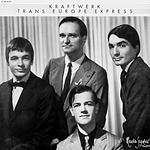
Trans-Europe Express, released in 1977 by Kraftwerk, is a landmark album of minimalist, machine-driven electronic music that helped shape late 1970s synth-based styles. It features steady, motorik-influenced rhythms, repetitive sequenced synthesizer lines, and vocoder-processed vocals that evoke themes of travel, technology, and modernity. The record's spare arrangements and emphasis on texture and groove marked a move toward fully electronic composition and influenced later electro, synth-pop, and experimental electronic artists.
#7 — [Led Zeppelin IV] by Led Zeppelin
![[Led Zeppelin IV]](https://images.thegreatestmusic.org/yfyip7ss5dlcr6r39qje3hx89jrl)
Led Zeppelin IV, released in 1971, is a pivotal album in the band's catalogue that blends hard rock, blues, and folk elements. It alternates between acoustic, pastoral numbers and heavy electric songs, showcasing Jimmy Page's layered guitar work, Robert Plant's dynamic vocals, John Paul Jones's arranging and keyboard contributions, and John Bonham's powerful drumming. The album's mix of riff-driven rock, acoustic storytelling, and expansive production helped shape what became known as classic and arena rock sounds.
#8 — Entertainment! by Gang of Four
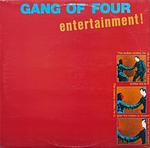
Entertainment!, the 1979 debut by Gang of Four, combines punk urgency with funk-influenced dance rhythms and art-punk angularity. The album is built on staccato, jagged guitar figures, propulsive, groove-driven bass and tight, rhythmic arrangements that favor economy and texture. Lyrically it offers direct, politically charged critiques of consumerism, interpersonal power and modern capitalism, delivered with a cool, detached vocal approach. The spare, abrasive sound and focus on rhythm and ideas helped define a strand of post-punk that fed into later dance-punk and alternative music.
#9 — Unknown Pleasures by Joy Division
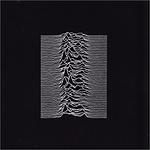
Unknown Pleasures, Joy Division's 1979 debut studio album, is a landmark of post-punk characterized by sparse, austere arrangements and distinctive production by Martin Hannett. The record pairs Peter Hook's high, melodic basslines and Bernard Sumner's angular guitar with Stephen Morris's precise, often metronomic drums under Ian Curtis's deep, restrained vocals and introspective lyrics, creating a cold, atmospheric sound that also fed into gothic and alternative rock developments. Its use of space, effects, and the iconic pulsar waveform cover have made it an enduring reference point for late 20th century underground rock.
#10 — Another Green World by Brian Eno
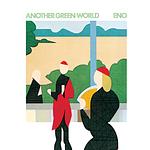
Another Green World, released in 1975, finds Brian Eno shifting from art rock toward ambient and experimental electronic composition. The album mixes a few vocal songs with mostly instrumental pieces, using treated keyboards, synthesizers, guitars and unconventional percussion to build sparse, textured soundscapes and melodic fragments. Its production emphasizes unusual timbres and layering, and the record marks a key step in Eno's development of ambient approaches to composition.
#11 — Exile on Main St. by The Rolling Stones
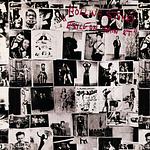
Exile on Main St. is a 1972 double album by The Rolling Stones that blends rock, blues rock, roots rock and country-inflected sounds into a loose, swampy collection of songs. Largely recorded at a villa in southern France with additional sessions in Los Angeles, the record features murky, layered production, horn and gospel-tinged backing vocals, and a raw, rootsy approach that mixes blues, country, soul and rock elements. Its sprawling sequencing and rough-edged sound mark it as a notable example of the band's early 1970s exploration of American roots music.
#12 — Fun House by The Stooges
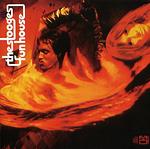
Fun House, released in 1970 by The Stooges, is a raw and abrasive record that helped define proto-punk and garage rock. The album pairs Iggy Pop's urgent, confrontational vocals with Ron Asheton's distorted, loose guitar and a driving rhythm section, while Steve Mackay's freewheeling saxophone adds a chaotic, improvisational live feel. Its stripped-down arrangements, high-energy performances, and abrasive sound capture a direct, confrontational intensity that influenced later punk and hard rock bands.
#13 — Pink Moon by Nick Drake
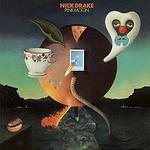
Pink Moon is Nick Drake's 1972 album, his third and final release during his lifetime. It presents stripped-down, intimate arrangements centered on Drake's fingerpicked acoustic guitar and subdued, melancholic vocals. The record moves away from the fuller textures of his earlier work, favoring concise, direct songs with minimal production and a fragile, introspective mood. Its spare sound and haunting songwriting have been influential on later singer-songwriters and contemporary folk artists.
#14 — Loaded by The Velvet Underground
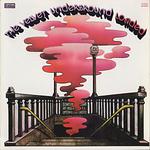
Loaded, released in 1970 by The Velvet Underground, moves toward a cleaner, more pop-oriented sound while retaining the band's art rock and garage roots. The record emphasizes hook-driven songwriting and melodic vocals on tracks such as "Sweet Jane" and "Rock and Roll", blending rock and folk-rock textures with concise, radio-friendly arrangements and clearer production compared with the group's earlier experimental work. The result is a more accessible, songwriter-focused entry in the Velvet Underground catalog that still carries their characteristic lyrical edge.
#15 — Who's Next by The Who
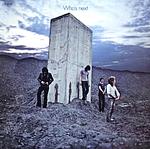
Who’s Next (1971) by The Who mixes hard rock power with art rock ambition, using prominent synthesizer textures alongside Pete Townshend's guitar work and Roger Daltrey's commanding vocals. Many songs grew out of Townshend’s abandoned Lifehouse project, condensed here into taut, arena-ready arrangements that range from driving rock anthems to introspective ballads. The album is notable for its muscular rhythm section, inventive production, and standout tracks such as "Baba O'Riley", "Won't Get Fooled Again", and "Behind Blue Eyes".
#16 — Singles Going Steady by Buzzcocks
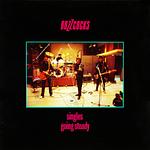
Singles Going Steady is a 1979 compilation album by Buzzcocks that assembles their early singles and non-album tracks from the late 1970s. Musically it pairs punk urgency with strong pop melodies and concise, hook-driven songwriting, delivered through bright, guitar-forward arrangements and direct vocals by Pete Shelley and Steve Diggle. The collection illustrates the band's blend of raw punk energy and melodic sensibility that helped shape later pop-punk and power pop approaches.
#17 — Maggot Brain by Funkadelic
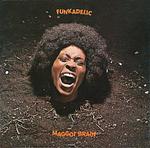
Maggot Brain (1971) by Funkadelic blends deep funk grooves with psychedelic and hard rock textures, anchored by George Clinton's production and Eddie Hazel's emotive guitar work. The album features the side-long title track, an extended, searing guitar improvisation over sparse backing that conveys a melancholy and cosmic intensity, while other songs shift between raw, guitar-driven rock and rhythmically dense funk with layered vocals, wah-wah guitar and distorted tones. It represents a key moment in the development of P-Funk's more experimental, rock-infused side and highlights the group's appetite for studio experimentation and improvisation.
#18 — Bitches Brew by Miles Davis
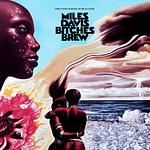
Bitches Brew is a 1970 Miles Davis album that marks his full embrace of electric instruments and the emerging jazz fusion idiom. The music blends loose, extended improvisation with rock and funk rhythms, dense, layered textures and a large ensemble featuring multiple electric keyboards, guitars and electric bass. Producer Teo Macero's studio editing reshaped long collective performances into suite-like tracks with a shifting, cinematic flow. The record is frequently cited as a pivotal work in the development of jazz fusion and avant-garde approaches to jazz.
#19 — Ege Bamyası by Can
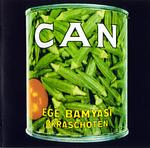
Ege Bamyası (1972) blends loose, improvisational psychedelic rock with disciplined, groove-driven rhythms that helped shape Krautrock. The album alternates hypnotic, extended jams and more concise, songlike pieces, emphasizing repetitive drum patterns, elastic basslines, quirky organ and guitar textures, and improvisational vocals. Its sound balances raw live energy with inventive studio editing, producing tracks that feel both spontaneous and tightly shaped. The record is notable for bringing funk and avant-garde approaches into a rock context while keeping arrangements relatively economical.
#20 — Electric Warrior by T. Rex
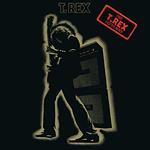
Electric Warrior, released in 1971 by T. Rex, marks Marc Bolan's shift from acoustic folk to a punchy, electric glam rock sound. The album pairs concise rock and roll rhythms and chiming, distorted guitar riffs with Bolan's distinctive vocal delivery and often surreal romantic lyrics. Arrangements emphasize tight grooves and memorable hooks, mixing elements of hard rock and classic rock and roll within a stylized glam aesthetic, and the record is widely regarded as a key statement of early 1970s British glam.
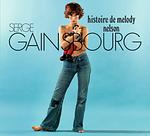
Histoire de Melody Nelson is a 1971 concept album by Serge Gainsbourg that fuses rock, art pop, baroque pop and pop rock into a short, cinematic narrative. The record pairs Gainsbourg's half-spoken, half-sung narration with the breathy vocal presence of Jane Birkin and features lush string arrangements and orchestration by Jean-Claude Vannier, prominent bass-driven grooves, and a moody, nocturnal atmosphere. Its concise, continuous storyline and distinctive production give it a vignette-like quality that has been influential within art pop and baroque pop circles.
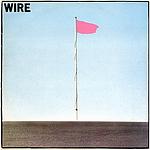
Pink Flag, Wire's 1977 debut, pares punk down to terse, guitar-driven songs and a spare, angular sound that blends punk urgency with art-punk experimentation and early post-punk restraint. Many tracks are extremely concise, featuring staccato guitar lines, clipped rhythms and detached vocals, giving the album a minimalist, precise feel that helped point punk toward more experimental and cerebral directions.
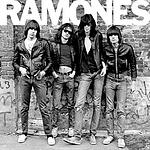
Ramones is the 1976 debut album by the Ramones. It delivers short, fast, stripped-down songs built on simple three-chord guitar figures, driving downbeat drumming, and a raw production that foregrounds catchy hooks and shouted vocals. Noted for its succinct songcraft and aggressive minimalism, the record is widely regarded as a foundational release in punk rock and helped establish the genre's aesthetic.
#24 — Here Come the Warm Jets by Brian Eno
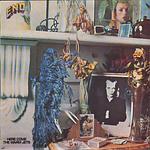
Here Come the Warm Jets is Brian Eno's 1973 debut solo album that blends art rock and glam sensibilities with experimental studio techniques. Short, song-based tracks combine pop structures and avant-garde approaches, using tape manipulation, unconventional arrangements, and a wry sense of humor, while contributions from various British rock musicians give the record a loose, patchwork feel. The album marks a transitional moment in Eno's work, showcasing his interest in production as a compositional tool and foreshadowing his later ambient explorations.
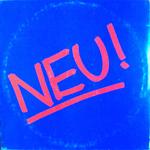
Neu! is the 1972 debut album by the German band Neu!, built around the group's signature motorik pulse and spare, repetitive arrangements. The record pairs steady, driving drum rhythms with chiming guitars, simple melodic motifs, and basic electronic treatments, alternating propulsive grooves with quieter, atmospheric passages. Its minimalist, groove-focused approach and unconventional production helped shape krautrock's experimental direction and influenced later electronic, post-punk, and alternative music.
#26 — Innervisions by Stevie Wonder
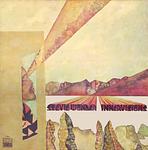
Innervisions, released in 1973, blends soul, funk, smooth soul and psychedelic soul into a studio-focused record built from warm electric pianos, layered synthesizers and tight funk rhythms. The album is notable for Stevie Wonder's multi-instrumental performances and production control, pairing intimate ballads with uptempo grooves and songs that explore social and personal themes through concise, melodic songwriting and rich, textured arrangements.
#27 — Led Zeppelin III by Led Zeppelin
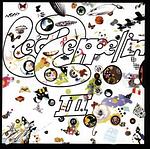
Led Zeppelin III, released in 1970, finds the band moving beyond the hard blues rock of their early records by integrating acoustic instrumentation and folk textures alongside heavier electric songs. The album juxtaposes powerful, riff-driven tracks such as the opening 'Immigrant Song' with pastoral, acoustic pieces and tender balladry, revealing a greater emphasis on dynamics, arrangement and melodic nuance. It is notable for its contrast between raw rock energy and more intimate, folk-influenced songwriting, expanding the group’s sonic range within a single record.
#28 — Let It Be by The Beatles
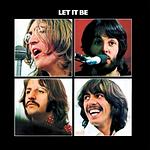
Let It Be (1970) is the Beatles' final studio album release, assembled from 1969 sessions and issued after the group had effectively broken up. The record mixes rock, pop rock, beat music and blues influences, pairing a back-to-basics, live-in-studio feel on several tracks with more produced, orchestral and gospel-tinged arrangements on others. Its varied production approaches and close ties to the documentary film give the album a raw, documentary quality within the Beatles catalogue.
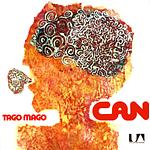
Tago Mago (1971) by Can is a key album in the krautrock and experimental rock canon that blends long-form improvisation, tape editing and early electronic textures into dense, hypnotic soundscapes. The record emphasizes repetitive, propulsive rhythms, spare organ and guitar motifs, and Damo Suzuki's improvisatory vocal contributions, producing a collage-like flow that moves between sprawling jams and shorter, fragmentary pieces. Its focus on studio experimentation, groove and atmosphere helped open rock toward more abstract and electronic approaches and has been widely cited as influential on later experimental and electronic artists.
#30 — On the Corner by Miles Davis
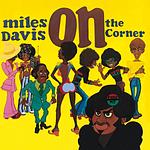
On the Corner (1972) is Miles Davis's electric, groove-oriented album that blends jazz, funk and avant-garde approaches within the emerging fusion context. The music foregrounds repeated, propulsive rhythms, dense layering and studio editing, with electric keyboards, guitar, bass and percussion shaping textured soundscapes around shorter trumpet statements. Produced and assembled with significant studio manipulation, the record represents a deliberate shift in Davis's early 1970s work toward rhythm-driven experiments and expanded tonal palettes.
#31 — Fear of Music by Talking Heads
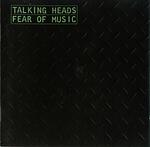
Fear of Music, released in 1979 and produced by Brian Eno, is a rhythmically driven album that blends New Wave and post-punk immediacy with art rock experimentation. The record foregrounds spare, propulsive grooves, angular guitars and David Byrne's tense, observational vocals, augmented by electronic textures and studio layering that nudged the band toward wider polyrhythmic and funk influences on subsequent recordings. Thematically the songs probe urban anxiety and fractured narrative perspectives, marking a pivotal step in the band's evolution.
#32 — The Wall by Pink Floyd
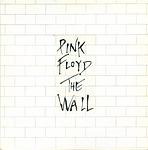
The Wall is a 1979 concept album and rock opera that follows the psychological collapse of a fictional character named Pink, exploring themes of isolation, alienation, and the impact of trauma. Musically it blends progressive rock and art rock structures with elements of classic and psychedelic rock, moving between intimate acoustic passages, dense studio production, orchestral interludes, and powerful, anthemic songs such as "Comfortably Numb" and "Another Brick in the Wall Part 2". The album is notable for its theatrical narrative approach, layered soundscapes, prominent guitar solos, and use of sound effects and spoken segments to advance the story.
#33 — Chairs Missing by Wire
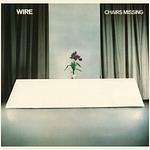
Chairs Missing, Wire's 1978 second album, moves away from the terse punk of their debut toward a more spacious, art punk and post-punk sound that incorporates early synth textures, angular guitar lines, and succinct but unconventional song structures. The record balances melodic moments, as on the delicate single "Outdoor Miner", with more experimental and dissonant passages, and is often noted for expanding the band's sonic palette into territory that intersected with new wave and experimental rock.
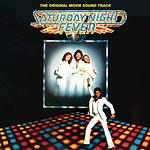
A landmark 1977 film soundtrack that captures the polished, groove-driven sound of late 1970s disco and dance music. It centers on contributions from the Bee Gees alongside songs from other contemporary disco, funk, and pop artists, mixing driving four-on-the-floor rhythms, prominent basslines, lush string and orchestral touches, and falsetto vocal harmonies with a few slower ballad moments. The album is notable for presenting a cohesive dance-oriented sound that helped define popular perceptions of disco and nightclub culture in that era.
#35 — Y by The Pop Group
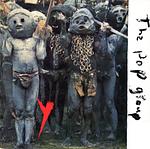
Y is The Pop Group's 1979 debut that fuses jagged post-punk attack with dub-influenced bass and studio effects, free-jazz saxophone touches, funk-derived rhythms, and abrasive, confrontational vocals and lyrics. The production foregrounds heavy low end and echoing space, creating an unsettling, dense sound that pushes rock toward experimental and avant-garde territory. Its tense interplay of danceable grooves, dissonant textures, and political urgency marks it as a distinctive statement within post-punk and art punk contexts.
#36 — Wish You Were Here by Pink Floyd
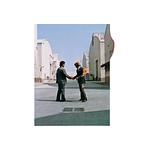
Wish You Were Here, released in 1975 by Pink Floyd, is a progressive and art rock album that blends long-form compositions, atmospheric studio production, and expressive guitar-led melodies. It is built around the multi-part suite "Shine On You Crazy Diamond", acts as a tribute to former member Syd Barrett, and contains songs like "Have a Cigar" and "Welcome to the Machine" that question the music industry. The record alternates between spacious synthesizer textures and warm electric guitar passages, favoring mood, soundscapes, and extended instrumental sections over concise pop arrangements.
#37 — My Aim Is True by Elvis Costello
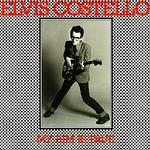
My Aim Is True is Elvis Costello's 1977 debut studio album that blends rock, new wave, pub rock, pop rock and country influences. The record pairs lean, guitar-driven arrangements with concise, literate songwriting, juxtaposing caustic wit and melodic hooks across raucous rockers and more reflective, country-tinged numbers. Recorded with a loose, energetic band feel, the album introduced Costello's distinctive vocal delivery and sharp lyrical voice, marking his emergence as a notable and eclectic songwriter in the late 1970s.
#38 — Drums and Wires by XTC
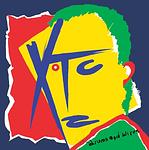
Drums and Wires is XTC's 1979 album that shifts the band toward a tighter, more rhythmically driven new wave and post-punk sound, with angular guitar work, prominent, inventive drumming, and concise song structures. Andy Partridge and Colin Moulding combine catchy pop hooks with quirky, observational lyrics, and tracks such as "Making Plans for Nigel" showcase the album's blend of melodic immediacy and offbeat character. Produced by Steve Lillywhite, with the expanded guitar textures from Dave Gregory, the record marks a clear move away from XTC's earlier abrasive style toward a more focused, eclectic pop-rock approach sometimes associated with Zolo sensibilities.
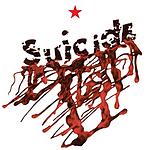
Suicide, the 1977 debut by the duo Suicide, pairs Martin Rev's sparse, repetitive synths and drum-machine patterns with Alan Vega's confrontational, often spoken or shouted vocals to create a stark, urban sound. The album's abrasive minimalism and unsettling narratives are exemplified by tracks such as "Ghost Rider" and the harrowing "Frankie Teardrop." Widely regarded as an influential work in No Wave, electropunk, minimal synth, and art punk, it helped shape later strands of industrial and electronic music.
#40 — The Modern Lovers by The Modern Lovers
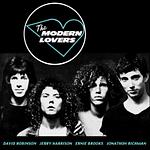
The Modern Lovers (1976) collects early recordings by Jonathan Richman and his band that favor a raw, direct approach rooted in garage rock and proto-punk while drawing on art rock and indie sensibilities. The music pairs spare, chiming guitars and steady, propulsive rhythms with Richman's candid, often childlike vocal delivery and conversational lyrics, blending deadpan wit and everyday observation. Its simplicity and immediacy highlight a balance of rough-edged energy and clear melodic focus that has been widely noted in discussions of early punk and indie precursors.
#41 — Rumours by Fleetwood Mac
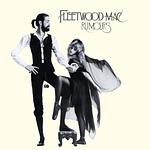
Rumours is a 1977 album by Fleetwood Mac that blends rock, pop rock, soft rock, blues and folk pop into a polished, radio-friendly sound. The record features layered vocal harmonies, melodic songwriting and a mix of acoustic and electric textures that foreground strong hooks and intimate arrangements. Many songs reflect interpersonal relationships and band tensions, giving the lyrics a candid, confessional feel, while the production emphasizes clarity and warmth. The album is widely cited as a defining example of late 1970s pop rock and a central release in Fleetwood Mac's catalog.
#42 — Specials by The Specials
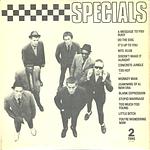
The Specials is the 1979 debut album by The Specials that melds Jamaican ska and reggae rhythms with the energy of punk and new wave within the 2 Tone aesthetic. Musically it pairs propulsive offbeat guitar and punchy horn lines with spare, direct production, and lyrics that address social concerns such as racial tension and youth culture while retaining a strong danceable feel. The album is considered a defining release of the British 2 Tone ska revival and helped bring that sound to a broader audience.
#43 — Off the Wall by Michael Jackson
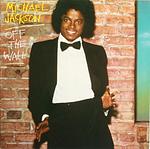
Off the Wall (1979) finds Michael Jackson moving from child star to mature solo artist with a polished blend of disco, pop, contemporary R&B and funk. Produced by Quincy Jones, the album pairs buoyant dance grooves and tight funk rhythms with smooth balladry, featuring slick horn and string arrangements, layered backing vocals and confident lead performances. Its emphasis on sophisticated production, dancefloor songs and crossover R&B sensibility helped redefine Jackson's sound and shaped his direction on later projects.
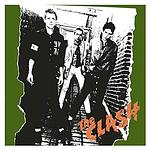
The Clash is the band's 1977 debut, a lean, hard-edged punk record that captures urgent, guitar-driven songs with politically charged lyrics. The album pairs fast, aggressive punk rock energy with traces of reggae and rockabilly influence, featuring punchy riffs, propulsive rhythms, and a raw, confrontational vocal style, and it helped define the sound of early UK punk.
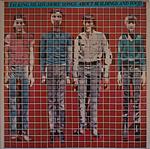
More Songs About Buildings and Food, produced by Brian Eno and released in 1978, expands Talking Heads' early new wave and art-punk approach with a stronger emphasis on tight rhythms and funk-influenced grooves. David Byrne's idiosyncratic, nervy vocals and angular guitar parts are anchored by interlocking bass and percussion, while Eno's production adds clarity and subtle studio texture. The album stands out for its rhythmic focus and danceable arrangements, pointing toward the band's later engagements with funk and worldbeat influences.
#46 — Heart of the Congos by The Congos
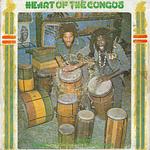
Heart of the Congos, recorded in 1977 and produced by Lee 'Scratch' Perry at his Black Ark studio, is a roots reggae album that blends dub-influenced studio techniques with rich, high-register vocal harmonies. The arrangements emphasize deep basslines, layered percussion, and atmospheric effects, while lyrics draw on Rastafarian and spiritual themes. The album is noted for its distinctive Black Ark production and the interplay between Cedric Myton's falsetto and the group's lower voices, giving it a characteristic sound within roots reggae and dub contexts.
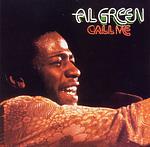
Call Me (1973) by Al Green showcases his intimate, smooth soul style, blending Southern soul warmth with R&B grooves and touches of funk. Green's expressive falsetto and relaxed phrasing sit atop an understated, punchy rhythm section with warm horns, strings, and tasteful guitar work associated with producer Willie Mitchell and the Hi Records sound. The album focuses on romantic, often spare arrangements that balance soulful intensity with melodic hooks, making it a notable example of Green's early 1970s work.
#48 — Live‐Evil by Miles Davis
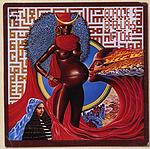
Live-Evil (1971) is a hybrid album that combines live performances and studio sessions from Miles Davis's electric period, blending jazz improvisation with rock, funk, and avant-garde approaches. The recording features electric instruments and extended, often heavily edited pieces that juxtapose free-form passages with groove-oriented rhythms, reflecting Davis's move toward jazz fusion. Produced and assembled by Teo Macero, the album is notable for its experimental editing and textural contrasts that capture the transitional energy of Davis's early 1970s work.
#49 — What's Going On by Marvin Gaye
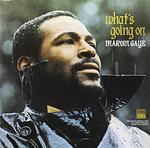
"What’s Going On" (1971) by Marvin Gaye is a cohesive, socially conscious soul album that blends Motown rhythm and smooth soul vocals with lush orchestral arrangements and jazz-influenced horns and strings. Gaye's intimate lead singing, layered background vocals, and subtle studio production create a reflective, spiritual atmosphere as the songs address themes such as war, urban poverty, policing, and environmental concerns. The result is a quieter, more contemplative direction for Motown sounds that broadened the expressive range of R&B.
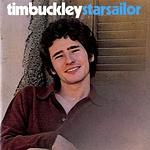
#50 — Starsailor by Tim Buckley
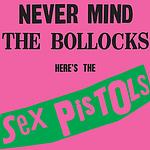
Never Mind the Bollocks, Here's the Sex Pistols is the Sex Pistols' only studio album, released in 1977. It condenses punk rock into short, abrasive tracks driven by distorted guitars, propulsive drums, and Johnny Rotten's sneering vocals, with blunt, confrontational lyrics aimed at social and political authority. The album is regarded as a defining work of the British punk movement and helped establish the raw, do-it-yourself aesthetic that influenced later punk and alternative bands.
#52 — This Year's Model by Elvis Costello
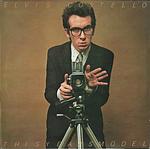
This Year’s Model is Elvis Costello’s 1978 album recorded with the Attractions that marks a move to a harder edged new wave sound. The record pairs jagged, punchy guitar and a muscular rhythm section with prominent organ and Costello’s acerbic, literate lyrics and urgent vocals. Produced by Nick Lowe, it contains concise, immediate songs such as 'Pump It Up' and 'Radio Radio' and is often cited as a key work in the late 1970s new wave movement.
#53 — Music for 18 Musicians by Steve Reich
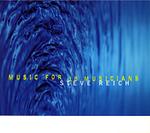
Music for 18 Musicians is Steve Reich’s large-scale minimalist work realized here as an ensemble recording that foregrounds interlocking rhythmic cells and gradual harmonic shifts. The piece moves from an opening cycle of chords into a sequence of pulsing, repetitive patterns performed by a chamber ensemble combining voices, tuned percussion, keyboards, and winds, producing a shimmering, trance-like texture. Its precise rhythmic interplay, shifting textures, and emphasis on timbre and process make it a widely regarded landmark of modern minimalism and a defining work in Reich’s output.
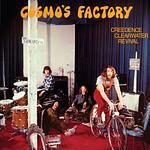
Cosmo's Factory is a 1970 album by Creedence Clearwater Revival that showcases the band's concise, roots-based rock, blending blues, country, rockabilly and Southern-influenced grooves. Centered on John Fogerty's gritty vocals and tight, riff-driven arrangements, the record pairs punchy originals with a notable extended cover, delivering a raw, direct sound and an accessible take on Americana and classic rock styles.
#55 — Bryter Layter by Nick Drake
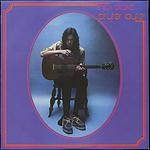
Bryter Layter, Nick Drake's second studio album released in 1971, blends his delicate fingerpicked acoustic guitar and hushed vocals with chamber pop and jazz-tinged arrangements. Robert Kirby's string and brass charts and Joe Boyd's restrained production frame the songs with orchestral touches, creating an intimate, pastoral sound that expands on Drake's earlier work and emphasizes melancholic, introspective songwriting.
#56 — Future Days by Can
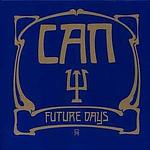
Future Days, released in 1973 by Can, is a Krautrock album that moves the band toward spacious, ambient and groove-based textures. The music rests on Jaki Liebezeit's precise, trance-like rhythms and Holger Czukay's restrained bass, with Irmin Schmidt's keyboards and Michael Karoli's guitar creating layered, pastoral motifs around Damo Suzuki's sparse, evocative vocals. The record emphasizes long, hypnotic pieces and studio experimentation with tape and editing to produce drifting, atmospheric soundscapes that have influenced later ambient and post-rock directions.
#57 — Paul Simon by Paul Simon
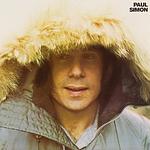
Paul Simon (1972) is Paul Simon's first solo album after the end of Simon and Garfunkel. It blends folk rock and pop with a more rhythmic and eclectic palette, notably incorporating reggae inflections and concise acoustic songwriting. The record highlights Simon's observational lyricism and tuneful melodies on tracks such as "Mother and Child Reunion" and "Me and Julio Down by the Schoolyard", favoring varied studio arrangements over the duet harmonies of his earlier work and marking a turn toward broader stylistic exploration in his solo career.
#58 — Jack Johnson by Miles Davis
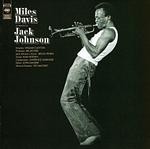
Jack Johnson is an electric-era Miles Davis album created as the soundtrack for a film about the boxer Jack Johnson. The music blends jazz improvisation with rock and funk rhythms, emphasizing amplified instruments, propulsive backbeats, and extended electric solos that favor groove and texture over conventional song forms. It is a notable example of Davis's jazz fusion phase and his exploration of heavier, rock-influenced sonorities.
#59 — Rocket to Russia by Ramones
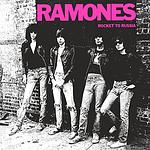
Rocket to Russia, the Ramones' third studio album from 1977, condenses their fast, stripped-down punk attack into short, melodic tracks that blend three-chord rock with pop hooks and surf-tinged guitar lines. The record emphasizes brisk tempos, raw guitar sound and concise, often playful lyrics that reference 1950s rock and roll while sharpening the band's ability to write instantly memorable choruses. Its lean production and economical songcraft helped shape the template for punk and early pop punk by balancing blunt energy with pop sensibility.
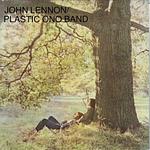
John Lennon/Plastic Ono Band (1970) is a stark, confessional solo album that pares arrangements down to bare acoustic and electric guitars, piano, bass and drums, putting Lennon's voice and direct lyrics at the forefront. The songs are raw and intimate, shaped by his engagement with primal therapy, and confront themes of identity, loss, faith and personal liberation with blunt, often painful imagery. Blending rock and folk with a singer-songwriter sensibility, the record is notable for its spare production and emotionally unguarded performances.
#61 — Surf's Up by The Beach Boys
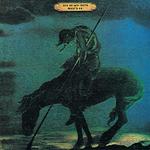
Surf's Up is a 1971 Beach Boys album that mixes pop and psychedelic elements with progressive pop touches, notable for rich vocal harmonies, orchestral textures and a more introspective tone. The title track, written with Van Dyke Parks, and songs such as "Til I Die" and "A Day in the Life of a Tree" reflect lingering experimentalism from earlier eras alongside contributions from Carl Wilson and Bruce Johnston, producing a record that balances social commentary, melancholy and studio-crafted arrangements.
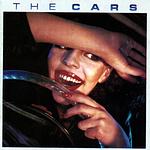
The Cars is the band's 1978 debut that blends rock and power pop with new wave sensibilities, pairing hook-driven guitar riffs with bright synthesizer textures and concise, melodic songcraft. Ric Ocasek's idiosyncratic songwriting and detached vocal delivery, often balanced by Benjamin Orr's more melodic leads, sits atop tight, layered production by Roy Thomas Baker that emphasizes punchy rhythms and polished arrangements. The record helped define a sleek, modern pop-rock sound that bridged late 1970s rock and emerging new wave styles.
#63 — Zuckerzeit by Cluster
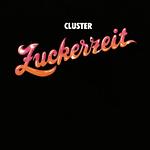
Zuckerzeit (1974) by Cluster is a concise, rhythmically focused exploration of electronics and minimal composition by Dieter Moebius and Hans-Joachim Roedelius. Moving away from the more abstract textures of their earlier work, the album emphasizes short, melodic motifs, steady drum-machine patterns, and a warm, playful use of synths and keyboards that points toward ambient, avant-garde pop, and downtempo electronic approaches. Its compact tracks and approachable rhythmic drive make it a distinctive entry in the Krautrock and experimental electronic landscape.
#64 — Lust for Life by Iggy Pop
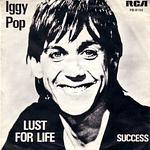
Recorded in 1977 with significant involvement from David Bowie, Lust for Life finds Iggy Pop channeling his punk and garage roots into more upbeat, driving rock songs. The album pairs Pop's raw, urgent vocals with punchy guitar riffs, steady rhythms and occasional synthesizer textures, yielding tracks such as "Lust for Life" and "The Passenger" that balance immediacy and melodic hooks. It is notable for its direct, energetic sound that bridged underground punk attitude with a broader rock palette.
#65 — On the Beach by Neil Young
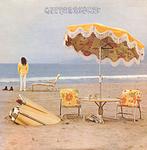
On the Beach (1974) finds Neil Young moving away from the polished sound of his earlier work into a rawer, darker set of songs that blend rock, country rock, pop rock and singer-songwriter intimacy. The arrangements range from spare acoustic passages to ragged electric textures, with plaintive vocals and pedal steel accents creating a persistent mood of disillusionment and melancholy. Lyrically it touches on personal loss, social unease and a weary outlook, and the record is often regarded as one of Young's more uncompromising and emotionally direct works from the 1970s.
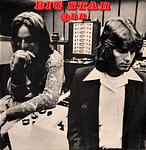
3rd, often issued as Third or Third/Sister Lovers, is Big Star's late 1970s album that departs from the bright power pop of their earlier records in favor of a darker, more experimental and melancholic sound. Alex Chilton's intimate, sometimes raw vocals sit against spare, fragmented arrangements and occasional orchestral touches, creating a haunted, introspective atmosphere that reflects the difficult circumstances of the sessions. Its unconventional textures and emotional directness have made it influential to later indie and alternative musicians.
#67 — Meddle by Pink Floyd
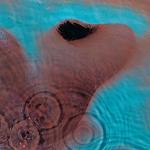
Meddle, released in 1971, finds Pink Floyd moving toward longer, cohesive compositions and textural experimentation. The album blends rock, progressive and psychedelic elements with spacious production, ambient soundscapes, acoustic passages and dynamic electric guitar work, and its side-long 'Echoes' serves as the centerpiece that showcases extended instrumental exploration and studio effects. Meddle is often regarded as a transitional record that bridges the band's earlier psychedelic experiments and the more structured concept albums that followed.
#68 — Head Hunters by Herbie Hancock
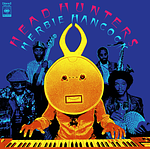
Head Hunters (1973) marks Herbie Hancock's turn toward jazz-funk and fusion, centering on deep, groove-driven compositions built from electric keyboards and early synthesizers, funky rhythm patterns, and layered percussion. Tracks such as "Chameleon" feature prominent synth basslines and extended vamps while a reworked "Watermelon Man" blends clavinet and African-influenced percussion; Bennie Maupin's reed work and the tight rhythm section of Paul Jackson, Harvey Mason, and Bill Summers provide both groove and textural contrast. The album is notable for bringing improvisational jazz language into danceable funk frameworks and for its lasting influence on jazz-funk, fusion, and later sampling in popular music.
Faust IV, released in 1973, spreads the group's experimental krautrock approach across songs that balance concise rock and pop forms with abrupt tape edits, noise passages, and electronic textures. The album is marked by mechanical rhythms, unusual production techniques and a willingness to juxtapose melody with collage and studio experimentation, making it a representative example of Faust's blend of avant garde methods and rock instrumentation. Its sound highlights the band's interest in studio manipulation and contrasts between accessible songwriting and disruptive sonic exploration.
#70 — The Dark Side of the Moon by Pink Floyd
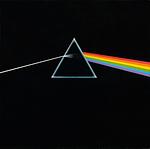
The Dark Side of the Moon is Pink Floyd's 1973 progressive rock album that blends rock, psychedelic and art rock elements into a continuous, concept-driven suite exploring themes such as time, money, mental strain and mortality. It is distinguished by its studio production and sound design, including layered synthesizers, tape effects and looping, prominent saxophone parts and an emotive wordless vocal performance on one track, with seamless transitions that emphasize atmosphere and textural detail across the record.
#71 — The Payback by James Brown
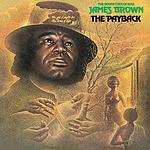
The Payback (1973) captures James Brown in his early 1970s funk mode, built around extended, groove-driven arrangements that emphasize syncopated drums, choked guitar, punchy horn stabs and percussive keyboards. The title track is a slow-burning, repetitive funk jam that foregrounds Brown's rhythmic vocal phrasing and the tight interplay between rhythm section and horns, while other cuts mix soulful singing with raw, danceable grooves and terse arrangements. The album prioritizes rhythm and texture over ornate melodies and is characteristic of Brown's influential approach to funk and soul at that time.
#72 — Red by King Crimson
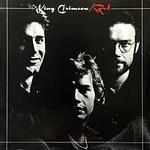
Red, released in 1974, condenses King Crimson's progressive and art rock impulses into a stark, heavy sound that draws on hard rock and free improvisation. The music alternates jagged, distorted guitar and powerful rhythm with angular compositions and open, improvisatory passages, from the abrasive instrumental title track to moodier, more melodic pieces. The production is lean and raw, emphasizing tonal contrast and rhythmic drive, and the album is frequently regarded as a closing statement of the band's early 1970s period and a bridge between progressive composition and heavier, more experimental rock approaches.
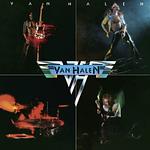
Van Halen's 1978 self-titled debut introduced the band's high-energy hard rock and arena-ready sound, anchored by Eddie Van Halen's inventive guitar work and David Lee Roth's flamboyant vocals. The record blends punchy riffs, pop-influenced hooks and a tight rhythm section, and includes the instrumental "Eruption" that showcased two-handed tapping alongside a cover of the Kinks' "You Really Got Me." Its raw production and emphasis on guitar virtuosity made it a touchstone for late 1970s hard rock and many guitar-centric rock acts that followed.
#74 — Songs of Love and Hate by Leonard Cohen
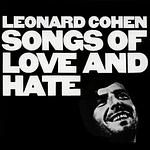
Songs of Love and Hate (1971) finds Leonard Cohen deepening his spare singer-songwriter approach into darker, more dramatic territory, pairing his low, conversational voice and meticulous lyrics with stark guitar lines and occasional orchestral touches that recall baroque pop. The album blends folk, rock and chamber-like instrumentation to explore themes of love, betrayal, death and spiritual yearning, producing a tense, intimate atmosphere that foregrounds Cohen's poetic storytelling. It is regarded as one of his important early records for its uncompromising tone and focus on lyric-driven songs.
#75 — Houses of the Holy by Led Zeppelin
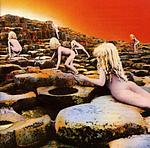
Houses of the Holy, released in 1973, finds Led Zeppelin expanding their hard rock and blues foundations into a broader sonic palette with studio experimentation and varied rhythms. The album blends driving rock and blues with acoustic passages, layered arrangements, and touches of reggae and funk, heard across tracks such as "The Song Remains the Same", "The Rain Song", "No Quarter", and "D'yer Mak'er". The performances highlight Jimmy Page's production and guitar textures, John Paul Jones's multi-instrumental arrangements, John Bonham's powerful drumming, and Robert Plant's dynamic vocals. The record is notable for its eclectic sequencing and for bringing more textural variety to the band's arena-ready sound.
#76 — Parallel Lines by Blondie
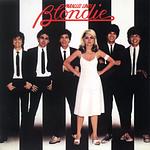
Parallel Lines, released in 1978 by Blondie, blends new wave, pop rock, and pop with polished production by Mike Chapman. The album mixes punk-derived energy with pop hooks and danceable rhythms, pairing crisp guitar lines and rhythmic bass with Deborah Harry's cool, charismatic vocal delivery. Standout tracks such as "Heart of Glass", "One Way or Another", and "Hanging on the Telephone" illustrate the band's crossover of rock and dance influences and their role in bringing new wave sounds into a mainstream pop context.
#77 — Aladdin Sane by David Bowie
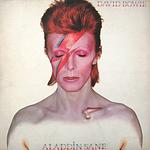
Aladdin Sane, released in 1973, finds David Bowie extending the theatrical glam of his Ziggy Stardust era into more experimental and American inflected territory. Musically it blends glam rock and art rock with hard rock and moments of cabaret and free jazz influenced piano, highlighted by Mick Ronson's guitar and Mike Garson's striking piano work. Tracks such as The Jean Genie, Panic in Detroit, the title track and a cover of Let's Spend the Night Together mix bluesy riffs, angular arrangements and lyrical reflections on fame, identity and American culture. The album is often heard as a more fractured, exploratory companion to its predecessor.
#78 — Expensive Shit by Fela Kuti
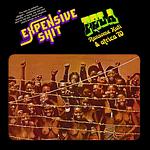
Expensive Shit is a 1975 album by Nigerian musician Fela Kuti that showcases his Afrobeat fusion of West African rhythms, funk and jazz-influenced horn arrangements. The title track is a long, groove-driven piece built on interlocking percussion, a propulsive bass and punchy brass, while Fela's talk-singing in Yoruba and English addresses an arrest and confrontations with Nigerian authorities. The record highlights the large-ensemble dynamics of his Afrika 70 band and the genre's focus on extended danceable jams and political commentary.
#79 — Sail Away by Randy Newman
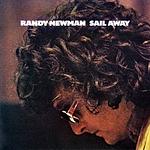
Sail Away is a 1972 Randy Newman album that pairs his piano-centered pop and rock with baroque pop and cabaret inflections. The songs use lush arrangements and piano-led motifs to frame Newman's character-driven, often ironic lyrics about American life, delivered with theatrical vocals and a blend of melancholy and dark humor. The record showcases his songwriting craft through melodic accessibility coupled with sharply observed storytelling.
#80 — Hunky Dory by David Bowie
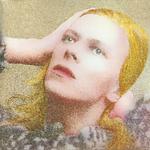
Hunky Dory (1971) finds David Bowie shifting toward a more song-oriented, piano- and acoustic guitar-driven sound that blends art rock, glam sensibility, and pop melodies. The record pairs theatrical, literate songwriting and vivid character pieces with piano-led arrangements and occasional strings, producing tracks like "Changes" and "Life on Mars?" that combine melodic hooks with surreal, introspective lyrics. The album is often seen as a transitional work that set the stylistic stage for the glam persona he developed on subsequent records.
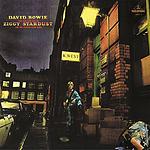
The Rise and Fall of Ziggy Stardust and the Spiders From Mars (1972) is a loose concept album in which David Bowie adopts the persona of Ziggy Stardust, an androgynous alien rock star. Musically it blends glam rock theatricality with straightforward rock and pop songwriting and elements of art rock, driven by Mick Ronson's guitar work and arrangements and a rhythm section that supports both crunchy rock numbers and quieter, melodic passages. The album is notable for its narrative focus, dramatic vocals, and cinematic arrangements that helped define Bowie's early 1970s sound and stage persona.
#82 — All Things Must Pass by George Harrison
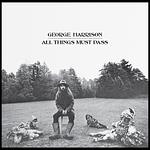
All Things Must Pass is George Harrison's 1970 solo triple album that presents a mix of folk rock, pop rock and gospel-tinged pop with a rock foundation. Recorded with producer Phil Spector's dense, layered production, it features expansive arrangements built from acoustic and electric guitars, prominent slide guitar, keyboards and vocal harmonies. The material ranges from personal, spiritual meditations to more upbeat pop-rock songs, and the record is notable for showcasing Harrison asserting a distinct songwriting voice and a more expansive sonic palette than his earlier work.
#83 — Raw Power by Iggy and The Stooges
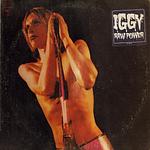
Raw Power, released in 1973 by Iggy and The Stooges, delivers a raw, aggressive blend of garage rock and hard rock that pointed toward punk. James Williamson's distorted, razor-edged guitar work and Iggy Pop's snarling, theatrical vocals drive short, propulsive songs that favor primal energy and lean arrangements. The album's abrasive tone, high volume, and emphasis on attitude over polish are often cited as influential on the emerging punk and later alternative scenes.
#84 — Nilsson Schmilsson by Harry Nilsson
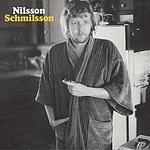
Nilsson Schmilsson, released in 1971, finds Harry Nilsson balancing melodic pop and rock with baroque pop ornamentation and piano-led arrangements. Produced by Richard Perry, the album moves between sweeping ballads and punchy pop-rock numbers while retaining Nilsson's penchant for offbeat humor and dramatic vocal phrasing; it features both memorable covers and strong originals that showcase his vocal range and songwriting craft. The record broadened Nilsson's mainstream visibility and is noted for its inventive arrangements and blend of polished studio production with quirky lyrical character.
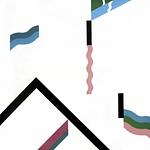
154, released in 1979 by Wire, shifts further from straightforward punk into art punk and avant-garde territory, pairing concise, angular songwriting with more atmospheric production and experimental textures. The album features taut, propulsive rhythms, jagged guitars, understated synth and studio effects, and oblique lyrics that emphasize mood and arrangement over punk immediacy. Its cooler, more abstract approach marks a clear step toward the band's artier, experimental side.
#86 — Blue by Joni Mitchell
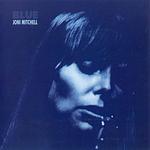
Blue, released in 1971, is Joni Mitchell's spare and intimate album that blends contemporary folk, folk rock, and singer-songwriter approaches. Its uncluttered arrangements, open-tuned guitar and piano, and candid, confessional lyrics explore love, longing, and self-examination; songs such as "A Case of You", "River", "Carey", and "California" balance folk intimacy with pop-minded melodies. The record is often cited as a defining work for later singer-songwriters and for its emotional directness.
#87 — For Your Pleasure by Roxy Music
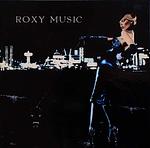
For Your Pleasure, Roxy Music's second studio album released in 1973, refines the band's art rock and glam approach with theatrical arrangements, sleek pop songwriting and abrasive experimental textures. Bryan Ferry's elegant, ironic vocals ride over Andy Mackay's saxophone, Phil Manzanera's guitar work and Brian Eno's synthesizer treatments, producing songs that range from seductive to unsettling, notably "Do the Strand" and "In Every Dream Home a Heartache". The album is the last to feature Eno and is often cited for combining glamour and avant garde production with a raw edge that points toward proto-punk and post-punk sounds.
#88 — From Here to Eternity by Giorgio Moroder
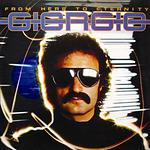
From Here to Eternity (1977) by Giorgio Moroder is a synth-driven electronic disco album built around sequenced arpeggios, propulsive four-on-the-floor rhythms, and sparse vocal passages. The record emphasizes repetitive, futuristic production and textural layering, and is often cited for its role in shaping the sound of later synth-pop and electronic dance music.
#89 — Q: Are We Not Men? A: We Are Devo! by DEVO
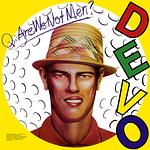
Q: Are We Not Men? A: We Are Devo! is Devo's 1978 debut album that fuses punk aggression with precise, mechanical rhythms, angular guitars, and synthesizer textures to produce a cold, ironic take on pop and rock. Tracks such as "Jocko Homo" and "Mongoloid" and their fractured cover of "(I Can't Get No) Satisfaction" feature staccato arrangements, off-kilter hooks, and satirical lyrics tied to the band's de-evolution concept. Produced by Brian Eno, the record crystallizes Devo's art punk and new wave approach and emphasizes performance art aesthetics and dark humor.
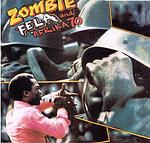
Zombie (1976) by Fela Kuti and Africa 70 is a landmark Afrobeat record built on extended, groove-driven tracks that fuse West African rhythms with jazz-influenced horn arrangements. The title track is a lengthy, rhythmically insistent piece that satirizes the Nigerian military through biting vocals and call-and-response chanting, while the band sustains layered percussion, propulsive bass, interlocking guitars, and bold brass lines. The album exemplifies Fela's mix of improvisatory jazz elements, repetitive trance-like grooves, and explicit political commentary.
#91 — 20 Jazz Funk Greats by Throbbing Gristle
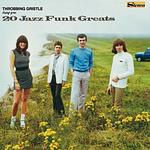
20 Jazz Funk Greats is Throbbing Gristle's 1979 album that broadens their industrial approach by combining abrasive noise, tape manipulation and found sound with more song-based electronic and rock structures. The record shifts between stark experimental pieces and surprisingly melodic tracks such as "Hot on the Heels of Love", using synth textures, percussion and confrontational vocals to unsettle as much as to groove. The title and the cover image, photographed at Beachy Head, are deliberately ironic and reflect the band's provocative, concept-driven sensibility.
#92 — Die Mensch·Maschine by Kraftwerk
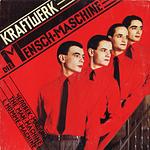
Die Mensch·Maschine (1978) is a Kraftwerk album that refines the group's minimalist, machine-like approach into a polished blend of electronic, synth-pop and electro sounds rooted in the Krautrock scene. It emphasizes precise drum-machine rhythms, repetitive arpeggiated synthesizer lines and vocoder-processed vocals to explore themes of technology and human interaction with machines. The arrangements balance simple pop songcraft with austere electronic textures, and several tracks from the record became particularly well known.
#93 — Band of Gypsys by Jimi Hendrix
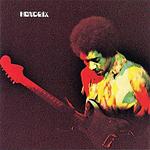
Band of Gypsys is a 1970 live album by Jimi Hendrix, recorded at the Fillmore East on New Year's Eve 1969 and New Year's Day 1970 with bassist Billy Cox and drummer Buddy Miles. The performances emphasize a rawer, groove-oriented approach that blends rock, blues rock, psychedelic textures and funk-leaning rhythms, featuring extended improvisation and reworked versions of Hendrix material, notably the long, evocative "Machine Gun". The trio's tighter, more rhythmic interplay and Buddy Miles' vocal presence distinguish the sound from the Experience and document Hendrix's musical direction during that period.
#94 — Starless and Bible Black by King Crimson
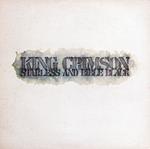
Starless and Bible Black (1974) captures King Crimson in a raw, transitional phase, blending composed songs with extended live improvisations recorded on tour and augmented by studio work. The music ranges from angular, tightly arranged progressive rock passages to freeform, textural improvisation, with Robert Fripp's incisive guitar, David Cross's electric violin and keyboards, John Wetton's bass and vocals, and Bill Bruford's reactive drumming foregrounded in a spare, immediate mix. The album emphasizes group interplay and experimental approaches to form and dynamics, presenting a darker, more exploratory side of the band's early 1970s work.
#95 — Physical Graffiti by Led Zeppelin

Physical Graffiti, released in 1975, is Led Zeppelin's double album that showcases a wide range of the band's styles, from hard rock and blues to folk-influenced acoustic pieces. The record combines heavy, riff-driven songs with layered production, expansive arrangements and intimate acoustic moments, highlighting Jimmy Page's production and guitar work, Robert Plant's vocals, John Paul Jones's multi-instrumental contributions and John Bonham's powerful drumming. Tracks such as Kashmir and Ten Years Gone illustrate the album's scale and textural variety while shorter bluesy and folk-derived numbers provide contrast, making it a broad statement of the band's musical range.
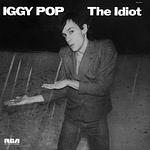
The Idiot, Iggy Pop's 1977 solo album produced and co-written in part by David Bowie, marks a shift from raw garage rock toward a darker, more measured sound that blends rock, art rock, punk energy, and early new wave elements. The record emphasizes sparse, mechanical rhythms, atmospheric synth and guitar textures, and subdued, brooding vocals, with songs like "Nightclubbing" and "China Girl" highlighting its minimalist arrangements and European electronic influences. The album is often seen as a stylistic pivot in Pop's career that contributed to the development of post-punk and new wave aesthetics.
#97 — The Harder They Come by Various Artists
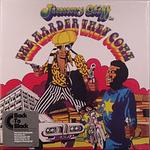
The Harder They Come (1972) is the soundtrack to the Jamaican film starring Jimmy Cliff, compiling roots reggae, rocksteady, and deejay recordings from the late 1960s and early 1970s. Anchored by Jimmy Cliff's title track and several of his performances, the album brings together raw bass-driven grooves, offbeat guitar skanks, and vocal approaches that range from melodic roots singing to toasting. Its selection of tracks captures the energy and social edge of Jamaican popular music of the period and has long been regarded as an influential entry point for international listeners into reggae and rocksteady.
#98 — Rock Bottom by Robert Wyatt
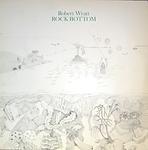
Rock Bottom is Robert Wyatt's 1974 solo album that crystallizes his move toward a spare, intimate form of art rock rooted in the Canterbury scene and avant-garde jazz. Recorded after the accident that left him unable to continue as a drummer, the record centers on Wyatt's distinctive, fragile vocals and melodic keyboard work framed by brass, saxophone colors and subtle studio textures. Songs unfold in loose, free flowing structures with surreal, elliptical lyrics and shifts between melancholy, whimsy and quiet intensity, blending jazz inflections, pastoral folk elements and experimental arrangement choices. The album established Wyatt's singular voice as a solo artist and remains a touchstone of 1970s British art rock.
#99 — After the Gold Rush by Neil Young
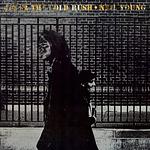
After the Gold Rush is a 1970 Neil Young album that blends folk, country, and rock into a mix of plaintive acoustic songs and raw electric passages. The record alternates spare piano and acoustic ballads with fuller guitar-driven tracks, and features Young's fragile, expressive vocals and direct songwriting about personal longing, social observation, and environmental unease. Its simple production and emotional clarity helped shape the sound of folk rock and country rock in the early 1970s.
#100 — Before and After Science by Brian Eno
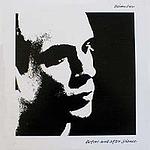
Before and After Science (1977) is a Brian Eno album that balances song-focused art rock with ambient and experimental textures. The opening material presents relatively structured, melodic songs marked by Eno's oblique lyrics and inventive studio production, while the latter half moves toward sparser, atmosphere-driven pieces that foreground instrumental color and subtle sound design. The record is notable for its layered arrangements and the way it bridges Eno's pop-oriented songwriting and his more abstract ambient work, making it a touchstone for experimental rock and ambient approaches to studio composition.