 The Greatest Music
Guardian Writers' Favourite Albums Ever
Weight: 95%
How much this list influences our overall rankings. Higher weight means more reliable data.
Penalties Applied:
51 critics from The Guardian list their favorite albums of all time
#17 — Feast of Wire by Calexico
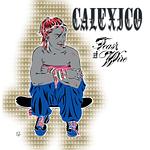
Feast of Wire (2003) finds Calexico deepening the band’s borderlands blend of rock, folk rock, alternative and Americana by folding in mariachi-tinged horns, accordion, pedal steel and string arrangements to create cinematic, desert-tinged textures. Songs move between sparse, intimate folk and fuller, orchestral moments, balancing roots instrumentation with subtle studio detail. The album helped define Calexico’s signature sound of evocative, travel-worn atmospheres and cross-cultural orchestration.
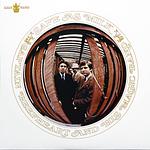
Safe as Milk is the 1967 debut album by Captain Beefheart and His Magic Band, combining blues-rooted songwriting with psychedelic textures and off-kilter, idiosyncratic vocals. The record pairs raw electric guitar and harmonica with unconventional arrangements and lyrical oddities, signaling a move away from straightforward blues rock toward more experimental, proto-alternative approaches that the group would develop further in later releases.
#17 — Shine a Light by Constantines
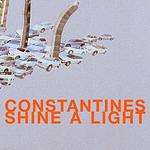
Shine a Light (2003) by Constantines is a guitar-driven indie rock record that blends post-punk urgency, blues-tinged riffs, and organ textures. The band pairs raw, impassioned vocals with dynamic arrangements that move from restrained verses to anthemic, full-band climaxes, and the lyrics frequently mix personal and political concerns. The album helped define the group's sound in the early 2000s indie rock scene, marked by intensity, tight interplay, and a willingness to draw on classic rock and punk influences.
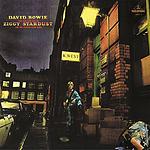
The Rise and Fall of Ziggy Stardust and the Spiders From Mars (1972) is a loose concept album in which David Bowie adopts the persona of Ziggy Stardust, an androgynous alien rock star. Musically it blends glam rock theatricality with straightforward rock and pop songwriting and elements of art rock, driven by Mick Ronson's guitar work and arrangements and a rhythm section that supports both crunchy rock numbers and quieter, melodic passages. The album is notable for its narrative focus, dramatic vocals, and cinematic arrangements that helped define Bowie's early 1970s sound and stage persona.
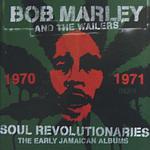
This 2005 compilation gathers early Jamaican-era recordings by Bob Marley & The Wailers in a roots reggae and dub idiom. The material emphasizes bass-driven rhythms, spare dub-style production and close vocal harmonies, presenting rawer, formative versions of the group's sound and songs with lyrical focus on spirituality and social concerns.
#17 — The Cold Vein by Cannibal Ox
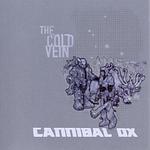
The Cold Vein (2001) by Cannibal Ox, produced by El-P and released on Definitive Jux, pairs stark, electronic-tinged production with dense, abstract East Coast lyricism from Vast Aire and Vordul Mega. The album emphasizes moody, cinematic instrumentals, layered synth textures, and hard-hitting beats that frame vivid, often surreal urban narratives and complex internal rhyme patterns, and it is widely regarded as a defining release in early 2000s underground hip hop.
#17 — Live Through This by Hole
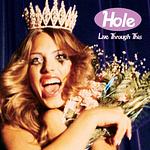
Live Through This, released in 1994 by Hole, blends grunge, punk, and alternative rock with raw, guitar-driven arrangements and strong melodic hooks. Courtney Love's vocals move between snarling aggression and vulnerable melody, anchored by lyrics that confront gender, identity, and personal trauma. The album pairs abrasive textures with pop-influenced songcraft, forming a defining statement for the band within 1990s alternative rock.
#17 — Machine Head by Deep Purple
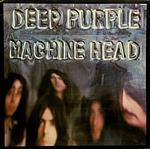
Machine Head, released in 1972 by Deep Purple, is a landmark hard rock album built around heavy, riff-driven songs, a prominent Hammond organ, and aggressive, blues-rooted guitar and vocals. It includes the riff-driven 'Smoke on the Water' and balances concise, hard-hitting tracks with extended jams that showcase Ritchie Blackmore's guitar, Jon Lord's organ textures, Ian Gillan's commanding voice, and a tight rhythm section. The album's raw sound and blend of blues, classical-tinged organ lines, and amplified guitar helped shape early heavy metal and arena rock styles.
#17 — Transformer by Lou Reed
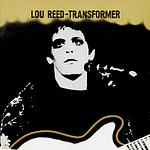
Transformer, released by Lou Reed in 1972, blends glam rock, art rock, and pop rock with a more polished production than his Velvet Underground work. Produced by David Bowie and Mick Ronson, the album pairs Reed's cool, narrative vocal style with melodic arrangements, strings, and distinctive guitar work. Songs such as "Walk on the Wild Side", "Perfect Day", and "Satellite of Love" present concise character-driven vignettes about New York life while adopting a more accessible, glam-influenced sound, making the record a key moment in Reed's solo career.

Madonna's 1983 self-titled debut is a tightly focused dance-pop record built around synth-driven arrangements, drum machine grooves and hook-forward songwriting. It mixes pop and synth-pop textures with club-oriented production and occasional rock-tinged guitar elements, showcasing her direct, flexible vocal delivery and emerging persona. The album's concise, upbeat tracks helped introduce her sound to mainstream pop and club audiences and established a template for her early career.
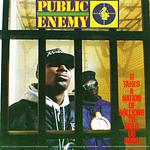
It Takes a Nation of Millions to Hold Us Back is Public Enemy's 1988 album that pairs confrontational, politically driven lyricism with dense, abrasive production. The Bomb Squad's layered, collage-like use of samples, sirens and jagged beats creates a thick, chaotic soundscape that underpins Chuck D's authoritative social commentary and Flavor Flav's rhythmic interjections. The album emphasizes themes of racial injustice, institutional power and media critique while expanding hip hop's sonic and rhetorical possibilities, influencing the development of East Coast, political and hardcore hip hop styles.
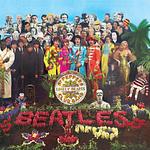
Sgt. Pepper's Lonely Hearts Club Band is a 1967 Beatles album that blends rock, psychedelic rock, baroque pop and pop with extensive studio experimentation. It features layered production, orchestral arrangements, unusual instrumentation and song sequencing that create a loose concept-album feel, and includes tracks such as "Lucy in the Sky with Diamonds", "Eleanor Rigby", "With a Little Help from My Friends" and "A Day in the Life". The album is often described as a milestone in popular music for its ambitious production and its expansion of pop and rock sounds.
#17 — Berlinette by Ellen Allien

Berlinette is Ellen Allien's 2003 album on her BPitch Control label that blends techno, electro and breaks with precise, often glitchy beat programming and melodic synth work. The record pairs club-focused rhythms with experimental sound design and a cool, Berlin-influenced atmosphere, emphasizing tight percussion, bright lead lines and processed vocal fragments to create a distinctive mix of dancefloor energy and textural detail.
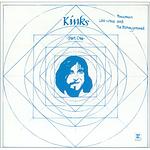
Lola Versus Powerman and the Moneygoround, Part One is a loose concept album by The Kinks in which Ray Davies delivers a satirical, narrative take on the music business through character-driven songs. Musically it moves between rock and pop rock, with folk-tinged acoustic moments, occasional harder-edged guitar work and concise, hook-oriented arrangements that presage power pop; the record balances piano-led ballads and punchy electric numbers. It includes the song "Lola" and is characterized by its storytelling focus and sharp, observational lyrics about managers, publishers and the commercial side of popular music.
#17 — Live at the Aquarium by Michael Brook
#17 — Dusty in Memphis by Dusty Springfield
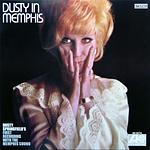
Dusty in Memphis, released in 1969, pairs Dusty Springfield's supple, emotive voice with Memphis-rooted soul arrangements to create a pop-soul record that leans into blue-eyed soul and classic Southern rhythm and blues. The album combines intimate, torch-like ballads and punchier soul grooves, using warm horn and string textures alongside a restrained rhythm section, and includes the single "Son of a Preacher Man." Its sound highlights Springfield's ability to move between pop phrasing and raw soul feeling, and it is often cited as a key example of cross-Atlantic soul-pop collaboration.
#17 — Electro‐Shock Blues by EELS
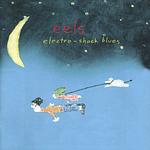
Electro-Shock Blues, released in 1998 by Eels, is a somber and intimate sophomore album that blends singer-songwriter confessionalism with alternative rock and indie pop textures. Mark Everett's songs address themes of illness, loss and mortality with plainspoken lyrics, mixing sparse acoustic pieces, chamberlike string arrangements, electronic touches and upbeat rock moments that create a contrast between heavy subject matter and melodic accessibility. The record is notable within the band's catalog for its emotional directness and for deepening the melancholic, darkly witty aesthetic that characterizes Eels' work.
#17 — Liege & Lief by Fairport Convention
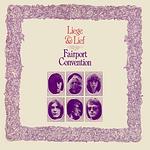
Liege & Lief (1969) by Fairport Convention is a landmark British folk rock album that blends traditional English folk songs with electric rock instrumentation, anchored by Sandy Denny's vocals and Richard Thompson's distinctive guitar work. The arrangements mix acoustic textures, fiddle-led melodies, and driving electric rhythms to create a muscular yet rooted sound that helped define the electric folk movement and steer British folk toward fuller band-oriented interpretations with country and rock influences.
#17 — Franz Ferdinand by Franz Ferdinand
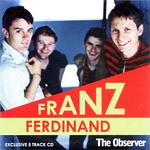
Franz Ferdinand's self-titled debut is a compact, danceable indie rock record built on angular guitar riffs, tight, propulsive rhythms and concise, hook-driven songwriting. It blends post-punk revival and art rock influences with a keen sense of groove and dynamics, pairing witty, observational lyrics with sharp arrangements that prioritize immediacy and rhythm. The album is often cited for bringing a kinetic, club-friendly edge to early 2000s indie rock.
#17 — Hot Buttered Soul by Isaac Hayes
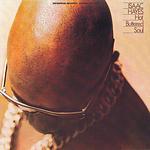
Hot Buttered Soul (1969) is Isaac Hayes's expansive soul album notable for its lengthy, slow-burning arrangements that blend orchestral strings, lush horn charts, deep funk rhythms and Hayes's baritone voice. It reworks pop and soul songs into extended, cinematic tracks with dramatic instrumental passages, warm electric piano and rhythmic grooves that emphasize mood and space over conventional single-length formats. The album broadened the palette and pacing of soul music, pointing toward elements of funk, jazz-funk and later orchestral dance styles while showcasing a more orchestral, album-oriented approach to R&B.
#17 — Unknown Pleasures by Joy Division
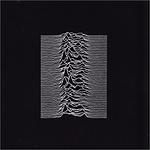
Unknown Pleasures, Joy Division's 1979 debut studio album, is a landmark of post-punk characterized by sparse, austere arrangements and distinctive production by Martin Hannett. The record pairs Peter Hook's high, melodic basslines and Bernard Sumner's angular guitar with Stephen Morris's precise, often metronomic drums under Ian Curtis's deep, restrained vocals and introspective lyrics, creating a cold, atmospheric sound that also fed into gothic and alternative rock developments. Its use of space, effects, and the iconic pulsar waveform cover have made it an enduring reference point for late 20th century underground rock.
#17 — Hounds of Love by Kate Bush
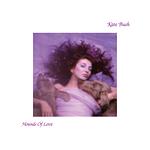
Hounds of Love, released in 1985, finds Kate Bush blending art pop, art rock and progressive pop with electronic production and theatrical songwriting. The album balances compact, synth-forward songs such as the title track and "Running Up That Hill" with a side-long narrative suite called "The Ninth Wave," which uses layered vocals, sound effects and shifting arrangements to depict a survivor adrift at sea. Production combines Fairlight sampling and electronic textures with traditional instruments, producing a mix of intimate balladry, dramatic climaxes and experimental touches. The record represents a consolidation of Bush's theatrical instincts into tightly crafted songs while maintaining ambitious, conceptual scope.
#17 — Blackout by Britney Spears
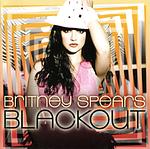
Blackout is Britney Spears' 2007 studio album that moves toward club oriented pop and electronic production, blending dance pop, Euro house and contemporary R&B textures. The record foregrounds synth driven hooks, layered percussion and vocal processing, creating a darker, more club focused sound on tracks like "Gimme More" and "Piece of Me"; its production is notable for electronic textures and beat centered arrangements that steered Spears' music toward a more dance oriented direction.
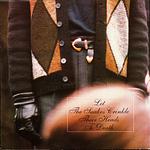
Let the Snakes Crinkle Their Heads to Death (1986) is an instrumental release by Felt that emphasizes atmospheric, guitar-based compositions. The music leans toward ambient and dream pop textures, with chiming, reverb-tinged guitars and understated arrangements that highlight melody and mood rather than vocals. Compared with the band's vocal records, it foregrounds instrumental interplay and a jangly indie pop sensibility, creating a contemplative, subtly melodic listening experience.
#17 — Not on Top by Herman Dune
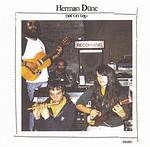
Not on Top, released in 2005 by Herman Dune, is an intimate, melodic album that blends anti-folk and folk rock with indie rock sensibilities. The record favors understated arrangements and a warm, weary vocal delivery, pairing concise, tuneful songs with lyrics that mix melancholy and wry observation. The overall sound emphasizes melody and narrative while retaining the band’s off-kilter, homespun charm.
#17 — Live in London by Leonard Cohen
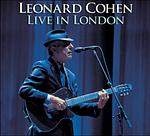
Live in London (2009) captures Leonard Cohen's late-career live performances, showcasing his deep, spoken-sung baritone and contemplative songwriting in a concert setting that blends folk and rock textures. The recordings move between spare, intimate arrangements and fuller band-driven versions with prominent backing vocals and instrumental color, giving familiar songs fresh live interpretations while highlighting Cohen's conversational stage presence and poetic lyricism.
#17 — Field Day by Marshall Crenshaw
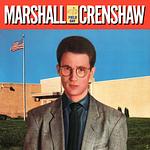
Field Day, Marshall Crenshaw's 1983 second album, pairs his concise, 1960s-inflected pop songwriting with a more punchy, echo-heavy production from Steve Lillywhite. The record emphasizes bright melodies and chiming guitars while adopting bigger drums and a more expansive sonic palette than his debut, presenting a blend of power pop and rock that highlights Crenshaw's knack for tight songcraft amid 1980s studio gloss.
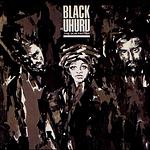
#17 — The Dub Factor by Black Uhuru
#17 — Blazing Arrow by Blackalicious
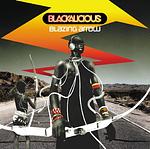
Blazing Arrow, Blackalicious's second studio album released in 2002, highlights Gift of Gab's rapid, intricate lyricism layered over Chief Xcel's varied production, which mixes sample-based beats with live instrumentation and touches of funk, soul, and jazz. The record expands the duo's sonic palette beyond their earlier work, incorporating melodic hooks and collaborative textures while retaining a conscious hip hop focus and verbal dexterity.
#17 — Blur: The Best Of by Blur
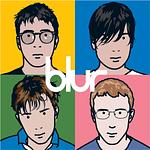
Blur: The Best Of (2000) is a compilation that collects the band's notable singles and key tracks from the 1990s era, showcasing their transition from upbeat Britpop and indie rock toward more experimental art rock and pop-leaning alternative sounds. The collection juxtaposes energetic, guitar-driven songs with more textured, studio-oriented arrangements, giving a concise overview of the band's evolving songwriting, melodic focus, and shifts in production across their career to that point.
#17 — Radio‐Aktivität by Kraftwerk
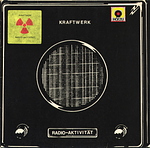
Radio-Activity, released in 1975 by Kraftwerk, is a minimalist concept album built around themes of radio transmission and nuclear radiation. The music pairs krautrock-influenced, motorik rhythms with sparse synth textures, early use of vocoder-treated voices and electronic percussion, and simple, repetitive melodic motifs. Lyrics alternate between German and English and the record incorporates radio and found-sound elements to underline its concept, marking a move toward the colder, more systematic electronic style that would characterize Kraftwerk's later work.
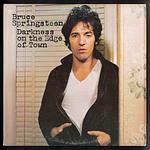
Darkness on the Edge of Town is Bruce Springsteen's 1978 album that adopts a leaner, grittier approach to heartland rock and singer-songwriter storytelling. The sound emphasizes direct, guitar-driven arrangements with piano accents and a more restrained, raw production than some earlier work. Lyrically the album focuses on working-class characters, moral struggle, loss and the pursuit of dignity, delivered in spare, atmospheric songs such as "Badlands" and "Racing in the Street". Its sober tone and narrative focus helped define Springsteen's signature blend of rock and character-driven songwriting.
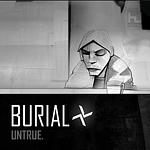
Untrue, released in 2007 by Burial, is a nocturnal, atmospheric take on dubstep and future garage that blends half-time rhythms, shuffling two-step beats and fractured, pitch-shifted vocal fragments over murky bass and crackling vinyl textures. Its sparse arrangements and melancholic, cinematic mood draw on UK garage and grime while emphasizing ambient space and lo-fi surface detail. The album is noted for helping to shape a more emotive, textured strand of electronic bass music and for popularizing a brooding, late-night aesthetic.
#17 — Deserter's Songs by Mercury Rev
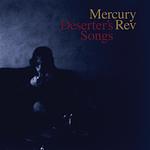
Deserter's Songs is Mercury Rev's 1998 album that moves away from the band's earlier noisy, experimental roots toward a more orchestral, dreamlike sound. It combines lush string and horn arrangements with elements of dream pop, indie rock, and baroque pop, supported by Dave Fridmann's spacious production and Jonathan Donahue's fragile, emotive vocals. The record is marked by pastoral, melancholic melodies and a theatrical, cinematic atmosphere that reshaped the band's aesthetic and introduced a more melodic, song-oriented approach.
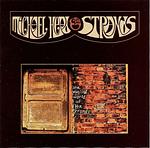
The Magical World of the Strands, released in 1997 by Michael Head & The Strands, marries folk rock and indie rock with a chamber-pop sensibility, featuring gentle acoustic guitars, piano, and prominent string arrangements. Head's intimate, melancholic vocals and carefully crafted melodies create a subdued, pastoral atmosphere, with arrangements that emphasize texture and mood over rock dynamics. The record is notable for its delicate orchestration and a focus on wistful songwriting and evocative, quietly arranged songs.
#17 — Fabric 13: Michael Mayer by Michael Mayer
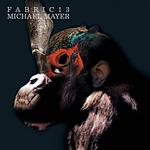
Fabric 13: Michael Mayer is a 2003 mix compilation in the Fabric series curated and mixed by Michael Mayer. The set blends electronic, house, and tech house with a focus on minimal, melodic grooves and polished, continuous transitions, reflecting the subtle, emotive microhouse and techno aesthetics Mayer became associated with. The mix emphasizes warm basslines, crisp percussion, and understated melodic motifs, moving between driving club tracks and more introspective moments while maintaining a steady, immersive flow.
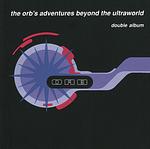
The Orb’s Adventures Beyond the Ultraworld, released in 1991, is a sprawling ambient house album that blends long-form, collage-like soundscapes with dub-influenced rhythms and downtempo grooves. It uses layered samples, field recordings, echo-heavy bass and drifting synth textures to create a spacey, cinematic atmosphere, alternating between relaxed beats and immersive ambient passages. The record is considered a key early example of ambient house and ambient dub, notable for its emphasis on mood, texture and extended, continuous mixes rather than conventional song structures.
#17 — Power, Corruption & Lies by New Order
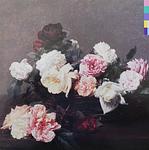
Power, Corruption & Lies (1983) finds New Order moving further from their post-punk origins into a more electronic, dance-oriented sound. The album pairs sequenced synths and drum machines with prominent, melodic basslines and understated vocals, blending synth-pop brightness with post-punk melancholy; tracks such as "Age of Consent" and "Your Silent Face" illustrate its mix of dance rhythms and introspective moods. The record is notable for helping to fuse electronic production techniques with pop songwriting in the early 1980s.
#17 — Five Leaves Left by Nick Drake
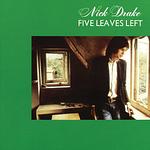
Five Leaves Left, Nick Drake's 1969 debut, pairs his intricate acoustic fingerpicking and hushed, melancholic vocals with restrained string and brass arrangements by Robert Kirby. The album blends English folk and chamber folk sensibilities with intimate singer-songwriter songwriting, emphasizing pastoral imagery, introspective lyrics, and subtle harmonic nuance. Its quiet, atmospheric production and focus on mood and texture helped establish it as an influential touchstone for later contemporary folk and British folk rock artists.
#17 — Screamadelica by Primal Scream
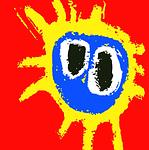
Screamadelica is Primal Scream's 1991 album that fused indie rock songwriting with acid house and dance production, blending distorted guitars and anthemic vocals with rhythmic grooves, samples, warm keyboards and extended club-friendly arrangements. The record helped bridge rock and electronic club culture by incorporating house rhythms, dub-like production, gospel-tinged backing vocals and psychedelic textures, producing an expansive, dance-oriented sound that emphasizes atmosphere and groove over conventional rock arrangements.
#17 — Different Class by Pulp
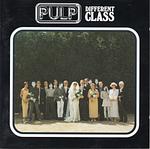
Different Class is Pulp's mid 1990s album that blends Britpop immediacy with art rock and glam influences, pairing catchy, theatrical arrangements with literate, observational lyrics about class, relationships, and everyday absurdities. Jarvis Cocker's conversational vocal delivery and character-driven storytelling sit alongside driving rock rhythms, occasional orchestral touches, and pop hooks; songs such as "Common People" and "Disco 2000" exemplify its mix of social satire and singable melodies. The record is often noted for its sharp songwriting and dramatic presentation within the broader Britpop and indie rock context.
#17 — Every Picture Tells a Story by Rod Stewart
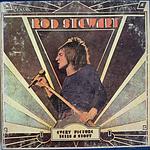
Every Picture Tells a Story, released in 1971, is Rod Stewart's third solo album. It blends rock, blues rock, folk rock and pop into a rootsy, acoustic-tinged sound anchored by Stewart's gritty, conversational vocals, loose band arrangements, and a mix of upbeat rockers and reflective ballads. The record features the well-known tracks "Maggie May" and "Mandolin Wind" and is often noted for capturing Stewart's move from folk-influenced singer-songwriter material toward a more rock-oriented solo identity.
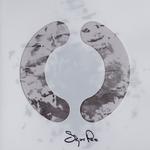
Sigur Rós' 2002 album ( ) is an atmospheric, largely instrumental record that blends post-rock dynamics with ambient textures and understated electronic and rock elements. Composed of eight untitled tracks that feature Jónsi's high-register voice and non-lexical vocalizations, bowed guitar and spacious arrangements, it alternates sparse, intimate passages with slow-building, orchestral swells to create a meditative, cinematic mood. The album marked a move toward more abstract, textural songwriting in the band's catalog and is often noted for its use of silence, space and emotional intensity.
#17 — The Poison Boyfriend by Momus
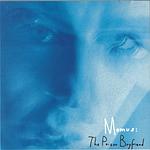
The Poison Boyfriend is a 1987 album by Momus that sits at the intersection of alternative rock and pop rock, pairing melodic pop structures with literate, often ironic songwriting and arrangements that foreground narrative, character-driven lyrics.
#17 — Leave Home by Ramones
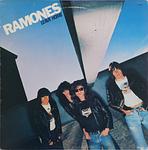
Leave Home, the Ramones second studio album from 1977, continues the band's fast, stripped-down punk-rock approach while introducing slightly fuller production and tighter arrangements compared with their debut. The songs are short and propulsive, built on simple power chords, driving drums and catchy, blunt melodies that merge raw punk energy with elements of early rock and roll and pop sensibility. Its concise songwriting and minimalist execution reinforce the Ramones aesthetic and helped solidify their place in the emerging punk scene.
#17 — Red House Painters II by Red House Painters
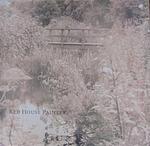
Red House Painters II, released in 1993, exemplifies the band's slow, melancholic approach to indie rock by blending folk-rooted songwriting with atmospheric, reverb-soaked guitar and restrained, intimate vocals. The album favors languid tempos, sparse arrangements, and extended, mood-driven songs that emphasize introspective lyrics about memory, loss, and solitude. Its sound sits at the intersection of folk rock, dream pop, and alternative rock, with quiet acoustic passages contrasted against ambient electric textures to create a contemplative, immersive listening experience.
#17 — Inventions by Sandy Bull
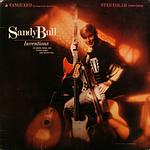
Inventions (1965) by Sandy Bull blends folk fingerstyle guitar with blues, classical and experimental textures, using both acoustic and electric instruments and drawing on non-Western melodic ideas. The album features extended instrumental pieces and improvisatory passages that juxtapose banjo, guitar and bass with percussive and modal elements, illustrating Bull's eclectic approach that helped broaden the boundaries of American folk and experimental music in the mid 1960s.
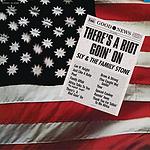
There’s a Riot Goin’ On, released in 1971 by Sly & the Family Stone, marks a turn from the band’s earlier upbeat crossover soul toward a darker, more inward form of funk and psychedelic soul. The record emphasizes slow, groove-centered rhythms, prominent bass, muted horns and layered, often murky production that creates an intimate, raw atmosphere. Its lyrics and tone convey disillusionment and reflection rather than the communal optimism of the 1960s, and the album’s emphasis on texture and mood helped shape later directions in deep funk and progressive soul.
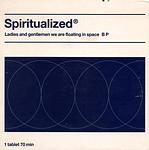
Ladies and Gentlemen We Are Floating in Space is Spiritualized's 1997 album largely shaped by frontman Jason Pierce. It blends space rock and neo-psychedelia with lush orchestral arrangements, gospel-tinged backing vocals, and passages of guitar feedback and sustained drones, creating a contrast between warm pop melodies and noise-inflected textures. The production favors reverberant, cinematic soundscapes and recurring motifs of longing and dissolution, yielding a densely arranged, atmospheric exploration of love, loss, and transcendence.
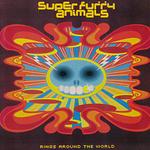
Rings Around the World, released in 2001 by Super Furry Animals, mixes electronic textures and neo-psychedelic melodies with alternative and art rock sensibilities. The record pairs concise, hook-forward songs with layered studio production, using synths, samples, brass and strings alongside distorted guitars and vocal harmonies. Tracks shift between bright pop structures, spacey atmospherics and brief experimental interludes, resulting in an eclectic but cohesive sound that emphasizes ambitious arrangements and a willingness to blend rock songwriting with electronic and orchestral elements.
#17 — The Notorious Byrd Brothers by The Byrds
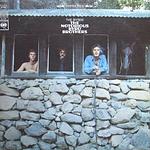
The Notorious Byrd Brothers (1968) finds The Byrds moving from jangly folk rock toward a more studio‑oriented blend of folk rock, pop rock and psychedelic textures. The album pairs chiming guitars and layered vocal harmonies with orchestral touches, tape and electronic effects, and occasional country inflections, producing a hazy, atmospheric sound that balances concise pop songwriting with adventurous studio arrangements. It represents a transitional, experimental moment in the band's late 1960s output.
#17 — Separation Sunday by The Hold Steady
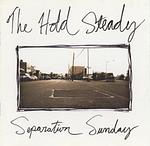
Separation Sunday (2005) is The Hold Steady's second studio album, built around literate, talk-sung storytelling and a loose cycle of recurring characters and scenes. Musically it blends bar-band rock and roll with indie rock energy, driven by organ and piano alongside jangly and chugging guitars, singalong choruses, and Craig Finn's dense, narrative lyrics about youth, excess, and attempts at redemption. The record is often cited as a defining statement of the group's signature mix of classic rock phrasing and streetwise storytelling.
#17 — Black and Blue by The Rolling Stones
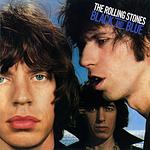
Black and Blue (1976) finds The Rolling Stones stretching beyond their blues foundation into funk, soul, reggae and hard rock while retaining their classic rock core. Recorded during a period of lineup change as the band auditioned replacement guitarists, the album features contributions from multiple players including Ronnie Wood and mixes muscular riffing and grooves on tracks such as "Hot Stuff" with softer, soul-tinged balladry like "Fool to Cry." The overall sound is eclectic and transitional, reflecting the band's mid 1970s exploration of new rhythmic and stylistic directions.
#17 — Sticky Fingers by The Rolling Stones
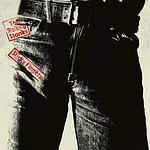
Sticky Fingers (1971) by the Rolling Stones blends rock, blues rock, hard rock, country rock, and rock and roll, alternating gritty electric numbers with quieter, country-influenced ballads. The record highlights the Jagger-Richards songwriting partnership and Keith Richards' guitar textures, and features tracks such as "Brown Sugar" and "Wild Horses." The album is also known for its Andy Warhol sleeve design and its turn toward a rawer, roots-oriented sound.
#17 — Original Pirate Material by The Streets
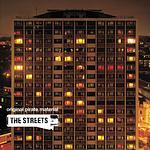
Original Pirate Material, the 2002 debut album by The Streets (Mike Skinner), blends UK garage rhythms, house and electronic textures with hip hop sensibilities. The record pairs sparse, syncopated beats and basslines with Skinner's conversational, often spoken-word vocal delivery, delivering observational narratives about everyday life in Britain. Production favors lo-fi immediacy and stripped arrangements that foreground lyrics and atmosphere, drawing on garage and house grooves and electronic touches to create a distinctive urban sound.
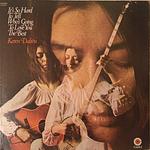
It's So Hard to Tell Who's Going to Love You the Best is Karen Dalton's 1969 debut, offering sparse, blues-inflected folk and country blues interpretations carried by her distinctive, haunting voice. The arrangements are intimate and acoustic, often centered on Dalton's guitar and banjo, and the performances emphasize plaintive phrasing and a raw emotional directness. The album reframes traditional and contemporary songs through a melancholy, bluesy lens and has long been appreciated for its unadorned, powerful mood.
#17 — The Beatles by The Beatles
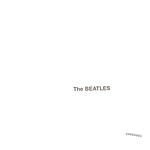
The Beatles, commonly known as the White Album, is a 1968 double album that captures the group's broad stylistic range across rock, pop, pop rock, experimental and hard rock. It moves between pared-back acoustic songs and concise pop tunes, heavier electric rockers and collage-like studio experiments, with a rawer, more immediate production and distinct individual songwriting voices. The minimalist white packaging complements the record's eclectic, personal character.
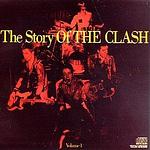
The Story of The Clash, Volume 1 is a 1988 career-spanning compilation that presents the English band’s transition from raw punk rock into a broader sound incorporating rock, reggae, pop and alternative influences. The collection highlights the band’s melodic as well as confrontational sides, pairing short, aggressive punk tracks with more rhythmically diverse and radio-friendly material to show the range the group explored during its career. It serves as an accessible overview of The Clash’s stylistic breadth rather than a single-period snapshot.
#17 — Split by The Groundhogs
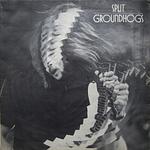
Split, released in 1971 by The Groundhogs, is a guitar-driven album that blends blues rock foundations with harder edged riffs and touches of psychedelic color. Tony McPhee's raw, inventive guitar work and compact arrangements push traditional blues forms into more expansive, dynamic songs that move between acoustic passages and muscular electric grooves. The record's concentrated intensity and varied textures make it a distinctive entry in the band's catalog.
#17 — Too Much Guitar by Reigning Sound
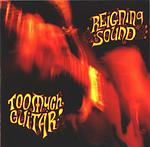
Too Much Guitar (2004) finds Reigning Sound leaning into a raw, guitar-forward take on garage punk that blends blues rock grit, lo-fi immediacy, and classic rock and roll songwriting. The record emphasizes crunchy, propulsive guitar parts and concise, energetic arrangements, with rough-edged vocals and a stripped-down production that highlights live-band dynamics and roots influences. Overall it presents a tougher, more electric sound while keeping melodic hooks and a direct, unvarnished feel.
#17 — Automatic Midnight by Hot Snakes
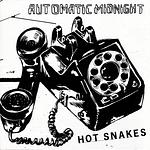
Automatic Midnight is Hot Snakes' 2000 debut, blending post-hardcore urgency with garage-influenced indie rock. The album features taut, angular guitar work, driving rhythms, and terse, urgent vocals, presented with raw, stripped-back production and concise songcraft that balances melodic hooks with abrasive intensity.