 The Greatest Music
Uncut’s 200 Greatest Albums of All Time
Weight: 10%
How much this list influences our overall rankings. Higher weight means more reliable data.
Penalties Applied:
Uncut’s 200 Greatest Albums of All Time ran as the February 2016 cover story (issue “Take 225”), positioning a classicist, UK-leaning canon topped by Pet Sounds, Revolver, Astral Weeks, and The Velvet Underground & Nico. It’s presented as an Uncut editorial survey rather than a public poll, and the package cross-references how many of these albums had ranked in earlier Uncut/NME lists, framing the feature as a conversation with rock history as much as a fresh plebiscite.
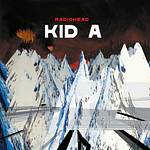
Kid A, released in 2000 by Radiohead, marked a deliberate move away from the band's earlier guitar-driven sound toward electronic, ambient, and experimental rock. The record mixes synthesizers, programmed rhythms, manipulated guitars, and orchestral colors to produce abstract song structures and chilly textures, with Thom Yorke's voice often treated as another instrumental layer. Its focus on atmosphere, fragmentation, and themes of alienation and technological unease broadened the band's sonic palette and influenced many artists in alternative and art rock.
#102 — Histoire de Melody Nelson by Serge Gainsbourg
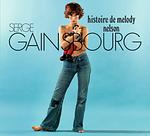
Histoire de Melody Nelson is a 1971 concept album by Serge Gainsbourg that fuses rock, art pop, baroque pop and pop rock into a short, cinematic narrative. The record pairs Gainsbourg's half-spoken, half-sung narration with the breathy vocal presence of Jane Birkin and features lush string arrangements and orchestration by Jean-Claude Vannier, prominent bass-driven grooves, and a moody, nocturnal atmosphere. Its concise, continuous storyline and distinctive production give it a vignette-like quality that has been influential within art pop and baroque pop circles.
#103 — This Is Hardcore by Pulp
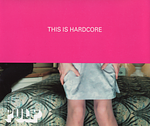
This Is Hardcore finds Pulp shifting into darker, more cinematic territory than their mid 1990s work, blending electronic textures with rock and alternative sensibilities and layered string and horn arrangements. The production emphasizes mood and theatre, with experimental touches and dense, often noir-tinged soundscapes that sit beneath Jarvis Cocker's more introspective and world-weary lyrics about fame, desire, aging and disillusionment. The album reads as a deliberate, mature counterpoint to the band's earlier, more exuberant pop moments while retaining strong melodic instincts.
#104 — At Folsom Prison by Johnny Cash
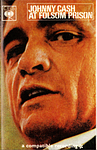
At Folsom Prison is a 1968 live album by Johnny Cash, recorded at Folsom State Prison. The performance features Cash's deep baritone and a spare backing band, blending traditional country, rockabilly and gritty country rock arrangements. The set presents hard-edged renditions of songs about crime, punishment and redemption, with direct audience interaction and ambient prison crowd sounds that give the recording an immediate, raw feel. The album helped reinforce Cash's outlaw persona and brought a tougher, more rock‑inflected sensibility into mainstream country.
#105 — Diamond Dogs by David Bowie
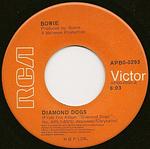
Diamond Dogs (1974) is a David Bowie album that blends glam rock and classic rock with a darker, theatrical tone, featuring raw, guitar-driven arrangements alongside moments of horn-tinged soul and funk that point toward his later stylistic shifts. The record has a loose conceptual thread of urban decay and dystopian imagery, and includes sprawling sequences such as the Sweet Thing suite and the anthemic single Rebel Rebel, marking a move away from his Ziggy Stardust stage persona toward a more fragmented, cinematic sound.
#106 — Remain in Light by Talking Heads
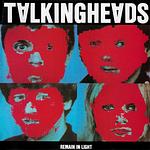
Remain in Light (1980) finds Talking Heads blending New Wave, post-punk, funk, and electronic textures through an experimental production approach with Brian Eno. The album foregrounds layered, polyrhythmic grooves influenced by West African rhythms, interlocking guitar and synth patterns, and funk-tinged bass to create dense, propulsive arrangements. David Byrne's vocal delivery moves between urgent and detached across fragmented, mantra-like lyrics, while studio techniques favor repetition, loops, and ambient sonics. The record is often noted for shifting the band's sound toward a more rhythmic, textural, and collaborative form of art rock.
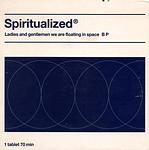
Ladies and Gentlemen We Are Floating in Space is Spiritualized's 1997 album largely shaped by frontman Jason Pierce. It blends space rock and neo-psychedelia with lush orchestral arrangements, gospel-tinged backing vocals, and passages of guitar feedback and sustained drones, creating a contrast between warm pop melodies and noise-inflected textures. The production favors reverberant, cinematic soundscapes and recurring motifs of longing and dissolution, yielding a densely arranged, atmospheric exploration of love, loss, and transcendence.
#108 — Spirit of Eden by Talk Talk
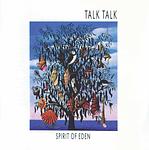
Spirit of Eden, released in 1988 by Talk Talk, marks the band's move away from polished pop toward sparse, atmospheric compositions that influenced post-rock and experimental rock. The record emphasizes space and texture, blending acoustic instruments, jazz-inflected improvisation, ambient soundscapes, and chamber-like orchestral touches with Mark Hollis's restrained vocals and deliberate use of silence. Arrangements unfold slowly and organically, favoring mood and timbral detail over conventional song structures, creating an intimate and unpredictable listening experience.
#109 — The Only Ones by The Only Ones
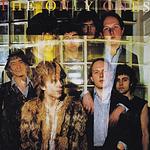
The Only Ones is the band's 1978 debut that blends late 1970s punk urgency with power pop melodies and new wave sensibilities. Peter Perrett's weary, literate vocals and observational lyrics are paired with John Perry's chiming, melodic guitars and a rhythm section that moves between driving rock and restrained grooves, creating songs that balance rawness and craft. The album includes the well known track Another Girl, Another Planet and is often referenced for its influence on subsequent indie and alternative rock artists.
#110 — Heart of the Congos by The Congos
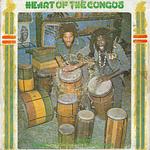
Heart of the Congos, recorded in 1977 and produced by Lee 'Scratch' Perry at his Black Ark studio, is a roots reggae album that blends dub-influenced studio techniques with rich, high-register vocal harmonies. The arrangements emphasize deep basslines, layered percussion, and atmospheric effects, while lyrics draw on Rastafarian and spiritual themes. The album is noted for its distinctive Black Ark production and the interplay between Cedric Myton's falsetto and the group's lower voices, giving it a characteristic sound within roots reggae and dub contexts.
#111 — Court and Spark by Joni Mitchell
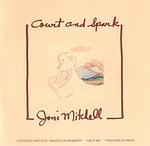
Court and Spark (1974) finds Joni Mitchell expanding her folk roots into a richer pop sound infused with jazz-influenced harmonies and sophisticated arrangements. The album blends acoustic songwriting with electric instrumentation and subtle horn and string touches, featuring well known songs such as "Help Me" and "Free Man in Paris". Its production balances intimate vocals and accessible melodies with complex chord choices and rhythmic nuance, marking a notable stylistic shift in Mitchell's catalog.
#112 — Power, Corruption & Lies by New Order
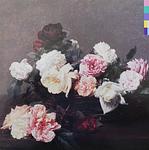
Power, Corruption & Lies (1983) finds New Order moving further from their post-punk origins into a more electronic, dance-oriented sound. The album pairs sequenced synths and drum machines with prominent, melodic basslines and understated vocals, blending synth-pop brightness with post-punk melancholy; tracks such as "Age of Consent" and "Your Silent Face" illustrate its mix of dance rhythms and introspective moods. The record is notable for helping to fuse electronic production techniques with pop songwriting in the early 1980s.
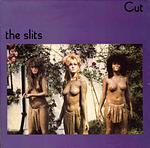
Cut, the 1979 debut by The Slits, blends post-punk immediacy with reggae and dub-influenced rhythms, pairing jagged, angular guitars and spare, propulsive bass with loose, improvisatory song structures. Ari Up's raw, expressive vocals and the band's off-kilter arrangements give the album a confrontational yet playful quality, while producer Dennis Bovell's use of echo and space brings a dub-informed production that foregrounds rhythm and texture. The result is an experimental, genre-melding record that helped expand the sonic possibilities of post-punk and art punk.
#114 — "Heroes" by David Bowie
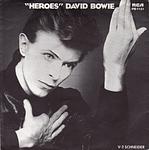
Heroes, released in 1977, is David Bowie’s album that blends art rock, electronic, ambient, art pop, and experimental rock. Recorded in West Berlin with producer Tony Visconti and frequent collaborator Brian Eno, the record pairs driving, guitar‑based songs with spare instrumental pieces built from layered synths and treated guitars, producing a stark and cinematic sound. The title track and several instrumentals emphasize atmospheric production and unconventional textures, making the album a central work from Bowie’s Berlin period that fuses pop songwriting with experimental electronics.
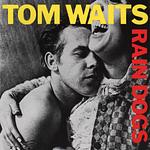
Rain Dogs, released in 1985, finds Tom Waits moving further from his earlier piano-based singer-songwriter style into a grittier, more experimental sound. The album mixes blues, rock, and Americana with off-kilter rhythms, found percussion, accordion and jagged guitar, providing a cinematic, streetwise backdrop for Waits's gravelly vocals and vivid narratives about urban outsiders. It follows Swordfishtrombones and further solidifies his turn toward theatrical, collage-like arrangements and genre-bending songwriting.
#116 — Beggars Banquet by The Rolling Stones
Beggars Banquet (1968) by The Rolling Stones is a roots-oriented rock album that moves away from late 1960s psychedelia toward a rawer blend of blues rock, hard-driving electric rock, and country-tinged acoustic numbers, featuring spare production, prominent guitar and slide work, and lyrical material rooted in everyday and street-level themes, marking a consolidation of the band’s classic rock identity.
#117 — Specials by The Specials
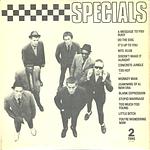
The Specials is the 1979 debut album by The Specials that melds Jamaican ska and reggae rhythms with the energy of punk and new wave within the 2 Tone aesthetic. Musically it pairs propulsive offbeat guitar and punchy horn lines with spare, direct production, and lyrics that address social concerns such as racial tension and youth culture while retaining a strong danceable feel. The album is considered a defining release of the British 2 Tone ska revival and helped bring that sound to a broader audience.
#119 — Bitches Brew by Miles Davis
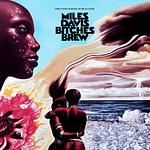
Bitches Brew is a 1970 Miles Davis album that marks his full embrace of electric instruments and the emerging jazz fusion idiom. The music blends loose, extended improvisation with rock and funk rhythms, dense, layered textures and a large ensemble featuring multiple electric keyboards, guitars and electric bass. Producer Teo Macero's studio editing reshaped long collective performances into suite-like tracks with a shifting, cinematic flow. The record is frequently cited as a pivotal work in the development of jazz fusion and avant-garde approaches to jazz.
#120 — Radio City by Big Star
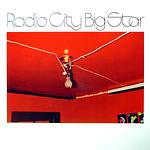
Radio City, released in 1974 by Big Star, is a crisp example of American power pop and pop rock that pairs chiming, guitar-driven arrangements with tight vocal harmonies and concise, melody-focused songwriting. The album moves between bright, hooky pop textures and moments of harder-edged guitar, creating a balance of studio polish and rawer rock energy. It is often noted for its songwriting clarity and its role in shaping later strains of alternative and indie pop.
#121 — Future Days by Can
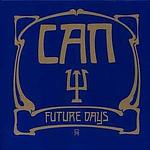
Future Days, released in 1973 by Can, is a Krautrock album that moves the band toward spacious, ambient and groove-based textures. The music rests on Jaki Liebezeit's precise, trance-like rhythms and Holger Czukay's restrained bass, with Irmin Schmidt's keyboards and Michael Karoli's guitar creating layered, pastoral motifs around Damo Suzuki's sparse, evocative vocals. The record emphasizes long, hypnotic pieces and studio experimentation with tape and editing to produce drifting, atmospheric soundscapes that have influenced later ambient and post-rock directions.
#122 — Parade by Prince, The Revolution
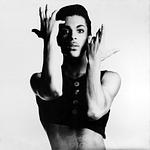
Parade, the 1986 soundtrack to Prince's film Under the Cherry Moon, blends funk, contemporary R&B, pop and the Minneapolis sound with neo-psychedelic and cinematic touches. The album pairs minimalist, rhythm-driven tracks such as "Kiss" with lush orchestration, horn and string arrangements and atmospheric production, producing a more restrained, chamber pop and lounge-inflected mood compared with Prince's earlier rock-leaning work. As a soundtrack it emphasizes texture and mood and represents an experimental, eclectic moment in Prince's mid-1980s output.
#123 — Can't Buy a Thrill by Steely Dan
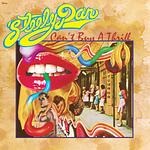
Can't Buy a Thrill is Steely Dan's 1972 debut album that introduced Donald Fagen and Walter Becker's blend of pop rock and jazz-inflected songwriting. It pairs catchy, radio-friendly rhythms with sophisticated harmonic arrangements, polished studio production, and literate, often ironic lyrics, and features early singles 'Do It Again' and 'Reelin' in the Years'. The album's use of session musicians and tight vocal harmonies points toward the studio-centered approach the duo would develop on later records.
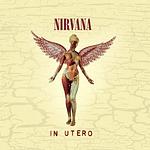
In Utero, released in 1993 by Nirvana, is a raw, abrasive alternative rock album that incorporates grunge, noise rock, and post-hardcore elements. Recorded with a deliberately less polished production, it foregrounds distorted guitars, strong dynamic contrasts, and Kurt Cobain's intense vocal delivery while still containing quieter, melodic passages. The songwriting blends confrontational imagery and personal themes with tuneful hooks, giving the record a deliberately rougher, more immediate sound compared with the band's previous studio work.
#125 — My Aim Is True by Elvis Costello
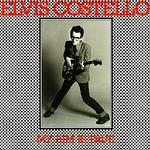
My Aim Is True is Elvis Costello's 1977 debut studio album that blends rock, new wave, pub rock, pop rock and country influences. The record pairs lean, guitar-driven arrangements with concise, literate songwriting, juxtaposing caustic wit and melodic hooks across raucous rockers and more reflective, country-tinged numbers. Recorded with a loose, energetic band feel, the album introduced Costello's distinctive vocal delivery and sharp lyrical voice, marking his emergence as a notable and eclectic songwriter in the late 1970s.
#126 — Pink Moon by Nick Drake
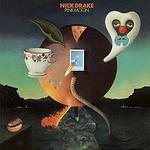
Pink Moon is Nick Drake's 1972 album, his third and final release during his lifetime. It presents stripped-down, intimate arrangements centered on Drake's fingerpicked acoustic guitar and subdued, melancholic vocals. The record moves away from the fuller textures of his earlier work, favoring concise, direct songs with minimal production and a fragile, introspective mood. Its spare sound and haunting songwriting have been influential on later singer-songwriters and contemporary folk artists.
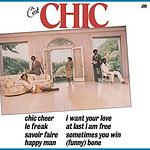
#127 — Chic C'est Chic by Chic
#128 — Sweetheart of the Rodeo by The Byrds
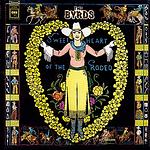
Sweetheart of the Rodeo is The Byrds' 1968 album that shifts the group's sound toward country rock, blending folk rock songwriting and rock rhythms with country instrumentation such as pedal steel and acoustic arrangements. Gram Parsons' involvement steered the record toward traditional country material and roots-flavored originals, delivered with close harmonies and a simpler, more direct production than the band's earlier psychedelic work, with songs like "Hickory Wind" exemplifying the album's tone. The record is widely regarded as an early and influential example of the country rock and Americana crossover.
#129 — Curtis by Curtis Mayfield
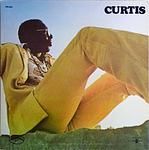
Curtis, Curtis Mayfield’s 1970 solo debut, moves from his work with The Impressions into a personal blend of soul, funk, and orchestral pop. The record pairs Mayfield’s light, expressive falsetto and rhythmic guitar with lush string and horn arrangements and more direct, socially aware songwriting, ranging from intimate ballads like The Makings of You to the driving optimism of Move On Up. Its mix of gospel-influenced vocals, groove-oriented rhythm sections, and thoughtful lyricism helped define the sound Mayfield would continue to develop in his solo career.
#130 — The Madcap Laughs by Syd Barrett
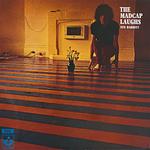
Syd Barrett's 1970 debut solo album, The Madcap Laughs, captures his intimate, unpolished songwriting after leaving Pink Floyd. The record blends folk rock and psychedelic elements with sparse, often fragile arrangements and experimental studio moments, emphasizing acoustic guitar, loose rhythms and eccentric melodic turns. Barrett's lyricism moves between whimsical and melancholic, and the album is notable for its raw, improvisational feel and personal immediacy.
#131 — 3+3 by The Isley Brothers
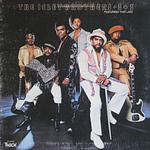
3+3, released in 1973, marks The Isley Brothers' expansion from a vocal trio into a six-member band with the addition of Ernie and Marvin Isley and keyboardist Chris Jasper. The album blends soul and early quiet storm balladry with funk grooves and rock-inflected guitar work, featuring Ernie Isley’s Hendrix-influenced solos and tighter band arrangements; it mixes original songs and reinterpretations to showcase a fuller, more instrumentally adventurous sound that helped define the group’s 1970s direction.
#132 — Dare by The Human League
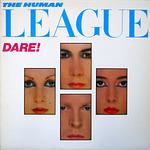
Released in 1981, Dare is The Human League's polished synthpop album that moved the band toward a more pop-oriented, vocal-led sound. Featuring crisp electronic percussion and layered synthesizers, it pairs Philip Oakey's baritone with the prominent female singers Susan Ann Sulley and Joanne Catherall to create hook-driven songs such as "Don't You Want Me". The record blends New Wave and New Romantic textures with dance-pop rhythms and straightforward pop songwriting, and is closely associated with the early 1980s mainstream synth-driven pop sound.
#133 — Live at Leeds by The Who
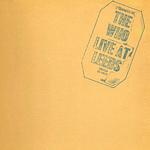
Recorded at Leeds University in 1970, Live at Leeds captures The Who in a loud, raw live set that emphasizes hard rock and blues-rock intensity alongside the band's classic rock songwriting. The album features extended, high-energy performances, muscular guitar work from Pete Townshend, forceful vocals from Roger Daltrey, dynamic bass from John Entwistle, and frenetic drumming by Keith Moon, with a stripped-down, immediate sound that influenced subsequent live rock recordings.
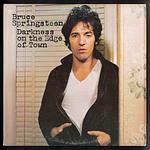
Darkness on the Edge of Town is Bruce Springsteen's 1978 album that adopts a leaner, grittier approach to heartland rock and singer-songwriter storytelling. The sound emphasizes direct, guitar-driven arrangements with piano accents and a more restrained, raw production than some earlier work. Lyrically the album focuses on working-class characters, moral struggle, loss and the pursuit of dignity, delivered in spare, atmospheric songs such as "Badlands" and "Racing in the Street". Its sober tone and narrative focus helped define Springsteen's signature blend of rock and character-driven songwriting.
#135 — Surf's Up by The Beach Boys
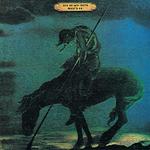
Surf's Up is a 1971 Beach Boys album that mixes pop and psychedelic elements with progressive pop touches, notable for rich vocal harmonies, orchestral textures and a more introspective tone. The title track, written with Van Dyke Parks, and songs such as "Til I Die" and "A Day in the Life of a Tree" reflect lingering experimentalism from earlier eras alongside contributions from Carl Wilson and Bruce Johnston, producing a record that balances social commentary, melancholy and studio-crafted arrangements.
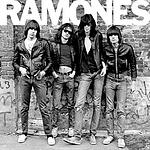
Ramones is the 1976 debut album by the Ramones. It delivers short, fast, stripped-down songs built on simple three-chord guitar figures, driving downbeat drumming, and a raw production that foregrounds catchy hooks and shouted vocals. Noted for its succinct songcraft and aggressive minimalism, the record is widely regarded as a foundational release in punk rock and helped establish the genre's aesthetic.
#137 — Back in Black by AC/DC
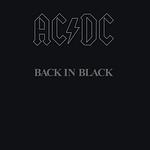
Back in Black is AC/DC's 1980 album and the first to feature singer Brian Johnson after Bon Scott's death. Produced by Robert John Lange, it channels the band's hard rock and blues-rock roots into concise, riff-driven songs built on Angus Young lead work and Malcolm Young rhythm parts, with punchy drums and clear guitar tones. Tracks such as Hells Bells, Back in Black, Shoot to Thrill, and You Shook Me All Night Long illustrate the arena-ready, no-frills sound that helped define the band's signature style.
#138 — Moondance by Van Morrison
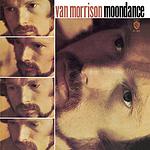
Moondance, released in 1970, blends folk rock, blue-eyed soul, and jazz into a warm, groove-oriented sound that emphasizes melodic songwriting and rhythmic swing. The arrangements lean on piano, saxophone, brushed drums, and acoustic guitar, providing a relaxed yet tightly played backdrop for Morrison's soulful phrasing and poetic lyrics. Several tracks pair romantic, imagery-rich writing with jazz-inflected rhythms and horn lines, giving the album a more structured and accessible feel compared with some of his earlier, more freeform work. The record is often noted for its effective fusion of genres and strong songwriting.
#139 — Entertainment! by Gang of Four
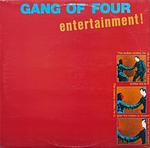
Entertainment!, the 1979 debut by Gang of Four, combines punk urgency with funk-influenced dance rhythms and art-punk angularity. The album is built on staccato, jagged guitar figures, propulsive, groove-driven bass and tight, rhythmic arrangements that favor economy and texture. Lyrically it offers direct, politically charged critiques of consumerism, interpersonal power and modern capitalism, delivered with a cool, detached vocal approach. The spare, abrasive sound and focus on rhythm and ideas helped define a strand of post-punk that fed into later dance-punk and alternative music.
#140 — Check Your Head by Beastie Boys
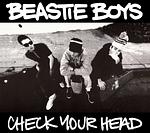
Check Your Head (1992) finds Beastie Boys returning to live instrumentation and blending East Coast hip hop rhythms with funk grooves, punk energy, and rock textures. The album pairs rap vocal delivery and sampling with prominent bass, guitar, and organ played by the trio, creating a raw, eclectic sound that broadened their palette beyond purely sample-based hip hop. Its production emphasizes gritty rock moments alongside tight funk and hip hop rhythms, showcasing the group's interest in band dynamics and genre mixing.
#141 — Dummy by Portishead
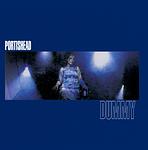
Dummy, released in 1994, is Portishead's debut album that helped define the trip hop aesthetic by combining slow, hip hop influenced beats with jazz-tinged arrangements and moody electronic textures. Beth Gibbons' intimate, theatrical vocals sit against dusty samples, turntable scratches, reverb-heavy production and slippery guitar lines, creating a cinematic, noir atmosphere. The record mixes downtempo electronic approaches with elements of acid jazz and dark jazz to produce a sparse, emotionally intense sound.
#142 — Daydream Nation by Sonic Youth
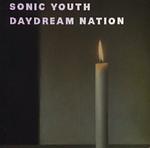
Daydream Nation (1988) by Sonic Youth blends noisy, experimental textures with melodic songcraft, moving between abrasive, dissonant guitar attack and extended, atmospheric passages. The band uses alternate tunings, feedback and layered guitars to create dense, shifting soundscapes while maintaining memorable hooks on tracks like Teen Age Riot and Silver Rocket. The album is frequently cited as an important bridge between no wave noise experiments and the emergence of alternative and indie rock in the late 1980s.
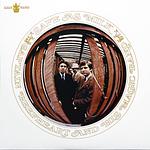
Safe as Milk is the 1967 debut album by Captain Beefheart and His Magic Band, combining blues-rooted songwriting with psychedelic textures and off-kilter, idiosyncratic vocals. The record pairs raw electric guitar and harmonica with unconventional arrangements and lyrical oddities, signaling a move away from straightforward blues rock toward more experimental, proto-alternative approaches that the group would develop further in later releases.
#144 — Heaven or Las Vegas by Cocteau Twins
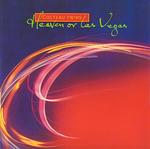
Heaven or Las Vegas (1990) finds Cocteau Twins applying their hallmark reverb-soaked guitars and Elizabeth Fraser's otherworldly vocals to more direct, melodic song structures. The album pairs shimmering guitar and warm synth layers with a restrained, slow-tempo pulse, producing lush, atmospheric tracks that sit between dream pop, ethereal wave, downtempo and shoegaze while emphasizing clearer vocal lines and accessible melodies.
#145 — Modern Life Is Rubbish by Blur
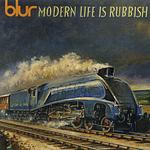
Modern Life Is Rubbish, Blur's 1993 album, marks a clear shift toward British guitar-pop and a focus on contemporary British life. The record blends jangly indie rock and power pop hooks with touches of neo-psychedelia and occasional orchestral color, pairing catchy melodies with observational, often ironic lyrics. It moved the band away from the dance and shoegaze influences of their debut and helped shape the emerging Britpop aesthetic.
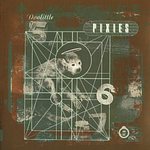
Doolittle, released in 1989 by Pixies and produced by Gil Norton, blends raw, angular guitar work with quiet-loud-quiet dynamics, concise pop hooks, and surreal, often darkly humorous lyrics. Black Francis's abrasive vocals and songwriting are balanced by Kim Deal's melodic bass and backing vocals, producing tracks that range from the abrasive "Debaser" to the more melodic "Here Comes Your Man" and the enigmatic "Monkey Gone to Heaven." The album's jagged arrangements and dynamic contrasts are frequently cited as an influence on early 1990s alternative and grunge bands.
#147 — Grace by Jeff Buckley
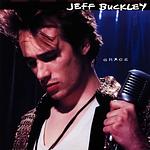
Jeff Buckley’s 1994 album Grace blends rock, alternative and folk influences into a singer-songwriter framework centered on his wide-ranging, expressive voice and intricate guitar work. The songs move between intimate acoustic passages and fuller, electric arrangements, combining delicate folk textures, soulful vocal runs, and dramatic dynamic shifts. The album is notable for its emotional intensity and for Buckley’s memorable reinterpretation of Leonard Cohen’s “Hallelujah,” and it remains influential for listeners and musicians drawn to expressive vocal performance and genre-blurring songwriting.
#148 — In a Silent Way by Miles Davis
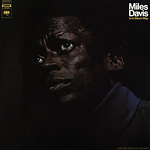
In a Silent Way, recorded and released in 1969, marks Miles Davis's shift toward electric instruments and extended, atmospheric forms. The music pairs Davis's muted, lyrical trumpet with electric piano, organ, and guitar over modal vamps and understated grooves, and the two long, seamlessly edited pieces were assembled in the studio to create a continuous, meditative flow. A loose ensemble including Wayne Shorter, Herbie Hancock, Chick Corea, Joe Zawinul, John McLaughlin, Dave Holland, and Tony Williams contributes sustained textures and restrained interplay, while producer Teo Macero's tape editing plays a clear role in the album's shape. The result is an understated, ambient-leaning statement often cited as an early landmark on the path toward jazz fusion and more open improvisational forms.
#149 — A Hard Day's Night by The Beatles
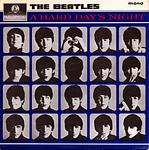
A Hard Day’s Night, the Beatles' 1964 soundtrack to their film of the same name, is built almost entirely from Lennon-McCartney compositions and crystallizes the group's early pop rock and beat sound. The record mixes concise, hook-driven songs and close vocal harmonies with jangly electric guitar textures, most famously the 12-string lead and the instantly recognizable opening chord of the title track. Songs range from driving rockers to melodic ballads and highlight punchy rhythmic interplay and melodic bass lines, marking a clear statement of the band’s songwriting focus during the early Beatles era.
#150 — Blue Lines by Massive Attack
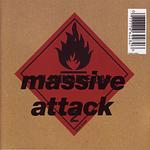
Blue Lines, Massive Attack's 1991 debut, blends hip hop rhythms, dub production, soul-influenced vocals and atmospheric electronic textures to help define the trip hop sound. The record pairs slow, heavy grooves and deep bass with lush string arrangements and distinctive guest vocals from Shara Nelson and Horace Andy, producing moody, cinematic tracks such as Unfinished Sympathy and Safe From Harm. Its fusion of sampled and live instrumentation, downtempo pacing, and a shadowy, club-informed aesthetic made it a touchstone for the Bristol scene and later alternative electronic music.
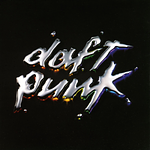
Discovery is Daft Punk's second studio album, released in 2001. It blends French house and electronic dance with disco, synthpop, and progressive house influences, emphasizing melodic songwriting, bright synth textures, and filter-heavy sampling. The duo made prominent use of vocoders and vocal manipulation on tracks like "One More Time" and "Harder, Better, Faster, Stronger", balancing dancefloor grooves with pop structures. The album was presented as a cohesive, concept-driven work and later served as the soundtrack for the animated film Interstella 5555.
#152 — Lady Soul by Aretha Franklin
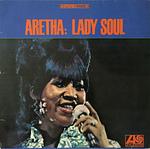
Lady Soul (1968) captures Aretha Franklin in the fertile late 1960s Atlantic period, showcasing her gospel-rooted, deeply expressive voice across material that blends soul, Southern soul, blues, and classic R&B. The record pairs her commanding vocals and piano with tight rhythm and horn arrangements, moving between punchy, groove-driven numbers and tender, intimate ballads. Its raw emotional intensity and authoritative phrasing helped define a model of deep soul singing that influenced many later vocalists.
#153 — Physical Graffiti by Led Zeppelin
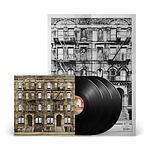
Physical Graffiti, released in 1975, is Led Zeppelin's double album that showcases a wide range of the band's styles, from hard rock and blues to folk-influenced acoustic pieces. The record combines heavy, riff-driven songs with layered production, expansive arrangements and intimate acoustic moments, highlighting Jimmy Page's production and guitar work, Robert Plant's vocals, John Paul Jones's multi-instrumental contributions and John Bonham's powerful drumming. Tracks such as Kashmir and Ten Years Gone illustrate the album's scale and textural variety while shorter bluesy and folk-derived numbers provide contrast, making it a broad statement of the band's musical range.
#154 — Sulk by The Associates
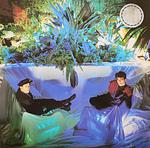
Sulk, released in 1982 by Scottish duo The Associates, blends synth-pop and new wave with art rock and post-punk sensibilities, often in a downtempo register. Billy Mackenzie’s wide-ranging, theatrical vocals sit over Alan Rankine’s elaborate arrangements that combine synthesizers, brass and orchestral touches, producing dramatic, atmospheric songs such as the single "Party Fears Two". The album is noted for its ambitious production and a songwriting approach that mixes catchy pop phrasing with experimental textures.
#155 — The Boatman's Call by Nick Cave & the Bad Seeds
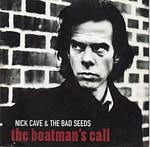
The Boatman's Call, released in 1997 by Nick Cave & the Bad Seeds, is a spare, piano-led album that foregrounds intimate, confessional songwriting. Arrangements are minimal, built around piano, organ, acoustic guitar and subtle textures, placing Cave's baritone voice and lyrical narratives at the forefront. The record represents a shift toward balladry and introspection, exploring themes of love, loss, faith and regret with poetic, often stark language, and is frequently noted for its quiet mood and emotional directness.
#156 — Maxinquaye by Tricky
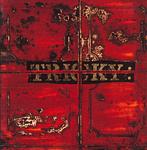
Maxinquaye is Tricky's 1995 solo debut, rooted in the Bristol trip hop sound and blending downtempo hip hop beats, dub textures, and dark, cinematic electronic production. Martina Topley-Bird's breathy, soulful vocals and Tricky's layered, sample-based arrangements create an intimate, unsettled mood that mixes blues, soul and experimental studio techniques. The album is often cited as a key record in trip hop and leftfield electronic music for its unconventional song structures and mood-driven approach.
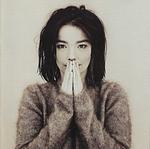
Debut is Björk's 1993 solo album that blends electronic and art pop with house, dance pop, and downtempo influences. It pairs her intimate, distinctive vocals with club-derived beats, off-kilter rhythms, and arrangements that mix electronic textures with acoustic instruments and strings, creating a warm, exploratory sound that moved away from her earlier band work. The record introduced Björk as a solo artist and set a template for her adventurous approach to songwriting and production, balancing pop accessibility with experimental sonics.
#158 — This Nation's Saving Grace by The Fall
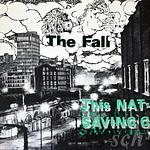
This Nation's Saving Grace, released in 1985 by The Fall, captures the band's post-punk approach with terse, driving rhythms, jagged guitar work and Mark E. Smith's caustic spoken-sung vocals. The addition of guitarist Brix Smith brought sharper melodic hooks that sit alongside repetitive, angular basslines and propulsive drum patterns, producing a leaner, more direct sound than some of their earlier records. The album stands as a key statement in the band's mid 1980s output, balancing abrasive textures with tighter songcraft.
#159 — Songs of Love and Hate by Leonard Cohen
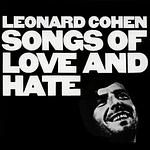
Songs of Love and Hate (1971) finds Leonard Cohen deepening his spare singer-songwriter approach into darker, more dramatic territory, pairing his low, conversational voice and meticulous lyrics with stark guitar lines and occasional orchestral touches that recall baroque pop. The album blends folk, rock and chamber-like instrumentation to explore themes of love, betrayal, death and spiritual yearning, producing a tense, intimate atmosphere that foregrounds Cohen's poetic storytelling. It is regarded as one of his important early records for its uncompromising tone and focus on lyric-driven songs.
#160 — Enter the Wu‐Tang (36 Chambers) by Wu‐Tang Clan
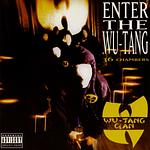
Enter the Wu-Tang (36 Chambers) is the 1993 debut album by Wu-Tang Clan, built on raw, lo-fi boom bap production and heavy use of martial arts film samples. Largely produced by RZA, it features sparse, gritty beats and layered vocal interplay that highlight the collective's nine distinct MCs and stark, street-centered lyricism. Its aggressive East Coast sound and unconventional group structure became a touchstone for hardcore hip hop and had a lasting influence on production trends and crew-centered projects.
#161 — Swordfishtrombones by Tom Waits
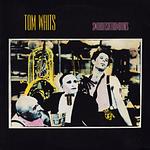
Swordfishtrombones (1983) is a Tom Waits album that marks a pronounced shift from his earlier piano-based, jazz and blues-tinged work toward a more experimental, percussive, and theatrical approach. The arrangements foreground unconventional percussion and found sounds alongside brass and woodwind textures, while Waits adopts a rougher, more expressive vocal style and surreal, character-driven storytelling. The record blends elements of blues, rock, and avant-garde experimentation and is regarded as a pivotal move into more adventurous, alternative rock and experimental territory for the artist.
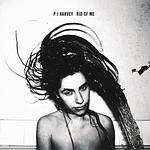
Rid of Me is PJ Harvey's 1993 album, produced by Steve Albini, noted for its raw, visceral sound and stark, live-feeling production. The music blends abrasive guitar work, driving rhythms, and intense, often confrontational vocals, with lyrics that explore power, desire, and emotional volatility. The record is commonly seen as a darker, more aggressive follow-up to her earlier work and a defining statement in 1990s alternative and indie rock.
#163 — Tonight's the Night by Neil Young
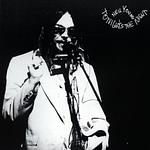
Tonight's the Night (1975) is a raw, emotionally charged album by Neil Young, recorded in informal sessions following the deaths of close friends. It blends country rock, blues rock, and hard-edged rock with ragged, loose performances, spare piano and guitar textures, and weary, intimate vocals. The album's rough production and persistent themes of grief and disillusionment mark a deliberate move away from polished studio work and give it a dark, candid character within Young's 1970s output.
#164 — Seventeen Seconds by The Cure
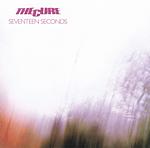
Seventeen Seconds, released in 1980 by The Cure, is an early, austere record that moved the band toward a darker, more minimalist sound. Sparse arrangements, shimmering guitars, steady basslines and subtle keyboards create a cold, atmospheric mood; songs such as "A Forest" use repetition and space to build tension. The album's pared-back textures and emphasis on mood and restraint helped steer the group into the gothic and post-punk directions that marked their early period.
#165 — Here Come the Warm Jets by Brian Eno
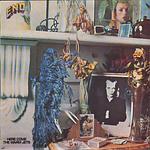
Here Come the Warm Jets is Brian Eno's 1973 debut solo album that blends art rock and glam sensibilities with experimental studio techniques. Short, song-based tracks combine pop structures and avant-garde approaches, using tape manipulation, unconventional arrangements, and a wry sense of humor, while contributions from various British rock musicians give the record a loose, patchwork feel. The album marks a transitional moment in Eno's work, showcasing his interest in production as a compositional tool and foreshadowing his later ambient explorations.
#166 — Liquid Swords by GZA/Genius
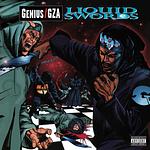
Liquid Swords, released in 1995 by GZA/Genius, is a focused East Coast hip hop record rooted in boom bap and hardcore styles. Produced largely by RZA, it pairs stark, cinematic beats built from dusty samples and eerie textures with GZA's dense, chess and martial arts-inflected lyricism and intricate internal rhymes. The album is notable for its tight production, sharp storytelling, and its place within the mid 1990s Wu-Tang era of New York hip hop.
#167 — Selected Ambient Works 85–92 by Aphex Twin
Selected Ambient Works 85–92, compiled and released by Richard D. James as Aphex Twin in 1992, gathers tracks recorded between 1985 and 1992 and blends ambient atmospheres with understated techno rhythms. The album pairs warm, lo-fi synth pads and textured atmospheres with skittering drum patterns, acid-tinged melodic fragments and mellow ambient pieces, creating a mood that bridges home-recorded experimentalism and club-oriented electronic music. Its spare, hypnotic approach is often linked to the development of ambient techno and early IDM and is notable for its focus on texture and melody over overt dancefloor drives.
#168 — Strangeways, Here We Come by The Smiths
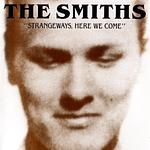
Strangeways, Here We Come is The Smiths' fourth and final studio album, released in 1987. Musically it retains the band's jangle pop and indie rock roots while moving toward more polished and textured arrangements, with Johnny Marr's chiming guitar work set against fuller orchestration and studio layering. Lyrically Morrissey's dry wit and melancholy are prominent, and the record closes the band's studio output with songs such as "Girlfriend in a Coma" and "Last Night I Dreamt That Somebody Loved Me" that blend pop hooks with darker themes.
#169 — Electric Warrior by T. Rex
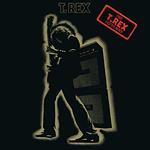
Electric Warrior, released in 1971 by T. Rex, marks Marc Bolan's shift from acoustic folk to a punchy, electric glam rock sound. The album pairs concise rock and roll rhythms and chiming, distorted guitar riffs with Bolan's distinctive vocal delivery and often surreal romantic lyrics. Arrangements emphasize tight grooves and memorable hooks, mixing elements of hard rock and classic rock and roll within a stylized glam aesthetic, and the record is widely regarded as a key statement of early 1970s British glam.
#170 — New York Tendaberry by Laura Nyro
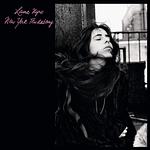
New York Tendaberry (1969) finds Laura Nyro deepening the piano-led, genre-blending approach of her earlier records, mixing folk rock, pop, soul, and jazz into a series of intimate, theatrical songs. The arrangements move between close-miked, raw piano-and-voice moments and richer orchestral or chamber textures, while Nyro's idiosyncratic harmonies, shifting rhythms, and impassioned vocal delivery create a moodier, more intense atmosphere. The album is regarded as a distinctive statement of her songwriting voice and compositional ambition.
#171 — Purple Rain by Prince, The Revolution
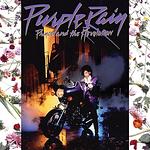
Purple Rain is a genre-blending album that mixes funk, pop, rock and contemporary R&B, combining driving dance tracks and intimate ballads with lush synthesizer textures and distinctive electric guitar work. Produced and largely written by Prince with his band The Revolution, the record balances concise pop hooks, extended guitar solos, and dramatic, cinematic arrangements that reflect its connection to the film of the same name. The album highlights Prince's range as a songwriter, producer, vocalist and guitarist, and it helped define his sound in the mid 1980s.
#172 — (What's the Story) Morning Glory? by Oasis
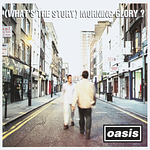
(What’s the Story) Morning Glory? is Oasis's 1995 album that crystallizes the band's take on Britpop and arena-sized alternative rock. Built around Noel Gallagher's melodic songwriting and Liam Gallagher's distinctive vocals, the record balances acoustic-driven ballads and loud, guitar-heavy anthems with layered production and singalong choruses. Its polished yet swaggering sound and emphasis on memorable hooks made it a defining release of the mid 1990s British rock scene.
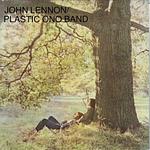
John Lennon/Plastic Ono Band (1970) is a stark, confessional solo album that pares arrangements down to bare acoustic and electric guitars, piano, bass and drums, putting Lennon's voice and direct lyrics at the forefront. The songs are raw and intimate, shaped by his engagement with primal therapy, and confront themes of identity, loss, faith and personal liberation with blunt, often painful imagery. Blending rock and folk with a singer-songwriter sensibility, the record is notable for its spare production and emotionally unguarded performances.
#174 — For Your Pleasure by Roxy Music
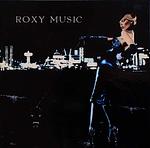
For Your Pleasure, Roxy Music's second studio album released in 1973, refines the band's art rock and glam approach with theatrical arrangements, sleek pop songwriting and abrasive experimental textures. Bryan Ferry's elegant, ironic vocals ride over Andy Mackay's saxophone, Phil Manzanera's guitar work and Brian Eno's synthesizer treatments, producing songs that range from seductive to unsettling, notably "Do the Strand" and "In Every Dream Home a Heartache". The album is the last to feature Eno and is often cited for combining glamour and avant garde production with a raw edge that points toward proto-punk and post-punk sounds.
#175 — Isn't Anything by My Bloody Valentine
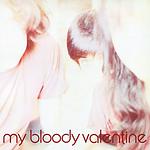
Isn’t Anything, My Bloody Valentine’s 1988 album, is an early landmark of shoegaze that blends noise pop and indie rock textures. The record emphasizes densely layered, tremolo-heavy guitars, fuzzy distortion and restrained, often buried vocals, creating a wash of sound where melody and feedback coexist. Its mix of shimmering atmospherics and abrasive noise points toward the band’s later work while helping define the shoegaze aesthetic.
#176 — Harvest by Neil Young
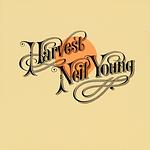
Harvest, released in 1972, blends acoustic folk songwriting with country rock and mellow rock arrangements. The album pairs spare guitar and harmonica with prominent pedal steel, piano and occasional string arrangements, and features Young's plaintive voice and reflective lyrics on themes of solitude, aging and relationships. Tracks such as Heart of Gold and Old Man sit alongside more expansive, orchestral-tinged pieces, creating a varied but cohesive record that helped define Young's early 1970s sound and his presence in folk rock and country rock.
#177 — Radiator by Super Furry Animals
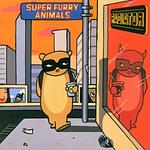
Radiator, released in 1997 by Super Furry Animals, builds on their alternative rock roots with a more immediate embrace of psychedelic textures and electronic color. The album balances concise, melodic songs with adventurous studio touches such as layered synths, samples and loose, playful arrangements, creating a warm, kaleidoscopic indie rock sound. It is often cited as a defining moment in the band’s late 1990s development for blending pop sensibility with experimental production.
#178 — Paranoid by Black Sabbath
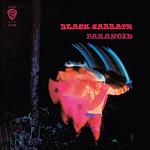
Paranoid, released in 1970 by Black Sabbath, is a compact, riff-driven album that blends blues rock foundations with darker, slower textures that helped shape heavy metal and doom metal. Tony Iommi's distorted, downtuned guitar work, Geezer Butler's driving bass, Bill Ward's dynamic drumming, and Ozzy Osbourne's distinct vocal delivery power concise tracks like "Paranoid", "War Pigs", and "Iron Man", emphasizing heavy tones, memorable riffs, and ominous lyrical themes.
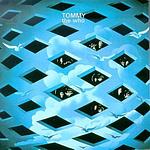
Tommy is a 1969 rock opera album by The Who that presents a largely continuous narrative about a boy described as deaf, dumb, and blind who later becomes a pinball champion and a messianic figure. Musically it blends hard rock guitar, driving rhythms, and melodic pop hooks with theatrical arrangements and recurring motifs, highlighting Pete Townshend's ambitious songwriting and the band's energetic performances. Its extended song cycles and focus on long-form storytelling helped popularize the concept album format in rock.
#180 — Thriller by Michael Jackson
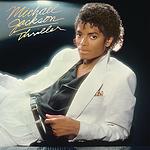
Thriller, released in 1982 and produced by Quincy Jones, is a pop and contemporary R&B album that blends dance-pop, disco, funk and rock elements. It is characterized by polished, cinematic production, tight rhythms, layered vocal harmonies and strong melodic hooks on tracks such as "Billie Jean", "Beat It" and "Thriller". Notable moments include Eddie Van Halen's guitar solo on "Beat It" and Vincent Price's spoken-word cameo on the title track. The record helped broaden Jackson's crossover appeal and played a significant role in shaping the era of high-concept music videos.
#181 — Tim by The Replacements
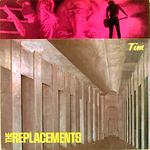
Tim, released in 1985 by The Replacements, is the band’s fourth studio album and a bridge between their punk roots and a more melodic alternative rock and power pop approach. The record pairs raw energy and jagged guitar work with tuneful, emotionally direct songwriting, highlighting Paul Westerberg’s blunt, literate lyrics and memorable hooks while retaining a rough, live feel. Its combination of urgency and melodic craft is a defining element in the band’s evolution and helped shape the sound of American alternative rock that followed.
#182 — Back to Black by Amy Winehouse
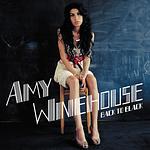
Back to Black, Amy Winehouse's 2006 album, blends 1960s soul and Motown-inspired arrangements with contemporary R&B, jazz pop and hip hop-influenced production. Produced mainly by Mark Ronson and Salaam Remi, the record pairs retro horns and string touches with sparse beats to foreground Winehouse's rich contralto and candid, confessional lyrics about love and heartbreak. Its sound combines vintage instrumentation and modern studio aesthetics, giving the songs a nostalgic yet immediate quality.
#183 — Five Leaves Left by Nick Drake
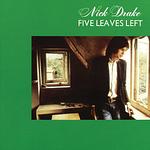
Five Leaves Left, Nick Drake's 1969 debut, pairs his intricate acoustic fingerpicking and hushed, melancholic vocals with restrained string and brass arrangements by Robert Kirby. The album blends English folk and chamber folk sensibilities with intimate singer-songwriter songwriting, emphasizing pastoral imagery, introspective lyrics, and subtle harmonic nuance. Its quiet, atmospheric production and focus on mood and texture helped establish it as an influential touchstone for later contemporary folk and British folk rock artists.
#184 — Die Mensch·Maschine by Kraftwerk
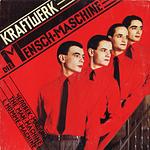
Die Mensch·Maschine (1978) is a Kraftwerk album that refines the group's minimalist, machine-like approach into a polished blend of electronic, synth-pop and electro sounds rooted in the Krautrock scene. It emphasizes precise drum-machine rhythms, repetitive arpeggiated synthesizer lines and vocoder-processed vocals to explore themes of technology and human interaction with machines. The arrangements balance simple pop songcraft with austere electronic textures, and several tracks from the record became particularly well known.
#185 — The Man Who Sold the World by David Bowie
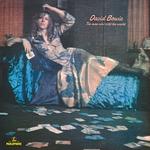
The Man Who Sold the World (1970) finds David Bowie shifting toward a heavier, guitar‑driven sound that blends hard rock and early glam with psychedelic and progressive touches; its darker, often surreal lyrics probe themes of identity and alienation, and the record marks the first major collaboration with guitarist Mick Ronson as Bowie moved toward more dramatic, arranged rock songs. The title track became one of his enduring compositions and later drew renewed attention through notable covers.
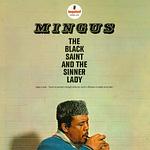
The Black Saint and the Sinner Lady (1963) is an extended suite by bassist-composer Charles Mingus that blends hard bop intensity, Third Stream orchestration and avant-garde jazz impulses. Mingus combines tightly arranged ensemble passages and chamber-like colors with improvisational solos, shifting between muscular brass statements, lyrical string-inflected textures and rhythms that recall Latin and flamenco influences. The album is notable for its ambitious compositional scope, dramatic contrasts and the way it foregrounds narrative and emotional development within a large-jazz-ensemble setting.
#187 — The Nightfly by Donald Fagen
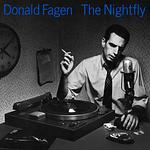
The Nightfly, Donald Fagen's 1982 solo debut, blends jazz-inflected pop, pop rock and soft rock with the polished, meticulous studio production associated with his work in Steely Dan. The album features tight horn and keyboard arrangements, sophisticated jazz chords and solos, and literate, nostalgic lyrics that evoke postwar late-night radio and small-town optimism. Produced by Gary Katz and built around a smooth, urbane sound, the record is often singled out for its attention to arrangement and sonic detail.
#188 — Fear of Music by Talking Heads
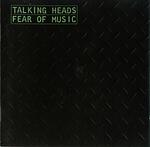
Fear of Music, released in 1979 and produced by Brian Eno, is a rhythmically driven album that blends New Wave and post-punk immediacy with art rock experimentation. The record foregrounds spare, propulsive grooves, angular guitars and David Byrne's tense, observational vocals, augmented by electronic textures and studio layering that nudged the band toward wider polyrhythmic and funk influences on subsequent recordings. Thematically the songs probe urban anxiety and fractured narrative perspectives, marking a pivotal step in the band's evolution.
#189 — The Smiths by The Smiths
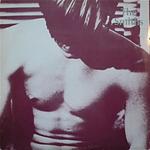
The Smiths' self-titled 1984 debut pairs Johnny Marr's chiming, jangly guitar figures and economical arrangements with Morrissey's literate, world-weary vocal delivery and wry, observational lyrics. The record blends bright, melodic guitar textures with melancholic themes, helping to crystallize a strand of British indie pop and alternative rock centered on concise songcraft and emotional ambiguity.
#190 — Steve McQueen by Prefab Sprout
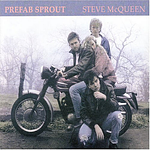
Steve McQueen is Prefab Sprout's 1985 album, produced by Thomas Dolby, that refines the band's blend of synth-pop, pop rock and sophisti-pop into a polished, literate form of chamber pop. Paddy McAloon's songwriting pairs wry, introspective lyrics with sophisticated chordal movement, warm melodies and smooth synth textures, while the production favors crisp, economical arrangements. The album is a clear example of mid 1980s sophisti-pop, notable for combining accessible hooks with musically intricate structures.
#191 — The Who Sell Out by The Who
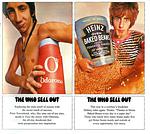
The Who Sell Out is a 1967 concept album by The Who that mimics a pirate radio broadcast, weaving short faux commercials and jingles into a sequence of songs that blend mod energy, pop rock hooks, psychedelic pop color, and art pop experimentation. Pete Townshend's songwriting and production provide a through line, with bold arrangements and studio touches supporting melodic tunes and moments of raw rock intensity, while Roger Daltrey's vocals and Keith Moon's dynamic drumming help anchor the performances. The record is often noted for its playful satire of consumer culture and its inventive use of pop forms within a unified, tongue in cheek concept.
#192 — No Other by Gene Clark
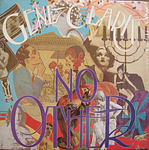
No Other, released in 1974 by Gene Clark, is a richly arranged album that blends country rock and folk rock with expansive, cinematic production. The songs pair Clark's introspective, often melancholic songwriting with layered strings, vocal harmonies, and occasional synth textures, producing a baroque, atmospheric sound that departs from his earlier, more stripped-back work. The album is regarded as one of his most ambitious solo statements and is notable for its emotional intensity and ornate arrangements.
#193 — American IV: The Man Comes Around by Johnny Cash
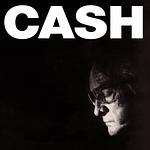
American IV: The Man Comes Around (2002), produced by Rick Rubin, is the fourth installment in Johnny Cash's American recordings. The album pairs stripped-down, mostly acoustic arrangements with Cash's deep, weathered voice, blending country, rock, and Americana influences. It features the original title track "The Man Comes Around" and a stark cover of Nine Inch Nails' "Hurt", and emphasizes themes of mortality, faith, and reflection. The record is often seen as a powerful late-career statement that highlights Cash's interpretive strengths and intimate, spare production.
#194 — Ys by Joanna Newsom
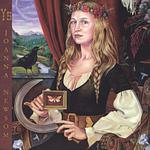
Ys (2006) is Joanna Newsom's second album, built around her harp playing and idiosyncratic high-register voice, with long, multi-part songs that blend folk roots, chamber pop textures, and orchestral arrangements by Van Dyke Parks. The record contrasts sparse acoustic passages with elaborate strings and brass, and features dense, literary lyricism and unconventional song structures that expanded Newsom's sound beyond her earlier, more minimal recordings.
#195 — The Slider by T. Rex
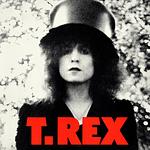
The Slider (1972) is a glam rock album by T. Rex that consolidates Marc Bolan's move from folk-psychedelia to concise electric rock. It pairs short, hook-driven songs with more textured arrangements, featuring Bolan's distinctive vocals, catchy guitar riffs, and layered production that blends acoustic and electric elements. The record is often viewed as a defining example of early 1970s British glam rock with a raw, proto-punk undercurrent in its direct rhythms and lyrical delivery.
#196 — Hex Enduction Hour by The Fall
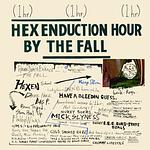
Hex Enduction Hour, released in 1982, captures The Fall's abrasive post-punk approach with repetitive, propulsive rhythms, jagged guitar interplay and Mark E. Smith's caustic spoken-sung vocals. The album pairs terse, elliptical lyrics with raw, unadorned production and an often hypnotic sense of momentum, moving between terse punk immediacy and more skeletal, chant-like passages. It is commonly regarded by fans and commentators as a defining document of The Fall's early sound and an influential record within post-punk and indie rock circles.
#197 — Something/Anything? by Todd Rundgren
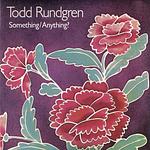
Something/Anything? is Todd Rundgren's 1972 double album that mixes concise pop songwriting with studio experimentation. Rundgren produced the record and performed most of the instrumentation, yielding a range from guitar-driven power pop and pop rock to art pop and more progressive, experimental passages. The album includes songs such as "I Saw the Light", "Couldn't I Just Tell You", and a reworked version of "Hello It's Me", and is often regarded as a key early solo statement showcasing his abilities as a songwriter, arranger, and producer.
#198 — Deserter's Songs by Mercury Rev
Deserter's Songs is Mercury Rev's 1998 album that moves away from the band's earlier noisy, experimental roots toward a more orchestral, dreamlike sound. It combines lush string and horn arrangements with elements of dream pop, indie rock, and baroque pop, supported by Dave Fridmann's spacious production and Jonathan Donahue's fragile, emotive vocals. The record is marked by pastoral, melancholic melodies and a theatrical, cinematic atmosphere that reshaped the band's aesthetic and introduced a more melodic, song-oriented approach.
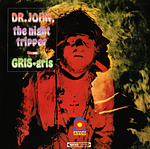
Gris-Gris is the debut album that introduced Mac Rebennack's Dr. John persona, blending New Orleans R&B, blues, jazz and psychedelic soul into a swampy, ritualistic soundscape. The record combines piano and organ, second-line rhythms, brass and layered percussion with chantlike vocals and studio effects to evoke voodoo imagery and nocturnal atmospheres. Its unusual arrangements and local musical references marked a creative bridge between traditional New Orleans music and late 1960s psychedelia.
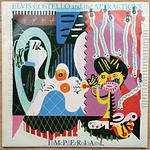
Imperial Bedroom, released in 1982 by Elvis Costello & The Attractions, is a studio album that shifts from the band’s earlier new wave edge toward richly arranged, baroque-influenced pop and rock. Produced by Geoff Emerick, the record features ornate chamber-pop arrangements, inventive studio touches, and complex songcraft, pairing intricate melodies with literate lyrics that examine personal and social themes. The album stands out in Costello’s catalog for its ambitious, texturally dense approach to pop songwriting.