 The Greatest Music
NME’s The 500 Greatest Albums of All Time
Weight: 80%
How much this list influences our overall rankings. Higher weight means more reliable data.
Penalties Applied:
NME’s The 500 Greatest Albums of All Time (2013) is a special issue compiled from ballots cast by current and former NME journalists, each submitting a weighted top-50; the final list—topped by The Smiths’ The Queen Is Dead—reflects the magazine’s editorial vantage point more than a broad industry poll.
#1 — The Queen Is Dead by The Smiths
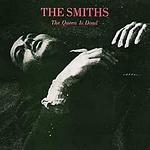
The Queen Is Dead (1986) by The Smiths pairs Johnny Marr's chiming, layered guitars and inventive arrangements with Morrissey's literate, sardonic vocals and lyrics, folding jangle pop and neo-acoustic textures into more muscular indie rock moments. The songs move between upbeat, melodic tracks and quieter, introspective pieces, highlighting tight songcraft, melodic basslines, and occasional fuller production that broadens the band's earlier, sparer sound. The album is frequently cited as a defining statement of the band's style and an important record in 1980s British indie music.
#2 — Revolver by The Beatles
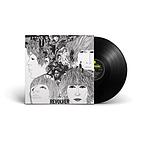
Revolver (1966) finds The Beatles shifting from straightforward pop toward more studio-focused, experimental songwriting and arrangements. Musically it blends rock and pop with psychedelic textures and elements drawn from classical and Indian music, featuring tight vocal harmonies, sharp electric guitar work, string arrangements on songs such as "Eleanor Rigby", George Harrison's sitar on "Love You To", and the tape-loop, drone-driven production of "Tomorrow Never Knows". The album is notable for its inventive studio techniques, varied song forms, and concise production that broadened the sonic palette of popular music recording.
#3 — Hunky Dory by David Bowie
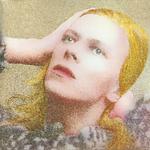
Hunky Dory (1971) finds David Bowie shifting toward a more song-oriented, piano- and acoustic guitar-driven sound that blends art rock, glam sensibility, and pop melodies. The record pairs theatrical, literate songwriting and vivid character pieces with piano-led arrangements and occasional strings, producing tracks like "Changes" and "Life on Mars?" that combine melodic hooks with surreal, introspective lyrics. The album is often seen as a transitional work that set the stylistic stage for the glam persona he developed on subsequent records.
#4 — Is This It by The Strokes
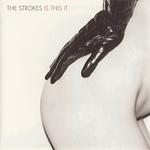
Is This It is the 2001 debut album by The Strokes, characterized by concise, guitar-driven songs that helped define the early 2000s garage rock revival. The record pairs jangly, riff-focused arrangements and tight rhythmic interplay with Julian Casablancas's detached, deadpan vocal delivery, and a lo-fi, immediate production that favors atmosphere over polish. Songwriting on the album emphasizes melodic hooks and sparse textures across compact tracks, and its aesthetic had a noticeable influence on subsequent indie and alternative rock acts.
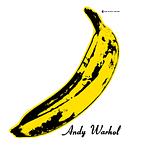
The Velvet Underground & Nico (1967) blends art rock, experimental and garage influences, pairing Lou Reed's stark songwriting and vocals with John Cale's abrasive viola and drone textures, Sterling Morrison's guitar and Maureen Tucker's spare percussion. Nico supplies detached lead vocals on a few tracks. The record mixes concise pop melodies with feedback, distortion and candid lyrics about urban life, sex and drug use, creating a raw, intimate sound that helped shape later art rock, punk and alternative music. Produced with Andy Warhol's involvement and notable for its banana cover, the album is distinguished by its experimental production and unconventional subject matter.
#6 — Different Class by Pulp
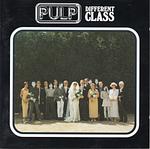
Different Class is Pulp's mid 1990s album that blends Britpop immediacy with art rock and glam influences, pairing catchy, theatrical arrangements with literate, observational lyrics about class, relationships, and everyday absurdities. Jarvis Cocker's conversational vocal delivery and character-driven storytelling sit alongside driving rock rhythms, occasional orchestral touches, and pop hooks; songs such as "Common People" and "Disco 2000" exemplify its mix of social satire and singable melodies. The record is often noted for its sharp songwriting and dramatic presentation within the broader Britpop and indie rock context.
#7 — The Stone Roses by The Stone Roses
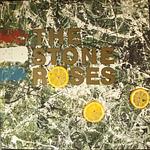
The Stone Roses' 1989 self-titled debut blends jangly, chiming guitar work with propulsive, danceable rhythms and a touch of psychedelia, pairing John Squire's melodic guitar lines with Ian Brown's laconic vocal delivery. Tracks shift between concise pop hooks and sprawling, groove-driven pieces, with production that emphasizes shimmering guitars and elastic bass. The album is closely associated with the Madchester scene and is often cited as an influential touchstone for later Britpop and indie bands.
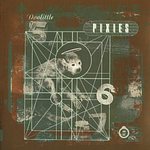
Doolittle, released in 1989 by Pixies and produced by Gil Norton, blends raw, angular guitar work with quiet-loud-quiet dynamics, concise pop hooks, and surreal, often darkly humorous lyrics. Black Francis's abrasive vocals and songwriting are balanced by Kim Deal's melodic bass and backing vocals, producing tracks that range from the abrasive "Debaser" to the more melodic "Here Comes Your Man" and the enigmatic "Monkey Gone to Heaven." The album's jagged arrangements and dynamic contrasts are frequently cited as an influence on early 1990s alternative and grunge bands.
#9 — The Beatles by The Beatles
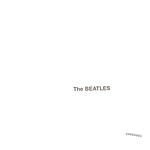
The Beatles, commonly known as the White Album, is a 1968 double album that captures the group's broad stylistic range across rock, pop, pop rock, experimental and hard rock. It moves between pared-back acoustic songs and concise pop tunes, heavier electric rockers and collage-like studio experiments, with a rawer, more immediate production and distinct individual songwriting voices. The minimalist white packaging complements the record's eclectic, personal character.
#10 — Definitely Maybe by Oasis
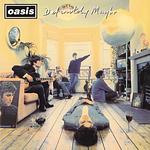
Definitely Maybe is the 1994 debut studio album by Oasis. It presents a loud, guitar-driven take on Britpop and alternative rock, pairing catchy, melodic hooks with dense, fuzzed guitar textures and touches of neo-psychedelia and shoegaze. Noel Gallagher's songwriting emphasizes direct, anthemic choruses and everyday themes while Liam Gallagher's distinctive vocal delivery and a raw, immediate production give the record a swaggering, live feel. The result is a concise collection of bold, high-energy rock songs that established the band's characteristic sound.
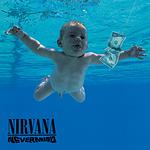
Nevermind, released in 1991 by Nirvana, is a grunge and alternative rock album that blends punk rawness with pop-minded songwriting, characterized by loud-quiet-loud dynamics, distorted guitars, and Kurt Cobain's raw, melodic vocal delivery and introspective lyrics about alienation and personal struggle. Produced by Butch Vig, the record pairs cleaner studio production with a sense of urgency and abrasive textures, and its accessible hooks alongside heavy instrumentation helped bring alternative rock aesthetics to a much wider audience.
#12 — Horses by Patti Smith
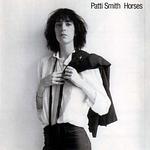
Horses, Patti Smith's 1975 debut, blends raw garage rock energy with art rock experimentation and proto-punk urgency. Produced by John Cale, the album pairs a spoken-word influenced vocal delivery and poetically charged lyrics with spare, driving arrangements built around guitar, piano, and drums. Its rough-edged production, confrontational performance style, and fusion of literary sensibility with rock idioms are often cited as influential on early punk and art punk movements, and the stark cover photograph by Robert Mapplethorpe complements the record's austere aesthetic.
#13 — Funeral by Arcade Fire
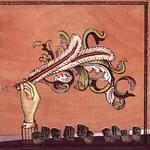
Funeral is Arcade Fire's 2004 debut studio album. It mixes indie rock, art pop and chamber pop with bursts of punk energy, combining strings and brass with driving guitars and collective vocals. The songs pair intimate, emotionally direct lyrics about loss and youth with expansive, cathartic arrangements and singalong choruses, and the warm, occasionally raw production emphasizes theatrical dynamics and layered acoustic and electric instrumentation.
#14 — Low by David Bowie
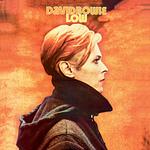
Low, released in 1977, finds David Bowie moving into a spare, electronic and ambient-influenced sound that began his Berlin-period work. Produced with Tony Visconti and featuring contributions from Brian Eno, the album splits between concise, experimental art pop and rock songs on the first side and largely instrumental, ambient and electronic pieces on the second side. Its textures combine synths, electronic treatments, fragmented vocal lines and minimalist arrangements, creating a cool, moody atmosphere that marked a notable stylistic shift in Bowie's career and influenced later blends of rock with ambient and electronic music.
#15 — Let England Shake by PJ Harvey
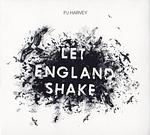
Let England Shake is a 2011 album by PJ Harvey that moves toward folk-influenced art rock, combining acoustic and electric textures with layered, often sparse percussion, organ and brass accents to create a haunting, atmospheric sound. Harvey's vocals range from intimate to declamatory and the lyrics take a narrative, poetic approach to themes of England, war and national identity. The record is notable for its restrained, compositionally focused arrangements that emphasize mood, rhythmic motifs and lyrical storytelling rather than straightforward rock clichés.
#16 — Closer by Joy Division
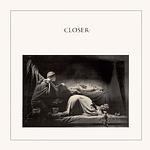
Closer is Joy Division's 1980 album that presents a stark, atmospheric take on post-punk with clear ties to new wave and early gothic rock. The record is characterized by Martin Hannett's spacious, reverb-heavy production, Peter Hook's melodic, high-register basslines, Bernard Sumner's angular guitars and synth textures, and Ian Curtis's deep, intense vocals paired with spare, often bleak lyrics. Overall it emphasizes mood, restraint, and a cold, cinematic ambience that proved influential on later alternative and gothic-leaning acts.
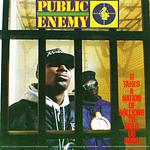
It Takes a Nation of Millions to Hold Us Back is Public Enemy's 1988 album that pairs confrontational, politically driven lyricism with dense, abrasive production. The Bomb Squad's layered, collage-like use of samples, sirens and jagged beats creates a thick, chaotic soundscape that underpins Chuck D's authoritative social commentary and Flavor Flav's rhythmic interjections. The album emphasizes themes of racial injustice, institutional power and media critique while expanding hip hop's sonic and rhetorical possibilities, influencing the development of East Coast, political and hardcore hip hop styles.
#18 — Loveless by My Bloody Valentine
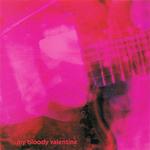
Loveless (1991) by My Bloody Valentine is a defining shoegaze album built from densely layered, heavily processed guitars, submerged vocals, and a washed, immersive sonic texture. Kevin Shields's use of a distinctive glide guitar technique, tremolo, pitch bending, and thick reverb produces a dreamy but noisy pop sound that influenced many subsequent dream pop and alternative rock acts.
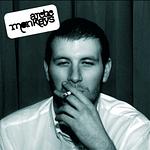
Whatever People Say I Am, That's What I'm Not is the 2006 debut album by Arctic Monkeys. It delivers energetic, guitar-driven indie rock with garage rock revival and post-punk revival influences, marked by brisk tempos, tight arrangements, and Alex Turner's observational, conversational lyrics about youth and nightlife. The production is immediate and raw, emphasizing punchy riffs and driving rhythms, and the record played a key role in defining mid-2000s British indie rock while emerging alongside early internet buzz around the band.
#20 — OK Computer by Radiohead
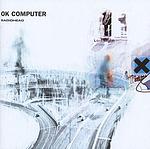
OK Computer is Radiohead's 1997 album that expands their alternative rock roots into art rock and electronic-influenced territory, pairing layered guitars and dense textures with electronic touches and Thom Yorke's expressive vocals. The record emphasizes atmospheric arrangements, unconventional song structures, and lyrics concerned with alienation, technology, and modern life, marking a turning point toward a more experimental and expansive sound for the band.
#21 — My Beautiful Dark Twisted Fantasy by Ye
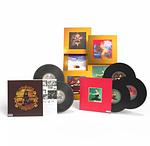
My Beautiful Dark Twisted Fantasy is a 2010 album by Ye that blends hip hop and pop rap foundations with strong R&B and pop soul influences. The record is marked by maximalist, sample-rich production, orchestral and electronic textures, dramatic shifts in arrangement, and introspective, often confrontational lyrics. Its ambitious, cinematic sound and dense layering of guests and instrumentation make it a wide-ranging, stylistically bold statement in his catalog.
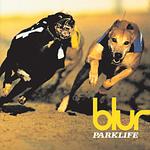
Parklife is Blur's third studio album, rooted in Britpop and indie rock while drawing on pop, punk and dance influences. It pairs catchy, melodic songwriting with Damon Albarn's observational, character-driven lyrics, supported by Graham Coxon's angular guitar and Alex James's melodic bass, producing a mix of bright hooks, varied textures and occasional orchestral touches. The record is widely regarded as a defining snapshot of mid 1990s British guitar pop with a distinctly English sense of place.
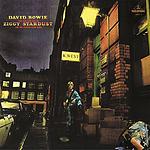
The Rise and Fall of Ziggy Stardust and the Spiders From Mars (1972) is a loose concept album in which David Bowie adopts the persona of Ziggy Stardust, an androgynous alien rock star. Musically it blends glam rock theatricality with straightforward rock and pop songwriting and elements of art rock, driven by Mick Ronson's guitar work and arrangements and a rhythm section that supports both crunchy rock numbers and quieter, melodic passages. The album is notable for its narrative focus, dramatic vocals, and cinematic arrangements that helped define Bowie's early 1970s sound and stage persona.
#24 — Exile on Main St. by The Rolling Stones
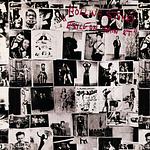
Exile on Main St. is a 1972 double album by The Rolling Stones that blends rock, blues rock, roots rock and country-inflected sounds into a loose, swampy collection of songs. Largely recorded at a villa in southern France with additional sessions in Los Angeles, the record features murky, layered production, horn and gospel-tinged backing vocals, and a raw, rootsy approach that mixes blues, country, soul and rock elements. Its sprawling sequencing and rough-edged sound mark it as a notable example of the band's early 1970s exploration of American roots music.
#25 — What's Going On by Marvin Gaye
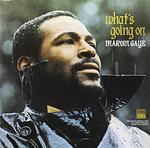
"What’s Going On" (1971) by Marvin Gaye is a cohesive, socially conscious soul album that blends Motown rhythm and smooth soul vocals with lush orchestral arrangements and jazz-influenced horns and strings. Gaye's intimate lead singing, layered background vocals, and subtle studio production create a reflective, spiritual atmosphere as the songs address themes such as war, urban poverty, policing, and environmental concerns. The result is a quieter, more contemplative direction for Motown sounds that broadened the expressive range of R&B.
#26 — Pet Sounds by The Beach Boys
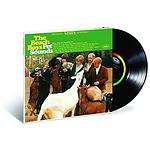
Pet Sounds is a 1966 studio album by The Beach Boys, largely written and produced by Brian Wilson. Musically it blends pop, baroque pop, psychedelic pop and rock with lush, chamber-pop influenced arrangements, inventive studio production and layered vocal harmonies. The record is notable for its introspective lyrics, unusual instrumentation and emphasis on studio experimentation that helped expand the sonic possibilities of pop music.
#27 — Screamadelica by Primal Scream
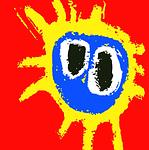
Screamadelica is Primal Scream's 1991 album that fused indie rock songwriting with acid house and dance production, blending distorted guitars and anthemic vocals with rhythmic grooves, samples, warm keyboards and extended club-friendly arrangements. The record helped bridge rock and electronic club culture by incorporating house rhythms, dub-like production, gospel-tinged backing vocals and psychedelic textures, producing an expansive, dance-oriented sound that emphasizes atmosphere and groove over conventional rock arrangements.
#28 — Back to Black by Amy Winehouse
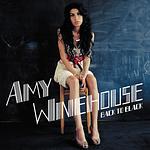
Back to Black, Amy Winehouse's 2006 album, blends 1960s soul and Motown-inspired arrangements with contemporary R&B, jazz pop and hip hop-influenced production. Produced mainly by Mark Ronson and Salaam Remi, the record pairs retro horns and string touches with sparse beats to foreground Winehouse's rich contralto and candid, confessional lyrics about love and heartbreak. Its sound combines vintage instrumentation and modern studio aesthetics, giving the songs a nostalgic yet immediate quality.
#29 — Marquee Moon by Television
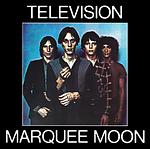
Marquee Moon is Television's 1977 debut album that blends art punk, new wave, post-punk, and art rock into a spare, guitar-driven sound. It features interlocking, melodic guitar lines from Tom Verlaine and Richard Lloyd, a taut rhythm section, and literate, elliptical lyrics, with the extended title track showcasing the band's improvisational interplay. The album's emphasis on texture and guitar interplay influenced later post-punk and indie rock approaches.
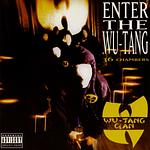
Enter the Wu-Tang (36 Chambers) is the 1993 debut album by Wu-Tang Clan, built on raw, lo-fi boom bap production and heavy use of martial arts film samples. Largely produced by RZA, it features sparse, gritty beats and layered vocal interplay that highlight the collective's nine distinct MCs and stark, street-centered lyricism. Its aggressive East Coast sound and unconventional group structure became a touchstone for hardcore hip hop and had a lasting influence on production trends and crew-centered projects.
#31 — Dog Man Star by Suede
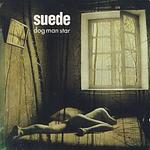
Dog Man Star is Suede's 1994 second album that pushes the band's Britpop roots toward a darker, more theatrical mix of glam rock and art rock. The record emphasizes sweeping orchestral arrangements, dramatic, literate songwriting from Brett Anderson, and Bernard Butler's ornate, expressive guitar work, producing a cinematic, melancholic atmosphere across longer, more expansive songs. Its ambitious production and brooding tone mark a deliberate departure from the more immediate sound of their debut and helped define the band's early artistic identity.
#32 — Paul's Boutique by Beastie Boys
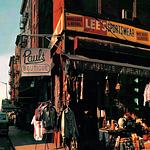
Paul's Boutique, released in 1989 by the Beastie Boys, pairs dense, sample-driven production with the group's rapid-fire, often tongue-in-cheek rapping. Produced mainly by the Dust Brothers, the album constructs collage-like tracks from layered loops and abrupt sample juxtapositions drawn from funk, soul, rock and other sources, creating a plunderphonics aesthetic and an experimental approach to East Coast hip hop. The lyrics alternate between playful braggadocio and offbeat cultural references, while the production emphasizes texture, unexpected rhythms and studio experimentation that marked a clear departure from the group's earlier party-rap sound.
#33 — Modern Life Is Rubbish by Blur
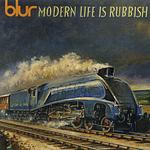
Modern Life Is Rubbish, Blur's 1993 album, marks a clear shift toward British guitar-pop and a focus on contemporary British life. The record blends jangly indie rock and power pop hooks with touches of neo-psychedelia and occasional orchestral color, pairing catchy melodies with observational, often ironic lyrics. It moved the band away from the dance and shoegaze influences of their debut and helped shape the emerging Britpop aesthetic.
#34 — Abbey Road by The Beatles
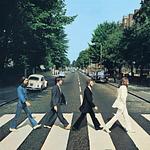
Abbey Road, recorded in 1969, finds the Beatles blending rock, pop, and traces of psychedelia into a polished, studio-focused sound marked by layered vocal harmonies, inventive arrangements, and early use of the Moog synthesizer. The album balances standalone tracks such as 'Come Together', 'Something', and 'Here Comes the Sun' with a continuous side two medley that stitches shorter pieces into a cohesive suite, reflecting the band's late-period emphasis on production and songcraft. Its warm production, melodic variety, and structural ambition make it a notable culminating statement in the Beatles' studio work.
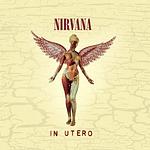
In Utero, released in 1993 by Nirvana, is a raw, abrasive alternative rock album that incorporates grunge, noise rock, and post-hardcore elements. Recorded with a deliberately less polished production, it foregrounds distorted guitars, strong dynamic contrasts, and Kurt Cobain's intense vocal delivery while still containing quieter, melodic passages. The songwriting blends confrontational imagery and personal themes with tuneful hooks, giving the record a deliberately rougher, more immediate sound compared with the band's previous studio work.
#36 — Blood on the Tracks by Bob Dylan
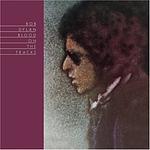
Blood on the Tracks, released in 1975, is an intimate, lyrically driven album that blends Dylan's folk rock roots with elements of blues and country rock. The songs are narrative and confessional, centering on relationships and emotional turmoil, delivered through spare acoustic arrangements with occasional fuller band backing. The record is characterized by direct, conversational vocals, rich storytelling, and a live, immediate studio feel that emphasizes songwriting and emotional clarity.
#37 — Forever Changes by Love
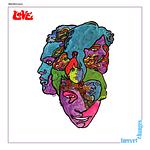
Forever Changes (1967) by Love blends folk rock, baroque pop, and subtle psychedelia into concise, orchestral-tinged songs. Arthur Lee's introspective and often unsettling lyrics sit against intricate acoustic guitar work and horn and string arrangements, creating a warm but melancholic chamber-pop sound that stands out in late 1960s American rock.
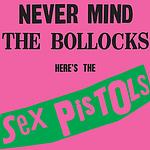
Never Mind the Bollocks, Here's the Sex Pistols is the Sex Pistols' only studio album, released in 1977. It condenses punk rock into short, abrasive tracks driven by distorted guitars, propulsive drums, and Johnny Rotten's sneering vocals, with blunt, confrontational lyrics aimed at social and political authority. The album is regarded as a defining work of the British punk movement and helped establish the raw, do-it-yourself aesthetic that influenced later punk and alternative bands.
#39 — London Calling by The Clash
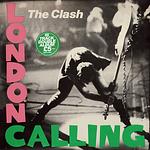
London Calling (1979) by The Clash is a double album that builds on the band’s punk roots while incorporating rockabilly, reggae, ska, new wave and straight rock. The record pairs punk’s urgency and raw guitar with melodic hooks, varied arrangements and occasional piano and horn touches, and features Joe Strummer’s often politically minded and observational lyrics. Its wide stylistic range and confrontational yet tuneful approach helped broaden the musical possibilities available to punk bands at the time.
#40 — Unknown Pleasures by Joy Division
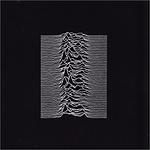
Unknown Pleasures, Joy Division's 1979 debut studio album, is a landmark of post-punk characterized by sparse, austere arrangements and distinctive production by Martin Hannett. The record pairs Peter Hook's high, melodic basslines and Bernard Sumner's angular guitar with Stephen Morris's precise, often metronomic drums under Ian Curtis's deep, restrained vocals and introspective lyrics, creating a cold, atmospheric sound that also fed into gothic and alternative rock developments. Its use of space, effects, and the iconic pulsar waveform cover have made it an enduring reference point for late 20th century underground rock.
#41 — Daydream Nation by Sonic Youth
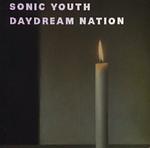
Daydream Nation (1988) by Sonic Youth blends noisy, experimental textures with melodic songcraft, moving between abrasive, dissonant guitar attack and extended, atmospheric passages. The band uses alternate tunings, feedback and layered guitars to create dense, shifting soundscapes while maintaining memorable hooks on tracks like Teen Age Riot and Silver Rocket. The album is frequently cited as an important bridge between no wave noise experiments and the emergence of alternative and indie rock in the late 1980s.
#42 — Innervisions by Stevie Wonder
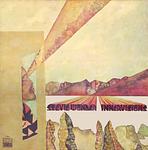
Innervisions, released in 1973, blends soul, funk, smooth soul and psychedelic soul into a studio-focused record built from warm electric pianos, layered synthesizers and tight funk rhythms. The album is notable for Stevie Wonder's multi-instrumental performances and production control, pairing intimate ballads with uptempo grooves and songs that explore social and personal themes through concise, melodic songwriting and rich, textured arrangements.
#43 — Rubber Soul by The Beatles
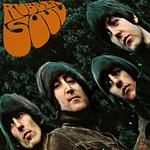
Rubber Soul (1965) finds The Beatles blending rock and pop with folk rock and British rhythm and blues influences, moving toward more acoustic textures, layered vocal harmonies, and varied instrumentation. The album emphasizes more introspective songwriting and features notable touches such as the sitar on Norwegian Wood, alongside tighter ensemble playing and increased studio experimentation. Its cohesive sound and stylistic breadth mark a shift toward album-focused artistry while retaining strong melodic hooks.
#44 — The Holy Bible by Manic Street Preachers
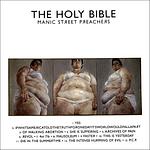
The Holy Bible, released in 1994, is a stark, confrontational album that blends alternative rock, post-punk and punk energy with hard rock intensity. The sound is angular and claustrophobic, featuring abrasive guitars, tense rhythms and a clinical production that foregrounds Richey Edwards and Nicky Wire's bleak, literate lyrics about politics, consumer culture, mental illness and historical violence. It is notable for its uncompromising tone and for being the last Manic Street Preachers album to include lyricist and rhythm guitarist Richey Edwards before his disappearance in 1995.
#45 — Parallel Lines by Blondie
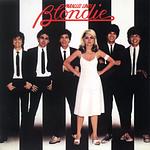
Parallel Lines, released in 1978 by Blondie, blends new wave, pop rock, and pop with polished production by Mike Chapman. The album mixes punk-derived energy with pop hooks and danceable rhythms, pairing crisp guitar lines and rhythmic bass with Deborah Harry's cool, charismatic vocal delivery. Standout tracks such as "Heart of Glass", "One Way or Another", and "Hanging on the Telephone" illustrate the band's crossover of rock and dance influences and their role in bringing new wave sounds into a mainstream pop context.

Debut is Björk's 1993 solo album that blends electronic and art pop with house, dance pop, and downtempo influences. It pairs her intimate, distinctive vocals with club-derived beats, off-kilter rhythms, and arrangements that mix electronic textures with acoustic instruments and strings, creating a warm, exploratory sound that moved away from her earlier band work. The record introduced Björk as a solo artist and set a template for her adventurous approach to songwriting and production, balancing pop accessibility with experimental sonics.
#47 — Strangeways, Here We Come by The Smiths
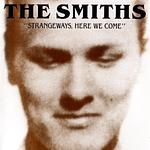
Strangeways, Here We Come is The Smiths' fourth and final studio album, released in 1987. Musically it retains the band's jangle pop and indie rock roots while moving toward more polished and textured arrangements, with Johnny Marr's chiming guitar work set against fuller orchestration and studio layering. Lyrically Morrissey's dry wit and melancholy are prominent, and the record closes the band's studio output with songs such as "Girlfriend in a Coma" and "Last Night I Dreamt That Somebody Loved Me" that blend pop hooks with darker themes.
#48 — Hounds of Love by Kate Bush
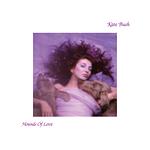
Hounds of Love, released in 1985, finds Kate Bush blending art pop, art rock and progressive pop with electronic production and theatrical songwriting. The album balances compact, synth-forward songs such as the title track and "Running Up That Hill" with a side-long narrative suite called "The Ninth Wave," which uses layered vocals, sound effects and shifting arrangements to depict a survivor adrift at sea. Production combines Fairlight sampling and electronic textures with traditional instruments, producing a mix of intimate balladry, dramatic climaxes and experimental touches. The record represents a consolidation of Bush's theatrical instincts into tightly crafted songs while maintaining ambitious, conceptual scope.
#49 — Sound of Silver by LCD Soundsystem
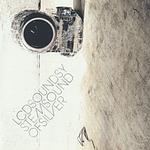
Sound of Silver is LCD Soundsystem's second studio album, released in 2007. It blends dance-punk, electronic, indietronica, and alternative rock with long, groove-driven arrangements, shimmering synths, and a tight rhythm section anchored by electronic percussion and bass. James Murphy's talk-sung vocals and candid, reflective lyrics explore themes of aging, nostalgia, and isolation across songs that range from extended club-leaning grooves to more restrained, piano-based moments. The record balances dancefloor energy and introspective songwriting and includes standout tracks such as "All My Friends" and "Someone Great".
#50 — Dusty in Memphis by Dusty Springfield
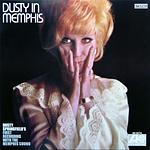
Dusty in Memphis, released in 1969, pairs Dusty Springfield's supple, emotive voice with Memphis-rooted soul arrangements to create a pop-soul record that leans into blue-eyed soul and classic Southern rhythm and blues. The album combines intimate, torch-like ballads and punchier soul grooves, using warm horn and string textures alongside a restrained rhythm section, and includes the single "Son of a Preacher Man." Its sound highlights Springfield's ability to move between pop phrasing and raw soul feeling, and it is often cited as a key example of cross-Atlantic soul-pop collaboration.
#51 — Rumours by Fleetwood Mac
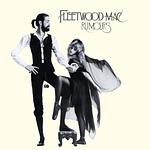
Rumours is a 1977 album by Fleetwood Mac that blends rock, pop rock, soft rock, blues and folk pop into a polished, radio-friendly sound. The record features layered vocal harmonies, melodic songwriting and a mix of acoustic and electric textures that foreground strong hooks and intimate arrangements. Many songs reflect interpersonal relationships and band tensions, giving the lyrics a candid, confessional feel, while the production emphasizes clarity and warmth. The album is widely cited as a defining example of late 1970s pop rock and a central release in Fleetwood Mac's catalog.
#52 — Let It Bleed by The Rolling Stones
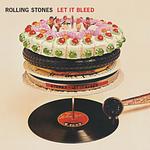
Let It Bleed is a 1969 Rolling Stones album that moves the band toward a rawer, roots-oriented sound blending blues rock, hard rock, country and gospel-tinged elements. The record balances loose, electric blues numbers with acoustic and country textures and longer, more expansive rock pieces, with songs such as "Gimme Shelter" and "You Can't Always Get What You Want" exemplifying its dramatic, often dark tone. Production favors a gritty, live-in-the-studio feel, and the songwriting reflects a more mature, unsettled mood compared with the group's earlier pop-oriented work.
#53 — Station to Station by David Bowie
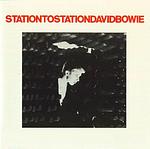
Station to Station, released by David Bowie in 1976, blends art rock, pop rock, alternative rock and blue-eyed soul into a lean, often chilly sound that connects his mid 1970s soul-funk experiments with the more electronic, experimental direction he pursued afterward. The record is anchored by the expansive, hypnotic title track with a motorik-like pulse, alongside tighter, soul-inflected songs featuring sharp guitar, driving bass and spare keyboards. It also introduces the Thin White Duke persona and explores themes of identity, travel and spiritual searching.
#54 — Remain in Light by Talking Heads
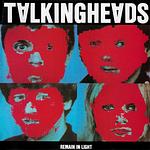
Remain in Light (1980) finds Talking Heads blending New Wave, post-punk, funk, and electronic textures through an experimental production approach with Brian Eno. The album foregrounds layered, polyrhythmic grooves influenced by West African rhythms, interlocking guitar and synth patterns, and funk-tinged bass to create dense, propulsive arrangements. David Byrne's vocal delivery moves between urgent and detached across fragmented, mantra-like lyrics, while studio techniques favor repetition, loops, and ambient sonics. The record is often noted for shifting the band's sound toward a more rhythmic, textural, and collaborative form of art rock.
#55 — Sticky Fingers by The Rolling Stones
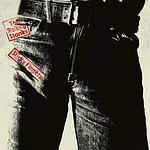
Sticky Fingers (1971) by the Rolling Stones blends rock, blues rock, hard rock, country rock, and rock and roll, alternating gritty electric numbers with quieter, country-influenced ballads. The record highlights the Jagger-Richards songwriting partnership and Keith Richards' guitar textures, and features tracks such as "Brown Sugar" and "Wild Horses." The album is also known for its Andy Warhol sleeve design and its turn toward a rawer, roots-oriented sound.
#56 — After the Gold Rush by Neil Young
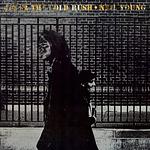
After the Gold Rush is a 1970 Neil Young album that blends folk, country, and rock into a mix of plaintive acoustic songs and raw electric passages. The record alternates spare piano and acoustic ballads with fuller guitar-driven tracks, and features Young's fragile, expressive vocals and direct songwriting about personal longing, social observation, and environmental unease. Its simple production and emotional clarity helped shape the sound of folk rock and country rock in the early 1970s.
#57 — Die Mensch·Maschine by Kraftwerk
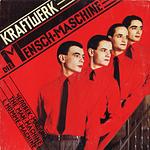
Die Mensch·Maschine (1978) is a Kraftwerk album that refines the group's minimalist, machine-like approach into a polished blend of electronic, synth-pop and electro sounds rooted in the Krautrock scene. It emphasizes precise drum-machine rhythms, repetitive arpeggiated synthesizer lines and vocoder-processed vocals to explore themes of technology and human interaction with machines. The arrangements balance simple pop songcraft with austere electronic textures, and several tracks from the record became particularly well known.
#58 — Surfer Rosa by Pixies
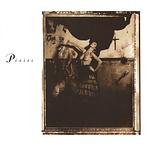
Surfer Rosa, released in 1988 by the Pixies, is a raw, abrasive alternative rock album produced by Steve Albini. It juxtaposes quiet, melodic verses with sudden, explosive choruses, showcasing Black Francis's urgent vocals, jagged guitar textures, and Kim Deal's propulsive bass and backing vocals, with her lead on "Gigantic". The songwriting pairs surreal, sometimes unsettling lyrical imagery with tight, punchy arrangements, and the stark, live-feeling production helped shape the loud-quiet-loud dynamics that became prominent in 1990s alternative and indie rock.
#59 — In Rainbows by Radiohead
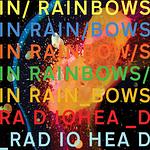
In Rainbows, released in 2007, finds Radiohead blending electronic textures and art rock ambition with more immediate, song-oriented writing and warm, intimate production. The record balances kinetic rhythms and layered guitars with subtle electronics, lush strings and Thom Yorke's restrained, emotive vocals, producing songs that range from propulsive and rhythmic to sparse and atmospheric. The arrangements emphasize texture and dynamic contrast, and the album's release used an unconventional digital pay-what-you-want approach that drew attention to distribution as well as the music.
#60 — Blue Lines by Massive Attack
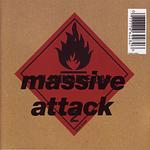
Blue Lines, Massive Attack's 1991 debut, blends hip hop rhythms, dub production, soul-influenced vocals and atmospheric electronic textures to help define the trip hop sound. The record pairs slow, heavy grooves and deep bass with lush string arrangements and distinctive guest vocals from Shara Nelson and Horace Andy, producing moody, cinematic tracks such as Unfinished Sympathy and Safe From Harm. Its fusion of sampled and live instrumentation, downtempo pacing, and a shadowy, club-informed aesthetic made it a touchstone for the Bristol scene and later alternative electronic music.
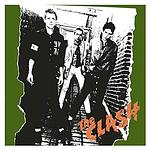
The Clash is the band's 1977 debut, a lean, hard-edged punk record that captures urgent, guitar-driven songs with politically charged lyrics. The album pairs fast, aggressive punk rock energy with traces of reggae and rockabilly influence, featuring punchy riffs, propulsive rhythms, and a raw, confrontational vocal style, and it helped define the sound of early UK punk.
#62 — Blonde on Blonde by Bob Dylan
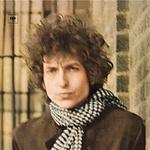
Blonde on Blonde (1966) is a sprawling double album by Bob Dylan that blends rock, folk, blues and country influences into full-band arrangements and more intimate acoustic moments. Its sound pairs loose, sometimes improvisational electric performances with dense, elliptical lyrics and distinctive vocal phrasing, moving between up-tempo rockers and long, meditative tracks. The album is notable for its ambitious scope and lyrical complexity, which helped shape popular music in the mid 1960s.
#63 — Blue by Joni Mitchell
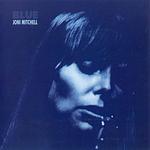
Blue, released in 1971, is Joni Mitchell's spare and intimate album that blends contemporary folk, folk rock, and singer-songwriter approaches. Its uncluttered arrangements, open-tuned guitar and piano, and candid, confessional lyrics explore love, longing, and self-examination; songs such as "A Case of You", "River", "Carey", and "California" balance folk intimacy with pop-minded melodies. The record is often cited as a defining work for later singer-songwriters and for its emotional directness.
#64 — Highway 61 Revisited by Bob Dylan
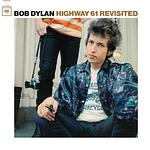
Highway 61 Revisited, released in 1965 by Bob Dylan, marks a decisive shift from acoustic folk toward a fuller electric rock and blues rock sound. The album combines conversational, often surreal lyrics with band arrangements that feature electric guitar, piano and organ, moving between propulsive, riff-driven tracks and slower, blues-inflected numbers. Its songs expand folk storytelling into longer, more free-associative forms and place literary, image-rich writing into a rock context, making the record a notable turning point in Dylan's work and 1960s popular music.
#65 — Automatic for the People by R.E.M.
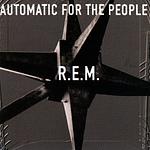
Automatic for the People, R.E.M.'s 1992 album, moves the band toward a more acoustic, reflective sound that blends alternative rock and jangle pop with orchestral strings and piano-based arrangements. The record is characterized by restrained, melancholic tempos and introspective lyrics that address themes of mortality, memory, and loss; tracks such as "Nightswimming", "Everybody Hurts", and "Man on the Moon" showcase its plaintive, melodic focus. Production is spare and atmospheric, putting emphasis on Michael Stipe's vocal delivery and the songs' emotional clarity while retaining elements of the band's melodic guitar work.
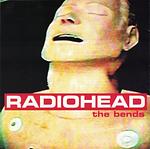
The Bends finds Radiohead expanding from their debut into more expansive, guitar-driven alternative rock that mixes melodic Britpop touches with darker, introspective lyrics and atmospheric, occasionally psychedelic textures. Thom Yorke's emotive voice and falsetto sit atop layered guitar arrangements and dynamic contrasts between loud, anthemic tracks and quieter, intimate moments. Songs such as "Fake Plastic Trees", "High and Dry", "Just", and "Street Spirit (Fade Out)" illustrate the album's blend of strong melodies and emerging experimental tendencies that the band would develop further on later records.
#67 — (What's the Story) Morning Glory? by Oasis
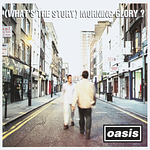
(What’s the Story) Morning Glory? is Oasis's 1995 album that crystallizes the band's take on Britpop and arena-sized alternative rock. Built around Noel Gallagher's melodic songwriting and Liam Gallagher's distinctive vocals, the record balances acoustic-driven ballads and loud, guitar-heavy anthems with layered production and singalong choruses. Its polished yet swaggering sound and emphasis on memorable hooks made it a defining release of the mid 1990s British rock scene.
#68 — Astral Weeks by Van Morrison
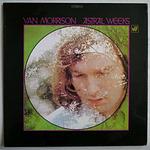
Astral Weeks, released in 1968, finds Van Morrison melding folk, jazz, blues and soul into a series of long, flowing songs built on loose, improvisational performances. The arrangements foreground acoustic guitar, upright bass and subtle percussion with occasional strings and woodwinds, producing a chamberfolk atmosphere that complements Morrison's stream-of-consciousness vocals and poetic lyrics. The album is often regarded as a distinctive, genre-blurring turning point in his work for its intimate, contemplative mood and unconventional song structures.
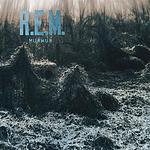
Murmur, R.E.M.'s 1983 debut, foregrounds the band's chiming, jangly guitars and Michael Stipe's distinctive, often obscured vocals. Produced by Mitch Easter and Don Dixon, the record mixes jangle pop, post-punk, and folk-rock elements into concise, atmospheric arrangements with cryptic lyrics, creating a moody alternative rock sound that became influential in early college rock scenes.
#70 — Up the Bracket by The Libertines
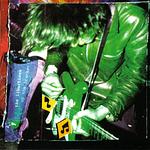
Up the Bracket is The Libertines' 2002 debut studio album, produced by Mick Jones. It blends garage rock and indie rock with raucous, lo-fi energy, ragged guitar interplay and urgent tempos, driven by the dueling, conversational vocals of Peter Doherty and Carl Barat. The record is marked by its streetwise, confessional lyrics and a raw immediacy that became a touchstone for early 2000s British garage-influenced rock.
#71 — Harvest by Neil Young
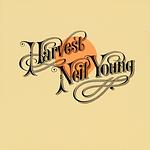
Harvest, released in 1972, blends acoustic folk songwriting with country rock and mellow rock arrangements. The album pairs spare guitar and harmonica with prominent pedal steel, piano and occasional string arrangements, and features Young's plaintive voice and reflective lyrics on themes of solitude, aging and relationships. Tracks such as Heart of Gold and Old Man sit alongside more expansive, orchestral-tinged pieces, creating a varied but cohesive record that helped define Young's early 1970s sound and his presence in folk rock and country rock.
#72 — Transformer by Lou Reed
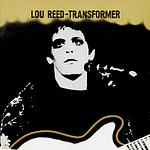
Transformer, released by Lou Reed in 1972, blends glam rock, art rock, and pop rock with a more polished production than his Velvet Underground work. Produced by David Bowie and Mick Ronson, the album pairs Reed's cool, narrative vocal style with melodic arrangements, strings, and distinctive guitar work. Songs such as "Walk on the Wild Side", "Perfect Day", and "Satellite of Love" present concise character-driven vignettes about New York life while adopting a more accessible, glam-influenced sound, making the record a key moment in Reed's solo career.
#73 — Bringing It All Back Home by Bob Dylan
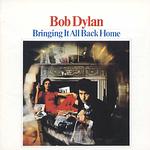
Bringing It All Back Home (1965) marks Bob Dylan's shift from solo acoustic folk toward electric folk rock, with one side backed by a full band and the other featuring solo acoustic performances. The record blends rock instrumentation and harmonica with poetic, often surreal lyrics on songs such as Subterranean Homesick Blues, Maggie's Farm and Mr. Tambourine Man, and is often cited as a pivotal step in his move toward rock-oriented songwriting.
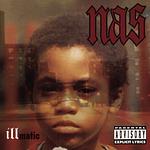
Illmatic, Nas's 1994 debut, is a compact, lyrically dense hip hop record rooted in East Coast boom bap. Nas's intricate internal rhymes and vivid street narratives ride sparse, sample-driven production from producers such as DJ Premier, Pete Rock, Large Professor, Q-Tip, and L.E.S., with hard drums, jazz and soul samples, and clear, focused arrangements. Its concentrated running time and emphasis on storytelling and craft helped define a blueprint for later East Coast and conscious hip hop artists.
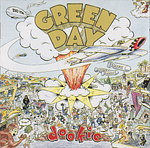
Dookie, released in 1994 by Green Day, is a defining pop punk record that blends punk rock urgency with strong melodic hooks and concise songcraft. The trio's fast, power-chord guitars, brisk tempos, and punchy arrangements are anchored by Billie Joe Armstrong's distinctive vocals, Mike Dirnt's driving bass, and Tré Cool's propulsive drumming. Lyrically the album addresses suburban ennui, anxiety, and youthful frustration with a mix of wit and urgency, and the cleaner studio production by the band and producer Rob Cavallo made the sound more polished while retaining a raw immediacy.
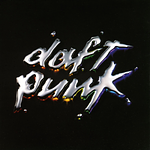
Discovery is Daft Punk's second studio album, released in 2001. It blends French house and electronic dance with disco, synthpop, and progressive house influences, emphasizing melodic songwriting, bright synth textures, and filter-heavy sampling. The duo made prominent use of vocoders and vocal manipulation on tracks like "One More Time" and "Harder, Better, Faster, Stronger", balancing dancefloor grooves with pop structures. The album was presented as a cohesive, concept-driven work and later served as the soundtrack for the animated film Interstella 5555.
#77 — White Blood Cells by The White Stripes
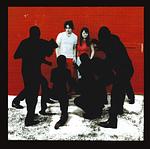
White Blood Cells, released in 2001, is the third album by The White Stripes and emphasizes a raw, lo-fi sound centered on Jack White's guitar and vocals and Meg White's spare, elemental drumming. The record blends blues rock, garage rock revival, punk blues and alternative rock, alternating between terse, high-energy rockers and slower, blues-tinged songs; tracks commonly cited from the album include "Fell in Love with a Girl," "Dead Leaves and the Dirty Ground," and "Hotel Yorba." Its stripped-down production and stark arrangements were influential in bringing wider attention to the duo and to the garage rock revival of the early 2000s.
#79 — Kind of Blue by Miles Davis
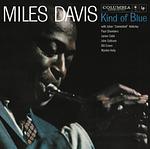
Kind of Blue is a 1959 album by Miles Davis that helped define modal jazz with a spare, lyrical approach that emphasizes modes and scales rather than dense chord progressions. Recorded with a sextet including John Coltrane, Cannonball Adderley, Bill Evans, Paul Chambers, and Jimmy Cobb, the music is spacious and understated, featuring extended improvisation on pieces such as "So What" and "All Blues" and blending elements of cool jazz, hard bop, and post-bop. Its subdued tone, focus on melody, and subtle group interplay make it widely regarded as a landmark in modern jazz.
#80 — Raw Power by Iggy and The Stooges
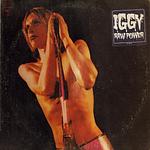
Raw Power, released in 1973 by Iggy and The Stooges, delivers a raw, aggressive blend of garage rock and hard rock that pointed toward punk. James Williamson's distorted, razor-edged guitar work and Iggy Pop's snarling, theatrical vocals drive short, propulsive songs that favor primal energy and lean arrangements. The album's abrasive tone, high volume, and emphasis on attitude over polish are often cited as influential on the emerging punk and later alternative scenes.
#81 — Trans Europa Express by Kraftwerk
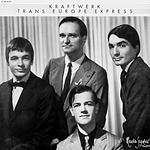
Trans-Europe Express, released in 1977 by Kraftwerk, is a landmark album of minimalist, machine-driven electronic music that helped shape late 1970s synth-based styles. It features steady, motorik-influenced rhythms, repetitive sequenced synthesizer lines, and vocoder-processed vocals that evoke themes of travel, technology, and modernity. The record's spare arrangements and emphasis on texture and groove marked a move toward fully electronic composition and influenced later electro, synth-pop, and experimental electronic artists.
#82 — Tapestry by Carole King
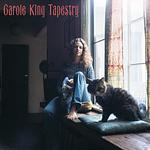
Tapestry is Carole King’s 1971 album characterized by an intimate, piano-centered singer-songwriter sound that blends folk rock, soft rock, and pop. The record features warm, conversational vocals and direct, personal songwriting supported by spare arrangements built around piano, acoustic guitar, and a restrained rhythm section. Its accessible melodies and confessional tone helped define the early 1970s singer-songwriter style and made several songs closely associated with King. Production is uncluttered, keeping the focus on her piano, voice, and songcraft.
The Band (1969) is a roots-oriented album that blends rock, country, folk, and R&B into close ensemble performances and earthy, acoustic-leaning arrangements. Its character-driven storytelling, distinctive lead vocals from Levon Helm and Richard Manuel, concise songwriting from Robbie Robertson, and textured organ and sax work create a warm, timeless sound that helped shape roots rock and Americana.
#84 — Live Through This by Hole
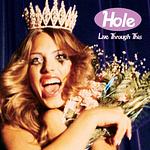
Live Through This, released in 1994 by Hole, blends grunge, punk, and alternative rock with raw, guitar-driven arrangements and strong melodic hooks. Courtney Love's vocals move between snarling aggression and vulnerable melody, anchored by lyrics that confront gender, identity, and personal trauma. The album pairs abrasive textures with pop-influenced songcraft, forming a defining statement for the band within 1990s alternative rock.
#85 — Born to Run by Bruce Springsteen
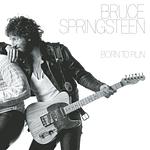
Born to Run (1975) blends rock, heartland rock, folk rock, piano-driven rock, and singer-songwriter storytelling into a sweeping, cinematic sound. Built around dense, Wall of Sound inspired arrangements with prominent saxophone and piano, the album pairs anthemic, propulsive tracks with intimate, narrative songs about escape, youthful restlessness, and working-class longing. It represented a major artistic leap for Springsteen and helped define the musical themes and larger-than-life production style he explored in later work.
#86 — Grace by Jeff Buckley
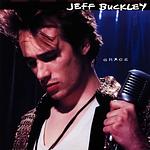
Jeff Buckley’s 1994 album Grace blends rock, alternative and folk influences into a singer-songwriter framework centered on his wide-ranging, expressive voice and intricate guitar work. The songs move between intimate acoustic passages and fuller, electric arrangements, combining delicate folk textures, soulful vocal runs, and dramatic dynamic shifts. The album is notable for its emotional intensity and for Buckley’s memorable reinterpretation of Leonard Cohen’s “Hallelujah,” and it remains influential for listeners and musicians drawn to expressive vocal performance and genre-blurring songwriting.
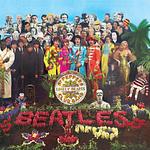
Sgt. Pepper's Lonely Hearts Club Band is a 1967 Beatles album that blends rock, psychedelic rock, baroque pop and pop with extensive studio experimentation. It features layered production, orchestral arrangements, unusual instrumentation and song sequencing that create a loose concept-album feel, and includes tracks such as "Lucy in the Sky with Diamonds", "Eleanor Rigby", "With a Little Help from My Friends" and "A Day in the Life". The album is often described as a milestone in popular music for its ambitious production and its expansion of pop and rock sounds.
#88 — For Your Pleasure by Roxy Music
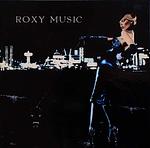
For Your Pleasure, Roxy Music's second studio album released in 1973, refines the band's art rock and glam approach with theatrical arrangements, sleek pop songwriting and abrasive experimental textures. Bryan Ferry's elegant, ironic vocals ride over Andy Mackay's saxophone, Phil Manzanera's guitar work and Brian Eno's synthesizer treatments, producing songs that range from seductive to unsettling, notably "Do the Strand" and "In Every Dream Home a Heartache". The album is the last to feature Eno and is often cited for combining glamour and avant garde production with a raw edge that points toward proto-punk and post-punk sounds.
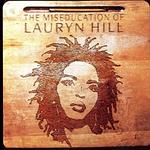
The Miseducation of Lauryn Hill blends R and B, neo soul and hip hop, combining sung vocals and expressive rapping over warm, organic production that mixes live instrumentation, soulful samples and hip hop rhythms. Lauryn Hill’s songwriting is direct and personal, exploring themes of love, motherhood, spirituality and selfhood, and the album features standout songs that showcase its mix of melodic hooks and lyrical intensity. Its fusion of contemporary R and B sensibility with alternative hip hop textures helped shape the sound of early 2000s neo soul and influenced many artists who followed.
#90 — A Grand Don't Come for Free by The Streets
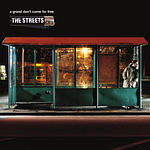
A Grand Don't Come for Free is a 2004 concept album by The Streets, the project of Mike Skinner. Built around a continuous narrative about relationships, money and everyday life, it blends UK garage, hip hop, electronic and breakbeat elements with sparse, sample-based production and conversational, diaristic vocal delivery. The record alternates skittering garage rhythms and club-influenced beats with more plaintive, piano-led moments, and is notable for its strong focus on storytelling and character-driven songs such as "Dry Your Eyes" and "Blinded by the Lights".
#91 — Purple Rain by Prince, The Revolution
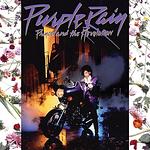
Purple Rain is a genre-blending album that mixes funk, pop, rock and contemporary R&B, combining driving dance tracks and intimate ballads with lush synthesizer textures and distinctive electric guitar work. Produced and largely written by Prince with his band The Revolution, the record balances concise pop hooks, extended guitar solos, and dramatic, cinematic arrangements that reflect its connection to the film of the same name. The album highlights Prince's range as a songwriter, producer, vocalist and guitarist, and it helped define his sound in the mid 1980s.
#92 — Radiator by Super Furry Animals
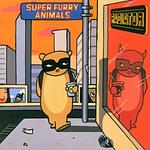
Radiator, released in 1997 by Super Furry Animals, builds on their alternative rock roots with a more immediate embrace of psychedelic textures and electronic color. The album balances concise, melodic songs with adventurous studio touches such as layered synths, samples and loose, playful arrangements, creating a warm, kaleidoscopic indie rock sound. It is often cited as a defining moment in the band’s late 1990s development for blending pop sensibility with experimental production.
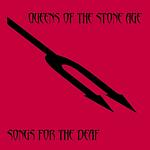
Songs for the Deaf (2002) finds Queens of the Stone Age refining their mix of stoner rock, alternative rock and hard rock into a lean, driving record built on propulsive rhythms, dense guitar riffs and Josh Homme's dry, sardonic vocals. The album balances heavy, riff-focused tracks with melodic hooks and varied dynamics, and features notable guest contributions from Dave Grohl on drums and Mark Lanegan on vocals. Its sequencing and themes evoke a restless, road-oriented atmosphere that helped define the band's sound going forward.
#94 — Beggars Banquet by The Rolling Stones
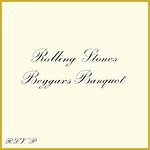
Beggars Banquet (1968) by The Rolling Stones is a roots-oriented rock album that moves away from late 1960s psychedelia toward a rawer blend of blues rock, hard-driving electric rock, and country-tinged acoustic numbers, featuring spare production, prominent guitar and slide work, and lyrical material rooted in everyday and street-level themes, marking a consolidation of the band’s classic rock identity.
#95 — Spirit of Eden by Talk Talk
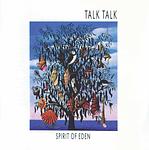
Spirit of Eden, released in 1988 by Talk Talk, marks the band's move away from polished pop toward sparse, atmospheric compositions that influenced post-rock and experimental rock. The record emphasizes space and texture, blending acoustic instruments, jazz-inflected improvisation, ambient soundscapes, and chamber-like orchestral touches with Mark Hollis's restrained vocals and deliberate use of silence. Arrangements unfold slowly and organically, favoring mood and timbral detail over conventional song structures, creating an intimate and unpredictable listening experience.
#96 — Fear of a Black Planet by Public Enemy
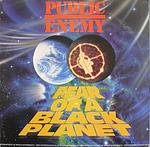
Fear of a Black Planet, released by Public Enemy in 1990, combines politically charged, socially conscious lyrics with the Bomb Squad's dense, sample-heavy production. Its abrasive, layered sound uses hard-hitting beats, dissonant textures, and collaged samples to underpin Chuck D's authoritative delivery and Flavor Flav's contrasting ad-libs. The record pushes hip hop toward experimental and hardcore directions while foregrounding themes of race, media, and power, and it is often described as a landmark of East Coast and conscious hip hop.
#97 — The Smiths by The Smiths
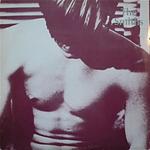
The Smiths' self-titled 1984 debut pairs Johnny Marr's chiming, jangly guitar figures and economical arrangements with Morrissey's literate, world-weary vocal delivery and wry, observational lyrics. The record blends bright, melodic guitar textures with melancholic themes, helping to crystallize a strand of British indie pop and alternative rock centered on concise songcraft and emotional ambiguity.
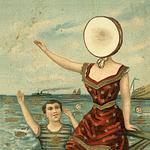
In the Aeroplane Over the Sea is Neutral Milk Hotel's 1998 album that blends indie rock and folk with lo-fi production and brass-band textures. Jeff Mangum's raw, emotive vocals and surreal, often personal lyrics are set against acoustic guitar, distorted electric textures, trumpet and other brass, and unconventional touches like the singing saw, producing a dense, collage-like sound that moves between intimate folk and cathartic intensity. The record is closely associated with the Elephant 6 circle and is frequently discussed for its distinctive mix of simple songcraft and experimental arrangements.
#99 — The Libertines by The Libertines
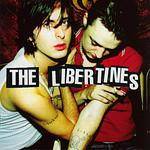
The Libertines is the band's 2004 self-titled album, presenting a ragged, communal take on indie rock with strong garage rock revival and punk rock energy. Musically it mixes jangly, urgent guitars and propulsive rhythms with raw, singalong choruses, anchored by the frayed, intertwining vocals and lyrics of Pete Doherty and Carl Barat that often address friendship, excess, and personal turmoil. The performances and arrangements emphasize immediacy and a loose, live-in-the-studio feel that became a defining element of the group's sound in the early 2000s UK indie scene.
#100 — Hatful of Hollow by The Smiths
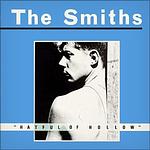
Hatful of Hollow is a 1984 compilation that gathers early singles and BBC session recordings by The Smiths, presenting a snapshot of the group’s formative period. Musically it pairs Johnny Marr’s chiming, arpeggiated guitar textures with Morrissey’s literate, melancholic vocal delivery, mixing jangle pop and indie rock influences with traces of post-punk moodiness. The record highlights the band’s knack for concise, melody-driven arrangements and mordant, observational lyrics, and is often cited as a key document of their early sound within the 1980s British indie scene.