The Greatest Music
Guardian Writers' Favourite Albums Ever
Weight: 95%
How much this list influences our overall rankings. Higher weight means more reliable data.
Penalties Applied:
51 critics from The Guardian list their favorite albums of all time
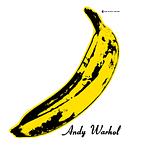
The Velvet Underground & Nico (1967) blends art rock, experimental and garage influences, pairing Lou Reed's stark songwriting and vocals with John Cale's abrasive viola and drone textures, Sterling Morrison's guitar and Maureen Tucker's spare percussion. Nico supplies detached lead vocals on a few tracks. The record mixes concise pop melodies with feedback, distortion and candid lyrics about urban life, sex and drug use, creating a raw, intimate sound that helped shape later art rock, punk and alternative music. Produced with Andy Warhol's involvement and notable for its banana cover, the album is distinguished by its experimental production and unconventional subject matter.
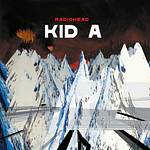
Kid A, released in 2000 by Radiohead, marked a deliberate move away from the band's earlier guitar-driven sound toward electronic, ambient, and experimental rock. The record mixes synthesizers, programmed rhythms, manipulated guitars, and orchestral colors to produce abstract song structures and chilly textures, with Thom Yorke's voice often treated as another instrumental layer. Its focus on atmosphere, fragmentation, and themes of alienation and technological unease broadened the band's sonic palette and influenced many artists in alternative and art rock.
#1 — Astral Weeks by Van Morrison
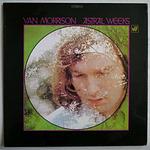
Astral Weeks, released in 1968, finds Van Morrison melding folk, jazz, blues and soul into a series of long, flowing songs built on loose, improvisational performances. The arrangements foreground acoustic guitar, upright bass and subtle percussion with occasional strings and woodwinds, producing a chamberfolk atmosphere that complements Morrison's stream-of-consciousness vocals and poetic lyrics. The album is often regarded as a distinctive, genre-blurring turning point in his work for its intimate, contemplative mood and unconventional song structures.
#1 — Closer by Joy Division
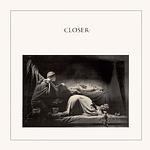
Closer is Joy Division's 1980 album that presents a stark, atmospheric take on post-punk with clear ties to new wave and early gothic rock. The record is characterized by Martin Hannett's spacious, reverb-heavy production, Peter Hook's melodic, high-register basslines, Bernard Sumner's angular guitars and synth textures, and Ian Curtis's deep, intense vocals paired with spare, often bleak lyrics. Overall it emphasizes mood, restraint, and a cold, cinematic ambience that proved influential on later alternative and gothic-leaning acts.
#1 — 69 Love Songs by The Magnetic Fields
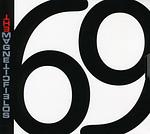
69 Love Songs is a 1999 three-volume album by The Magnetic Fields, written and chiefly performed by Stephin Merritt. Spanning 69 concise tracks, it mixes indie pop, chamber pop, electronic and folk-tinged arrangements to examine love in many guises, from playful and ironic to tender and rueful. The album is notable for its eclectic instrumentation, minimal and lush arrangements, and literate, often wry lyrics delivered in a variety of vocal styles. Its breadth of styles and ambitious conceit are central to how the record is discussed in indie music circles.
#6 — London Calling by The Clash
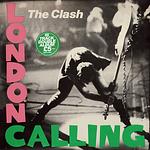
London Calling (1979) by The Clash is a double album that builds on the band’s punk roots while incorporating rockabilly, reggae, ska, new wave and straight rock. The record pairs punk’s urgency and raw guitar with melodic hooks, varied arrangements and occasional piano and horn touches, and features Joe Strummer’s often politically minded and observational lyrics. Its wide stylistic range and confrontational yet tuneful approach helped broaden the musical possibilities available to punk bands at the time.
#6 — The Stone Roses by The Stone Roses
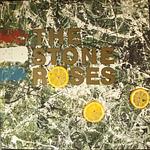
The Stone Roses' 1989 self-titled debut blends jangly, chiming guitar work with propulsive, danceable rhythms and a touch of psychedelia, pairing John Squire's melodic guitar lines with Ian Brown's laconic vocal delivery. Tracks shift between concise pop hooks and sprawling, groove-driven pieces, with production that emphasizes shimmering guitars and elastic bass. The album is closely associated with the Madchester scene and is often cited as an influential touchstone for later Britpop and indie bands.
#6 — Is This It by The Strokes
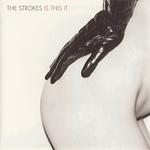
Is This It is the 2001 debut album by The Strokes, characterized by concise, guitar-driven songs that helped define the early 2000s garage rock revival. The record pairs jangly, riff-focused arrangements and tight rhythmic interplay with Julian Casablancas's detached, deadpan vocal delivery, and a lo-fi, immediate production that favors atmosphere over polish. Songwriting on the album emphasizes melodic hooks and sparse textures across compact tracks, and its aesthetic had a noticeable influence on subsequent indie and alternative rock acts.
#6 — Slanted and Enchanted by Pavement
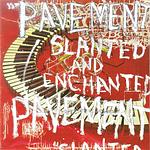
Slanted and Enchanted is Pavement's 1992 debut studio album. The record blends indie rock, alternative rock, lo-fi production and noise pop, characterized by Stephen Malkmus's laconic, often cryptic lyrics, a slack, conversational vocal delivery, jagged but melodic guitar interplay, loose rhythmic feel and a rough, home-recorded aesthetic that mixes tunefulness with distortion and off-kilter song structures. Its raw, DIY sound helped shape the early 1990s indie rock landscape and remains a touchstone for lo-fi guitar music.
#6 — The Modern Lovers by The Modern Lovers
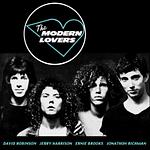
The Modern Lovers (1976) collects early recordings by Jonathan Richman and his band that favor a raw, direct approach rooted in garage rock and proto-punk while drawing on art rock and indie sensibilities. The music pairs spare, chiming guitars and steady, propulsive rhythms with Richman's candid, often childlike vocal delivery and conversational lyrics, blending deadpan wit and everyday observation. Its simplicity and immediacy highlight a balance of rough-edged energy and clear melodic focus that has been widely noted in discussions of early punk and indie precursors.
#6 — Zen Arcade by Hüsker Dü
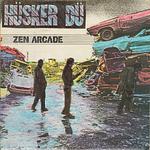
Zen Arcade, released in 1984 by Hüsker Dü, is an expansive double album that pushed the band beyond strict hardcore punk into more melodic and experimental territory. Presented as a loose concept story about a young person's escape and disillusionment, it combines ferocious punk energy with tuneful songwriting, brief acoustic passages and instrumental interludes, and occasional psychedelic or pop-leaning touches. The record is notable for its ambitious scope and for helping bridge hardcore punk with emerging alternative rock and post-hardcore approaches.
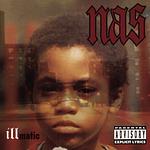
Illmatic, Nas's 1994 debut, is a compact, lyrically dense hip hop record rooted in East Coast boom bap. Nas's intricate internal rhymes and vivid street narratives ride sparse, sample-driven production from producers such as DJ Premier, Pete Rock, Large Professor, Q-Tip, and L.E.S., with hard drums, jazz and soul samples, and clear, focused arrangements. Its concentrated running time and emphasis on storytelling and craft helped define a blueprint for later East Coast and conscious hip hop artists.
#6 — Lifes Rich Pageant by R.E.M.
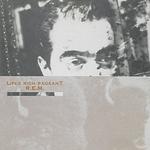
Lifes Rich Pageant, R.E.M.'s 1986 album, sharpens the band's jangle pop and alternative rock approach with cleaner, more rock-oriented production by Don Gehman. The sound features punchy guitars, tighter rhythms, and clearer vocals from Michael Stipe, moving away from the murkier textures of earlier records. Tracks like "Fall on Me" and "Cuyahoga" blend melodic hooks with environmentally and socially aware lyrics, and a cover of "Superman" adds a lighter moment. The record is notable as a transitional step that broadened R.E.M.'s sonic palette and prepared them for wider audiences.
#6 — Abbey Road by The Beatles
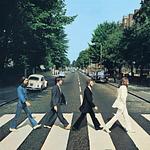
Abbey Road, recorded in 1969, finds the Beatles blending rock, pop, and traces of psychedelia into a polished, studio-focused sound marked by layered vocal harmonies, inventive arrangements, and early use of the Moog synthesizer. The album balances standalone tracks such as 'Come Together', 'Something', and 'Here Comes the Sun' with a continuous side two medley that stitches shorter pieces into a cohesive suite, reflecting the band's late-period emphasis on production and songcraft. Its warm production, melodic variety, and structural ambition make it a notable culminating statement in the Beatles' studio work.
#6 — Hunky Dory by David Bowie
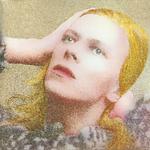
Hunky Dory (1971) finds David Bowie shifting toward a more song-oriented, piano- and acoustic guitar-driven sound that blends art rock, glam sensibility, and pop melodies. The record pairs theatrical, literate songwriting and vivid character pieces with piano-led arrangements and occasional strings, producing tracks like "Changes" and "Life on Mars?" that combine melodic hooks with surreal, introspective lyrics. The album is often seen as a transitional work that set the stylistic stage for the glam persona he developed on subsequent records.
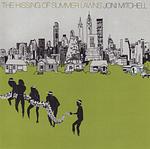
The Hissing of Summer Lawns (1975) finds Joni Mitchell expanding from her folk roots into a sound that blends jazz pop, folk pop and avant garde pop with elements of contemporary jazz. Arrangements emphasize electric keyboards, layered vocals and rhythmic complexity, while the harmonic language and song forms draw on jazz sensibilities. Lyrically the album uses observational narratives and ambiguous characters to examine suburban life, relationships and modernity. Overall it represents a deliberate, experimental turn toward denser production and sophisticated songwriting.
#17 — Buffalo Tom by Buffalo Tom
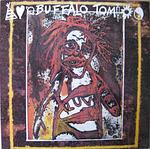
Buffalo Tom's 1988 self-titled debut is a raw, guitar-driven album that blends alternative rock, indie sensibilities, and college rock energy. The record features chiming and distorted guitars, a muscular rhythm section, and Bill Janovitz's emotive vocals, moving between punchy rockers and more melodic, introspective moments. As an introduction to the band, it captures the late 1980s alternative scene and establishes their mix of melodic hooks and rough-edged dynamics.
#17 — Flying Colours by Bliss n Eso
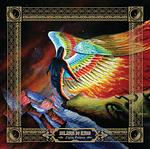
Flying Colours, released in 2008, is the third studio album by Australian hip hop trio Bliss n Eso. The album builds on a hip hop foundation with polished, sample-driven production that brings in ambient and electronic textures and occasional jazz-inflected instrumentation, producing a cinematic and melodic sound. Vocally and lyrically it moves between introspective moments and more anthemic, upbeat tracks, reflecting a broader sonic palette and increased production ambition within the group’s work.
#17 — Cabaret by John Kander, Fred Ebb
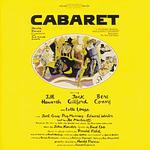
Cabaret is the 1966 musical score by composer John Kander and lyricist Fred Ebb, composed for the stage and issued as a cast album. Musically it draws on Weimar-era cabaret and jazz-inflected theater styles, combining brassy, vaudeville-influenced numbers with intimate ballads to underscore the show's shifting moods. The record uses the cabaret idiom and an often sardonic Emcee voice to juxtapose surface glamour and darkening political realities in 1930s Berlin, giving the songs a theatrical, character-driven quality rather than pop sensibilities.
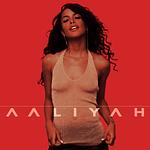
Released in 2001, Aaliyah's self-titled third studio album pairs her understated, breathy vocal style with sleek, futuristic production largely handled by Timbaland and Missy Elliott. The record blends contemporary R&B, pop soul, and atmospheric electronic textures into sparse, rhythm-focused arrangements that emphasize mood, groove, and subtle melodic hooks. Tracks move between minimalist, club-leaning beats and slow, sensual ballads, and the album is widely regarded as a cohesive, mature artistic statement released just weeks before Aaliyah's death.
#17 — Funeral by Arcade Fire
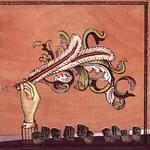
Funeral is Arcade Fire's 2004 debut studio album. It mixes indie rock, art pop and chamber pop with bursts of punk energy, combining strings and brass with driving guitars and collective vocals. The songs pair intimate, emotionally direct lyrics about loss and youth with expansive, cathartic arrangements and singalong choruses, and the warm, occasionally raw production emphasizes theatrical dynamics and layered acoustic and electric instrumentation.
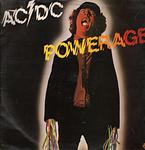
Powerage (1978) captures AC/DC in a raw, blues-tinged hard rock mode with production by Harry Vanda and George Young, emphasizing driving guitar riffs, tight rhythm work, and Bon Scott's gritty vocals. The songs lean toward groove and muscular, riff-driven arrangements rather than studio ornamentation, giving the album a direct, road-tested sound. It represents a consolidation of the band's blues rock roots and a move toward the more streamlined approach they would take on their next records.
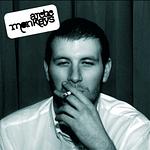
Whatever People Say I Am, That's What I'm Not is the 2006 debut album by Arctic Monkeys. It delivers energetic, guitar-driven indie rock with garage rock revival and post-punk revival influences, marked by brisk tempos, tight arrangements, and Alex Turner's observational, conversational lyrics about youth and nightlife. The production is immediate and raw, emphasizing punchy riffs and driving rhythms, and the record played a key role in defining mid-2000s British indie rock while emerging alongside early internet buzz around the band.
#17 — Endless Summer by The Beach Boys
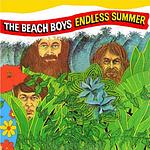
Endless Summer is a 1974 compilation album by the Beach Boys that collects many of the group's early 1960s surf and pop singles from their Capitol Records period. The selection emphasizes close vocal harmonies, bright electric guitars, and Brian Wilson's pop-minded arrangements, showcasing the blend of upbeat surf anthems and softer ballads that shaped the band's formative sound.
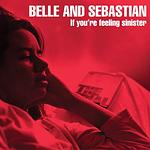
If You're Feeling Sinister, released in 1996 by Belle and Sebastian, presents a quiet, literate take on indie pop that mixes chamber folk textures with twee pop melodies and occasional rock rhythms. Stuart Murdoch's observational, character-driven lyrics sit alongside delicate arrangements of strings, piano, guitar, and subtle brass, producing an intimate, low-key sound that balances wistfulness and wry humor. The album crystallized the band's early aesthetic of gentle dynamics and orchestral touches and played a notable role in shaping the sound of British indie pop in the 1990s.
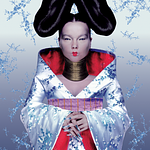
Homogenic is Björk's 1997 album that pairs bold electronic production with lush string arrangements to create a tense, intimate sound. It blends downtempo beats, trip hop grooves and glitchy electronic textures with her expressive voice and a strong sense of atmosphere, often evoking stark, elemental landscapes associated with Iceland. The album emphasizes a tighter, more cohesive sonic identity than some of her earlier work, foregrounding contrasts between organic strings and processed beats.
#17 — Blood on the Tracks by Bob Dylan
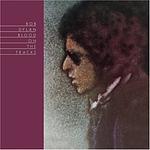
Blood on the Tracks, released in 1975, is an intimate, lyrically driven album that blends Dylan's folk rock roots with elements of blues and country rock. The songs are narrative and confessional, centering on relationships and emotional turmoil, delivered through spare acoustic arrangements with occasional fuller band backing. The record is characterized by direct, conversational vocals, rich storytelling, and a live, immediate studio feel that emphasizes songwriting and emotional clarity.
#17 — Born to Run by Bruce Springsteen
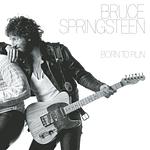
Born to Run (1975) blends rock, heartland rock, folk rock, piano-driven rock, and singer-songwriter storytelling into a sweeping, cinematic sound. Built around dense, Wall of Sound inspired arrangements with prominent saxophone and piano, the album pairs anthemic, propulsive tracks with intimate, narrative songs about escape, youthful restlessness, and working-class longing. It represented a major artistic leap for Springsteen and helped define the musical themes and larger-than-life production style he explored in later work.
#17 — End of the Century by Ramones
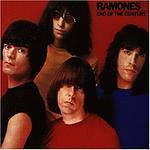
End of the Century, released in 1980 by the Ramones and produced by Phil Spector, pairs the band’s direct, fast punk rock with a denser, more polished pop oriented production. Songs such as "Do You Remember Rock 'n' Roll Radio?" and the cover of "Baby, I Love You" feature layered arrangements and vocal harmonies that contrast with the group’s earlier stripped back sound while retaining brisk tempos and melodic hooks. The record blends punk, new wave and pop sensibilities and is notable for its production and the band’s attempt to broaden their sonic palette.
#17 — Soviet Kitsch by Regina Spektor
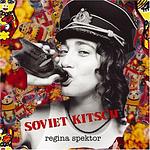
Soviet Kitsch (2003) finds Regina Spektor blending anti-folk and singer-songwriter approaches with piano-centered indie pop and cabaret-tinged vocals. The album pairs concise, narrative lyrics and idiosyncratic vocal phrasing with sparse, sometimes whimsical arrangements that shift between melancholy and playful energy. Its DIY production and theatrical touch highlight Spektor's taste for sudden tempo and mood changes and for mixing personal and cultural imagery, helping to define the signature style she expanded on later.
#17 — Axxess & Ace by Songs: Ohia
Axxess & Ace (1999) is an early Songs: Ohia record built around Jason Molina's intimate, emotive songwriting and hushed vocals. The music blends indie rock, alt country, contemporary folk, and singer-songwriter elements, favoring sparse arrangements centered on electric and acoustic guitar with subtle accompaniment that highlights a melancholic, nocturnal atmosphere. The album is often noted for its stark, confessional mood and for refining the spare, emotionally direct aesthetic that became a hallmark of Molina's work.
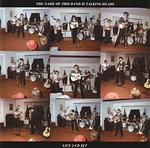
The Name of This Band Is Talking Heads (1982) is a double live album that documents two phases of the group's stage sound, juxtaposing the early, lean art-punk quartet with a later, fuller lineup that broadened their arrangements with extra percussion, keyboards, and funk and worldbeat influences. The recordings emphasize angular guitar, tight interlocking rhythms, and David Byrne's distinctive vocal delivery while showing how studio songs stretched into denser, more dance-oriented live versions with added electronic textures. As a concert document, it traces the band’s evolution from raw new wave energy toward a more expansive post-punk and art rock approach.
#17 — the Glow, pt. 2 by the Microphones
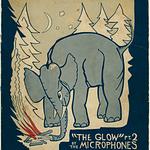
The Glow Pt. 2 is a 2001 album by the Microphones that blends indie folk songwriting with lo-fi production and experimental rock textures. It features intimate, often whispered vocals, layered acoustic and electric instruments, tape hiss, distortion and field recordings, with abrupt dynamic shifts and long, atmospheric passages that examine nature, memory and transcendence. The record is noted for its inventive home-recording approach and expansive arrangements that contrast delicate melodies with noisy, collage-like elements.
#17 — In a Silent Way by Miles Davis
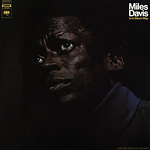
In a Silent Way, recorded and released in 1969, marks Miles Davis's shift toward electric instruments and extended, atmospheric forms. The music pairs Davis's muted, lyrical trumpet with electric piano, organ, and guitar over modal vamps and understated grooves, and the two long, seamlessly edited pieces were assembled in the studio to create a continuous, meditative flow. A loose ensemble including Wayne Shorter, Herbie Hancock, Chick Corea, Joe Zawinul, John McLaughlin, Dave Holland, and Tony Williams contributes sustained textures and restrained interplay, while producer Teo Macero's tape editing plays a clear role in the album's shape. The result is an understated, ambient-leaning statement often cited as an early landmark on the path toward jazz fusion and more open improvisational forms.
#17 — Tonight's the Night by Neil Young
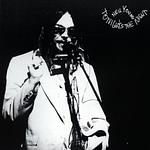
Tonight's the Night (1975) is a raw, emotionally charged album by Neil Young, recorded in informal sessions following the deaths of close friends. It blends country rock, blues rock, and hard-edged rock with ragged, loose performances, spare piano and guitar textures, and weary, intimate vocals. The album's rough production and persistent themes of grief and disillusionment mark a deliberate move away from polished studio work and give it a dark, candid character within Young's 1970s output.
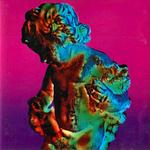
Technique, released in 1989 by New Order, blends the band's post-punk origins with contemporary club music, drawing on Ibiza's Balearic and early house sounds to create a bright, dance-oriented record. It pairs propulsive electronic rhythms and shimmering synth textures with guitar elements and Bernard Sumner's cool, melancholic vocals, moving between club-ready grooves and concise pop songwriting. The album is notable for deepening New Order's engagement with dance production while maintaining melodic hooks and a restrained emotional tone.
#17 — Crooked Rain, Crooked Rain by Pavement
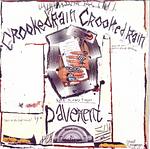
Crooked Rain, Crooked Rain (1994) by Pavement blends slacker-era indie rock with sharper songcraft and clearer production than the band’s earlier lo-fi recordings. The album pairs chiming, guitar-driven arrangements and offhand, oblique lyrics with melodic hooks and a relaxed, conversational vocal delivery, moving between hazy, noisy textures and more straightforward pop-leaning songs. Its mix of casual irony and tunefulness is a defining example of 1990s indie and alternative rock aesthetics.
#17 — Purple Rain by Prince, The Revolution
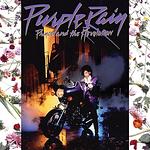
Purple Rain is a genre-blending album that mixes funk, pop, rock and contemporary R&B, combining driving dance tracks and intimate ballads with lush synthesizer textures and distinctive electric guitar work. Produced and largely written by Prince with his band The Revolution, the record balances concise pop hooks, extended guitar solos, and dramatic, cinematic arrangements that reflect its connection to the film of the same name. The album highlights Prince's range as a songwriter, producer, vocalist and guitarist, and it helped define his sound in the mid 1980s.
#17 — Fear of a Black Planet by Public Enemy
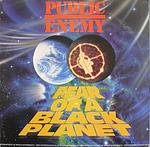
Fear of a Black Planet, released by Public Enemy in 1990, combines politically charged, socially conscious lyrics with the Bomb Squad's dense, sample-heavy production. Its abrasive, layered sound uses hard-hitting beats, dissonant textures, and collaged samples to underpin Chuck D's authoritative delivery and Flavor Flav's contrasting ad-libs. The record pushes hip hop toward experimental and hardcore directions while foregrounding themes of race, media, and power, and it is often described as a landmark of East Coast and conscious hip hop.
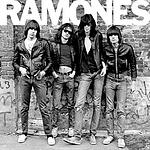
Ramones is the 1976 debut album by the Ramones. It delivers short, fast, stripped-down songs built on simple three-chord guitar figures, driving downbeat drumming, and a raw production that foregrounds catchy hooks and shouted vocals. Noted for its succinct songcraft and aggressive minimalism, the record is widely regarded as a foundational release in punk rock and helped establish the genre's aesthetic.
#17 — Scott 4 by Scott Walker
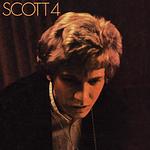
Scott 4, released in 1969, finds Scott Walker moving deeper into baroque pop and orchestral art pop with somber, literate songwriting and lush chamber-pop arrangements. The record foregrounds Walker's deep, expressive baritone against dense strings and brass while exploring introspective and enigmatic themes, representing a deliberate shift away from mainstream pop toward a darker, more idiosyncratic solo direction that anticipated his later experimental work.
#17 — Spiderland by Slint
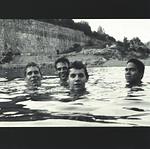
Spiderland, released in 1991 by Slint, is a spare, tension-driven rock album that helped shape key aspects of post-rock and math rock. Its songs blend subdued, often spoken vocals with angular, interlocking guitar work, shifting tempos, and stark dynamics that move between quiet, intimate passages and intense, release-driven climaxes. The album's atmospheric production and emphasis on space and rhythmic precision give it a cinematic, unsettling mood that has influenced many bands in post-rock, math rock, and post-hardcore circles.
#17 — Innervisions by Stevie Wonder
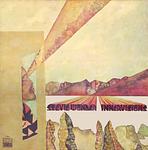
Innervisions, released in 1973, blends soul, funk, smooth soul and psychedelic soul into a studio-focused record built from warm electric pianos, layered synthesizers and tight funk rhythms. The album is notable for Stevie Wonder's multi-instrumental performances and production control, pairing intimate ballads with uptempo grooves and songs that explore social and personal themes through concise, melodic songwriting and rich, textured arrangements.
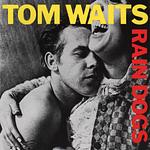
Rain Dogs, released in 1985, finds Tom Waits moving further from his earlier piano-based singer-songwriter style into a grittier, more experimental sound. The album mixes blues, rock, and Americana with off-kilter rhythms, found percussion, accordion and jagged guitar, providing a cinematic, streetwise backdrop for Waits's gravelly vocals and vivid narratives about urban outsiders. It follows Swordfishtrombones and further solidifies his turn toward theatrical, collage-like arrangements and genre-bending songwriting.
#17 — Strange Times by The Chameleons
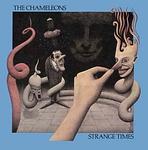
Strange Times (1986) by The Chameleons is a dense, atmospheric post-punk album that blends chiming, reverb-soaked guitars with propulsive rhythms and emotive, resonant vocals. It expands the band's sonic palette with more polished, spacious arrangements and layered guitar textures that move between brooding moods and melodic drive. The sound sits at the intersection of post-punk, new wave and indie rock, emphasizing mood, texture and melodic intensity.
#17 — LC by The Durutti Column
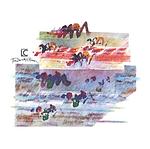
LC, the 1981 album by The Durutti Column led by guitarist Vini Reilly, presents spare, melancholic pieces that blend post-punk austerity with ambient and jazz-tinged guitar work. Arrangements foreground lyrical, reverb-tinged lead guitar with restrained rhythm parts and occasional piano or orchestral touches, yielding an intimate, spacious sound that contrasts with the more aggressive bands of the period. The record helped define a quieter, more reflective strand of post-punk and established Reilly's reputation for delicate, expressive guitar-driven compositions.
#17 — Pet Grief by The Radio Dept.
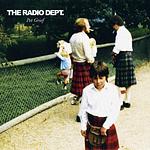
Pet Grief is a compact, atmospheric release by The Radio Dept. that blends dream pop and synth-pop with indie rock and electronic touches. It features the band’s characteristic soft, breathy vocals over reverb-soaked guitars and layered synthesizers, favoring melancholic melodies, intimate arrangements, and lo-fi production values. The sound emphasizes hazy textures and understated electronic rhythms, making it a mood-driven, subdued entry in their catalogue.
#17 — Goats Head Soup by The Rolling Stones
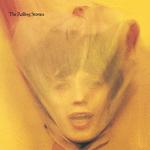
Goats Head Soup, released in 1973 by The Rolling Stones, finds the band in a moodier, more reflective mode that blends blues rock and classic rock with balladry and occasional harder-edged guitar work. The album includes the prominent ballad "Angie" alongside grittier, blues-based tracks, and is marked by Mick Jagger's expressive vocals, Keith Richards' textured guitar parts, and arrangements that add piano, strings, and slide guitar. Its overall atmosphere is more atmospheric and late-night in feel, extending the Stones' exploration of softer arrangements while retaining their rock and blues roots.
#17 — Everybody by The Sea and Cake
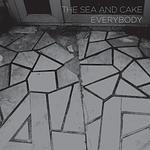
Everybody, released in 2007, finds The Sea and Cake refining their blend of breezy indie pop and indie rock with subtle post-rock textures and jazz-informed rhythmic interplay. Sam Prekop's understated vocals sit over warm, melodic guitars, rounded bass grooves and crisp, detailed percussion, while John McEntire's production emphasizes clarity and textural detail with occasional keyboard and electronic touches. The album continues the band's focus on concise songcraft and understated arrangements, favoring mood and subtlety over overt dynamics.
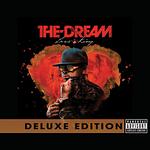
Love King, the third studio album by The-Dream (2010), continues his signature blend of contemporary R&B and pop with sleek, synth-driven production, layered falsetto vocals, and tight rhythmic programming. The record ranges from intimate slow jams to club-oriented tracks, pairing sensual and playful lyrics about romance, sex, and swagger with polished electronic textures, and it follows thematic threads established on his earlier Love/Hate and Love vs. Money albums.
#17 — Tapestry by Carole King
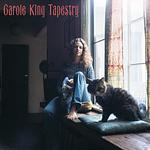
Tapestry is Carole King’s 1971 album characterized by an intimate, piano-centered singer-songwriter sound that blends folk rock, soft rock, and pop. The record features warm, conversational vocals and direct, personal songwriting supported by spare arrangements built around piano, acoustic guitar, and a restrained rhythm section. Its accessible melodies and confessional tone helped define the early 1970s singer-songwriter style and made several songs closely associated with King. Production is uncluttered, keeping the focus on her piano, voice, and songcraft.
#17 — Dare by The Human League
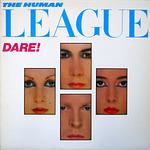
Released in 1981, Dare is The Human League's polished synthpop album that moved the band toward a more pop-oriented, vocal-led sound. Featuring crisp electronic percussion and layered synthesizers, it pairs Philip Oakey's baritone with the prominent female singers Susan Ann Sulley and Joanne Catherall to create hook-driven songs such as "Don't You Want Me". The record blends New Wave and New Romantic textures with dance-pop rhythms and straightforward pop songwriting, and is closely associated with the early 1980s mainstream synth-driven pop sound.
#17 — Up the Bracket by The Libertines
Up the Bracket is The Libertines' 2002 debut studio album, produced by Mick Jones. It blends garage rock and indie rock with raucous, lo-fi energy, ragged guitar interplay and urgent tempos, driven by the dueling, conversational vocals of Peter Doherty and Carl Barat. The record is marked by its streetwise, confessional lyrics and a raw immediacy that became a touchstone for early 2000s British garage-influenced rock.
#17 — Let It Be by The Replacements
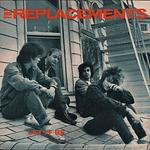
Let It Be, released in 1984 by The Replacements, blends raw garage rock and post-punk energy with melodic power pop and indie sensibilities. The album alternates raucous, loose performances and more reflective, melodic songs, showcasing Paul Westerberg's confessional songwriting on tracks such as I Will Dare, Bastards of Young and Androgynous. Its mix of rough-edged guitars, direct vocals and hooky melodies helped define a rough-hewn alternative rock sound that influenced many bands in the indie and college-rock scenes.
#17 — Soul Mining by The The
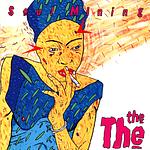
Soul Mining, released in 1983 by The The and driven by Matt Johnson's songwriting, blends post-punk edge with new wave and synth pop textures and an art pop sensibility. The record pairs literate, often brooding lyrics about personal and social unease with sparse, atmospheric arrangements that mix drum machines, jagged guitars, warm synth lines and piano. Tracks like "Uncertain Smile" and "This Is the Day" illustrate the album's tension between catchy melodies and introspective, sometimes dark themes, producing a moody, stylistically varied debut that established Johnson's distinctive voice.
#17 — Throwing Muses by Throwing Muses
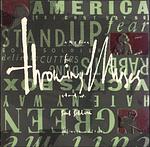
Throwing Muses (1986) is the band's debut album, pairing jagged, angular guitar work and shifting rhythms with Kristin Hersh's intense, often cryptic vocals and lyrics. The songs move between post-punk dissonance and unexpectedly melodic, sometimes folk-tinged passages, creating abrupt dynamic shifts and unconventional song structures. The record is frequently cited as an early example of American indie rock that blends raw edge with personal, inward-focused songwriting.
#17 — Saint Dominic's Preview by Van Morrison
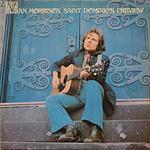
Saint Dominic’s Preview (1972) finds Van Morrison moving between folk rock, blue-eyed soul, chamber folk, R&B and rock, combining concise, uptempo numbers with longer, improvisational pieces. The album pairs R&B-tinged songs such as "Jackie Wilson Said (I’m in Heaven When You Smile)" with expansive, vocal-focused tracks like "Listen to the Lion," using acoustic instruments, horns and soulful vocal phrasing to shift between celebratory and reflective moods. It is characterized by Morrison’s expressive singing, stream-of-consciousness lyrics and varied musical textures.
#17 — Close to the Edge by Yes
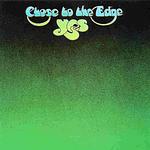
Close to the Edge (1972) is a landmark progressive rock album by Yes that features expansive, suite-like compositions, intricate instrumental interplay, and layered vocal harmonies. The record blends classical and jazz-influenced arrangements with virtuosic guitar, bass, keyboard, and percussion work, and showcases long-form songs that move through multiple contrasting sections. Its sound emphasizes dramatic dynamics, complex time signatures, and detailed production, making it a defining example of early 1970s progressive and art rock.
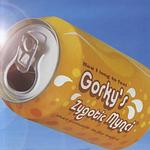
How I Long to Feel That Summer in My Heart (2001) by Gorky's Zygotic Mynci is a quietly melodic record that foregrounds pastoral folk and chamber pop textures. The album relies on acoustic instruments, gentle vocal harmonies and intimate, wistful songwriting, with subtle psychedelic and indie rock touches in its arrangements. Its warm, domestic production and subdued tone mark a turn toward the band's folk influences and a more reflective sound compared with their earlier, louder material.
#17 — Mush by Leatherface
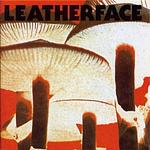
Mush, released in 1991 by English punk band Leatherface, is a gritty, melodic punk rock album defined by Frankie Stubbs' raw, raspy vocals, taut, melodic guitar lines, and driving rhythms. The songs combine hardcore energy with tuneful hooks and emotionally direct lyrics, pairing short, urgent arrangements with occasional dynamic shifts. The record is notable for its songwriting and impassioned delivery and is regarded as an important touchstone in British melodic punk and hardcore circles.
#17 — Where You Go I Go Too by Lindstrøm
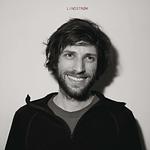
Where You Go I Go Too is a 2008 album by Norwegian producer Lindstrøm that blends deep house, disco, and electronic elements into extended instrumental suites. The music favors long, slowly unfolding grooves, warm analog synth textures, shimmering arpeggios and layered rhythms that balance dancefloor momentum with spacious, cinematic atmosphere. Its focus on repetition and gradual development creates a lush, space-tinged take on disco-inflected electronic composition.
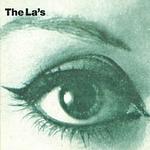
The La's, released in 1990, is the band's lone studio album centered on Lee Mavers' concise, melody-driven songwriting. Musically it blends jangly, 1960s-influenced guitar pop and Merseybeat touches with indie and alternative rock textures, featuring chiming guitars, tight arrangements, and short, hook-focused songs such as "There She Goes". The record is noted for its spare, timeless sound and for Mavers' exacting approach in the studio, and it is frequently mentioned as a touchstone for later Britpop and jangle-pop acts.
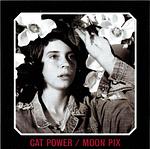
Moon Pix (1998) is an intimate, haunting album by Cat Power that blends folk rock, slowcore pacing, country-tinged melodies, and lo-fi textures. Chan Marshall's fragile, emotive vocals and spare piano and guitar arrangements create a hushed, atmospheric mood, with restrained, atmospheric contributions from members of the Australian instrumental group Dirty Three. The record is often regarded as a breakthrough for its stark emotional intensity and mood-driven approach.
#17 — Aladdin Sane by David Bowie
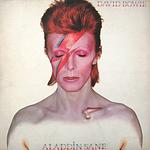
Aladdin Sane, released in 1973, finds David Bowie extending the theatrical glam of his Ziggy Stardust era into more experimental and American inflected territory. Musically it blends glam rock and art rock with hard rock and moments of cabaret and free jazz influenced piano, highlighted by Mick Ronson's guitar and Mike Garson's striking piano work. Tracks such as The Jean Genie, Panic in Detroit, the title track and a cover of Let's Spend the Night Together mix bluesy riffs, angular arrangements and lyrical reflections on fame, identity and American culture. The album is often heard as a more fractured, exploratory companion to its predecessor.
#17 — Boy in da Corner by Dizzee Rascal
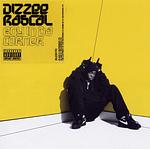
Boy in da Corner, Dizzee Rascal's 2003 debut, crystallizes early grime with raw, spare electronic production, jittery garage- and jungle-influenced rhythms, and rapid, confrontational MCing. The record blends grime, hip hop, and electronic elements, featuring largely DIY production and stark, urban lyrical perspectives that emphasize street life and youthful frustration. Its lo-fi beats, jagged bass lines, and urgent vocal delivery made it a defining example of the emerging UK grime sound.
#17 — Strictly Business by EPMD
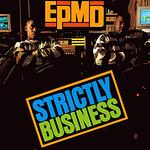
Strictly Business (1988) is the debut album by EPMD, the Long Island duo of Erick Sermon and Parrish Smith. Musically it pairs laid-back, funk-heavy production built from looped grooves and sparse drum patterns with the duo's relaxed, braggadocious vocal interplay and witty wordplay. The album emphasizes groove and chemistry over dense lyricism and helped popularize a stripped-down, sample-driven East Coast hip hop sound in the late 1980s, notable for its use of 1970s funk and soul textures.
#17 — Forever Changes by Love
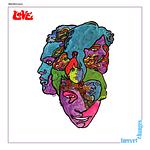
Forever Changes (1967) by Love blends folk rock, baroque pop, and subtle psychedelia into concise, orchestral-tinged songs. Arthur Lee's introspective and often unsettling lyrics sit against intricate acoustic guitar work and horn and string arrangements, creating a warm but melancholic chamber-pop sound that stands out in late 1960s American rock.
#17 — What's Going On by Marvin Gaye
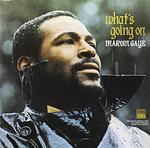
"What’s Going On" (1971) by Marvin Gaye is a cohesive, socially conscious soul album that blends Motown rhythm and smooth soul vocals with lush orchestral arrangements and jazz-influenced horns and strings. Gaye's intimate lead singing, layered background vocals, and subtle studio production create a reflective, spiritual atmosphere as the songs address themes such as war, urban poverty, policing, and environmental concerns. The result is a quieter, more contemplative direction for Motown sounds that broadened the expressive range of R&B.
#17 — Marquee Moon by Television
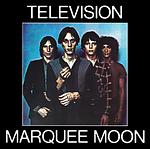
Marquee Moon is Television's 1977 debut album that blends art punk, new wave, post-punk, and art rock into a spare, guitar-driven sound. It features interlocking, melodic guitar lines from Tom Verlaine and Richard Lloyd, a taut rhythm section, and literate, elliptical lyrics, with the extended title track showcasing the band's improvisational interplay. The album's emphasis on texture and guitar interplay influenced later post-punk and indie rock approaches.
#17 — From the Choirgirl Hotel by Tori Amos
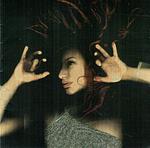
From the Choirgirl Hotel (1998) finds Tori Amos expanding her piano-based songwriting into a denser, band-oriented sound that blends alternative rock, piano rock, and pop textures. The album pairs intimate, confessional lyrics with heavier drums, electronic rhythms, and layered production, producing a darker and more rhythmically driven atmosphere while retaining a strong melodic and piano focus.
#17 — Please Please Me by The Beatles
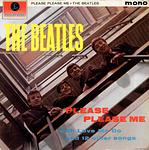
Please Please Me is the Beatles' 1963 debut studio album that captures their early Merseybeat and pop rock sound with a mix of Lennon-McCartney originals and R&B and rock and roll covers. The recordings emphasize energetic, concise performances, close vocal harmonies and tight interplay between Lennon and McCartney, with George Harrison's guitar and Ringo Starr's driving drums supporting the group. Produced by George Martin and largely recorded in a single day at Abbey Road Studios, the album reflects the live-in-the-club feel of their early repertoire and includes tracks such as "I Saw Her Standing There", the title song, and a spirited cover of "Twist and Shout".
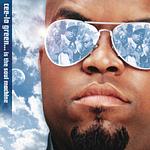
Cee-Lo Green... Is the Soul Machine (2004) is a solo album that blends downtempo grooves, electronic textures, hip hop rhythms, and neo soul vocalism. The record pairs vintage soul-influenced singing with contemporary beats and atmospheric production, moving between intimate balladry and more beat-driven tracks, and highlights CeeLo's flexibility as both a singer and rapper. It occupies a transitional place in his catalog, exploring eclectic arrangements and genre fusion that foreshadowed later creative directions.
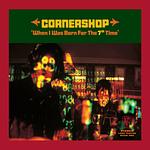
When I Was Born for the 7th Time is Cornershop's 1997 album that blends indie rock and Britpop songwriting with electronic production, big beat rhythms and downtempo grooves. The record layers South Asian instrumentation and samples with distorted guitars, horn arrangements and looped beats, creating music that alternates between propulsive, danceable tracks and more reflective moments. Its cross-cultural sound and eclectic arrangements highlight themes of identity and multicultural life in 1990s UK alternative music.
#17 — Low by David Bowie
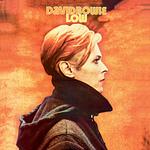
Low, released in 1977, finds David Bowie moving into a spare, electronic and ambient-influenced sound that began his Berlin-period work. Produced with Tony Visconti and featuring contributions from Brian Eno, the album splits between concise, experimental art pop and rock songs on the first side and largely instrumental, ambient and electronic pieces on the second side. Its textures combine synths, electronic treatments, fragmented vocal lines and minimalist arrangements, creating a cool, moody atmosphere that marked a notable stylistic shift in Bowie's career and influenced later blends of rock with ambient and electronic music.
#17 — Blood Money by Tom Waits
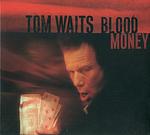
Blood Money, released in 2002, collects songs Tom Waits wrote for Robert Wilson's stage adaptation of Georg Büchner's Woyzeck. The album blends dark, theatrical and experimental rock with touches of folk and cabaret, marked by Waits's gravelly vocals, percussive arrangements, sparse piano and brass textures and a cinematic, uneasy atmosphere. Released the same year as Alice, Blood Money emphasizes Waits's stage-oriented songwriting and dramatic, character-driven narratives.
#17 — Diamond Princess by Trina

Diamond Princess (2002) by Trina is a Southern hip hop album rooted in Miami club and street rap, featuring bass-heavy, club-ready production and assertive, explicit lyricism. The record continues the themes of sexual confidence, independence, and street life established on her earlier work, and it emphasizes Trina’s bold, charismatic delivery and persona within the early 2000s hip hop scene.
#17 — Thank Me Later by Drake
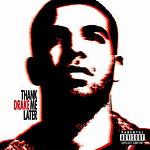
Thank Me Later, Drake's 2010 debut studio album, blends hip hop, contemporary R&B, pop rap and pop with moody, atmospheric production and a sung-rap vocal approach. The record pairs introspective lyrics about fame, relationships and ambition with polished, beat-driven arrangements and melodic hooks, showcasing both club-oriented tracks and slower, more reflective songs. As an early full-length statement, it helped establish the confessional, emotionally driven style that became a hallmark of Drake's work.
#17 — At War With the Mystics by The Flaming Lips
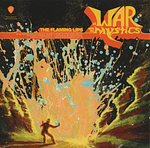
At War With the Mystics (2006) finds The Flaming Lips blending neo-psychedelia, noise pop, and progressive pop into dense, layered songs that mix shimmering electronic textures with guitar-driven passages and melodic hooks. The album alternates between expansive, orchestral-sounding arrangements and more rhythmically direct, propulsive tracks, and often foregrounds sharper, sometimes politically tinged lyrics compared with their earlier records. Overall it balances experimental studio effects with accessible songcraft.
#17 — The Flat Earth by Thomas Dolby
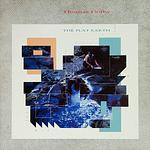
The Flat Earth is Thomas Dolby's 1984 album that blends new wave, art pop, electronic and rock elements. It pairs Dolby's layered synthesizer work and literate, often playful lyrics with more prominent guitar, bass and sax arrangements, producing songs that range from danceable, synth-driven numbers like "Hyperactive!" to moodier, atmospheric pieces. The record marks a move toward fuller, band-oriented production while retaining Dolby's quirky, technology-minded songwriting.
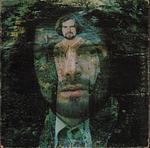
His Band and the Street Choir (1970) finds Van Morrison leaning into upbeat R&B and blue-eyed soul, blending blues rock, folk rock, and pop rock with punchy horn arrangements and gospel-influenced backing vocals. The record emphasizes communal, singalong choruses and energetic rhythms, offering a more extroverted, rhythmic counterpoint to his earlier, more introspective work. Morrison's raw vocal delivery and emphasis on horns and group vocals give the album a lively, soulful sound that highlights his interest in blending rock and soul traditions.
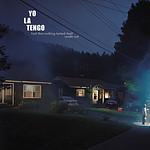
And Then Nothing Turned Itself Inside-Out (2000) is a subdued, intimate Yo La Tengo album that favors slow, restrained arrangements and soft vocal harmonies. It blends indie rock songwriting with lo-fi textures, gentle acoustic and electric guitars, subtle electronics and occasional noise or ambient touches, creating a contemplative, mood-driven record that contrasts with the band’s more upbeat or louder work.
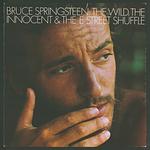
The Wild, the Innocent & the E Street Shuffle is Bruce Springsteen's second album, built around evocative, character-driven songwriting and loose, band-centered arrangements. Musically it blends folk rock and rock with noticeable jazz rock touches, featuring extended saxophone, organ, and piano passages that give several tracks a cinematic, improvisatory feel. The record played an important role in shaping Springsteen's narrative approach and the E Street Band's ensemble sound, with songs that unfold as urban vignettes and long-form arrangements rather than concise pop singles.
#17 — Feast of Wire by Calexico
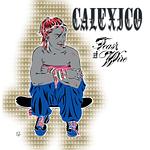
Feast of Wire (2003) finds Calexico deepening the band’s borderlands blend of rock, folk rock, alternative and Americana by folding in mariachi-tinged horns, accordion, pedal steel and string arrangements to create cinematic, desert-tinged textures. Songs move between sparse, intimate folk and fuller, orchestral moments, balancing roots instrumentation with subtle studio detail. The album helped define Calexico’s signature sound of evocative, travel-worn atmospheres and cross-cultural orchestration.
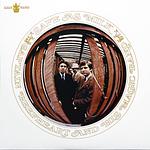
Safe as Milk is the 1967 debut album by Captain Beefheart and His Magic Band, combining blues-rooted songwriting with psychedelic textures and off-kilter, idiosyncratic vocals. The record pairs raw electric guitar and harmonica with unconventional arrangements and lyrical oddities, signaling a move away from straightforward blues rock toward more experimental, proto-alternative approaches that the group would develop further in later releases.
#17 — Shine a Light by Constantines
Shine a Light (2003) by Constantines is a guitar-driven indie rock record that blends post-punk urgency, blues-tinged riffs, and organ textures. The band pairs raw, impassioned vocals with dynamic arrangements that move from restrained verses to anthemic, full-band climaxes, and the lyrics frequently mix personal and political concerns. The album helped define the group's sound in the early 2000s indie rock scene, marked by intensity, tight interplay, and a willingness to draw on classic rock and punk influences.
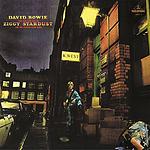
The Rise and Fall of Ziggy Stardust and the Spiders From Mars (1972) is a loose concept album in which David Bowie adopts the persona of Ziggy Stardust, an androgynous alien rock star. Musically it blends glam rock theatricality with straightforward rock and pop songwriting and elements of art rock, driven by Mick Ronson's guitar work and arrangements and a rhythm section that supports both crunchy rock numbers and quieter, melodic passages. The album is notable for its narrative focus, dramatic vocals, and cinematic arrangements that helped define Bowie's early 1970s sound and stage persona.
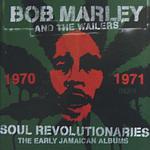
This 2005 compilation gathers early Jamaican-era recordings by Bob Marley & The Wailers in a roots reggae and dub idiom. The material emphasizes bass-driven rhythms, spare dub-style production and close vocal harmonies, presenting rawer, formative versions of the group's sound and songs with lyrical focus on spirituality and social concerns.
#17 — The Cold Vein by Cannibal Ox
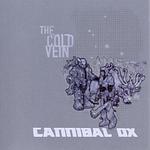
The Cold Vein (2001) by Cannibal Ox, produced by El-P and released on Definitive Jux, pairs stark, electronic-tinged production with dense, abstract East Coast lyricism from Vast Aire and Vordul Mega. The album emphasizes moody, cinematic instrumentals, layered synth textures, and hard-hitting beats that frame vivid, often surreal urban narratives and complex internal rhyme patterns, and it is widely regarded as a defining release in early 2000s underground hip hop.
#17 — Live Through This by Hole
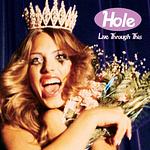
Live Through This, released in 1994 by Hole, blends grunge, punk, and alternative rock with raw, guitar-driven arrangements and strong melodic hooks. Courtney Love's vocals move between snarling aggression and vulnerable melody, anchored by lyrics that confront gender, identity, and personal trauma. The album pairs abrasive textures with pop-influenced songcraft, forming a defining statement for the band within 1990s alternative rock.
#17 — Machine Head by Deep Purple
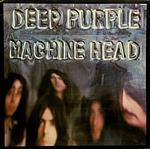
Machine Head, released in 1972 by Deep Purple, is a landmark hard rock album built around heavy, riff-driven songs, a prominent Hammond organ, and aggressive, blues-rooted guitar and vocals. It includes the riff-driven 'Smoke on the Water' and balances concise, hard-hitting tracks with extended jams that showcase Ritchie Blackmore's guitar, Jon Lord's organ textures, Ian Gillan's commanding voice, and a tight rhythm section. The album's raw sound and blend of blues, classical-tinged organ lines, and amplified guitar helped shape early heavy metal and arena rock styles.
#17 — Transformer by Lou Reed
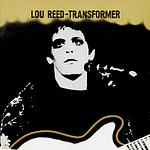
Transformer, released by Lou Reed in 1972, blends glam rock, art rock, and pop rock with a more polished production than his Velvet Underground work. Produced by David Bowie and Mick Ronson, the album pairs Reed's cool, narrative vocal style with melodic arrangements, strings, and distinctive guitar work. Songs such as "Walk on the Wild Side", "Perfect Day", and "Satellite of Love" present concise character-driven vignettes about New York life while adopting a more accessible, glam-influenced sound, making the record a key moment in Reed's solo career.
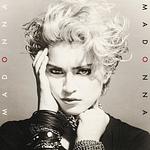
Madonna's 1983 self-titled debut is a tightly focused dance-pop record built around synth-driven arrangements, drum machine grooves and hook-forward songwriting. It mixes pop and synth-pop textures with club-oriented production and occasional rock-tinged guitar elements, showcasing her direct, flexible vocal delivery and emerging persona. The album's concise, upbeat tracks helped introduce her sound to mainstream pop and club audiences and established a template for her early career.
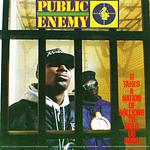
It Takes a Nation of Millions to Hold Us Back is Public Enemy's 1988 album that pairs confrontational, politically driven lyricism with dense, abrasive production. The Bomb Squad's layered, collage-like use of samples, sirens and jagged beats creates a thick, chaotic soundscape that underpins Chuck D's authoritative social commentary and Flavor Flav's rhythmic interjections. The album emphasizes themes of racial injustice, institutional power and media critique while expanding hip hop's sonic and rhetorical possibilities, influencing the development of East Coast, political and hardcore hip hop styles.
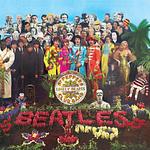
Sgt. Pepper's Lonely Hearts Club Band is a 1967 Beatles album that blends rock, psychedelic rock, baroque pop and pop with extensive studio experimentation. It features layered production, orchestral arrangements, unusual instrumentation and song sequencing that create a loose concept-album feel, and includes tracks such as "Lucy in the Sky with Diamonds", "Eleanor Rigby", "With a Little Help from My Friends" and "A Day in the Life". The album is often described as a milestone in popular music for its ambitious production and its expansion of pop and rock sounds.
#17 — Berlinette by Ellen Allien

Berlinette is Ellen Allien's 2003 album on her BPitch Control label that blends techno, electro and breaks with precise, often glitchy beat programming and melodic synth work. The record pairs club-focused rhythms with experimental sound design and a cool, Berlin-influenced atmosphere, emphasizing tight percussion, bright lead lines and processed vocal fragments to create a distinctive mix of dancefloor energy and textural detail.
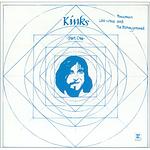
Lola Versus Powerman and the Moneygoround, Part One is a loose concept album by The Kinks in which Ray Davies delivers a satirical, narrative take on the music business through character-driven songs. Musically it moves between rock and pop rock, with folk-tinged acoustic moments, occasional harder-edged guitar work and concise, hook-oriented arrangements that presage power pop; the record balances piano-led ballads and punchy electric numbers. It includes the song "Lola" and is characterized by its storytelling focus and sharp, observational lyrics about managers, publishers and the commercial side of popular music.
#17 — Live at the Aquarium by Michael Brook