 The Greatest Music
1001 Albums You Must Hear Before You Die (2005)
Weight: 60%
How much this list influences our overall rankings. Higher weight means more reliable data.
Penalties Applied:
1001 Albums You Must Hear Before You Die is a long-running reference book series (first published 2005; revised in 2010, 2013, 2016, 2018, and 2021) edited by Robert Dimery. It’s an editorial anthology, not a ranked poll: each entry is a short critic-written essay, sequenced roughly chronologically from the 1950s onward, with compilations/most film soundtracks excluded. Later editions swap in newer releases (e.g., the 2021 edition closes with Jazmine Sullivan’s Heaux Tales), so the title “1001” is a rolling canon rather than a fixed list across editions.
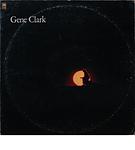
Gene Clark is a 1971 self-titled solo album that finds the former Byrds songwriter moving toward a quieter, more introspective take on country rock and folk rock. The record emphasizes Clark's melodic, melancholic vocals and literate songwriting, pairing acoustic-based arrangements with occasional electric touches and subtle studio embellishments. It stands as an example of his shift from jangly group work to intimate, country-inflected solo material and is often cited for its strong tunes and emotional directness.
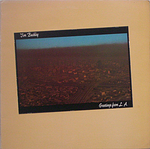
Greetings From L.A. (1972) marks Tim Buckley’s move toward a tighter, groove-oriented sound drawing on funk, jazz fusion and soul jazz. The record emphasizes electric instrumentation, rhythmic bass and punchy arrangements that support Buckley’s expressive, R&B-inflected vocals and shorter, more direct song forms. It stands as a clear stylistic shift in his catalog from earlier folk and avant-garde experiments toward rhythm-driven, soul-influenced music.
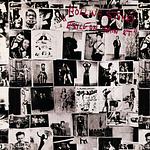
Exile on Main St. is a 1972 double album by The Rolling Stones that blends rock, blues rock, roots rock and country-inflected sounds into a loose, swampy collection of songs. Largely recorded at a villa in southern France with additional sessions in Los Angeles, the record features murky, layered production, horn and gospel-tinged backing vocals, and a raw, rootsy approach that mixes blues, country, soul and rock elements. Its sprawling sequencing and rough-edged sound mark it as a notable example of the band's early 1970s exploration of American roots music.
Future Days by Can
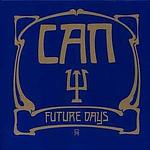
Future Days, released in 1973 by Can, is a Krautrock album that moves the band toward spacious, ambient and groove-based textures. The music rests on Jaki Liebezeit's precise, trance-like rhythms and Holger Czukay's restrained bass, with Irmin Schmidt's keyboards and Michael Karoli's guitar creating layered, pastoral motifs around Damo Suzuki's sparse, evocative vocals. The record emphasizes long, hypnotic pieces and studio experimentation with tape and editing to produce drifting, atmospheric soundscapes that have influenced later ambient and post-rock directions.
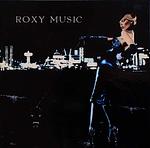
For Your Pleasure, Roxy Music's second studio album released in 1973, refines the band's art rock and glam approach with theatrical arrangements, sleek pop songwriting and abrasive experimental textures. Bryan Ferry's elegant, ironic vocals ride over Andy Mackay's saxophone, Phil Manzanera's guitar work and Brian Eno's synthesizer treatments, producing songs that range from seductive to unsettling, notably "Do the Strand" and "In Every Dream Home a Heartache". The album is the last to feature Eno and is often cited for combining glamour and avant garde production with a raw edge that points toward proto-punk and post-punk sounds.
Faust IV, released in 1973, spreads the group's experimental krautrock approach across songs that balance concise rock and pop forms with abrupt tape edits, noise passages, and electronic textures. The album is marked by mechanical rhythms, unusual production techniques and a willingness to juxtapose melody with collage and studio experimentation, making it a representative example of Faust's blend of avant garde methods and rock instrumentation. Its sound highlights the band's interest in studio manipulation and contrasts between accessible songwriting and disruptive sonic exploration.
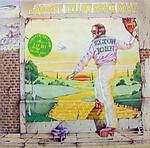
Goodbye Yellow Brick Road is Elton John’s 1973 double album that crystallizes his piano-led blend of pop rock, glam and soft rock into a varied, ambitious set. It moves between raucous rockers like "Saturday Night's Alright for Fighting" and intimate ballads such as "Candle in the Wind", featuring theatrical vocals, rich arrangements and melodic songwriting from his partnership with lyricist Bernie Taupin. The title track and "Bennie and the Jets" display studio experimentation alongside straightforward pop craft, making the record a defining release from his early 1970s period.
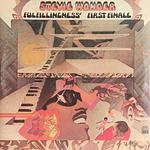
Fulfillingness’ First Finale (1974) finds Stevie Wonder refining the soulful, genre-blending approach he developed in the early 1970s. The album pairs intimate, introspective songwriting and social commentary with economical, groove-driven arrangements that draw on soul, funk, pop and occasional rock or disco rhythms. Wonder’s multi-instrumental production emphasizes keyboards and warm synth textures alongside melodic vocals and understated backing, giving the record a focused, contemplative character within his mid-1970s run of albums.
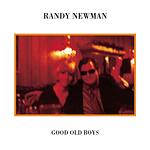
Good Old Boys (1974) is a piano led album in which Randy Newman examines the American South through character-driven songs that blend rock and chamber pop elements. Newman uses unreliable narrators and darkly ironic lyrics to address race, history, and politics, moving between caustic satire and plaintive balladry while arranging songs with everything from intimate piano backing to fuller orchestral and horn textures. The record stands out for its narrative songwriting and its more overtly topical, sardonic tone compared with some of his earlier work.
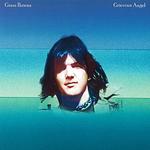
Grievous Angel is Gram Parsons's second solo album, released posthumously in 1974. It melds country, rock, and folk with spare acoustic arrangements, pedal steel and tasteful electric guitar, pairing Parsons's plaintive lead vocals with Emmylou Harris's close harmonies. The songs move between mournful ballads and more upbeat country rock numbers and dwell on themes of love, loss, travel and mortality. The record's blending of traditional country instrumentation with rock songwriting helped define the country rock sound and anticipated later Americana artists.
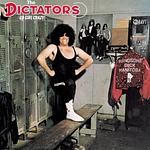
Go Girl Crazy, the Dictators' 1975 debut, delivers a raw, raucous blend of garage rock, hard rock, and proto-punk with snarling guitars, driving rhythms, and tongue-in-cheek, often satirical lyrics. Its rough-edged sound and streetwise attitude positioned the band as an early bridge between classic rock sensibilities and the emerging punk mentality, and the album is often cited for its energetic, irreverent persona.
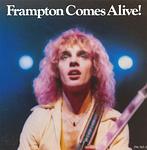
Frampton Comes Alive! is a 1976 double live album by English guitarist and singer Peter Frampton that mixes rock, pop rock and AOR with moments of harder-edged playing; it captures extended, audience-driven performances of songs like "Show Me the Way" and "Do You Feel Like We Do", showcases Frampton's melodic guitar work and distinctive talk box tones, and is widely regarded as the breakthrough release that brought him broad mainstream recognition.
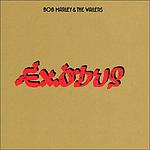
Exodus (1977) by Bob Marley & The Wailers is a landmark roots reggae album that pairs bass-driven, skanking rhythms with warm lead vocals and close backing harmonies. Its songs range from spiritual and politically charged lyrics to intimate love songs, carried by spare, dub-influenced arrangements, organ fills, and steady, groove-oriented production. Recorded while Marley was based in London, the record is often cited for combining militant themes and uplifting melodies into a concise, cohesive set of tracks.
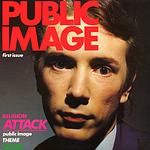
First Issue is the 1978 debut album by Public Image Ltd, the post-punk group fronted by former Sex Pistols singer John Lydon. The record shifts away from punk into a more experimental territory, combining heavy, dub-influenced bass, angular and metallic guitar textures, sparse drums and occasional electronic touches. Its abrasive, unconventional song structures and chant-like vocals helped define an art punk/post-punk approach that influenced subsequent alternative music.
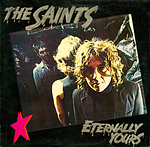
Eternally Yours is the Saints' 1978 follow-up to their debut, moving from the terse, garage-influenced punk of their first record toward a fuller, more melodic sound that mixes punk energy with R&B, pop rock and classic rock elements. The album features tighter arrangements, prominent keyboards and a horn-driven approach on tracks such as "Know Your Product", showing the band experimenting with broader instrumentation and longer song structures while retaining a raw edge. It marks a clear step in the group's development as they broadened the sonic palette of early Australian punk.
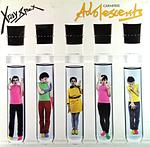
Germfree Adolescents, released in 1978 by X-Ray Spex, is a bracing punk album defined by Poly Styrene's distinctive high, declamatory vocals and tight, propulsive arrangements. Musically it pairs jagged, fast punk rock guitars and drums with prominent saxophone lines that add a melodic, slightly off-kilter texture bridging punk and new wave. Lyrically the songs confront consumerism, identity and conformity with direct, satirical phrasing, and the record is frequently singled out for its energetic performances and for amplifying a female-fronted voice within the late 1970s British punk scene.
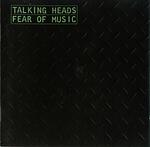
Fear of Music, released in 1979 and produced by Brian Eno, is a rhythmically driven album that blends New Wave and post-punk immediacy with art rock experimentation. The record foregrounds spare, propulsive grooves, angular guitars and David Byrne's tense, observational vocals, augmented by electronic textures and studio layering that nudged the band toward wider polyrhythmic and funk influences on subsequent recordings. Thematically the songs probe urban anxiety and fractured narrative perspectives, marking a pivotal step in the band's evolution.
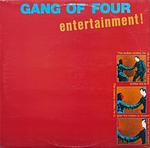
Entertainment!, the 1979 debut by Gang of Four, combines punk urgency with funk-influenced dance rhythms and art-punk angularity. The album is built on staccato, jagged guitar figures, propulsive, groove-driven bass and tight, rhythmic arrangements that favor economy and texture. Lyrically it offers direct, politically charged critiques of consumerism, interpersonal power and modern capitalism, delivered with a cool, detached vocal approach. The spare, abrasive sound and focus on rhythm and ideas helped define a strand of post-punk that fed into later dance-punk and alternative music.
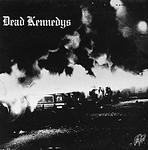
Fresh Fruit for Rotting Vegetables is the 1980 debut album by Dead Kennedys, rooted in fast, abrasive punk and early hardcore while incorporating surf-influenced guitar work and occasional melodic hooks. The record pairs brisk, tightly arranged songs with Jello Biafra's satirical, politically charged lyrics and dark humor, exemplified by tracks such as "Holiday in Cambodia" and "California Über Alles". Its sound and tone were influential in shaping the West Coast punk and hardcore scene.
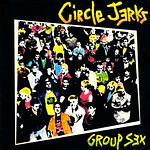
Group Sex, released in 1980 by Circle Jerks, is a concise, high-energy hardcore punk album built from short, blistering songs, fast tempos, and Keith Morris's snarling vocals. The record's raw production and blunt songwriting capture the urgency of the early Los Angeles hardcore scene, with tight guitar and drum interplay and an emphasis on speed and attitude that helped define the band's place in punk history.
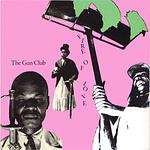
Fire of Love is The Gun Club's 1981 debut album, led by Jeffrey Lee Pierce, that fuses raw punk energy with Delta blues and rockabilly influences to create a stark, atmospheric punk blues sound. The record is notable for its reverb-heavy, sometimes abrasive guitars, occasional slide textures, propulsive rhythms, and Pierce's weary, literary vocal delivery and lyrics that draw on noir and romantic violence. Its lo-fi urgency and blending of traditional blues tropes with post-punk sensibilities helped establish a template for psychobilly and punk-blues approaches that influenced later bands exploring the intersection of punk and roots music.
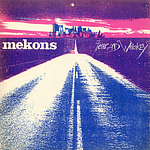
Fear and Whiskey, released in 1985 by The Mekons, shifts the band from its punk roots toward a rootsy, country-tinged sound that combines punk energy with folk and country instrumentation. The record pairs raw, stripped production and literate, sometimes bleak lyrics with fiddle, acoustic guitar and other traditional textures, producing a tense, restless atmosphere. Its fusion of political and personal themes and its unorthodox arrangements make it a distinctive and frequently discussed entry in the band's catalogue.
EVOL by Sonic Youth
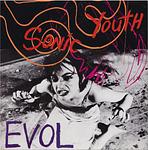
EVOL, released in 1986, finds Sonic Youth moving from abrasive No Wave experiments toward more song-based structures while retaining their signature dissonant guitars, alternate tunings, feedback and textural noise. The record mixes jagged, noisy passages with more melodic moments and alternating vocals, marking a transitional step that helped shape their approach to alternative and experimental rock.
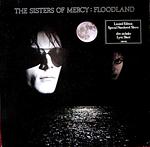
Floodland (1987) finds The Sisters of Mercy shifting toward a more synth-driven, atmospheric take on gothic rock, blending dark wave and dance-rock elements with prominent sequencers and the drum machine Doktor Avalanche. Andrew Eldritch's deep baritone is set against dense keyboards, echoing guitars and choir-like vocal overdubs on songs such as "This Corrosion", "Dominion/Mother Russia" and "Lucretia My Reflection". The album emphasizes spacious, cinematic arrangements and a brooding, nocturnal mood that helped define a strand of late 1980s dark alternative music.
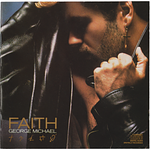
Faith is George Michael's 1987 solo debut, blending pop, dance-pop, dance-rock and pop rock with soul and R&B influences. The album pairs tight, groove-oriented production and layered synths with prominent guitar work and polished vocal arrangements, moving between upbeat dance tracks and more intimate ballads. Lyrically it covers love, desire, identity and the pressures of fame, and it represents a stylistic shift from his work with Wham! toward a more mature singer-songwriter and producer persona.
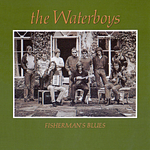
Fisherman's Blues, released in 1988 by The Waterboys, represents a deliberate shift from the band's earlier expansive rock toward a rootsy folk rock sound. Led by Mike Scott, the album foregrounds acoustic instrumentation and traditional influences, with fiddle and other folk textures interwoven with rock rhythms to produce a loose, earthy atmosphere. Its more collaborative, band-driven arrangements and embrace of Celtic and American folk elements helped redefine the group’s musical direction.
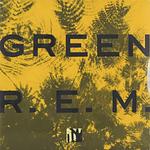
Green, released in 1988, is R.E.M.'s sixth studio album and their first on a major label. It blends the band's jangly alternative rock roots with brighter pop hooks and occasional harder-edged guitar sounds, while experimenting with varied textures and arrangements. The lyrics take on more overt political and topical themes alongside lighter singalong moments, yielding a diverse record that includes songs such as "Orange Crush" and "Stand".
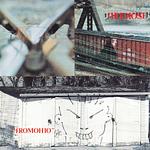
fROMOHIO, fIREHOSE's 1989 album, blends punk urgency with alternative rock sensibilities and a lean, melodic approach. The trio’s sound emphasizes Mike Watt's propulsive, melodic bass and George Hurley’s syncopated drumming beneath Ed Crawford’s direct vocals and angular guitar, with songs that shift between brisk, punchy punk numbers and more reflective, tuneful pieces. The record highlights the band’s knack for tight arrangements and a balance of intensity and melodic nuance.
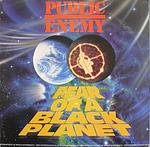
Fear of a Black Planet, released by Public Enemy in 1990, combines politically charged, socially conscious lyrics with the Bomb Squad's dense, sample-heavy production. Its abrasive, layered sound uses hard-hitting beats, dissonant textures, and collaged samples to underpin Chuck D's authoritative delivery and Flavor Flav's contrasting ad-libs. The record pushes hip hop toward experimental and hardcore directions while foregrounding themes of race, media, and power, and it is often described as a landmark of East Coast and conscious hip hop.
Goo by Sonic Youth
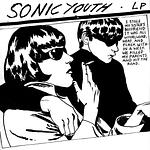
Goo (1990) finds Sonic Youth moving their underground noise and experimental guitar work into more song-focused arrangements following their move to a major label. The album blends dissonant, alternate-tuned guitars, dense feedback and textural noise with clearer melodic hooks and shorter song forms, evident on tracks like "Kool Thing" and "Dirty Boots". Kim Gordon's vocal presence and the interlocking guitars of Thurston Moore and Lee Ranaldo give the record a gritty, art rock edge while retaining the band's experimental impulses.
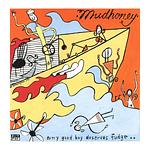
Every Good Boy Deserves Fudge (1991) is a raw, fuzz-drenched grunge album that leans on garage rock and punk energy, featuring distorted guitars, loose, noisy production, and raucous vocals. It captures the rougher, underground Seattle sound of the era and highlights Mudhoney's blend of heavy riffs, unpolished textures, and a rough-edged sense of humor.
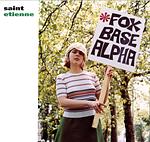
Foxbase Alpha is Saint Etienne's 1991 debut, blending acid house and house rhythms with indie pop songwriting and electronic textures. The album pairs danceable, sample-driven production and shimmering synths with nostalgic references to 1960s pop and cinematic sound collage, anchored by Sarah Cracknell's vocal presence and the single "Only Love Can Break Your Heart". Its fusion of club beats and retro pop helped establish an early indietronica and alternative dance approach in the UK scene.
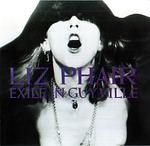
Exile in Guyville, Liz Phair's 1993 debut, blends indie rock and alternative rock with lo-fi, guitar-driven arrangements and frank, conversational lyrics. The album's spare production and direct vocal delivery create a confessional, intimate tone that foregrounds personal and gendered perspectives in rock music. Its combination of catchy melodies and rough-edged sonics helped establish Phair's distinctive voice within 1990s independent rock and has been cited as influential for later singer-songwriters in alternative and DIY scenes.
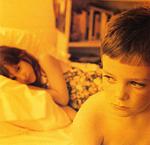
Gentlemen, released in 1993 by The Afghan Whigs, blends alternative rock with soul and R&B influences, pairing gritty guitar-driven arrangements with sweeping, sometimes orchestral touches. Greg Dulli's raw, expressive vocals and introspective, often dark lyrics explore desire, jealousy and toxic relationships, giving the record a cinematic emotional intensity. The album is notable for its fusion of bruising rock dynamics with Motown-flavored horns and strings and includes standout songs such as "Debonair" that helped broaden the band's sound beyond typical indie rock conventions.
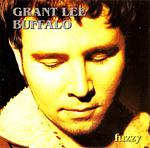
Fuzzy, released in 1993, is Grant Lee Buffalo's debut album that established the band's signature blend of acoustic-rooted Americana and atmospheric alternative rock. The record pairs plaintive, reverb-tinged vocals and acoustic guitar with organ swells, distorted electric textures, and propulsive rhythms to create wide, dramatic arrangements. Lyrically the songs favour literate, often enigmatic storytelling, and musically the album mixes folk and roots touchstones with the louder dynamics and textures of early 1990s indie rock. Fuzzy set a clear template that the band expanded on in subsequent releases.
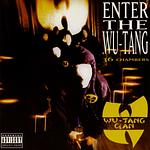
Enter the Wu-Tang (36 Chambers) is the 1993 debut album by Wu-Tang Clan, built on raw, lo-fi boom bap production and heavy use of martial arts film samples. Largely produced by RZA, it features sparse, gritty beats and layered vocal interplay that highlight the collective's nine distinct MCs and stark, street-centered lyricism. Its aggressive East Coast sound and unconventional group structure became a touchstone for hardcore hip hop and had a lasting influence on production trends and crew-centered projects.
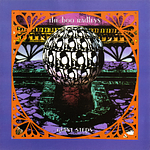
Giant Steps, released by The Boo Radleys in 1993, blends indie rock and psychedelic textures with rock energy and electronic touches. The album pairs chiming, layered guitars and dense production with bright pop songwriting, occasional string arrangements and synth atmospheres, shifting between noisy, shoegaze-inspired passages and cleaner, hook-driven tracks. It is widely seen as the band’s major artistic leap that expanded the sonic palette of early 1990s British indie by combining experimental production with accessible melodies.
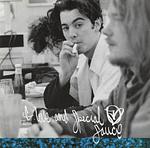
G. Love & Special Sauce is the band’s 1994 self-titled debut, presenting a loose, groove-oriented fusion of blues, rock, and jazz with strong streetwise rhythmic elements. G. Love’s conversational vocals and harmonica sit over simple, often acoustic guitar lines, warm bass, and laid-back beats, creating a relaxed, jammy feel that blends traditional blues phrasing with contemporary grooves. The record introduced the trio’s signature organic sound and its approach of mixing roots styles with modern rhythmic sensibilities.
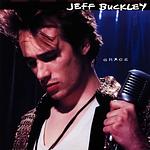
Jeff Buckley’s 1994 album Grace blends rock, alternative and folk influences into a singer-songwriter framework centered on his wide-ranging, expressive voice and intricate guitar work. The songs move between intimate acoustic passages and fuller, electric arrangements, combining delicate folk textures, soulful vocal runs, and dramatic dynamic shifts. The album is notable for its emotional intensity and for Buckley’s memorable reinterpretation of Leonard Cohen’s “Hallelujah,” and it remains influential for listeners and musicians drawn to expressive vocal performance and genre-blurring songwriting.
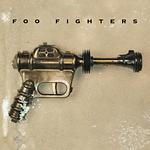
Foo Fighters is the 1995 debut album largely recorded by Dave Grohl after the end of Nirvana. It mixes grunge-tinged, guitar-driven rock with strong power pop melodies and concise, energetic songcraft, presented with a raw, lo-fi production that highlights Grohl's transition into a songwriter and the initial blueprint for Foo Fighters as a full band.
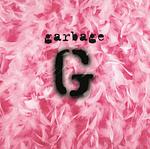
Garbage is the 1995 debut album by Garbage, produced by the band with Butch Vig. It melds alternative rock and pop with electronic textures and alternative dance rhythms, featuring dense, sample-informed production, distorted guitars and Shirley Manson's distinctive vocals. The material pairs catchy hooks with noisy, layered sonics and lyrical tones of irony and angst, establishing the band's polished yet abrasive sound in the mid 1990s.
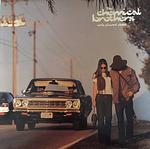
Exit Planet Dust is The Chemical Brothers' debut studio album, released in 1995, that helped establish their signature big beat approach of propulsive breakbeats, heavy bass, sample-driven textures and occasional downtempo interludes. Songs such as "Leave Home" and "Life Is Sweet" blend rock-tinged guitar fragments, hip hop style sampling and house and techno production to create both high-energy club tracks and more atmospheric pieces. The record is notable for crystallizing a mid-1990s strain of sample-heavy, club-oriented electronica that would influence contemporaries and later electronic artists.
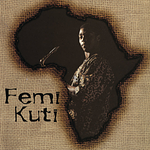
Femi Kuti (1995) is the Nigerian bandleader's self-titled album that extends the Afrobeat tradition with his own contemporary touch. It emphasizes extended, danceable grooves built from layered percussion and syncopated bass, bold horn arrangements, and a blend of funk, jazz, and West African rhythmic patterns, with call-and-response vocals and lyrics that address social and political concerns. The overall sound is horn-forward and energetic, reflecting live-band dynamics with production elements of the mid 1990s.
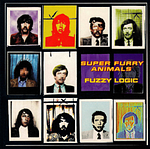
Fuzzy Logic is the 1996 debut album by Super Furry Animals that blends indie rock and pop with psychedelic textures and playful, often surreal songwriting. The record pairs bright, melodic hooks and vocal harmonies with layered production and occasional electronic touches, reflecting a willingness to mix classic pop songcraft with experimental sounds. Emerging during the Britpop era, it established the band’s eclectic approach and taste for richly arranged, genre-blurring material.
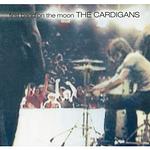
First Band on the Moon, the Cardigans' third studio album released in 1996, refines their mix of bright, melodic pop and darker lyrical undertones by blending indie pop, alternative rock and lounge-tinged arrangements with occasional bossa nova influences. Nina Persson's cool, intimate vocals sit over polished, often minimalist instrumentation, featuring clean guitars, subtle strings and light electronic touches while Peter Svensson's songwriting pairs upbeat melodies with bittersweet themes. Produced by Tore Johansson, the album includes the song "Lovefool", which became one of the band's best-known tracks and helped introduce them to a wider international audience.
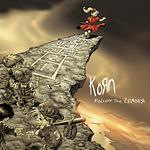
Follow the Leader, Korn's 1998 album, refines the band's nu metal approach with downtuned, syncopated guitar riffs and heavy, percussive bass anchored by hip-hop influenced beats and DJ textures. Jonathan Davis's vocal delivery alternates between whispered melody, visceral screams, and rhythmic spoken lines, while the band blends sludgy heaviness with moments of funk-derived groove and experimental noise. The record is often cited as a defining example of late 1990s nu metal for its fusion of metal, hip-hop, and alternative elements into a more expansive studio sound.
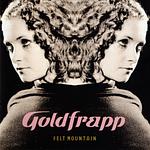
Felt Mountain is Goldfrapp's 2000 debut that blends trip hop, downtempo electronic and art pop into a cinematic, nocturnal sound. Alison Goldfrapp's breathy, sometimes theatrical vocals float over sparse beats, analogue synth textures and sweeping string arrangements, creating a mix of ambient pop atmospheres, cabaret-tinged torch songs and noirish mood pieces. The record is often cited for its strong sense of atmosphere and for introducing the duo's distinctive combination of electronic production and orchestral touches.
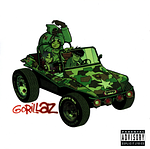
Gorillaz is the 2001 debut album from the virtual band conceived by Damon Albarn and Jamie Hewlett. The record blends electronic production, alternative rock, trip hop and hip hop, pairing programmed beats and dub-influenced textures with live instrumentation and guest vocal contributions. It is marked by moody, cinematic melodies, catchy hooks and an eclectic, collage-like approach to genre that established the band’s animated characters and collaborative identity.
Gold by Ryan Adams

Gold, released in 2001, is Ryan Adams's major-label solo album that expands on his alt-country roots with fuller rock arrangements and melodic folk rock songwriting. The record moves between rousing electric tracks and intimate acoustic ballads, with prominent piano, layered guitars and direct, confessional lyrics; songs such as "New York, New York", "When the Stars Go Blue" and "Answering Bell" illustrate its blend of Americana, country and rock sensibilities. The album served as a key early solo statement that showcased Adams's range beyond his earlier work with Whiskeytown.
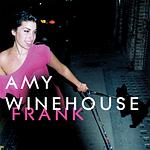
Frank is Amy Winehouse's 2003 debut album that blends jazz, soul, pop, acid jazz and blues into a contemporary, retro-informed sound. The record uses jazz-influenced arrangements and live instrumentation, with rhythms drawn from R&B and hip hop to support Winehouse's warm, expressive vocal delivery and candid, literate songwriting. Its intimate, conversational lyrics and sophisticated phrasing introduced her as a distinctive young artist who combined classic jazz vocal traditions with modern urban influences.
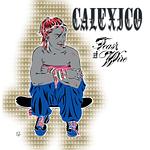
Feast of Wire (2003) finds Calexico deepening the band’s borderlands blend of rock, folk rock, alternative and Americana by folding in mariachi-tinged horns, accordion, pedal steel and string arrangements to create cinematic, desert-tinged textures. Songs move between sparse, intimate folk and fuller, orchestral moments, balancing roots instrumentation with subtle studio detail. The album helped define Calexico’s signature sound of evocative, travel-worn atmospheres and cross-cultural orchestration.
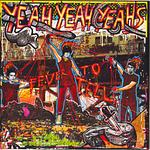
Fever to Tell, the 2003 debut by Yeah Yeah Yeahs, blends raw garage rock energy with art-punk angularity and moments of restrained, emotive songwriting. The album is marked by jagged guitar lines, propulsive drums, and Karen O's urgent, theatrical vocals, shifting from frenetic tracks to the quieter, piano-accented ballad "Maps". It helped define the band’s sound within the early 2000s indie and garage rock revival.
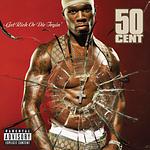
Get Rich or Die Tryin' is 50 Cent's 2003 debut studio album that blends gangsta rap and East Coast hip hop with pop-leaning hooks and occasional blues-tinged motifs. The record juxtaposes hard-edged street narratives and a confrontational vocal delivery with polished, beat-driven production and catchy choruses, moving between sparse, ominous tracks and more accessible, melody-centered songs. Its combination of raw storytelling and commercial sensibility helped shape a mainstream early 2000s rap sound.
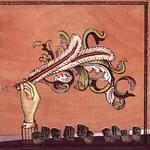
Funeral is Arcade Fire's 2004 debut studio album. It mixes indie rock, art pop and chamber pop with bursts of punk energy, combining strings and brass with driving guitars and collective vocals. The songs pair intimate, emotionally direct lyrics about loss and youth with expansive, cathartic arrangements and singalong choruses, and the warm, occasionally raw production emphasizes theatrical dynamics and layered acoustic and electric instrumentation.
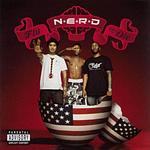
Fly or Die, released in 2004 by N*E*R*D, blends alternative rock, electronic textures, funk grooves and hip hop into a more band-oriented sound. Produced by The Neptunes, the record foregrounds live drums and guitars alongside synth layers and rhythmic, pop-leaning hooks, with Pharrell Williams alternating melodic singing and edgy vocals. The album moves the group's sound toward a rock-funk hybrid that balances abrasive energy and accessible choruses, exemplified by singles such as 'She Wants to Move' and 'Maybe.'
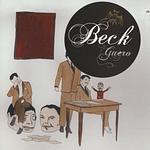
Guero is Beck's 2005 album that blends alternative rock, folk rock, alternative dance and electronic elements into sample-rich, collage-like songs. Co-produced with the Dust Brothers, the record juxtaposes punchy, beat-driven tracks, melodic hooks and offbeat, surreal lyrics, moving between acoustic touches and layered studio textures that revisit his earlier eclecticism with a more polished sonic approach.
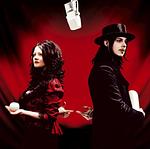
Get Behind Me Satan (2005) is The White Stripes' fifth studio album, notable for moving away from the band's earlier garage blues toward arrangements built around piano, marimba and acoustic instruments with a stronger emphasis on percussion. Jack White's songwriting on the record favors concise, melodic structures and some experimental textures while Meg White's sparse drumming remains a steady rhythmic anchor. The record blends elements of alternative, indie and blues rock into a sparser, more varied sound that marked a clear evolution in the duo's approach to instrumentation and songcraft.
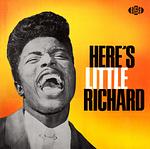
Here's Little Richard, released in 1957 on Specialty Records, collects his early singles and studio tracks that helped define his raw, frenetic brand of rock and roll. The album features piano-driven boogie rhythms, explosive vocals with gospel-influenced shouts, driving backbeats, and raucous saxophone accents on songs such as Tutti Frutti and Long Tall Sally, emphasizing rhythmic intensity and exuberant performance. It is regarded as a foundational rock and roll record that influenced many later artists.
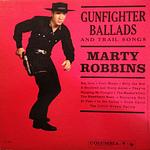
Gunfighter Ballads and Trail Songs, released in 1959 by Marty Robbins, is a collection of Western-themed country ballads that blends traditional country instrumentation with Tex-Mex and Tejano influences. Robbins foregrounds cinematic, narrative songwriting supported by acoustic and steel guitar and occasional Mexican-flavored guitar touches, with well known tracks such as "El Paso" and "Big Iron" exemplifying the album's storytelling focus. The record is often cited for shaping the mid-century Western ballad style within country music.
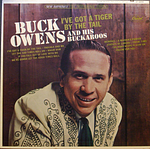
I’ve Got a Tiger by the Tail (1965) by Buck Owens and the Buckaroos exemplifies the Bakersfield country sound: crisp, twangy Telecaster leads, prominent pedal steel, tight rhythm playing, and close harmony vocals that drive a lively honky-tonk feel. The title track is an energetic, concise country-pop single in the Buckaroos’ distinctive style, and the album as a whole favors straightforward songwriting and economical arrangements over the smoother productions coming out of Nashville at the same time.
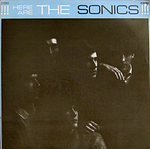
Here Are the Sonics!!! (1965) is the debut album by The Sonics, delivering a raw, aggressive take on garage rock that foreshadowed punk. The record is built around snarling lead vocals, heavily distorted guitars, raucous saxophone and propulsive drumming captured in a lo-fi, live-in-studio sound. Its visceral energy and abrasive production helped shape the aesthetic of later garage and punk bands.
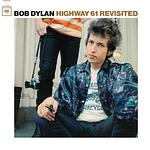
Highway 61 Revisited, released in 1965 by Bob Dylan, marks a decisive shift from acoustic folk toward a fuller electric rock and blues rock sound. The album combines conversational, often surreal lyrics with band arrangements that feature electric guitar, piano and organ, moving between propulsive, riff-driven tracks and slower, blues-inflected numbers. Its songs expand folk storytelling into longer, more free-associative forms and place literary, image-rich writing into a rock context, making the record a notable turning point in Dylan's work and 1960s popular music.
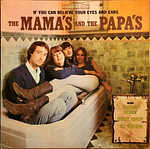
If You Can Believe Your Eyes and Ears, the 1966 debut by the Mamas & the Papas, blends folk roots with pop sensibilities and baroque pop touches. John Phillips' songwriting and the group's four-part vocal harmonies are central, pairing acoustic guitar and breezy folk textures with pop arrangements that include orchestral flourishes and piano accents. The album features the songs "California Dreamin'" and "Monday, Monday" and exemplifies the West Coast folk pop sound of the mid 1960s.
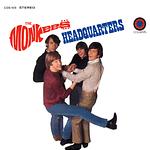
Headquarters (1967) is The Monkees' third studio album and a deliberate move toward greater artistic control, with the band playing most of the instruments and taking a larger role in arrangements and production. The music blends pop and pop rock with sunshine pop harmonies and touches of folk rock and British-invasion influence, favoring more guitar-driven, band-oriented arrangements than their earlier, producer-led recordings. The sound is more organic and punchy, emphasizing vocal harmonies, straightforward rock rhythms, and a tighter band identity.
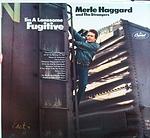
I’m a Lonesome Fugitive (1967) finds Merle Haggard and The Strangers delivering a compact set rooted in Bakersfield country and honky tonk. The arrangements are spare and twangy, driven by Telecaster lead lines and pedal steel, with Haggard’s weathered baritone giving focus to themes of loneliness, outlaw life, and working class struggle. The record helped define the rough-edged, electric country sound Haggard would be associated with and showcases tight interplay between voice and band throughout.
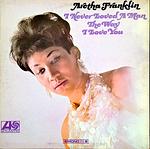
I Never Loved a Man the Way I Love You is Aretha Franklin's 1967 Atlantic breakthrough that crystallized her gospel-rooted, deeply soulful sound. Produced by Jerry Wexler and shaped by sessions at Muscle Shoals and in New York, the album blends Southern soul grooves, church-influenced vocals, and punchy horn and piano arrangements to create a raw, emotionally direct record. It includes the title track and her interpretation of Otis Redding's "Respect", and helped establish the vocal style and repertoire she became known for.
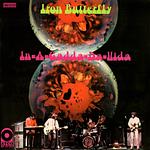
In-A-Gadda-Da-Vida (1968) is Iron Butterfly's organ-heavy psychedelic rock album built around the 17-minute title track, which features extended instrumental jams, a prominent organ riff, distorted guitar tones, and a distinctive drum solo. The music blends acid rock textures with bluesy hard rock elements, pairing simple vocal lines with dense, riff-driven arrangements and long-form improvisation. It is frequently cited as a touchstone of late 1960s psychedelic and proto-metal sounds and as an example of rock records that embraced extended studio performances.
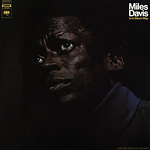
In a Silent Way, recorded and released in 1969, marks Miles Davis's shift toward electric instruments and extended, atmospheric forms. The music pairs Davis's muted, lyrical trumpet with electric piano, organ, and guitar over modal vamps and understated grooves, and the two long, seamlessly edited pieces were assembled in the studio to create a continuous, meditative flow. A loose ensemble including Wayne Shorter, Herbie Hancock, Chick Corea, Joe Zawinul, John McLaughlin, Dave Holland, and Tony Williams contributes sustained textures and restrained interplay, while producer Teo Macero's tape editing plays a clear role in the album's shape. The result is an understated, ambient-leaning statement often cited as an early landmark on the path toward jazz fusion and more open improvisational forms.
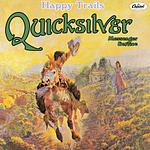
Happy Trails (1969) is a primarily live album by Quicksilver Messenger Service that showcases the band's blend of psychedelic rock, acid rock, and blues-tinged rock. The record emphasizes extended, improvisational guitar passages and fluid instrumental interplay, capturing a loose, live atmosphere that highlights the exploratory, jam-oriented side of late 1960s San Francisco rock. Its sound moves between reverb-soaked, atmospheric textures and more driving, rhythmically direct passages, making it a notable document of the period's live psychedelic performance.
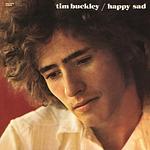
Happy Sad (1969) finds Tim Buckley moving away from his earlier folk-pop toward a more jazz-inflected, improvisatory approach. The record pairs acoustic and electric textures with a loose, jazz-rock rhythm section and longer, exploratory arrangements that allow for instrumental interplay and Buckley’s expressive, often ethereal vocal lines. It is often viewed as a transitional album that bridges his singer-songwriter roots with the freer, more experimental direction he pursued on later recordings.
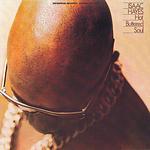
Hot Buttered Soul (1969) is Isaac Hayes's expansive soul album notable for its lengthy, slow-burning arrangements that blend orchestral strings, lush horn charts, deep funk rhythms and Hayes's baritone voice. It reworks pop and soul songs into extended, cinematic tracks with dramatic instrumental passages, warm electric piano and rhythmic grooves that emphasize mood and space over conventional single-length formats. The album broadened the palette and pacing of soul music, pointing toward elements of funk, jazz-funk and later orchestral dance styles while showcasing a more orchestral, album-oriented approach to R&B.
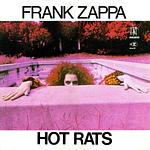
Hot Rats, released in 1969, is a largely instrumental Frank Zappa album that blends rock, jazz, and early fusion through extended compositions, tight arrangements, and studio overdubbing. The record emphasizes improvisation and virtuosic solos, with guitar and violin prominently featured alongside layered melodies like Peaches en Regalia. It represents a clear move away from Zappa's earlier vocal satire toward ensemble interplay and studio experimentation within a jazz rock context.
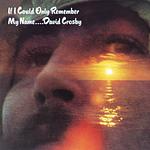
If I Could Only Remember My Name is David Crosby's 1971 solo debut that blends folk rock and country rock into a mellow, pastoral sound marked by intimate lead vocals, layered harmonies, and loose, improvisatory arrangements. The record favors warm acoustic textures and spacious production, often drifting into meditative, jam-like passages that mix singer-songwriter clarity with ambient and psychedelic touches. Its reflective lyrics and collaborative, free-form approach make it a distinctive, atmospheric entry in Crosby's catalog rather than a collection of conventional radio songs.
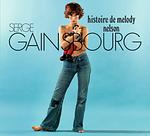
Histoire de Melody Nelson is a 1971 concept album by Serge Gainsbourg that fuses rock, art pop, baroque pop and pop rock into a short, cinematic narrative. The record pairs Gainsbourg's half-spoken, half-sung narration with the breathy vocal presence of Jane Birkin and features lush string arrangements and orchestration by Jean-Claude Vannier, prominent bass-driven grooves, and a moody, nocturnal atmosphere. Its concise, continuous storyline and distinctive production give it a vignette-like quality that has been influential within art pop and baroque pop circles.
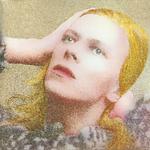
Hunky Dory (1971) finds David Bowie shifting toward a more song-oriented, piano- and acoustic guitar-driven sound that blends art rock, glam sensibility, and pop melodies. The record pairs theatrical, literate songwriting and vivid character pieces with piano-led arrangements and occasional strings, producing tracks like "Changes" and "Life on Mars?" that combine melodic hooks with surreal, introspective lyrics. The album is often seen as a transitional work that set the stylistic stage for the glam persona he developed on subsequent records.
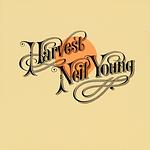
Harvest, released in 1972, blends acoustic folk songwriting with country rock and mellow rock arrangements. The album pairs spare guitar and harmonica with prominent pedal steel, piano and occasional string arrangements, and features Young's plaintive voice and reflective lyrics on themes of solitude, aging and relationships. Tracks such as Heart of Gold and Old Man sit alongside more expansive, orchestral-tinged pieces, creating a varied but cohesive record that helped define Young's early 1970s sound and his presence in folk rock and country rock.
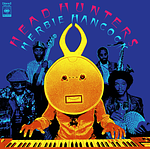
Head Hunters (1973) marks Herbie Hancock's turn toward jazz-funk and fusion, centering on deep, groove-driven compositions built from electric keyboards and early synthesizers, funky rhythm patterns, and layered percussion. Tracks such as "Chameleon" feature prominent synth basslines and extended vamps while a reworked "Watermelon Man" blends clavinet and African-influenced percussion; Bennie Maupin's reed work and the tight rhythm section of Paul Jackson, Harvey Mason, and Bill Summers provide both groove and textural contrast. The album is notable for bringing improvisational jazz language into danceable funk frameworks and for its lasting influence on jazz-funk, fusion, and later sampling in popular music.
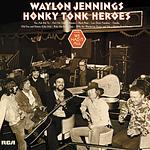
Honky Tonk Heroes is a 1973 album by Waylon Jennings closely associated with the outlaw country movement. Built largely around songs by Billy Joe Shaver, it strips away the polished Nashville production in favor of a grittier, guitar-forward sound that blends traditional country instrumentation with rock-influenced rhythms and a raw, conversational vocal style. The album emphasizes themes of hard living, independence, and working-class life, and helped steer Jennings toward a looser, more personal approach that influenced progressive country artists that followed.
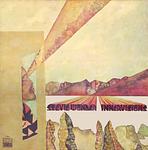
Innervisions, released in 1973, blends soul, funk, smooth soul and psychedelic soul into a studio-focused record built from warm electric pianos, layered synthesizers and tight funk rhythms. The album is notable for Stevie Wonder's multi-instrumental performances and production control, pairing intimate ballads with uptempo grooves and songs that explore social and personal themes through concise, melodic songwriting and rich, textured arrangements.
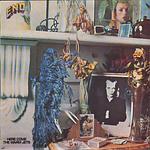
Here Come the Warm Jets is Brian Eno's 1973 debut solo album that blends art rock and glam sensibilities with experimental studio techniques. Short, song-based tracks combine pop structures and avant-garde approaches, using tape manipulation, unconventional arrangements, and a wry sense of humor, while contributions from various British rock musicians give the record a loose, patchwork feel. The album marks a transitional moment in Eno's work, showcasing his interest in production as a compositional tool and foreshadowing his later ambient explorations.
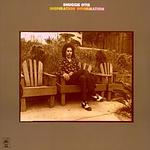
Inspiration Information, released in 1974 by Shuggie Otis, is a psychedelic soul record that blends funk, rock and leftfield electronic textures with mellow R&B grooves. The album emphasizes warm, multi-tracked guitars, analogue synthesizer color and sparse, atmospheric arrangements around Otis's laid-back vocals, producing a nocturnal, intimate mood. Its hybrid production and exploratory touches have made it notable to later listeners for sounding ahead of its time within soul and funk contexts.
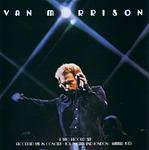
It’s Too Late to Stop Now is a 1974 live album by Van Morrison, recorded during his 1973 tour with the Caledonia Soul Orchestra. The performances blend blues rock and singer-songwriter material with soul and jazz inflections, featuring horn and string arrangements, extended improvisations, and a passionate, spontaneous vocal approach. The record is notable for its energetic live arrangements and shifts between full-band power and quieter, intimate moments that highlight Morrison’s improvisational style.
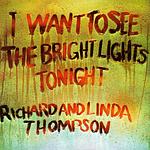
I Want to See the Bright Lights Tonight (1974) by Richard and Linda Thompson blends British folk and rock, featuring Richard Thompson's intricate acoustic and electric guitar work alongside Linda Thompson's expressive, often plaintive vocals. The songs pair traditional folk storytelling and melancholic themes with sharp lyrical detail, and arrangements move between spare, intimate settings and fuller band textures. The result is a moody, atmospheric album that helped define the duo's distinctive folk-rock sound.
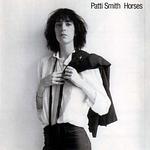
Horses, Patti Smith's 1975 debut, blends raw garage rock energy with art rock experimentation and proto-punk urgency. Produced by John Cale, the album pairs a spoken-word influenced vocal delivery and poetically charged lyrics with spare, driving arrangements built around guitar, piano, and drums. Its rough-edged production, confrontational performance style, and fusion of literary sensibility with rock idioms are often cited as influential on early punk and art punk movements, and the stark cover photograph by Robert Mapplethorpe complements the record's austere aesthetic.
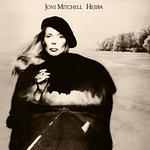
Hejira, released in 1976, finds Joni Mitchell moving further into jazz-influenced territory while retaining her folk songwriting. The album pairs poetic, travel-focused lyrics about movement and solitude with sparse, spacious arrangements that foreground her open-tuned guitar work and long, melodic fretless bass lines from Jaco Pastorius. Songs blend folk narrative, jazz harmonies, and loose, improvisational interplay to produce an introspective, nocturnal sound that points toward her later jazz explorations.
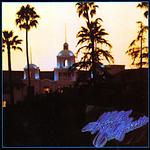
Hotel California is the Eagles album that blends their country rock roots with a more polished rock sound, featuring layered vocal harmonies, polished production, and prominent electric guitar interplay. The record is anchored by the atmospheric title track with its extended guitar coda and cinematic, evocative lyrics, alongside other tracks that mix soft rock and pop rock sensibilities with darker lyrical themes about excess and disillusionment. The overall sound marks a shift toward a richer, more rock-oriented palette while retaining melodic songwriting and close harmonies.
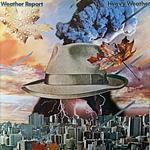
Heavy Weather (1977) by Weather Report is a jazz fusion album led by keyboardist Joe Zawinul and saxophonist Wayne Shorter with the recent addition of bassist Jaco Pastorius. It blends improvisational jazz with funk and rock-influenced rhythms, prominent electric keyboards and synthesizers, and melodic compositions such as the well-known track "Birdland". The record is notable for Jaco Pastorius's lyrical fretless bass work and Zawinul's layered synth textures, and it remains a key reference in late 1970s fusion.
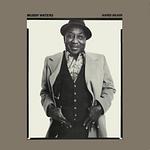
Hard Again, produced by Johnny Winter and recorded in 1977, finds Muddy Waters in a raw, electric Chicago blues mode with a live-in-the-studio energy. The album foregrounds his gravelly vocals and driving electric guitar work over prominent piano and harmonica and a tight rhythm section, leaning on classic blues forms delivered with muscular, contemporary production. It is regarded as a strong late-period statement that brought renewed vigor to his recorded output.
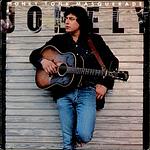
Honky Tonk Masquerade, Joe Ely's 1978 album, blends honky tonk and country rock with a distinct Texas sensibility rooted in progressive and outlaw country. The record pairs driving, electric guitar-led arrangements and upbeat barroom numbers with more reflective, story-driven songs, showcasing Ely's weathered vocal delivery and terse, literary songwriting drawn from the Lubbock/Texas scene. Its fusion of rock energy and country tradition helped further establish Ely as a distinctive performer who straddled honky tonk and roots rock.
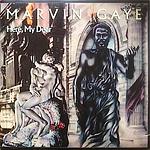
Here, My Dear is a 1978 Marvin Gaye album built around a highly personal, confessional concept that documents the emotional fallout of his divorce. Musically it works within smooth soul and classic soul frameworks while incorporating elements of funk, jazz influenced arrangements and lush orchestration, and it is distinguished by intimate vocals, spoken passages and candid lyrics that examine love, anger and reconciliation. The record is often noted for its directness and for presenting a pop soul album as a sustained personal statement.
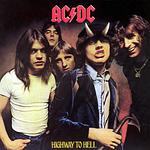
Highway to Hell, released in 1979, is an AC/DC album that blends hard rock and blues-rock into concise, riff-driven songs suited to large venues. The record pairs Angus Young's crunchy, energetic lead guitar with Malcolm Young's steady rhythm work and a punchy rhythm section, while Bon Scott delivers gritty, charismatic vocals; producer Mutt Lange brought cleaner, more focused production and an emphasis on vocal hooks and arrangements. The title track and other high-energy songs showcase the band's straightforward, anthem-ready approach, and it is the last studio album to feature Bon Scott before his death.
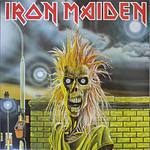
Iron Maiden's self-titled 1980 debut captures the raw, aggressive energy of the New Wave of British Heavy Metal with a lean, fast-paced sound driven by Steve Harris's urgent bass lines, twin-guitar riffs, and Paul Di'Anno's gritty vocals. The album combines punk-tinged intensity with more intricate arrangements on tracks such as "Phantom of the Opera" while also featuring anthemic, direct songs like "Running Free" and the title track "Iron Maiden". It established many of the band's musical hallmarks, including galloping rhythms, sharp riffing, and a focus on dark or narrative lyrical themes, that they would develop in later records.
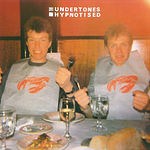
Hypnotised, released in 1980 by The Undertones, blends the band’s punk rock energy with concise, melodic songwriting and a new wave gloss. The songs emphasize upbeat, guitar-driven arrangements, tight rhythms and Feargal Sharkey’s distinctive lead vocals, pairing punk tempos with pop hooks and lyrics about adolescence and everyday life. The album continues the group’s move toward sharper melodies and cleaner production while retaining the immediacy and brevity associated with punk-influenced pop punk.
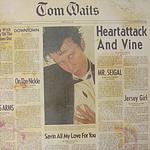
Heartattack and Vine (1980) finds Tom Waits moving from his earlier piano-based jazz and lounge style toward grittier, rock and blues inflected arrangements. The album pairs his gravelly, theatrical vocals with narrative songs about seedy urban characters, mixing rough-edged electric guitars and roots textures with occasional melodic balladry such as "Jersey Girl". It is often heard as a transitional record that points toward the more experimental production and sonic risk taking of his subsequent work.
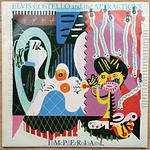
Imperial Bedroom, released in 1982 by Elvis Costello & The Attractions, is a studio album that shifts from the band’s earlier new wave edge toward richly arranged, baroque-influenced pop and rock. Produced by Geoff Emerick, the record features ornate chamber-pop arrangements, inventive studio touches, and complex songcraft, pairing intricate melodies with literate lyrics that examine personal and social themes. The album stands out in Costello’s catalog for its ambitious, texturally dense approach to pop songwriting.
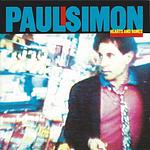
Hearts and Bones is a 1983 Paul Simon album that mixes pop and pop rock with singer-songwriter intimacy and art pop textures, with occasional folk pop touches. The songs are primarily introspective and relationship-focused, delivered through literate, conversational lyrics and melodic structures; the arrangements combine acoustic guitar, keyboards and layered studio production with subtle rhythmic variations. The result is a reflective, tightly composed record that emphasizes songwriting and personal detail over overt commercial polish.
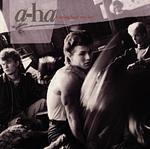
Hunting High and Low (1985) is the debut album by Norwegian band a-ha that fuses synth-pop and new wave production with pop rock and dance-rock elements. It pairs bright, layered synthesizers and rhythmic guitars with Morten Harket's wide-ranging, emotive voice, moving between upbeat, hook-driven tracks and more atmospheric, melancholic ballads. The album is notable for its strong melodic focus and for the single "Take On Me," which became widely recognized in part because of its innovative rotoscoped music video.
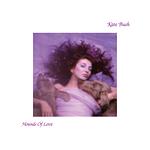
Hounds of Love, released in 1985, finds Kate Bush blending art pop, art rock and progressive pop with electronic production and theatrical songwriting. The album balances compact, synth-forward songs such as the title track and "Running Up That Hill" with a side-long narrative suite called "The Ninth Wave," which uses layered vocals, sound effects and shifting arrangements to depict a survivor adrift at sea. Production combines Fairlight sampling and electronic textures with traditional instruments, producing a mix of intimate balladry, dramatic climaxes and experimental touches. The record represents a consolidation of Bush's theatrical instincts into tightly crafted songs while maintaining ambitious, conceptual scope.
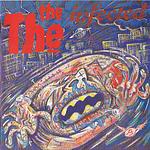
Infected is the 1986 album by The The, led by songwriter and vocalist Matt Johnson. It blends new wave and alternative rock with electronic textures and popcraft, featuring dense, cinematic arrangements, moody atmospherics, and prominent brass and bass elements underpinning Johnson's emotive baritone. The lyrics focus on social and political themes, giving the record a brooding, urgent tone that marked The The's mid 1980s sound.