 The Greatest Music
The 1000 Best Albums of All Time
Weight: 35%
How much this list influences our overall rankings. Higher weight means more reliable data.
Penalties Applied:
Fnac’s Les 1000 CD des disquaires de la Fnac (Dec 2008) is a collective, staff-driven canon: Fnac’s record-store specialists (“disquaires”) pooled their picks in a large internal vote to build a near “ideal” 1,000-album library, spanning major genres and highlighting certain titles as indispensables.
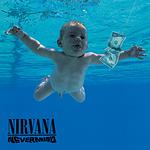
Nevermind, released in 1991 by Nirvana, is a grunge and alternative rock album that blends punk rawness with pop-minded songwriting, characterized by loud-quiet-loud dynamics, distorted guitars, and Kurt Cobain's raw, melodic vocal delivery and introspective lyrics about alienation and personal struggle. Produced by Butch Vig, the record pairs cleaner studio production with a sense of urgency and abrasive textures, and its accessible hooks alongside heavy instrumentation helped bring alternative rock aesthetics to a much wider audience.
Histoire de Melody Nelson is a 1971 concept album by Serge Gainsbourg that fuses rock, art pop, baroque pop and pop rock into a short, cinematic narrative. The record pairs Gainsbourg's half-spoken, half-sung narration with the breathy vocal presence of Jane Birkin and features lush string arrangements and orchestration by Jean-Claude Vannier, prominent bass-driven grooves, and a moody, nocturnal atmosphere. Its concise, continuous storyline and distinctive production give it a vignette-like quality that has been influential within art pop and baroque pop circles.
#3 — OK Computer by Radiohead
OK Computer is Radiohead's 1997 album that expands their alternative rock roots into art rock and electronic-influenced territory, pairing layered guitars and dense textures with electronic touches and Thom Yorke's expressive vocals. The record emphasizes atmospheric arrangements, unconventional song structures, and lyrics concerned with alienation, technology, and modern life, marking a turning point toward a more experimental and expansive sound for the band.
#4 — Dummy by Portishead
Dummy, released in 1994, is Portishead's debut album that helped define the trip hop aesthetic by combining slow, hip hop influenced beats with jazz-tinged arrangements and moody electronic textures. Beth Gibbons' intimate, theatrical vocals sit against dusty samples, turntable scratches, reverb-heavy production and slippery guitar lines, creating a cinematic, noir atmosphere. The record mixes downtempo electronic approaches with elements of acid jazz and dark jazz to produce a sparse, emotionally intense sound.
#5 — The Dark Side of the Moon by Pink Floyd
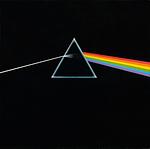
The Dark Side of the Moon is Pink Floyd's 1973 progressive rock album that blends rock, psychedelic and art rock elements into a continuous, concept-driven suite exploring themes such as time, money, mental strain and mortality. It is distinguished by its studio production and sound design, including layered synthesizers, tape effects and looping, prominent saxophone parts and an emotive wordless vocal performance on one track, with seamless transitions that emphasize atmosphere and textural detail across the record.
#6 — Grace by Jeff Buckley
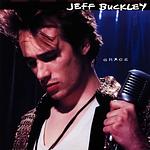
Jeff Buckley’s 1994 album Grace blends rock, alternative and folk influences into a singer-songwriter framework centered on his wide-ranging, expressive voice and intricate guitar work. The songs move between intimate acoustic passages and fuller, electric arrangements, combining delicate folk textures, soulful vocal runs, and dramatic dynamic shifts. The album is notable for its emotional intensity and for Buckley’s memorable reinterpretation of Leonard Cohen’s “Hallelujah,” and it remains influential for listeners and musicians drawn to expressive vocal performance and genre-blurring songwriting.
#7 — London Calling by The Clash
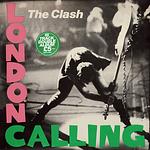
London Calling (1979) by The Clash is a double album that builds on the band’s punk roots while incorporating rockabilly, reggae, ska, new wave and straight rock. The record pairs punk’s urgency and raw guitar with melodic hooks, varied arrangements and occasional piano and horn touches, and features Joe Strummer’s often politically minded and observational lyrics. Its wide stylistic range and confrontational yet tuneful approach helped broaden the musical possibilities available to punk bands at the time.
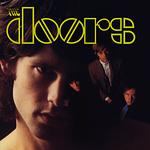
The Doors is the band's 1967 debut album that introduced their distinctive mix of psychedelic rock, blues rock, and acid-tinged atmospherics. Ray Manzarek's prominent electric organ and Jim Morrison's deep, poetic vocals shape a moody, nocturnal sound, while Robby Krieger's guitar and the rhythm section move between driving grooves and sparse blues. The record balances concise rock singles such as 'Break On Through' and 'Light My Fire' with extended, cinematic pieces like 'The End', blending improvisation, literary lyrics, and a darker, theater-influenced sensibility that helped define the band's early identity.
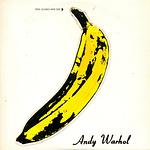
#9 — Andy Warhol by The Velvet Underground
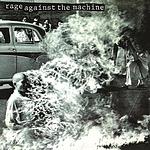
Rage Against the Machine is the band's 1992 self-titled debut that fuses heavy rock and metal riffs with funk-influenced rhythms and rap-style vocals. The album is marked by Tom Morello's inventive guitar textures and effects, tight rhythm work, and Zack de la Rocha's confrontational, politically charged lyrics, producing a raw and urgent sound. Its aggressive genre blend and outspoken themes became a defining touchstone for alternative and rap metal in the 1990s.
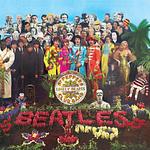
Sgt. Pepper's Lonely Hearts Club Band is a 1967 Beatles album that blends rock, psychedelic rock, baroque pop and pop with extensive studio experimentation. It features layered production, orchestral arrangements, unusual instrumentation and song sequencing that create a loose concept-album feel, and includes tracks such as "Lucy in the Sky with Diamonds", "Eleanor Rigby", "With a Little Help from My Friends" and "A Day in the Life". The album is often described as a milestone in popular music for its ambitious production and its expansion of pop and rock sounds.
#12 — Abbey Road by The Beatles
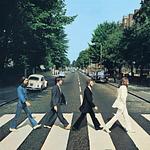
Abbey Road, recorded in 1969, finds the Beatles blending rock, pop, and traces of psychedelia into a polished, studio-focused sound marked by layered vocal harmonies, inventive arrangements, and early use of the Moog synthesizer. The album balances standalone tracks such as 'Come Together', 'Something', and 'Here Comes the Sun' with a continuous side two medley that stitches shorter pieces into a cohesive suite, reflecting the band's late-period emphasis on production and songcraft. Its warm production, melodic variety, and structural ambition make it a notable culminating statement in the Beatles' studio work.
#13 — Led Zeppelin III by Led Zeppelin
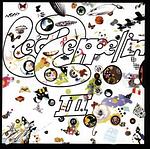
Led Zeppelin III, released in 1970, finds the band moving beyond the hard blues rock of their early records by integrating acoustic instrumentation and folk textures alongside heavier electric songs. The album juxtaposes powerful, riff-driven tracks such as the opening 'Immigrant Song' with pastoral, acoustic pieces and tender balladry, revealing a greater emphasis on dynamics, arrangement and melodic nuance. It is notable for its contrast between raw rock energy and more intimate, folk-influenced songwriting, expanding the group’s sonic range within a single record.
#14 — [Led Zeppelin IV] by Led Zeppelin
![[Led Zeppelin IV]](https://images.thegreatestmusic.org/yfyip7ss5dlcr6r39qje3hx89jrl)
Led Zeppelin IV, released in 1971, is a pivotal album in the band's catalogue that blends hard rock, blues, and folk elements. It alternates between acoustic, pastoral numbers and heavy electric songs, showcasing Jimmy Page's layered guitar work, Robert Plant's dynamic vocals, John Paul Jones's arranging and keyboard contributions, and John Bonham's powerful drumming. The album's mix of riff-driven rock, acoustic storytelling, and expansive production helped shape what became known as classic and arena rock sounds.
#15 — L.A. Woman by The Doors
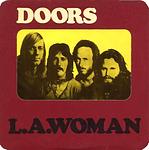
Released in 1971, L.A. Woman is the Doors' final studio album to feature Jim Morrison. The record moves toward a rawer, blues-based sound that blends blues rock and psychedelic textures, driven by Robby Krieger's guitars and Ray Manzarek's organ beneath Morrison's gritty vocal delivery. Recorded with engineer Bruce Botnick after producer Paul A. Rothchild left the sessions, the performances have a live-in-studio immediacy and include songs such as "L.A. Woman" and "Riders on the Storm." The album is notable for its loose grooves, urban lyrical themes, and a marked return to roots-oriented songwriting.
#16 — L'Homme à tête de chou by Serge Gainsbourg
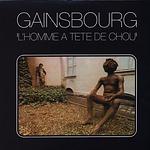
L'Homme à tête de chou (1976) is a concept album by Serge Gainsbourg, arranged by Jean-Claude Vannier. Drawing on lounge, rock, funk, art rock and avant-garde elements, it unfolds as a cinematic song cycle about obsession, jealousy and violence, with orchestral arrangements, tight groove sections and spoken-sung passages that create a moody, noir atmosphere. The album's title and narrative were inspired by a sculpture by César, and its blend of theatrical storytelling and eclectic musical textures marks it as a key work in Gainsbourg's later output.
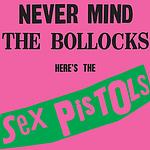
Never Mind the Bollocks, Here's the Sex Pistols is the Sex Pistols' only studio album, released in 1977. It condenses punk rock into short, abrasive tracks driven by distorted guitars, propulsive drums, and Johnny Rotten's sneering vocals, with blunt, confrontational lyrics aimed at social and political authority. The album is regarded as a defining work of the British punk movement and helped establish the raw, do-it-yourself aesthetic that influenced later punk and alternative bands.
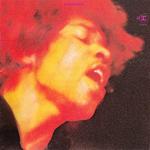
Electric Ladyland, the third studio album by The Jimi Hendrix Experience from 1968, expands Hendrix's palette into dense, studio-driven arrangements that blend blues rock, psychedelic textures, acid rock and hard rock. The record juxtaposes extended, improvisatory jams with concise blues and rock performances, using layered guitar overdubs, stereo effects and studio experimentation, and includes guest contributions that enrich the sound. Highlights include Hendrix's interpretations of "All Along the Watchtower" and the electrifying "Voodoo Child (Slight Return)", which showcase the album's mix of raw performance and studio craft.
#19 — Highway to Hell by AC/DC
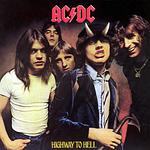
Highway to Hell, released in 1979, is an AC/DC album that blends hard rock and blues-rock into concise, riff-driven songs suited to large venues. The record pairs Angus Young's crunchy, energetic lead guitar with Malcolm Young's steady rhythm work and a punchy rhythm section, while Bon Scott delivers gritty, charismatic vocals; producer Mutt Lange brought cleaner, more focused production and an emphasis on vocal hooks and arrangements. The title track and other high-energy songs showcase the band's straightforward, anthem-ready approach, and it is the last studio album to feature Bon Scott before his death.
#20 — Thriller by Michael Jackson
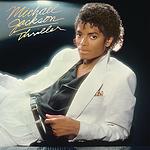
Thriller, released in 1982 and produced by Quincy Jones, is a pop and contemporary R&B album that blends dance-pop, disco, funk and rock elements. It is characterized by polished, cinematic production, tight rhythms, layered vocal harmonies and strong melodic hooks on tracks such as "Billie Jean", "Beat It" and "Thriller". Notable moments include Eddie Van Halen's guitar solo on "Beat It" and Vincent Price's spoken-word cameo on the title track. The record helped broaden Jackson's crossover appeal and played a significant role in shaping the era of high-concept music videos.
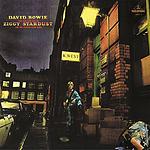
The Rise and Fall of Ziggy Stardust and the Spiders From Mars (1972) is a loose concept album in which David Bowie adopts the persona of Ziggy Stardust, an androgynous alien rock star. Musically it blends glam rock theatricality with straightforward rock and pop songwriting and elements of art rock, driven by Mick Ronson's guitar work and arrangements and a rhythm section that supports both crunchy rock numbers and quieter, melodic passages. The album is notable for its narrative focus, dramatic vocals, and cinematic arrangements that helped define Bowie's early 1970s sound and stage persona.
#22 — Back to Black by Amy Winehouse
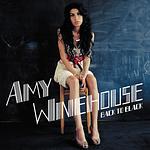
Back to Black, Amy Winehouse's 2006 album, blends 1960s soul and Motown-inspired arrangements with contemporary R&B, jazz pop and hip hop-influenced production. Produced mainly by Mark Ronson and Salaam Remi, the record pairs retro horns and string touches with sparse beats to foreground Winehouse's rich contralto and candid, confessional lyrics about love and heartbreak. Its sound combines vintage instrumentation and modern studio aesthetics, giving the songs a nostalgic yet immediate quality.
#23 — The Beatles by The Beatles
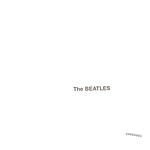
The Beatles, commonly known as the White Album, is a 1968 double album that captures the group's broad stylistic range across rock, pop, pop rock, experimental and hard rock. It moves between pared-back acoustic songs and concise pop tunes, heavier electric rockers and collage-like studio experiments, with a rawer, more immediate production and distinct individual songwriting voices. The minimalist white packaging complements the record's eclectic, personal character.
#24 — The Joshua Tree by U2
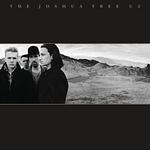
The Joshua Tree, released in 1987 by U2, refines the band’s post-punk roots into a widescreen rock sound that blends atmospheric, delay-heavy guitar work with blues, gospel and American roots influences. Produced by Brian Eno and Daniel Lanois, the album favors sparse, spacious arrangements that highlight The Edge’s chiming textures and Bono’s expressive vocals while exploring themes of faith, politics and the American landscape. Tracks move between spare balladry and driving, anthemic rock, and the record is noted for its cinematic production and lyrical focus on searching and spirituality.
#25 — Reggatta de Blanc by The Police
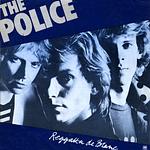
Reggatta de Blanc, released in 1979, is The Police's second studio album and consolidates their fusion of rock, reggae and new wave into concise, hook-driven songs. The record features bright, chiming guitar textures from Andy Summers, melodic bass and vocals from Sting, and propulsive, inventive drumming from Stewart Copeland, producing a tight, rhythmic sound that blends pop sensibility with offbeat reggae rhythms. It includes memorable tracks such as "Message in a Bottle" and "Walking on the Moon" and helped define the band’s signature approach to sparse arrangements and rhythmic complexity.
#26 — Wish You Were Here by Pink Floyd
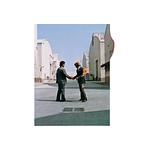
Wish You Were Here, released in 1975 by Pink Floyd, is a progressive and art rock album that blends long-form compositions, atmospheric studio production, and expressive guitar-led melodies. It is built around the multi-part suite "Shine On You Crazy Diamond", acts as a tribute to former member Syd Barrett, and contains songs like "Have a Cigar" and "Welcome to the Machine" that question the music industry. The record alternates between spacious synthesizer textures and warm electric guitar passages, favoring mood, soundscapes, and extended instrumental sections over concise pop arrangements.
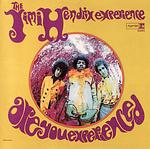
Are You Experienced is the debut album by the Jimi Hendrix Experience, released in 1967. It blends blues rock, psychedelic and acid rock with early hard rock, centered on Hendrix's inventive electric guitar playing and striking studio experimentation such as feedback, wah-wah textures, reversed tape effects, and layered overdubs. The record features concise originals and covers that range from fiery, riff-driven songs to atmospheric balladry, and is widely regarded as a landmark in guitar-led psychedelic rock.
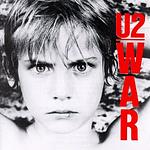
War, produced by Steve Lillywhite and released in 1983, moves U2 toward a more direct, anthemic rock sound rooted in post-punk energy. The album emphasizes driving, martial rhythms, delay-heavy chiming guitar and Bono's impassioned vocals, combining urgent political and social themes with pop rock melodies and occasional electronic textures. Its relatively stripped production and singalong choruses helped define a broader, stadium-ready approach for the band.
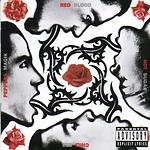
Blood Sugar Sex Magik, released in 1991 by Red Hot Chili Peppers, blends funk-driven grooves and raw rock with more melodic and introspective songwriting. Produced by Rick Rubin and featuring John Frusciante's chiming guitar lines and Flea's prominent slap bass, the album juxtaposes high-energy funk-rock tracks with quieter, personal songs, notably "Give It Away" and "Under the Bridge". Its cleaner, stripped-back production and emphasis on dynamics helped broaden the band's sound and influence on alternative rock and funk rock in the 1990s.
#30 — Tostaky by Noir Désir
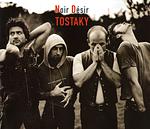
Tostaky (1992) by Noir Désir is a raw, urgent French-language alternative rock album that blends punk energy with grunge-era heaviness and melodic sensibility. The sound emphasizes distorted guitars, propulsive rhythms, and Bertrand Cantat's intense vocals, while the lyrics combine poetic imagery with overt political and social themes. The record moves toward darker, more expansive arrangements and is often cited as an influential touchstone in 1990s French rock.
#31 — Elephant by The White Stripes
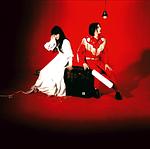
Elephant, released in 2003 by The White Stripes, is a stark guitar and drums album that blends garage rock revival energy with blues-rooted riffs and punk-tinged directness. The duo's minimal arrangements foreground Jack White's raw guitar tone and Meg White's propulsive, sometimes primitive drumming, producing a punchy, analog influenced sound that moves between thunderous rockers and spare bluesy numbers. It features the riff-driven track "Seven Nation Army" and is often cited as a defining release of the early 2000s garage rock revival.
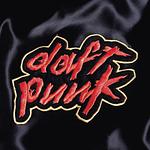
Homework is Daft Punk's 1997 debut studio album that blends electronic, house, French house, tech house, and deep house influences into a raw, sample-driven dance record. The sound is built around repetitive grooves, syncopated rhythms, gritty basslines, analog synth textures and occasional vocoder-processed vocals, favoring stripped-back, club-oriented arrangements. Tracks such as "Da Funk" and "Around the World" exemplify its mix of funk-inflected beats and minimalist production, and the album is often cited for helping bring French house aesthetics to a wider audience.
#33 — Kind of Blue by Miles Davis
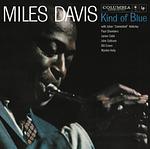
Kind of Blue is a 1959 album by Miles Davis that helped define modal jazz with a spare, lyrical approach that emphasizes modes and scales rather than dense chord progressions. Recorded with a sextet including John Coltrane, Cannonball Adderley, Bill Evans, Paul Chambers, and Jimmy Cobb, the music is spacious and understated, featuring extended improvisation on pieces such as "So What" and "All Blues" and blending elements of cool jazz, hard bop, and post-bop. Its subdued tone, focus on melody, and subtle group interplay make it widely regarded as a landmark in modern jazz.
#34 — Mezzanine by Massive Attack
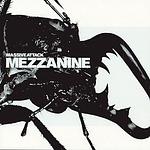
Mezzanine, released in 1998, is Massive Attack's darker, more textural trip hop album that blends slow, dub-inflected beats, deep bass, layered samples and distorted guitar tones into a cinematic, brooding sound. The record leans toward electronic, downtempo and leftfield approaches while incorporating a tougher, rock-influenced edge, and features guest vocalists such as Elizabeth Fraser and Horace Andy on memorable tracks like "Teardrop" and "Angel". Its production emphasizes atmosphere and tension, expanding the sonic range of alternative dance and trip hop.
#35 — Led Zeppelin II by Led Zeppelin
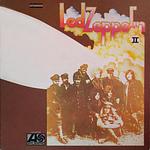
Led Zeppelin II, released in 1969, expands the band's debut into a heavier, riff-driven sound rooted in electric blues and early hard rock. The album emphasizes powerful blues-influenced guitar riffs, thunderous drums, and Robert Plant's high-register vocals, with studio production that uses bold panning, overdubs, and distortion to create dense, energetic arrangements. It blends reworkings of blues material with original compositions to showcase the group's fusion of traditional blues forms and a louder, more aggressive rock approach that helped shape subsequent hard rock and blues rock styles.
#36 — Harvest by Neil Young
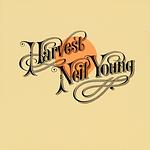
Harvest, released in 1972, blends acoustic folk songwriting with country rock and mellow rock arrangements. The album pairs spare guitar and harmonica with prominent pedal steel, piano and occasional string arrangements, and features Young's plaintive voice and reflective lyrics on themes of solitude, aging and relationships. Tracks such as Heart of Gold and Old Man sit alongside more expansive, orchestral-tinged pieces, creating a varied but cohesive record that helped define Young's early 1970s sound and his presence in folk rock and country rock.
#37 — 666.667 Club by Noir Désir

#38 — Aux armes et cætera by Serge Gainsbourg
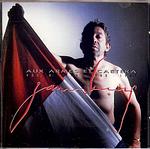
Aux armes et cætera is Serge Gainsbourg's reggae-influenced album, recorded with Jamaican musicians and built around reggae rhythms, prominent bass and pared-back arrangements; it recasts several of his songs in a Caribbean idiom and is particularly notable for a reggae adaptation of the French national anthem that provoked controversy.
#39 — Des visages des figures by Noir Désir
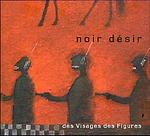
Des visages des figures (2001) by Noir Désir mixes the band's alternative rock roots with more acoustic and atmospheric arrangements, pairing gritty electric guitars and driving rhythms with quieter, melodic passages. Bertrand Cantat's raw, emotive vocals and poetic French lyrics are central, and the record balances urgent rock tracks with reflective, textured songs. The album features the single "Le vent nous portera" and is often noted for its dynamic contrasts and nuanced production.
#40 — The No Comprendo by Les Rita Mitsouko
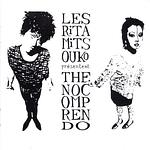
The No Comprendo (1986) finds French duo Les Rita Mitsouko refining their eclectic blend of rock, electronic and synth-pop into a theatrical art-pop statement. The album pairs Catherine Ringer's expressive, theatrical vocals with Fred Chichin's angular guitar work over danceable rhythms and layered synth textures, producing songs that move between catchy pop melodies and offbeat, experimental touches. Its bold arrangements and genre-mixing approach helped define the duo's distinctive sound in the mid 1980s.

Homogenic is Björk's 1997 album that pairs bold electronic production with lush string arrangements to create a tense, intimate sound. It blends downtempo beats, trip hop grooves and glitchy electronic textures with her expressive voice and a strong sense of atmosphere, often evoking stark, elemental landscapes associated with Iceland. The album emphasizes a tighter, more cohesive sonic identity than some of her earlier work, foregrounding contrasts between organic strings and processed beats.
#42 — Blue Lines by Massive Attack
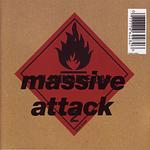
Blue Lines, Massive Attack's 1991 debut, blends hip hop rhythms, dub production, soul-influenced vocals and atmospheric electronic textures to help define the trip hop sound. The record pairs slow, heavy grooves and deep bass with lush string arrangements and distinctive guest vocals from Shara Nelson and Horace Andy, producing moody, cinematic tracks such as Unfinished Sympathy and Safe From Harm. Its fusion of sampled and live instrumentation, downtempo pacing, and a shadowy, club-informed aesthetic made it a touchstone for the Bristol scene and later alternative electronic music.
#43 — Imagine by John Lennon
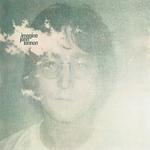
Imagine, released in 1971, is a John Lennon album that blends piano-led pop and rock with folk and rock and roll influences. The record moves between spare, introspective ballads and more direct rockers, often pairing simple arrangements with occasional orchestral touches and a focus on plainspoken, personal lyrics. The title track is a restrained, piano-centered piece that captures the album's themes of idealism and reflection, while other songs shift from confessional to satirical tones, showcasing Lennon's melodic songwriting and post-Beatles musical approach.
#44 — Pearl by Janis Joplin
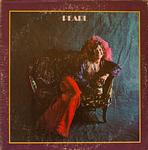
Pearl, released after Janis Joplin's death in 1971, is her final studio album and blends blues rock, soul, country-tinged rock and acoustic blues elements. Backed by the Full Tilt Boogie Band and produced by Paul Rothchild, the record pairs raw, emotive vocals with fuller, more polished production than her earlier work. Songs such as "Me and Bobby McGee" and "Mercedes Benz" showcase her storytelling and improvisational intensity, while rockers like "Move Over" and slower blues numbers underline a mix of power and vulnerability. The album serves as a document of Joplin's late-career sound.
#45 — Sticky Fingers by The Rolling Stones
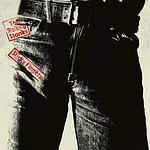
Sticky Fingers (1971) by the Rolling Stones blends rock, blues rock, hard rock, country rock, and rock and roll, alternating gritty electric numbers with quieter, country-influenced ballads. The record highlights the Jagger-Richards songwriting partnership and Keith Richards' guitar textures, and features tracks such as "Brown Sugar" and "Wild Horses." The album is also known for its Andy Warhol sleeve design and its turn toward a rawer, roots-oriented sound.
#46 — Back in Black by AC/DC
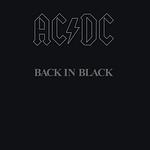
Back in Black is AC/DC's 1980 album and the first to feature singer Brian Johnson after Bon Scott's death. Produced by Robert John Lange, it channels the band's hard rock and blues-rock roots into concise, riff-driven songs built on Angus Young lead work and Malcolm Young rhythm parts, with punchy drums and clear guitar tones. Tracks such as Hells Bells, Back in Black, Shoot to Thrill, and You Shook Me All Night Long illustrate the arena-ready, no-frills sound that helped define the band's signature style.
#47 — Getz/Gilberto by Stan Getz, João Gilberto, Antônio Carlos Jobim
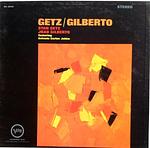
Getz/Gilberto is a 1964 collaboration that blends Brazilian bossa nova with American cool jazz, pairing Stan Getz's warm, lyrical tenor sax with João Gilberto's understated nylon-string guitar and intimate vocal style, and featuring Antônio Carlos Jobim's piano and compositions. The arrangements favor relaxed tempos, subtle samba-derived rhythms, and refined harmonic sophistication, producing an airy, mellow sound with memorable melodic lines. The album is known for helping bring bossa nova's aesthetic to a wider international audience and for influencing subsequent jazz and popular music approaches to Brazilian repertoire.
#48 — The Wall by Pink Floyd
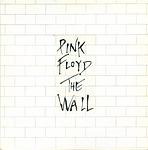
The Wall is a 1979 concept album and rock opera that follows the psychological collapse of a fictional character named Pink, exploring themes of isolation, alienation, and the impact of trauma. Musically it blends progressive rock and art rock structures with elements of classic and psychedelic rock, moving between intimate acoustic passages, dense studio production, orchestral interludes, and powerful, anthemic songs such as "Comfortably Numb" and "Another Brick in the Wall Part 2". The album is notable for its theatrical narrative approach, layered soundscapes, prominent guitar solos, and use of sound effects and spoken segments to advance the story.
#49 — What's Going On by Marvin Gaye
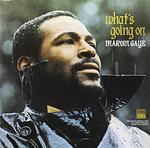
"What’s Going On" (1971) by Marvin Gaye is a cohesive, socially conscious soul album that blends Motown rhythm and smooth soul vocals with lush orchestral arrangements and jazz-influenced horns and strings. Gaye's intimate lead singing, layered background vocals, and subtle studio production create a reflective, spiritual atmosphere as the songs address themes such as war, urban poverty, policing, and environmental concerns. The result is a quieter, more contemplative direction for Motown sounds that broadened the expressive range of R&B.
Metallica, commonly known as the Black Album, released in 1991, marks the band's shift from the faster thrash of their earlier records toward a heavier, more streamlined heavy metal and hard rock sound. The songs are generally shorter and more riff- and groove-oriented, with punchy, polished production by Bob Rock and greater emphasis on melody and atmosphere alongside aggressive guitar work. It features well known tracks such as Enter Sandman, Nothing Else Matters, Sad but True, and The Unforgiven that exemplify the album's balance of accessibility and metallic intensity.
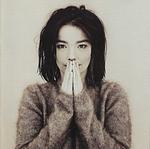
Debut is Björk's 1993 solo album that blends electronic and art pop with house, dance pop, and downtempo influences. It pairs her intimate, distinctive vocals with club-derived beats, off-kilter rhythms, and arrangements that mix electronic textures with acoustic instruments and strings, creating a warm, exploratory sound that moved away from her earlier band work. The record introduced Björk as a solo artist and set a template for her adventurous approach to songwriting and production, balancing pop accessibility with experimental sonics.
#52 — Fantaisie militaire by Alain Bashung
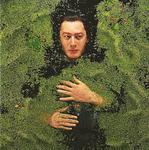
Fantaisie militaire is a 1998 album by French singer Alain Bashung that blends rock, pop, and indie textures into a moody, atmospheric sound. The record features layered guitars, subtle electronic and orchestral touches, and Bashung's husky, often enigmatic vocal delivery, with lyrics that favor poetic ambiguity over straightforward storytelling. It stands out in his catalog for its restrained intensity and experimental approach to arranging and production.
#53 — Pet Sounds by The Beach Boys
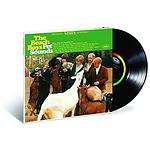
Pet Sounds is a 1966 studio album by The Beach Boys, largely written and produced by Brian Wilson. Musically it blends pop, baroque pop, psychedelic pop and rock with lush, chamber-pop influenced arrangements, inventive studio production and layered vocal harmonies. The record is notable for its introspective lyrics, unusual instrumentation and emphasis on studio experimentation that helped expand the sonic possibilities of pop music.
#54 — Breakfast in America by Supertramp
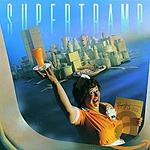
Breakfast in America is Supertramp's 1979 album that blends pop rock and progressive pop with polished production, prominent piano and Wurlitzer electric piano, saxophone flourishes, and layered vocal harmonies. The songs pair accessible melodic hooks with observational, sometimes wry lyrics, as heard on tracks like 'The Logical Song', 'Goodbye Stranger', 'Take the Long Way Home', and the title track. The record helped define the band's concise, radio-friendly approach while retaining art rock textures and careful arrangements.
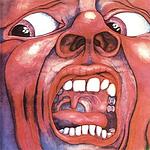
In the Court of the Crimson King is an early progressive rock album that blends heavy rock, jazz inflections, and classical textures into extended, dramatic compositions. The sound features Robert Fripp's angular guitar, Ian McDonald's Mellotron and woodwinds, and Greg Lake's resonant vocals, with tracks like "21st Century Schizoid Man" and the multi-part title piece emphasizing shifting time signatures, dense arrangements, and a dark, theatrical mood. The record is widely regarded as a foundational work in the development of progressive rock and is notable for its emphasis on atmosphere and compositional ambition.
#56 — Transformer by Lou Reed
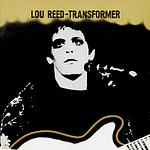
Transformer, released by Lou Reed in 1972, blends glam rock, art rock, and pop rock with a more polished production than his Velvet Underground work. Produced by David Bowie and Mick Ronson, the album pairs Reed's cool, narrative vocal style with melodic arrangements, strings, and distinctive guitar work. Songs such as "Walk on the Wild Side", "Perfect Day", and "Satellite of Love" present concise character-driven vignettes about New York life while adopting a more accessible, glam-influenced sound, making the record a key moment in Reed's solo career.
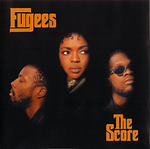
The Score, released in 1996 by the Fugees, blends hip hop, contemporary R&B, boom bap rhythms and alternative hip hop sensibilities with Caribbean influences. Lauryn Hill's soulful singing and lyrical delivery, Wyclef Jean's eclectic production and Pras's steady rapping create a mix of live instrumentation, cinematic samples and reggae-tinged grooves. The album pairs reinterpretations of familiar songs, such as a cover of "Killing Me Softly" and a version of "No Woman, No Cry," with original, socially conscious lyrics that explore identity, diaspora and street life.
#58 — Closer by Joy Division
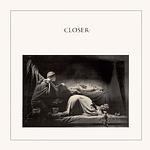
Closer is Joy Division's 1980 album that presents a stark, atmospheric take on post-punk with clear ties to new wave and early gothic rock. The record is characterized by Martin Hannett's spacious, reverb-heavy production, Peter Hook's melodic, high-register basslines, Bernard Sumner's angular guitars and synth textures, and Ian Curtis's deep, intense vocals paired with spare, often bleak lyrics. Overall it emphasizes mood, restraint, and a cold, cinematic ambience that proved influential on later alternative and gothic-leaning acts.
#59 — L'École du micro d'argent by IAM
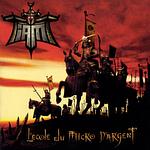
L'École du micro d'argent is a 1997 album by the French hip hop group IAM that pairs atmospheric, sample-based production with dense, literate French lyricism. The sound mixes boom-bap rhythms, orchestral and Middle Eastern-flavored samples, and cinematic arrangements, while the group's members trade between socially conscious storytelling, political reflection, and assertive rap performances. The album is widely regarded as a landmark in French hip hop for its cohesive sonic identity and ambitious scope.
#60 — Un autre monde by Téléphone
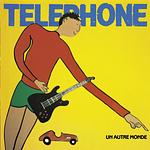
Un autre monde (1984) finds Téléphone moving from their earlier guitar-driven rock toward a more polished, melodic pop rock approach that incorporates new wave and ambient textures. The album balances energetic guitar work with atmospheric keyboards and tighter production, pairing hook-oriented songs with moodier, more expansive arrangements. Overall it marks a broadened sonic palette for the band, blending accessible pop sensibilities with a darker alternative rock edge.
#61 — Seventeen Seconds by The Cure
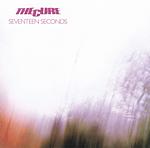
Seventeen Seconds, released in 1980 by The Cure, is an early, austere record that moved the band toward a darker, more minimalist sound. Sparse arrangements, shimmering guitars, steady basslines and subtle keyboards create a cold, atmospheric mood; songs such as "A Forest" use repetition and space to build tension. The album's pared-back textures and emphasis on mood and restraint helped steer the group into the gothic and post-punk directions that marked their early period.
#62 — Unknown Pleasures by Joy Division
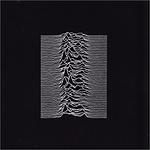
Unknown Pleasures, Joy Division's 1979 debut studio album, is a landmark of post-punk characterized by sparse, austere arrangements and distinctive production by Martin Hannett. The record pairs Peter Hook's high, melodic basslines and Bernard Sumner's angular guitar with Stephen Morris's precise, often metronomic drums under Ian Curtis's deep, restrained vocals and introspective lyrics, creating a cold, atmospheric sound that also fed into gothic and alternative rock developments. Its use of space, effects, and the iconic pulsar waveform cover have made it an enduring reference point for late 20th century underground rock.
#63 — Endtroducing..... by DJ Shadow
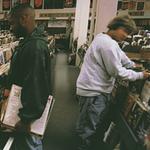
Endtroducing....., released in 1996 by DJ Shadow (Joshua Davis), is an instrumental hip hop album built almost entirely from sampled material. Its sound combines downtempo beats, cinematic textures, scratches and found sounds into moody, collage-like tracks that sit at the intersection of trip hop, electronic and hip hop production. The album is widely regarded as a landmark in sample-based and instrumental hip hop for its dense layering and immersive sequencing.
#64 — Play: The Complete Recordings by Moby
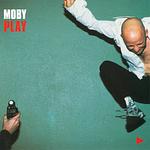
Play: The Complete Recordings, commonly known as Play, is a 1999 Moby album that fuses electronic, breakbeat and downtempo production with ambient textures and extensive use of sampled blues, gospel and field-recording vocal fragments. It pairs warm acoustic touches like piano and strings with programmed beats and looped vocal motifs to create melancholic, cinematic tracks that balance introspective mood with rhythmic immediacy. The album’s sample-driven, accessible arrangements helped bring ambient and electronic sounds into broader popular contexts, and several tracks have been used in film and advertising.
#65 — Clandestino by Manu Chao
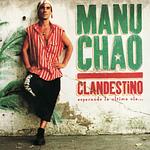
Clandestino is Manu Chao's 1998 solo album, a spare, lo-fi blend of folk, reggae, Latin rhythms and downtempo electronic touches. Songs use multilingual lyrics, repetitive loops, acoustic guitar and subtle dub-style production to create a road-worn, improvisatory sound that foregrounds themes of migration, border crossings and life on the margins. The record helped define Manu Chao's solo aesthetic after his work with Mano Negra and is often cited for its genre-blending, globalized pop sensibility.
#66 — Funeral by Arcade Fire
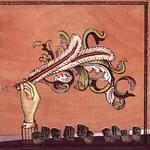
Funeral is Arcade Fire's 2004 debut studio album. It mixes indie rock, art pop and chamber pop with bursts of punk energy, combining strings and brass with driving guitars and collective vocals. The songs pair intimate, emotionally direct lyrics about loss and youth with expansive, cathartic arrangements and singalong choruses, and the warm, occasionally raw production emphasizes theatrical dynamics and layered acoustic and electric instrumentation.
#67 — Innervisions by Stevie Wonder
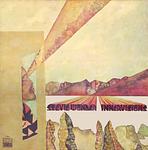
Innervisions, released in 1973, blends soul, funk, smooth soul and psychedelic soul into a studio-focused record built from warm electric pianos, layered synthesizers and tight funk rhythms. The album is notable for Stevie Wonder's multi-instrumental performances and production control, pairing intimate ballads with uptempo grooves and songs that explore social and personal themes through concise, melodic songwriting and rich, textured arrangements.
#68 — Sign "☮︎" the Times by Prince
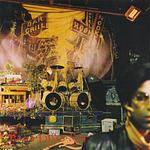
Sign o' the Times, released in 1987, is a sprawling double album by Prince that blends funk, contemporary R&B, pop rock, rock, and soul. The record moves between sparse electronic textures and drum machines and fuller guitar and horn arrangements, pairing intimate ballads with upbeat funk-pop tracks; it includes the title track "Sign o' the Times", "U Got the Look", "I Could Never Take the Place of Your Man", and "If I Was Your Girlfriend". Lyrically and sonically diverse, the album mixes personal themes about relationships with broader social commentary and represents a particularly experimental and wide-ranging phase in Prince's work.
#69 — Blonde on Blonde by Bob Dylan
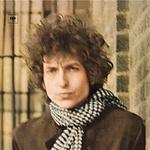
Blonde on Blonde (1966) is a sprawling double album by Bob Dylan that blends rock, folk, blues and country influences into full-band arrangements and more intimate acoustic moments. Its sound pairs loose, sometimes improvisational electric performances with dense, elliptical lyrics and distinctive vocal phrasing, moving between up-tempo rockers and long, meditative tracks. The album is notable for its ambitious scope and lyrical complexity, which helped shape popular music in the mid 1960s.
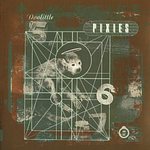
Doolittle, released in 1989 by Pixies and produced by Gil Norton, blends raw, angular guitar work with quiet-loud-quiet dynamics, concise pop hooks, and surreal, often darkly humorous lyrics. Black Francis's abrasive vocals and songwriting are balanced by Kim Deal's melodic bass and backing vocals, producing tracks that range from the abrasive "Debaser" to the more melodic "Here Comes Your Man" and the enigmatic "Monkey Gone to Heaven." The album's jagged arrangements and dynamic contrasts are frequently cited as an influence on early 1990s alternative and grunge bands.
#71 — Je dis aime by ‐M‐
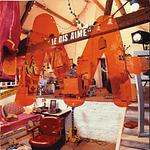
Je dis aime is the 1999 album by French artist -M- (Matthieu Chedid) that helped define his flamboyant stage persona. Musically it blends chanson française songwriting with pop and rock arrangements, pairing melodic hooks and inventive guitar work with playful, often surreal lyrics; the album moves between intimate acoustic moments and more exuberant band-driven tracks, marked by theatrical touches and a strong sense of character.
#72 — Bleu pétrole by Alain Bashung
Bleu pétrole, released in 2008, is a late-career album by Alain Bashung that blends rock with atmospheric, blues-inflected and electronic textures. Its arrangements are often spare and brooding, putting Bashung's weathered voice and elliptical, poetic lyrics at the center and producing a noirish, introspective mood. The record is notable in his discography for its austere production and dark tonal palette.
#73 — Led Zeppelin by Led Zeppelin
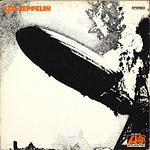
Led Zeppelin's 1969 debut is a raw, blues-rooted hard rock album that introduced the band's heavy, riff-driven sound. It combines electrified blues interpretations and original compositions with acoustic interludes, showcasing Jimmy Page's layered guitar production, Robert Plant's expressive vocals, John Paul Jones's versatile arrangements, and John Bonham's powerful drumming. The record's emphasis on distorted guitar tones, dynamic shifts and extended arrangements helped establish a blueprint for much of late 1960s and 1970s hard rock and early heavy metal.
#74 — Parachutes by Coldplay
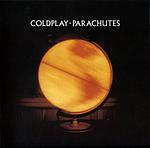
Parachutes is Coldplay's 2000 debut studio album, built around restrained, melodic songwriting and atmospheric, guitar-based arrangements. The record blends alternative and pop rock with dream pop textures and post-Britpop sensibilities, favoring gentle acoustic strumming, chiming electric guitar, and luminous production that foregrounds Chris Martin's plaintive vocals and simple piano motifs. Its overall mood is introspective and mellow, with clear, hook-driven songs that established the band's early sonic identity.
#75 — Beggars Banquet by The Rolling Stones
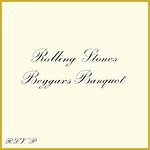
Beggars Banquet (1968) by The Rolling Stones is a roots-oriented rock album that moves away from late 1960s psychedelia toward a rawer blend of blues rock, hard-driving electric rock, and country-tinged acoustic numbers, featuring spare production, prominent guitar and slide work, and lyrical material rooted in everyday and street-level themes, marking a consolidation of the band’s classic rock identity.
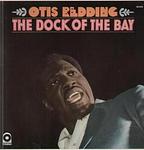
#76 — The Dock Of The Bay by Otis Redding
#77 — Marquee Moon by Television
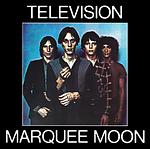
Marquee Moon is Television's 1977 debut album that blends art punk, new wave, post-punk, and art rock into a spare, guitar-driven sound. It features interlocking, melodic guitar lines from Tom Verlaine and Richard Lloyd, a taut rhythm section, and literate, elliptical lyrics, with the extended title track showcasing the band's improvisational interplay. The album's emphasis on texture and guitar interplay influenced later post-punk and indie rock approaches.
#78 — Et moi et moi et moi by Jacques Dutronc
#79 — Brothers in Arms by Dire Straits
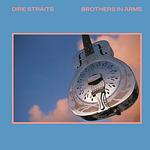
Brothers in Arms, Dire Straits' fifth studio album released in 1985, expands the band's rock and blues roots into a polished, cinematic sound centered on Mark Knopfler's fingerpicked guitar and restrained vocals. The record blends atmospheric synthesizer textures and spacious production with concise pop songwriting and extended instrumental passages, exemplified by the title track's plaintive guitar solos and the propulsive, riff-driven "Money for Nothing," which features a guest backing vocal by Sting. Its clear, dynamic production and mix of pop, classic rock and blues influences made it a defining work in the band's catalog while retaining elements of heartland rock.
#80 — Ill Communication by Beastie Boys
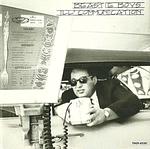
Ill Communication is a 1994 album by the Beastie Boys that blends hip hop with hardcore punk, jazz-funk and rock influences, featuring a mix of sample-based beats, live drums and guitar-driven arrangements. The record moves between aggressive, guitar-forward cuts and groove-oriented, horn and flute-tinged tracks, with songs like "Sabotage", "Sure Shot", "Get It Together" and "Root Down" illustrating the group’s genre-blurring approach and interest in both DJ culture and live-band textures. The overall sound is raw and eclectic, emphasizing a more organic, energetic production style.
#81 — Hotel California by Eagles
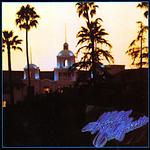
Hotel California is the Eagles album that blends their country rock roots with a more polished rock sound, featuring layered vocal harmonies, polished production, and prominent electric guitar interplay. The record is anchored by the atmospheric title track with its extended guitar coda and cinematic, evocative lyrics, alongside other tracks that mix soft rock and pop rock sensibilities with darker lyrical themes about excess and disillusionment. The overall sound marks a shift toward a richer, more rock-oriented palette while retaining melodic songwriting and close harmonies.
#82 — Who's Next by The Who
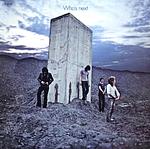
Who’s Next (1971) by The Who mixes hard rock power with art rock ambition, using prominent synthesizer textures alongside Pete Townshend's guitar work and Roger Daltrey's commanding vocals. Many songs grew out of Townshend’s abandoned Lifehouse project, condensed here into taut, arena-ready arrangements that range from driving rock anthems to introspective ballads. The album is notable for its muscular rhythm section, inventive production, and standout tracks such as "Baba O'Riley", "Won't Get Fooled Again", and "Behind Blue Eyes".
#83 — Aftermath by The Rolling Stones
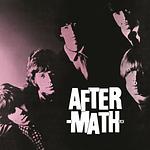
Aftermath (1966) marks the Rolling Stones' move from blues covers toward a fuller focus on original songwriting, notable as their first album comprised entirely of Jagger/Richards compositions. Musically it blends rock and blues roots with touches of folk, baroque and world-music colors, and it uses expanded instrumentation such as sitar and marimba to create distinctive textures. The record alternates riff-driven rock with quieter, more reflective moments and lyrics that probe domestic tensions and darker moods typical of the band's mid-1960s work.
#84 — Atom Heart Mother by Pink Floyd
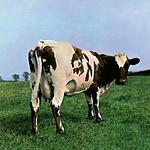
Atom Heart Mother (1970) finds Pink Floyd moving beyond late 1960s psychedelia into longer, more orchestral and experimental territory. The centerpiece is the extended title suite, developed with composer Ron Geesin and built around brass, choir and orchestral textures alongside the band’s electric and acoustic guitars, keyboards and studio effects, while the B-side includes shorter tracks that range from pastoral ballads to tape-collage experiments. The record is an early example of the group’s shift toward progressive and art rock approaches, emphasizing atmosphere, extended composition and studio experimentation.
#85 — Achtung Baby by U2
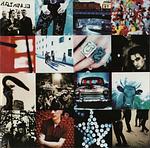
Achtung Baby is a 1991 U2 album that marked a deliberate reinvention of the band's sound, incorporating alternative rock, dance-rock and electronic textures into their songwriting. The record features dense, layered production, distorted and processed guitar tones, punchy rhythms and studio-driven effects that give it a darker, more angular and club-ready feel, while the lyrics explore themes of love, identity and personal and political tension. Its sonic experimentation and emphasis on rhythm and atmosphere set it apart from the band's earlier, more anthemic work.
#86 — Hunky Dory by David Bowie
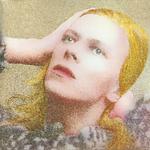
Hunky Dory (1971) finds David Bowie shifting toward a more song-oriented, piano- and acoustic guitar-driven sound that blends art rock, glam sensibility, and pop melodies. The record pairs theatrical, literate songwriting and vivid character pieces with piano-led arrangements and occasional strings, producing tracks like "Changes" and "Life on Mars?" that combine melodic hooks with surreal, introspective lyrics. The album is often seen as a transitional work that set the stylistic stage for the glam persona he developed on subsequent records.
#87 — Music for the Masses by Depeche Mode
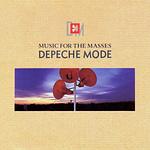
Music for the Masses (1987) presents Depeche Mode in a darker, more expansive synth-based mode, blending electronic and synth-pop textures with rock-tinged rhythms and occasional guitar color. The record features dense, atmospheric synth layers, pulsing sequenced basslines, and emotionally charged vocals, moving between propulsive, anthemic tracks and quieter, more intimate or instrumental moments. Its production and arrangements broadened the band's sonic palette and helped establish several songs as enduring elements of their live repertoire.
#88 — So by Peter Gabriel
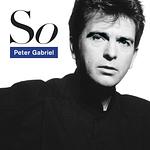
Peter Gabriel's 1986 album So blends art rock and pop rock with electronic and world music influences, combining concise, radio-friendly songcraft with layered, atmospheric production. Notable tracks include the horn-driven, funk-tinged "Sledgehammer" and the duet "Don't Give Up" with Kate Bush; the album emphasizes rhythmic textures, synthesizer atmospheres, and studio polish while retaining Gabriel's experimental sensibility.
#89 — The Stooges by The Stooges
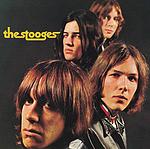
The Stooges, released in 1969, is the band’s raw debut marked by noisy, stripped-down garage rock and proto-punk aggression. It pairs repetitive, distorted guitar riffs and simple, driving rhythms with Iggy Pop’s snarling, theatrical vocals and a sparse production that emphasizes immediacy. Songs such as "I Wanna Be Your Dog", "No Fun", and "1969" capture the record’s confrontational, primal sound and its early influence on punk and harder-edged rock styles.
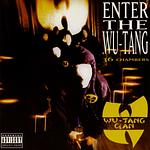
Enter the Wu-Tang (36 Chambers) is the 1993 debut album by Wu-Tang Clan, built on raw, lo-fi boom bap production and heavy use of martial arts film samples. Largely produced by RZA, it features sparse, gritty beats and layered vocal interplay that highlight the collective's nine distinct MCs and stark, street-centered lyricism. Its aggressive East Coast sound and unconventional group structure became a touchstone for hardcore hip hop and had a lasting influence on production trends and crew-centered projects.
#91 — Absolution by Muse
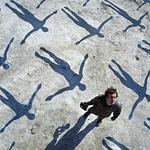
Absolution, Muse's third studio album released in 2003, finds the band expanding its sound into more cinematic and orchestral territory while retaining alternative rock and progressive rock roots. The record pairs dramatic piano and string arrangements with heavy guitar riffs, stadium scaled dynamics, and Matt Bellamy's expressive vocal delivery, often moving between delicate piano led passages and bombastic riff driven sections. Lyrically and sonically it explores themes of existential anxiety and apocalyptic imagery, and it helped set the template for Muse's large scale, theatrical approach to songwriting and live performance.
#92 — Babylon by Bus by Bob Marley & The Wailers
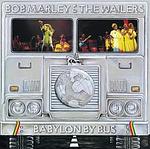
Babylon by Bus is a 1978 live album by Bob Marley & The Wailers that documents the band’s concert sound from their 1978 touring period. The performances foreground reggae rhythms and dub-influenced touches, with prominent bass and drums, sharp guitar skank, and layered backing vocals, and several tracks are presented in extended, groove-oriented live arrangements. The album serves as a vivid record of the Wailers’ live dynamics and the band’s emphasis on rhythm and call-and-response in concert.
#93 — The Köln Concert by Keith Jarrett
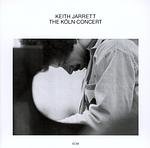
The Köln Concert is a 1975 live solo piano recording by Keith Jarrett consisting of extended, spontaneously improvised performances presented in multi-part sequences. The music blends lyrical melody, repeated rhythmic motifs and open harmonies drawn from jazz, blues and gospel idioms while remaining firmly within free improvisation and contemporary jazz contexts. Jarrett’s expressive touch, on-the-spot development of themes and responsiveness to the instrument and room create a meditative yet propulsive sound; the concert is widely regarded as a key document of solo piano improvisation in modern jazz.
#94 — Black Sunday by Cypress Hill
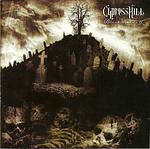
Black Sunday is Cypress Hill's second studio album, produced largely by DJ Muggs, that blends dark, sample-driven beats with West Coast hip hop rhythms and gangsta rap themes. The record emphasizes the contrast between B-Real's high, nasal lead vocals and Sen Dog's deeper delivery, foregrounds cannabis and street-oriented lyrical content, and incorporates rock textures alongside dense, psychedelic production. It features the single "Insane in the Brain" and is notable for its distinctive atmosphere and heavy grooves.
#95 — Blue Train by John Coltrane
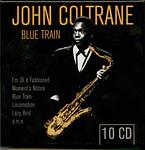
Blue Train is a landmark hard bop album led by tenor saxophonist John Coltrane, originally recorded for Blue Note and commonly issued in later reissues such as 2008 editions. The music pairs blues-inflected themes with extended improvisation, showcasing Coltrane's robust, searching tenor alongside a horn front line that includes trumpet and trombone and a propulsive rhythm section. The title track and other originals feature memorable melodies and energetic group interplay that document Coltrane's stylistic development in the late 1950s.
#96 — Head Hunters by Herbie Hancock
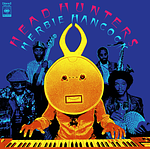
Head Hunters (1973) marks Herbie Hancock's turn toward jazz-funk and fusion, centering on deep, groove-driven compositions built from electric keyboards and early synthesizers, funky rhythm patterns, and layered percussion. Tracks such as "Chameleon" feature prominent synth basslines and extended vamps while a reworked "Watermelon Man" blends clavinet and African-influenced percussion; Bennie Maupin's reed work and the tight rhythm section of Paul Jackson, Harvey Mason, and Bill Summers provide both groove and textural contrast. The album is notable for bringing improvisational jazz language into danceable funk frameworks and for its lasting influence on jazz-funk, fusion, and later sampling in popular music.
#97 — La Llorona by Lhasa
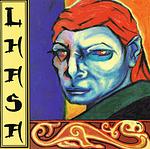
La Llorona is a 1997 album by Lhasa that blends Latin and neofolk influences with acoustic, roots-oriented arrangements and a spare, intimate production. The record is driven by Lhasa's husky, expressive voice and melancholic storytelling, often sung in Spanish, and incorporates elements of folk, world music, and subtle rock textures to create a haunting, atmospheric sound that helped define her distinct musical identity.
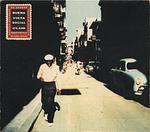
Buena Vista Social Club (1997) is a warm, acoustic collection rooted in son cubano, bolero, and Afro-Cuban jazz influences. Recorded with a group of veteran Cuban musicians and produced by Ry Cooder, it features tres and guitar, piano, soft horns, layered percussion, and intimate lead and ensemble vocals from singers such as Ibrahim Ferrer, Compay Segundo, Omara Portuondo, and others. The arrangements emphasize melody, conversational call-and-response phrasing, and nostalgic lyrical themes, and the album helped spark renewed international interest in traditional Cuban music.
#99 — Chet by Chet Baker
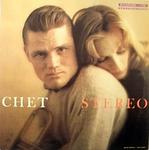
Chet, from 1959, showcases Chet Baker's cool jazz trumpet in an intimate small-group setting, emphasizing lyrical, understated lines, relaxed tempos, and a mellow, breathy tone. The album highlights Baker's focus on melody and sparse, conversational improvisation, often favoring balladry and subtle dynamics over virtuosic display, and exemplifies the introspective late 1950s side of his work.
#100 — Demon Days by Gorillaz
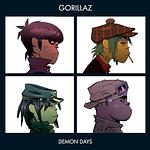
Demon Days is Gorillaz's 2005 album that expands the band's mix of electronic, trip hop, art pop, alternative rock, and alternative dance into a darker, more nocturnal set of songs. The record pairs moody, cinematic production and layered beats with Damon Albarn's songwriting and vocals, while a rotating cast of guest contributors adds stylistic variety. Its arrangements range from sparse, atmospheric tracks to punchier, groove-driven numbers, and the album is notable for a cohesive, reflective tone that addresses modern anxieties and urban isolation.