 The Greatest Music
The 1000 Best Albums of All Time (Updated 2015)
This list is basically a personal canon of albums across the modern LP era (framed on-site as “since 1949”), with a strong tilt toward rock’s artier / heavier edges (proto-punk, punk/post-punk, psych, experimental) while also pulling in major jazz and other genre essentials.
#802 — Sheer Heart Attack by Queen
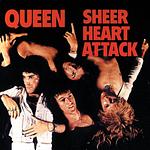
Sheer Heart Attack, Queen's third studio album released in 1974, consolidates the band's blend of hard rock, glam and progressive influences while incorporating heavier, metal-tinged guitar work and complex vocal harmonies. The record moves between punchy rockers, theatrical and vaudeville-tinged pop moments, and layered, harmony-rich arrangements that showcase Brian May's guitar textures and Freddie Mercury's wide-ranging voice; it contains the track "Killer Queen" and features songwriting contributions from all band members. Its energetic production and stylistic variety marked a clear step toward the more concise, anthemic songwriting the group would explore on later records.
#811 — Stormcock by Roy Harper
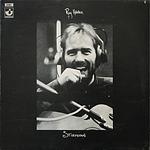
Stormcock (1971) is an album by English singer-songwriter Roy Harper that showcases extended, acoustic-based compositions blending progressive folk and British folk rock. The record features richly detailed, poetic lyrics and expansive arrangements that incorporate orchestral textures by composer David Bedford alongside Harper's fingerpicked guitar and occasional electric touches. Its long-form songs emphasize mood, lyrical narrative, and instrumental interplay, making it a clear example of Harper's ambitious, folk-rooted work from the early 1970s.
#812 — Grace by Jeff Buckley
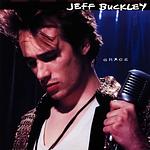
Jeff Buckley’s 1994 album Grace blends rock, alternative and folk influences into a singer-songwriter framework centered on his wide-ranging, expressive voice and intricate guitar work. The songs move between intimate acoustic passages and fuller, electric arrangements, combining delicate folk textures, soulful vocal runs, and dramatic dynamic shifts. The album is notable for its emotional intensity and for Buckley’s memorable reinterpretation of Leonard Cohen’s “Hallelujah,” and it remains influential for listeners and musicians drawn to expressive vocal performance and genre-blurring songwriting.
#814 — Pearl by Janis Joplin
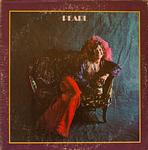
Pearl, released after Janis Joplin's death in 1971, is her final studio album and blends blues rock, soul, country-tinged rock and acoustic blues elements. Backed by the Full Tilt Boogie Band and produced by Paul Rothchild, the record pairs raw, emotive vocals with fuller, more polished production than her earlier work. Songs such as "Me and Bobby McGee" and "Mercedes Benz" showcase her storytelling and improvisational intensity, while rockers like "Move Over" and slower blues numbers underline a mix of power and vulnerability. The album serves as a document of Joplin's late-career sound.
#816 — In Color by Cheap Trick
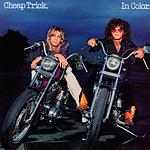
In Color is Cheap Trick's second studio album from 1977, pairing punchy hard-rock guitar and driving rhythms with tight vocal harmonies and catchy pop hooks. The core lineup of Robin Zander, Rick Nielsen, Tom Petersson and Bun E. Carlos delivers concise, hook-driven songs, including the studio version of "I Want You to Want Me" and the rousing opener "Hello There," that highlight the band's blend of power pop melody and rock energy. The production favors bright, polished tones and compact arrangements, and the album is noted for its vivid, colorful cover art.
#824 — Eternal Rhythm by Don Cherry
Eternal Rhythm is a 1969 album by Don Cherry that blends avant-garde jazz with strong world music influences, presenting extended, suitelike pieces that move between composed themes and open improvisation. The music emphasizes rhythmic cycles, modal motifs, and varied textures driven by Cherry's multi-instrumental approach, producing a spacious, often trance‑like atmosphere that foreshadows later world fusion directions in jazz.
#825 — Aretha Now by Aretha Franklin
Aretha Now (1968) is a compact album that continues Aretha Franklin's late 1960s soul work with a blend of uptempo R&B, pop-leaning songs, southern soul grit, and touches of jazz and blues. Her gospel-rooted voice leads both energetic grooves and more intimate performances, supported by punchy horns, piano and organ textures and tight rhythm playing. The record highlights her expressive phrasing and interpretive range and sits within the run of Atlantic-era records that established the core of her classic sound.
Dry is PJ Harvey's 1992 debut, a stark, raw indie rock record that blends abrasive, blues-tinged guitar work with spare, primal rhythms and urgent vocals. The songwriting is direct and confrontational, often exploring themes of gender, desire, and domestic tension, while the minimal arrangements emphasize texture and mood over polish. Its raw immediacy and distinctive vocal presence helped mark Harvey as an original voice in the early 1990s alternative rock landscape.
#830 — Phaedra by Tangerine Dream
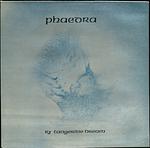
Phaedra (1974) by Tangerine Dream is a landmark of the Berlin School of electronic music, recorded by the trio of Edgar Froese, Christopher Franke, and Peter Baumann. The album centers on pulsed sequencer patterns and slowly unfolding, layered synthesizer textures, presenting long-form, atmospheric pieces that blend ambient minimalism with experimental art rock sensibilities. Its shift to sequencer-led arrangements helped crystallize the group's signature sound and influenced later developments in ambient and electronic music.
#836 — Escalator Over the Hill by Carla Bley, Paul Haines
Escalator Over the Hill is a large-scale, long-form work composed and organized by Carla Bley with a libretto by Paul Haines, released in 1971. The project blends avant-garde jazz, experimental big band writing, and third stream approaches with elements of rock, gospel, and world music, using orchestral arrangements, improvisation, theatrical vocals, and varied instrumentation to create a sprawling, genre-crossing soundscape. It is notable for its ambitious scope and collaborative cast of instrumentalists and singers drawn from jazz and related scenes, and for pushing the boundaries between composition and improvisation.
#837 — Third by Soft Machine
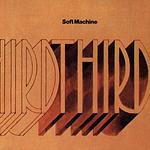
Third is a 1970 double LP by Soft Machine characterized by four extended, side-length pieces that move away from conventional song structures toward extended instrumental exploration. The music blends jazz improvisation and harmonic complexity with progressive and psychedelic textures, featuring organ, saxophone, bass and drums and occasional vocals within loosely composed suites. The album is often cited as a key moment in the band's shift into jazz-rock and experimental progressive territory and reflects the exploratory spirit of the Canterbury scene.
#838 — Disintegration by The Cure
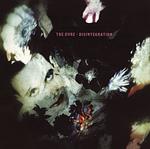
Disintegration is a 1989 album by The Cure known for its dense, atmospheric sound that blends gothic rock, post-punk and new wave influences. The record emphasizes long, immersive arrangements with layered guitars, sweeping synthesizers, and reverberant production that foregrounds Robert Smith's melancholy vocal delivery and introspective lyrics about loss, memory, and existential longing. Songs such as "Pictures of You", "Lovesong", and "Lullaby" balance pop sensibility with brooding textures, making the album a defining moment in the band's move toward more expansive, mood-driven songwriting.
#843 — Pyromania by Def Leppard
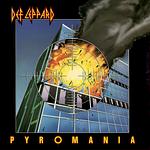
Pyromania, released in 1983 as Def Leppard's third studio album, presents a polished blend of hard rock, heavy metal and AOR under producer Robert John "Mutt" Lange. The record is built around tight guitar riffs, multilayered vocal harmonies and highly produced arrangements that emphasize melodic, radio-friendly choruses on songs such as "Photograph", "Rock of Ages" and "Foolin'". Its crisp, punchy production and stacked guitars are notable characteristics that helped define the band's commercial sound in the 1980s.
#844 — Streetcleaner by Godflesh
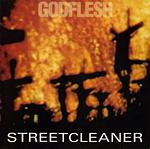
Streetcleaner, released in 1989 by Godflesh, is a bleak, heavy album that played a key role in shaping industrial metal. It pairs monolithic, downtuned guitar riffs with mechanical drum machine beats, murky bass and abrasive, often shouted vocals to produce a slow, repetitive, crushing sound. The production foregrounds cold, metallic textures and sparse arrangements, blending industrial and electronic elements with extreme metal to create an oppressive, minimalist atmosphere that influenced later bands in both industrial and metal circles.
#845 — Here's Little Richard by Little Richard
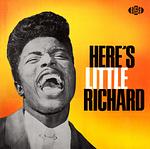
Here's Little Richard, released in 1957 on Specialty Records, collects his early singles and studio tracks that helped define his raw, frenetic brand of rock and roll. The album features piano-driven boogie rhythms, explosive vocals with gospel-influenced shouts, driving backbeats, and raucous saxophone accents on songs such as Tutti Frutti and Long Tall Sally, emphasizing rhythmic intensity and exuberant performance. It is regarded as a foundational rock and roll record that influenced many later artists.
#846 — Speaking in Tongues by Talking Heads
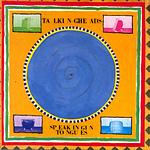
Speaking in Tongues, released in 1983, finds Talking Heads blending new wave and art rock with funk and synth-driven dance grooves. The arrangements foreground tight, interlocking rhythms and prominent bass and percussion, while David Byrne's idiosyncratic vocals and angular guitar lines remain central. The record moves toward more immediate, accessible song structures than some of their prior, more experimental work, producing memorable tracks such as "Burning Down the House" and "This Must Be the Place (Naive Melody)". Overall it emphasizes groove and songcraft while retaining the band's quirky lyrical and sonic character.
#847 — Buddy Holly by Buddy Holly
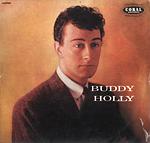
Buddy Holly is the 1958 self-titled debut album that captures Holly's blend of rockabilly, pop, and early rock and roll. The record features his clear, slightly hiccuping vocal style, chiming guitars and tight, economical arrangements that balance upbeat numbers with softer songs. Recorded with producer Norman Petty, the sessions employed early studio techniques such as overdubbing and double-tracking to broaden the sound. The album highlights Holly's concise, hook-oriented songwriting and is widely cited as an influential document of late 1950s rock.
#848 — Here Are The Sonics!!! by The Sonics
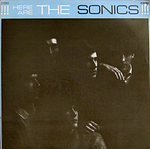
Here Are the Sonics!!! (1965) is the debut album by The Sonics, delivering a raw, aggressive take on garage rock that foreshadowed punk. The record is built around snarling lead vocals, heavily distorted guitars, raucous saxophone and propulsive drumming captured in a lo-fi, live-in-studio sound. Its visceral energy and abrasive production helped shape the aesthetic of later garage and punk bands.
#849 — Chuck Berry Is on Top by Chuck Berry
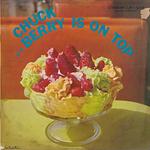
Chuck Berry Is on Top (1959) collects many of Chuck Berry’s mid-1950s singles into a single LP, highlighting his distinctive electric guitar riffs, driving rock and roll rhythms, and narrative songwriting. The tracks are generally short and punchy, built around catchy guitar hooks, boogie-inflected accompaniment, and lyrics that blend humor and storytelling, offering a concise portrait of Berry’s early style and its role in shaping the sound of rock and roll.
#851 — Songs About Fucking by Big Black
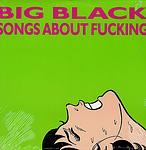
Songs About Fucking is Big Black's 1987 album led by Steve Albini that crystallizes the band's abrasive, confrontational sound. It pairs jagged, heavily distorted guitars and metallic, machine-like percussion with terse, often caustic lyrics, blending noise rock, industrial textures and post-hardcore intensity into short, tightly arranged songs. The record is known for its cold, uncompromising sonic attack and minimalist arrangements that emphasize rhythm and texture over polish.
#853 — The Lamb Lies Down on Broadway by Genesis
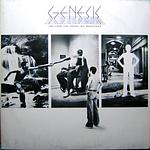
The Lamb Lies Down on Broadway (1974) is Genesis's sprawling double concept album and rock opera that follows the surreal urban odyssey of a young protagonist named Rael. Musically it blends progressive and symphonic prog with art rock theatricality, featuring extended compositions, shifting time signatures, rich keyboard textures, layered guitars and narrative vocals by Peter Gabriel. The record is notable for its ambitious storytelling, cinematic arrangements, and for being the band's last studio album with Gabriel as lead singer.
#857 — Medicine Show by The Dream Syndicate
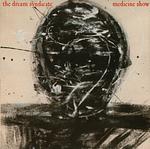
Medicine Show, The Dream Syndicate's 1984 follow-up to their debut, applies a louder, more expansive approach to their alternative rock and neo-psychedelic roots. Produced by Sandy Pearlman, the record emphasizes extended, feedback-laden guitar textures, a denser studio sound, and Steve Wynn's distinctive vocals, moving the band toward bigger arrangements and longer song structures than their earlier work.
#860 — Change of the Century by Ornette Coleman
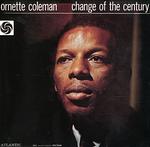
Change of the Century (1960) is Ornette Coleman's second Atlantic-era album featuring Don Cherry on pocket trumpet, Charlie Haden on bass, and Billy Higgins on drums. The music advances Coleman's early free jazz approach by omitting chordal instruments and foregrounding melodic invention, collective improvisation, and flexible rhythmic pulse. Tracks unfold from concise themes into open improvisations that emphasize lyricism and interplay over conventional harmonic progressions, making the album an important early document of the free jazz movement.
#863 — Mezzanine by Massive Attack
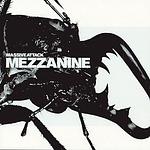
Mezzanine, released in 1998, is Massive Attack's darker, more textural trip hop album that blends slow, dub-inflected beats, deep bass, layered samples and distorted guitar tones into a cinematic, brooding sound. The record leans toward electronic, downtempo and leftfield approaches while incorporating a tougher, rock-influenced edge, and features guest vocalists such as Elizabeth Fraser and Horace Andy on memorable tracks like "Teardrop" and "Angel". Its production emphasizes atmosphere and tension, expanding the sonic range of alternative dance and trip hop.
#867 — Nefertiti by Miles Davis
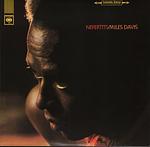
Nefertiti is a 1968 studio album by Miles Davis featuring his second quintet with Wayne Shorter, Herbie Hancock, Ron Carter and Tony Williams. The music works within modal and post-bop frameworks, emphasizing close ensemble interplay, graceful melodies and rhythmic subtlety; a notable feature is the inversion of roles in which the rhythm section often repeats figures while Davis and Shorter take extended improvisations. The record has a spacious, refined sound and is commonly cited as part of the band’s late acoustic phase that led into Davis’s subsequent experiments with electric textures.
#869 — Power, Corruption & Lies by New Order
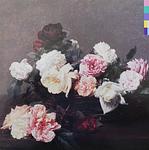
Power, Corruption & Lies (1983) finds New Order moving further from their post-punk origins into a more electronic, dance-oriented sound. The album pairs sequenced synths and drum machines with prominent, melodic basslines and understated vocals, blending synth-pop brightness with post-punk melancholy; tracks such as "Age of Consent" and "Your Silent Face" illustrate its mix of dance rhythms and introspective moods. The record is notable for helping to fuse electronic production techniques with pop songwriting in the early 1980s.
#870 — Music for 18 Musicians by Steve Reich
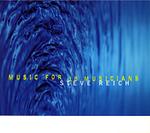
Music for 18 Musicians is Steve Reich’s large-scale minimalist work realized here as an ensemble recording that foregrounds interlocking rhythmic cells and gradual harmonic shifts. The piece moves from an opening cycle of chords into a sequence of pulsing, repetitive patterns performed by a chamber ensemble combining voices, tuned percussion, keyboards, and winds, producing a shimmering, trance-like texture. Its precise rhythmic interplay, shifting textures, and emphasis on timbre and process make it a widely regarded landmark of modern minimalism and a defining work in Reich’s output.
#871 — Buffalo Springfield Again by Buffalo Springfield
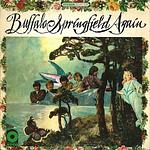
Buffalo Springfield Again, the group's 1967 second album, expands their folk rock foundation into elements of country rock and psychedelia. It pairs concise, socially aware songs like "For What It's Worth" with rougher electric tracks such as "Mr. Soul", country-tinged acoustic work like "Bluebird", and the orchestral pop of "Expecting to Fly". The record highlights the contrasting songwriting and guitar interplay of Stephen Stills and Neil Young, layered vocal harmonies, and varied arrangements that helped define late 1960s Los Angeles rock.
#872 — Turn On the Bright Lights by Interpol
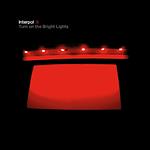
Turn On the Bright Lights is Interpol's 2002 debut album, rooted in post-punk revival and indie rock. It pairs taut, angular guitar interplay and prominent melodic bass with precise, restrained drums and Paul Banks's cool baritone, creating a moody, nocturnal atmosphere. The production leaves plenty of space and reverb, giving songs a tense, cinematic quality across tracks like Obstacle 1, PDA and NYC. The album is often cited as a defining statement of the band's early sound and of the early 2000s post-punk revival.
#874 — The Dreaming by Kate Bush
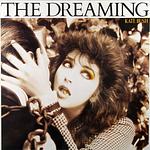
The Dreaming is a 1982 album by Kate Bush that sees her moving into a denser, more experimental blend of art rock and art pop while retaining pop and rock elements. Bush took on production duties and used extensive studio experimentation and sampling to build complex rhythms, layered textures, and theatrical, highly expressive vocals. The songs shift between jagged, percussive arrangements and more atmospheric, melodic moments, with vivid, often uncanny storytelling and lyrical detail that broadened her sonic palette and marked a deliberate move away from straightforward pop conventions.
#878 — I Put a Spell on You by Nina Simone
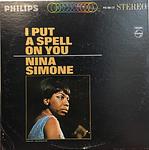
I Put a Spell on You, from 1965, finds Nina Simone blending jazz, folk, pop, and soul with her distinctive, theatrical vocal delivery and piano work. The album alternates intimate, blues-tinged performances with fuller orchestrations and pop-leaning arrangements, highlighted by the vivid title track and her interpretation of "Feeling Good." It showcases Simone's ability to move between spare, emotionally direct moments and larger, more dramatic settings, underscoring her versatility as an interpreter of diverse material.
#883 — Is This It by The Strokes
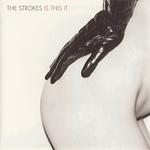
Is This It is the 2001 debut album by The Strokes, characterized by concise, guitar-driven songs that helped define the early 2000s garage rock revival. The record pairs jangly, riff-focused arrangements and tight rhythmic interplay with Julian Casablancas's detached, deadpan vocal delivery, and a lo-fi, immediate production that favors atmosphere over polish. Songwriting on the album emphasizes melodic hooks and sparse textures across compact tracks, and its aesthetic had a noticeable influence on subsequent indie and alternative rock acts.
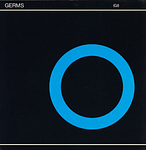
(GI) is the Germs' 1979 studio album, produced by Joan Jett, that captures the band's raw, chaotic take on late 1970s Los Angeles punk. The record features abrasive, fast guitar work, terse and often abrasive songs, and Darby Crash's confrontational vocal style, placing it at the intersection of punk and early hardcore and marking it as an influential document of the LA punk scene.
#889 — The Sidewinder by Lee Morgan
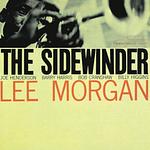
The Sidewinder, recorded in late 1963 and released in 1964, is a hard bop album with a strong soul jazz sensibility. Its title track is built around a propulsive, riff-driven boogaloo groove that foregrounds Lee Morgan's bright, blues-inflected trumpet and has a relaxed, danceable feel. The album pairs that soulful funkiness with straight-ahead hard bop improvisation across the band, featuring Joe Henderson on tenor sax, Barry Harris on piano, Bob Cranshaw on bass, and Billy Higgins on drums, and is often noted for its tight ensemble playing and accessible, groove-oriented sound.
#893 — Combat Rock by The Clash
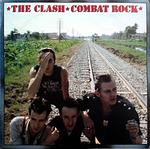
Combat Rock, released in 1982 by The Clash, blends the band's punk roots with new wave, dub, funk and pop rock elements. The album pairs concise, radio-friendly songs with longer, rhythm-driven tracks that use reggae and dub production techniques, prominent basslines, funk grooves and layered studio textures. Lyrically it balances political commentary and street-level storytelling, and the band experiments with more expansive arrangements than on earlier records. The result is a stylistic mix that broadened The Clash's sonic palette and showcased their willingness to fuse diverse influences.
#894 — The Unforgettable Fire by U2
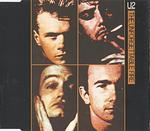
The Unforgettable Fire is U2's fourth studio album, released in 1984 and produced by Brian Eno and Daniel Lanois. The record moves the band away from straightforward post-punk toward more atmospheric, ambient-influenced soundscapes, with The Edge's textural guitar work, layered production, and Bono's impassioned vocals supporting songs that blend political themes and abstract lyrical imagery. The album expands the band's sonic palette and helped set the stage for their subsequent musical direction.
#896 — The Joshua Tree by U2
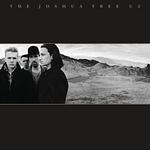
The Joshua Tree, released in 1987 by U2, refines the band’s post-punk roots into a widescreen rock sound that blends atmospheric, delay-heavy guitar work with blues, gospel and American roots influences. Produced by Brian Eno and Daniel Lanois, the album favors sparse, spacious arrangements that highlight The Edge’s chiming textures and Bono’s expressive vocals while exploring themes of faith, politics and the American landscape. Tracks move between spare balladry and driving, anthemic rock, and the record is noted for its cinematic production and lyrical focus on searching and spirituality.