 The Greatest Music
The 1000 Best Albums of All Time (Updated 2015)
This list is basically a personal canon of albums across the modern LP era (framed on-site as “since 1949”), with a strong tilt toward rock’s artier / heavier edges (proto-punk, punk/post-punk, psych, experimental) while also pulling in major jazz and other genre essentials.
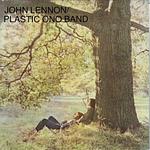
John Lennon/Plastic Ono Band (1970) is a stark, confessional solo album that pares arrangements down to bare acoustic and electric guitars, piano, bass and drums, putting Lennon's voice and direct lyrics at the forefront. The songs are raw and intimate, shaped by his engagement with primal therapy, and confront themes of identity, loss, faith and personal liberation with blunt, often painful imagery. Blending rock and folk with a singer-songwriter sensibility, the record is notable for its spare production and emotionally unguarded performances.
#710 — Meat Is Murder by The Smiths
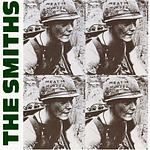
Meat Is Murder is The Smiths' second studio album, released in 1985. It pairs Johnny Marr's chiming, layered guitar work and more forceful rock arrangements with Morrissey's literate, often confrontational lyrics, moving the band toward more overtly political and social themes, including animal rights on the title track. Musically it sits at the intersection of indie pop, jangle pop, indie rock and post-punk, combining melodic hooks with darker, sharper textures than their debut.
#714 — John Barleycorn Must Die by Traffic
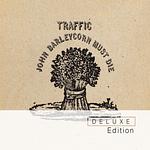
John Barleycorn Must Die (1970) finds Traffic blending folk rock and progressive approaches with blues and jazz colors. The title track is a long, pastoral reading of the traditional ballad built around acoustic guitar and flute, while instrumental pieces such as "Glad" highlight Steve Winwood's organ and piano work over loose, jazz-tinged rhythms. The album emphasizes rootsy, spacious arrangements and multi-instrumental textures, with Winwood's vocals and keyboards supported by Chris Wood's woodwinds and Jim Capaldi's percussion.
#716 — Look Sharp! by Joe Jackson
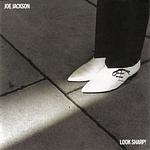
Look Sharp! is Joe Jackson's 1979 debut album, presenting concise, punchy songs that blend new wave and power pop with jazz-pop touches. The arrangements highlight piano alongside tight rhythm guitar and bass, with occasional saxophone flourishes, and pair catchy melodic hooks with wry, literate lyrics; the record includes the song 'Is She Really Going Out With Him?'. The album marked Jackson's emergence as a songwriter who mixed pop songcraft with jazz-informed musicianship.
#720 — Billion Dollar Babies by Alice Cooper
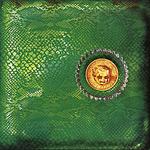
Billion Dollar Babies (1973) by Alice Cooper pairs hard rock and glam sensibilities with the band's theatrical shock-rock approach, produced by Bob Ezrin. The record balances punchy, guitar-driven rockers and more atmospheric, psychedelic-tinged passages, with lyrics that often satirize fame, excess, and American show business, reinforcing the band’s macabre stage persona and cinematic songcraft.
#722 — Spirit of Eden by Talk Talk
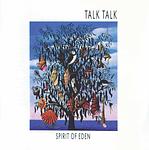
Spirit of Eden, released in 1988 by Talk Talk, marks the band's move away from polished pop toward sparse, atmospheric compositions that influenced post-rock and experimental rock. The record emphasizes space and texture, blending acoustic instruments, jazz-inflected improvisation, ambient soundscapes, and chamber-like orchestral touches with Mark Hollis's restrained vocals and deliberate use of silence. Arrangements unfold slowly and organically, favoring mood and timbral detail over conventional song structures, creating an intimate and unpredictable listening experience.
#725 — The Soul Album by Otis Redding
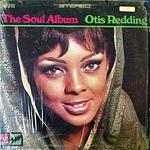
The Soul Album (1966) showcases Otis Redding's raw, emotive take on Southern soul, balancing slow-burning ballads and more urgent R&B numbers driven by punchy horn lines and a steady, groove-oriented rhythm. Redding's impassioned, gritty vocals and expressive phrasing are the record's focus, giving simple arrangements a powerful, immediate impact. As part of his mid-1960s output, the album exemplifies the heartfelt intensity and earthy sound that helped define classic Southern soul.
#726 — Machine Gun by The Peter Brötzmann Octet
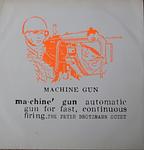
Machine Gun is a 1968 album by Peter Brötzmann's octet that captures a raw, high-energy strain of free jazz. The music emphasizes collective improvisation, dense and often abrasive textures, forceful horn interplay and extended techniques supported by a driving rhythm presence. Its unrelenting intensity and focus on group dynamics mark it as an important early statement in European free improvisation.
#732 — Swordfishtrombones by Tom Waits
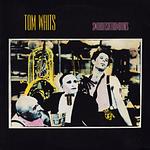
Swordfishtrombones (1983) is a Tom Waits album that marks a pronounced shift from his earlier piano-based, jazz and blues-tinged work toward a more experimental, percussive, and theatrical approach. The arrangements foreground unconventional percussion and found sounds alongside brass and woodwind textures, while Waits adopts a rougher, more expressive vocal style and surreal, character-driven storytelling. The record blends elements of blues, rock, and avant-garde experimentation and is regarded as a pivotal move into more adventurous, alternative rock and experimental territory for the artist.
#734 — Soul Mining by The The
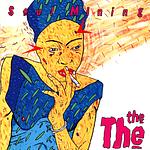
Soul Mining, released in 1983 by The The and driven by Matt Johnson's songwriting, blends post-punk edge with new wave and synth pop textures and an art pop sensibility. The record pairs literate, often brooding lyrics about personal and social unease with sparse, atmospheric arrangements that mix drum machines, jagged guitars, warm synth lines and piano. Tracks like "Uncertain Smile" and "This Is the Day" illustrate the album's tension between catchy melodies and introspective, sometimes dark themes, producing a moody, stylistically varied debut that established Johnson's distinctive voice.
#736 — Goodbye and Hello by Tim Buckley
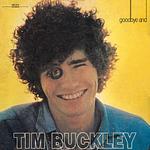
Goodbye and Hello, Tim Buckley’s 1967 album, expands on his acoustic folk roots with fuller band arrangements and psychedelic-tinged folk rock. The record blends poetic, introspective lyrics and Buckley’s wide-ranging, expressive vocals with electric guitar, keyboards and occasional orchestral touches, signaling a move toward more adventurous musical textures. It stands as an early example of Buckley stretching folk songwriting into broader, more eclectic sonic territory.
#737 — Diamond Dogs by David Bowie
Diamond Dogs (1974) is a David Bowie album that blends glam rock and classic rock with a darker, theatrical tone, featuring raw, guitar-driven arrangements alongside moments of horn-tinged soul and funk that point toward his later stylistic shifts. The record has a loose conceptual thread of urban decay and dystopian imagery, and includes sprawling sequences such as the Sweet Thing suite and the anthemic single Rebel Rebel, marking a move away from his Ziggy Stardust stage persona toward a more fragmented, cinematic sound.
#739 — Split by The Groundhogs
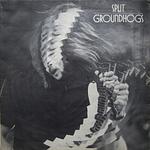
Split, released in 1971 by The Groundhogs, is a guitar-driven album that blends blues rock foundations with harder edged riffs and touches of psychedelic color. Tony McPhee's raw, inventive guitar work and compact arrangements push traditional blues forms into more expansive, dynamic songs that move between acoustic passages and muscular electric grooves. The record's concentrated intensity and varied textures make it a distinctive entry in the band's catalog.
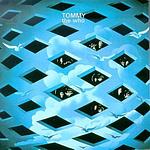
Tommy is a 1969 rock opera album by The Who that presents a largely continuous narrative about a boy described as deaf, dumb, and blind who later becomes a pinball champion and a messianic figure. Musically it blends hard rock guitar, driving rhythms, and melodic pop hooks with theatrical arrangements and recurring motifs, highlighting Pete Townshend's ambitious songwriting and the band's energetic performances. Its extended song cycles and focus on long-form storytelling helped popularize the concept album format in rock.
#747 — Nina Simone Sings the Blues by Nina Simone
Nina Simone Sings the Blues, issued in 1967, emphasizes Simone's blues side with piano-led arrangements that blend jazz improvisation, gospel-inflected phrasing, and soul-styled urgency. Performances move between spare, intimate settings and grittier small-group grooves, highlighting her expressive vocal delivery, dramatic dynamics, and rhythmic control. The collection underscores Simone's ability to bridge jazz and popular black musical traditions and presents blues material with a personal, genre-crossing intensity.
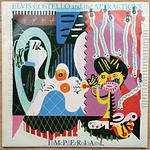
Imperial Bedroom, released in 1982 by Elvis Costello & The Attractions, is a studio album that shifts from the band’s earlier new wave edge toward richly arranged, baroque-influenced pop and rock. Produced by Geoff Emerick, the record features ornate chamber-pop arrangements, inventive studio touches, and complex songcraft, pairing intricate melodies with literate lyrics that examine personal and social themes. The album stands out in Costello’s catalog for its ambitious, texturally dense approach to pop songwriting.
#757 — The Undertones by The Undertones
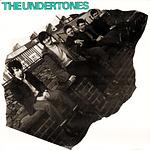
The Undertones' 1979 debut is a concise, guitar-driven record that pairs punk urgency with catchy pop melodies. Tracks are short and immediate, built from choppy power-chord rhythms, jangly lead lines, and Feargal Sharkey's distinctive youthful vocals, with lyrics focused on adolescent life and direct, unadorned hooks. The album emphasizes bright, energetic arrangements that bridge punk, new wave, and early pop punk sensibilities.
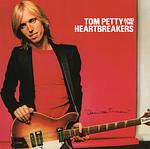
Damn the Torpedoes (1979) is Tom Petty and the Heartbreakers' third album, produced by Jimmy Iovine. It pairs concise, punchy rock arrangements and jangly guitar lines with strong pop hooks and a heartland rock sensibility, with occasional harder-edged guitar work and driving rhythms. Tracks like "Refugee", "Don't Do Me Like That" and "Here Comes My Girl" showcase Petty's direct songwriting about resilience and everyday life. The record marked a commercial and artistic breakthrough that helped define Petty's signature sound and influenced rock of the era.
#759 — Legalize It by Peter Tosh
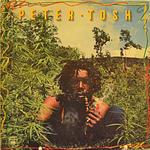
Legalize It is Peter Tosh's 1976 debut solo album after leaving the Wailers. Rooted in roots reggae, it features groove-driven rhythms, prominent bass and drums, offbeat guitar skanks, organ and horn touches, and Tosh's assertive baritone. Lyrically it mixes personal and political themes, most notably open advocacy for cannabis legalization on the title track. The record helped define Tosh's solo identity with a direct, uncompromising sound and socially conscious songwriting.
#762 — One Step Beyond… by Madness
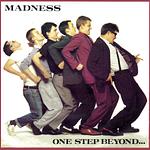
One Step Beyond… is the 1979 debut album by Madness that blends upbeat ska rhythms with British pop and a theatrical sensibility. The record features choppy upstroke guitar, punchy horn arrangements, and the distinctive vocal delivery of Suggs, pairing exuberant, danceable tracks with wry, observational lyrics about everyday life. Opening with a cover of Prince Buster's instrumental title track, the album helped define the ska-pop sound associated with the late 1970s 2 Tone scene and established Madness's mix of humor and melancholy.
#773 — The Meters by The Meters
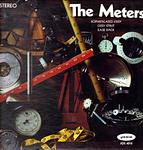
The Meters' 1969 debut is a lean, groove-centered collection of instrumental funk rooted in New Orleans rhythm and soul. The quartet's tight interplay pairs spare organ and choppy guitar with a deep, syncopated bass and inventive drumming to create concise, danceable grooves that prioritize feel and pocket over showy solos. The record established the band's template of economy and rhythm-first playing and influenced many later funk and R&B artists.
#775 — Conference of the Birds by Dave Holland Quartet
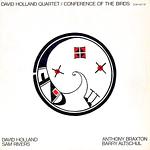
Conference of the Birds (1973) by the Dave Holland Quartet is an important example of 1970s avant-garde and free jazz, built around Holland's bass-led compositions and extended group improvisation. The record features saxophonists Anthony Braxton and Sam Rivers alongside drummer Barry Altschul, and is notable for its open, spacious interplay, contrapuntal textures between bass and reeds, and a balance of written motifs with loose, exploratory solos that emphasize collective dynamics over individual spotlighting.
#776 — Green River by Creedence Clearwater Revival
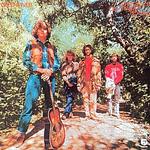
Green River is a 1969 album by Creedence Clearwater Revival that crystallizes the band's compact, roots-oriented rock sound, blending blues rock, folk and country influences into tight, punchy songs. Led by John Fogerty's direct songwriting, raw guitar tones and swampy rhythmic grooves, the record emphasizes concise arrangements, clear melodies and vivid Americana imagery despite the group's California origins. The album balances upbeat rockers with more reflective, story-driven tracks and is often cited as a defining example of the band's signature style.
#777 — Song for My Father by The Horace Silver Quintet
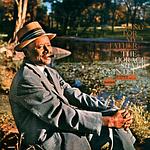
Song for My Father is a 1964 hard bop album by pianist Horace Silver that blends blues, gospel, and Latin influences into concise, melody-driven compositions. The title track, with its Brazilian-flavored rhythm and memorable piano motif, exemplifies the record's focus on catchy themes, tight ensemble playing, and soulful improvisation. Overall the album showcases Silver's skill in crafting strong grooves and accessible, blues-rooted hard bop arrangements.
#780 — Just As I Am by Bill Withers
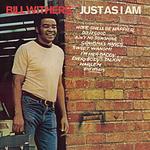
Just As I Am is Bill Withers' 1971 debut album, produced by Booker T. Jones. The record introduced his understated approach to soul, pairing plainspoken, autobiographical lyrics with spare, groove-oriented arrangements that blend deep soul balladry and smooth soul touches. Withers' warm baritone and simple guitar work are foregrounded, supported by subtle horns and organ, and the album includes songs such as "Ain't No Sunshine" and "Grandma's Hands" that illustrate its intimate, timeless sound.
#785 — Songs of Love and Hate by Leonard Cohen
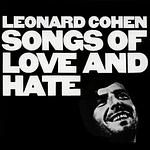
Songs of Love and Hate (1971) finds Leonard Cohen deepening his spare singer-songwriter approach into darker, more dramatic territory, pairing his low, conversational voice and meticulous lyrics with stark guitar lines and occasional orchestral touches that recall baroque pop. The album blends folk, rock and chamber-like instrumentation to explore themes of love, betrayal, death and spiritual yearning, producing a tense, intimate atmosphere that foregrounds Cohen's poetic storytelling. It is regarded as one of his important early records for its uncompromising tone and focus on lyric-driven songs.
#788 — Younger Than Yesterday by The Byrds
Younger Than Yesterday (1967) finds the Byrds expanding their folk rock roots into more varied pop and psychedelic territory. The record mixes the group's signature jangly 12-string guitar and tight vocal harmonies with more adventurous arrangements and songwriting, including notable tracks such as 'So You Want to Be a Rock 'n' Roll Star', 'My Back Pages', and 'Have You Seen Her Face'. Chris Hillman's songwriting contributions increased and David Crosby's experimental tendencies are audible on several songs, giving the album a balance of concise pop songs and psychedelic touches that pointed toward the band's later work.
#789 — Psychocandy by The Jesus and Mary Chain
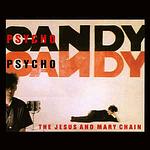
Psychocandy, the 1985 debut by The Jesus and Mary Chain, pairs 1960s pop melodies with heavy feedback, distortion, and reverb to create an early noise pop sound that helped shape later shoegaze and alternative rock. The songs often juxtapose simple, catchy hooks and a detached vocal style with dense, abrasive guitar textures and spare rhythmic backing, emphasizing atmosphere and texture over polish. Its raw production and striking contrasts between sweetness and noise made the record a distinctive influence within indie and alternative scenes.
#790 — A Moon Shaped Pool by Radiohead
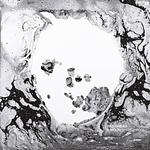
A Moon Shaped Pool is Radiohead's 2016 album that blends art rock, art pop, ambient pop, alternative rock and electronic textures into a restrained, orchestral sound. The record foregrounds Jonny Greenwood's string arrangements and Nigel Godrich's production, pairing acoustic piano and chamber strings with subtle electronic processing and Thom Yorke's emotive vocals to produce a melancholic, introspective atmosphere. It includes a newly arranged studio version of "True Love Waits" and reframes older material within lush, layered arrangements.
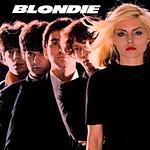
Blondie is the band's 1976 debut album that introduced their blend of punk energy and pop songwriting within the emerging New York new wave scene. Debbie Harry's cool, melodic vocals are paired with angular guitars, prominent keyboards and tight rhythmic drive, producing concise, hooky songs such as X Offender, Rip Her to Shreds and In the Flesh. Produced by Richard Gottehrer, the record showcases the group's early mix of rock, pop and punk influences.
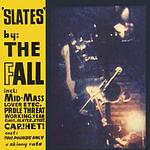
Slates is a 1981 EP by The Fall that condenses the band's post-punk approach into short, intense pieces. The sound is spare and jagged, driven by taut, repetitive rhythms, angular guitars and Mark E. Smith's caustic, talk-sung vocals, with lyrics that are cryptic and often darkly humorous. Its compact, abrasive style highlights the group's blending of punk energy with experimental textures and a stark, rhythmic focus.