 The Greatest Music
The 100 Best Albums of All Time
Weight: 95%
How much this list influences our overall rankings. Higher weight means more reliable data.
Penalties Applied:
In summer 2007, Dutch music magazine OOR surveyed 100 Dutch pop “tastemakers”—critics and music figures from print, radio, TV, and web media (plus major festival directors)—asking each to submit a personal top 10 albums of all time. OOR aggregated these ballots into a points-based Top 100, and published the results (with analysis and the full set of individual lists) in OOR issue #7 (2007) as a 20-year follow-up to its 1987 all-time poll.
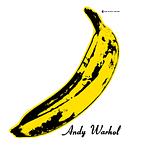
The Velvet Underground & Nico (1967) blends art rock, experimental and garage influences, pairing Lou Reed's stark songwriting and vocals with John Cale's abrasive viola and drone textures, Sterling Morrison's guitar and Maureen Tucker's spare percussion. Nico supplies detached lead vocals on a few tracks. The record mixes concise pop melodies with feedback, distortion and candid lyrics about urban life, sex and drug use, creating a raw, intimate sound that helped shape later art rock, punk and alternative music. Produced with Andy Warhol's involvement and notable for its banana cover, the album is distinguished by its experimental production and unconventional subject matter.
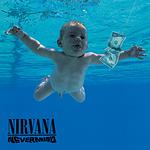
Nevermind, released in 1991 by Nirvana, is a grunge and alternative rock album that blends punk rawness with pop-minded songwriting, characterized by loud-quiet-loud dynamics, distorted guitars, and Kurt Cobain's raw, melodic vocal delivery and introspective lyrics about alienation and personal struggle. Produced by Butch Vig, the record pairs cleaner studio production with a sense of urgency and abrasive textures, and its accessible hooks alongside heavy instrumentation helped bring alternative rock aesthetics to a much wider audience.
#3 — OK Computer by Radiohead
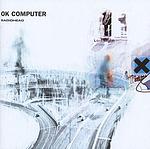
OK Computer is Radiohead's 1997 album that expands their alternative rock roots into art rock and electronic-influenced territory, pairing layered guitars and dense textures with electronic touches and Thom Yorke's expressive vocals. The record emphasizes atmospheric arrangements, unconventional song structures, and lyrics concerned with alienation, technology, and modern life, marking a turning point toward a more experimental and expansive sound for the band.
#4 — Revolver by The Beatles
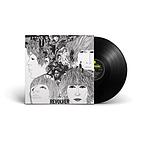
Revolver (1966) finds The Beatles shifting from straightforward pop toward more studio-focused, experimental songwriting and arrangements. Musically it blends rock and pop with psychedelic textures and elements drawn from classical and Indian music, featuring tight vocal harmonies, sharp electric guitar work, string arrangements on songs such as "Eleanor Rigby", George Harrison's sitar on "Love You To", and the tape-loop, drone-driven production of "Tomorrow Never Knows". The album is notable for its inventive studio techniques, varied song forms, and concise production that broadened the sonic palette of popular music recording.
#5 — The Queen Is Dead by The Smiths
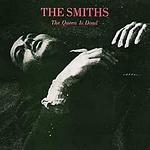
The Queen Is Dead (1986) by The Smiths pairs Johnny Marr's chiming, layered guitars and inventive arrangements with Morrissey's literate, sardonic vocals and lyrics, folding jangle pop and neo-acoustic textures into more muscular indie rock moments. The songs move between upbeat, melodic tracks and quieter, introspective pieces, highlighting tight songcraft, melodic basslines, and occasional fuller production that broadens the band's earlier, sparer sound. The album is frequently cited as a defining statement of the band's style and an important record in 1980s British indie music.
#6 — What's Going On by Marvin Gaye
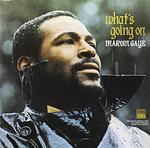
"What’s Going On" (1971) by Marvin Gaye is a cohesive, socially conscious soul album that blends Motown rhythm and smooth soul vocals with lush orchestral arrangements and jazz-influenced horns and strings. Gaye's intimate lead singing, layered background vocals, and subtle studio production create a reflective, spiritual atmosphere as the songs address themes such as war, urban poverty, policing, and environmental concerns. The result is a quieter, more contemplative direction for Motown sounds that broadened the expressive range of R&B.
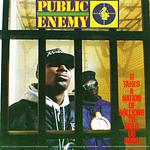
It Takes a Nation of Millions to Hold Us Back is Public Enemy's 1988 album that pairs confrontational, politically driven lyricism with dense, abrasive production. The Bomb Squad's layered, collage-like use of samples, sirens and jagged beats creates a thick, chaotic soundscape that underpins Chuck D's authoritative social commentary and Flavor Flav's rhythmic interjections. The album emphasizes themes of racial injustice, institutional power and media critique while expanding hip hop's sonic and rhetorical possibilities, influencing the development of East Coast, political and hardcore hip hop styles.
#8 — Pet Sounds by The Beach Boys
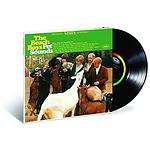
Pet Sounds is a 1966 studio album by The Beach Boys, largely written and produced by Brian Wilson. Musically it blends pop, baroque pop, psychedelic pop and rock with lush, chamber-pop influenced arrangements, inventive studio production and layered vocal harmonies. The record is notable for its introspective lyrics, unusual instrumentation and emphasis on studio experimentation that helped expand the sonic possibilities of pop music.
#9 — Grace by Jeff Buckley
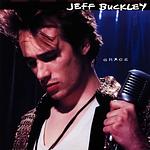
Jeff Buckley’s 1994 album Grace blends rock, alternative and folk influences into a singer-songwriter framework centered on his wide-ranging, expressive voice and intricate guitar work. The songs move between intimate acoustic passages and fuller, electric arrangements, combining delicate folk textures, soulful vocal runs, and dramatic dynamic shifts. The album is notable for its emotional intensity and for Buckley’s memorable reinterpretation of Leonard Cohen’s “Hallelujah,” and it remains influential for listeners and musicians drawn to expressive vocal performance and genre-blurring songwriting.
#10 — London Calling by The Clash
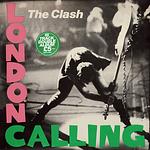
London Calling (1979) by The Clash is a double album that builds on the band’s punk roots while incorporating rockabilly, reggae, ska, new wave and straight rock. The record pairs punk’s urgency and raw guitar with melodic hooks, varied arrangements and occasional piano and horn touches, and features Joe Strummer’s often politically minded and observational lyrics. Its wide stylistic range and confrontational yet tuneful approach helped broaden the musical possibilities available to punk bands at the time.
#11 — Daydream Nation by Sonic Youth
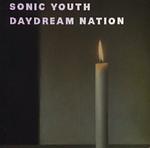
Daydream Nation (1988) by Sonic Youth blends noisy, experimental textures with melodic songcraft, moving between abrasive, dissonant guitar attack and extended, atmospheric passages. The band uses alternate tunings, feedback and layered guitars to create dense, shifting soundscapes while maintaining memorable hooks on tracks like Teen Age Riot and Silver Rocket. The album is frequently cited as an important bridge between no wave noise experiments and the emergence of alternative and indie rock in the late 1980s.
#12 — Unknown Pleasures by Joy Division
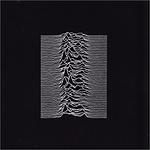
Unknown Pleasures, Joy Division's 1979 debut studio album, is a landmark of post-punk characterized by sparse, austere arrangements and distinctive production by Martin Hannett. The record pairs Peter Hook's high, melodic basslines and Bernard Sumner's angular guitar with Stephen Morris's precise, often metronomic drums under Ian Curtis's deep, restrained vocals and introspective lyrics, creating a cold, atmospheric sound that also fed into gothic and alternative rock developments. Its use of space, effects, and the iconic pulsar waveform cover have made it an enduring reference point for late 20th century underground rock.
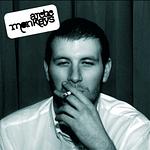
Whatever People Say I Am, That's What I'm Not is the 2006 debut album by Arctic Monkeys. It delivers energetic, guitar-driven indie rock with garage rock revival and post-punk revival influences, marked by brisk tempos, tight arrangements, and Alex Turner's observational, conversational lyrics about youth and nightlife. The production is immediate and raw, emphasizing punchy riffs and driving rhythms, and the record played a key role in defining mid-2000s British indie rock while emerging alongside early internet buzz around the band.
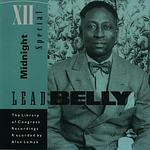
A collection drawn from Lead Belly’s Library of Congress field recordings that highlights his acoustic country blues and folk repertoire, centered on his powerful voice and distinctive twelve-string guitar accompaniment. The performances span ballads, work songs, and blues standards delivered in a spare, direct recording style that emphasizes rhythmic drive and storytelling. The set functions as a document of Lead Belly’s repertoire and of early American roots music traditions.
#15 — Is This It by The Strokes
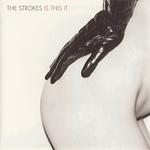
Is This It is the 2001 debut album by The Strokes, characterized by concise, guitar-driven songs that helped define the early 2000s garage rock revival. The record pairs jangly, riff-focused arrangements and tight rhythmic interplay with Julian Casablancas's detached, deadpan vocal delivery, and a lo-fi, immediate production that favors atmosphere over polish. Songwriting on the album emphasizes melodic hooks and sparse textures across compact tracks, and its aesthetic had a noticeable influence on subsequent indie and alternative rock acts.
#16 — Blonde on Blonde by Bob Dylan
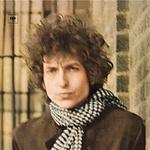
Blonde on Blonde (1966) is a sprawling double album by Bob Dylan that blends rock, folk, blues and country influences into full-band arrangements and more intimate acoustic moments. Its sound pairs loose, sometimes improvisational electric performances with dense, elliptical lyrics and distinctive vocal phrasing, moving between up-tempo rockers and long, meditative tracks. The album is notable for its ambitious scope and lyrical complexity, which helped shape popular music in the mid 1960s.
#17 — Remain in Light by Talking Heads
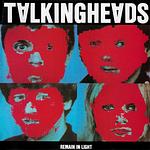
Remain in Light (1980) finds Talking Heads blending New Wave, post-punk, funk, and electronic textures through an experimental production approach with Brian Eno. The album foregrounds layered, polyrhythmic grooves influenced by West African rhythms, interlocking guitar and synth patterns, and funk-tinged bass to create dense, propulsive arrangements. David Byrne's vocal delivery moves between urgent and detached across fragmented, mantra-like lyrics, while studio techniques favor repetition, loops, and ambient sonics. The record is often noted for shifting the band's sound toward a more rhythmic, textural, and collaborative form of art rock.
#17 — Closer by Joy Division
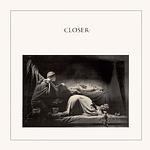
Closer is Joy Division's 1980 album that presents a stark, atmospheric take on post-punk with clear ties to new wave and early gothic rock. The record is characterized by Martin Hannett's spacious, reverb-heavy production, Peter Hook's melodic, high-register basslines, Bernard Sumner's angular guitars and synth textures, and Ian Curtis's deep, intense vocals paired with spare, often bleak lyrics. Overall it emphasizes mood, restraint, and a cold, cinematic ambience that proved influential on later alternative and gothic-leaning acts.
#19 — Abbey Road by The Beatles
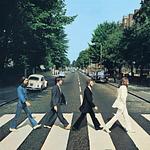
Abbey Road, recorded in 1969, finds the Beatles blending rock, pop, and traces of psychedelia into a polished, studio-focused sound marked by layered vocal harmonies, inventive arrangements, and early use of the Moog synthesizer. The album balances standalone tracks such as 'Come Together', 'Something', and 'Here Comes the Sun' with a continuous side two medley that stitches shorter pieces into a cohesive suite, reflecting the band's late-period emphasis on production and songcraft. Its warm production, melodic variety, and structural ambition make it a notable culminating statement in the Beatles' studio work.
#20 — A Love Supreme by John Coltrane
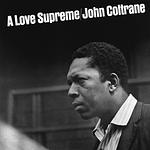
A Love Supreme is a four-part suite recorded by John Coltrane's classic quartet and released in 1965. The music combines modal and post-bop language with a devotional, intense approach, built around a persistent four-note motif and sustained improvisation that showcases Coltrane's tenor saxophone alongside McCoy Tyner's harmonically rich piano, Elvin Jones's propulsive drumming, and Jimmy Garrison's anchoring bass. The album is widely regarded as a defining statement of spiritual jazz and a turning point toward more exploratory, devotional directions in Coltrane's work.
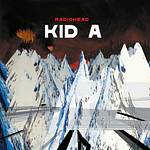
Kid A, released in 2000 by Radiohead, marked a deliberate move away from the band's earlier guitar-driven sound toward electronic, ambient, and experimental rock. The record mixes synthesizers, programmed rhythms, manipulated guitars, and orchestral colors to produce abstract song structures and chilly textures, with Thom Yorke's voice often treated as another instrumental layer. Its focus on atmosphere, fragmentation, and themes of alienation and technological unease broadened the band's sonic palette and influenced many artists in alternative and art rock.
#21 — Reign in Blood by Slayer
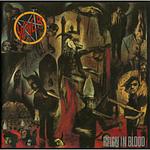
Reign in Blood is Slayer's 1986 studio album that helped define thrash metal's extreme edge. It features relentless tempos, razor-sharp guitar riffs from Kerry King and Jeff Hanneman, Tom Araya's snarled vocals, and Dave Lombardo's explosive drumming, delivered in a compact, intense runtime. The record is notable for its concise song structures, abrasive production, and tracks such as "Angel of Death" and "Raining Blood" that emphasize speed and brutality within a tight, focused framework.
#21 — Definitely Maybe by Oasis
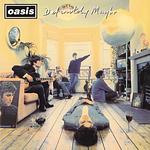
Definitely Maybe is the 1994 debut studio album by Oasis. It presents a loud, guitar-driven take on Britpop and alternative rock, pairing catchy, melodic hooks with dense, fuzzed guitar textures and touches of neo-psychedelia and shoegaze. Noel Gallagher's songwriting emphasizes direct, anthemic choruses and everyday themes while Liam Gallagher's distinctive vocal delivery and a raw, immediate production give the record a swaggering, live feel. The result is a concise collection of bold, high-energy rock songs that established the band's characteristic sound.
#24 — Live at the Apollo, 1962 by James Brown
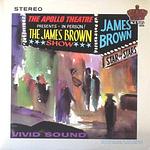
Live at the Apollo, 1962 captures James Brown's raw stage energy and tight band interplay, blending soul, deep soul, R&B and early funk elements. The recording emphasizes call-and-response vocals, punchy horn arrangements, driving rhythms and extended live passages that showcase Brown's showmanship and the band's rhythmic precision. The sound favors immediacy and dynamic range over studio polish, presenting immersive, intense performances typical of his concerts at the time.
#24 — Achtung Baby by U2
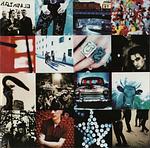
Achtung Baby is a 1991 U2 album that marked a deliberate reinvention of the band's sound, incorporating alternative rock, dance-rock and electronic textures into their songwriting. The record features dense, layered production, distorted and processed guitar tones, punchy rhythms and studio-driven effects that give it a darker, more angular and club-ready feel, while the lyrics explore themes of love, identity and personal and political tension. Its sonic experimentation and emphasis on rhythm and atmosphere set it apart from the band's earlier, more anthemic work.
#26 — Forever Changes by Love
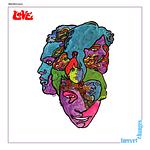
Forever Changes (1967) by Love blends folk rock, baroque pop, and subtle psychedelia into concise, orchestral-tinged songs. Arthur Lee's introspective and often unsettling lyrics sit against intricate acoustic guitar work and horn and string arrangements, creating a warm but melancholic chamber-pop sound that stands out in late 1960s American rock.
#26 — Sign "☮︎" the Times by Prince
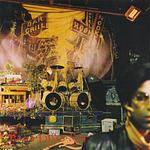
Sign o' the Times, released in 1987, is a sprawling double album by Prince that blends funk, contemporary R&B, pop rock, rock, and soul. The record moves between sparse electronic textures and drum machines and fuller guitar and horn arrangements, pairing intimate ballads with upbeat funk-pop tracks; it includes the title track "Sign o' the Times", "U Got the Look", "I Could Never Take the Place of Your Man", and "If I Was Your Girlfriend". Lyrically and sonically diverse, the album mixes personal themes about relationships with broader social commentary and represents a particularly experimental and wide-ranging phase in Prince's work.
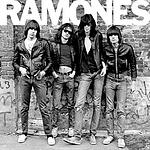
Ramones is the 1976 debut album by the Ramones. It delivers short, fast, stripped-down songs built on simple three-chord guitar figures, driving downbeat drumming, and a raw production that foregrounds catchy hooks and shouted vocals. Noted for its succinct songcraft and aggressive minimalism, the record is widely regarded as a foundational release in punk rock and helped establish the genre's aesthetic.
#26 — Blue Lines by Massive Attack
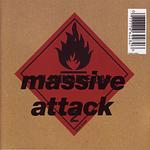
Blue Lines, Massive Attack's 1991 debut, blends hip hop rhythms, dub production, soul-influenced vocals and atmospheric electronic textures to help define the trip hop sound. The record pairs slow, heavy grooves and deep bass with lush string arrangements and distinctive guest vocals from Shara Nelson and Horace Andy, producing moody, cinematic tracks such as Unfinished Sympathy and Safe From Harm. Its fusion of sampled and live instrumentation, downtempo pacing, and a shadowy, club-informed aesthetic made it a touchstone for the Bristol scene and later alternative electronic music.
#26 — Loveless by My Bloody Valentine
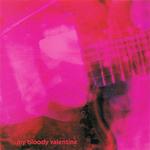
Loveless (1991) by My Bloody Valentine is a defining shoegaze album built from densely layered, heavily processed guitars, submerged vocals, and a washed, immersive sonic texture. Kevin Shields's use of a distinctive glide guitar technique, tremolo, pitch bending, and thick reverb produces a dreamy but noisy pop sound that influenced many subsequent dream pop and alternative rock acts.
#31 — Die Mensch·Maschine by Kraftwerk
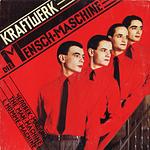
Die Mensch·Maschine (1978) is a Kraftwerk album that refines the group's minimalist, machine-like approach into a polished blend of electronic, synth-pop and electro sounds rooted in the Krautrock scene. It emphasizes precise drum-machine rhythms, repetitive arpeggiated synthesizer lines and vocoder-processed vocals to explore themes of technology and human interaction with machines. The arrangements balance simple pop songcraft with austere electronic textures, and several tracks from the record became particularly well known.
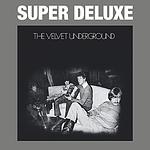
The Velvet Underground (1969) marks a turn toward quieter, more melodic arrangements that foreground Lou Reed's songwriting and introspective lyrics. Blending art rock and folk rock textures with restrained rock instrumentation, the album pares back the harsher experimental noise of earlier work in favor of cleaner production, intimate vocals, and lingering minor key melodies that still retain a proto-punk directness. Its sound is characterized by spare arrangements, close instrumental interplay, and a contemplative mood that expanded the band's sonic range.
#31 — Who's Next by The Who
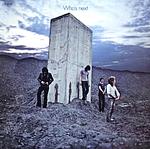
Who’s Next (1971) by The Who mixes hard rock power with art rock ambition, using prominent synthesizer textures alongside Pete Townshend's guitar work and Roger Daltrey's commanding vocals. Many songs grew out of Townshend’s abandoned Lifehouse project, condensed here into taut, arena-ready arrangements that range from driving rock anthems to introspective ballads. The album is notable for its muscular rhythm section, inventive production, and standout tracks such as "Baba O'Riley", "Won't Get Fooled Again", and "Behind Blue Eyes".
#31 — The Beatles by The Beatles
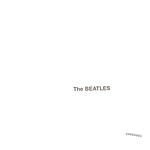
The Beatles, commonly known as the White Album, is a 1968 double album that captures the group's broad stylistic range across rock, pop, pop rock, experimental and hard rock. It moves between pared-back acoustic songs and concise pop tunes, heavier electric rockers and collage-like studio experiments, with a rawer, more immediate production and distinct individual songwriting voices. The minimalist white packaging complements the record's eclectic, personal character.
#35 — After the Gold Rush by Neil Young
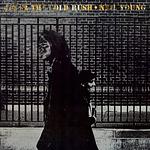
After the Gold Rush is a 1970 Neil Young album that blends folk, country, and rock into a mix of plaintive acoustic songs and raw electric passages. The record alternates spare piano and acoustic ballads with fuller guitar-driven tracks, and features Young's fragile, expressive vocals and direct songwriting about personal longing, social observation, and environmental unease. Its simple production and emotional clarity helped shape the sound of folk rock and country rock in the early 1970s.
#35 — Horses by Patti Smith
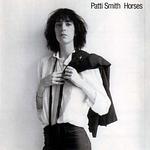
Horses, Patti Smith's 1975 debut, blends raw garage rock energy with art rock experimentation and proto-punk urgency. Produced by John Cale, the album pairs a spoken-word influenced vocal delivery and poetically charged lyrics with spare, driving arrangements built around guitar, piano, and drums. Its rough-edged production, confrontational performance style, and fusion of literary sensibility with rock idioms are often cited as influential on early punk and art punk movements, and the stark cover photograph by Robert Mapplethorpe complements the record's austere aesthetic.
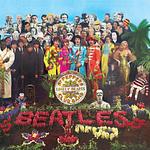
Sgt. Pepper's Lonely Hearts Club Band is a 1967 Beatles album that blends rock, psychedelic rock, baroque pop and pop with extensive studio experimentation. It features layered production, orchestral arrangements, unusual instrumentation and song sequencing that create a loose concept-album feel, and includes tracks such as "Lucy in the Sky with Diamonds", "Eleanor Rigby", "With a Little Help from My Friends" and "A Day in the Life". The album is often described as a milestone in popular music for its ambitious production and its expansion of pop and rock sounds.
#35 — Tonight's the Night by Neil Young
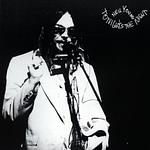
Tonight's the Night (1975) is a raw, emotionally charged album by Neil Young, recorded in informal sessions following the deaths of close friends. It blends country rock, blues rock, and hard-edged rock with ragged, loose performances, spare piano and guitar textures, and weary, intimate vocals. The album's rough production and persistent themes of grief and disillusionment mark a deliberate move away from polished studio work and give it a dark, candid character within Young's 1970s output.

Ænima, Tool's 1996 album, blends heavy riffing and alternative metal aggression with progressive rock complexity and art rock atmospherics. The record emphasizes polyrhythmic drumming, textured guitar effects and prominent bass lines, and features extended song structures that move between sparse, ambient passages and dense, heavy climaxes, while Maynard James Keenan's vocals shift from subdued spoken moments to powerful, emotive delivery. Lyrically it mixes introspective themes, confrontational imagery and dark humor, marking a move toward more layered, intricate compositions in the band's sound.
#39 — Raw Power by Iggy and The Stooges
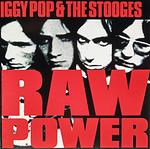
Raw Power, the Stooges' third studio album, delivers a louder, more aggressive take on garage rock with jagged, riff-driven guitar and Iggy Pop's snarling, confrontational vocals. Tracks like "Search and Destroy", "Gimme Danger" and the title song pair muscular arrangements with blunt, urban-tinted lyrics, creating a stripped-down, urgent sound that became a touchstone for later punk and garage rock acts.
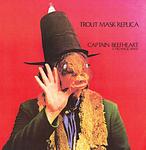
Trout Mask Replica (1969) by Captain Beefheart and His Magic Band is a dense, challenging record that fuses Delta blues foundations with avant-garde and free jazz approaches. Its arrangements feature jagged rhythms, abrupt tempo changes, dissonant horns, and raw, shouted vocals paired with surreal, collage-like lyrics, producing an abrasive and unpredictable sound. The album is often cited as a key work of experimental rock and proto-punk for its uncompromising structures and lasting influence on underground and alternative music.
#41 — Rubber Soul by The Beatles
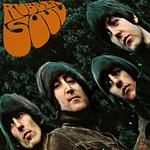
Rubber Soul (1965) finds The Beatles blending rock and pop with folk rock and British rhythm and blues influences, moving toward more acoustic textures, layered vocal harmonies, and varied instrumentation. The album emphasizes more introspective songwriting and features notable touches such as the sitar on Norwegian Wood, alongside tighter ensemble playing and increased studio experimentation. Its cohesive sound and stylistic breadth mark a shift toward album-focused artistry while retaining strong melodic hooks.
#43 — Entertainment! by Gang of Four
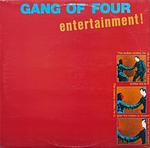
Entertainment!, the 1979 debut by Gang of Four, combines punk urgency with funk-influenced dance rhythms and art-punk angularity. The album is built on staccato, jagged guitar figures, propulsive, groove-driven bass and tight, rhythmic arrangements that favor economy and texture. Lyrically it offers direct, politically charged critiques of consumerism, interpersonal power and modern capitalism, delivered with a cool, detached vocal approach. The spare, abrasive sound and focus on rhythm and ideas helped define a strand of post-punk that fed into later dance-punk and alternative music.
#43 — Swordfishtrombones by Tom Waits
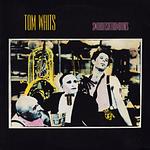
Swordfishtrombones (1983) is a Tom Waits album that marks a pronounced shift from his earlier piano-based, jazz and blues-tinged work toward a more experimental, percussive, and theatrical approach. The arrangements foreground unconventional percussion and found sounds alongside brass and woodwind textures, while Waits adopts a rougher, more expressive vocal style and surreal, character-driven storytelling. The record blends elements of blues, rock, and avant-garde experimentation and is regarded as a pivotal move into more adventurous, alternative rock and experimental territory for the artist.
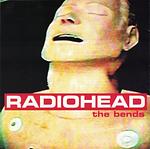
The Bends finds Radiohead expanding from their debut into more expansive, guitar-driven alternative rock that mixes melodic Britpop touches with darker, introspective lyrics and atmospheric, occasionally psychedelic textures. Thom Yorke's emotive voice and falsetto sit atop layered guitar arrangements and dynamic contrasts between loud, anthemic tracks and quieter, intimate moments. Songs such as "Fake Plastic Trees", "High and Dry", "Just", and "Street Spirit (Fade Out)" illustrate the album's blend of strong melodies and emerging experimental tendencies that the band would develop further on later records.
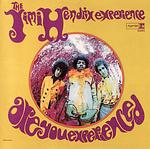
Are You Experienced is the debut album by the Jimi Hendrix Experience, released in 1967. It blends blues rock, psychedelic and acid rock with early hard rock, centered on Hendrix's inventive electric guitar playing and striking studio experimentation such as feedback, wah-wah textures, reversed tape effects, and layered overdubs. The record features concise originals and covers that range from fiery, riff-driven songs to atmospheric balladry, and is widely regarded as a landmark in guitar-led psychedelic rock.
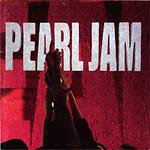
Ten is Pearl Jam's 1991 debut, rooted in grunge and alternative rock with hard rock dynamics. The album pairs Eddie Vedder's emotive, resonant vocals with layered, guitar-driven arrangements that alternate between heavy riffs and melodic hooks. Songs often combine anthemic choruses with introspective and sometimes angsty lyrics, and the production balances raw energy with a degree of studio polish. Ten is widely seen as a defining record of the early 1990s Seattle sound and established Pearl Jam's presence in alternative rock.
#46 — Songs in the Key of Life by Stevie Wonder
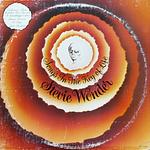
Songs in the Key of Life is a sprawling 1976 double album by Stevie Wonder that blends soul, contemporary R&B, pop soul, funk and pop with elements of jazz, gospel and reggae. The record pairs intimate ballads and social and spiritual meditations with uptempo funk grooves and instrumental interludes, featuring layered arrangements, prominent synthesizer and harmonica work, and varied musical textures. Its breadth and ambition are widely regarded as a high point in Wonder's creative output and a lasting influence on later R&B and pop artists.
#46 — Selected Ambient Works 85–92 by Aphex Twin
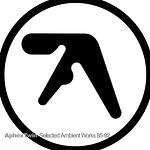
Selected Ambient Works 85–92, compiled and released by Richard D. James as Aphex Twin in 1992, gathers tracks recorded between 1985 and 1992 and blends ambient atmospheres with understated techno rhythms. The album pairs warm, lo-fi synth pads and textured atmospheres with skittering drum patterns, acid-tinged melodic fragments and mellow ambient pieces, creating a mood that bridges home-recorded experimentalism and club-oriented electronic music. Its spare, hypnotic approach is often linked to the development of ambient techno and early IDM and is notable for its focus on texture and melody over overt dancefloor drives.
#46 — Harvest by Neil Young
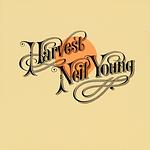
Harvest, released in 1972, blends acoustic folk songwriting with country rock and mellow rock arrangements. The album pairs spare guitar and harmonica with prominent pedal steel, piano and occasional string arrangements, and features Young's plaintive voice and reflective lyrics on themes of solitude, aging and relationships. Tracks such as Heart of Gold and Old Man sit alongside more expansive, orchestral-tinged pieces, creating a varied but cohesive record that helped define Young's early 1970s sound and his presence in folk rock and country rock.
#51 — Dubnobasswithmyheadman by Underworld
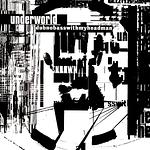
Dubnobasswithmyheadman is a pivotal electronic album by Underworld that fuses progressive house, techno, acid house and dub aesthetics into extended, groove-driven compositions. The record pairs hypnotic, layered rhythms and deep bass with atmospheric synth textures and Karl Hyde's often stream-of-consciousness vocal delivery, producing long, evolving tracks that emphasize build and repetition over conventional song structure. Its production balances club energy with experimental sound design, marking a shift toward the immersive, cinematic approach that became characteristic of the band's work.
#51 — Surfer Rosa by Pixies
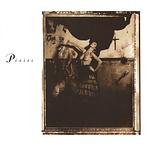
Surfer Rosa, released in 1988 by the Pixies, is a raw, abrasive alternative rock album produced by Steve Albini. It juxtaposes quiet, melodic verses with sudden, explosive choruses, showcasing Black Francis's urgent vocals, jagged guitar textures, and Kim Deal's propulsive bass and backing vocals, with her lead on "Gigantic". The songwriting pairs surreal, sometimes unsettling lyrical imagery with tight, punchy arrangements, and the stark, live-feeling production helped shape the loud-quiet-loud dynamics that became prominent in 1990s alternative and indie rock.
#51 — Thriller by Michael Jackson
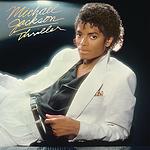
Thriller, released in 1982 and produced by Quincy Jones, is a pop and contemporary R&B album that blends dance-pop, disco, funk and rock elements. It is characterized by polished, cinematic production, tight rhythms, layered vocal harmonies and strong melodic hooks on tracks such as "Billie Jean", "Beat It" and "Thriller". Notable moments include Eddie Van Halen's guitar solo on "Beat It" and Vincent Price's spoken-word cameo on the title track. The record helped broaden Jackson's crossover appeal and played a significant role in shaping the era of high-concept music videos.
#51 — Heart of the Congos by The Congos
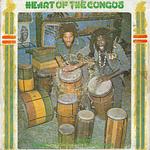
Heart of the Congos, recorded in 1977 and produced by Lee 'Scratch' Perry at his Black Ark studio, is a roots reggae album that blends dub-influenced studio techniques with rich, high-register vocal harmonies. The arrangements emphasize deep basslines, layered percussion, and atmospheric effects, while lyrics draw on Rastafarian and spiritual themes. The album is noted for its distinctive Black Ark production and the interplay between Cedric Myton's falsetto and the group's lower voices, giving it a characteristic sound within roots reggae and dub contexts.
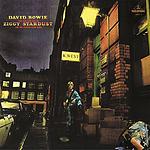
The Rise and Fall of Ziggy Stardust and the Spiders From Mars (1972) is a loose concept album in which David Bowie adopts the persona of Ziggy Stardust, an androgynous alien rock star. Musically it blends glam rock theatricality with straightforward rock and pop songwriting and elements of art rock, driven by Mick Ronson's guitar work and arrangements and a rhythm section that supports both crunchy rock numbers and quieter, melodic passages. The album is notable for its narrative focus, dramatic vocals, and cinematic arrangements that helped define Bowie's early 1970s sound and stage persona.
#55 — A Night at the Opera by Queen
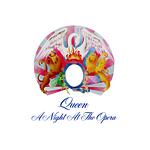
A Night at the Opera (1975) showcases Queen's theatrical, genre-blending approach, combining hard rock energy, glam flamboyance, art rock ambition, and baroque pop ornamentation. The record features dense multi-tracked vocal harmonies and layered studio production, with arrangements ranging from piano-led balladry to the operatic suite of Bohemian Rhapsody and the expansive The Prophet's Song, illustrating the band's appetite for dramatic shifts in form and texture. Brian May's distinctive guitar tone, Freddie Mercury's wide-ranging vocals, and John Deacon's melodic bass work underpin an album notable for its eclectic sequencing and studio craftsmanship, and it marked a creative high point in the band's early period.
#57 — Master of Puppets by Metallica
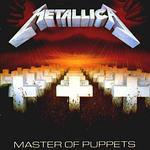
Master of Puppets (1986) is Metallica's third studio album and a landmark of thrash metal, blending aggressive, fast-paced riffs and palm-muted gallops with extended song structures and melodic guitar solos. The record pairs relentless speed and tight rhythmic precision with moments of dynamic contrast and instrumental complexity, showing progressive tendencies in longer arrangements. Lyrically it touches on themes of control and manipulation, and the production delivers a clearer, heavier sound compared with the band's earlier releases.
#57 — Born to Run by Bruce Springsteen
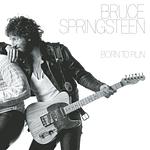
Born to Run (1975) blends rock, heartland rock, folk rock, piano-driven rock, and singer-songwriter storytelling into a sweeping, cinematic sound. Built around dense, Wall of Sound inspired arrangements with prominent saxophone and piano, the album pairs anthemic, propulsive tracks with intimate, narrative songs about escape, youthful restlessness, and working-class longing. It represented a major artistic leap for Springsteen and helped define the musical themes and larger-than-life production style he explored in later work.
#57 — Dusty in Memphis by Dusty Springfield
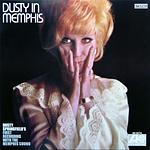
Dusty in Memphis, released in 1969, pairs Dusty Springfield's supple, emotive voice with Memphis-rooted soul arrangements to create a pop-soul record that leans into blue-eyed soul and classic Southern rhythm and blues. The album combines intimate, torch-like ballads and punchier soul grooves, using warm horn and string textures alongside a restrained rhythm section, and includes the single "Son of a Preacher Man." Its sound highlights Springfield's ability to move between pop phrasing and raw soul feeling, and it is often cited as a key example of cross-Atlantic soul-pop collaboration.
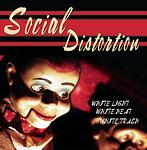
White Light, White Heat, White Trash (1996) finds Social Distortion blending their punk roots with harder rock and alternative textures, incorporating elements of punk rock, hard rock and rockabilly-tinged Americana. The record has a fuller, grittier production and emphasizes driving guitar riffs, mid-tempo rockers and raw, reflective lyrics that explore themes of regret and resilience. It represents a mid-1990s stylistic turn for the band toward a more robust, rock-oriented sound while retaining punk energy.
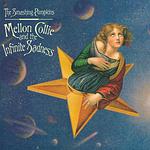
Mellon Collie and the Infinite Sadness is a sprawling 1995 double album by The Smashing Pumpkins that blends alternative rock, grunge, hard rock and dream pop textures. It juxtaposes loud, guitar-driven anthems and heavy distortion with delicate piano, strings and layered vocals, showcasing Billy Corgan's densely produced arrangements and dramatic shifts in dynamics. The record moves between aggressive, riff-based songs and more reflective, orchestral or acoustic passages, creating a wide-ranging, cinematic soundscape that broadened the band's musical palette.
#57 — Funeral by Arcade Fire
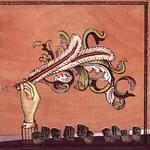
Funeral is Arcade Fire's 2004 debut studio album. It mixes indie rock, art pop and chamber pop with bursts of punk energy, combining strings and brass with driving guitars and collective vocals. The songs pair intimate, emotionally direct lyrics about loss and youth with expansive, cathartic arrangements and singalong choruses, and the warm, occasionally raw production emphasizes theatrical dynamics and layered acoustic and electric instrumentation.
#63 — Gentlemen by The Afghan Whigs
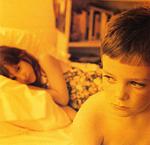
Gentlemen, released in 1993 by The Afghan Whigs, blends alternative rock with soul and R&B influences, pairing gritty guitar-driven arrangements with sweeping, sometimes orchestral touches. Greg Dulli's raw, expressive vocals and introspective, often dark lyrics explore desire, jealousy and toxic relationships, giving the record a cinematic emotional intensity. The album is notable for its fusion of bruising rock dynamics with Motown-flavored horns and strings and includes standout songs such as "Debonair" that helped broaden the band's sound beyond typical indie rock conventions.
#63 — Exodus by Bob Marley & The Wailers
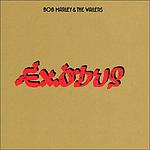
Exodus (1977) by Bob Marley & The Wailers is a landmark roots reggae album that pairs bass-driven, skanking rhythms with warm lead vocals and close backing harmonies. Its songs range from spiritual and politically charged lyrics to intimate love songs, carried by spare, dub-influenced arrangements, organ fills, and steady, groove-oriented production. Recorded while Marley was based in London, the record is often cited for combining militant themes and uplifting melodies into a concise, cohesive set of tracks.
#65 — Against the Grain by Bad Religion
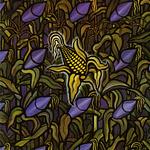
Against the Grain, released in 1990, captures Bad Religion's melodic hardcore approach with short, fast songs, tight guitar work and layered vocal harmonies supporting literate, socially aware lyrics. The album emphasizes concise songcraft and high-energy tempos common to punk and hardcore punk while retaining a melodic sensibility that connects their late 1980s material with their early 1990s output. Its focused, direct sound and impassioned delivery are characteristic of the band's influential period in underground punk rock.
#65 — Blood on the Tracks by Bob Dylan
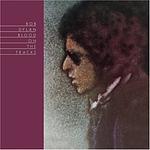
Blood on the Tracks, released in 1975, is an intimate, lyrically driven album that blends Dylan's folk rock roots with elements of blues and country rock. The songs are narrative and confessional, centering on relationships and emotional turmoil, delivered through spare acoustic arrangements with occasional fuller band backing. The record is characterized by direct, conversational vocals, rich storytelling, and a live, immediate studio feel that emphasizes songwriting and emotional clarity.
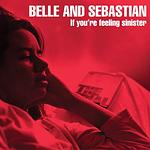
If You're Feeling Sinister, released in 1996 by Belle and Sebastian, presents a quiet, literate take on indie pop that mixes chamber folk textures with twee pop melodies and occasional rock rhythms. Stuart Murdoch's observational, character-driven lyrics sit alongside delicate arrangements of strings, piano, guitar, and subtle brass, producing an intimate, low-key sound that balances wistfulness and wry humor. The album crystallized the band's early aesthetic of gentle dynamics and orchestral touches and played a notable role in shaping the sound of British indie pop in the 1990s.
#67 — Endtroducing..... by DJ Shadow
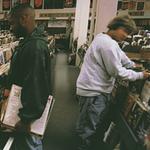
Endtroducing....., released in 1996 by DJ Shadow (Joshua Davis), is an instrumental hip hop album built almost entirely from sampled material. Its sound combines downtempo beats, cinematic textures, scratches and found sounds into moody, collage-like tracks that sit at the intersection of trip hop, electronic and hip hop production. The album is widely regarded as a landmark in sample-based and instrumental hip hop for its dense layering and immersive sequencing.
#67 — Sticky Fingers by The Rolling Stones
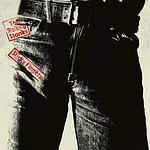
Sticky Fingers (1971) by the Rolling Stones blends rock, blues rock, hard rock, country rock, and rock and roll, alternating gritty electric numbers with quieter, country-influenced ballads. The record highlights the Jagger-Richards songwriting partnership and Keith Richards' guitar textures, and features tracks such as "Brown Sugar" and "Wild Horses." The album is also known for its Andy Warhol sleeve design and its turn toward a rawer, roots-oriented sound.
#67 — Astral Weeks by Van Morrison
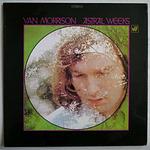
Astral Weeks, released in 1968, finds Van Morrison melding folk, jazz, blues and soul into a series of long, flowing songs built on loose, improvisational performances. The arrangements foreground acoustic guitar, upright bass and subtle percussion with occasional strings and woodwinds, producing a chamberfolk atmosphere that complements Morrison's stream-of-consciousness vocals and poetic lyrics. The album is often regarded as a distinctive, genre-blurring turning point in his work for its intimate, contemplative mood and unconventional song structures.

Homogenic is Björk's 1997 album that pairs bold electronic production with lush string arrangements to create a tense, intimate sound. It blends downtempo beats, trip hop grooves and glitchy electronic textures with her expressive voice and a strong sense of atmosphere, often evoking stark, elemental landscapes associated with Iceland. The album emphasizes a tighter, more cohesive sonic identity than some of her earlier work, foregrounding contrasts between organic strings and processed beats.
#72 — Music From Big Pink by The Band
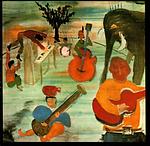
Music From Big Pink, released in 1968 by The Band, presents a warm, roots-based blend of rock, folk, country and Americana. The record emphasizes close ensemble vocals, piano and organ textures, and understated acoustic and electric guitar work, with narrative songwriting and roomy, organic arrangements. Emerging from the group’s work backing Bob Dylan, the album helped crystallize a roots rock approach and features songs such as "The Weight" and "Tears of Rage".
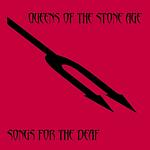
Songs for the Deaf (2002) finds Queens of the Stone Age refining their mix of stoner rock, alternative rock and hard rock into a lean, driving record built on propulsive rhythms, dense guitar riffs and Josh Homme's dry, sardonic vocals. The album balances heavy, riff-focused tracks with melodic hooks and varied dynamics, and features notable guest contributions from Dave Grohl on drums and Mark Lanegan on vocals. Its sequencing and themes evoke a restless, road-oriented atmosphere that helped define the band's sound going forward.
#72 — Origin of Symmetry by Muse
Origin of Symmetry, Muse's 2001 album, expands their sound into heavier, more theatrical territory by blending alternative rock with progressive structures and space rock textures. Matt Bellamy's high, vibrato-laden vocals and the interplay of piano and distorted guitar create strong dynamic contrasts, with songs that move between propulsive riffs, sweeping melodies, and experimental arrangements influenced by classical and electronic elements. The record's ambitious songwriting, abrupt mood shifts, and dramatic production helped define the band's early identity.
#72 — The Libertines by The Libertines
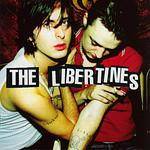
The Libertines is the band's 2004 self-titled album, presenting a ragged, communal take on indie rock with strong garage rock revival and punk rock energy. Musically it mixes jangly, urgent guitars and propulsive rhythms with raw, singalong choruses, anchored by the frayed, intertwining vocals and lyrics of Pete Doherty and Carl Barat that often address friendship, excess, and personal turmoil. The performances and arrangements emphasize immediacy and a loose, live-in-the-studio feel that became a defining element of the group's sound in the early 2000s UK indie scene.
#72 — Fresh by Sly & the Family Stone
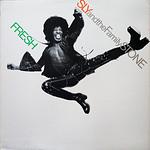
Fresh, released in 1973 by Sly & the Family Stone, offers a leaner, more polished take on the group's blend of funk, soul, deep funk and psychedelic soul. The album emphasizes tight rhythmic grooves, melodic vocal harmonies and clearer production than some of their earlier, darker work, producing songs that feel both danceable and emotionally direct; If You Want Me to Stay typifies its hook-driven, groove-focused approach. Overall, Fresh is notable for returning to brighter tempos and more transparent arrangements while retaining Sly Stone's inventive sense of rhythm and genre blending.
#72 — Worst Case Scenario by dEUS
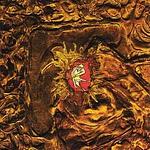
Worst Case Scenario is dEUS's 1994 debut album, presenting an off-kilter blend of alternative and art rock that mixes jagged guitars, loose jazz and punk inflections, eccentric arrangements and theatrical vocals from Tom Barman. The record pairs memorable yet unconventional songs such as "Suds and Soda" and "Hotellounge (Be the Death of Me)" with experimental textures, including brass, piano and samples, yielding a raw, eclectic sound that helped establish the band within the Belgian alternative scene.
#72 — Illinois by Sufjan Stevens
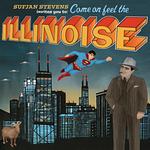
Illinois (2005) by Sufjan Stevens is an ambitious, chamber pop-inflected indie folk album that mixes delicate fingerpicked guitar and banjo with lush orchestral arrangements, brass and woodwinds, and layered vocals. The songs move between intimate, autobiographical moments and vivid, often historical storytelling about the state of Illinois and its figures, creating a cinematic, theatrical mood. Musically it blends baroque pop ornamentation, folk rock rhythms, and indie pop hooks, and is notable for its intricate arrangements, wide instrumental palette, and shifts in tone from quiet balladry to sweeping, exuberant passages. The record was presented as part of Stevens's proposed 50-state project and is often cited as a key work in his catalog.
#72 — Bringing It All Back Home by Bob Dylan
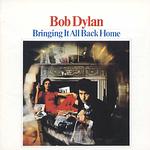
Bringing It All Back Home (1965) marks Bob Dylan's shift from solo acoustic folk toward electric folk rock, with one side backed by a full band and the other featuring solo acoustic performances. The record blends rock instrumentation and harmonica with poetic, often surreal lyrics on songs such as Subterranean Homesick Blues, Maggie's Farm and Mr. Tambourine Man, and is often cited as a pivotal step in his move toward rock-oriented songwriting.
#72 — 40 Greatest Hits by Hank Williams
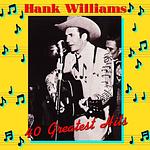
40 Greatest Hits is a 1978 compilation that presents a broad selection of Hank Williams's country and honky tonk recordings, highlighting his spare, direct songwriting and plaintive vocal delivery. The arrangements are typically simple and centered on acoustic guitar, steel guitar, and fiddle, with concise performances that emphasize melodies and themes of heartache, longing, and faith. As a posthumous collection, it functions as an accessible overview of Williams's foundational role in traditional country and honky tonk music.
#72 — Exile on Main St. by The Rolling Stones
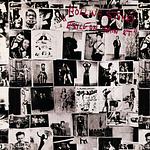
Exile on Main St. is a 1972 double album by The Rolling Stones that blends rock, blues rock, roots rock and country-inflected sounds into a loose, swampy collection of songs. Largely recorded at a villa in southern France with additional sessions in Los Angeles, the record features murky, layered production, horn and gospel-tinged backing vocals, and a raw, rootsy approach that mixes blues, country, soul and rock elements. Its sprawling sequencing and rough-edged sound mark it as a notable example of the band's early 1970s exploration of American roots music.
#72 — Fun House by The Stooges
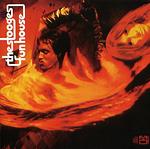
Fun House, released in 1970 by The Stooges, is a raw and abrasive record that helped define proto-punk and garage rock. The album pairs Iggy Pop's urgent, confrontational vocals with Ron Asheton's distorted, loose guitar and a driving rhythm section, while Steve Mackay's freewheeling saxophone adds a chaotic, improvisational live feel. Its stripped-down arrangements, high-energy performances, and abrasive sound capture a direct, confrontational intensity that influenced later punk and hard rock bands.
Discovery is Daft Punk's second studio album, released in 2001. It blends French house and electronic dance with disco, synthpop, and progressive house influences, emphasizing melodic songwriting, bright synth textures, and filter-heavy sampling. The duo made prominent use of vocoders and vocal manipulation on tracks like "One More Time" and "Harder, Better, Faster, Stronger", balancing dancefloor grooves with pop structures. The album was presented as a cohesive, concept-driven work and later served as the soundtrack for the animated film Interstella 5555.
#83 — Get Yer Ya‐Ya's Out by The Rolling Stones
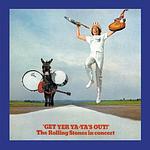
Get Yer Ya-Ya’s Out! is a live album by The Rolling Stones, recorded during their December 1969 concerts at Madison Square Garden and released in 1970. It captures the band’s blues rock and rock and roll repertoire in a raw, energetic live setting, including extended performances like "Midnight Rambler" and driving takes on "Jumpin' Jack Flash" and "Street Fighting Man". The recordings highlight Mick Taylor's guitar work and the presence of Billy Preston on keyboards, and serve as a document of the Stones' late 1960s live sound and lineup transition.
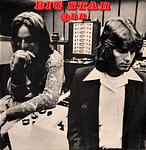
3rd, often issued as Third or Third/Sister Lovers, is Big Star's late 1970s album that departs from the bright power pop of their earlier records in favor of a darker, more experimental and melancholic sound. Alex Chilton's intimate, sometimes raw vocals sit against spare, fragmented arrangements and occasional orchestral touches, creating a haunted, introspective atmosphere that reflects the difficult circumstances of the sessions. Its unconventional textures and emotional directness have made it influential to later indie and alternative musicians.
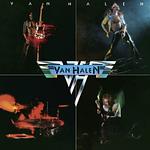
Van Halen's 1978 self-titled debut introduced the band's high-energy hard rock and arena-ready sound, anchored by Eddie Van Halen's inventive guitar work and David Lee Roth's flamboyant vocals. The record blends punchy riffs, pop-influenced hooks and a tight rhythm section, and includes the instrumental "Eruption" that showcased two-handed tapping alongside a cover of the Kinks' "You Really Got Me." Its raw production and emphasis on guitar virtuosity made it a touchstone for late 1970s hard rock and many guitar-centric rock acts that followed.
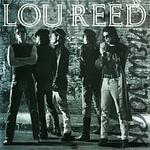
New York is a late 1980s Lou Reed album that pairs straightforward rock and art rock arrangements with hard edged guitar and a spare, propulsive production. Reed delivers conversational, narrative vocals that focus on the city and its social and political tensions, favoring lyrical detail and character sketches over ornate instrumentation. The result is a focused, direct record in which storytelling and riff driven rock coexist with Reed's distinctive talk singing approach.
#85 — Screamadelica by Primal Scream
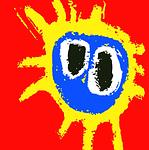
Screamadelica is Primal Scream's 1991 album that fused indie rock songwriting with acid house and dance production, blending distorted guitars and anthemic vocals with rhythmic grooves, samples, warm keyboards and extended club-friendly arrangements. The record helped bridge rock and electronic club culture by incorporating house rhythms, dub-like production, gospel-tinged backing vocals and psychedelic textures, producing an expansive, dance-oriented sound that emphasizes atmosphere and groove over conventional rock arrangements.
#85 — Innervisions by Stevie Wonder
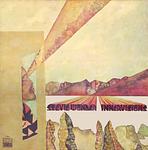
Innervisions, released in 1973, blends soul, funk, smooth soul and psychedelic soul into a studio-focused record built from warm electric pianos, layered synthesizers and tight funk rhythms. The album is notable for Stevie Wonder's multi-instrumental performances and production control, pairing intimate ballads with uptempo grooves and songs that explore social and personal themes through concise, melodic songwriting and rich, textured arrangements.
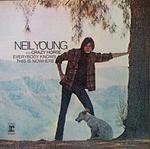
Everybody Knows This Is Nowhere (1969) is Neil Young's second studio album and his first with Crazy Horse. Musically it pairs Young's folk and country-rooted songwriting with raw, guitar-driven rock from Crazy Horse, featuring extended, distorted electric jams alongside quieter acoustic moments. The record helped establish recurring elements of Young's sound such as ragged, feedback-tinged guitar work and direct, often spare lyrics, and includes notable tracks like "Cinnamon Girl", "Down by the River", and "Cowgirl in the Sand".
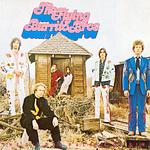
The Gilded Palace of Sin, released in 1969 by the Flying Burrito Brothers, is an early example of country rock that blends traditional country instrumentation like pedal steel with rock songwriting and rhythms. Led by Gram Parsons with Chris Hillman and featuring Sneaky Pete Kleinow on pedal steel, the album combines originals and reinterpretations influenced by country, soul, and gospel, pairing close vocal harmonies with plaintive steel guitar and rootsy production. Its fusion of country and rock textures is widely cited as influential on later Americana and alternative country developments.
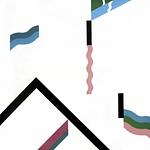
154, released in 1979 by Wire, shifts further from straightforward punk into art punk and avant-garde territory, pairing concise, angular songwriting with more atmospheric production and experimental textures. The album features taut, propulsive rhythms, jagged guitars, understated synth and studio effects, and oblique lyrics that emphasize mood and arrangement over punk immediacy. Its cooler, more abstract approach marks a clear step toward the band's artier, experimental side.
#93 — Kind of Blue by Miles Davis
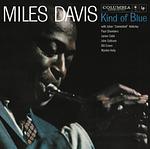
Kind of Blue is a 1959 album by Miles Davis that helped define modal jazz with a spare, lyrical approach that emphasizes modes and scales rather than dense chord progressions. Recorded with a sextet including John Coltrane, Cannonball Adderley, Bill Evans, Paul Chambers, and Jimmy Cobb, the music is spacious and understated, featuring extended improvisation on pieces such as "So What" and "All Blues" and blending elements of cool jazz, hard bop, and post-bop. Its subdued tone, focus on melody, and subtle group interplay make it widely regarded as a landmark in modern jazz.
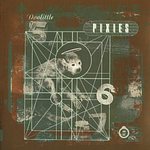
Doolittle, released in 1989 by Pixies and produced by Gil Norton, blends raw, angular guitar work with quiet-loud-quiet dynamics, concise pop hooks, and surreal, often darkly humorous lyrics. Black Francis's abrasive vocals and songwriting are balanced by Kim Deal's melodic bass and backing vocals, producing tracks that range from the abrasive "Debaser" to the more melodic "Here Comes Your Man" and the enigmatic "Monkey Gone to Heaven." The album's jagged arrangements and dynamic contrasts are frequently cited as an influence on early 1990s alternative and grunge bands.
#93 — Holland by The Beach Boys
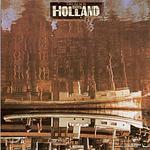
Holland, released in 1973, was recorded in the Netherlands and presents a varied collection that blends pop and rock with art rock and occasional spoken word moments. The album pairs the Beach Boys trademark vocal harmonies with more adventurous arrangements, orchestral touches, and a mixture of sunny California-themed songs and more introspective or experimental material. It is a collaborative, exploratory entry in the band’s 1970s output that reflects a move away from their early surf-pop image toward broader sonic textures.
#93 — American III: Solitary Man by Johnny Cash
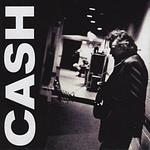
American III: Solitary Man (2000) is the third entry in Johnny Cash's American series, produced by Rick Rubin. The album is built around stark, minimalist arrangements that put Cash's weathered baritone front and center, blending country, country blues, Americana and contemporary folk with touches of country rock. The tone is reflective and somber, with themes of mortality and regret, and includes intimate cover interpretations such as the title track alongside sparse acoustic and subtle electric accompaniment.
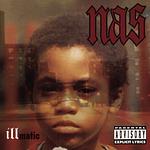
Illmatic, Nas's 1994 debut, is a compact, lyrically dense hip hop record rooted in East Coast boom bap. Nas's intricate internal rhymes and vivid street narratives ride sparse, sample-driven production from producers such as DJ Premier, Pete Rock, Large Professor, Q-Tip, and L.E.S., with hard drums, jazz and soul samples, and clear, focused arrangements. Its concentrated running time and emphasis on storytelling and craft helped define a blueprint for later East Coast and conscious hip hop artists.
#93 — Appetite for Destruction by Guns N' Roses
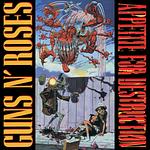
Appetite for Destruction, released in 1987 by Guns N' Roses, is a raw, guitar-driven hard rock album that blends hard rock, punk attitude and heavy metal energy. The sound pairs Axl Rose's high, gritty vocals with blues-influenced riffs and incisive lead work from Slash, supported by a tight, propulsive rhythm section, and the songs move between aggressive, fast-paced tracks and more melodic, emotionally direct material. The record includes standout tracks such as "Welcome to the Jungle", "Sweet Child o' Mine" and "Paradise City" and is noted for its unpolished, streetwise approach that contrasted with much of the era's glam metal production.
#93 — (What's the Story) Morning Glory? by Oasis
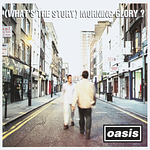
(What’s the Story) Morning Glory? is Oasis's 1995 album that crystallizes the band's take on Britpop and arena-sized alternative rock. Built around Noel Gallagher's melodic songwriting and Liam Gallagher's distinctive vocals, the record balances acoustic-driven ballads and loud, guitar-heavy anthems with layered production and singalong choruses. Its polished yet swaggering sound and emphasis on memorable hooks made it a defining release of the mid 1990s British rock scene.
#93 — Singles Going Steady by Buzzcocks
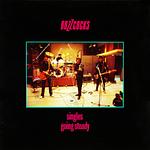
Singles Going Steady is a 1979 compilation album by Buzzcocks that assembles their early singles and non-album tracks from the late 1970s. Musically it pairs punk urgency with strong pop melodies and concise, hook-driven songwriting, delivered through bright, guitar-forward arrangements and direct vocals by Pete Shelley and Steve Diggle. The collection illustrates the band's blend of raw punk energy and melodic sensibility that helped shape later pop-punk and power pop approaches.