 The Greatest Music
500 CDs You Must Own Before You Die
Weight: 80%
How much this list influences our overall rankings. Higher weight means more reliable data.
Penalties Applied:
who voted: John Aizlewood (editor), Matt Ashare, Michael Azerrad, Greg Beato, Johnny Black, Ben Brandt, J.D. Considine, John DeFore, Tom Doyle, Richard Gehr, Joe Gross, Gerald Hammill, John Harris, David Hiltbrand, Erik Himmelsbach, Hua Hsu, Howard Johnson, Daniel Krauss, Stuart Maconie, Craig Marks, Andy Pemberton, Tony Power, David Quantick, Richard Skanse, RJ Smith, David Smyth, Phil Sutcliffe, Rob Tannenbaum and Jonah Weiner
#1 — Highway to Hell by AC/DC
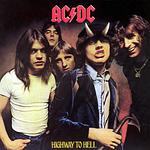
Highway to Hell, released in 1979, is an AC/DC album that blends hard rock and blues-rock into concise, riff-driven songs suited to large venues. The record pairs Angus Young's crunchy, energetic lead guitar with Malcolm Young's steady rhythm work and a punchy rhythm section, while Bon Scott delivers gritty, charismatic vocals; producer Mutt Lange brought cleaner, more focused production and an emphasis on vocal hooks and arrangements. The title track and other high-energy songs showcase the band's straightforward, anthem-ready approach, and it is the last studio album to feature Bon Scott before his death.
#2 — Back in Black by AC/DC
Back in Black is AC/DC's 1980 album and the first to feature singer Brian Johnson after Bon Scott's death. Produced by Robert John Lange, it channels the band's hard rock and blues-rock roots into concise, riff-driven songs built on Angus Young lead work and Malcolm Young rhythm parts, with punchy drums and clear guitar tones. Tracks such as Hells Bells, Back in Black, Shoot to Thrill, and You Shook Me All Night Long illustrate the arena-ready, no-frills sound that helped define the band's signature style.
#3 — Heartbreaker by Ryan Adams
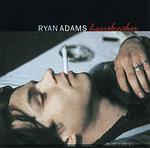
Heartbreaker, Ryan Adams' 2000 solo debut, blends alternative country, Americana and rock into a largely acoustic, singer-songwriter record. Sparse arrangements of guitar, piano and occasional electric textures support confessional, melancholic lyrics and a raw, demo-like production that foregrounds voice and songcraft. The album marks Adams' move from band frontman to solo artist and helped establish his reputation for emotionally direct, country-tinged rock songwriting.
#4 — Toys in the Attic by Aerosmith
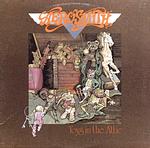
Toys in the Attic, released in 1975, is Aerosmith's third studio album and marked a turning point in the band's sound. It blends hard rock and blues rock with punchy, riff-driven arrangements, driving rhythms, and Steven Tyler's wide-ranging vocals. The record includes songs such as "Sweet Emotion" and "Walk This Way" that showcase Joe Perry's guitar hooks, tight band interplay, and a mix of swaggering rockers and groove-oriented tracks. Production favors a direct, live-in-the-room energy that helped define Aerosmith's classic rock identity.
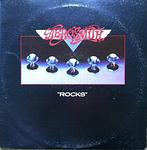
Rocks is a raw, hard-hitting Aerosmith album that leans into blues-rooted hard rock with arena-ready hooks and gritty, aggressive riffs. Steven Tyler's vocal theatrics and Joe Perry's muscular guitar work drive tight, riff-driven songs with a live, unvarnished production that emphasizes power and attitude. The record helped define the band's harder edge and includes standout tracks such as "Back in the Saddle" and "Last Child", which highlight its blend of blues influence and heavier rock textures.
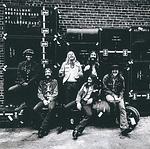
At Fillmore East is a 1971 live album by The Allman Brothers Band recorded at the Fillmore East. It captures the group's blend of blues, rock, and Southern rock through extended, improvisation-driven performances, featuring interplay between dual lead guitars and Gregg Allman’s vocals and Hammond organ over a tight, groove-oriented rhythm section. The record emphasizes live dynamics and long instrumental passages that highlight the band’s roots in blues and rock and is widely regarded as a key live document in their catalogue.
#7 — The Best of The Animals by The Animals
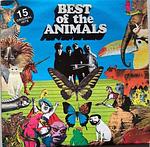
#8 — Music From Big Pink by The Band
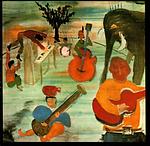
Music From Big Pink, released in 1968 by The Band, presents a warm, roots-based blend of rock, folk, country and Americana. The record emphasizes close ensemble vocals, piano and organ textures, and understated acoustic and electric guitar work, with narrative songwriting and roomy, organic arrangements. Emerging from the group’s work backing Bob Dylan, the album helped crystallize a roots rock approach and features songs such as "The Weight" and "Tears of Rage".
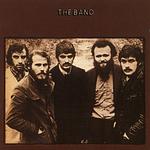
The Band (1969) is a roots-oriented album that blends rock, country, folk, and R&B into close ensemble performances and earthy, acoustic-leaning arrangements. Its character-driven storytelling, distinctive lead vocals from Levon Helm and Richard Manuel, concise songwriting from Robbie Robertson, and textured organ and sax work create a warm, timeless sound that helped shape roots rock and Americana.
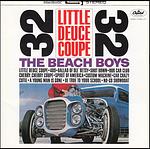
Little Deuce Coupe / All Summer Long is a 1990 reissue that pairs two of The Beach Boys' early albums, bringing together the car-themed pop rock of Little Deuce Coupe with the sun-soaked, surf-inflected songs of All Summer Long. Musically it emphasizes tight, layered vocal harmonies, catchy melodies and straightforward rock and roll rhythms, reflecting Brian Wilson's developing arranging and production sensibility. The package captures the band's formative fusion of surf, rock and pop that defined their early sound.
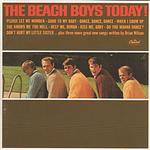
This compilation pairs the Beach Boys albums Today! and Summer Days (and Summer Nights!!) and captures the group in a transitional phase of the mid 1960s, moving from bright, harmony-driven sunshine pop toward more complex, studio-focused arrangements. The music mixes upbeat pop rock and surf-inflected numbers with richer piano, string touches and layered vocal production that presage baroque pop tendencies, reflecting Brian Wilson's growing interest in sophisticated songcraft alongside the band's signature California sound.
#12 — Pet Sounds by The Beach Boys
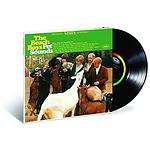
Pet Sounds is a 1966 studio album by The Beach Boys, largely written and produced by Brian Wilson. Musically it blends pop, baroque pop, psychedelic pop and rock with lush, chamber-pop influenced arrangements, inventive studio production and layered vocal harmonies. The record is notable for its introspective lyrics, unusual instrumentation and emphasis on studio experimentation that helped expand the sonic possibilities of pop music.
#13 — The Great Twenty‐Eight by Chuck Berry
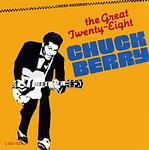
The Great Twenty-Eight is a 1982 compilation from Chuck Berry that gathers twenty-eight singles he recorded for Chess Records, largely from the mid 1950s through the mid 1960s. Musically it foregrounds Berry's blend of rock and roll, rhythm and blues, blues, and rockabilly, marked by his sharp guitar riffs, rhythmic drive, and narrative vocal delivery. The collection functions as a concentrated survey of his early work and highlights the stylistic elements that influenced subsequent rock guitarists and songwriters.
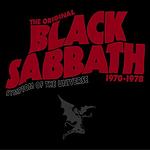
Symptom of the Universe: The Original Black Sabbath 1970–1978 is a 2002 compilation that collects material from Black Sabbath's original era with Ozzy Osbourne, illustrating the band's role in shaping early heavy metal. The recordings emphasize Tony Iommi's heavy, downtuned riffs, Geezer Butler's prominent bass, Bill Ward's dynamic drumming, and Ozzy Osbourne's distinctive vocals, moving from raw, doom-laden tracks to later songs with broader arrangements and production. As a set covering 1970 to 1978, it presents the core period commonly associated with the band's formative influence on the heavy metal sound.
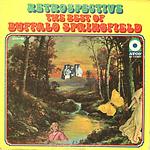
Retrospective: The Best of Buffalo Springfield is a 1969 compilation that collects highlights from the band’s brief late 1960s run, showcasing a blend of folk rock, country-tinged rock, and early psychedelic touches. The tracks emphasize acoustic and electric guitar interplay, close vocal harmonies, and the distinct songwriting voices of Stephen Stills, Neil Young, and Richie Furay, with the socially charged "For What It’s Worth" positioned as a central track among rockers and introspective ballads.
#16 — Sweetheart of the Rodeo by The Byrds
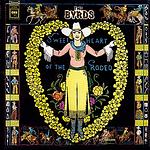
Sweetheart of the Rodeo is The Byrds' 1968 album that shifts the group's sound toward country rock, blending folk rock songwriting and rock rhythms with country instrumentation such as pedal steel and acoustic arrangements. Gram Parsons' involvement steered the record toward traditional country material and roots-flavored originals, delivered with close harmonies and a simpler, more direct production than the band's earlier psychedelic work, with songs like "Hickory Wind" exemplifying the album's tone. The record is widely regarded as an early and influential example of the country rock and Americana crossover.
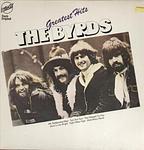
#17 — Greatest Hits by The Byrds
#18 — Tracy Chapman by Tracy Chapman
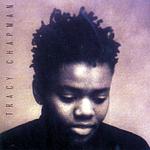
Tracy Chapman is the 1988 debut album by singer-songwriter Tracy Chapman, built around spare, acoustic-based arrangements that blend folk, rock and contemporary folk with subtle blues and soul touches. The sound is dominated by Chapman's clear, expressive voice and narrative songwriting, with intimate production that keeps the focus on lyrics about personal and social themes. Tracks such as "Fast Car" highlight the album's storytelling emphasis and melodic restraint. The record introduced Chapman as a notable voice in late 1980s folk-influenced rock and alternative folk.
#19 — Cheap Trick at Budokan by Cheap Trick
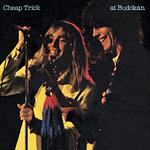
Cheap Trick at Budokan is a 1978 live album recorded at Tokyo's Nippon Budokan that captures the band's mix of power pop, pop rock, and hard rock in a loud, immediate live setting. The performances emphasize concise, melody-driven songs and punchy guitar work, with energetic crowd interaction and spirited renditions of album tracks and covers. The record is notable for presenting the band's hook-focused songwriting in a raw concert context and for expanding their international profile.
#20 — The Cream of Clapton by Eric Clapton
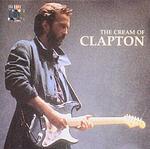
The Cream of Clapton (1994) is a career-spanning compilation that highlights Eric Clapton's blues-rooted rock and British blues influences, with an emphasis on his melodic, guitar-led approach and warm vocal delivery. The album balances electric blues numbers and more reflective, acoustic-tinged tracks, illustrating Clapton's fusion of traditional blues phrasing with classic rock songwriting and polished studio production.
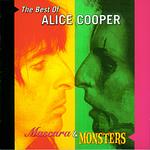
Mascara & Monsters: The Best of Alice Cooper is a 2001 compilation that surveys Cooper's career, presenting his blend of classic rock and hard rock marked by a theatrical shock rock persona. The tracks emphasize riff-driven guitars, punchy rock rhythms and dramatic vocal delivery, moving from raw, garage-rooted early recordings to more polished later productions, and illustrate his role in popularizing horror-inflected stagecraft within rock music.
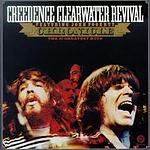
Chronicle: The 20 Greatest Hits is a 1976 compilation that collects Creedence Clearwater Revival's most familiar singles and album tracks recorded from roughly 1968 to 1972. The selections highlight John Fogerty's direct, punchy songwriting and vocals, backed by tight, rootsy arrangements that blend rock, swamp rock, country rock, southern rock, and blues rock, with gritty guitar, organ color, and propulsive rhythms. As a concise overview of the band's peak output, it presents the compact, anthemic songs and back-to-basics sound that defined CCR's approach.
#23 — The Very Best of The Doors by The Doors
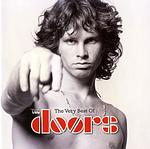
The Very Best of The Doors (2007) is a compilation that presents the band's signature blend of classic rock, acid and psychedelic rock with blues and poetic songwriting. It highlights Jim Morrison's brooding vocals and lyrical intensity alongside Ray Manzarek's swirling keyboards, Robby Krieger's distinctive guitar work, and John Densmore's restrained, jazz-inflected drumming, capturing the moody, atmospheric sound of their late 1960s recordings. As a retrospective collection, it offers an accessible overview of the group's most recognizable songs and stylistic range.
#24 — Bringing It All Back Home by Bob Dylan
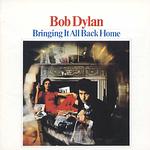
Bringing It All Back Home (1965) marks Bob Dylan's shift from solo acoustic folk toward electric folk rock, with one side backed by a full band and the other featuring solo acoustic performances. The record blends rock instrumentation and harmonica with poetic, often surreal lyrics on songs such as Subterranean Homesick Blues, Maggie's Farm and Mr. Tambourine Man, and is often cited as a pivotal step in his move toward rock-oriented songwriting.
#25 — Highway 61 Revisited by Bob Dylan
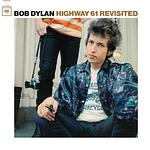
Highway 61 Revisited, released in 1965 by Bob Dylan, marks a decisive shift from acoustic folk toward a fuller electric rock and blues rock sound. The album combines conversational, often surreal lyrics with band arrangements that feature electric guitar, piano and organ, moving between propulsive, riff-driven tracks and slower, blues-inflected numbers. Its songs expand folk storytelling into longer, more free-associative forms and place literary, image-rich writing into a rock context, making the record a notable turning point in Dylan's work and 1960s popular music.
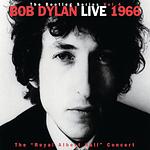
A live document of Bob Dylan's controversial 1966 electric tour, this release pairs a solo acoustic opening with an energized electric set backed by the Hawks, the group that would become the Band. Long circulated under the name "Royal Albert Hall" but actually recorded in Manchester, the concert captures Dylan shifting from folk toward a fuller country rock and rock sound, with raw, punchy arrangements and intense audience reaction, including a famous heckle that highlighted the split in his fanbase. The recording is prized for its immediacy and for illustrating a pivotal moment in Dylan's musical evolution.
#27 — Blonde on Blonde by Bob Dylan

Blonde on Blonde (1966) is a sprawling double album by Bob Dylan that blends rock, folk, blues and country influences into full-band arrangements and more intimate acoustic moments. Its sound pairs loose, sometimes improvisational electric performances with dense, elliptical lyrics and distinctive vocal phrasing, moving between up-tempo rockers and long, meditative tracks. The album is notable for its ambitious scope and lyrical complexity, which helped shape popular music in the mid 1960s.
#28 — John Wesley Harding by Bob Dylan
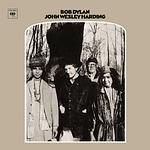
John Wesley Harding is a 1967 Bob Dylan album that pares arrangements down to a spare, roots-oriented sound blending folk, country, and rock elements. The songs are concise and narrative-driven, often using biblical and Western imagery, with restrained acoustic guitar and subtle backing instruments; notable tracks include All Along the Watchtower and I’ll Be Your Baby Tonight. The record represented a shift away from the mid 1960s electric sound toward a more song-centered, stripped-down approach associated with the emerging country rock and contemporary folk currents.
#29 — The Basement Tapes by Bob Dylan, The Band
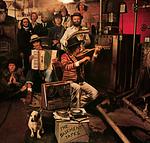
Released in 1975, The Basement Tapes compiles informal recordings Bob Dylan made with members of The Band in 1967 at the Big Pink house in West Saugerties, New York. The music blends folk, rock, and country rock with a loose, rootsy sound, featuring ensemble vocals, rustic arrangements, and off-the-cuff songwriting that mixes traditional forms and original material. The album is marked by its unpolished, collaborative atmosphere and helped shape later strands of Americana and roots rock.
#30 — Blood on the Tracks by Bob Dylan
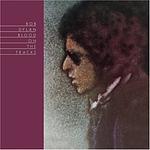
Blood on the Tracks, released in 1975, is an intimate, lyrically driven album that blends Dylan's folk rock roots with elements of blues and country rock. The songs are narrative and confessional, centering on relationships and emotional turmoil, delivered through spare acoustic arrangements with occasional fuller band backing. The record is characterized by direct, conversational vocals, rich storytelling, and a live, immediate studio feel that emphasizes songwriting and emotional clarity.
#31 — "Love and Theft" by Bob Dylan
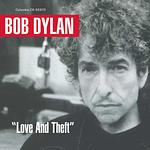
Love and Theft is Bob Dylan's 2001 studio album that blends folk, blues, and rock with touches of country and early American popular music. The songs feature compact, rootsy arrangements and Dylan's conversational, weathered vocal delivery, while the lyrics mix vernacular storytelling, historical and literary references, and sly humor. Tracks such as "Mississippi" and "High Water (For Charley Patton)" showcase the album's blend of traditional forms and contemporary reinterpretation, and the record is often noted as a strong example of Dylan's late-career engagement with American roots music.
#32 — Hotel California by Eagles
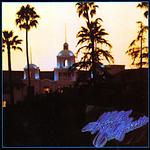
Hotel California is the Eagles album that blends their country rock roots with a more polished rock sound, featuring layered vocal harmonies, polished production, and prominent electric guitar interplay. The record is anchored by the atmospheric title track with its extended guitar coda and cinematic, evocative lyrics, alongside other tracks that mix soft rock and pop rock sensibilities with darker lyrical themes about excess and disillusionment. The overall sound marks a shift toward a richer, more rock-oriented palette while retaining melodic songwriting and close harmonies.
#33 — Their Greatest Hits 1971–1975 by Eagles
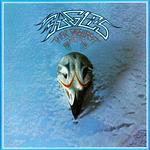
Their Greatest Hits 1971–1975 is a 1976 compilation that collects the Eagles' early singles and album cuts, showcasing their blend of country rock, soft rock, and classic rock. The record emphasizes the band's tight vocal harmonies, acoustic and electric guitar interplay, and a mix of breezy, radio-friendly melodies and more reflective balladry. It sums up the group’s formative sound and songwriting partnership led by Glenn Frey and Don Henley alongside contributions from other members.
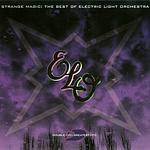
Strange Magic: The Best of Electric Light Orchestra (1995) is a compilation that captures ELO's melding of pop rock hooks with symphonic and progressive rock textures. It reflects Jeff Lynne's polished production and the band's use of orchestral strings, layered vocal harmonies, and inventive arrangements that blend classical influences with radio-friendly melodies, showcasing the sound associated with their classic era.
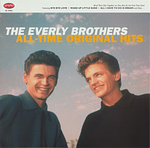
All-Time Original Hits (1999) is a compilation that highlights The Everly Brothers' classic sound, built around their close sibling harmonies, economical acoustic and electric guitar interplay, and a blend of rock and roll, country, and pop sensibilities. The collection emphasizes melodic duet singing and straightforward early rock-pop arrangements that illustrate the duo's hallmark vocal blend and songcraft.
#36 — Fleetwood Mac by Fleetwood Mac
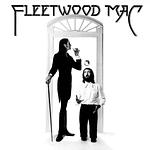
Fleetwood Mac (1975) is the self-titled album that introduced Lindsey Buckingham and Stevie Nicks to the band and shifted its sound toward a smoother, more pop-oriented rock with strong acoustic and folk influences. The record blends melodic pop rock and soft rock arrangements, featuring close vocal harmonies, layered electric and acoustic guitars, and intimate songwriting. Standout tracks such as "Rhiannon" and "Landslide" illustrate the mix of mystical lyricism and stripped-down balladry, while other songs emphasize catchy hooks and polished production, marking a clear stylistic turning point for the group.
#37 — Rumours by Fleetwood Mac
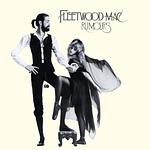
Rumours is a 1977 album by Fleetwood Mac that blends rock, pop rock, soft rock, blues and folk pop into a polished, radio-friendly sound. The record features layered vocal harmonies, melodic songwriting and a mix of acoustic and electric textures that foreground strong hooks and intimate arrangements. Many songs reflect interpersonal relationships and band tensions, giving the lyrics a candid, confessional feel, while the production emphasizes clarity and warmth. The album is widely cited as a defining example of late 1970s pop rock and a central release in Fleetwood Mac's catalog.
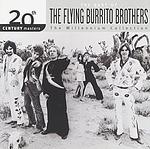
#39 — Peter Gabriel by Peter Gabriel
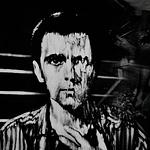
Peter Gabriel (1980), his third solo album often referred to as Melt, marks a move toward more concise, studio-oriented art rock that blends progressive roots with pop sensibilities. The record emphasizes layered production, treated vocals, and electronic textures to create a darker, more atmospheric sound than his earlier solo work, and it represents a turning point toward tighter song structures and adventurous studio experimentation that influenced rock and pop production in the early 1980s.
#40 — Workingman's Dead by Grateful Dead
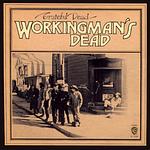
Workingman's Dead, released in 1970 by the Grateful Dead, marks a move away from extended psychedelia toward a more song-focused blend of folk, country, and rock. The album emphasizes acoustic instruments, vocal harmonies, and concise arrangements, with Jerry Garcia's guitar work and collaborations with lyricist Robert Hunter drawing on American roots traditions. Its earthy, back-to-basics sound helped establish a quieter, more narrative side of the band and influenced the development of country rock and Americana approaches in their catalog.
#41 — American Beauty by Grateful Dead
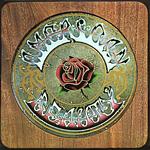
American Beauty, released in 1970, finds the Grateful Dead moving toward a roots-oriented sound that blends folk, country, and rock with lingering psychedelic textures. The record emphasizes acoustic guitars, close vocal harmonies, and concise songwriting, featuring enduring tunes such as 'Truckin'', 'Sugar Magnolia', 'Friend of the Devil', 'Ripple', and 'Brokedown Palace'. Robert Hunter's lyrics and Jerry Garcia's melodies favor narrative, Americana-leaning songs, and the album's restrained, pastoral arrangements contrast with the band's extended live improvisations.
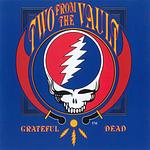
#42 — Two From the Vault by Grateful Dead
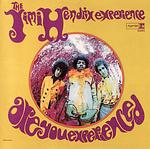
Are You Experienced is the debut album by the Jimi Hendrix Experience, released in 1967. It blends blues rock, psychedelic and acid rock with early hard rock, centered on Hendrix's inventive electric guitar playing and striking studio experimentation such as feedback, wah-wah textures, reversed tape effects, and layered overdubs. The record features concise originals and covers that range from fiery, riff-driven songs to atmospheric balladry, and is widely regarded as a landmark in guitar-led psychedelic rock.
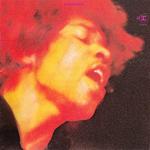
Electric Ladyland, the third studio album by The Jimi Hendrix Experience from 1968, expands Hendrix's palette into dense, studio-driven arrangements that blend blues rock, psychedelic textures, acid rock and hard rock. The record juxtaposes extended, improvisatory jams with concise blues and rock performances, using layered guitar overdubs, stereo effects and studio experimentation, and includes guest contributions that enrich the sound. Highlights include Hendrix's interpretations of "All Along the Watchtower" and the electrifying "Voodoo Child (Slight Return)", which showcase the album's mix of raw performance and studio craft.
#45 — The Buddy Holly Collection by Buddy Holly
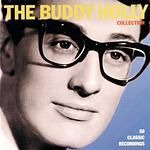
The Buddy Holly Collection (1993) compiles Buddy Holly's mid 1950s rock and roll and rockabilly recordings, featuring concise, melody-driven songs that blend country, rhythm and blues, and pop influences. Holly's clear, distinctive vocal delivery, jangly guitar playing, and economical arrangements are evident throughout, highlighting his songwriting craft and the small-group studio sound that helped shape early rock music.
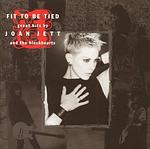
Fit to Be Tied: Great Hits by Joan Jett and the Blackhearts (1997) is a compilation that showcases the band’s punchy, guitar-driven take on rock and roll and power pop. The tracks emphasize Joan Jett’s raw, commanding vocal delivery, concise hook-oriented songwriting, and a direct, no-frills production that blends classic rock structures with a punk-inflected energy. As a greatest hits collection, it provides a compact overview of the band’s riff-led, high-energy sound and its appeal within mainstream rock and power pop contexts.
#47 — The Essential Janis Joplin by Janis Joplin
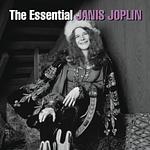
The Essential Janis Joplin (2003) is a career-spanning compilation that highlights Janis Joplin's raw, raspy voice and her blend of blues, blues rock, classic rock, hard rock and modern blues. The selection contrasts gritty, emotionally charged performances with more controlled studio recordings, emphasizing her instinctive phrasing and ability to transform blues and rock material into intense, personal statements. It serves as an accessible overview of the power and range that defined her recorded work.
#48 — Greatest Hits by The Kinks
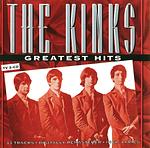
Greatest Hits (1991) by The Kinks is a compilation that offers a concise overview of the band's signature blend of British invasion rock and melodic pop rock, moving from raw, riff-driven early singles to more polished, literate pop songs centered on Ray Davies' observational songwriting. The collection highlights the contrast between Dave Davies' gritty guitar sound and the group's evolving arrangements, capturing the musical traits that made the Kinks a defining presence in classic rock and pop-oriented rock across the 1960s and 1970s.
#49 — The Kink Kronikles by The Kinks
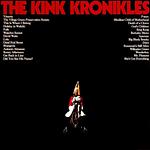
The Kink Kronikles is a 1972 compilation that collects The Kinks' songwriting and stylistic shifts up to that point, highlighting Ray Davies' move from straightforward pop rock and rock and roll toward more reflective, theatrical and classic rock sounds. The selections emphasize narrative lyrics, British music hall and baroque pop touches alongside punchy guitar and rock rhythms, offering a cross section of the band’s melodic, character‑driven songs and evolving musical ambitions.
#50 — Double Platinum by KISS
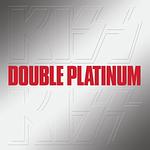
Double Platinum is a 1978 compilation album by American rock band KISS that collects key tracks from their 1970s period. The set highlights the band’s brand of hard rock and glam-influenced theatrics, featuring punchy, riff-driven songs, anthem-style choruses, and high-energy production that emphasizes both heavy guitar work and stadium-ready hooks. As a retrospective release, it presents the band’s image and sound from their early career and underscores their focus on showmanship and straightforward rock songwriting.
#51 — Led Zeppelin by Led Zeppelin
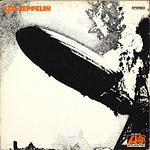
Led Zeppelin's 1969 debut is a raw, blues-rooted hard rock album that introduced the band's heavy, riff-driven sound. It combines electrified blues interpretations and original compositions with acoustic interludes, showcasing Jimmy Page's layered guitar production, Robert Plant's expressive vocals, John Paul Jones's versatile arrangements, and John Bonham's powerful drumming. The record's emphasis on distorted guitar tones, dynamic shifts and extended arrangements helped establish a blueprint for much of late 1960s and 1970s hard rock and early heavy metal.
#52 — Led Zeppelin II by Led Zeppelin
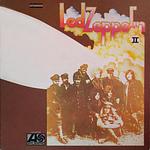
Led Zeppelin II, released in 1969, expands the band's debut into a heavier, riff-driven sound rooted in electric blues and early hard rock. The album emphasizes powerful blues-influenced guitar riffs, thunderous drums, and Robert Plant's high-register vocals, with studio production that uses bold panning, overdubs, and distortion to create dense, energetic arrangements. It blends reworkings of blues material with original compositions to showcase the group's fusion of traditional blues forms and a louder, more aggressive rock approach that helped shape subsequent hard rock and blues rock styles.
#53 — [Led Zeppelin IV] by Led Zeppelin
![[Led Zeppelin IV]](https://images.thegreatestmusic.org/yfyip7ss5dlcr6r39qje3hx89jrl)
Led Zeppelin IV, released in 1971, is a pivotal album in the band's catalogue that blends hard rock, blues, and folk elements. It alternates between acoustic, pastoral numbers and heavy electric songs, showcasing Jimmy Page's layered guitar work, Robert Plant's dynamic vocals, John Paul Jones's arranging and keyboard contributions, and John Bonham's powerful drumming. The album's mix of riff-driven rock, acoustic storytelling, and expansive production helped shape what became known as classic and arena rock sounds.
#54 — Physical Graffiti by Led Zeppelin
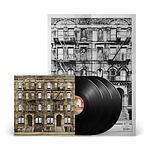
Physical Graffiti, released in 1975, is Led Zeppelin's double album that showcases a wide range of the band's styles, from hard rock and blues to folk-influenced acoustic pieces. The record combines heavy, riff-driven songs with layered production, expansive arrangements and intimate acoustic moments, highlighting Jimmy Page's production and guitar work, Robert Plant's vocals, John Paul Jones's multi-instrumental contributions and John Bonham's powerful drumming. Tracks such as Kashmir and Ten Years Gone illustrate the album's scale and textural variety while shorter bluesy and folk-derived numbers provide contrast, making it a broad statement of the band's musical range.
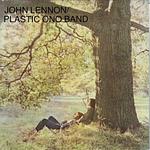
John Lennon/Plastic Ono Band (1970) is a stark, confessional solo album that pares arrangements down to bare acoustic and electric guitars, piano, bass and drums, putting Lennon's voice and direct lyrics at the forefront. The songs are raw and intimate, shaped by his engagement with primal therapy, and confront themes of identity, loss, faith and personal liberation with blunt, often painful imagery. Blending rock and folk with a singer-songwriter sensibility, the record is notable for its spare production and emotionally unguarded performances.
#56 — Imagine by John Lennon
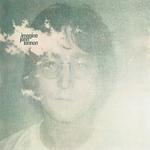
Imagine, released in 1971, is a John Lennon album that blends piano-led pop and rock with folk and rock and roll influences. The record moves between spare, introspective ballads and more direct rockers, often pairing simple arrangements with occasional orchestral touches and a focus on plainspoken, personal lyrics. The title track is a restrained, piano-centered piece that captures the album's themes of idealism and reflection, while other songs shift from confessional to satirical tones, showcasing Lennon's melodic songwriting and post-Beatles musical approach.
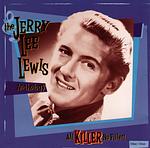
All Killer No Filler! The Jerry Lee Lewis Anthology presents Jerry Lee Lewis's high-energy rock and roll performances, centered on his pounding piano, boogie-woogie rhythms, and raucous vocal delivery. The compilation highlights the raw, punchy studio sound and the blend of country, rhythm and blues, and piano-driven boogie that helped define Lewis's influential, larger-than-life approach to early rock and roll.
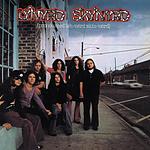
The 1973 debut album (pronounced ’lĕh-’nérd ’skin-’nérd) introduces Lynyrd Skynyrd's raw Southern rock sound, blending blues-based guitar work, country inflections, and hard rock drive. The record highlights the band's three-guitar interplay and Ronnie Van Zant's rough-edged vocals across tight, riff-driven songs and longer, soulful numbers, notably the extended, improvisational guitar climax of 'Free Bird'. Tracks such as 'Simple Man' and 'Gimme Three Steps' pair plaintive melodies with boogie rhythms, helping establish the musical template the band would continue to explore.
#59 — Street Survivors by Lynyrd Skynyrd
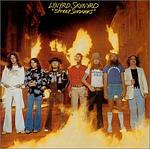
Street Survivors is Lynyrd Skynyrd's 1977 studio album rooted in Southern rock with strong blues rock and hard rock elements. The record blends twin guitar harmonies, boogie rhythms, and gritty, blues-inflected solos with a more polished production and melodic contributions from Steve Gaines; notable songs such as "What's Your Name," "That Smell," and "You Got That Right" highlight the band's mix of swagger and songwriting craft. The album is also historically significant as the band's studio release issued just days before the plane crash that killed lead singer Ronnie Van Zant and other members.
#60 — Wingspan: Hits and History by Paul McCartney
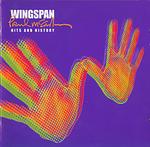
Released in 2001, Wingspan: Hits and History is a compilation that surveys Paul McCartney's post-Beatles work with Wings and as a solo artist. It highlights his melodic pop and pop rock songwriting alongside softer ballads and moments of classic rock instrumentation, offering a broad retrospective that illustrates the variety of styles he explored in the decades after the Beatles.
#61 — Bat Out of Hell by Meat Loaf
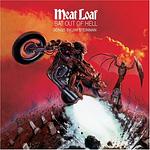
Bat Out of Hell, released in 1977 by Meat Loaf with songs written by Jim Steinman, is a theatrical, high-energy rock album that blends hard rock, pop rock and classic rock with a rock opera sensibility. Its sound features grand, cinematic arrangements, extended song forms and dramatic, wide-ranging vocals paired with narrative lyrics that emphasize melodrama, romance and teenage fantasy.
#62 — Master of Puppets by Metallica
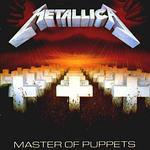
Master of Puppets (1986) is Metallica's third studio album and a landmark of thrash metal, blending aggressive, fast-paced riffs and palm-muted gallops with extended song structures and melodic guitar solos. The record pairs relentless speed and tight rhythmic precision with moments of dynamic contrast and instrumental complexity, showing progressive tendencies in longer arrangements. Lyrically it touches on themes of control and manipulation, and the production delivers a clearer, heavier sound compared with the band's earlier releases.
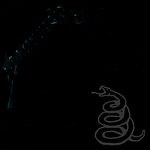
Metallica, commonly known as the Black Album, released in 1991, marks the band's shift from the faster thrash of their earlier records toward a heavier, more streamlined heavy metal and hard rock sound. The songs are generally shorter and more riff- and groove-oriented, with punchy, polished production by Bob Rock and greater emphasis on melody and atmosphere alongside aggressive guitar work. It features well known tracks such as Enter Sandman, Nothing Else Matters, Sad but True, and The Unforgiven that exemplify the album's balance of accessibility and metallic intensity.
#64 — Greatest Hits 1974–78 by Steve Miller Band
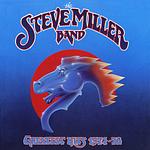
Greatest Hits 1974–78 is a 1978 compilation that collects the Steve Miller Band's mid 1970s material, showcasing a blend of blues-influenced rock and radio-friendly pop rock with an arena-ready sheen. The tracks emphasize concise, hook-driven songwriting, clean electric and slide guitar tones, and the polished studio production that defined Miller's sound in that period, offering a compact overview of his melodic, accessible approach to rock.
#65 — Blue by Joni Mitchell
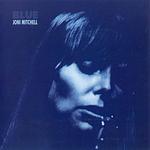
Blue, released in 1971, is Joni Mitchell's spare and intimate album that blends contemporary folk, folk rock, and singer-songwriter approaches. Its uncluttered arrangements, open-tuned guitar and piano, and candid, confessional lyrics explore love, longing, and self-examination; songs such as "A Case of You", "River", "Carey", and "California" balance folk intimacy with pop-minded melodies. The record is often cited as a defining work for later singer-songwriters and for its emotional directness.
#66 — Court and Spark by Joni Mitchell
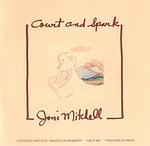
Court and Spark (1974) finds Joni Mitchell expanding her folk roots into a richer pop sound infused with jazz-influenced harmonies and sophisticated arrangements. The album blends acoustic songwriting with electric instrumentation and subtle horn and string touches, featuring well known songs such as "Help Me" and "Free Man in Paris". Its production balances intimate vocals and accessible melodies with complex chord choices and rhythmic nuance, marking a notable stylistic shift in Mitchell's catalog.
#67 — Astral Weeks by Van Morrison
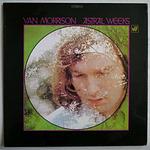
Astral Weeks, released in 1968, finds Van Morrison melding folk, jazz, blues and soul into a series of long, flowing songs built on loose, improvisational performances. The arrangements foreground acoustic guitar, upright bass and subtle percussion with occasional strings and woodwinds, producing a chamberfolk atmosphere that complements Morrison's stream-of-consciousness vocals and poetic lyrics. The album is often regarded as a distinctive, genre-blurring turning point in his work for its intimate, contemplative mood and unconventional song structures.
#68 — Moondance by Van Morrison
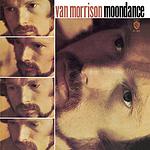
Moondance, released in 1970, blends folk rock, blue-eyed soul, and jazz into a warm, groove-oriented sound that emphasizes melodic songwriting and rhythmic swing. The arrangements lean on piano, saxophone, brushed drums, and acoustic guitar, providing a relaxed yet tightly played backdrop for Morrison's soulful phrasing and poetic lyrics. Several tracks pair romantic, imagery-rich writing with jazz-inflected rhythms and horn lines, giving the album a more structured and accessible feel compared with some of his earlier, more freeform work. The record is often noted for its effective fusion of genres and strong songwriting.
#69 — No Sleep 'Til Hammersmith by Motörhead
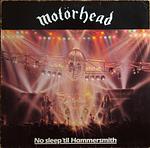
No Sleep 'Til Hammersmith is Motörhead's 1981 live album that captures the trio's aggressive, high-energy fusion of hard rock, heavy metal, and punk-influenced tempos. The record highlights Lemmy's gravelly vocals and prominent bass, fast and gritty guitar work from Eddie Clarke, and driving drums, presenting raw, no-frills performances of staples like 'Ace of Spades' and 'Overkill'. Its live, unpolished sound emphasizes speed and concert intensity over studio refinement, offering a direct document of the band's onstage power in that period.
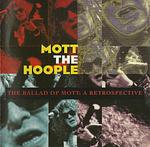
The Ballad of Mott: A Retrospective is a 1993 compilation that surveys Mott the Hoople's output, showcasing the band's mix of guitar-driven rock and glam-influenced songwriting alongside quieter, melodic ballads. The collection reflects their muscular arrangements and theatrical lead vocals, balancing raucous rockers with more reflective numbers and capturing the distinctive sound they helped define in early 1970s British rock.
#71 — 12 Songs by Randy Newman
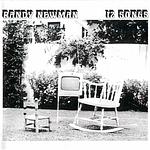
12 Songs (1970) is an early Randy Newman studio album that foregrounds his piano-based singer-songwriter approach, blending pop and rock elements with restrained arrangements and string touches. The songs emphasize character-driven, often ironic storytelling and melancholic melodies, showcasing the concise, literate songwriting and dark humor that became hallmarks of Newman’s work.
#72 — Good Old Boys by Randy Newman
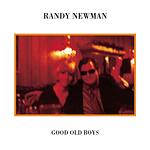
Good Old Boys (1974) is a piano led album in which Randy Newman examines the American South through character-driven songs that blend rock and chamber pop elements. Newman uses unreliable narrators and darkly ironic lyrics to address race, history, and politics, moving between caustic satire and plaintive balladry while arranging songs with everything from intimate piano backing to fuller orchestral and horn textures. The record stands out for its narrative songwriting and its more overtly topical, sardonic tone compared with some of his earlier work.
#73 — Greatest Hits by Roy Orbison
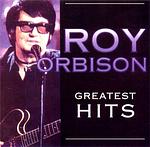
Greatest Hits is a compilation that gathers Roy Orbison's signature rock and pop ballads from his peak period, showcasing his operatic tenor and wide, emotional vocal delivery. The recordings pair dramatic, reverberant arrangements with chiming electric guitar and orchestral touches, emphasizing themes of longing and heartbreak and illustrating Orbison's role in expanding the emotional range of early rock songwriting.
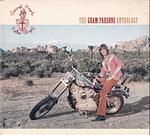
Sacred Hearts & Fallen Angels: The Gram Parsons Anthology is a 2001 compilation that surveys Parsons' work across country rock and country, bringing together solo material and recordings from his collaborations to illustrate his fusion of traditional country instrumentation with rock and soul influences. The tracks emphasize Parsons' plaintive vocal delivery, pedal steel and slide textures, and songwriting that blends honky tonk, folk and gospel inflections, and the collection documents his influential role in shaping the country rock sound often described as "Cosmic American Music."
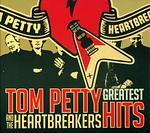
Greatest Hits (2010) by Tom Petty and the Heartbreakers is a compilation that highlights the band’s blend of classic rock and pop rock, featuring driving guitar work, catchy melodies, and roots-tinged songwriting. The album emphasizes both energetic, hard-edged numbers and more melodic, radio-friendly tracks, underscoring the group’s straightforward rhythmic foundation and Petty’s direct, narrative vocal style. As a collection of well known material, it functions as an accessible overview of the band’s signature sound.
#76 — Phish: Live in Vegas by Phish
#77 — The Dark Side of the Moon by Pink Floyd
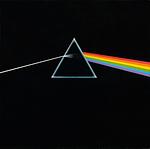
The Dark Side of the Moon is Pink Floyd's 1973 progressive rock album that blends rock, psychedelic and art rock elements into a continuous, concept-driven suite exploring themes such as time, money, mental strain and mortality. It is distinguished by its studio production and sound design, including layered synthesizers, tape effects and looping, prominent saxophone parts and an emotive wordless vocal performance on one track, with seamless transitions that emphasize atmosphere and textural detail across the record.
#78 — Wish You Were Here by Pink Floyd
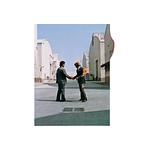
Wish You Were Here, released in 1975 by Pink Floyd, is a progressive and art rock album that blends long-form compositions, atmospheric studio production, and expressive guitar-led melodies. It is built around the multi-part suite "Shine On You Crazy Diamond", acts as a tribute to former member Syd Barrett, and contains songs like "Have a Cigar" and "Welcome to the Machine" that question the music industry. The record alternates between spacious synthesizer textures and warm electric guitar passages, favoring mood, soundscapes, and extended instrumental sections over concise pop arrangements.
#79 — The Wall by Pink Floyd
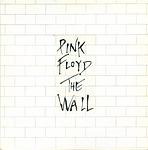
The Wall is a 1979 concept album and rock opera that follows the psychological collapse of a fictional character named Pink, exploring themes of isolation, alienation, and the impact of trauma. Musically it blends progressive rock and art rock structures with elements of classic and psychedelic rock, moving between intimate acoustic passages, dense studio production, orchestral interludes, and powerful, anthemic songs such as "Comfortably Numb" and "Another Brick in the Wall Part 2". The album is notable for its theatrical narrative approach, layered soundscapes, prominent guitar solos, and use of sound effects and spoken segments to advance the story.
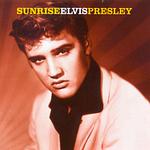
#80 — Sunrise by Elvis Presley
#81 — From Elvis in Memphis by Elvis Presley
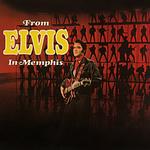
From Elvis in Memphis (1969) was recorded at American Sound Studio in Memphis with producer Chips Moman and moves away from Presley’s recent movie soundtrack work toward a tighter blend of country, pop and soul often labeled blue-eyed soul or country soul. The arrangements favor a muscular rhythm section, horns and gospel-tinged backing vocals, and the album includes the socially minded song "In the Ghetto" while showcasing a more mature, emotionally direct vocal approach that helped revitalize his studio output.
#82 — Elv1s: 30 #1 Hits by Elvis Presley
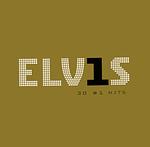
A career-spanning compilation that assembles thirty well-known Elvis Presley singles, highlighting his early rock and roll energy alongside pop balladry and blue-eyed soul. The set presents a range of production styles, from raw early studio performances to later, more orchestrated arrangements, and on some editions includes a contemporary remix of "A Little Less Conversation." Overall it offers a broad overview of Presley’s vocal versatility and the stylistic breadth of his recorded work.
#83 — Capitol Collectors Series by Raspberries
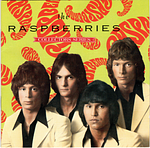
Capitol Collectors Series is a 1991 compilation that surveys Raspberries' early 1970s work, showcasing their brand of rock-tinged power pop. The songs emphasize chiming guitar riffs, tight arrangements, and layered vocal harmonies rooted in 1960s pop influences while delivering punchy, hook-driven songwriting. The release functions as a compact introduction to the group's melodic sensibility and its role in shaping the power pop sound of the era.
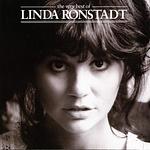
The Very Best of Linda Ronstadt (2002) is a compilation that presents a broad overview of Ronstadt's work in rock, pop, country rock, and soft rock. It gathers well known singles and album tracks from her mainstream period to showcase her clear, versatile voice, melodic phrasing, and knack for interpreting both uptempo rockers and mellow ballads. The collection emphasizes her cross-genre approach, blending country sensibility with pop arrangements and polished production to convey the range that defined much of her popular output.
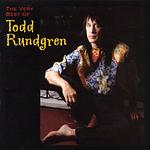
The Very Best of Todd Rundgren (1997) is a compilation that showcases Rundgren's wide-ranging solo work, emphasizing melodic power pop and pop rock alongside harder-edged and experimental moments. It reflects his strengths as a songwriter and producer, pairing piano-led ballads and catchy pop hooks with occasional rockers and studio-crafted sonic flourishes. The collection presents a concise overview of the accessible yet adventurous side of Rundgren's career.
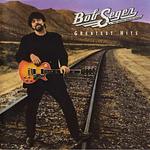
Greatest Hits (1994) collects Bob Seger & the Silver Bullet Band material that exemplifies their blend of heartland rock, classic rock, and pop rock, pairing punchy, guitar-driven numbers with soulful, piano- and saxophone-accented ballads. The songs emphasize plainspoken, blue-collar storytelling and memorable choruses, delivered with Seger’s gritty vocals and the band’s tight, roots-tinged arrangements, making the compilation a concise portrait of his signature sound.
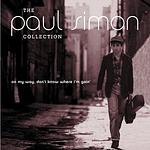
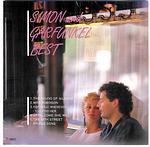
Simon and Garfunkel Best is a compilation that showcases the duo's signature blend of folk-rooted acoustic pop and balladry, anchored by Paul Simon's literate songwriting and Art Garfunkel's clear, high harmonies. The material moves between spare, guitar-driven arrangements and fuller, string-accented productions, emphasizing introspective, often melancholic themes and tight vocal interplay that came to define their contribution to 1960s folk-pop.
#89 — Born to Run by Bruce Springsteen
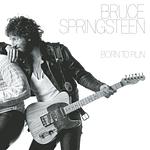
Born to Run (1975) blends rock, heartland rock, folk rock, piano-driven rock, and singer-songwriter storytelling into a sweeping, cinematic sound. Built around dense, Wall of Sound inspired arrangements with prominent saxophone and piano, the album pairs anthemic, propulsive tracks with intimate, narrative songs about escape, youthful restlessness, and working-class longing. It represented a major artistic leap for Springsteen and helped define the musical themes and larger-than-life production style he explored in later work.
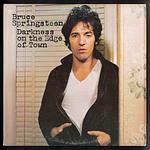
Darkness on the Edge of Town is Bruce Springsteen's 1978 album that adopts a leaner, grittier approach to heartland rock and singer-songwriter storytelling. The sound emphasizes direct, guitar-driven arrangements with piano accents and a more restrained, raw production than some earlier work. Lyrically the album focuses on working-class characters, moral struggle, loss and the pursuit of dignity, delivered in spare, atmospheric songs such as "Badlands" and "Racing in the Street". Its sober tone and narrative focus helped define Springsteen's signature blend of rock and character-driven songwriting.
#91 — Born in the U.S.A. by Bruce Springsteen
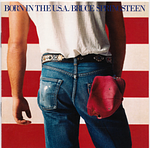
Born in the U.S.A. is Bruce Springsteen's 1984 album that blends heartland rock, pop rock, folk rock and AOR into a big, radio-ready sound. It pairs driving rock arrangements, bright synthesizer textures and prominent saxophone with anthemic, singalong choruses, while the lyrics continue Springsteen's focus on working-class life and the struggles of veterans, often juxtaposing upbeat music with stark storytelling. The overall effect is a muscular, accessible record that reinforced Springsteen's reputation for combining melodic rock with socially minded narratives.
#92 — Can't Buy a Thrill by Steely Dan
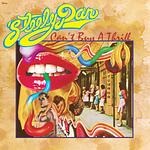
Can't Buy a Thrill is Steely Dan's 1972 debut album that introduced Donald Fagen and Walter Becker's blend of pop rock and jazz-inflected songwriting. It pairs catchy, radio-friendly rhythms with sophisticated harmonic arrangements, polished studio production, and literate, often ironic lyrics, and features early singles 'Do It Again' and 'Reelin' in the Years'. The album's use of session musicians and tight vocal harmonies points toward the studio-centered approach the duo would develop on later records.
#93 — Countdown to Ecstasy by Steely Dan
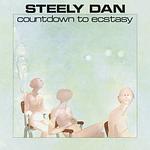
Countdown to Ecstasy, Steely Dan's 1973 album, furthers the band's blend of pop rock and jazz-influenced songwriting with tight arrangements, sophisticated chord changes, and literate, ironic lyrics. The sound pairs rock rhythms and guitar with jazz-pop and jazz-rock touches such as horn accents, piano work, and unexpected harmonic turns, and performances retain a more band-oriented energy than the later, more studio-controlled records. Songs like "Bodhisattva" and "My Old School" showcase the album's funky grooves and melodic complexity, making it an early example of Steely Dan's jazz-inflected pop sensibility.
#94 — Pretzel Logic by Steely Dan
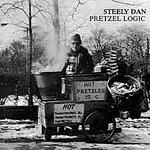
Pretzel Logic, Steely Dan's 1974 album, blends pop rock songcraft with jazz-influenced harmony and studio-polished arrangements. Donald Fagen's distinctive vocals and Walter Becker's elliptical, often sardonic lyrics sit atop tight rhythm parts, horn and keyboard textures, and concise, well-arranged tracks that mix radio-friendly tunes with jazz-tinged complexity. The album includes the well-known song "Rikki Don't Lose That Number" and is often cited as a clear example of the band's move toward meticulous studio production and jazz-pop fusion.
#95 — Katy Lied by Steely Dan
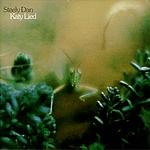
Katy Lied (1975) finds Steely Dan sharpening their blend of pop rock and jazz-inflected sophistication, with Donald Fagen's cool, deadpan vocals and Walter Becker's precise arrangements driving a set of concise, studio-crafted songs. The record emphasizes polished, jazz-tinged harmonies, intricate chord voicings, and layered session work, balancing memorable hooks with sardonic, cryptic lyrics about personal and urban tensions. Musically it continues the group's shift toward meticulous studio production and prominent use of veteran session musicians, producing a controlled, urbane sound that sits between accessible pop songwriting and complex jazz-rock arrangements.
#96 — Aja by Steely Dan
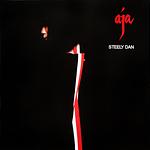
Steely Dan's 1977 album Aja blends jazz rock, jazz fusion and pop rock into a highly polished studio sound. Donald Fagen and Walter Becker pair complex chord progressions and literate, often sardonic lyrics with layered arrangements led by top session musicians; the record is characterized by crisp, meticulous production, jazz-influenced harmonies, prominent saxophone and electric piano textures, and careful rhythmic detail. Tracks move from tighter pop-rock songs like "Peg" and "Josie" to the extended, improvisation-friendly title track "Aja", showcasing the band's fusion leanings while retaining a smooth, accessible surface. The album exemplifies Steely Dan's studio-oriented approach and the late 1970s crossover between jazz and pop.
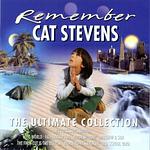
Remember: The Ultimate Collection (1999) is a retrospective compilation that presents Cat Stevens' signature blend of folk, folk pop, pop and soft rock, centered on acoustic guitar arrangements, melodic hooks and introspective, often spiritual lyrics. The selection reflects his move from 1960s pop toward the earnest singer songwriter approach of the early 1970s, showcasing warm, intimate vocals and concise, melody driven songwriting that helped define that era.
#98 — Storyteller by Rod Stewart
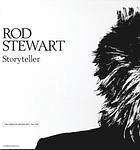
Storyteller is a 1989 compilation by Rod Stewart that assembles material from across his career, spanning rock, folk rock, heartfelt ballads and some harder-edged numbers. The tracks illustrate Stewart's gritty, expressive voice and his penchant for narrative songwriting, with arrangements that move between acoustic, folk-tinged textures and full electric rock production. As a retrospective package, it underscores the stylistic range that has characterized his classic rock-era work.
#99 — Greatest Hits by James Taylor
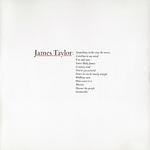
Greatest Hits (1976) is a compilation that collects James Taylor's early recordings and highlights his gentle folk rock and soft rock style. The album emphasizes intimate acoustic arrangements, smooth, expressive vocals, and introspective songwriting that blend folk pop melody with relaxed rock rhythms. As a concise overview of his early work, it presents the warm, singer-songwriter sound associated with Taylor in the early 1970s.
#100 — Shoot Out the Lights by Richard & Linda Thompson
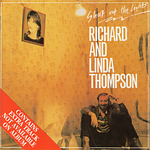
Shoot Out the Lights (1982) blends folk-rooted songwriting with stark rock arrangements, built around Richard Thompson's incisive electric guitar and Linda Thompson's expressive lead vocals and close harmonies. The album moves between intimate acoustic moments and propulsive, tension-filled rock, with lyrics that often explore domestic strain and emotional intensity. Its direct, immediate production and emotional clarity have made it a defining statement for the duo and their last studio album together before they stopped recording as a couple.