 The Greatest Music
The 150 Best Albums of the 1990s
Weight: 39%
How much this list influences our overall rankings. Higher weight means more reliable data.
Penalties Applied:
Published September 28, 2022, Pitchfork’s The 150 Best Albums of the 1990s is a ranked, editorial canon that revisits the decade through a wide lens—hip-hop and neo-soul alongside indie, electronic, pop, and alt-rock—positioning its picks as the ‘90s records that most changed how the era sounded and felt. It arrived as part of a larger 1990s package (with a companion 250 Best Songs list) and reads as Pitchfork’s in-house perspective rather than a public ballot.
#1 — Loveless by My Bloody Valentine
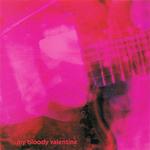
Loveless (1991) by My Bloody Valentine is a defining shoegaze album built from densely layered, heavily processed guitars, submerged vocals, and a washed, immersive sonic texture. Kevin Shields's use of a distinctive glide guitar technique, tremolo, pitch bending, and thick reverb produces a dreamy but noisy pop sound that influenced many subsequent dream pop and alternative rock acts.
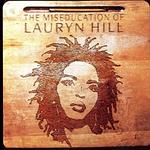
The Miseducation of Lauryn Hill blends R and B, neo soul and hip hop, combining sung vocals and expressive rapping over warm, organic production that mixes live instrumentation, soulful samples and hip hop rhythms. Lauryn Hill’s songwriting is direct and personal, exploring themes of love, motherhood, spirituality and selfhood, and the album features standout songs that showcase its mix of melodic hooks and lyrical intensity. Its fusion of contemporary R and B sensibility with alternative hip hop textures helped shape the sound of early 2000s neo soul and influenced many artists who followed.
#3 — OK Computer by Radiohead
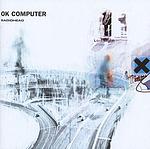
OK Computer is Radiohead's 1997 album that expands their alternative rock roots into art rock and electronic-influenced territory, pairing layered guitars and dense textures with electronic touches and Thom Yorke's expressive vocals. The record emphasizes atmospheric arrangements, unconventional song structures, and lyrics concerned with alienation, technology, and modern life, marking a turning point toward a more experimental and expansive sound for the band.
#4 — Exile in Guyville by Liz Phair
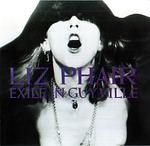
Exile in Guyville, Liz Phair's 1993 debut, blends indie rock and alternative rock with lo-fi, guitar-driven arrangements and frank, conversational lyrics. The album's spare production and direct vocal delivery create a confessional, intimate tone that foregrounds personal and gendered perspectives in rock music. Its combination of catchy melodies and rough-edged sonics helped establish Phair's distinctive voice within 1990s independent rock and has been cited as influential for later singer-songwriters in alternative and DIY scenes.
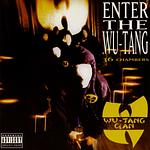
Enter the Wu-Tang (36 Chambers) is the 1993 debut album by Wu-Tang Clan, built on raw, lo-fi boom bap production and heavy use of martial arts film samples. Largely produced by RZA, it features sparse, gritty beats and layered vocal interplay that highlight the collective's nine distinct MCs and stark, street-centered lyricism. Its aggressive East Coast sound and unconventional group structure became a touchstone for hardcore hip hop and had a lasting influence on production trends and crew-centered projects.

Homogenic is Björk's 1997 album that pairs bold electronic production with lush string arrangements to create a tense, intimate sound. It blends downtempo beats, trip hop grooves and glitchy electronic textures with her expressive voice and a strong sense of atmosphere, often evoking stark, elemental landscapes associated with Iceland. The album emphasizes a tighter, more cohesive sonic identity than some of her earlier work, foregrounding contrasts between organic strings and processed beats.
#7 — The Velvet Rope by Janet Jackson
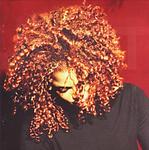
The Velvet Rope is a late 1990s album produced largely with Jimmy Jam and Terry Lewis that blends contemporary R&B, pop, art pop, dance-pop and New Jack Swing influences into a moody, texturally rich record. It pairs danceable grooves and slow jams with layered electronic production, orchestral touches and atmospheric interludes, and features intimate, restrained vocals that emphasize themes of sexuality, self-worth, loneliness and emotional vulnerability. The overall sound is darker and more introspective than some of Janet Jackson's earlier pop work, aiming for a cinematic, experimental take on mainstream R&B and pop.
#8 — Live Through This by Hole
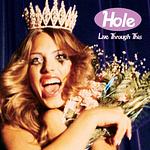
Live Through This, released in 1994 by Hole, blends grunge, punk, and alternative rock with raw, guitar-driven arrangements and strong melodic hooks. Courtney Love's vocals move between snarling aggression and vulnerable melody, anchored by lyrics that confront gender, identity, and personal trauma. The album pairs abrasive textures with pop-influenced songcraft, forming a defining statement for the band within 1990s alternative rock.
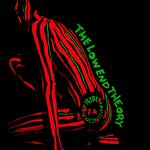
The Low End Theory is A Tribe Called Quest's 1991 album that crystallizes jazz rap by pairing bass-forward, jazz-sample-based production with classic boom bap rhythms and conversational, socially aware lyrics. Q-Tip's understated, melodic production and the dynamic interplay between Q-Tip and Phife Dawg create a warm, groove-oriented sound that emphasizes low frequencies, sparse beats, and lyrical chemistry.
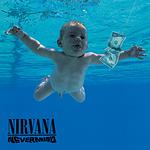
Nevermind, released in 1991 by Nirvana, is a grunge and alternative rock album that blends punk rawness with pop-minded songwriting, characterized by loud-quiet-loud dynamics, distorted guitars, and Kurt Cobain's raw, melodic vocal delivery and introspective lyrics about alienation and personal struggle. Produced by Butch Vig, the record pairs cleaner studio production with a sense of urgency and abrasive textures, and its accessible hooks alongside heavy instrumentation helped bring alternative rock aesthetics to a much wider audience.
#11 — Dummy by Portishead
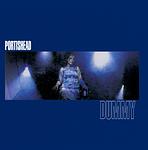
Dummy, released in 1994, is Portishead's debut album that helped define the trip hop aesthetic by combining slow, hip hop influenced beats with jazz-tinged arrangements and moody electronic textures. Beth Gibbons' intimate, theatrical vocals sit against dusty samples, turntable scratches, reverb-heavy production and slippery guitar lines, creating a cinematic, noir atmosphere. The record mixes downtempo electronic approaches with elements of acid jazz and dark jazz to produce a sparse, emotionally intense sound.
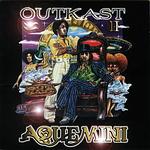
Aquemini, OutKast's 1998 album, blends hip hop, Dirty South sensibilities, and alternative hip hop experimentation into layered, eclectic production that mixes soul, funk, and psychedelic textures with live instrumentation and dense beats. The duo trade contrasting vocal deliveries across songs that balance Southern identity and personal introspection with forward-looking sonic risks, producing a genre-blurring record marked by varied tempos and inventive arrangements.
Homework is Daft Punk's 1997 debut studio album that blends electronic, house, French house, tech house, and deep house influences into a raw, sample-driven dance record. The sound is built around repetitive grooves, syncopated rhythms, gritty basslines, analog synth textures and occasional vocoder-processed vocals, favoring stripped-back, club-oriented arrangements. Tracks such as "Da Funk" and "Around the World" exemplify its mix of funk-inflected beats and minimalist production, and the album is often cited for helping bring French house aesthetics to a wider audience.
#14 — Ready to Die by The Notorious B.I.G.
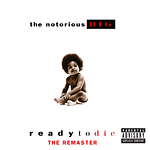
Ready to Die, the 1994 debut studio album by The Notorious B.I.G., pairs hard-edged boom bap production and sample-based beats with Biggie's deep, conversational flow and vivid storytelling about street life, ambition, and mortality. The record alternates gritty, hardcore narratives and gangsta rap themes with moments of melodic hooks and personal reflection, showcasing dense internal rhymes, dark humor, and cinematic details. It is widely regarded as a defining release in 1990s East Coast hip hop for its lyricism and narrative scope.
#15 — One in a Million by Aaliyah
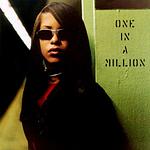
One in a Million, Aaliyah's 1996 album, blends contemporary R&B, pop, hip hop, pop rap, and pop soul with minimalist, syncopated production largely from Timbaland and contributions from Missy Elliott. The record pairs Aaliyah's cool, understated vocal delivery with stuttering beats, off-kilter percussion, and atmospheric textures, producing a sleek, futuristic sound on tracks like "If Your Girl Only Knew", "One in a Million", and "4 Page Letter". Thematically focused on relationships and self-possession, the album is often cited as a turning point that helped move mainstream R&B toward more experimental rhythmic and sonic approaches.
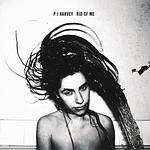
Rid of Me is PJ Harvey's 1993 album, produced by Steve Albini, noted for its raw, visceral sound and stark, live-feeling production. The music blends abrasive guitar work, driving rhythms, and intense, often confrontational vocals, with lyrics that explore power, desire, and emotional volatility. The record is commonly seen as a darker, more aggressive follow-up to her earlier work and a defining statement in 1990s alternative and indie rock.
#17 — Baduizm by Erykah Badu
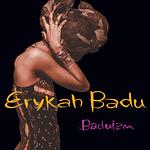
Baduizm is Erykah Badu's 1997 debut studio album that blends neo soul, jazz, hip hop and electronic textures into warm, groove-driven songs. Badu's smoky, conversational vocal delivery floats over sparse, syncopated rhythms, upright-bass warmth and languid keyboard and horn touches, with moments of spoken-word intimacy and loose jazz-influenced arrangements. The lyrics move between romantic, spiritual and introspective themes, and the record helped establish the aesthetic associated with the late 1990s neo soul movement.
#18 — Heaven or Las Vegas by Cocteau Twins
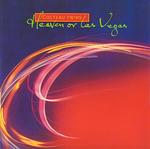
Heaven or Las Vegas (1990) finds Cocteau Twins applying their hallmark reverb-soaked guitars and Elizabeth Fraser's otherworldly vocals to more direct, melodic song structures. The album pairs shimmering guitar and warm synth layers with a restrained, slow-tempo pulse, producing lush, atmospheric tracks that sit between dream pop, ethereal wave, downtempo and shoegaze while emphasizing clearer vocal lines and accessible melodies.
#19 — When the Pawn Hits the Conflicts He Thinks Like a King What He Knows Throws the Blows When He Goes to the Fight and He'll Win the Whole Thing 'Fore He Enters the Ring There's No Body to Batter When Your Mind Is Your Might So When You Go Solo, You Hold Your Own Hand and Remember That Depth Is the Greatest of Heights and If You Know Where You Stand, Then You Know Where to Land and If You Fall It Won't Matter, Cuz You'll Know That You're Right by Fiona Apple
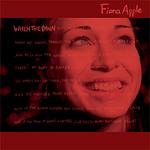
Fiona Apple's 1999 album When the Pawn Hits the Conflicts... is a piano-centered alternative pop record that develops her confessional songwriting into denser, more adventurous arrangements. The music blends piano rock and soft rock elements with off-kilter rhythms, jazz-tinged harmonies and varied instrumentation, while her vocal delivery moves between quiet vulnerability and dramatic intensity. The result is an intimate, texturally rich collection that emphasizes lyrical introspection and compositional detail.
#20 — Brown Sugar by D'Angelo
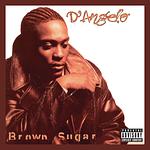
Brown Sugar, D'Angelo's 1995 debut, blends contemporary R&B, soul, funk and hip hop-soul into warm, groove-driven songs characterized by laid-back, expressive vocals and prominent live instrumentation. The album pairs intimate, romantic songwriting with retro-soul production touches and loose, organic grooves that helped position D'Angelo as a central figure in the 1990s neo-soul movement.
#21 — American Water by Silver Jews
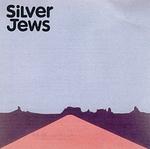
American Water, released in 1998 by Silver Jews, blends indie rock and Americana with spare, country-tinged arrangements and literate, wry, and melancholic songwriting by David Berman. The record pairs gentle acoustic and electric guitars with understated rhythms and an intimate vocal delivery to create a contemplative, road-weary atmosphere, featuring vivid, image-driven lyrics and a dry sense of humor. It is often cited as a defining Silver Jews album that highlights Berman's sharp lyricism and melodic sense within a low-key, lo-fi-influenced indie rock sound.
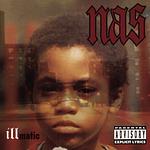
Illmatic, Nas's 1994 debut, is a compact, lyrically dense hip hop record rooted in East Coast boom bap. Nas's intricate internal rhymes and vivid street narratives ride sparse, sample-driven production from producers such as DJ Premier, Pete Rock, Large Professor, Q-Tip, and L.E.S., with hard drums, jazz and soul samples, and clear, focused arrangements. Its concentrated running time and emphasis on storytelling and craft helped define a blueprint for later East Coast and conscious hip hop artists.
#23 — Either/Or by Elliott Smith
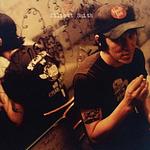
Either/Or (1997) finds Elliott Smith blending intimate acoustic folk with indie pop and rock touches. The songs feature fragile fingerpicked guitar, hushed multi-tracked vocals and concise, melancholic melodies, with slightly cleaner production and occasional electric instrumentation compared with his earlier lo-fi records. Its mix of spare arrangements and melodic songwriting helped define a quiet, confessional strand of 1990s indie folk.
#24 — The Chronic by Dr. Dre
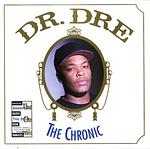
The Chronic is Dr. Dre's 1992 album that crystallized the G-Funk strand of West Coast gangsta rap, built around low, rolling basslines, melodic synth leads, crisp drum programming, and funk-derived grooves and samples. Dre's production favors smooth, layered textures and cinematic pacing, with memorable vocal performances and guest appearances that underscore its street-focused narratives. The album is commonly cited as a defining statement of early 1990s West Coast hip hop and helped popularize the G-Funk sound.
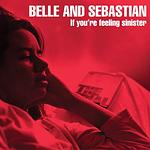
If You're Feeling Sinister, released in 1996 by Belle and Sebastian, presents a quiet, literate take on indie pop that mixes chamber folk textures with twee pop melodies and occasional rock rhythms. Stuart Murdoch's observational, character-driven lyrics sit alongside delicate arrangements of strings, piano, guitar, and subtle brass, producing an intimate, low-key sound that balances wistfulness and wry humor. The album crystallized the band's early aesthetic of gentle dynamics and orchestral touches and played a notable role in shaping the sound of British indie pop in the 1990s.
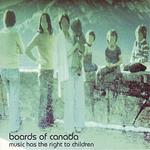
Music Has the Right to Children is Boards of Canada's 1998 debut studio album. It blends electronic, IDM, ambient, downtempo and experimental approaches, using warm analog synth tones, tape-like saturation and subtle warble, short melodic motifs and found-sound samples to create a nostalgic, pastoral atmosphere. Beats are often lo-fi and rhythmically spare, with arrangements that emphasize texture and mood over conventional song structure. The album is widely noted for shaping a distinctive, memory-tinged strain of late 1990s electronic music and has influenced many producers working with analogue warmth and sample-based collages.
#27 — Fear of a Black Planet by Public Enemy
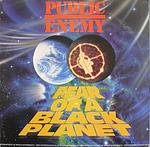
Fear of a Black Planet, released by Public Enemy in 1990, combines politically charged, socially conscious lyrics with the Bomb Squad's dense, sample-heavy production. Its abrasive, layered sound uses hard-hitting beats, dissonant textures, and collaged samples to underpin Chuck D's authoritative delivery and Flavor Flav's contrasting ad-libs. The record pushes hip hop toward experimental and hardcore directions while foregrounding themes of race, media, and power, and it is often described as a landmark of East Coast and conscious hip hop.
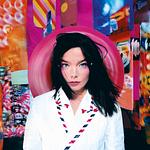
Post, released in 1995, is Björk's second solo album that builds on an electronic and art pop foundation with strong elements of trip hop, alternative dance, and pop. The record mixes punchy, sample-driven beats and industrial textures with sweeping strings and brass, moving between aggressive, rhythm-forward songs like 'Army of Me' and more introspective, melodic pieces such as 'Hyperballad' and 'Possibly Maybe', and it includes the theatrical cover 'It's Oh So Quiet'. Björk's distinctive vocal delivery and adventurous arrangements give the album a wide stylistic range and an experimental pop sensibility.
#29 — Crooked Rain, Crooked Rain by Pavement
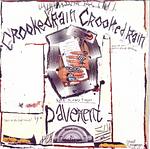
Crooked Rain, Crooked Rain (1994) by Pavement blends slacker-era indie rock with sharper songcraft and clearer production than the band’s earlier lo-fi recordings. The album pairs chiming, guitar-driven arrangements and offhand, oblique lyrics with melodic hooks and a relaxed, conversational vocal delivery, moving between hazy, noisy textures and more straightforward pop-leaning songs. Its mix of casual irony and tunefulness is a defining example of 1990s indie and alternative rock aesthetics.
#30 — Black on Both Sides by Yasiin Bey
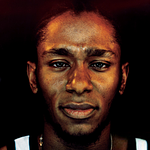
Black on Both Sides is the 1999 solo debut by Yasiin Bey, released under the name Mos Def. The album blends East Coast hip hop rhythms with jazz and soul inflections, pairing warm, sample-based production with socially aware, introspective lyricism associated with conscious hip hop. Its songs move between stripped back grooves and more ornate arrangements, highlighting Mos Def's conversational flow, melodic hooks, and storytelling voice.
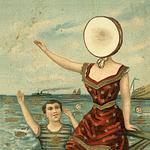
In the Aeroplane Over the Sea is Neutral Milk Hotel's 1998 album that blends indie rock and folk with lo-fi production and brass-band textures. Jeff Mangum's raw, emotive vocals and surreal, often personal lyrics are set against acoustic guitar, distorted electric textures, trumpet and other brass, and unconventional touches like the singing saw, producing a dense, collage-like sound that moves between intimate folk and cathartic intensity. The record is closely associated with the Elephant 6 circle and is frequently discussed for its distinctive mix of simple songcraft and experimental arrangements.
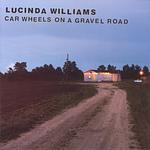
Car Wheels on a Gravel Road (1998) finds Lucinda Williams blending country, folk, blues and rock into a rootsy singer-songwriter statement. The record pairs spare, gritty arrangements—twangy electric guitar, slide, organ and tight percussion—with Williams's weathered, conversational vocals and plainspoken, often confessional lyrics. Tracks shift between slow-burning ballads and up-tempo roots rock, evoking southern landscapes and intimate relationship themes, and the album is commonly cited as a defining work in contemporary Americana.
#33 — Laughing Stock by Talk Talk
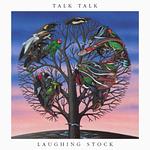
Laughing Stock is a 1991 album by Talk Talk that completes their move away from 1980s pop toward a spare, improvisational form of experimental rock closely associated with early post-rock. The music favors slow, spacious compositions built from live takes and textured arrangements of piano, acoustic instruments, horns and restrained vocals, emphasizing dynamics and silence over conventional song forms. The album is often regarded as a significant and influential statement in experimental rock and a touchstone for later post-rock artists.
#34 — Richard D. James Album by Aphex Twin
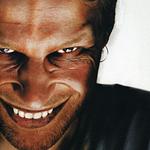
Richard D. James Album is a 1996 record by Aphex Twin that pairs hyperactive, drill and bass style breakbeat programming with warm, melodic electronic textures and occasional art pop touches. It contrasts jagged, complex drum edits and high tempo jungle derived rhythms with lush synth lines, stringlike arrangements, and playful vocal snippets, producing an experimental yet emotionally resonant electronic work notable for its intricate production and bold rhythmic invention.
#35 — Last Splash by The Breeders
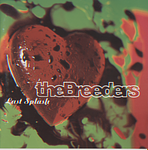
Last Splash, released in 1993 by The Breeders, is an alternative rock album that blends concise pop songwriting with noisy, guitar-driven textures and playful, off-kilter arrangements. Kim Deal's deadpan vocals and catchy hooks sit alongside tight rhythm parts and bursts of distortion, producing a mix of melodic accessibility and raw, lo-fi grit; it includes the distinctive single "Cannonball" and other tracks that highlight the band's use of surf-tinged riffs, vocal harmonies, and loose, improvisational moments. The record is often cited for its role in shaping the sound and attitude of early 1990s alternative rock.
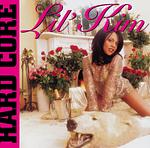
Hard Core is Lil' Kim's 1996 debut that introduced her bold, sexually explicit persona over East Coast hip hop production. The album mixes gritty, gangsta-rap themes and streetwise lyricism with pop rap hooks and contemporary R&B-influenced beats, using melodic choruses and samples to balance hard-edged verses. Its provocative delivery and confident feminine perspective helped establish Lil' Kim as a distinctive voice in 1990s hip hop.
#37 — Tidal by Fiona Apple

Fiona Apple's 1996 debut album Tidal is a piano-centered collection that blends alternative pop and rock with jazz and soul inflections. The songs feature intimate, confessional lyrics and dramatic, dynamic arrangements that often contrast sparse piano and percussion with fuller band and orchestral textures. Apple's distinctive, emotive voice and mature songwriting are central, with tracks built around moody grooves, complex harmonic choices, and expressive phrasing that introduced her as a singular singer-songwriter.
#38 — janet. by Janet Jackson
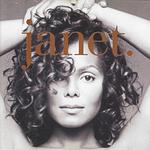
janet. is a 1993 studio album that foregrounds Janet Jackson's move toward more intimate and sensual material, combining pop and contemporary R&B with dance-pop, electronic textures, and hip hop rhythmic elements. Produced largely with longtime collaborators Jimmy Jam and Terry Lewis, the record balances sultry slow jams and midtempo grooves with club-oriented tracks, featuring layered vocal arrangements and polished, synth-driven production. It marked a more personal creative stance and a shift in image and songwriting focus compared with her earlier work.
#39 — All Eyez on Me by 2Pac
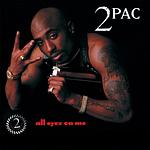
All Eyez on Me is a 1996 double album by 2Pac that showcases West Coast gangsta rap and G-Funk influences, blending hard-hitting street anthems with more melodic and reflective tracks. Recorded after his signing to Death Row Records, the album features sample-driven, synth-forward production and a mix of aggressive bravado and personal vulnerability, addressing themes of survival, loyalty, and fame. Its breadth and varied moods highlight 2Pac's versatility within mid-1990s hip hop.
#40 — The Downward Spiral by Nine Inch Nails
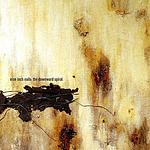
The Downward Spiral is Nine Inch Nails' 1994 album that fuses industrial, rock, and metal textures into a dark, largely conceptual sequence about personal collapse and alienation. Built from abrasive electronics, samples, programmed beats, and heavily processed guitars, the record moves between aggressive, rhythmic assaults and quieter, atmospheric passages, with layered production by Trent Reznor and Flood. Its arrangements emphasize texture, tension, and dynamic contrast, and it closes with a sparse, intimate track that contrasts the album's earlier intensity.
#41 — Only Built 4 Cuban Linx… by Raekwon
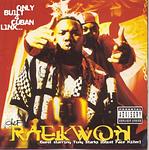
Only Built 4 Cuban Linx... is Raekwon's 1995 solo album characterized by dense, cinematic production largely from RZA and a mafioso-themed narrative. The music blends gritty East Coast hardcore hip hop with chopped soul samples, stark drum patterns, and film-like interludes, creating a dark, atmospheric sound that supports Raekwon's detailed, character-driven storytelling and extended vocal interplay with Ghostface Killah and other Wu-Tang affiliates. Its sequencing, crime-story motifs, and focused production style made it a distinctive artistic statement within 1990s hip hop.
#42 — CrazySexyCool by TLC
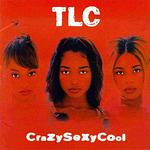
CrazySexyCool is TLC's 1994 album that blends contemporary R&B, hip hop, new jack swing and pop into a smooth, groove-driven sound marked by layered vocal harmonies and alternating sung and spoken parts. The record balances sultry slow jams and midtempo tracks, pairing intimate, vulnerable lyrics about relationships and desire with confident, assertive moments, and features warm basslines, crisp beats and atmospheric keyboard and sample-based textures that became influential in 1990s R&B production.
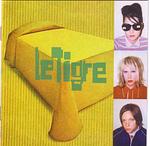
Le Tigre's 1999 self-titled debut blends punk attitude with electronic beats and new wave textures, pairing looped synths, samples, and chant-like vocals with short, direct songs that foreground feminist and political themes. The album's lo-fi, danceable production brings indie rock and electro elements into a compact, DIY sound that helped position the band at the intersection of punk, dance, and new wave influences.
#44 — Emperor Tomato Ketchup by Stereolab
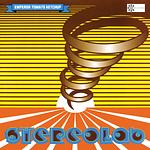
Emperor Tomato Ketchup, released in 1996, refines Stereolab's blend of indie rock, art pop, electronic and experimental textures into a cleaner, more synth-forward sound. The album pairs motorik rhythms and layered vintage synths with warm, understated vocals and pop-minded melodies, folding repetitive, minimalist grooves into richly arranged songs that nod to Krautrock and lounge influences. It is often seen as a pivotal entry in the band's catalog for bringing catchy songcraft and electronic experimentation into close balance.
#45 — The Writing's on the Wall by Destiny's Child
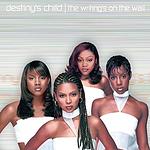
The Writing's on the Wall (1999) is Destiny's Child's second studio album, blending contemporary R&B and pop with polished production, tight three-part harmonies, and rhythmically driven grooves. Tracks range from intimate midtempo numbers to upbeat pop-R&B singles such as "Bills, Bills, Bills" and "Say My Name", with lyrics that address relationship tensions, trust, and female assertiveness. The album solidified the group's signature vocal dynamics and marked a defining moment in their late 1990s sound.
#46 — Ridin' Dirty by UGK
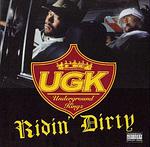
Ridin’ Dirty, released in 1996 by UGK, is a defining example of 1990s Southern hip hop that blends gangsta rap themes with the slower, bass-heavy aesthetics of Dirty South production. The record is built around Pimp C’s dense, funk- and soul-inflected beats and the commanding vocal interplay between Bun B and Pimp C, with lyrical focus on car culture, hustling, and street life, delivered in a grim, atmospheric manner. Its sound emphasizes deep bass, spare drums, and layered samples that helped shape the sonic identity of Southern hardcore hip hop.
#47 — Dig Me Out by Sleater‐Kinney
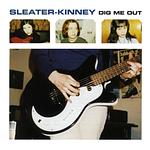
Dig Me Out, released in 1997, is Sleater-Kinney's third studio album and presents a lean, propulsive blend of indie rock and punk rooted in the riot grrrl movement. It foregrounds interlocking, abrasive guitar parts and urgent, emotive vocals from Corin Tucker and Carrie Brownstein, anchored by Janet Weiss's punchy drumming. The songs pair raw energy with sharper melodic hooks and direct, personal lyrics, marking a consolidation of the band's sound and an influential moment in late 1990s indie and punk circles.
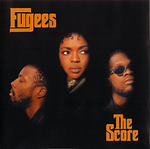
The Score, released in 1996 by the Fugees, blends hip hop, contemporary R&B, boom bap rhythms and alternative hip hop sensibilities with Caribbean influences. Lauryn Hill's soulful singing and lyrical delivery, Wyclef Jean's eclectic production and Pras's steady rapping create a mix of live instrumentation, cinematic samples and reggae-tinged grooves. The album pairs reinterpretations of familiar songs, such as a cover of "Killing Me Softly" and a version of "No Woman, No Cry," with original, socially conscious lyrics that explore identity, diaspora and street life.
#49 — Endtroducing..... by DJ Shadow
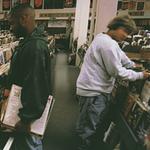
Endtroducing....., released in 1996 by DJ Shadow (Joshua Davis), is an instrumental hip hop album built almost entirely from sampled material. Its sound combines downtempo beats, cinematic textures, scratches and found sounds into moody, collage-like tracks that sit at the intersection of trip hop, electronic and hip hop production. The album is widely regarded as a landmark in sample-based and instrumental hip hop for its dense layering and immersive sequencing.
#50 — Elliott Smith by Elliott Smith
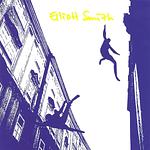
Elliott Smith is the artist's 1995 self-titled second album, rooted in intimate, lo-fi indie folk and singer-songwriter traditions. The record emphasizes close-miked acoustic guitar, hushed and multi-tracked vocals, and introspective, confessional lyrics, presenting sparse arrangements that underline melodic detail and emotional fragility. It helped define the quiet, melancholic sound associated with his early work and points toward the more fully arranged recordings he made later.
#51 — Jagged Little Pill by Alanis Morissette
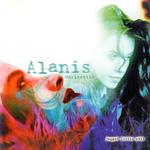
Jagged Little Pill, released in 1995 by Alanis Morissette, is an alternative rock album that blends post-grunge edge with pop rock hooks and candid singer-songwriter lyrics. Produced with Glen Ballard, the record mixes acoustic and distorted electric guitars, driving rhythms, and direct, emotionally charged vocals that move between quiet intimacy and cathartic release. Its plainspoken, confessional writing paired with memorable melodies marks a stylistic shift toward a more rock-oriented, expressive sound for Morissette.
#52 — Love Deluxe by Sade
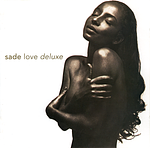
Love Deluxe, released in 1992, is an album by Sade that deepens the band's blend of contemporary R&B, smooth soul and sophisti-pop with cool jazz inflections and pop soul sensibility. The record centers on Sade Adu's restrained, husky vocals over minimalist, atmospheric production, mellow grooves and subtle horn and guitar textures, creating an intimate, nocturnal mood. Lyrically it focuses on themes of love and longing, and songs such as "No Ordinary Love" showcase its slow-burning, cinematic quality.
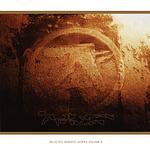
Selected Ambient Works Volume II, released in 1994 by Aphex Twin, is a collection of expansive, mostly beatless ambient pieces that emphasize slow-moving drones, murky textures, and sparse, ghostly melodies. The album moves away from conventional song structure and rhythmic focus toward submerged atmospheres and subtle timbral shifts, with occasional metallic or industrial-tinged sounds cutting through the haze. Its abstract, immersive approach helped define a darker, more experimental strand of ambient and electronic music.
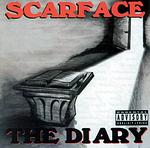
The Diary, released in 1994, pairs Gangsta Rap with Southern hip hop textures and a sober, narrative-driven approach. Scarface delivers introspective, often grim storytelling about street life, personal struggle, and moral ambiguity over moody, atmospheric production that emphasizes slow tempos, deep bass, and sparse, soulful samples and keyboards. The album is notable for its emotional intensity and measured pacing, and it helped solidify Scarface's reputation as a confessional, narrative-focused MC in 1990s hip hop.
#55 — Ray of Light by Madonna
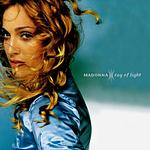
Ray of Light, released in 1998, finds Madonna moving into electronic and dance-pop territory with production heavily shaped by William Orbit. The album blends club-ready beats and synth-driven hooks with ambient and downtempo textures, pairing pulsing rhythms and layered electronic arrangements with more reflective, spiritual lyrical themes. Madonna's vocal delivery ranges from breathy to urgent, and the record balances uptempo dance tracks and slower, atmospheric songs to create a cohesive pop-electronic sound.
#56 — Tilt by Scott Walker
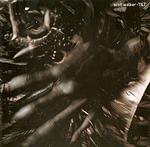
Tilt, released in 1995, marks Scott Walker's full embrace of an avant-garde, experimental approach that moved him far from his earlier pop work. The album blends art rock and baroque pop sensibilities with dark ambient and post-industrial textures, favoring stark orchestral and electronic layers, dissonant arrangements and cryptic, often surreal lyrics. Its atmosphere is bleak and challenging, prioritizing texture, fragmentation and dramatic contrasts over conventional song structures, and it set the tone for Walker's later experimental output.
#57 — The Infamous by Mobb Deep
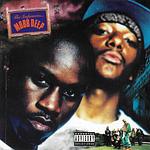
The Infamous, released in 1995 by Mobb Deep, is a gritty East Coast hip hop album rooted in gangsta rap and boom bap. Havoc's sparse, sample-driven production uses dusty jazz and soul loops, minor-key piano motifs, and hard-hitting drums to create a cold, cinematic atmosphere, while Prodigy and Havoc deliver stark, street-level narratives about survival and violence. The album's dark, minimalist sound and tightly focused lyricism helped crystallize a raw New York City aesthetic in mid 1990s hip hop and includes the well known track "Shook Ones Part II."
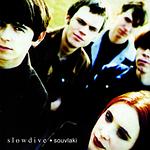
Souvlaki is Slowdive's 1993 album that blends shoegaze and dream pop with ambient and psychedelic touches, built around layered, reverb-soaked guitars, hushed, ethereal vocals, and an emphasis on texture and mood rather than conventional pop immediacy. Its songs move between dense, shimmering walls of sound and quieter, introspective passages, incorporating subtle electronic and atmospheric elements alongside melodic songwriting. The record is frequently regarded within the shoegaze and dream pop canon for its immersive production and melancholic, contemplative tone.
#59 — Reasonable Doubt by JAY‐Z
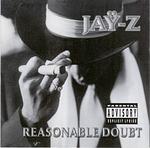
Reasonable Doubt is Jay-Z's 1996 debut album that blends East Coast boom bap production with mafioso and street-focused lyricism. The sound relies on jazz-tinged and soulful sample-based beats with crisp drum programming and a late night, cinematic mood. Jay-Z delivers hustler narratives, vivid storytelling and dense internal rhymes, presenting an early articulation of the persona that would define his work. The record is widely regarded as an important statement in 1990s New York hip hop.
#60 — Butterfly by Mariah Carey
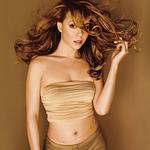
Butterfly, released in 1997, finds Mariah Carey moving from glossy pop toward a warmer contemporary R&B sound, incorporating hip hop influenced rhythms and electronic textures. The album blends intimate ballads and sensual uptempo tracks, with Carey often adopting a more restrained, breathier vocal approach and exploring lower registers alongside her signature runs. The overall mood and production emphasize personal themes and a groove-oriented, urban-influenced direction that marked a stylistic shift in her work.
#61 — Blue Lines by Massive Attack
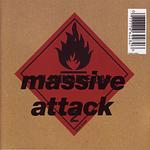
Blue Lines, Massive Attack's 1991 debut, blends hip hop rhythms, dub production, soul-influenced vocals and atmospheric electronic textures to help define the trip hop sound. The record pairs slow, heavy grooves and deep bass with lush string arrangements and distinctive guest vocals from Shara Nelson and Horace Andy, producing moody, cinematic tracks such as Unfinished Sympathy and Safe From Harm. Its fusion of sampled and live instrumentation, downtempo pacing, and a shadowy, club-informed aesthetic made it a touchstone for the Bristol scene and later alternative electronic music.
#62 — 400 Degreez by Juvenile
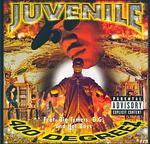
400 Degreez is Juvenile's 1998 album that exemplifies late 1990s Southern hip hop and New Orleans bounce, with production largely from Mannie Fresh. It pairs Juvenile's gravelly, conversational delivery and street-focused lyrics with uptempo bounce rhythms, heavy low end, sharp drum programming, and chantable hooks, balancing gritty narratives and club-ready tracks like Back That Azz Up. The record helped define the Cash Money Records sound and is often cited for its regional production style and memorable vocal cadences.
#63 — Automatic for the People by R.E.M.
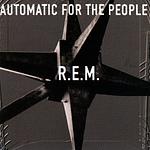
Automatic for the People, R.E.M.'s 1992 album, moves the band toward a more acoustic, reflective sound that blends alternative rock and jangle pop with orchestral strings and piano-based arrangements. The record is characterized by restrained, melancholic tempos and introspective lyrics that address themes of mortality, memory, and loss; tracks such as "Nightswimming", "Everybody Hurts", and "Man on the Moon" showcase its plaintive, melodic focus. Production is spare and atmospheric, putting emphasis on Michael Stipe's vocal delivery and the songs' emotional clarity while retaining elements of the band's melodic guitar work.
#64 — Maxinquaye by Tricky
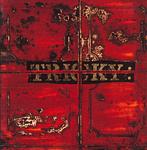
Maxinquaye is Tricky's 1995 solo debut, rooted in the Bristol trip hop sound and blending downtempo hip hop beats, dub textures, and dark, cinematic electronic production. Martina Topley-Bird's breathy, soulful vocals and Tricky's layered, sample-based arrangements create an intimate, unsettled mood that mixes blues, soul and experimental studio techniques. The album is often cited as a key record in trip hop and leftfield electronic music for its unconventional song structures and mood-driven approach.
#65 — Operation: Doomsday by MF DOOM
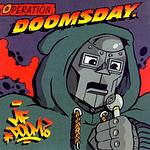
Operation: Doomsday, released in 1999, is MF DOOM's debut solo album that introduces his masked supervillain persona and a dense, sample-driven production aesthetic. The record pairs lo-fi soul and jazz samples with dusty drum loops and cartoon snippets, and features cryptic, reference-heavy lyrics, internal rhymes, and an off-kilter flow. Its DIY production and distinctive character work established a singular voice within underground hip hop and helped shape the sound of later alternative and independent artists.
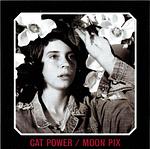
Moon Pix (1998) is an intimate, haunting album by Cat Power that blends folk rock, slowcore pacing, country-tinged melodies, and lo-fi textures. Chan Marshall's fragile, emotive vocals and spare piano and guitar arrangements create a hushed, atmospheric mood, with restrained, atmospheric contributions from members of the Australian instrumental group Dirty Three. The record is often regarded as a breakthrough for its stark emotional intensity and mood-driven approach.
#67 — Check Your Head by Beastie Boys
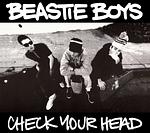
Check Your Head (1992) finds Beastie Boys returning to live instrumentation and blending East Coast hip hop rhythms with funk grooves, punk energy, and rock textures. The album pairs rap vocal delivery and sampling with prominent bass, guitar, and organ played by the trio, creating a raw, eclectic sound that broadened their palette beyond purely sample-based hip hop. Its production emphasizes gritty rock moments alongside tight funk and hip hop rhythms, showcasing the group's interest in band dynamics and genre mixing.
#68 — Time Out of Mind by Bob Dylan
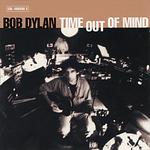
Time Out of Mind, released in 1997, finds Bob Dylan returning to a moody, blues- and folk-rooted sound with atmospheric, reverb-heavy production by Daniel Lanois. The songs are often slow-burning and midtempo, with shadowy arrangements and a weathered vocal delivery that foreground themes of aging, loss and memory. Tracks such as "Not Dark Yet" and "Love Sick" exemplify the album's spare, haunted atmosphere and its blend of classic rock, blues rock and folk rock elements, making it a notable late-career statement in Dylan's catalogue.
#69 — Liquid Swords by GZA/Genius
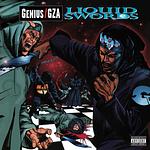
Liquid Swords, released in 1995 by GZA/Genius, is a focused East Coast hip hop record rooted in boom bap and hardcore styles. Produced largely by RZA, it pairs stark, cinematic beats built from dusty samples and eerie textures with GZA's dense, chess and martial arts-inflected lyricism and intricate internal rhymes. The album is notable for its tight production, sharp storytelling, and its place within the mid 1990s Wu-Tang era of New York hip hop.
#70 — Slanted and Enchanted by Pavement
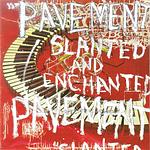
Slanted and Enchanted is Pavement's 1992 debut studio album. The record blends indie rock, alternative rock, lo-fi production and noise pop, characterized by Stephen Malkmus's laconic, often cryptic lyrics, a slack, conversational vocal delivery, jagged but melodic guitar interplay, loose rhythmic feel and a rough, home-recorded aesthetic that mixes tunefulness with distortion and off-kilter song structures. Its raw, DIY sound helped shape the early 1990s indie rock landscape and remains a touchstone for lo-fi guitar music.
#71 — Different Class by Pulp
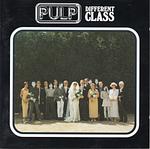
Different Class is Pulp's mid 1990s album that blends Britpop immediacy with art rock and glam influences, pairing catchy, theatrical arrangements with literate, observational lyrics about class, relationships, and everyday absurdities. Jarvis Cocker's conversational vocal delivery and character-driven storytelling sit alongside driving rock rhythms, occasional orchestral touches, and pop hooks; songs such as "Common People" and "Disco 2000" exemplify its mix of social satire and singable melodies. The record is often noted for its sharp songwriting and dramatic presentation within the broader Britpop and indie rock context.
#72 — De La Soul Is Dead by De La Soul
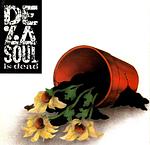
De La Soul Is Dead, De La Soul's 1991 second album produced largely by Prince Paul, marks a deliberate move away from the bright, playful tone of their debut toward darker, more satirical and mature themes. Musically it combines boom bap rhythms with eclectic sampling from funk, soul, rock and psychedelia, pairing experimental production with conscious lyrics, storytelling and industry critique; the record contains stark narratives like "Millie Pulled a Pistol on Santa" alongside more radio-oriented tracks such as "Ring Ring Ring (Ha Ha Hey)". The album represents a notable shift in the group's sound and a consolidation of an alternative hip hop identity.
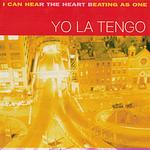
I Can Hear the Heart Beating as One, released in 1997, finds Yo La Tengo expanding their indie rock palette with a mix of concise melodic songs, exploratory noise-rock jams, gentle acoustic ballads, and subtle electronic textures. The album balances popcraft and improvisation, pairing short tuneful tracks with extended instrumental passages and a warm, roomy production, and it helped define the band’s eclectic, patient approach to songcraft within the indie rock scene.
#74 — Supa Dupa Fly by Missy Elliott
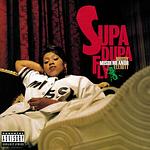
Missy Elliott's 1997 debut album Supa Dupa Fly pairs her playful, inventive rapping and melodic R&B sensibility with Timbaland's sparse, syncopated, futuristic production. The record blends hip hop, contemporary R&B, and pop rap through unconventional rhythms, layered vocal textures, and off-kilter sound design, establishing a distinct sonic identity that helped define late 1990s urban music and showcased Missy and Timbaland's collaborative chemistry.
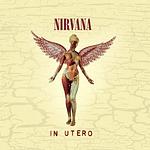
In Utero, released in 1993 by Nirvana, is a raw, abrasive alternative rock album that incorporates grunge, noise rock, and post-hardcore elements. Recorded with a deliberately less polished production, it foregrounds distorted guitars, strong dynamic contrasts, and Kurt Cobain's intense vocal delivery while still containing quieter, melodic passages. The songwriting blends confrontational imagery and personal themes with tuneful hooks, giving the record a deliberately rougher, more immediate sound compared with the band's previous studio work.
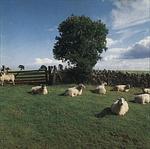
Chill Out is a 1990 album by The KLF that unfolds as a continuous, roughly 44-minute ambient soundscape blending lush synth textures, dub-influenced rhythms, field recordings and layered samples. Presented as a late-night, radio-like journey, its collage-based, immersive atmosphere is an early and frequently cited example of ambient house and helped shape later chillout and downtempo electronic music.
#77 — Things Fall Apart by The Roots
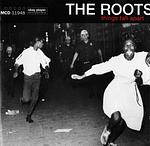
Things Fall Apart, released in 1999 by The Roots, blends live-band hip hop with jazz, soul, and alternative influences. The album foregrounds live instrumentation, layered percussion, and horn and keyboard textures to support socially conscious and introspective lyrics from Black Thought and Malik B. Songs move between gritty, groove-driven tracks and more neo-soul-tinged moments featuring prominent guest vocalists, marking a decisive shift toward a fuller, band-oriented sound within late 1990s hip hop.
#78 — 69 Love Songs by The Magnetic Fields
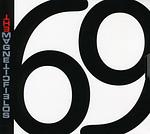
69 Love Songs is a 1999 three-volume album by The Magnetic Fields, written and chiefly performed by Stephin Merritt. Spanning 69 concise tracks, it mixes indie pop, chamber pop, electronic and folk-tinged arrangements to examine love in many guises, from playful and ironic to tender and rueful. The album is notable for its eclectic instrumentation, minimal and lush arrangements, and literate, often wry lyrics delivered in a variety of vocal styles. Its breadth of styles and ambitious conceit are central to how the record is discussed in indie music circles.
#79 — It's Dark and Hell Is Hot by DMX
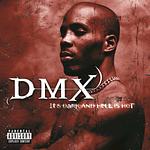
It’s Dark and Hell Is Hot is DMX's debut studio album, released in 1998. Rooted in East Coast hardcore hip hop, the record pairs gritty, bass-forward production with stark, sample-driven beats and minimalist arrangements. DMX's gravelly, urgent delivery and confrontational vocal presence carry songs built around themes of personal struggle, anger, and street life. Production from contributors including Dame Grease and early work by Swizz Beatz helps create a dark, cinematic sound that emphasized raw energy and intensity in late 1990s hip hop.
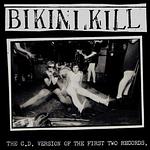
The C.D. Version of the First Two Records collects Bikini Kill's early recordings and captures the band's raw, DIY punk-influenced indie rock. It features Kathleen Hanna's shouted, confrontational vocals over jagged guitar, propulsive bass and urgent drumming, with direct lyrics about gender, power and underground politics. The sound is immediate and unpolished, reflecting the band's central role in the riot grrrl movement and in 1990s independent music.
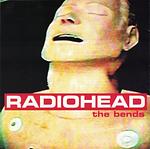
The Bends finds Radiohead expanding from their debut into more expansive, guitar-driven alternative rock that mixes melodic Britpop touches with darker, introspective lyrics and atmospheric, occasionally psychedelic textures. Thom Yorke's emotive voice and falsetto sit atop layered guitar arrangements and dynamic contrasts between loud, anthemic tracks and quieter, intimate moments. Songs such as "Fake Plastic Trees", "High and Dry", "Just", and "Street Spirit (Fade Out)" illustrate the album's blend of strong melodies and emerging experimental tendencies that the band would develop further on later records.
#82 — Fly by The Chicks
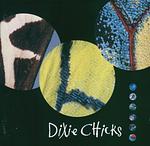
Fly (1999) by The Chicks is a contemporary country album that blends country, country pop, pop rock and bluegrass influences. It emphasizes tight three-part harmonies and acoustic instrumentation such as banjo and fiddle alongside electric guitars and polished studio production. The material moves between upbeat, harmony-driven numbers and narrative songs with darker themes, highlighting the group's vocal chemistry and a melding of traditional roots textures with pop-oriented arrangements. The record marked a major step in the band's mainstream profile and is often noted for its accessible yet instrumentally rooted sound.
#83 — Spiderland by Slint
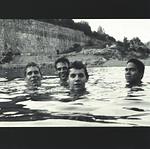
Spiderland, released in 1991 by Slint, is a spare, tension-driven rock album that helped shape key aspects of post-rock and math rock. Its songs blend subdued, often spoken vocals with angular, interlocking guitar work, shifting tempos, and stark dynamics that move between quiet, intimate passages and intense, release-driven climaxes. The album's atmospheric production and emphasis on space and rhythmic precision give it a cinematic, unsettling mood that has influenced many bands in post-rock, math rock, and post-hardcore circles.
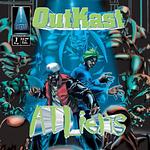
ATLiens, OutKast's second album from 1996, deepens the duo's Southern hip hop roots with a moodier, spacey production palette and more introspective, observational lyrics. The record blends slowed, bass-heavy beats, atmospheric synths and samples with both abstract and conscious themes, exploring identity, street life and the artists' place in the music world. It marked a clear artistic evolution from their debut and helped broaden the sound and ambitions associated with Southern hip hop.
#85 — F♯ A♯ ∞ by Godspeed You! Black Emperor
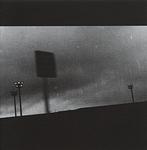
F♯ A♯ ∞ (1997) by Godspeed You! Black Emperor is a sprawling, largely instrumental album that combines post-rock orchestration, long-form drone and ambient textures with elements of Americana and field recording. Its extended pieces unfold slowly from quiet, textural passages into dense, orchestral swells, often punctuated by tape loops, found sounds and spoken fragments, producing a cinematic and brooding atmosphere. The record is notable for its emphasis on dynamics, atmosphere and nontraditional song structure within the post-rock and experimental music context.
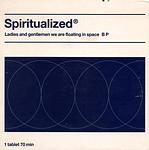
Ladies and Gentlemen We Are Floating in Space is Spiritualized's 1997 album largely shaped by frontman Jason Pierce. It blends space rock and neo-psychedelia with lush orchestral arrangements, gospel-tinged backing vocals, and passages of guitar feedback and sustained drones, creating a contrast between warm pop melodies and noise-inflected textures. The production favors reverberant, cinematic soundscapes and recurring motifs of longing and dissolution, yielding a densely arranged, atmospheric exploration of love, loss, and transcendence.
#87 — 3 'n the Mornin', Part Two by DJ Screw
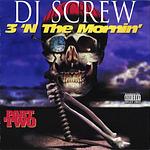
3 'n the Mornin', Part Two (1995) is a mixtape by DJ Screw that exemplifies his chopped and screwed production style, slowing and pitching down beats and vocals to create a hazy, late-night atmosphere. The mix emphasizes stretched tempos, repeated hooks, and abrupt edits that produce a spaced-out, immersive listening experience, and it is closely associated with the Houston hip hop scene and the aesthetic DJ Screw helped define.
#88 — Goo by Sonic Youth
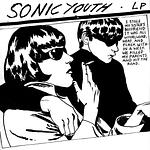
Goo (1990) finds Sonic Youth moving their underground noise and experimental guitar work into more song-focused arrangements following their move to a major label. The album blends dissonant, alternate-tuned guitars, dense feedback and textural noise with clearer melodic hooks and shorter song forms, evident on tracks like "Kool Thing" and "Dirty Boots". Kim Gordon's vocal presence and the interlocking guitars of Thurston Moore and Lee Ranaldo give the record a gritty, art rock edge while retaining the band's experimental impulses.
#89 — Ask the Ages by Sonny Sharrock
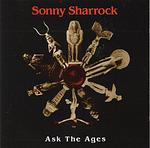
Ask the Ages (1991) finds guitarist Sonny Sharrock melding a fierce, feedback-laced electric tone with more overtly melodic and modal material, balancing avant-garde intensity and structured compositions. Backed by tenor saxophone (Pharoah Sanders), bass (Charnett Moffett), and drums (Elvin Jones), the music moves between terse, angular riffs and extended, emotive solos, emphasizing spiritual intensity and strong rhythmic drive. The album highlights Sharrock's blend of raw timbral exploration and lyrical phrasing and is often cited as a powerful late-career statement.
#90 — Ironman by Ghostface Killah
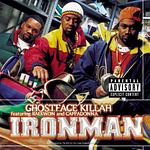
Ironman, Ghostface Killah's 1996 solo debut, blends East Coast boom bap with hardcore and abstract hip hop sensibilities. Built around RZA's sample-driven, cinematic production and warm soul loops, the album foregrounds Ghostface's dense, stream-of-consciousness delivery, vivid storytelling, and mafioso imagery. Guest appearances from Wu-Tang affiliates contribute to a conversational, character-driven atmosphere. Its mix of emotional intensity, lo-fi grit, and melodic hooks established the distinctive solo persona Ghostface carried through later work.
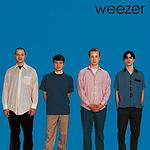
Weezer (1994), commonly known as the Blue Album, is the band's debut studio record. Produced by Ric Ocasek, it blends alternative rock and power pop with clean, guitar-driven arrangements, prominent melodic hooks, and introspective lyrics from Rivers Cuomo. Tracks such as "Undone (The Sweater Song)", "Buddy Holly", and "Say It Ain't So" mix crunchy guitars, singalong choruses, and occasional softer passages, creating an accessible yet angular sound that became associated with 1990s alternative and pop punk scenes.
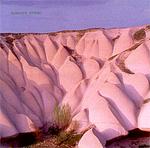
Amber is an early Autechre album that foregrounds ambient textures and understated IDM rhythms, blending ambient techno atmospheres with sparse, intricate percussion and fragmentary melodic elements. The record favours warmth, space, and detailed sound design over overt speed or aggression, creating a contemplative, immersive mood that contrasts with the duo's later, more angular and mechanistic productions.
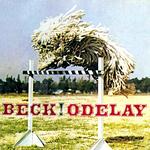
Odelay, released in 1996 by Beck, mixes alternative rock, electronic and downtempo grooves with folk, hip hop beats and psychedelic touches. Produced with the Dust Brothers, the album is built around sample based, collage-like production, skittering drum loops, and skewed arrangements that sit alongside more acoustic singer-songwriter moments, all topped by Beck's playful, surreal lyrics and idiosyncratic vocal delivery. Its eclectic, genre-blending sound became a defining element of Beck's mid 1990s work.
#94 — Tragic Kingdom by No Doubt
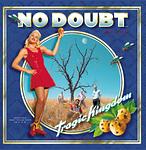
Tragic Kingdom, released in 1995, is No Doubt's third studio album that blends ska and ska punk rhythms with alternative rock, pop rock, and new wave influences. The record pairs upbeat horn and guitar-driven arrangements with candid, melodic songwriting and Gwen Stefani's expressive vocals, touching on themes of heartbreak, personal resilience, and California life. It became the band's mainstream breakthrough and is often noted for bringing ska-influenced pop rock into a wider public awareness.
#95 — Death Certificate by Ice Cube
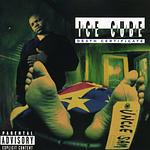
Death Certificate is Ice Cube's second solo album, released in 1991. It pairs West Coast gangsta rap production rooted in funk-influenced samples and hard, bass-driven beats with blunt, politically charged and confrontational lyrics that examine race, policing, urban poverty, and community response. The album is organized into two thematic sides that contrast grim realities with proposed responses, and it generated notable controversy for its explicit and provocative content.
#96 — Screamadelica by Primal Scream
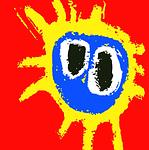
Screamadelica is Primal Scream's 1991 album that fused indie rock songwriting with acid house and dance production, blending distorted guitars and anthemic vocals with rhythmic grooves, samples, warm keyboards and extended club-friendly arrangements. The record helped bridge rock and electronic club culture by incorporating house rhythms, dub-like production, gospel-tinged backing vocals and psychedelic textures, producing an expansive, dance-oriented sound that emphasizes atmosphere and groove over conventional rock arrangements.
#97 — Midnight Marauders by A Tribe Called Quest
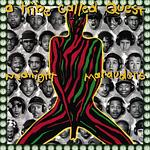
Midnight Marauders, A Tribe Called Quest's 1993 album, refines the group's jazz rap and boom bap approach with warm, sample-driven production and conversational verses from Q-Tip and Phife Dawg. The music blends mellow jazz and funk samples with crisp drum programming, layered horns, and subtle keyboard motifs to create a relaxed yet rhythmic East Coast hip hop sound. Its cohesive sequencing and vocal interplay are often cited as influential in the development of jazz rap and conscious hip hop in the early 1990s.
#98 — Siamese Dream by The Smashing Pumpkins
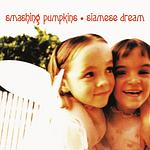
Siamese Dream, released in 1993 by The Smashing Pumpkins, blends alternative rock and grunge intensity with shoegaze and dream pop textures. The record is notable for dense, multi layered guitar overdubs, stark dynamic shifts between heavy, distorted passages and melodic, hook driven sections, and Billy Corgan's emotive, introspective vocals and lyrics. Songs such as "Cherub Rock," "Today," and "Disarm" illustrate its mix of aggressive guitar work and shimmering atmospherics, and the album is frequently regarded as a key release in early 1990s alternative rock.
#99 — The Soft Bulletin by The Flaming Lips
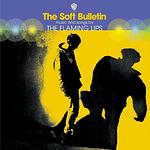
The Soft Bulletin is a 1999 album by The Flaming Lips that shifts the band toward richly arranged, orchestral-leaning experimental pop while retaining indie rock and noise textures. The sound emphasizes layered harmonies, sweeping strings and horns, warm analog synths and meticulous studio production, combining intimate balladry with expansive, psychedelic arrangements. Lyrically the album balances existential themes and tender moments, and it is considered a pivotal record in the band's move toward more ambitious, studio-focused compositions.
#100 — Eureka by Jim O'Rourke
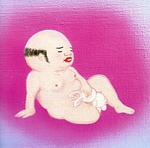
Eureka (1999) by Jim O'Rourke is a song-oriented album that blends art pop, chamber pop, and experimental approaches. It pairs warm, understated vocals and classic pop songwriting with detailed, often orchestral arrangements featuring strings, horns, piano and subtle studio textures. Songs move between concise melodic pieces and longer, slowly unfolding tracks, balancing accessible melodies with an attention to arrangement and production detail. The album is notable for bringing O'Rourke's experimental background into richly arranged, intimate pop music.