 The Greatest Music
The 150 Best Albums of the 1990s
Weight: 39%
How much this list influences our overall rankings. Higher weight means more reliable data.
Penalties Applied:
Published September 28, 2022, Pitchfork’s The 150 Best Albums of the 1990s is a ranked, editorial canon that revisits the decade through a wide lens—hip-hop and neo-soul alongside indie, electronic, pop, and alt-rock—positioning its picks as the ‘90s records that most changed how the era sounded and felt. It arrived as part of a larger 1990s package (with a companion 250 Best Songs list) and reads as Pitchfork’s in-house perspective rather than a public ballot.
#101 — Keep It Like a Secret by Built to Spill
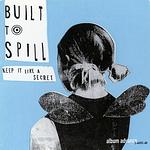
Keep It Like a Secret showcases Built to Spill's blend of melodic, guitar-driven indie rock and expansive song structures. Doug Martsch's reedy vocals sit over layered, interlocking guitar parts that shift between chiming arpeggios and extended, expressive solos, supported by steady rhythmic foundations and introspective, often oblique lyrics. The record refines the band's mix of tuneful songwriting and exploratory instrumental passages, and is often regarded as a key statement in their catalog and in late 1990s indie and alternative rock.
#102 — Summerteeth by Wilco
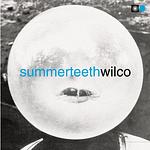
Summerteeth, released in 1999, marks Wilco's move from their alt-country roots toward a more studio-focused pop and rock sound. The album pairs Jeff Tweedy's intimate, often melancholic lyrics with bright, hook-driven melodies and dense, layered arrangements that incorporate prominent keyboards and chamber pop touches. Its combination of accessible songwriting and detailed studio textures makes it a transitional record in the band's catalogue, emphasizing mood and production as much as band dynamics.
#103 — Moon Safari by Air
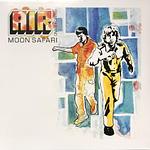
Moon Safari is a 1998 album by French duo Air that blends downtempo electronic production with ambient pop and chillout aesthetics. It foregrounds warm analog synths, soft drum programming, melodic basslines and airy vocals to create a relaxed, cinematic atmosphere. Tracks like Sexy Boy and All I Need pair minimalist arrangements with vintage keyboard textures and gentle female lead vocals, and the album is noted for its restrained, retro‑futuristic mood that influenced late 1990s downtempo and chillout styles.
#104 — Behaviour by Pet Shop Boys
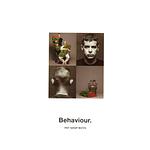
Behaviour is Pet Shop Boys' 1990 album that takes a more melancholic and introspective approach to synth-pop, blending warm analog synth textures, restrained electronic rhythms and hints of deep house influence into lush, atmospheric arrangements. The songwriting focuses on reflective, mature themes delivered in Neil Tennant's detached vocal style, and the production favors subtle, sophisticated soundscapes rather than overtly upbeat pop, giving the record a contemplative, club-adjacent mood.
#105 — Blowout Comb by Digable Planets
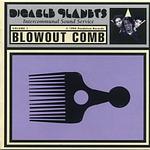
Blowout Comb is Digable Planets' second album, released in 1994. It builds on the group's jazz rap foundation with denser, more layered production that blends hip hop rhythms, jazz-derived samples, and electronic and dub textures. The album emphasizes communal and Afrocentric themes, pairing relaxed, conversational flows with socially conscious and place-based lyrics over warm, groove-focused beats and a rougher, more subterranean sonic palette than their debut. Its experimental arrangements and strong sense of atmosphere have made it influential within alternative hip hop circles.
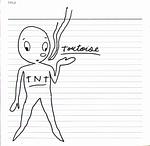
TNT, Tortoise's 1998 album, moves the band's post-rock approach toward groove-oriented and studio-based experimentation by blending instrumental rock with dub, jazz, and electronic textures. The music foregrounds layered percussion, warm basslines, and meticulous production, with mallet instruments and brass colors appearing alongside looped and treated sounds. The album is notable for broadening post-rock's rhythmic and textural palette and for its emphasis on groove and sonic detail.
#107 — Knock Knock by Smog
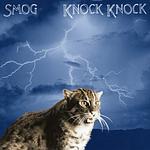
Knock Knock (1999) is a Smog album by Bill Callahan that shifts from the thinner home-recorded lo-fi textures of earlier records toward more expansive, band-oriented arrangements while keeping Callahan's low, deadpan vocal delivery and elliptical, wry lyrics. The songs balance stark, intimate moments with electric, driving tracks colored by twangy guitars and subtle keyboard tones, sitting at the intersection of indie rock, lo-fi intimacy, and alt-country-tinged rock. Its notable characteristics are restrained arrangements, a focus on lyric-driven storytelling, and a clearer, fuller studio sound compared with his prior work.
#108 — What's the 411? by Mary J. Blige
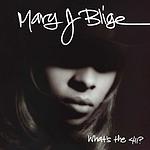
What's the 411? is Mary J. Blige's 1992 debut that fused contemporary R&B singing with hip hop production, helping to define the early 1990s hip hop soul sound. The album pairs expressive, blues-inflected vocals with sample-driven, groove-oriented beats and spare arrangements, exploring themes of love, heartbreak, and resilience. Its blend of soulful melodies and urban rhythms established much of Blige's signature vocal identity.
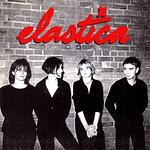
Elastica is the 1995 self-titled debut by the British band Elastica. It blends Britpop and indie rock with terse, hook-driven songs built around sharp, staccato guitar lines and a punk-influenced energy, while new wave and post-punk textures inform its spare arrangements. Fronted by Justine Frischmann's cool, direct vocals, the album is notable for its concise songcraft and immediate sound that became a touchstone of mid 1990s British alternative rock.
#110 — Moment of Truth by Gang Starr
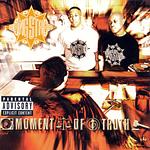
Moment of Truth is Gang Starr's fifth studio album, released in 1998, pairing DJ Premier's sample-driven, boom bap production with Guru's measured, conversational delivery. The record blends jazz and soul textures with crisp drum programming and layered loops, supporting lyrics that alternate between streetwise narratives and reflective commentary. Its polished, cohesive sound exemplifies late 1990s East Coast hip hop and showcases the duo refining the jazz rap approach they helped popularize.
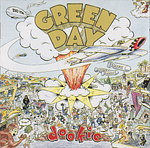
Dookie, released in 1994 by Green Day, is a defining pop punk record that blends punk rock urgency with strong melodic hooks and concise songcraft. The trio's fast, power-chord guitars, brisk tempos, and punchy arrangements are anchored by Billie Joe Armstrong's distinctive vocals, Mike Dirnt's driving bass, and Tré Cool's propulsive drumming. Lyrically the album addresses suburban ennui, anxiety, and youthful frustration with a mix of wit and urgency, and the cleaner studio production by the band and producer Rob Cavallo made the sound more polished while retaining a raw immediacy.
#112 — Amor Prohibido by Selena
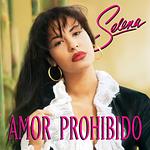
Amor Prohibido is a 1994 album by Selena that fuses Tejano and cumbia traditions with pop and electronic production, featuring danceable rhythms, synth textures, and emotive Spanish-language vocals. The arrangements combine traditional rhythmic patterns and accordion-inflected melodic lines with contemporary drum programming and studio polish, giving songs strong hooks and radio-friendly structures. The record is regarded as a defining release in Selena's catalog for expanding the sonic range of Tejano music and showcasing her crossover appeal.
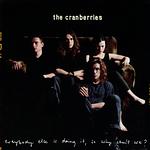
Everybody Else Is Doing It, So Why Can’t We? is the Cranberries' 1993 debut album that blends jangly acoustic and chiming electric guitars with plaintive, Irish-inflected vocals and pop-minded melodies. The record showcases Dolores O'Riordan's distinctive voice and songwriting across tracks that mix alternative rock and dream pop textures, with reverb-laden guitars, spare rhythmic backing, and a balance of introspective ballads and more upbeat pop rock tunes. Produced by Stephen Street, the album marked the band's emergence on the early 1990s alternative scene.
#114 — Bizarre Ride II the Pharcyde by The Pharcyde
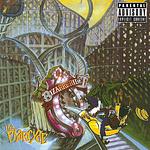
Bizarre Ride II the Pharcyde is a 1992 debut that pairs playful, offbeat group raps with sample-driven beats rooted in jazz and soul. The album mixes loose boom bap rhythms, quirky skits, and conversational storytelling to create an alternative West Coast hip hop sound that contrasts with the harder gangsta rap of its era. Its inventive flows, melodic hooks, and mix of humor and introspection helped establish the Pharcyde as a distinctive voice in 1990s alternative hip hop.
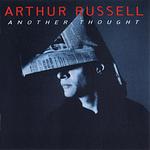
#115 — Another Thought by Arthur Russell
#116 — So Tonight That I Might See by Mazzy Star

So Tonight That I Might See, Mazzy Star's 1993 album, centers on Hope Sandoval's hushed, smoky vocals and David Roback's rich reverb and languid guitar textures. The music blends dream pop, psychedelic folk, and shoegaze elements into slow, atmospheric arrangements with sparse percussion, warm organ, and melancholic melodies, creating a hazy and intimate mood. The album helped define the band's signature sound and is often cited as a touchstone of 1990s dream pop and alternative atmospheres.
#117 — Life After Death by The Notorious B.I.G.
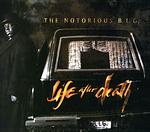
Life After Death is the second and final studio album by The Notorious B.I.G., released in 1997 shortly after his death. The double album blends East Coast hip hop and gangsta rap with pop-leaning hooks, pairing cinematic, sample-driven production and orchestral touches with vivid street narratives and braggadocio. It alternates gritty, hard-edged tracks and radio-friendly singles, emphasizes dense storytelling and mafioso-themed lyrics, and includes notable guest appearances that broaden its sonic palette, marking it as a defining work of 1990s New York rap.
#118 — Achtung Baby by U2
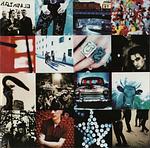
Achtung Baby is a 1991 U2 album that marked a deliberate reinvention of the band's sound, incorporating alternative rock, dance-rock and electronic textures into their songwriting. The record features dense, layered production, distorted and processed guitar tones, punchy rhythms and studio-driven effects that give it a darker, more angular and club-ready feel, while the lyrics explore themes of love, identity and personal and political tension. Its sonic experimentation and emphasis on rhythm and atmosphere set it apart from the band's earlier, more anthemic work.
#119 — Fumbling Towards Ecstasy by Sarah McLachlan
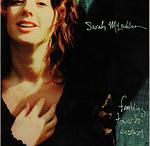
Fumbling Towards Ecstasy (1993) finds Sarah McLachlan refining a moody, introspective singer-songwriter approach that blends soft rock, pop, and alternative rock with folk and ambient textures. The record emphasizes sparse piano and guitar arrangements, layered atmospherics, and McLachlan's emotive, breathy vocals, producing a contemplative, cinematic sound that centers on intimate, lyric-driven songs. It helped define her signature style and broadened the reach of intimate, production-rich pop in the 1990s.
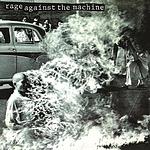
Rage Against the Machine is the band's 1992 self-titled debut that fuses heavy rock and metal riffs with funk-influenced rhythms and rap-style vocals. The album is marked by Tom Morello's inventive guitar textures and effects, tight rhythm work, and Zack de la Rocha's confrontational, politically charged lyrics, producing a raw and urgent sound. Its aggressive genre blend and outspoken themes became a defining touchstone for alternative and rap metal in the 1990s.
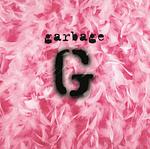
Garbage is the 1995 debut album by Garbage, produced by the band with Butch Vig. It melds alternative rock and pop with electronic textures and alternative dance rhythms, featuring dense, sample-informed production, distorted guitars and Shirley Manson's distinctive vocals. The material pairs catchy hooks with noisy, layered sonics and lyrical tones of irony and angst, establishing the band's polished yet abrasive sound in the mid 1990s.
#122 — New Forms by Roni Size / Reprazent
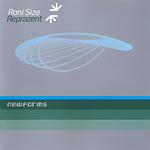
New Forms, released in 1997 by Roni Size/Reprazent, is a landmark drum and bass album that blends tight, syncopated breakbeats and deep sub-bass with elements of jazz, funk, and electronica. The recordings emphasize live instrumentation and MC vocals alongside studio production, producing a dynamic, club-ready yet musically intricate sound often associated with the jazzstep strand of drum and bass. Its layered arrangements and crisp production helped showcase the genre's rhythmic complexity to a wider audience.
#123 — Bee Thousand by Guided by Voices
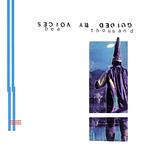
Bee Thousand is Guided by Voices' 1994 album that epitomizes lo-fi indie rock, built from short, hook-driven songs, fuzzy home-recorded production, and Robert Pollard's fragmentary, surreal lyricism. The record favors concise song fragments and tape-hiss textures that emphasize immediacy and melodic invention over studio polish. It is often regarded as a landmark release in 1990s indie rock for its DIY aesthetic and influence on the lo-fi and indie scenes.
#124 — Little Earthquakes by Tori Amos
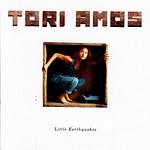
Little Earthquakes is Tori Amos's debut solo album, built around piano-led arrangements and confessional songwriting that blends alternative rock, pop, and classical influences. The record moves between intimate, stripped-down moments and fuller band textures, showcasing Amos's dramatic vocal delivery and emotionally direct lyrics about personal trauma, relationships, and spiritual questioning, and it includes the stark a cappella piece "Me and a Gun". The album helped introduce her distinctive voice within early 1990s alternative music.
#125 — The Lonesome Crowded West by Modest Mouse
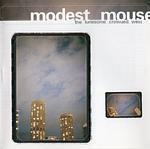
The Lonesome Crowded West (1997) is Modest Mouse's second full-length, combining jagged indie rock and alternative textures with occasional post-hardcore intensity and an undercurrent of emo-tinged introspection. Isaac Brock's raw, idiosyncratic vocals and elliptical lyrics explore themes of isolation and small-town decline over arrangements that shift from sparse, acoustic passages to loud, distortion-driven climaxes. The record's lo-fi production, dynamic contrasts, and tight interplay between a propulsive rhythm section and angular guitars create a sprawling, atmospheric sound that many listeners point to as a defining statement in the band's early catalog.
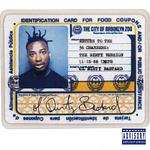
Return to the 36 Chambers: The Dirty Version (1995) is Ol' Dirty Bastard's debut solo album. Rooted in East Coast and hardcore hip hop, it showcases ODB's unorthodox, slurred vocal delivery and loose, unpredictable performances over raw, sample-driven production associated with RZA and the Wu-Tang aesthetic. The record includes tracks such as "Brooklyn Zoo" and "Shimmy Shimmy Ya" and is notable for its chaotic, personality-forward approach and for featuring guest appearances from fellow Wu-Tang members and collaborators.
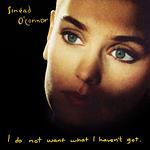
I Do Not Want What I Haven’t Got is Sinéad O'Connor's 1990 second studio album. It blends alternative rock, pop, and folk rock with O'Connor's raw, emotive vocals and largely sparse, intimate arrangements, and is widely associated with her cover of Prince's "Nothing Compares 2 U." The album's confessional lyrical tone and mix of acoustic textures and occasional fuller production helped bring O'Connor broad international attention and stands as a defining work of her early career.
#128 — Neptune's Lair by Drexciya
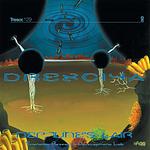
Neptune’s Lair, released in 1999 by Drexciya, blends electro, techno, and electronic atmospheres around the duo’s aquatic mythology. The album emphasizes tight, metallic drum programming, deep sub basslines, and layered analog-style synths to produce a cold, underwater sonic texture. Tracks are largely instrumental and minimal, balancing dancefloor propulsion with dark, exploratory textures and a strong conceptual focus on submerged worlds.
#129 — Wildflowers by Tom Petty
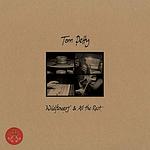
Wildflowers, Tom Petty's 1994 solo album, blends rootsy acoustic textures with straightforward rock rhythms to create a warm, intimate sound grounded in folk rock and heartland rock. The arrangements are spare and organic, often centered on acoustic guitar, piano, and subtle electric touches, while Petty's direct, conversational vocals emphasize melodic songwriting and reflective, personal lyrics. The record is widely regarded as a calmer, more introspective complement to his work with the Heartbreakers and highlights his focus on songcraft and storytelling.
#130 — Maxwell's Urban Hang Suite by Maxwell

Maxwell’s Urban Hang Suite, released in 1996, is a debut album that helped define the neo soul aesthetic by blending contemporary R&B with classic soul and jazz influences. The record features intimate, slow-burning arrangements, warm live instrumentation, and Maxwell's expressive falsetto across a sequence of songs that move like a suite exploring romance and sensuality. Its emphasis on mood, sophisticated chord progressions, and organic production marked a shift from more polished 1990s R&B toward a warmer, more analog sound.
#131 — Jordan: The Comeback by Prefab Sprout
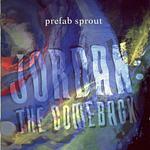
Jordan: The Comeback, released in 1990, is Prefab Sprout's sprawling, songwriting-centered record led by Paddy McAloon. It blends synth-pop and electronic textures with orchestral pop and rock elements, pairing polished, cinematic arrangements with literate, occasionally ironic lyrics. The album moves between concise pop melodies and more elaborate, theatrical compositions, and it includes the memorable, tongue-in-cheek song "The King of Rock 'n' Roll" as one of its more widely recognized moments.
#132 — 94diskont. by Oval
94diskont. is a 1995 album by Oval that helped define a glitch aesthetic within experimental electronic music. It uses microsampling, edited CD errors, and tiny sonic fragments to assemble fractured rhythmic textures, clicks and airy ambient drones into sparse, abstract pieces. The record is notable for treating digital artifacts and interruption as compositional material, and for influencing later work in microsound and laptop-based electronic production.
#133 — I, Jonathan by Jonathan Richman
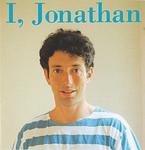
I, Jonathan (1992) is a low-key, mostly acoustic album by Jonathan Richman that foregrounds simple, direct songwriting and conversational vocals. Drawing on rock and roll and pop roots, the record pairs spare arrangements and gentle guitar with playful, often wistful lyrics, balancing humor and sincerity. Its intimate sound highlights Richman's knack for turning everyday observations into plainspoken songs.
#134 — Revival by Gillian Welch
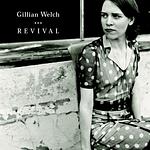
Revival, Gillian Welch's 1996 debut, presents spare, roots-oriented songs that blend folk, country and rock influences. The album emphasizes intimate acoustic arrangements, close vocal harmonies with collaborator David Rawlings, and songwriting that draws on traditional American folk and Appalachian themes while using contemporary lyrical perspectives. Its restrained production keeps focus on voice and guitar, marking it as an influential early statement in alternative country and modern folk-rock circles.
#135 — Grace by Jeff Buckley
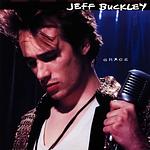
Jeff Buckley’s 1994 album Grace blends rock, alternative and folk influences into a singer-songwriter framework centered on his wide-ranging, expressive voice and intricate guitar work. The songs move between intimate acoustic passages and fuller, electric arrangements, combining delicate folk textures, soulful vocal runs, and dramatic dynamic shifts. The album is notable for its emotional intensity and for Buckley’s memorable reinterpretation of Leonard Cohen’s “Hallelujah,” and it remains influential for listeners and musicians drawn to expressive vocal performance and genre-blurring songwriting.
#136 — Violator by Depeche Mode
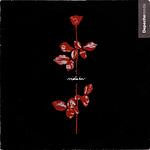
Violator is Depeche Mode's 1990 album that blends synth-pop and darker electronic textures with rock and alternative dance rhythms. Its sound pairs hook-driven melodies and brooding atmospheres with layered synthesizers, rhythmic guitar elements, and prominent beats, while Martin Gore's songwriting and Dave Gahan's vocals give the songs a more polished, song-focused character that broadened the band's musical palette and influence.
#137 — E. 1999 Eternal by Bone Thugs‐n‐Harmony
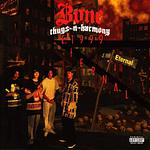
E. 1999 Eternal is an atmospheric hip hop album that mixes gangsta rap, G-Funk, hip hop soul, and horrorcore elements with Bone Thugs-n-Harmony's signature rapid-fire, melodic harmonies and layered vocal interplay. The production leans on dark, synth-driven grooves and slow, rolling beats that frame lyrics about street life, mortality, and spirituality. The group's tight harmonies, sung hooks, and fast triplet flows give the record a distinctive, eerie R&B-inflected sound that became closely associated with their style.
#138 — American Football by American Football
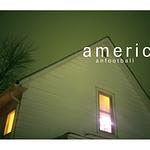
American Football is the self-titled 1999 debut by American Football, rooted in emo and alternative rock and known for its delicate, melancholic sound. The album features intertwined clean guitars, irregular, jazz-tinged rhythms, understated, intimate vocals, and sparse production, with brief trumpet lines and instrumental passages that create a wistful, cinematic atmosphere. Its songs favor mood and texture over bombast, blending angular musicianship with reflective lyricism, and it is often cited as a touchstone of the late 1990s Midwest emo scene.
#139 — Toni Braxton by Toni Braxton
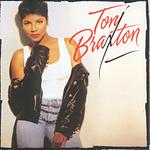
Toni Braxton is the singer's 1993 debut, rooted in contemporary R&B and pop with touches of quiet storm and hip hop influenced production. The album pairs Braxton's deep, smoky contralto with lush, string tinged arrangements and a mix of torch ballads and midtempo grooves that emphasize themes of love and heartbreak. It introduced her as a distinctive voice in 1990s R&B and established the musical approach she built on in later records.
#140 — Mystic Stylez by Three 6 Mafia
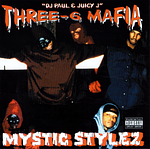
Mystic Stylez, released in 1995 by Three 6 Mafia, delivers a bleak, nocturnal strain of Southern hip hop that fuses gangsta rap and horrorcore with occasional blues-tinged melodies. Produced mainly by DJ Paul and Juicy J, the album is built on lo-fi, reverb-heavy beats, sparse drum machine patterns, eerie piano and organ samples, and booming bass, with rapid, chant-like vocals from the group’s early lineup including Lord Infamous, DJ Paul, and Juicy J. Lyrical themes dwell on violence, occult imagery, and street life, and the record’s raw, ominous atmosphere helped define a distinct Memphis sound that informed later Southern rap styles.
#141 — Good Morning Spider by Sparklehorse
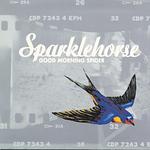
Good Morning Spider, released in 1998 by Sparklehorse, is a moody, intimate indie rock album centered on Mark Linkous's hushed vocals and fragile songwriting. The record blends acoustic folk-tinged melodies with distorted guitars, lo-fi electronics and found sounds to create a dreamlike and occasionally unsettling atmosphere. Songs balance simple, tuneful hooks with textural experiments and a sense of weary tenderness, making the album a distinctive example of late 1990s alternative and indie rock aesthetics.
#142 — II by Boyz II Men
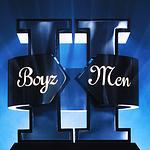
II, released in 1994 by Boyz II Men, is a polished contemporary R&B record built around the group's tight four-part harmonies and romantic balladry. The album blends slow-tempo love songs and mid-tempo tracks with pop and hip hop-R&B influences, using lush arrangements, layered backing vocals and orchestral touches to create a smooth, cinematic sound. It reinforced the group's signature approach of gospel-rooted singing paired with modern studio production, leaning toward adult contemporary R&B rather than aggressive New Jack Swing rhythms.
#143 — Whatever by Aimee Mann
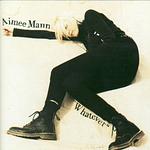
Whatever is Aimee Mann's 1993 solo debut, presenting a literate, melancholic singer-songwriter approach within an alternative and pop rock framework. The songs pair precise, often wry lyrics about relationships and self-reflection with restrained, melodic arrangements that mix acoustic and electric textures, creating an intimate but polished sound. The album helped establish Mann's reputation for thoughtful, craft-focused songwriting in indie and pop rock circles.
#144 — Infamous Angel by Iris DeMent
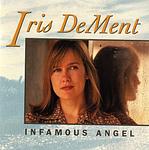
Infamous Angel, Iris DeMent's 1992 debut, is a spare, rootsy album that blends country, folk, Americana, and country gospel influences. DeMent's clear, plaintive voice and simple acoustic arrangements put the emphasis on intimate, autobiographical and spiritual songwriting, with memorable tracks like "Our Town" and "Let the Mystery Be" that highlight small town observation and questions of faith. The record is often noted for its direct lyrical honesty and its place in the country-folk/Americana tradition.
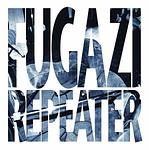
Repeater, Fugazi's 1990 full-length, refines the band's post-hardcore approach by combining angular, punk-derived guitar work with taut, groove-driven rhythms and stark, conversational vocals from Ian MacKaye and Guy Picciotto. Songs move between terse, urgent bursts and more spacious, rhythm-focused passages, showcasing tight instrumental interplay, off-kilter accents, and a dry, immediate production that emphasizes dynamics and texture. The album is frequently mentioned as an influential touchstone in post-hardcore for its balance of intensity, restraint, and rhythmic experimentation.
SUPER æ, released in 1998 by Japanese experimental group Boredoms, blends abrasive noise rock with electronic textures and psychedelic, trance-like rhythms. The album emphasizes layered percussion, extended grooves, dense tape and sample manipulations, and distorted vocals to create long, hypnotic soundscapes that steer the band toward more rhythmic, ritualistic territory compared with their earlier abrasive recordings. Its combination of chaotic noise, propulsive drumming, and electronic processing highlights the group's experimental approach to song structure and texture.
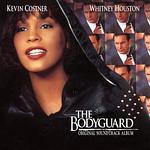
The Bodyguard: Original Soundtrack Album is the 1992 soundtrack to the film starring Whitney Houston and Kevin Costner. It foregrounds Houston's powerful, gospel-tinged pop and contemporary R&B ballads alongside uptempo pop rock and quiet storm style tracks by other artists, all presented with polished adult contemporary production and occasional electronic touches. The record is notable for its emphasis on sweeping vocal performances and for blending mainstream pop and R&B sensibilities across both ballads and more rhythmic numbers.
#148 — Superunknown by Soundgarden
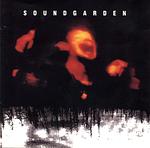
Superunknown (1994) is Soundgarden's fourth studio album that blends heavy alternative metal and grunge with melodic and psychedelic elements. The record is built around down-tuned, dense guitar riffs, varied time signatures and arrangements, and Chris Cornell's wide vocal range, shifting between raw intensity and melodic delivery. Its songs move from hard, riff-driven rock to more atmospheric and introspective pieces, reflecting a broadening of the band's sonic palette and experimentation.
#149 — Pottymouth by Bratmobile
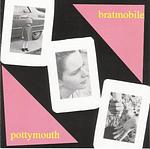
Pottymouth, Bratmobile's 1993 debut full-length, captures the band's raw, lo-fi punk energy within the Riot Grrrl scene. The album features short, fast, guitar-driven songs with shouted and conversational vocals, jagged melodies, and direct, often witty lyrics that confront gender, authority, and everyday frustrations. Its DIY production and urgent performances helped crystallize an outspoken, feminist strain of indie and punk rock.
#150 — Very Necessary by Salt‐N‐Pepa
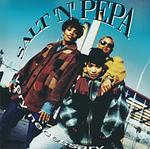
Very Necessary, released in 1993, is the fourth studio album by Salt-N-Pepa that blends hip hop and pop rap with R&B and dance-oriented production. The record features tight, sample-based beats, catchy hooks, and a mix of braggadocio, humor, and themes of female empowerment and sexual agency. Songs commonly associated with the album include collaborative and radio-friendly singles that helped broaden the duo's crossover appeal without abandoning their assertive rap persona.