 The Greatest Music
The 200 Best Albums of the 2000s
Weight: 44%
How much this list influences our overall rankings. Higher weight means more reliable data.
Penalties Applied:
Pitchfork’s staff-assembled 200 Best Albums of the 2000s (Oct. 2, 2009) surveys the decade’s most influential LPs across indie, hip-hop, pop, electronic, and more, presented as a weeklong countdown with capsule essays by multiple Pitchfork writers for each entry. To maintain breadth, the editors limited any single artist to three albums. Published as the capstone to Pitchfork’s P2K “Decade in Music” retrospective, the project lists writer bylines on each album blurb but does not disclose a consolidated panel size or voter roll.
#101 — Franz Ferdinand by Franz Ferdinand
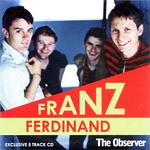
Franz Ferdinand's self-titled debut is a compact, danceable indie rock record built on angular guitar riffs, tight, propulsive rhythms and concise, hook-driven songwriting. It blends post-punk revival and art rock influences with a keen sense of groove and dynamics, pairing witty, observational lyrics with sharp arrangements that prioritize immediacy and rhythm. The album is often cited for bringing a kinetic, club-friendly edge to early 2000s indie rock.
#102 — The Sunset Tree by The Mountain Goats
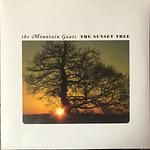
The Sunset Tree is a 2005 Mountain Goats album in which John Darnielle channels autobiographical material about a troubled childhood into direct, narrative songs. Musically it blends the project's indie folk and folk rock roots with fuller, more polished arrangements and chamber folk and chamber pop touches, using piano, layered guitars and warm backing to support intimate, often cathartic vocals. The result emphasizes blunt lyrical storytelling and singable, anthemic moments that make the record both personal and musically accessible.
#103 — Piracy Funds Terrorism, Volume 1 by M.I.A.

Piracy Funds Terrorism Volume 1 (2004) is a mixtape-style compilation from M.I.A. that captures her early lo-fi, collage-based approach. The material blends leftfield electronic textures, hip hop rhythms and ragga vocal styles with sample-heavy, cut-and-paste production, presenting demos, remixes and unofficial tracks that foreshadowed her later work. Its rough, DIY aesthetic and provocative title reflect the political and genre-bending traits that became central to her music.
#104 — Give Up by The Postal Service
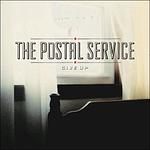
Give Up, the Postal Service's 2003 album, is a collaboration between songwriter-vocalist Ben Gibbard and electronic producer Jimmy Tamborello that blends indie-pop songcraft with electronic production. The record pairs warm, melancholic melodies and intimate, confessional lyrics with programmed beats, shimmering synth textures, and occasional acoustic touches, creating a polished but homegrown indietronica sound. Songs like "Such Great Heights" and "The District Sleeps Alone Tonight" showcase its mix of catchy hooks and bittersweet mood, and the album is often cited for helping bring synth-driven electronic elements into indie rock contexts.
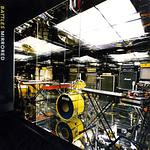
Mirrored, Battles' 2007 debut studio album, blends math rock precision with electronic production and experimental post-rock textures. It features complex interlocking rhythms, looping guitars and synths, and distinctive processed vocals by Tyondai Braxton that act as a rhythmic and melodic element, most prominently on the track Atlas. The album's tight grooves and layered sound design helped establish Battles' approach to merging rock instrumentation with electronic manipulation.
#106 — Up in Flames by Caribou
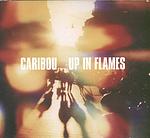
Up in Flames is a dense, intimate album that blends leftfield electronic and IDM textures with folktronica touches. Dan Snaith layers warm, often looped melodies, processed and pitched vocals, and jittery, intricate beats to create pastoral, psychedelic soundscapes where acoustic-sounding elements and sample-based production intermingle. The record is notable for its patient, repetitive structures and textural focus, favoring subtle variation and atmosphere over conventional song form.
Justice's 2007 debut album "✝" is a dense, rock-infused take on electro house and French electro, combining distorted, guitar-like synths, heavy compression, punchy basslines, chopped samples and disco-tinged rhythms into cinematic, high-energy arrangements. The record alternates instrumental stomps with more melodic, hook-driven tracks, and its maximalist production and collage-like song structures were influential in shaping the late 2000s French electronic sound.
#108 — Murray Street by Sonic Youth
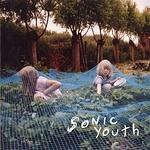
Murray Street is a 2002 Sonic Youth album that blends the band’s No Wave and noise roots with more focused, song-oriented arrangements. It features layered, detuned and alternate guitar tunings, interlocking parts from Thurston Moore, Lee Ranaldo and Kim Gordon, and a balance of abrasive textures and clearer melodic lines that emphasize concise songwriting without abandoning experimental soundscapes. The production is more direct and immediate than some of their more sprawling records, highlighting both quiet dynamics and moments of controlled feedback.
#109 — Everything All the Time by Band of Horses
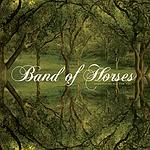
Everything All the Time is Band of Horses' 2006 debut album, presenting a reverb-drenched indie rock sound that blends indie folk and Southern rock influences. The record features plaintive, soaring vocals, chiming guitars and close harmonies across songs that range from intimate folk-tinged moments to wide, atmospheric anthems, with "The Funeral" as a prominent early track. The album helped establish the band's signature atmospheric style and introduced them to a broader audience.
#110 — Boxer by The National
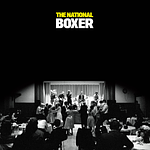
Boxer, released in 2007, finds The National refining their blend of indie rock, chamber pop, and post-punk influences into a restrained, atmospheric album. Matt Berninger's baritone vocals and introspective lyrics sit against interlocking guitars, a taut rhythm section, and subtle brass and string touches, producing a mood of melancholic intensity and careful dynamics. The record is often regarded as a turning point that helped consolidate the hushed, dramatic sound that became central to the band's identity.
#111 — Saturdays = Youth by M83
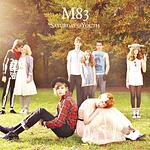
Saturdays = Youth (2008) by M83 blends electronic, shoegaze, ambient pop, dream pop and electro into a polished, 1980s-inflected soundscape. The album favors lush synth textures, shimmering reverb-soaked guitars, soft vocal harmonies and widescreen, cinematic arrangements that lean toward concise pop song structures, with tracks like "Kim & Jessie" and "We Own the Sky" exemplifying its nostalgic, youthful mood. It represents a move toward more overtly melodic, retro synth-pop aesthetics within M83's catalog and sharpens the project's focus on evocative, cinematic nostalgia.
#112 — The Reminder by Feist
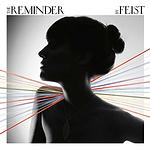
The Reminder is Feist's 2007 album that blends folk, folk rock, indie pop and pop rock into warm, intimate songs built around her husky, expressive voice. The record pairs sparse acoustic balladry with brighter, rhythm-driven pop arrangements and subtle instrumental color, supporting concise, melodic songwriting and introspective lyrics. Its mix of quiet, nuanced tracks and more immediate, hook-forward songs helped broaden Feist's audience and solidify the musical style she is often associated with from that period.
#113 — LCD Soundsystem by LCD Soundsystem
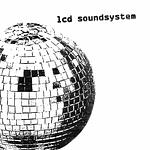
LCD Soundsystem's self-titled 2005 debut blends electronic production, dance-punk energy and indie sensibility into extended, groove-oriented songs. James Murphy combines programmed beats, live instrumentation and motorik-leaning rhythms to create tracks that alternate between dancefloor dynamics and spoken-word, deadpan vocal delivery, with standout cuts such as "Losing My Edge" and "Daft Punk Is Playing at My House". The album emphasizes layered arrangements and witty, referential lyrics, marrying club-ready grooves with art-pop experimentation.
#114 — Purple Haze by Cam'ron
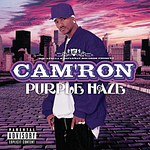
Purple Haze, released in 2004 by Cam'ron, is a hip hop album that pairs sample-forward, often moody production with Cam'ron's slang-heavy, conversational raps. The record emphasizes vivid street storytelling, braggadocio, and filmic touches, with melodic hooks and punchy vocal delivery that reinforce his distinctive Harlem persona. Musically it continues the early 2000s New York sound associated with Cam'ron and his collaborators, balancing soulful loops and orchestral accents with hard-hitting drums to create a cinematic backdrop for his playful and abrasive wordplay.
#115 — Oh, Inverted World by The Shins
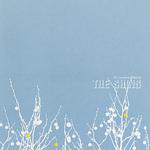
Oh, Inverted World is the Shins' 2001 debut album, led by songwriter James Mercer. It blends indie rock and indie pop with chiming guitars, vivid melodic hooks, layered arrangements and introspective, literate lyrics, and balances lo fi textures with clearer pop production. Featuring songs such as New Slang and Caring Is Creepy, the record helped define the band's sound and reached a wider audience after New Slang was featured in the film Garden State.
#116 — Immer by Michael Mayer
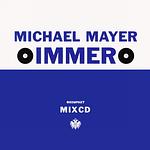
Immer, compiled and mixed by Michael Mayer and released on Kompakt in 2002, is a continuous DJ mix that blends ambient atmospheres with minimal techno and tech house grooves. The set emphasizes warm, melodic microhouse textures, long seamless transitions and restrained beats, creating an immersive late-night mood that moves between contemplative ambient passages and subtle, danceable rhythms. It serves as a clear example of Kompakt's early 2000s aesthetic and of Mayer's approach as a curator and DJ.
#117 — Things We Lost in the Fire by Low
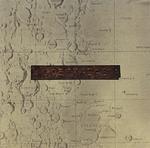
Things We Lost in the Fire is a 2001 Low album that exemplifies the band's slowcore approach, with spare arrangements, hushed close-mic vocals, and deliberate slow tempos. It broadens the group's sonic palette with subtle keyboards, restrained percussion and occasional fuller arrangements while retaining a focus on quiet dynamics and emotional understatement. The result is an intimate, atmospheric record that illustrates Low's minimalist take on indie and alternative rock.
#118 — Hot Shots II by The Beta Band
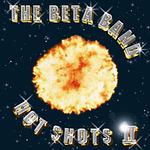
Hot Shots II, released in 2001 by the Beta Band, expands their blend of electronic textures, folk-tinged songwriting and indie rock energy into a more cohesive, song-focused album. The record pairs pastoral acoustic melodies and plaintive vocals with sample-based beats, layered production and occasional psych pop flourishes, balancing experimental collage techniques with accessible arrangements.
#119 — The Marshall Mathers LP by Eminem
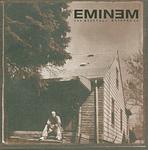
The Marshall Mathers LP (2000) is Eminem's raw, confrontational album that blends hardcore hip hop, horrorcore intensity, and pop-rap hooks. Production frequently uses sparse, eerie beats and layered samples to support tightly wound, rapid-fire delivery, allowing Eminem to shift between darkly comic Slim Shady sketches, confessional storytelling such as "Stan", and violently personal material about fame, family, and identity. The album helped define his public persona and intensified debates about lyrical boundaries by foregrounding provocative, autobiographical songwriting and abrasive satire.
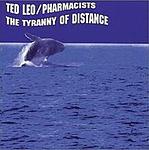
The Tyranny of Distance (2001) finds Ted Leo blending folk rock, indie rock and punk-tinged rock and roll into concise, energetic songs that pair acoustic textures with electric drive. The album emphasizes direct, literate songwriting and sparse, immediate production, balancing melodic hooks with a rough-edged, urgent delivery that bridges folk-inflected arrangements and punk energy.
#121 — Haha Sound by Broadcast
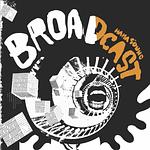
Broadcast's 2003 album Haha Sound blends warm analog synths, 1960s-inspired psychedelia, and precise electronic production to create a cinematic, slightly eerie take on indie electronic pop. Trish Keenan's cool, intimate vocals float over muffled beats, vintage organ textures, and compact song forms that mix catchy melodies with experimental arrangements. The record emphasizes mood and atmosphere, juxtaposing wistful tunes with disorienting production touches and a retro-futurist palette that helped define the band's signature sound within indietronica and avant-garde pop.
#122 — Heartbreaker by Ryan Adams
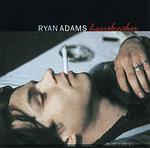
Heartbreaker, Ryan Adams' 2000 solo debut, blends alternative country, Americana and rock into a largely acoustic, singer-songwriter record. Sparse arrangements of guitar, piano and occasional electric textures support confessional, melancholic lyrics and a raw, demo-like production that foregrounds voice and songcraft. The album marks Adams' move from band frontman to solo artist and helped establish his reputation for emotionally direct, country-tinged rock songwriting.
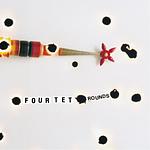
Rounds, released in 2003 by Four Tet (Kieran Hebden), blends downtempo electronic palettes with folk-derived acoustic samples and detailed IDM-style editing. Tracks are built from chopped guitar, piano and field recordings layered with warm beats, subtle percussion and shimmering electronic textures, producing loop-based, immersive pieces that sit between leftfield electronica and folktronica. The album's focus on organic timbres processed through granular editing and rhythmic subtlety is a defining characteristic of Four Tet's sound on this record.
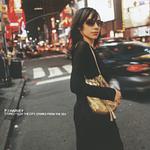
Stories From the City, Stories From the Sea is PJ Harvey's 2000 album that emphasizes brighter, more melodic arrangements while keeping her intense, concise songwriting. The record blends indie and alternative rock with art rock and folk influences, using chiming guitars, piano and atmospheric production to frame lyrics that often evoke urban life and intimate relationships. Compared with her earlier, rawer records, this album is notable for its clearer melodic focus and varied instrumental textures.
#125 — Thought for Food by The Books
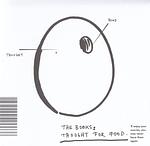
Thought for Food by The Books is a sample-driven, genre-blurring album that mixes acoustic instruments, found sounds, and spoken-word snippets over looped beats and fragile melodies. The duo layers guitar, cello, and piano with cut-up field recordings and subtle electronic textures to create intimate, collage-like arrangements that shift between folk warmth and experimental electronics. Its dense, playful editing and focus on rhythm and texture helped shape early 2000s folktronica and remains a reference point for artists working with found sound and acoustic-electronic blends.
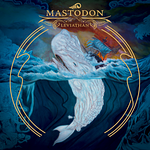
Leviathan is Mastodon's 2004 concept album loosely inspired by Herman Melville's Moby-Dick, blending sludge and doom heaviness with progressive rock and metal arrangements. The record is notable for thick, down tuned riffing, shifting time signatures, layered guitar harmonies and the interplay of Brent Hinds and Troy Sanders on vocals supported by dynamic drumming from Brann Dailor. Its scope and compositional ambition helped define the band's sound and broadened their presence within progressive heavy music.
#127 — The Woods by Sleater‐Kinney
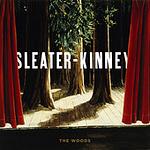
The Woods, released in 2005 by Sleater-Kinney, marks a deliberate turn toward a louder, more guitar-driven sound anchored by Carrie Brownstein and Corin Tucker’s intertwining guitars and impassioned vocals. The album favors saturated, dense production and extended song structures that emphasize powerful riffs and propulsive rhythms over the shorter punk-influenced bursts of earlier records. Its aggressive textures and layered approach position it as a bold, rock-oriented statement within the band’s catalog while keeping their direct songwriting and confrontational tone intact.
#128 — Any Other City by Life Without Buildings
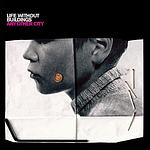
Any Other City is the 2001 sole full-length album by Scottish band Life Without Buildings, blending angular indie rock and post-punk rhythms with jagged, interlocking guitar and bass lines. Sue Tompkins contributes an idiosyncratic talk-sung vocal style marked by clipped phrasing and conversational fragments that sit against propulsive, tightly arranged songs. The record is concise and artful, notable for its rhythmic drive, terse song structures, and the contrast between its urgent instrumentation and intimate, offbeat vocals.
#129 — A Grand Don't Come for Free by The Streets
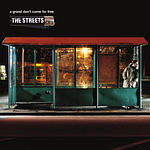
A Grand Don't Come for Free is a 2004 concept album by The Streets, the project of Mike Skinner. Built around a continuous narrative about relationships, money and everyday life, it blends UK garage, hip hop, electronic and breakbeat elements with sparse, sample-based production and conversational, diaristic vocal delivery. The record alternates skittering garage rhythms and club-influenced beats with more plaintive, piano-led moments, and is notable for its strong focus on storytelling and character-driven songs such as "Dry Your Eyes" and "Blinded by the Lights".
#130 — We Got It 4 Cheap, Volume 2 by Clipse, Re‐Up Gang
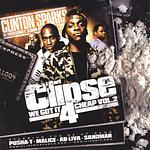
We Got It 4 Cheap, Volume 2 is a 2005 mixtape by Clipse and the Re-Up Gang that continues the duo's stripped back, street focused approach to hip hop. Musically it pairs spare, Neptunes influenced beats with hard edged Southern and hardcore hip hop rhythms, while Pusha T and Malice trade tightly wound verses about street life, hustling, and braggadocio alongside contributions from Re-Up Gang members Ab Liva and Sandman. The tape has a raw, cohesive sound that helped bridge the group's label albums and the mid 2000s mixtape scene.
#131 — Neon Golden by The Notwist
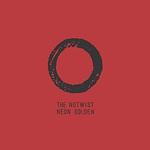
Neon Golden (2002) by The Notwist blends indie rock songwriting with electronic production, pairing fragile, melancholic vocals and acoustic guitar with glitchy beats, warm synth textures, and delicate sampling. Its understated arrangements and careful attention to sonic detail helped shape a folktronica-adjacent sound that balances organic instrumentation and electronic nuance, and it is commonly discussed in conversations about early 2000s indie electronica.
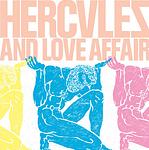
Hercules and Love Affair is the self-titled 2008 debut from Andy Butler's project, blending disco-influenced rhythms, house production, electronic textures and leftfield touches. The album pairs club-ready beats and punchy basslines with atmospheric synths and soulful, often melancholic vocals contributed by guest singers, creating a mix of dancefloor energy and introspective moments. It is frequently cited for reconnecting classic disco motifs with contemporary electronic and indie club sensibilities.
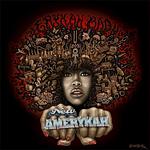
New Amerykah, Part One (4th World War) (2008) is a sonically adventurous album that blends broken beat and electronic textures with funk, hip hop rhythms, and soul into a dense, sample-driven soundscape. Erykah Badu pairs fragmented arrangements and layered percussion with glitchy production and deep bass, while delivering politically and socially charged lyrics through both sung melodies and spoken word cadences. The record favors mood, texture, and experimental songcraft over conventional pop structures and represents a deliberate, exploratory turn in her catalog.
#134 — Songs for the Deaf by Queens of the Stone Age
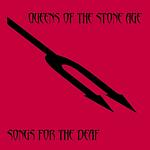
Songs for the Deaf (2002) finds Queens of the Stone Age refining their mix of stoner rock, alternative rock and hard rock into a lean, driving record built on propulsive rhythms, dense guitar riffs and Josh Homme's dry, sardonic vocals. The album balances heavy, riff-focused tracks with melodic hooks and varied dynamics, and features notable guest contributions from Dave Grohl on drums and Mark Lanegan on vocals. Its sequencing and themes evoke a restless, road-oriented atmosphere that helped define the band's sound going forward.
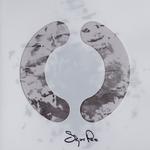
Sigur Rós' 2002 album ( ) is an atmospheric, largely instrumental record that blends post-rock dynamics with ambient textures and understated electronic and rock elements. Composed of eight untitled tracks that feature Jónsi's high-register voice and non-lexical vocalizations, bowed guitar and spacious arrangements, it alternates sparse, intimate passages with slow-building, orchestral swells to create a meditative, cinematic mood. The album marked a move toward more abstract, textural songwriting in the band's catalog and is often noted for its use of silence, space and emotional intensity.
#136 — Weirdo Rippers by No Age
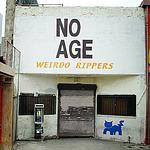
Weirdo Rippers is a 2007 compilation of early No Age material that captures the band's lo-fi, noise-inflected take on garage and experimental rock. The tracks pair abrasive feedback and clipped guitars with brief, hooky song structures and droning textures, emphasizing raw production and kinetic momentum over polish. The record is often cited as an introduction to No Age's DIY aesthetic and their blend of punk energy with noisy, artful soundscapes.
#137 — The Creek Drank the Cradle by Iron & Wine
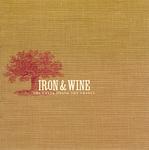
The Creek Drank the Cradle is the 2002 debut full-length by Sam Beam under the Iron & Wine name, issued on Sub Pop. Built from lo-fi home recordings, the album is centered on hushed, whispery vocals, delicate fingerpicked acoustic guitar and sparse, understated arrangements that emphasize intimate, pastoral songwriting. Its quiet, home-recorded aesthetic became an early exemplar of the indie folk sound that Beam expanded on in later releases.
#138 — Up the Bracket by The Libertines
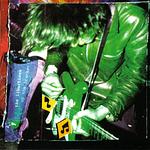
Up the Bracket is The Libertines' 2002 debut studio album, produced by Mick Jones. It blends garage rock and indie rock with raucous, lo-fi energy, ragged guitar interplay and urgent tempos, driven by the dueling, conversational vocals of Peter Doherty and Carl Barat. The record is marked by its streetwise, confessional lyrics and a raw immediacy that became a touchstone for early 2000s British garage-influenced rock.
#139 — Nine Times That Same Song by Love Is All
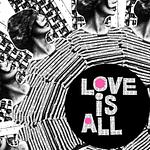
Nine Times That Same Song is the 2006 debut album by Swedish band Love Is All. It blends jangly, lo-fi indie pop and post-punk energy with sing-along female vocals, insistent guitar lines and occasional saxophone flourishes. The record is notable for its short, propulsive songs and raw production, combining punk immediacy with hook-driven melodies to create a playful but slightly ragged sound.
#140 — Dear Science by TV on the Radio
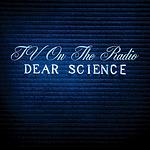
Dear Science, released in 2008 by TV on the Radio, blends indie rock, electronic textures, soul-informed vocals and experimental production into dense but hook-driven songs. The arrangements layer jagged guitars, funk and R&B rhythms, brass and synth color, and layered vocal harmonies to create music that is both propulsive and intricate, marking a moment where the band balanced accessible melodies with adventurous sonic detail.
#141 — Blacklisted by Neko Case
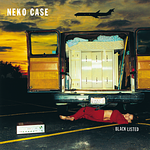
Blacklisted, released in 2002, finds Neko Case moving toward a darker, more intimate sound that blends alternative country, Americana, and folk with indie rock sensibilities. The arrangements are often spare and atmospheric, using strings and subtle electric textures to frame Case's distinctive, cinematic vocals and narrative lyrics. The album emphasizes mood and storytelling, marking a clear step forward in her songwriting and a shift from straightforward roots-rock toward a more chambered, nocturnal aesthetic.
#142 — XTRMNTR by Primal Scream
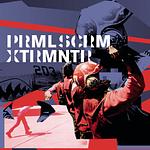
XTRMNTR is a hard-edged, politically confrontational album that blends alternative rock with electronic styles such as electro, dub, and dub techno. The sound is built from abrasive production, dense electronic textures, heavy percussion and distorted guitars, with forceful vocals and lyrics that critique authority and corporate power. The record emphasizes beats, loops and studio processing to create an industrial-tinged club sound that stands out as one of the band’s most sonically experimental and confrontational works.
#143 — Picaresque by The Decemberists
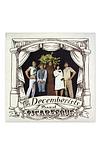
Picaresque is a 2005 album by The Decemberists that mixes indie rock and folk influences into long, narrative songs with theatrical, often baroque arrangements. Colin Meloy's storytelling vocals ride acoustic guitars, piano, accordion, strings, and punchy rhythm sections across both hushed ballads and rollicking sea shanty style epics, including an extended multipart tale. The record is notable for its literate, story-driven songwriting and a fuller, more dramatic sound than the band's earlier releases.
#144 — I Get Wet by Andrew W.K.
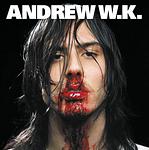
I Get Wet is Andrew W.K.'s 2001 debut, a high-energy blend of hard rock, heavy metal, power pop and punk built around relentless, piano-driven anthems and a loud, wall-of-sound production. Songs such as "Party Hard" exemplify the album's single-minded celebratory ethos, pairing crunchy guitar riffs and pounding drums with singalong choruses and a raw, manic vocal delivery. The record established Andrew W.K.'s public persona as a maximalist party-rock performer and is focused on immediate, adrenaline-fueled rock songwriting.
#145 — Blueberry Boat by The Fiery Furnaces
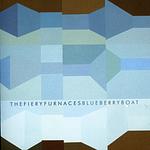
Blueberry Boat, released in 2004 by The Fiery Furnaces, is a sprawling art rock record that mixes indie rock, avant-pop and progressive ideas. Siblings Matthew and Eleanor Friedberger assemble long, multi-part songs with abrupt tempo and mood changes, dense narrative and surreal lyrics, and arrangements that layer piano, organ, jagged guitar and varied percussion. The album emphasizes theatrical, collage-like song structures and a willingness to experiment with form and storytelling rather than conventional pop hooks.
#146 — Z by My Morning Jacket
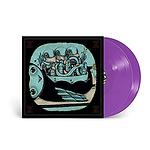
Z is My Morning Jacket's 2005 album that expands the band's earlier country-tinged, reverb-heavy sound into a more spacious, psychedelic-leaning direction. The record emphasizes clearer production, layered vocal harmonies, prominent keyboards and atmospherics, and a stronger focus on groove with touches of funk and dub alongside their indie and alternative rock roots. It is often regarded as a pivotal release in the band's catalog for its bold sonic shift and adventurous arrangements.
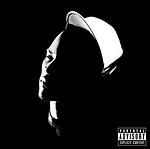
King, released in 2006, is a Southern hip hop album by T.I. that blends gritty gangsta rap narratives with polished, radio-friendly production rooted in Dirty South and pop rap sensibilities. The record emphasizes trap-influenced beats, heavy low end, and melodic hooks alongside T.I.'s authoritative, conversational delivery, balancing street-focused themes with crossover moments. Its sound helped consolidate T.I.'s persona as a prominent mid-2000s Southern rapper and showcases a mix of guest contributions and varied production approaches.
#148 — DJ‐Kicks: Erlend Øye by Erlend Øye
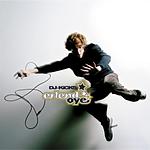
DJ-Kicks: Erlend Øye (2004) is a DJ mix album in the DJ-Kicks series in which Norwegian musician Erlend Øye brings an indie-minded sensibility to electronic music. The set blends electro, house, tech house and broader electronica, alternating dancefloor-ready grooves with more subdued, melodic passages. Its relaxed pacing, warm synth textures and clean, minimal rhythms emphasize atmosphere and melody over maximal club theatrics, and the compilation is notable for its careful curation and smooth transitions that bridge club-oriented tracks and songlike moments.
#149 — A New Chance by The Tough Alliance
A New Chance, released in 2007 by Swedish duo The Tough Alliance, blends synth-pop and electronic pop with bright, lo-fi production and tropical-tinged percussion. The album pairs catchy, minimal melodies and processed, often childlike vocals with sample-based rhythms and glossy synth textures, creating a contrast between sunny grooves and melancholic lyrical undertones. Its concise, hook-driven tracks emphasize atmosphere and playful production choices over conventional rock instrumentation.
#150 — Twin Cinema by The New Pornographers
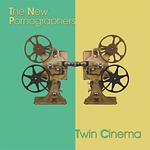
Twin Cinema, released in 2005 by The New Pornographers, is an indie rock and pop album built around A.C. Newman's hook-forward songwriting, layered arrangements, and multipart vocal harmonies including prominent contributions from Neko Case and Dan Bejar. The record mixes bright, power-pop melodies and guitar-driven indie rock with richer, occasionally orchestral textures, balancing upbeat, concise songs with more expansive, dramatic moments that helped define the band's signature, densely arranged indie pop sound.
#151 — Bows + Arrows by The Walkmen
Bows + Arrows, released in 2004 by The Walkmen, blends indie rock and post-punk revival with gritty, reverb-heavy guitars, piano and organ textures and Hamilton Leithauser's distinctive, urgent vocals. The record emphasizes tense rhythms, concise arrangements and a live, immediate sound that balances melancholy and raw energy. It is often cited as the album that helped define the band's signature style and includes several tracks that became staples of their repertoire.
#152 — The Cold Vein by Cannibal Ox
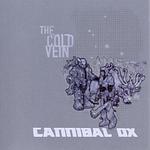
The Cold Vein (2001) by Cannibal Ox, produced by El-P and released on Definitive Jux, pairs stark, electronic-tinged production with dense, abstract East Coast lyricism from Vast Aire and Vordul Mega. The album emphasizes moody, cinematic instrumentals, layered synth textures, and hard-hitting beats that frame vivid, often surreal urban narratives and complex internal rhyme patterns, and it is widely regarded as a defining release in early 2000s underground hip hop.
#153 — Night Falls Over Kortedala by Jens Lekman
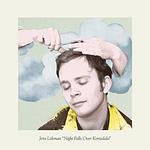
Night Falls Over Kortedala, released in 2007 by Swedish singer-songwriter Jens Lekman, is an indie pop album built around literate, conversational songwriting and warm, orchestral arrangements. It blends catchy pop melodies with chamber pop touches, brass and string flourishes, and the playful use of samples and found sounds, creating a mix of upbeat instrumentation and wistful, detail rich lyrics about love, memory, and small city life. The album helped establish Lekman’s reputation for witty storytelling and subtle emotional depth within contemporary pop.
#154 — The Pretty Toney Album by Ghostface Killah
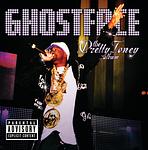
The Pretty Toney Album (2004) finds Ghostface Killah balancing raw East Coast lyricism with more polished, sometimes pop-leaning production. The record mixes boom bap rhythms and soulful sampling with gritty, cinematic beats, and emphasizes Ghostface's vivid storytelling, eccentric vocal delivery, and dense, stream-of-consciousness imagery. Compared with some of his earlier work it leans toward more melodic hooks and varied production while retaining a streetwise, hardcore sensibility.
#155 — Lord Willin' by Clipse
Lord Willin' is Clipse's 2002 debut studio album, built around The Neptunes' sparse, percussive production and the duo's tight, street-focused lyricism. The music combines stripped-down, syncopated beats and electronic textures with memorable hooks, while Pusha T and Malice trade concise, detail-rich verses centered on drug trade narratives and witty wordplay. The record blends mainstream-accessible choruses with a gritty, underground sensibility and helped establish both Clipse's distinct voice and the Neptunes' signature sound in early 2000s hip hop.
#156 — Silent Alarm by Bloc Party
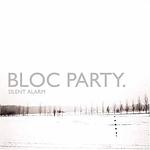
Silent Alarm, Bloc Party's 2005 debut, features angular, staccato guitar lines, propulsive bass and drums, and a blend of indie rock, post-punk revival and dance-punk rhythms. Kele Okereke's vocals deliver urgent yet controlled melodies over layered guitar textures and syncopated grooves, with songs that balance frenetic energy and concise hooks. The record is notable for its tight arrangements, interplay between guitars and rhythm section, and a rhythmic drive that helped define its sound within mid 2000s alternative rock.
#157 — Wonderful Rainbow by Lightning Bolt
Wonderful Rainbow, released in 2003 by Providence duo Lightning Bolt, emphasizes relentless, high-volume bass and frenetic drumming to create a dense, chaotic wall of sound that blends noise rock, math rock rhythmic complexity, and a brutal prog sense of intensity. Vocals are shouted and often submerged in distortion, and the raw, immediate production preserves a live, abrasive energy while allowing longer, more developed compositions that foreground tight polyrhythms and extreme dynamics. The album is widely cited in underground noise rock circles as a clear statement of the band’s uncompromising, signature sound.
#158 — Destroyer's Rubies by Destroyer
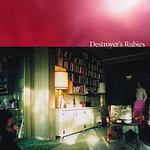
Destroyer's Rubies (2006) finds Dan Bejar's project leaning into a grittier, full-band indie rock sound, with long, lyrically dense songs driven by propulsive guitars, piano, and taut rhythms. Bejar's theatrical, talk-sung vocal delivery and elliptical, literary lyrics shape the record's mood, which balances restlessness and intimacy. The album favors live-sounding arrangements and a rawer production compared with earlier Destroyer work, and it helped establish a more rock-oriented template that Bejar would revisit on subsequent releases.
#159 — Night Ripper by Girl Talk
Night Ripper, released in 2006 by Girl Talk (Gregg Gillis), is a dense, sample-based mashup album that combines elements of electronic, hip hop, experimental, glitch, and plunderphonics into continuous, rapid-fire collages. Tracks layer fragments of pop, rock, R&B, and rap over propulsive breakbeats, producing a high-energy, party-oriented flow defined by abrupt edits, stacked hooks, and playful juxtapositions. The record is widely regarded as a defining example of modern mashup and sample-collage production and helped raise Girl Talk's profile as a live, DJ-driven performer.
#160 — Cryptograms by Deerhunter
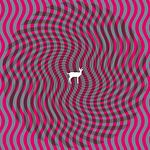
Cryptograms, Deerhunter's second studio album released in 2007, expands the band's indie rock foundations into more experimental territory by combining reverb-soaked guitars and hazy, ambient passages with more direct, melodic moments. The record emphasizes texture and atmosphere, shifting between quiet, drone-like interludes and louder, distorted sections to create a fragmented, dreamlike flow that helped shape the band's early sound.
#161 — No Way Down by Air France
No Way Down is a 2008 release by Swedish duo Air France that blends balearic beat, soft disco, downtempo electronic and pop into a short, atmospheric set. The music emphasizes languid grooves, shimmering synths, reverb-washed guitars and breathy, distant vocals to create a sunlit yet melancholic mood, and it is often associated with the late 2000s revival of balearic-tinged electronic pop among indie producers.
#162 — The W by Wu‐Tang Clan
The W, released in 2000, finds Wu-Tang Clan doubling down on a gritty East Coast hip hop sound driven by RZA's shadowy, sample-heavy production and spotlighting multiple core members in a group-focused record. The album emphasizes dense, often murky beats, raw hardcore delivery, cinematic martial arts touches, and layered lyricism that balances street narratives with abstract imagery.
#163 — Uproot by DJ /rupture
Uproot is a 2008 album by DJ /rupture that blends leftfield electronic sensibilities with dancehall, dub, dubstep and ambient textures. The music moves between airy, atmospheric passages and bass-heavy, rhythm-driven cuts, using edited samples, field recordings and abrupt transitions to create a sense of global sonic collage. The record showcases DJ /rupture's eclectic mixing and crate-digging approach, foregrounding texture and low-frequency detail over conventional club continuity.
#164 — ROME (Written Upside Down) by Les Savy Fav
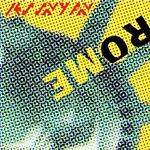
#165 — Alcachofa by Ricardo Villalobos

Alcachofa, released in 2003 by Ricardo Villalobos, is a landmark minimal techno and tech house album built from long, slowly unfolding tracks, intricate percussion, and spare, dub-tinged textures. The record emphasizes subtle rhythmic variation and micro-detail over conventional song structure, producing hypnotic, immersive grooves that helped define early 2000s minimal and microhouse approaches. Its focus on texture, timing, and extended DJ-friendly arrangements made it influential among producers and DJs working in minimal electronic styles.
#166 — Insignificance by Jim O'Rourke
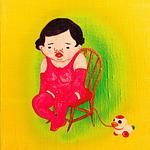
Insignificance is Jim O'Rourke's 2001 album that moves from his experimental work toward song-based material, pairing his understated vocals with warm, finely detailed arrangements. The record blends soft rock, baroque pop, and chamber pop touches, using acoustic guitar and piano alongside string and brass colors to create a mellow, often melancholic atmosphere. It is notable within his catalog for its emphasis on melody and studio-crafted production filtered through an alternative and indie sensibility.
Anniemal is the 2004 debut album by Norwegian singer Annie that blends electronic pop, synth-pop and electro influences into glossy, 1980s-tinged pop songs. The record pairs light, intimate vocals with tight electronic production, mixing upbeat dance rhythms and shimmering synthesizers with moments of melancholic melody. Its concise, hook-driven tracks helped shape a sleek, modern take on retro synth-pop in the early 2000s and raised Annie's profile within international electronic pop circles.
#168 — Roots & Crowns by Califone
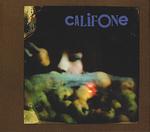
Roots & Crowns, released in 2006 by Califone, blends post-rock textures with folk and blues-rooted songwriting, layering acoustic instruments, subtle percussion, field recordings and electronics to create atmospheric, cinematic songs. The record emphasizes loose song structures, warm analogue production and a mix of organic and processed sounds, producing an introspective, pastoral yet slightly uncanny mood that showcases the band's interest in narrative and sonic collage.
#169 — Like Water for Chocolate by Common
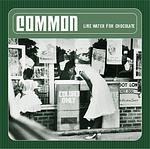
Like Water for Chocolate, released in 2000, pairs Common's socially aware, introspective lyricism with warm, sample-based production that draws on jazz, soul, and neo-soul textures. The album features loose, head-nodding drum programming, melodic basslines and touches of live instrumentation alongside layered vocal hooks, reflecting the influence of producers and collaborators from the late 1990s Soulquarians scene. Musically adventurous for its time, it broadened Common's sonic palette by blending street-level hip hop with romantic and spiritual themes while keeping a strong focus on lyrical substance.
#170 — Fevers and Mirrors by Bright Eyes

Fevers and Mirrors is an emotionally intense Bright Eyes album that blends confessional folk songwriting with fuller indie rock and alternative country arrangements. Conor Oberst's raw, urgent vocals are paired with acoustic guitar, strings and occasional brass, creating dramatic dynamics that move from intimate, hushed passages to cathartic swells. The record incorporates theatrical touches and experimental textures, marking a move toward more ambitious production and a broader sonic palette for the project.
#171 — Thunder, Lightning, Strike by The Go! Team
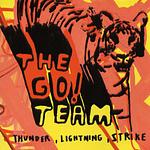
Thunder, Lightning, Strike is the 2004 debut album by The Go! Team that builds a high-energy, sample-driven collage mixing indie rock guitars, cut-up funk and soul snippets, breakbeat and hip-hop rhythms, lo-fi electronics and cheerleader-style chants. The result is exuberant, often chaotic songs that combine live instrumentation with heavily layered samples and guest vocals, producing a playful, retro-infused sound that sits between alternative dance, leftfield pop and indie hip-hop. The album established The Go! Team's signature approach of eclectic pastiche and propulsive rhythms.
#172 — Shine a Light by Constantines
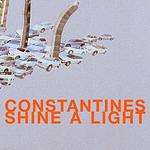
Shine a Light (2003) by Constantines is a guitar-driven indie rock record that blends post-punk urgency, blues-tinged riffs, and organ textures. The band pairs raw, impassioned vocals with dynamic arrangements that move from restrained verses to anthemic, full-band climaxes, and the lyrics frequently mix personal and political concerns. The album helped define the group's sound in the early 2000s indie rock scene, marked by intensity, tight interplay, and a willingness to draw on classic rock and punk influences.
#173 — Bodily Functions by Matthew Herbert
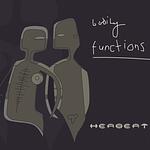
Matthew Herbert's 2001 album Bodily Functions blends deep house grooves and downtempo moods with experimental electronic production and jazz-influenced arrangements. The record pairs warm, looped beats and subtle glitch textures with live instrumentation and prominent guest vocals by Dani Siciliano, creating a human-scaled take on club-oriented music that emphasizes rhythmic detail and intimate studio sound. Its mix of organic instruments and inventive sampling marks it as a clear statement in Herbert's exploration of the boundary between acoustic performance and electronic composition.
#174 — Black Sheep Boy by Okkervil River
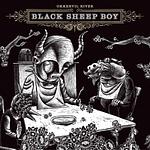
Black Sheep Boy, released in 2005 by Okkervil River, is a moody indie rock record anchored by Will Sheff's literate, narrative songwriting. It combines folk and alt country influences with both intimate acoustic passages and fuller, atmospheric arrangements that frequently incorporate strings and subtle horn textures. The album follows recurring themes around a forlorn protagonist and a cohesive storytelling approach that helped define the band's early sound.
#175 — Total 3 by Various Artists
Total 3 is a 2001 Various Artists compilation that collects electronic tracks across tech house, techno, deep house and microhouse. The set emphasizes stripped-back, groove-driven arrangements, warm analogue textures and subtle melodic elements, making it suited to both club play and attentive listening. It functions as a snapshot of early 2000s minimal and microhouse aesthetics, highlighting understated production and rhythmic precision.
#176 — Tallahassee by The Mountain Goats
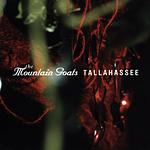
Tallahassee, from 2002, is a tightly focused, narrative-driven record by the Mountain Goats that functions as a concept album about a self-destructive couple commonly called the Alpha Couple. Musically it moves beyond John Darnielle's earlier lo-fi solo recordings toward fuller, band-based arrangements that draw on folk rock, indie rock and Americana, using electric guitar, keys and driving percussion to support literate, confessional lyrics. The album pairs bleak domestic storytelling and dark humor with moments of cathartic intensity, and is notable for its direct, emotionally charged songwriting.
#177 — The Noise Made by People by Broadcast
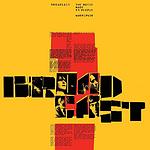
The Noise Made by People (2000) by Broadcast pairs Trish Keenan's detached, breathy vocals with warm analog synths, organ textures and understated electronic rhythms, bridging 1960s psychedelia and library-music touches with indie pop and electronic production. The album favors spare, looped arrangements and a cinematic, retro-futuristic mood, emphasizing atmosphere and melodic restraint over conventional rock dynamics.
#178 — Tha Carter II by Lil Wayne
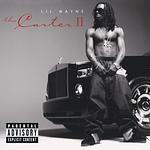
Tha Carter II, released in 2005, is a Southern hip hop album that deepens Lil Wayne's signature voice within Dirty South production. The record pairs sparse, drum-driven beats and bass-heavy grooves with Wayne's increasingly inventive wordplay, punchlines and shifting vocal cadences, balancing braggadocio and street observation with moments of reflection. It is often cited as a stage in his artistic development that helped define the eccentric lyrical persona he expanded on in later projects.
#179 — Let's Get Out of This Country by Camera Obscura
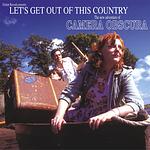
Let’s Get Out of This Country (2006) by Camera Obscura blends indie pop and chamber pop with lounge and classic pop influences, pairing Tracyanne Campbell's intimate, slightly husky vocals with warm, string- and brass-accented arrangements. The songs combine wistful, romantic lyrics and memorable melodic hooks with a gentle melancholy, moving between shimmering uptempo numbers and slower torch-like ballads. The album has a polished, cinematic production and a vintage-leaning sound that recalls 1960s pop and lounge textures while maintaining a contemporary indie sensibility.
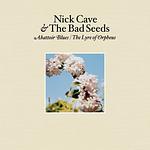
Abattoir Blues / The Lyre of Orpheus is a 2004 double album that divides into a louder, band-driven side and a quieter, more orchestral side. The Abattoir Blues half emphasizes gritty blues-rock and driving rhythms with piano, organ and guitars supporting Nick Cave's intense baritone, while The Lyre of Orpheus leans toward chamber textures and string arrangements that foreground storytelling and mythic, often dark lyrical themes. Across both discs the Bad Seeds and longtime collaborator Warren Ellis blend gothic atmosphere, narrative songwriting and shifts between urgency and restraint, making the record notable for its contrasts in mood and arrangement.
#181 — The Mysterious Production of Eggs by Andrew Bird
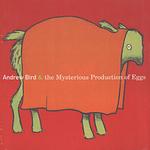
The Mysterious Production of Eggs (2005) by Andrew Bird blends baroque pop, chamber pop, indie rock, and neofolk into intimate, ornate songs built around his violin, plucked guitar, and signature whistling. Arrangements mix small ensemble touches, folk textures, and layered overdubs that create both sprightly and meditative passages, while the lyrics are literate and often whimsical, combining narrative detail with elliptical imagery. The album balances concise melodic songs and more exploratory instrumental moments, highlighting Bird's skill as an arranger and multi-instrumentalist.
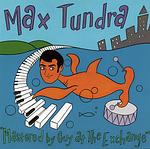
#182 — Mastered by Guy at the Exchange by Max Tundra
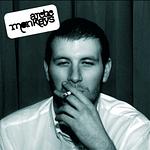
Whatever People Say I Am, That's What I'm Not is the 2006 debut album by Arctic Monkeys. It delivers energetic, guitar-driven indie rock with garage rock revival and post-punk revival influences, marked by brisk tempos, tight arrangements, and Alex Turner's observational, conversational lyrics about youth and nightlife. The production is immediate and raw, emphasizing punchy riffs and driving rhythms, and the record played a key role in defining mid-2000s British indie rock while emerging alongside early internet buzz around the band.
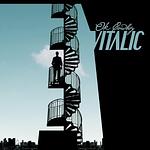
OK Cowboy is Vitalic's 2005 debut studio album that blends electro, electroclash, and electro house into a high-energy set built on distorted analog synth lines, punchy drum programming, and propulsive techno rhythms. It pairs aggressive, club-focused tracks such as "La Rock 01" with more melodic and vocal-led songs like "My Friend Dario" and "No More Sleep", presenting a raw, punk-tinged approach to French electronic production. The record is notable for its emphasis on vintage synth textures, repetitive hooks, and a muscular sound that became associated with mid-2000s French electro.
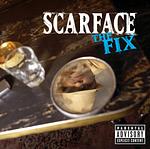
The Fix (2002) by Scarface is a Gangsta Rap album built around introspective, autobiographical lyricism delivered over polished, moody production. It balances gritty street narratives with personal reflection, using atmospheric beats and soulful textures to emphasize Scarface's storytelling and emotional range.
#186 — The Body, the Blood, the Machine by The Thermals
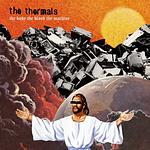
The Body, the Blood, the Machine is a 2006 album by The Thermals that pairs punk energy with indie rock melodies, featuring short, propulsive songs driven by rattling guitars, punchy drums, and urgent vocals. Lyrically the record centers on themes of faith, politics, and personal conviction and is presented with a loose narrative thread, giving the album a focused, conceptual feel while retaining a raw, singalong immediacy.
The Tired Sounds of Stars of the Lid is a 2001 album by Stars of the Lid that unfolds as slowly evolving ambient and drone pieces built from layered, sustained tones and sparse orchestral textures. The music favors long-form instrumental compositions with soft, processed strings, bowed guitar and electronic drift, placing emphasis on mood, hush and gradual transformation rather than melody or rhythm. Its hushed, cinematic atmosphere and patient pacing are often cited as an important reference point in contemporary ambient and drone music.
#188 — Dead Cities, Red Seas & Lost Ghosts by M83
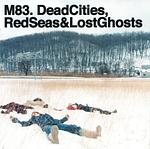
Dead Cities, Red Seas & Lost Ghosts is M83's 2003 album that expands the project's blend of electronic and shoegaze textures, pairing layered synths and reverb-drenched guitars with hushed, often submerged vocals to create cinematic dream pop soundscapes. The album shifts between instrumental passages and song-based tracks, favoring expansive arrangements, nostalgic melodies, and leftfield electronic touches that emphasize atmosphere over conventional pop structure. It serves as an early statement of M83's ambient pop aesthetic and helped shape the project's signature combination of texture and melody.
#189 — Multiply by Jamie Lidell
Multiply is Jamie Lidell's 2005 album that blends classic soul vocalism with electronic production, combining house-influenced rhythms, downtempo grooves, and warm synth textures. Lidell pairs raw, expressive singing and occasional vocal processing with beat-driven, sample-based arrangements to create concise, groove-forward songs that bridge soul, electronic and pop sensibilities. The record is notable for bringing a live, emotive vocal approach into an electronic production context and for its accessible mix of danceable rhythms and intimate performances.
#190 — Figure 8 by Elliott Smith
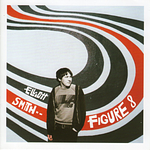
Figure 8, released in 2000, finds Elliott Smith expanding his sound beyond the sparse acoustic settings of earlier work into richer, more orchestrated arrangements. The album blends indie pop and rock with chamber pop touches and folk-rooted songwriting, featuring layered harmonies, strings and horns alongside acoustic and electric guitars. Throughout, Smith's intimate, melancholic lyricism and melodic focus remain central even as the production grows more textured and cinematic.
#191 — Talkie Walkie by Air
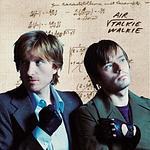
Talkie Walkie is Air's third studio album, released in 2004. It emphasizes warm analog synths, gentle downtempo rhythms, and hushed, melodic vocals, blending electronica, ambient pop, and cinematic textures into compact, song-focused arrangements. The record is notable for its clean production and intimate atmosphere, with tracks like "Cherry Blossom Girl" and "Alone in Kyoto" that highlight the duo's focus on melody and mood.
#192 — Bang Bang Rock & Roll by Art Brut
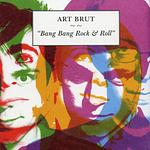
Bang Bang Rock & Roll, Art Brut's 2005 debut, blends garage rock and punk-tinged indie rock into short, energetic songs driven by raw guitars and propulsive rhythms. Eddie Argos's deadpan, talk-sung vocals and witty, conversational lyrics give the record a distinctive persona, with lo-fi production that emphasizes immediacy and hooks. The album is associated with the mid-2000s British indie revival for its direct, party-ready sound and offbeat storytelling.
#193 — Rejoicing in the Hands by Devendra Banhart
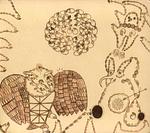
Rejoicing in the Hands (2004) finds Devendra Banhart working in a lo-fi, acoustic-based idiom that blends folk, indie rock, and subtle psychedelic touches. The record features fragile, often high-register vocals, sparse guitar work and occasional bursts of unconventional instrumentation, creating a whimsical and intimate atmosphere with songs that move between quiet ballads and more upbeat folk-rock numbers. Its home-recorded aesthetic and surreal, stream-of-consciousness lyrics are often associated with the early 2000s indie folk or freak folk scene and helped bring attention to Banhart's songwriting.
#194 — We Love Life by Pulp
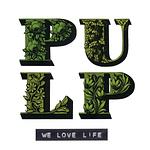
We Love Life, released by Pulp in 2001, moves the band toward a quieter, more pastoral sound with chamber pop and art rock touches. The arrangements favor acoustic textures, strings and restrained instrumentation, and Jarvis Cocker's lyrics use natural and observational imagery to create a reflective, mature mood that contrasts with the more overtly popcentric moments of the band's earlier peak.
#195 — The Letting Go by Bonnie "Prince" Billy
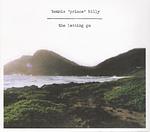
The Letting Go (2006) by Bonnie “Prince” Billy presents a quiet, contemplative approach to alternative country and folk-tinged indie rock, pairing Will Oldham’s intimate, fragile vocals with spare yet warm arrangements of piano, strings, and acoustic guitar. The album features prominent duet and harmony work from Dawn McCarthy, which adds a conversational, haunting layer to songs that dwell on themes of love, loss, and acceptance. Overall it leans toward spacious, atmospheric production and restrained emotion rather than loud dynamics, making it one of Oldham’s more reflective studio efforts.
#196 — The Disintegration Loops by William Basinski
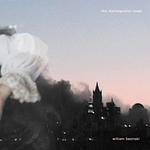
The Disintegration Loops is a set of long, slow ambient pieces made by William Basinski from short magnetic tape loops that he played and digitized as the physical tape deteriorated. The process of decay becomes the music, with repeating melodic fragments gradually unraveling amid noise, hiss, and warble, creating a meditative, elegiac atmosphere that sits between ambient, experimental electronic, tape music, and modern classical textures. The recordings are closely associated with Basinski's documentation of the tapes' decay around the time of the September 11 2001 attacks, which has shaped how listeners often experience the work.
#197 — All Hour Cymbals by Yeasayer
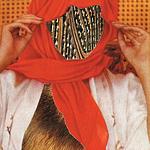
All Hour Cymbals is Yeasayer's 2007 debut studio album that blends indie rock and electronic elements with experimental rock and neo-psychedelia. The record is marked by layered, textural production, prominent synths and percussion, and close, often falsetto vocal harmonies, pairing danceable rhythms with off-kilter song structures and world-music influenced touches. It introduced the band’s tendency to mix accessible melodic hooks with adventurous sonic details, establishing the core of their early sound.
#198 — Akuma no Uta by Boris, Uniform
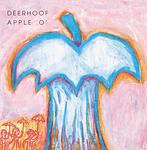
Apple O' (2003) finds Deerhoof working in a compact, experimental indie rock mode that blends jagged guitar, jittery electronic textures, and unpredictable song structures. Satomi Matsuzaki's high, childlike vocals float above intricate, often off-kilter rhythms and noisy, playful arrangements, producing a mix of abrasive and pop-oriented moments. The album's short, fragmentary songs and DIY aesthetic emphasize spontaneity and contrast between melody and dissonance.
#200 — Blood Visions by Jay Reatard
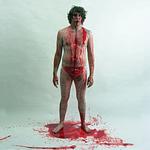
Blood Visions, Jay Reatard's 2006 solo album, delivers compact, high-energy garage punk songs marked by fuzzy guitars, driving drums, and a raw, lo-fi production aesthetic. The tracks are short and hook-driven, pairing pop-minded melodies with abrasive vocals and punk urgency, drawing on 1960s garage rock and classic punk influences. The record is often noted for showcasing Jay Reatard's prolific songwriting and distinctive, aggressive sound within the 2000s garage punk scene.