 The Greatest Music
100 Albums You Must Hear Before You Die
Weight: 1%
How much this list influences our overall rankings. Higher weight means more reliable data.
Penalties Applied:
Published in Kerrang! (Issue #682, Jan 1998), “100 Albums You Must Hear Before You Die” is a hard-rock/metal-leaning essentials list that blends ‘70s giants (Sabbath, Zeppelin, AC/DC), punk cornerstones (Sex Pistols), and ‘90s era-defining records (Nirvana, Sepultura, Metallica). It reads like a late-90s Kerrang! time capsule: aggressive, riff-forward, and tuned to the tastes of the magazine’s core rock/metal audience.
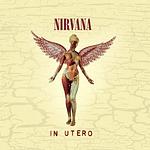
In Utero, released in 1993 by Nirvana, is a raw, abrasive alternative rock album that incorporates grunge, noise rock, and post-hardcore elements. Recorded with a deliberately less polished production, it foregrounds distorted guitars, strong dynamic contrasts, and Kurt Cobain's intense vocal delivery while still containing quieter, melodic passages. The songwriting blends confrontational imagery and personal themes with tuneful hooks, giving the record a deliberately rougher, more immediate sound compared with the band's previous studio work.
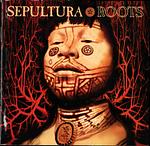
Roots, Sepultura's 1996 album produced by Ross Robinson, moves away from the band's earlier thrash and death metal approach toward a heavier, groove-oriented sound that integrates tribal Brazilian rhythms, raw downtuned guitars and prominent percussion. The record features indigenous chants and guest contributions alongside slower, rhythmic grooves and moments of atmospheric experimentation, marking a clear stylistic shift in the band's sonic palette.
#3 — Master of Puppets by Metallica
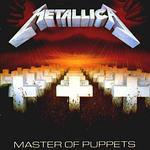
Master of Puppets (1986) is Metallica's third studio album and a landmark of thrash metal, blending aggressive, fast-paced riffs and palm-muted gallops with extended song structures and melodic guitar solos. The record pairs relentless speed and tight rhythmic precision with moments of dynamic contrast and instrumental complexity, showing progressive tendencies in longer arrangements. Lyrically it touches on themes of control and manipulation, and the production delivers a clearer, heavier sound compared with the band's earlier releases.
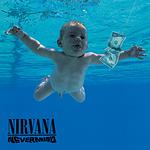
Nevermind, released in 1991 by Nirvana, is a grunge and alternative rock album that blends punk rawness with pop-minded songwriting, characterized by loud-quiet-loud dynamics, distorted guitars, and Kurt Cobain's raw, melodic vocal delivery and introspective lyrics about alienation and personal struggle. Produced by Butch Vig, the record pairs cleaner studio production with a sense of urgency and abrasive textures, and its accessible hooks alongside heavy instrumentation helped bring alternative rock aesthetics to a much wider audience.
#5 — [Led Zeppelin IV] by Led Zeppelin
![[Led Zeppelin IV]](https://images.thegreatestmusic.org/yfyip7ss5dlcr6r39qje3hx89jrl)
Led Zeppelin IV, released in 1971, is a pivotal album in the band's catalogue that blends hard rock, blues, and folk elements. It alternates between acoustic, pastoral numbers and heavy electric songs, showcasing Jimmy Page's layered guitar work, Robert Plant's dynamic vocals, John Paul Jones's arranging and keyboard contributions, and John Bonham's powerful drumming. The album's mix of riff-driven rock, acoustic storytelling, and expansive production helped shape what became known as classic and arena rock sounds.
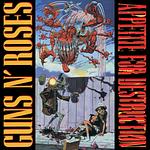
Appetite for Destruction, released in 1987 by Guns N' Roses, is a raw, guitar-driven hard rock album that blends hard rock, punk attitude and heavy metal energy. The sound pairs Axl Rose's high, gritty vocals with blues-influenced riffs and incisive lead work from Slash, supported by a tight, propulsive rhythm section, and the songs move between aggressive, fast-paced tracks and more melodic, emotionally direct material. The record includes standout tracks such as "Welcome to the Jungle", "Sweet Child o' Mine" and "Paradise City" and is noted for its unpolished, streetwise approach that contrasted with much of the era's glam metal production.
#7 — Vol 4 by Black Sabbath
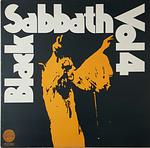
Vol. 4 (1972) finds Black Sabbath broadening their sound beyond the raw, riff-driven doom of their earliest records, pairing heavy, groove-laden tracks like "Supernaut" and "Snowblind" with more experimental textures and a piano-led ballad, "Changes." The record balances slow, weighty riffs and faster hard rock passages while incorporating keyboards, acoustic elements, and varied arrangements that expand the band’s sonic palette. Its mix of dense heaviness and melodic contrast marks a notable point in the group's early development within heavy metal and hard rock.
#8 — Back in Black by AC/DC
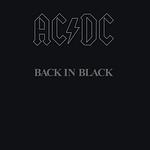
Back in Black is AC/DC's 1980 album and the first to feature singer Brian Johnson after Bon Scott's death. Produced by Robert John Lange, it channels the band's hard rock and blues-rock roots into concise, riff-driven songs built on Angus Young lead work and Malcolm Young rhythm parts, with punchy drums and clear guitar tones. Tracks such as Hells Bells, Back in Black, Shoot to Thrill, and You Shook Me All Night Long illustrate the arena-ready, no-frills sound that helped define the band's signature style.
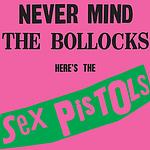
Never Mind the Bollocks, Here's the Sex Pistols is the Sex Pistols' only studio album, released in 1977. It condenses punk rock into short, abrasive tracks driven by distorted guitars, propulsive drums, and Johnny Rotten's sneering vocals, with blunt, confrontational lyrics aimed at social and political authority. The album is regarded as a defining work of the British punk movement and helped establish the raw, do-it-yourself aesthetic that influenced later punk and alternative bands.
#10 — Reign in Blood by Slayer
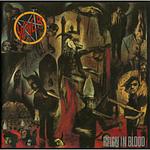
Reign in Blood is Slayer's 1986 studio album that helped define thrash metal's extreme edge. It features relentless tempos, razor-sharp guitar riffs from Kerry King and Jeff Hanneman, Tom Araya's snarled vocals, and Dave Lombardo's explosive drumming, delivered in a compact, intense runtime. The record is notable for its concise song structures, abrasive production, and tracks such as "Angel of Death" and "Raining Blood" that emphasize speed and brutality within a tight, focused framework.
#11 — Demanufacture by Fear Factory
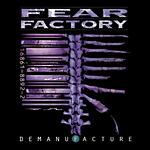
Demanufacture, released in 1995 by Fear Factory, fuses heavy metal riffing with industrial textures, combining tight, machine-like rhythms, palm-muted guitar parts, and programmed samples with alternating harsh and clean vocal delivery. The production emphasizes precise, mechanical beats and layered electronics to create a cold, dystopian atmosphere, while songwriting balances aggressive grooves and chugging riffs with melodic choruses. The album is regarded as a defining example of industrial metal and helped shape the sound of metal and electronic hybrids in the late 1990s.
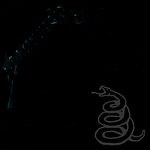
Metallica, commonly known as the Black Album, released in 1991, marks the band's shift from the faster thrash of their earlier records toward a heavier, more streamlined heavy metal and hard rock sound. The songs are generally shorter and more riff- and groove-oriented, with punchy, polished production by Bob Rock and greater emphasis on melody and atmosphere alongside aggressive guitar work. It features well known tracks such as Enter Sandman, Nothing Else Matters, Sad but True, and The Unforgiven that exemplify the album's balance of accessibility and metallic intensity.
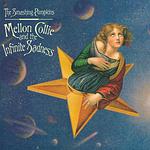
Mellon Collie and the Infinite Sadness is a sprawling 1995 double album by The Smashing Pumpkins that blends alternative rock, grunge, hard rock and dream pop textures. It juxtaposes loud, guitar-driven anthems and heavy distortion with delicate piano, strings and layered vocals, showcasing Billy Corgan's densely produced arrangements and dramatic shifts in dynamics. The record moves between aggressive, riff-based songs and more reflective, orchestral or acoustic passages, creating a wide-ranging, cinematic soundscape that broadened the band's musical palette.
#14 — Antichrist Superstar by Marilyn Manson
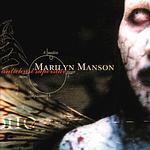
Antichrist Superstar (1996) is Marilyn Manson's confrontational, concept-driven record that blends industrial metal and alternative rock textures. The album centers on abrasive guitar riffs, heavy programmed percussion, samples and theatrical, often snarling vocals to create a harsh, mechanized soundscape, and it presents a dark narrative exploring power, nihilism and social alienation. Musically and stylistically it marks a shift toward a heavier, more aggressive aesthetic in the band's catalog and in contemporary industrial and alternative rock scenes.
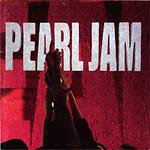
Ten is Pearl Jam's 1991 debut, rooted in grunge and alternative rock with hard rock dynamics. The album pairs Eddie Vedder's emotive, resonant vocals with layered, guitar-driven arrangements that alternate between heavy riffs and melodic hooks. Songs often combine anthemic choruses with introspective and sometimes angsty lyrics, and the production balances raw energy with a degree of studio polish. Ten is widely seen as a defining record of the early 1990s Seattle sound and established Pearl Jam's presence in alternative rock.
#16 — Physical Graffiti by Led Zeppelin
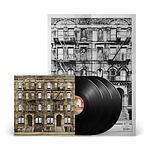
Physical Graffiti, released in 1975, is Led Zeppelin's double album that showcases a wide range of the band's styles, from hard rock and blues to folk-influenced acoustic pieces. The record combines heavy, riff-driven songs with layered production, expansive arrangements and intimate acoustic moments, highlighting Jimmy Page's production and guitar work, Robert Plant's vocals, John Paul Jones's multi-instrumental contributions and John Bonham's powerful drumming. Tracks such as Kashmir and Ten Years Gone illustrate the album's scale and textural variety while shorter bluesy and folk-derived numbers provide contrast, making it a broad statement of the band's musical range.
#17 — Pretty Hate Machine by Nine Inch Nails
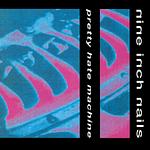
Pretty Hate Machine, Nine Inch Nails' 1989 debut, mixes industrial and EBM textures with alternative rock songcraft, pairing glossy and jagged synths, programmed rhythms, samples, and distorted guitars. Trent Reznor's often confessional and anguished lyrics about alienation and relationships sit within concise, hook-oriented arrangements. The record helped define a more accessible, electronic-tinged strand of industrial music that bridged underground electronics and alternative rock.
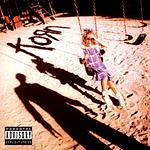
Korn is the 1994 self-titled debut album by the American band Korn, featuring down-tuned, syncopated guitar riffs, percussive, funk-influenced bass, and Jonathan Davis's anguished vocal delivery and vocal effects, including bagpipes on the track "Shoots and Ladders". Produced by Ross Robinson, the record blends heavy metal aggression with hip hop-influenced grooves and confessional lyrics about childhood trauma and alienation. The album is often cited as an early and influential release in the development of the nu metal and alternative metal styles.
#19 — Foo Fighters by Foo Fighters
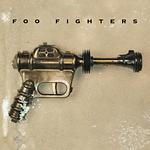
Foo Fighters is the 1995 debut album largely recorded by Dave Grohl after the end of Nirvana. It mixes grunge-tinged, guitar-driven rock with strong power pop melodies and concise, energetic songcraft, presented with a raw, lo-fi production that highlights Grohl's transition into a songwriter and the initial blueprint for Foo Fighters as a full band.
#20 — Astro‐Creep: 2000: Songs of Love, Destruction and Other Synthetic Delusions of the Electric Head by White Zombie
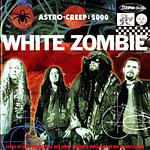
Astro-Creep: 2000: Songs of Love, Destruction and Other Synthetic Delusions of the Electric Head is White Zombie's 1995 studio album that synthesizes alternative metal, groove metal and industrial influences into a dense, sample-heavy sound. The music features thick, riff-driven guitar and propulsive rhythms layered with electronic textures, machine-like percussion and horror and science fiction inspired lyrics, giving the record a polished, mechanized atmosphere. Positioned near the end of the band's career, the album emphasizes high-production, groove-oriented metal while retaining the band's fascination with cinematic and pop-culture imagery.
#21 — Keep the Faith by Bon Jovi
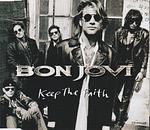
Keep the Faith, released in 1992, finds Bon Jovi moving beyond their 1980s glam-pop sound toward a grittier, more mature rock approach. The album blends hard rock energy with pop rock hooks, featuring tougher guitar tones, more band-centered arrangements, and lyrics that often address broader, more reflective themes. It retains accessible melodies while showing an expanded range of styles and moods that updated the group's sound for the early 1990s.
#22 — Everything Must Go by Manic Street Preachers
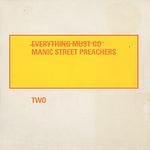
Everything Must Go (1996) is an album by Manic Street Preachers that marked a shift toward a more melodic, anthemic alternative rock sound following the disappearance of lyricist Richey Edwards. The record pairs sweeping guitars and occasional orchestral touches with politically charged and personal lyrics, featuring songs such as A Design for Life, Everything Must Go, and Kevin Carter, and represents a clear stylistic turning point for the band.
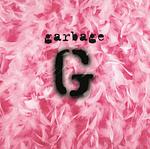
Garbage is the 1995 debut album by Garbage, produced by the band with Butch Vig. It melds alternative rock and pop with electronic textures and alternative dance rhythms, featuring dense, sample-informed production, distorted guitars and Shirley Manson's distinctive vocals. The material pairs catchy hooks with noisy, layered sonics and lyrical tones of irony and angst, establishing the band's polished yet abrasive sound in the mid 1990s.
#24 — The Fat of the Land by The Prodigy
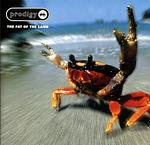
The Fat of the Land is The Prodigy's third studio album, released in 1997. It combines big beat and breakbeat rhythms with aggressive electronic production, heavy bass, distorted synths and a confrontational vocal style that draws on punk and MC traditions. The album is notable for its hard-hitting, club-oriented sound and for bringing a rock-inflected edge to late 1990s electronica.
#25 — Badmotorfinger by Soundgarden
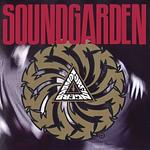
Badmotorfinger, Soundgarden's 1991 studio album, blends heavy metal heft with alternative rock and grunge sensibilities. The record is marked by thick, metallic guitar riffs, dense production, and frequent shifts in tempo and meter, anchored by Chris Cornell's powerful, wide-ranging vocals. Tracks move between sludgy, downtuned heaviness and more melodic passages, showcasing the band's mix of hard rock, metal, and alternative influences and helping to define their sound in the early 1990s.
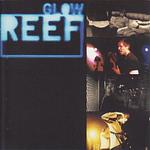
Glow, released in 1997 by Reef, is a rock album that blends alternative and Britpop sensibilities with blues-tinged, riff-driven guitar work and pop-oriented hooks. The record pairs gritty, soulful vocals with punchy arrangements, balancing heavier, guitar-led tracks and more melodic moments. Its sound sits between indie rock energy and radio-friendly pop rock, reflecting late 1990s British rock trends while emphasizing band-driven riffs and accessible choruses.
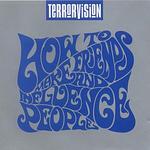
How to Make Friends and Influence People is Terrorvision's 1994 debut album that blends indie and pop rock with glam-tinged attitude and hard-edged guitar work. The songs pair punchy riffs and anthemic choruses with playful, often tongue-in-cheek lyrics and a theatrical vocal delivery, balancing gritty rock energy with melodic hooks and occasional heavier touches. The record established the band's sound as a mix of accessible pop sensibility and raw rock aggression within the alternative scene of the time.
#28 — Troublegum by Therapy?
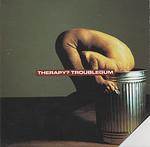
Troublegum, released in 1994 by Northern Irish rock band Therapy?, is a tight, hook-driven album that fuses alternative rock with punk energy and hard-rock weight. The songs pair abrasive, distorted guitars and brisk tempos with strong, melodic choruses and often dark, sardonic lyrics, presented in a more focused and polished production than the band’s earlier work. Its concise, high-energy songcraft emphasized catchy hooks alongside aggression, marking a defining statement in the band’s mid-1990s sound.
#29 — Vulgar Display of Power by Pantera
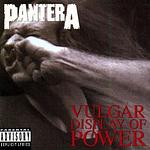
Vulgar Display of Power, released in 1992 by Pantera, is a landmark groove metal album that emphasizes heavy, palm-muted guitar riffs, syncopated mid-tempo rhythms, and Phil Anselmo's aggressive vocal delivery. Dimebag Darrell's sharp, metallic guitar tone and the tight rhythm section create a muscular, riff-driven sound that moves away from thrash speed toward a tougher, groove-centered approach, incorporating elements of heavy metal and alternative metal. The production is direct and punchy, foregrounding riff clarity and rhythmic impact, and the album is frequently referenced as a defining statement in 1990s heavy music.
#30 — Ritual de lo habitual by Jane's Addiction
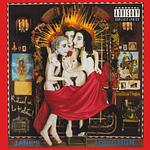
Ritual de lo habitual is Jane's Addiction's 1990 album that blends alternative rock and alternative metal guitar intensity with funk-inflected rhythms and dance-rock grooves, anchored by Perry Farrell's expressive vocals and Dave Navarro's angular guitar work. Tracks move from punchy, riff-driven songs like Ain't No Right and Been Caught Stealing to more atmospheric, melodic pieces such as Classic Girl, showing a mix of aggression, groove, and psychedelic textures. The album helped define the band's sound and influenced the early 1990s alternative scene through its adventurous arrangements and production.
#31 — Black Sabbath by Black Sabbath
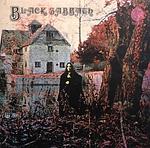
Black Sabbath is the band's 1970 debut that blends heavy blues rock and hard rock into a darker, riff-centered sound that helped define early heavy metal. The record features Tony Iommi's low, distorted guitar riffs, Geezer Butler's weighty bass, Bill Ward's forceful drumming, and Ozzy Osbourne's distinctive vocal style. Songs pair slow, ominous grooves with sharper, blues-based structures and lyrics that explore themes of fear, paranoia, and the supernatural, creating a heavy, unsettling atmosphere that influenced later metal and doom acts.
#32 — Toys in the Attic by Aerosmith
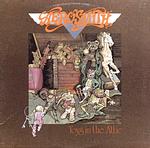
Toys in the Attic, released in 1975, is Aerosmith's third studio album and marked a turning point in the band's sound. It blends hard rock and blues rock with punchy, riff-driven arrangements, driving rhythms, and Steven Tyler's wide-ranging vocals. The record includes songs such as "Sweet Emotion" and "Walk This Way" that showcase Joe Perry's guitar hooks, tight band interplay, and a mix of swaggering rockers and groove-oriented tracks. Production favors a direct, live-in-the-room energy that helped define Aerosmith's classic rock identity.
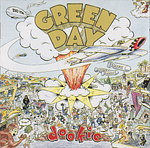
Dookie, released in 1994 by Green Day, is a defining pop punk record that blends punk rock urgency with strong melodic hooks and concise songcraft. The trio's fast, power-chord guitars, brisk tempos, and punchy arrangements are anchored by Billie Joe Armstrong's distinctive vocals, Mike Dirnt's driving bass, and Tré Cool's propulsive drumming. Lyrically the album addresses suburban ennui, anxiety, and youthful frustration with a mix of wit and urgency, and the cleaner studio production by the band and producer Rob Cavallo made the sound more polished while retaining a raw immediacy.
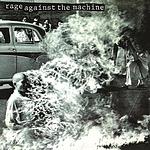
Rage Against the Machine is the band's 1992 self-titled debut that fuses heavy rock and metal riffs with funk-influenced rhythms and rap-style vocals. The album is marked by Tom Morello's inventive guitar textures and effects, tight rhythm work, and Zack de la Rocha's confrontational, politically charged lyrics, producing a raw and urgent sound. Its aggressive genre blend and outspoken themes became a defining touchstone for alternative and rap metal in the 1990s.
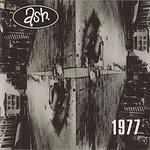
1977 is Ash's 1996 debut studio album that blends pop punk urgency with Britpop and indie rock melodies, often colored by noise pop textures. The songs are generally concise and guitar driven, pairing bright, hooky choruses with rawer, feedback-tinged guitar work and an overall youthful, high-energy feel. The record established the band's early sound by balancing punk immediacy and pop songwriting within the mid 1990s alternative landscape.
#36 — The Number of the Beast by Iron Maiden
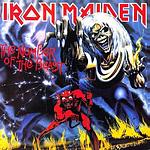
The Number of the Beast (1982) is Iron Maiden's third studio album and the first to feature vocalist Bruce Dickinson. Musically it blends the twin-guitar harmonies and riff-driven energy of the New Wave of British Heavy Metal with more expansive song structures, theatrical melodies, prominent galloping rhythms, and Dickinson's wide vocal range. The record includes well-known tracks such as "Run to the Hills" and "The Number of the Beast" and marked a move toward more epic, narrative songwriting that helped shape the band's sound within heavy metal.
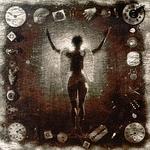
Psalm 69, released in 1992 by Ministry, is a landmark industrial metal album that fuses abrasive electronic programming and samples with heavy metal guitar riffs and propulsive drumming. Al Jourgensen's harsh vocals sit atop dense, layered production of distorted guitars, sequenced beats, and noisy textures, producing a confrontational, machine-like sound. Songs move between groove-driven, sample-heavy tracks and straight-ahead guitar assaults, with lyrics that often engage political and social antagonism. The record is widely regarded as a defining example of early 1990s industrial metal and helped steer the genre toward a heavier, more rock-oriented approach.
#38 — Welcome to Sky Valley by Kyuss
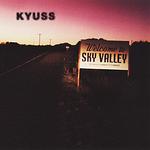
Welcome to Sky Valley is Kyuss's third studio album, released in 1994. It sharpens the band's heavy, downtuned, fuzzed guitar approach into spacious, groove-driven compositions with slow to mid tempos, prominent bass presence, and an expansive, desert-inflected atmosphere. The record emphasizes extended riffs, dynamic shifts and a live, rhythmic feel, and is frequently cited as a defining example of the desert rock and stoner rock sound.
#39 — Sweet Oblivion by Screaming Trees
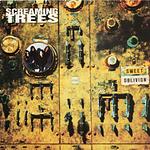
Sweet Oblivion, released in 1992 by Screaming Trees, blends raw grunge energy with neo-psychedelic textures and hard rock heft, anchored by Mark Lanegan's deep, world-weary vocals and Gary Lee Conner's chiming, distorted guitar work. The album balances driving, riff-oriented tracks with more atmospheric, melodic moments and includes the single "Nearly Lost You", which gained wider exposure through its inclusion on the soundtrack to the film Singles. Sweet Oblivion is often cited as the band's most prominent release and showcases their mix of classic rock influences with the 1990s alternative rock sound.
#40 — Live and Dangerous by Thin Lizzy
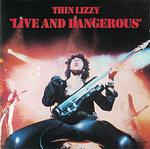
Live and Dangerous (1978) is Thin Lizzy's live album that captures the band's hard rock and blues-rooted sound in a concert setting. It highlights Phil Lynott's vocal presence and songwriting alongside tight, harmonized twin-guitar lines, punchy rhythm work, and a mix of concise songs and extended live arrangements that emphasize improvisation and crowd interaction. The record serves as a document of the band's late 1970s onstage sound, blending blues rock and classic rock textures with energetic, guitar-driven performances.
#41 — Siamese Dream by The Smashing Pumpkins
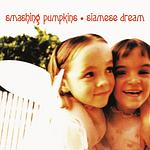
Siamese Dream, released in 1993 by The Smashing Pumpkins, blends alternative rock and grunge intensity with shoegaze and dream pop textures. The record is notable for dense, multi layered guitar overdubs, stark dynamic shifts between heavy, distorted passages and melodic, hook driven sections, and Billy Corgan's emotive, introspective vocals and lyrics. Songs such as "Cherub Rock," "Today," and "Disarm" illustrate its mix of aggressive guitar work and shimmering atmospherics, and the album is frequently regarded as a key release in early 1990s alternative rock.
#42 — The Downward Spiral by Nine Inch Nails
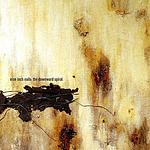
The Downward Spiral is Nine Inch Nails' 1994 album that fuses industrial, rock, and metal textures into a dark, largely conceptual sequence about personal collapse and alienation. Built from abrasive electronics, samples, programmed beats, and heavily processed guitars, the record moves between aggressive, rhythmic assaults and quieter, atmospheric passages, with layered production by Trent Reznor and Flood. Its arrangements emphasize texture, tension, and dynamic contrast, and it closes with a sparse, intimate track that contrasts the album's earlier intensity.
#43 — Live Through This by Hole
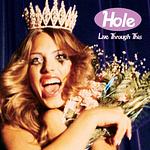
Live Through This, released in 1994 by Hole, blends grunge, punk, and alternative rock with raw, guitar-driven arrangements and strong melodic hooks. Courtney Love's vocals move between snarling aggression and vulnerable melody, anchored by lyrics that confront gender, identity, and personal trauma. The album pairs abrasive textures with pop-influenced songcraft, forming a defining statement for the band within 1990s alternative rock.
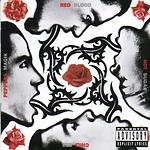
Blood Sugar Sex Magik, released in 1991 by Red Hot Chili Peppers, blends funk-driven grooves and raw rock with more melodic and introspective songwriting. Produced by Rick Rubin and featuring John Frusciante's chiming guitar lines and Flea's prominent slap bass, the album juxtaposes high-energy funk-rock tracks with quieter, personal songs, notably "Give It Away" and "Under the Bridge". Its cleaner, stripped-back production and emphasis on dynamics helped broaden the band's sound and influence on alternative rock and funk rock in the 1990s.
#45 — Highway to Hell by AC/DC
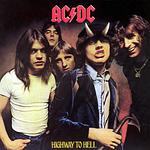
Highway to Hell, released in 1979, is an AC/DC album that blends hard rock and blues-rock into concise, riff-driven songs suited to large venues. The record pairs Angus Young's crunchy, energetic lead guitar with Malcolm Young's steady rhythm work and a punchy rhythm section, while Bon Scott delivers gritty, charismatic vocals; producer Mutt Lange brought cleaner, more focused production and an emphasis on vocal hooks and arrangements. The title track and other high-energy songs showcase the band's straightforward, anthem-ready approach, and it is the last studio album to feature Bon Scott before his death.
#46 — Earth vs. The Wildhearts by The Wildhearts
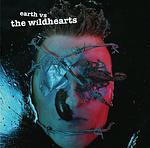
Earth vs. The Wildhearts (1993) is the band's debut full-length and captures their mix of crunchy hard rock riffs, punk energy, and keen pop melodies. The songs move quickly between heavy, guitar-driven bursts and catchy vocal hooks, with abrupt shifts in tempo and dynamics that became a signature of their sound. The record helped define the Wildhearts' approach to blending metallic power with power pop sensibilities within the alternative rock scene.
#47 — MTV Unplugged in New York by Nirvana
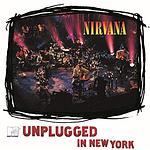
MTV Unplugged in New York is a live acoustic album by Nirvana recorded for the MTV Unplugged series that reframes the band's grunge sound with sparse, intimate arrangements rooted in folk rock and acoustic rock. The performances emphasize hushed dynamics and raw vocal delivery, with the core trio supported by an additional guitarist and a cellist, creating a darker, more melancholic texture than their electric studio work. The set mixes reworked band originals with covers, underscoring Nirvana's ties to alternative and folk influences while highlighting a quieter, more vulnerable side of their music.
#48 — Ace of Spades by Motörhead
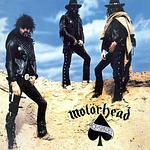
Ace of Spades, released by Motörhead in 1980, is a compact, high-energy rock album that crystallizes the band's blend of hard rock, punk attitude, and early speed metal. The record features short, aggressive songs driven by Lemmy Kilmister's gravelly vocals and heavily distorted, rhythmic bass, with fast tempos and raw production; the title track is its most enduring anthem. Its lean songwriting and relentless pace are often cited as influential on later speed and thrash metal bands.
#49 — Dirt by Alice in Chains
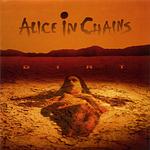
Dirt, released in 1992, is Alice in Chains' second studio album and a defining work in the grunge and alternative metal vein. It pairs down-tuned, sludgy guitar riffs and dense, brooding production with the distinct vocal interplay of Layne Staley and Jerry Cantrell. Lyrically the album deals with addiction, suffering, and mortality, and the songs move between aggressive, riff-driven tracks and slower, melancholic pieces. The record is widely regarded as one of the band’s most influential statements from the early 1990s rock scene.
#50 — The Real Thing by Faith No More
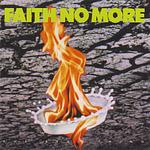
The Real Thing, Faith No More's 1989 album and the band's first with vocalist Mike Patton, blends alternative metal, funk metal, hard rock, alternative rock and rap metal into a diverse, genre-mixing record. It pairs heavy guitar riffs and dynamic production with funky basslines, punchy rhythms, eclectic keyboards and samples, while Patton's wide-ranging vocals shift from melodic singing to aggressive shouts and rap-influenced delivery. Tracks such as "Epic" exemplify the album's contrast of groove-driven verses and anthemic choruses, and the record helped define Faith No More's experimental, genre-blurring approach going forward.
#51 — …And Out Come the Wolves by Rancid
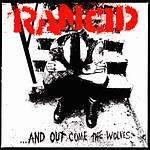
...And Out Come the Wolves, released in 1995 by Rancid, is an energetic blend of punk rock and ska punk that balances gritty, streetwise vocals and driving guitar work with offbeat ska rhythms and singalong choruses. The album pairs fast, stripped-down punk attack with melodic hooks and reggae-tinged pacing, evident on tracks like "Time Bomb", "Ruby Soho", and "Roots Radicals". Its sound helped define a mid-1990s punk-ska revival and remains a frequently cited example of Rancid's mix of classic punk attitude and ska influence.
#52 — Black Metal by Venom
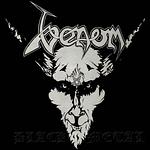
Black Metal, released in 1982 by Venom, is a raw, aggressive heavy metal album that blends speed metal and punk energy into a deliberately lo-fi, abrasive sound. The music centers on simple, driving riffs, fast tempos, and snarling, raspy vocals, with lyrical themes drawn from the occult and Satanic imagery to create a menacing atmosphere. Its rough production and uncompromising aesthetic emphasized attitude over technical polish, and the record is widely cited as an early and influential touchstone for later extreme metal scenes, particularly what became known as black metal.
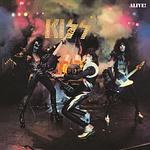
Alive! is a 1975 live album by KISS that documents the band's loud, theatrical stage show with high-energy, stripped-down performances. The sound emphasizes driving guitar riffs, propulsive rhythms, crowd noise and singalong choruses, presenting raw, amplified versions of their songs that helped define the group's hard rock and glam rock persona and fed into the aesthetics later associated with glam metal.
#54 — Smash by The Offspring
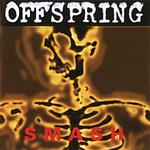
Smash, released in 1994 by The Offspring, blends fast, melodic punk rock with heavier guitar tones and concise song structures, drawing on punk and hardcore energy while incorporating alternative rock and hard rock elements. The record features punchy, palm-muted riffs, driving drumming and catchy, singalong choruses paired with a raw, direct vocal delivery, giving it a grittier production compared with many mainstream rock records of the time. Its combination of accessible melodies and punk attitude made it an influential touchstone for 1990s punk-influenced rock bands.
#55 — Slippery When Wet by Bon Jovi
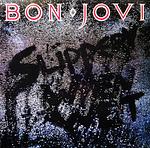
Slippery When Wet, Bon Jovi's 1986 album, blends hard rock guitar and glam metal sheen with pop-accessible songwriting and arena-ready choruses. The record features polished production, punchy riffs, soaring vocal melodies and singalong hooks, with Richie Sambora's guitar work and talk box textures complementing Jon Bon Jovi's anthemic delivery. Its mix of uptempo rockers and melodic ballads helped define a commercial pop metal sound aimed at stadium audiences.
#56 — Burn My Eyes by Machine Head
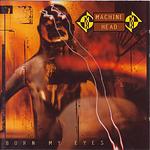
Burn My Eyes is Machine Head's 1994 debut that blends thrash aggression with groove oriented riffing, helping define a heavier, more rhythmic strand of 1990s metal. The sound is built on chunky, downtuned guitars, tight, percussive riffing and Robb Flynn's snarling, occasionally melodic vocals, with intense, confrontational songwriting exemplified by the opening track Davidian. Its raw, heavy approach and balance of speed and groove established the band's early identity and resonated with many metal listeners of the era.
#57 — Sixteen Stone by Bush
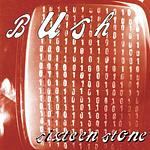
Sixteen Stone is Bush's 1994 debut studio album, rooted in grunge and post-grunge with heavy, riff-driven guitars and melodic, radio-oriented choruses. Gavin Rossdale's rough-edged vocals sit over layered guitar textures and quiet-to-loud dynamics, producing a sound that references Seattle grunge while favoring cleaner production and accessible hooks. The album played a notable role in shaping a British take on the 1990s post-grunge alternative rock sound.
#58 — Temple of the Dog by Temple of the Dog
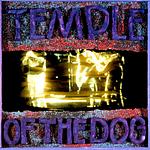
Temple of the Dog is a 1991 album by the Seattle supergroup Temple of the Dog, formed as a tribute to the late Mother Love Bone singer Andrew Wood. It blends grunge, hard rock and alternative rock with Chris Cornell's soulful, powerful vocals and a mix of acoustic ballads and heavier guitar-driven tracks, and includes a notable duet with Eddie Vedder on the song "Hunger Strike." The record is significant for its straightforward, earnest performances and for bringing together members of the Soundgarden and Pearl Jam circles in an early collaboration.
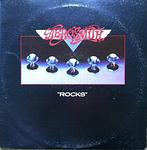
Rocks is a raw, hard-hitting Aerosmith album that leans into blues-rooted hard rock with arena-ready hooks and gritty, aggressive riffs. Steven Tyler's vocal theatrics and Joe Perry's muscular guitar work drive tight, riff-driven songs with a live, unvarnished production that emphasizes power and attitude. The record helped define the band's harder edge and includes standout tracks such as "Back in the Saddle" and "Last Child", which highlight its blend of blues influence and heavier rock textures.
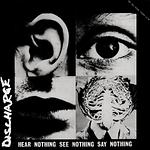
Hear Nothing See Nothing Say Nothing is Discharge's 1982 full-length that crystallizes the band's abrasive, stripped-down take on hardcore punk and D-beat. The album features short, urgent songs driven by a relentless drum pattern, heavily distorted guitars and shouted, confrontational vocals, with stark, politically charged and anti-war lyrical themes. Its raw production and uncompromising intensity helped define a harsher strand of punk and had a clear influence on later crust punk and extreme metal scenes.
#61 — Floodland by The Sisters of Mercy
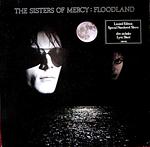
Floodland (1987) finds The Sisters of Mercy shifting toward a more synth-driven, atmospheric take on gothic rock, blending dark wave and dance-rock elements with prominent sequencers and the drum machine Doktor Avalanche. Andrew Eldritch's deep baritone is set against dense keyboards, echoing guitars and choir-like vocal overdubs on songs such as "This Corrosion", "Dominion/Mother Russia" and "Lucretia My Reflection". The album emphasizes spacious, cinematic arrangements and a brooding, nocturnal mood that helped define a strand of late 1980s dark alternative music.
#62 — The Holy Bible by Manic Street Preachers
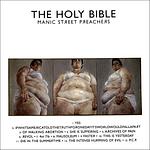
The Holy Bible, released in 1994, is a stark, confrontational album that blends alternative rock, post-punk and punk energy with hard rock intensity. The sound is angular and claustrophobic, featuring abrasive guitars, tense rhythms and a clinical production that foregrounds Richey Edwards and Nicky Wire's bleak, literate lyrics about politics, consumer culture, mental illness and historical violence. It is notable for its uncompromising tone and for being the last Manic Street Preachers album to include lyricist and rhythm guitarist Richey Edwards before his disappearance in 1995.
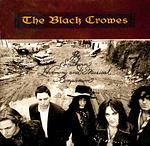
The Southern Harmony and Musical Companion, the Black Crowes' 1992 second studio album, expands their blues-tinged southern rock with harder rock and alternative influences. Featuring richer arrangements that incorporate twin guitars and added keyboards, the band delivers gritty, soul-inflected vocals, extended grooves and rootsy, jam-friendly passages. The record blends blues rock, gospel-tinged rhythms and classic rock guitar interplay to broaden the band's sound beyond their debut and cement their place in early 1990s rock.
#64 — Gothic by Paradise Lost
Gothic, Paradise Lost's 1991 album, blends death metal weight and doom metal pacing with overt gothic atmospherics. It pairs low, guttural vocals and heavy, down-tempo riffs with melodic guitar lines, keyboards and occasional female backing vocals to create a bleak, melancholic soundscape. The record is an early example of death-doom moving toward what became known as gothic metal, notable for its emphasis on atmosphere and mood.
#65 — Pyromania by Def Leppard
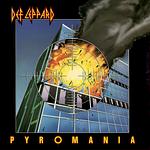
Pyromania, released in 1983 as Def Leppard's third studio album, presents a polished blend of hard rock, heavy metal and AOR under producer Robert John "Mutt" Lange. The record is built around tight guitar riffs, multilayered vocal harmonies and highly produced arrangements that emphasize melodic, radio-friendly choruses on songs such as "Photograph", "Rock of Ages" and "Foolin'". Its crisp, punchy production and stacked guitars are notable characteristics that helped define the band's commercial sound in the 1980s.
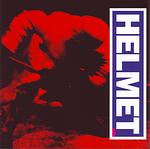
Meantime, Helmet's 1992 album, pairs compact, staccato guitar riffs and precise rhythmic interplay with restrained, half-spoken vocals to marry hardcore intensity and metallic weight within an alternative rock context. The songs emphasize tight, syncopated patterns, dropped tunings, and a stripped-back production that foregrounds rhythm and attack over soloing, giving the record a punchy, mechanical feel. Tracks such as "Unsung" illustrate the band's focus on groove, tension, and economy of sound, and the album is often cited for influencing later alternative metal and post-hardcore approaches.
#67 — Rock for Light by Bad Brains
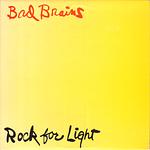
Rock for Light (1983) captures Bad Brains' intense blend of lightning-fast hardcore punk and reggae-inflected rhythms, pairing rapid, precise musicianship with abrupt tempo shifts and dub-leaning breaks. H.R.'s raw, high-register vocals ride over Dr. Know's sharp, technical guitar work and a rhythm section that alternates between breakneck punk and pocketed reggae grooves. The album's lean, urgent production and contrast between aggression and groove helped define the band's signature sound and influenced the crossover of punk and reggae in American hardcore.
#68 — Paranoid & Sunburnt by Skunk Anansie
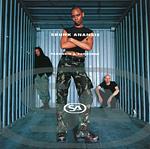
Paranoid & Sunburnt is the debut studio album by Skunk Anansie, released in 1995. It blends alternative rock with hard rock, punk and soul influences, driven by heavy guitar riffs, tight rhythms and the distinctive, powerful vocals of Skin. The lyrics are often confrontational and political, and tracks such as "Selling Jesus", "I Can Dream" and "Charity" showcase the album's raw energy and abrasive production that helped establish the band within the 1990s UK rock scene.
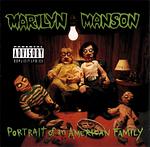
Portrait of an American Family is Marilyn Manson's 1994 debut studio album. Musically it blends alternative metal and industrial metal textures with elements of alternative rock and glam-tinged heavy rock, pairing distorted guitar riffs, samples and programmed beats with Marilyn Manson's theatrical, often snarling vocals. The record relies on shock rock imagery and satirical takes on American culture and religion, producing a confrontational and transgressive tone, and it established the dark, abrasive aesthetic the band would develop on subsequent releases.
#70 — Operation: Mindcrime by Queensrÿche
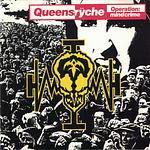
Operation: Mindcrime (1988) is a concept album by Queensrÿche that blends progressive metal, heavy metal, and hard rock into a cinematic, narrative-driven work. It follows a disillusioned protagonist drawn into political conspiracy and manipulation, and uses melodic vocals, dramatic spoken-word passages, layered arrangements, and dynamic shifts between aggressive and atmospheric sections to support the story. The record is notable for Geoff Tate's theatrical delivery and its emphasis on storytelling and complex song structures within a metal framework.
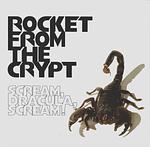
Scream, Dracula, Scream! (1995) captures Rocket From the Crypt's blend of punk energy and classic rock and roll, pairing short, propulsive songs with a prominent horn section and raucous, melodic vocals. The record emphasizes tight rhythms, crunchy guitars, and singalong choruses, mixing garage rock rawness with indie and punk sensibilities to create a theatrical, high-energy sound that stands out in the band's catalog.
#73 — Copper Blue by Sugar
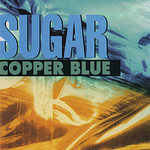
Copper Blue is Sugar's 1992 debut led by Bob Mould after his time with Hüsker Dü. The album fuses alternative rock and power-pop with loud, layered guitars, crisp production, and strong, hook-driven songwriting; abrasive textures sit alongside melodic choruses. Tracks such as "If I Can't Change Your Mind" and "Helpless" exemplify the record's combination of urgency and tunefulness, and it is commonly noted as a key statement in Mould's post-Hüsker Dü work.
#74 — Adrenaline by Deftones
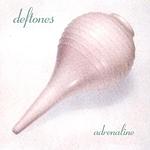
Adrenaline is Deftones' 1995 debut album, presenting a raw, heavy blend of alternative metal and early nu metal with post-hardcore and post-grunge textures. The record pairs downtuned, riff-driven guitars and punchy, propulsive rhythms with Chino Moreno's dynamic vocals that move from hushed melody to urgent screams, creating stark contrasts between aggression and atmosphere. Produced with a direct, live-oriented sound, the album introduced the band's trademark interplay of heaviness and moodiness and marked their entry into the mid-90s heavy rock scene.
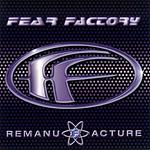
Remanufacture (Cloning Technology) is a 1997 remix album that reworks material from Fear Factory into electronic and industrial textures, blending elements of drum and bass, ambient, big beat, and techno with the band’s heavy guitar riffs and machine-like rhythms. The tracks emphasize programmed beats, dense synth layers, and heavy processing of guitars and vocals, offering a colder, more dancefloor-oriented interpretation of Fear Factory’s mechanized metal sound and illustrating the band’s crossover between rock and electronic production.
#76 — Apple by Mother Love Bone
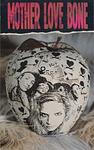
Apple is the debut and only full-length album by Mother Love Bone, released after the death of frontman Andrew Wood. The record blends glam-tinged hard rock, classic rock melodicism, and the raw textures of the emerging Seattle grunge scene, driven by Wood's flamboyant, soulful vocals, big choruses, and shimmering yet muscular guitar work. Its combination of theatrical lyricism and anthemic arrangements marks it as an important precursor to early 1990s alternative rock.
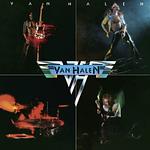
Van Halen's 1978 self-titled debut introduced the band's high-energy hard rock and arena-ready sound, anchored by Eddie Van Halen's inventive guitar work and David Lee Roth's flamboyant vocals. The record blends punchy riffs, pop-influenced hooks and a tight rhythm section, and includes the instrumental "Eruption" that showcased two-handed tapping alongside a cover of the Kinks' "You Really Got Me." Its raw production and emphasis on guitar virtuosity made it a touchstone for late 1970s hard rock and many guitar-centric rock acts that followed.
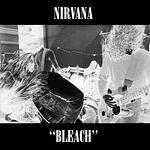
Bleach is Nirvana's 1989 debut album, recorded with producer Jack Endino at Reciprocal Recording in Seattle and released on Sub Pop. The record has a raw, heavy sound defined by thick, distorted guitars, strong bass presence, and gritty low fidelity production that draws on punk, sludge metal, and noise rock while helping define the early grunge and alternative rock aesthetic. Kurt Cobain's songs alternate between abrasive, riff-driven tracks and more melodic moments, presenting the band in a blunt, uncompromising early form.
#79 — No Sleep 'Til Hammersmith by Motörhead
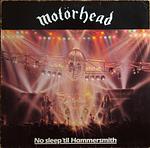
No Sleep 'Til Hammersmith is Motörhead's 1981 live album that captures the trio's aggressive, high-energy fusion of hard rock, heavy metal, and punk-influenced tempos. The record highlights Lemmy's gravelly vocals and prominent bass, fast and gritty guitar work from Eddie Clarke, and driving drums, presenting raw, no-frills performances of staples like 'Ace of Spades' and 'Overkill'. Its live, unpolished sound emphasizes speed and concert intensity over studio refinement, offering a direct document of the band's onstage power in that period.
#80 — Superunknown by Soundgarden
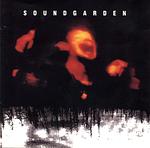
Superunknown (1994) is Soundgarden's fourth studio album that blends heavy alternative metal and grunge with melodic and psychedelic elements. The record is built around down-tuned, dense guitar riffs, varied time signatures and arrangements, and Chris Cornell's wide vocal range, shifting between raw intensity and melodic delivery. Its songs move from hard, riff-driven rock to more atmospheric and introspective pieces, reflecting a broadening of the band's sonic palette and experimentation.
#81 — In on the Kill Taker by Fugazi
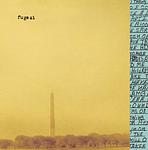
In on the Kill Taker, released in 1993, is a terse, muscular post-hardcore album by Fugazi that emphasizes tighter, more urgent songwriting and abrasive, rhythm-driven arrangements. The record blends punk immediacy with inventive dynamics and jagged guitar interplay, with propulsive bass, syncopated drums, and gritty vocals alternating between shouted and melodic delivery. Its concise, often aggressive songs foreground texture and tension while maintaining the band's DIY ethos, and the album is regarded as an important statement in Fugazi's catalog and the broader 1990s post-hardcore landscape.
#82 — Superfuzz Bigmuff by Mudhoney
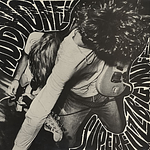
Superfuzz Bigmuff, released by Mudhoney in 1988, is a raw, fuzz-drenched collection that helped define the early Seattle grunge sound. Built around thick, distorted guitar tones evoking the Big Muff and Super-Fuzz pedals, the record pairs sludgy riffs and noisy feedback with sneering, garage-punk vocals and darkly playful lyrics. Its lo-fi production and abrasive energy contrast with more polished alternative rock of the time and made it a touchstone for the emerging grunge movement.
#83 — Kill 'Em All by Metallica
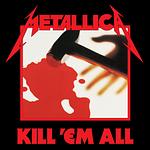
Kill ’Em All, Metallica's 1983 debut, is a raw and aggressive record that crystallized the early thrash metal sound. It combines breakneck tempos, palm-muted downpicked riffs, and sparse production that emphasizes intensity over polish, shifting between speed-metal assaults and heavy metal grooves. The album's direct, riff-driven approach helped establish the band's early identity and influenced the emerging extreme metal scene.
#84 — Licensed to Ill by Beastie Boys
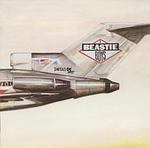
Licensed to Ill is the 1986 debut studio album by the Beastie Boys that fuses East Coast hip hop and rap rock. Produced by Rick Rubin, it pairs hard-hitting sampled beats and prominent rock guitar hooks with brash, party-oriented rhymes delivered by the trio. The record emphasizes dense sample collages, stripped-down drum patterns, and a punk-inflected, irreverent attitude, and is often noted for expanding the sonic possibilities of late 1980s hip hop by bringing rock textures into a rap framework.
#85 — Bloody Kisses by Type O Negative
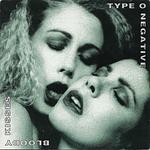
Bloody Kisses, released in 1993 by Type O Negative, blends gothic rock atmosphere with slow, heavy metal and doom-influenced riffs, anchored by Peter Steele's deep baritone, somber keyboards, and long, brooding song structures. The album juxtaposes crushing, weighty passages with quieter, melancholic interludes and features darkly romantic and sardonic lyrical themes. Tracks such as "Black No.1 (Little Miss Scare-All)" and "Christian Woman" are among the band's best-known songs and exemplify the record's gothic metal and alternative metal sensibilities.
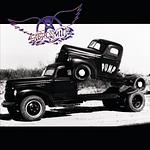
Pump, released in 1989, captures Aerosmith’s late 1980s resurgence with a mix of hard rock rooted in blues and shaped by pop rock hooks and slick production. Produced by Bruce Fairbairn, the album pairs punchy, riff-driven tracks and arena-ready arrangements with occasional horn and string accents, and balances raw bluesy moments against radio-friendly songwriting; notable songs include "Love in an Elevator," "Janie's Got a Gun," and "The Other Side." Steven Tyler’s raspy vocals and Joe Perry’s guitar work remain central, giving the record a blend of classic rock grit and contemporary late 80s sheen.
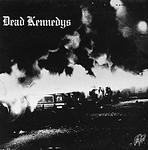
Fresh Fruit for Rotting Vegetables is the 1980 debut album by Dead Kennedys, rooted in fast, abrasive punk and early hardcore while incorporating surf-influenced guitar work and occasional melodic hooks. The record pairs brisk, tightly arranged songs with Jello Biafra's satirical, politically charged lyrics and dark humor, exemplified by tracks such as "Holiday in Cambodia" and "California Über Alles". Its sound and tone were influential in shaping the West Coast punk and hardcore scene.
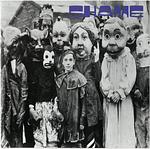
Shame, Brad's 1993 debut, blends alternative rock and grunge-adjacent guitar textures with soulful, R&B-tinged vocals from frontman Shawn Smith. The album pairs muscular, riff-driven tracks with quieter, melodic songs and pop rock sensibilities, reflecting the band's Seattle roots and Stone Gossard's involvement. It introduced Brad as a side project focused on mood and vocal expression, balancing heaviness and melody.
#89 — Blind by Corrosion of Conformity
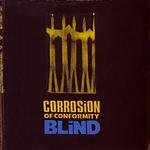
Blind (1991) represents Corrosion of Conformity's shift from their earlier hardcore roots toward a heavier, groove-oriented metal sound. The album emphasizes chunky, down-tuned guitar riffs, midtempo grooves and more extended song structures that blend punk intensity with sludge and southern-tinged hard rock textures. It helped steer the band's musical direction through the 1990s and is notable for a thicker, more riff-driven approach compared with their previous work.
#90 — Scum by Napalm Death
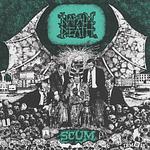
Scum, released in 1987 by Napalm Death, is a foundational grindcore album marked by extremely short, abrasive songs, relentless blast-beat drumming, and guttural and shouted vocals. The album's raw, lo-fi production and punk-influenced aggression prioritize speed and intensity over conventional song structures, and its brief, concentrated tracks deliver a compact, confrontational sound. Scum was recorded in two separate sessions with different lineups, which contributes to the record's contrasting textures, and it is widely regarded as an early touchstone for grindcore and extreme metal.
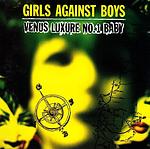
Venus Luxure No. 1 Baby, released in 1993 by Girls Against Boys, pairs post-hardcore intensity with propulsive, groove-oriented rhythms. The band’s sound on the album is built around low-register vocals, interlocking guitars, and a prominent twin-bass low end that gives songs a dense, driving pulse; noisy, angular textures and steady, danceable beats bridge punk aggression and indie-rock moodiness. The record is often regarded as a defining early statement for the group, capturing both abrasive and accessible elements in a compact, rhythm-forward form.
#92 — Wolverine Blues by Entombed
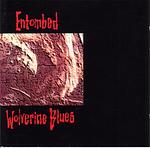
Wolverine Blues, released in 1993 by Swedish band Entombed, marks a shift from their earlier, more traditional death metal toward a heavier, groove-oriented sound often labeled death n roll. The album pairs guttural vocals and distorted, fuzzy guitars with mid-tempo rock rhythms and riff-driven hooks, emphasizing groove and swagger over sheer speed. Its raw, gritty tone and incorporation of bluesy and punk-tinged rock elements helped establish a looser, more rock-infused approach to extreme metal that many fans and bands note as a turning point for the genre.
#93 — Dopes to Infinity by Monster Magnet
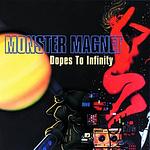
Dopes to Infinity blends heavy, riff-driven hard rock with space rock psychedelia and alternative metal edges, featuring fuzzed guitar tones, dense production, and a mix of sprawling, trippy passages and concise, hook-oriented songs. The album refines Monster Magnet's signature combination of classic heavy rock and stoner/space aesthetics and helped define their mid-1990s sound.
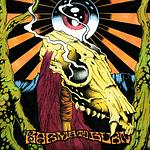
#94 — Karma to Burn by Karma to Burn
#95 — The Colour and the Shape by Foo Fighters
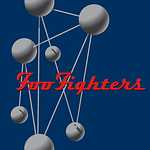
The Colour and the Shape, Foo Fighters' 1997 album, expands the band's sound into punchy, melodic alternative rock that blends grunge-influenced guitar attack with strong pop hooks and dynamic arrangements. Produced by Gil Norton, the record features driving rhythms, layered guitar textures, and an emphasis on concise, anthemic songwriting exemplified by tracks such as "Monkey Wrench", "My Hero", and "Everlong". The album marks the band's move from a one-person project toward a fuller band identity, pairing raw energy with a more polished, radio-friendly rock production.
#96 — Hang Time by Soul Asylum
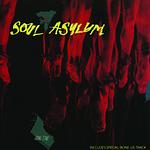
Hang Time, released in 1988, finds Soul Asylum refining their sound from punk and hardcore origins into a tighter, more melodic alternative rock approach. The album blends gritty, guitar-driven arrangements with singable hooks and occasional hard rock punch, while Dave Pirner's raw, emotive vocals and the band's dynamic shifts give the songs a direct, immediate feel. Compared with earlier, looser recordings, Hang Time has a more polished production and clearer pop sensibility, placing the band in the late 1980s alternative rock landscape where underground energy met accessible songwriting.
#97 — Throwing Copper by Live
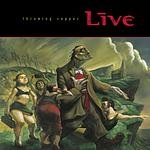
Throwing Copper is the second studio album by Live, released in 1994 and produced by Jerry Harrison. Musically it blends alternative rock, post-grunge, pop rock, and alternative metal elements, built around Ed Kowalczyk's emotive baritone, a driving rhythm section, and a mix of acoustic and electric guitar textures. The album moves between restrained, introspective verses and large, anthemic choruses, with lyrics often touching on spiritual and existential themes; songs such as 'Selling the Drama', 'I Alone', and 'Lightning Crashes' exemplify this approach.
#98 — Tragic Kingdom by No Doubt
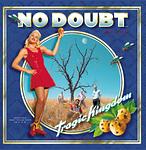
Tragic Kingdom, released in 1995, is No Doubt's third studio album that blends ska and ska punk rhythms with alternative rock, pop rock, and new wave influences. The record pairs upbeat horn and guitar-driven arrangements with candid, melodic songwriting and Gwen Stefani's expressive vocals, touching on themes of heartbreak, personal resilience, and California life. It became the band's mainstream breakthrough and is often noted for bringing ska-influenced pop rock into a wider public awareness.
#99 — Coal Chamber by Coal Chamber
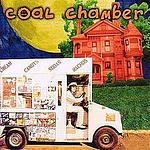
Coal Chamber's 1997 self-titled debut delivers a heavy, groove-oriented take on nu metal, built around downtuned, chugging guitar riffs, tight, punchy rhythms, and industrial-tinged textures, anchored by Dez Fafara's deep, throaty vocal delivery that alternates between aggression and melodic hooks. The songs are concise and rhythm-forward with a dark, gothic atmosphere and abrasive production, placing the band within the late 1990s Los Angeles nu metal scene.
#100 — Through Silver in Blood by Neurosis
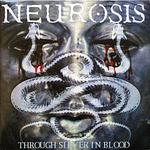
Through Silver in Blood (1996) by Neurosis is a dense, heavy album that melds sludge and doom metal riffing with expansive post-metal atmospherics and dark ambient textures. It emphasizes layered, distorted guitars, pounding, often tribal percussion, and strained vocals across long, immersive compositions that prioritize mood and gradual development over verse-chorus structure. The record is frequently cited as a pivotal point in Neurosis's move toward more experimental, textural approaches within extreme music.