 The Greatest Music
Colin Larkin’s All Time Top 1000 Albums
Weight: 10%
How much this list influences our overall rankings. Higher weight means more reliable data.
Penalties Applied:
A book series created by Encyclopedia of Popular Music editor Colin Larkin (1st ed. 1994; later pocket/2nd ed. 1998; 3rd ed. 2000), presenting a ranked “top 1000” derived from a large, ongoing public poll—ballots gathered in record shops, universities, schools, and at the MIDEM trade show—rather than a critics’ ballot. The project grew across editions, with annotations for each album and shifting results as more votes came in.
#301 — Pablo Honey by Radiohead
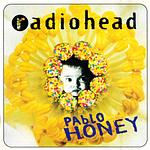
Pablo Honey is Radiohead's 1993 debut album, built around guitar-driven alternative rock with noticeable grunge and Britpop influences and Thom Yorke's plaintive, isolated-sounding vocals. The record has a rawer, more conventional rock sound than the band's later experimental work, with quiet-loud dynamics, straightforward song structures, and occasional atmospheric touches; it includes the song "Creep," which brought the band wide attention. Produced by Sean Slade and Paul Q. Kolderie, the album showcases early traces of Radiohead's melodic and textural ambitions amid heavier riffing and direct arrangements.
#302 — Raw Power by Iggy and The Stooges
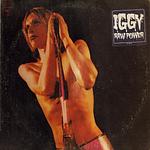
Raw Power, released in 1973 by Iggy and The Stooges, delivers a raw, aggressive blend of garage rock and hard rock that pointed toward punk. James Williamson's distorted, razor-edged guitar work and Iggy Pop's snarling, theatrical vocals drive short, propulsive songs that favor primal energy and lean arrangements. The album's abrasive tone, high volume, and emphasis on attitude over polish are often cited as influential on the emerging punk and later alternative scenes.
#303 — Get a Grip by Aerosmith
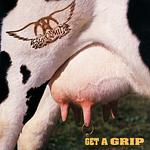
Get a Grip, released in 1993, finds Aerosmith sharpening their hard rock and blues rock foundation into a polished, arena-ready sound that also nods to alternative rock trends of the era. The album mixes riff-driven rockers with radio-oriented ballads, featuring prominent vocal performances, melodic guitar hooks, and layered production that balances grit and gloss. Its songs helped sustain the band's early 1990s commercial resurgence while retaining bluesy roots and classic rock dynamics.
#304 — Use Your Illusion II by Guns N' Roses
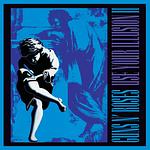
Use Your Illusion II is the second half of Guns N' Roses' 1991 paired releases, expanding the band's late 1980s hard rock sound into a broader arena rock and heavy metal palette. The album balances aggressive, riff-driven tracks with expansive, melodic compositions featuring piano and layered arrangements, and showcases longer song structures and more varied instrumentation than their earlier work. It is notable for its ambitious production and for highlighting the band's move toward more complex songwriting and a larger, more cinematic rock sound.
#305 — Animals by Pink Floyd
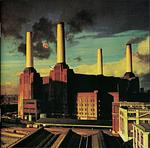
Animals is a 1977 concept album by Pink Floyd that applies a stark, guitar-forward approach to progressive and art rock, blending hard rock riffs, ambient studio textures, and extended instrumental passages. The music is organized around long, structurally adventurous tracks with brief acoustic bookends, while the lyrics, primarily by Roger Waters, deliver a cynical social and political critique loosely inspired by George Orwell's Animal Farm. The production emphasizes aggressive guitar tones, brooding keyboards, and layered sound effects, giving the record a darker, more confrontational edge compared with the band's earlier atmospherics.
#306 — Bryter Layter by Nick Drake
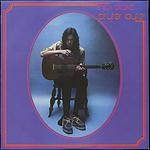
Bryter Layter, Nick Drake's second studio album released in 1971, blends his delicate fingerpicked acoustic guitar and hushed vocals with chamber pop and jazz-tinged arrangements. Robert Kirby's string and brass charts and Joe Boyd's restrained production frame the songs with orchestral touches, creating an intimate, pastoral sound that expands on Drake's earlier work and emphasizes melancholic, introspective songwriting.
#307 — Countdown to Ecstasy by Steely Dan
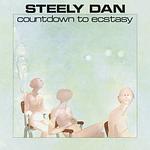
Countdown to Ecstasy, Steely Dan's 1973 album, furthers the band's blend of pop rock and jazz-influenced songwriting with tight arrangements, sophisticated chord changes, and literate, ironic lyrics. The sound pairs rock rhythms and guitar with jazz-pop and jazz-rock touches such as horn accents, piano work, and unexpected harmonic turns, and performances retain a more band-oriented energy than the later, more studio-controlled records. Songs like "Bodhisattva" and "My Old School" showcase the album's funky grooves and melodic complexity, making it an early example of Steely Dan's jazz-inflected pop sensibility.
#308 — Ten Summoner's Tales by Sting
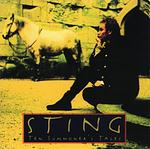
Ten Summoner's Tales is Sting's 1993 solo album that blends soft rock and pop rock with elements of sophistipop and alternative rock. The record pairs concise, melodic songwriting with literate, narrative-leaning lyrics and polished production that places acoustic guitars, melodic bass, and wind instruments near the center of the arrangements. Its sound balances accessible pop hooks with subtle rhythmic and harmonic sophistication, illustrating Sting's move from band frontman toward a more self-contained, song-oriented solo voice.
#309 — White Light/White Heat by The Velvet Underground
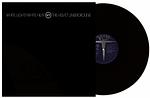
White Light/White Heat, The Velvet Underground's 1968 album, is a deliberately abrasive and experimental record that pushes the band's art rock and proto-punk tendencies into raw noise and improvisation. The production is rough and immediate, with John Cale's electric viola, distorted guitars, and Lou Reed's deadpan vocals combining on short, jagged songs and the sprawling, feedback-heavy centerpiece "Sister Ray". Lyrically the album confronts drug use, sexuality, and urban alienation with stark directness. Its abrasive sound and willingness to embrace distortion and free-form jams have made it an influential touchstone for later punk and noise rock developments.
#310 — Pieces of You by Jewel
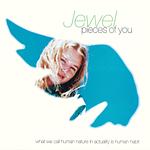
Pieces of You is Jewel's debut album that blends folk and folk rock with pop and alternative rock elements, centered on intimate, acoustic-driven arrangements and confessional, singer-songwriter lyrics that foreground her voice and guitar. The sound emphasizes sparse production and narrative storytelling, presenting a direct, homespun approach that introduced Jewel's understated vocal style and songwriting to a broad audience.
#311 — Throwing Copper by Live
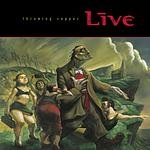
Throwing Copper is the second studio album by Live, released in 1994 and produced by Jerry Harrison. Musically it blends alternative rock, post-grunge, pop rock, and alternative metal elements, built around Ed Kowalczyk's emotive baritone, a driving rhythm section, and a mix of acoustic and electric guitar textures. The album moves between restrained, introspective verses and large, anthemic choruses, with lyrics often touching on spiritual and existential themes; songs such as 'Selling the Drama', 'I Alone', and 'Lightning Crashes' exemplify this approach.
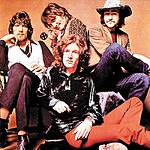
#313 — Tuesday Night Music Club by Sheryl Crow
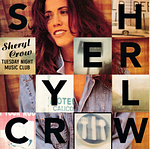
Tuesday Night Music Club is Sheryl Crow's 1993 debut studio album, recorded with a loose collective of musicians who called themselves the Tuesday Night Music Club. The record blends alternative rock, pop rock, country rock and Americana through rootsy, guitar-driven arrangements, warm acoustic textures and accessible, narrative songwriting, featuring tracks such as "All I Wanna Do", "Leaving Las Vegas" and "Strong Enough". The album introduced Crow's mix of singer-songwriter storytelling and rock-pop craft and established the sonic template she would continue to explore.
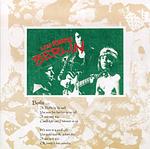
Berlin, Lou Reed's 1973 album produced by Bob Ezrin, is a dark, theatrical concept record that chronicles a troubled couple's descent into addiction, abuse, and despair. Musically it blends rock and art rock with glam and harder-edged moments, using orchestral arrangements, layered vocals, and dramatic dynamics to create a cinematic, unsettling atmosphere that contrasts with the more straightforward rock of his earlier solo work. The album's narrative focus, intense moods, and raw emotional delivery make it a distinctive and provocative work in Reed's catalogue.
#315 — Freak Out! by The Mothers of Invention
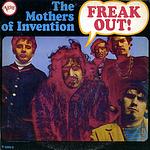
Freak Out! is the 1966 debut studio album by the Mothers of Invention, led by Frank Zappa, that blends psychedelic and experimental rock with doo-wop and avant garde touches. Presented as an early rock double album, it pairs satirical, often surreal lyrics about American culture with unconventional arrangements, sound collage techniques, and extended studio experiments that push beyond standard pop song forms. The record is widely noted for its ambitious scope and for bringing elements of experimental composition and studio manipulation into a rock context.
#316 — MTV Unplugged in New York by Nirvana
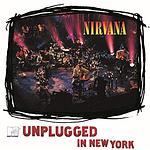
MTV Unplugged in New York is a live acoustic album by Nirvana recorded for the MTV Unplugged series that reframes the band's grunge sound with sparse, intimate arrangements rooted in folk rock and acoustic rock. The performances emphasize hushed dynamics and raw vocal delivery, with the core trio supported by an additional guitarist and a cellist, creating a darker, more melancholic texture than their electric studio work. The set mixes reworked band originals with covers, underscoring Nirvana's ties to alternative and folk influences while highlighting a quieter, more vulnerable side of their music.
#317 — The Yes Album by Yes
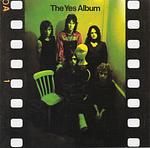
The Yes Album (1971) is Yes's third studio album and the first to feature guitarist Steve Howe. It marks a clear move toward longer, more ambitious progressive rock arrangements that blend intricate guitar work, layered vocal harmonies, organ and Mellotron textures, and shifts between acoustic and electric passages. Tracks such as "Yours Is No Disgrace", "Starship Trooper", and "Ive Seen All Good People" illustrate the interplay of Jon Anderson's vocals, Chris Squire's melodic bass, Bill Bruford's precise drumming, Steve Howe's versatile guitar tones, and Tony Kaye's keyboards, all presented with production that emphasizes dynamic contrasts. The record is widely regarded as an important early example of the classic progressive rock sound and set the band on a more expansive musical course in the 1970s.
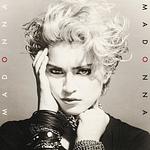
Madonna's 1983 self-titled debut is a tightly focused dance-pop record built around synth-driven arrangements, drum machine grooves and hook-forward songwriting. It mixes pop and synth-pop textures with club-oriented production and occasional rock-tinged guitar elements, showcasing her direct, flexible vocal delivery and emerging persona. The album's concise, upbeat tracks helped introduce her sound to mainstream pop and club audiences and established a template for her early career.
#319 — Radio City by Big Star
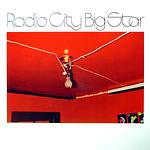
Radio City, released in 1974 by Big Star, is a crisp example of American power pop and pop rock that pairs chiming, guitar-driven arrangements with tight vocal harmonies and concise, melody-focused songwriting. The album moves between bright, hooky pop textures and moments of harder-edged guitar, creating a balance of studio polish and rawer rock energy. It is often noted for its songwriting clarity and its role in shaping later strains of alternative and indie pop.
#320 — Straight Outta Compton by N.W.A
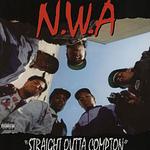
Straight Outta Compton, released in 1988 by N.W.A, is a landmark gangsta rap album that helped define West Coast hip hop. The record pairs hard, drum-machine driven beats and funk-derived sampling with blunt, confrontational lyrics about street life, policing, and urban tension. Production from Dr. Dre and DJ Yella emphasizes heavy bass, tight drum programming, and stark arrangements, while vocal performances from Ice Cube, Eazy-E, MC Ren, and others combine narrative storytelling and abrasive delivery. The album is notable for its raw sonic aesthetic and its role in bringing gangsta rap into wider public attention.
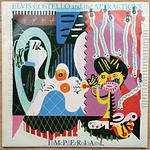
Imperial Bedroom, released in 1982 by Elvis Costello & The Attractions, is a studio album that shifts from the band’s earlier new wave edge toward richly arranged, baroque-influenced pop and rock. Produced by Geoff Emerick, the record features ornate chamber-pop arrangements, inventive studio touches, and complex songcraft, pairing intricate melodies with literate lyrics that examine personal and social themes. The album stands out in Costello’s catalog for its ambitious, texturally dense approach to pop songwriting.
#322 — Talking Book by Stevie Wonder
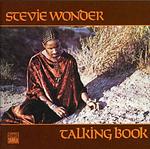
Talking Book, released in 1972, is a key album by Stevie Wonder that blends soul, funk, R&B and pop with a warm, studio-crafted sound. The record features prominent use of keyboards and synthesizers, including clavinet and Moog textures, and showcases Wonder's multi-instrumental performance and self-production. It balances intimate ballads and tight, groove-driven tracks, including well-known songs such as "Superstition" and "You Are the Sunshine of My Life", and represents a shift toward more personal, innovative arrangements in his early 1970s work.
#323 — Bad Company by Bad Company
Bad Company is the 1974 self-titled debut by Bad Company. It blends blues-rooted hard rock and melodic AOR elements, anchored by Paul Rodgers' soulful lead vocals and Mick Ralphs' economical guitar work, with Simon Kirke's steady drumming and Boz Burrell's bass. Songs move between concise riff-driven rockers and more reflective ballads, presented with a lean, spacious production that emphasizes performance and songwriting. The album helped establish the band's signature sound and contains several tracks that became staples of classic rock playlists.
#324 — Grievous Angel by Gram Parsons
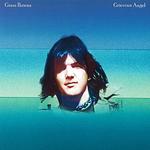
Grievous Angel is Gram Parsons's second solo album, released posthumously in 1974. It melds country, rock, and folk with spare acoustic arrangements, pedal steel and tasteful electric guitar, pairing Parsons's plaintive lead vocals with Emmylou Harris's close harmonies. The songs move between mournful ballads and more upbeat country rock numbers and dwell on themes of love, loss, travel and mortality. The record's blending of traditional country instrumentation with rock songwriting helped define the country rock sound and anticipated later Americana artists.
#325 — Dangerous by Michael Jackson
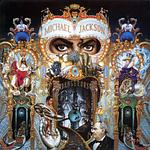
Dangerous, released in 1991, finds Michael Jackson blending pop, new jack swing, contemporary R and B, rock, and dance-pop. The album uses punchy, groove-driven production and layered vocal arrangements typical of new jack swing alongside Jackson's pop songwriting, mixing uptempo dance tracks with more introspective, socially aware songs and occasional rock-inflected guitar. Collaborations with contemporary producers and a greater emphasis on percussive rhythms and urban textures give the record a darker, more modern sound compared with some of his earlier work.
#326 — The Who Sell Out by The Who
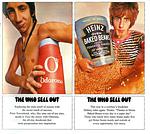
The Who Sell Out is a 1967 concept album by The Who that mimics a pirate radio broadcast, weaving short faux commercials and jingles into a sequence of songs that blend mod energy, pop rock hooks, psychedelic pop color, and art pop experimentation. Pete Townshend's songwriting and production provide a through line, with bold arrangements and studio touches supporting melodic tunes and moments of raw rock intensity, while Roger Daltrey's vocals and Keith Moon's dynamic drumming help anchor the performances. The record is often noted for its playful satire of consumer culture and its inventive use of pop forms within a unified, tongue in cheek concept.
#327 — Grace and Danger by John Martyn
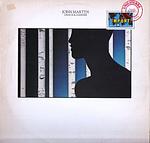
Grace and Danger (1980) is an intimate, often melancholic album by John Martyn that blends his British folk rock roots with jazz-pop and reggae-inflected rhythms. The record foregrounds warm electric guitar textures, restrained but driving percussion and Martyn's expressive, weathered vocals, with lyrics that frequently address the breakdown of a relationship, giving the songs a candid, confessional tone. Compared with his earlier, more acoustic work, the production is relatively polished and atmospheric, bringing a late 1970s to early 1980s pop-jazz sensibility to his singer-songwriter approach.
#328 — Tunnel of Love by Bruce Springsteen
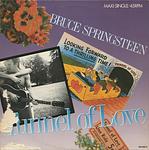
Tunnel of Love, released in 1987, finds Bruce Springsteen moving toward a more intimate, introspective sound that foregrounds adult themes of love, doubt, and marital strain. Musically it combines pop rock and rock with synth textures, drum machine elements, and restrained arrangements that create a moodier, more personal atmosphere than some of his earlier arena-oriented records. The songwriting is confessional and narrative, often centered on small moments and conflicted characters, with standout tracks like "Brilliant Disguise", "Tunnel of Love", and "One Step Up" illustrating the album's focus on relationship dynamics and emotional realism.
#329 — Face Value by Phil Collins
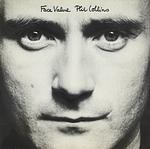
Face Value is Phil Collins' 1981 debut solo album that blends pop rock and soft rock with soul and R&B influences, built around spare, atmospheric production and personal lyrics drawn from his divorce. The record is best known for the moody song 'In the Air Tonight', which features Collins' signature gated drum sound and a slow, tension-filled arrangement; elsewhere the album moves between melodic ballads and horn-tinged pop, establishing the emotional and stylistic template for his solo work.
#330 — Rattle and Hum by U2
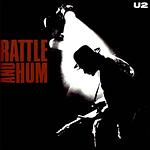
Rattle and Hum (1988) is a hybrid studio and live album made alongside U2's documentary film, combining concert recordings from the Joshua Tree tour with newly recorded material. The band leans into American roots sounds, incorporating blues, gospel, and soul influences alongside their arena rock and alternative sensibilities, resulting in both expansive anthems and more stripped, blues-inflected performances. The record captures a period of experimentation and outward-looking collaboration as U2 engaged directly with American musical traditions while expanding their sonic palette.
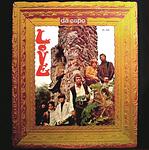
Da Capo, Love's 1966 album led by Arthur Lee, extends the group's folk-rock base into baroque pop and early psychedelia by pairing concise, melody-driven songs and chamber-pop arrangements with moments of distortion, organ and studio experimentation. The record balances delicate string and vocal textures against more adventurous, improvisatory passages, producing a varied sound that illustrates Love's distinctive approach to West Coast rock in the mid 1960s.
#332 — Twelve Dreams of Dr. Sardonicus by Spirit
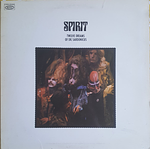
Twelve Dreams of Dr. Sardonicus, released in 1970 by Spirit, blends psychedelic rock, art rock, blues and folk influences into a moody, atmospheric album. It pairs layered vocal harmonies, organ and horn colors, and acoustic and electric guitar interplay with introspective lyrics and ambitious arrangements, and includes the track 'Nature's Way'. The result is one of the band's most distinctive recordings, notable for its textural variety and compositional focus.
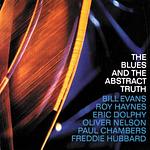
The Blues and the Abstract Truth is a 1961 jazz album by Oliver Nelson that blends hard bop rhythmic drive with post-bop harmonic sophistication and a strong blues feeling. Nelson's arrangements emphasize clear, contrapuntal horn voicings and modal-tinged harmonies, creating spacious, melodic settings in which themes like "Stolen Moments" unfold with memorable, singable lines and room for improvisation. The record is notable for its elegant, compositionally driven approach that connects blues-based forms with a more modern jazz vocabulary.
#334 — Magical Mystery Tour by The Beatles
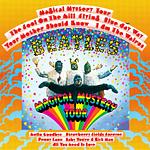
Magical Mystery Tour is a 1967 Beatles release originally tied to their television film, combining bright, concise pop songs with more experimental, studio-based psychedelia. The record moves between catchy, orchestrated melodies and trippy production techniques such as tape effects, layered vocals, and orchestral color, yielding a mix of whimsical, singalong moments and surreal, collage-like passages. As a soundtrack-minded project, it showcases the band deepening their late 1960s studio experimentation and playful approach to songcraft.
#335 — Lazer Guided Melodies by Spiritualized
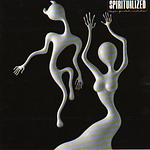
Lazer Guided Melodies, Spiritualized's 1992 debut, expands on the space rock and dream pop textures associated with Spacemen 3 into slow, immersive arrangements. The record layers sustained guitar drones, washed-out production, and restrained vocals with orchestral touches and gospel-tinged harmonies to create a cinematic, hypnotic atmosphere that emphasizes repetition and mood over conventional song structures.
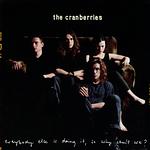
Everybody Else Is Doing It, So Why Can’t We? is the Cranberries' 1993 debut album that blends jangly acoustic and chiming electric guitars with plaintive, Irish-inflected vocals and pop-minded melodies. The record showcases Dolores O'Riordan's distinctive voice and songwriting across tracks that mix alternative rock and dream pop textures, with reverb-laden guitars, spare rhythmic backing, and a balance of introspective ballads and more upbeat pop rock tunes. Produced by Stephen Street, the album marked the band's emergence on the early 1990s alternative scene.
#337 — Ogdens' Nut Gone Flake by Small Faces
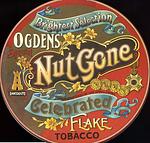
Ogdens' Nut Gone Flake is a 1968 Small Faces album that mixes psychedelic rock and pop with the group's mod R and B roots, combining tight vocal harmonies, piano and organ textures, acoustic guitars and playful studio effects. The record is notable for its whimsical, British music hall and vaudeville touches and for a side-long story sequence commonly called Happiness Stan, featuring spoken contributions from comedian Stanley Unwin. Its distinctive circular packaging echoed a tobacco tin and the album showcases the band experimenting with concise pop songs alongside more adventurous, cinematic arrangements.
#338 — Bookends by Simon & Garfunkel
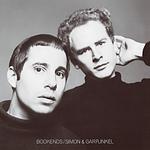
Bookends (1968) by Simon & Garfunkel blends acoustic folk foundations with pop and rock elements, centered on Paul Simon's songwriting and Art Garfunkel's high vocal harmonies. The album pairs short, vignette-style songs with fuller, orchestrated arrangements and includes a recurring Bookends theme that frames reflections on youth, memory, and aging. Production balances spare guitar and piano textures with subtle studio touches and occasional orchestral color, creating a mix of intimate folk moments and more polished pop-oriented tracks that helped define the duo's mature sound.
#339 — Blue Trane by John Coltrane
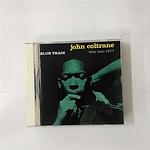
Blue Train is a landmark hard bop album by John Coltrane, recorded in 1957 for Blue Note. It features a tight sextet with Lee Morgan, Curtis Fuller, Kenny Drew, Paul Chambers and Philly Joe Jones, and showcases Coltrane's developing tenor voice on originals such as "Blue Train" and "Moment's Notice". The music blends blues-based themes with extended improvisation and driving rhythms, and the album is frequently cited as a key step in Coltrane's move toward more exploratory post-bop directions.
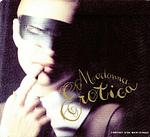
Erotica is Madonna's 1992 studio album that blends dance-pop and electronic production with downtempo and club-oriented tracks. The record pairs punchy club beats and synth textures with moodier slower songs, exploring themes of desire, intimacy, and identity in a more explicit and confrontational way than much mainstream pop at the time. Its production emphasizes programmed rhythms, layered samples, and atmospheric arrangements that support spoken-word passages alongside sung hooks, giving the album a nocturnal, provocative feel. The album is often noted for its frank lyrical content and for shaping Madonna's public persona in the early 1990s.
#341 — Faith by George Michael
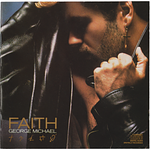
Faith is George Michael's 1987 solo debut, blending pop, dance-pop, dance-rock and pop rock with soul and R&B influences. The album pairs tight, groove-oriented production and layered synths with prominent guitar work and polished vocal arrangements, moving between upbeat dance tracks and more intimate ballads. Lyrically it covers love, desire, identity and the pressures of fame, and it represents a stylistic shift from his work with Wham! toward a more mature singer-songwriter and producer persona.
#342 — Tea for the Tillerman by Cat Stevens
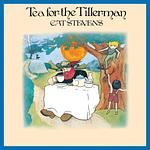
Tea for the Tillerman, released in 1970, is Cat Stevens's fourth studio album and a key example of early 1970s singer-songwriter folk rock. The album features spare, acoustic-based arrangements, gentle piano touches and understated production that put Stevens's warm voice and introspective, often socially conscious lyrics at the forefront. Songs such as "Wild World", "Father and Son" and "Where Do the Children Play?" blend folk, pop and rock elements with simple, memorable melodies, helping to define Stevens's intimate, reflective style.
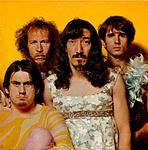
We’re Only in It for the Money (1968) by The Mothers of Invention is a satirical concept album led by Frank Zappa that critiques 1960s counterculture and pop music by using parody, sharp lyrics and collage techniques. Musically it blends rock foundations with orchestral touches, doo-wop pastiche, tape collage, musique concrète and studio-manipulated electronic effects, producing abrupt shifts, dissonant arrangements and a deliberately confrontational, experimental sound.
#344 — Life After Death by The Notorious B.I.G.
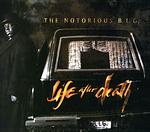
Life After Death is the second and final studio album by The Notorious B.I.G., released in 1997 shortly after his death. The double album blends East Coast hip hop and gangsta rap with pop-leaning hooks, pairing cinematic, sample-driven production and orchestral touches with vivid street narratives and braggadocio. It alternates gritty, hard-edged tracks and radio-friendly singles, emphasizes dense storytelling and mafioso-themed lyrics, and includes notable guest appearances that broaden its sonic palette, marking it as a defining work of 1990s New York rap.
#345 — Hats by The Blue Nile
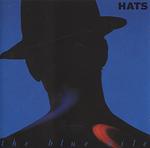
Hats is the Blue Nile's 1989 album that applies a restrained, atmospheric approach to sophisti-pop. It pairs sparse electronic textures and subtle drum programming with warm synth pads and uncluttered arrangements to foreground Paul Buchanan's intimate, husky vocals and reflective lyrics. The production favors space and mood, creating a cinematic, late-night ambience that helped define the band's signature sound and influenced later musicians drawn to melancholic, sophisticated pop.
#346 — Out of the Blue by Electric Light Orchestra
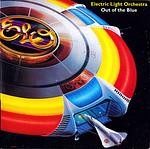
Out of the Blue is a 1977 double album by Electric Light Orchestra that blends rock and pop songwriting with orchestral arrangements and dense studio production. The record pairs concise, radio-friendly songs with longer, suite-like compositions such as the multi-part "Concerto for a Rainy Day," and features layered strings, prominent synthesizer textures and vocal harmonies. It highlights the band's approach of fusing classical instrumentation and studio experimentation with melodic pop hooks to create a big, cinematic sound.
#347 — Slippery When Wet by Bon Jovi
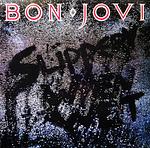
Slippery When Wet, Bon Jovi's 1986 album, blends hard rock guitar and glam metal sheen with pop-accessible songwriting and arena-ready choruses. The record features polished production, punchy riffs, soaring vocal melodies and singalong hooks, with Richie Sambora's guitar work and talk box textures complementing Jon Bon Jovi's anthemic delivery. Its mix of uptempo rockers and melodic ballads helped define a commercial pop metal sound aimed at stadium audiences.
#348 — Paranoid by Black Sabbath
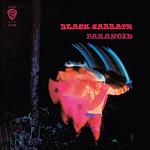
Paranoid, released in 1970 by Black Sabbath, is a compact, riff-driven album that blends blues rock foundations with darker, slower textures that helped shape heavy metal and doom metal. Tony Iommi's distorted, downtuned guitar work, Geezer Butler's driving bass, Bill Ward's dynamic drumming, and Ozzy Osbourne's distinct vocal delivery power concise tracks like "Paranoid", "War Pigs", and "Iron Man", emphasizing heavy tones, memorable riffs, and ominous lyrical themes.
#349 — Birth of the Cool by Miles Davis
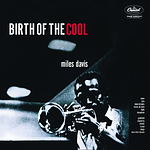
Birth of the Cool is a 1957 compilation of Miles Davis sessions from 1949 to 1950 that helped define a cooler, more arranged alternative to bebop. Using a nine-piece ensemble with instruments like French horn and tuba and arrangements by Gil Evans, Gerry Mulligan, and John Lewis, the music emphasizes warm tone colors, contrapuntal ensemble writing, relaxed tempos, and lyrical, muted trumpet lines. The album is regarded as an important early document of cool jazz and an influential move toward a chamber-influenced, arrangement-driven approach in modern jazz.
#350 — Music for the Masses by Depeche Mode
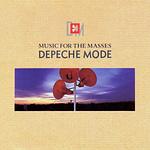
Music for the Masses (1987) presents Depeche Mode in a darker, more expansive synth-based mode, blending electronic and synth-pop textures with rock-tinged rhythms and occasional guitar color. The record features dense, atmospheric synth layers, pulsing sequenced basslines, and emotionally charged vocals, moving between propulsive, anthemic tracks and quieter, more intimate or instrumental moments. Its production and arrangements broadened the band's sonic palette and helped establish several songs as enduring elements of their live repertoire.
#351 — The Number of the Beast by Iron Maiden
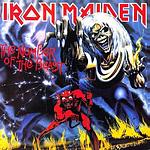
The Number of the Beast (1982) is Iron Maiden's third studio album and the first to feature vocalist Bruce Dickinson. Musically it blends the twin-guitar harmonies and riff-driven energy of the New Wave of British Heavy Metal with more expansive song structures, theatrical melodies, prominent galloping rhythms, and Dickinson's wide vocal range. The record includes well-known tracks such as "Run to the Hills" and "The Number of the Beast" and marked a move toward more epic, narrative songwriting that helped shape the band's sound within heavy metal.
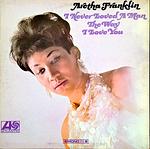
I Never Loved a Man the Way I Love You is Aretha Franklin's 1967 Atlantic breakthrough that crystallized her gospel-rooted, deeply soulful sound. Produced by Jerry Wexler and shaped by sessions at Muscle Shoals and in New York, the album blends Southern soul grooves, church-influenced vocals, and punchy horn and piano arrangements to create a raw, emotionally direct record. It includes the title track and her interpretation of Otis Redding's "Respect", and helped establish the vocal style and repertoire she became known for.
#353 — Sailor by Steve Miller Band
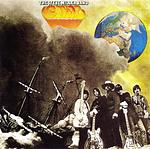
Sailor, the Steve Miller Band album from 1968, continues the group's early blend of blues-rooted rock and late 1960s psychedelia, pairing raw electric guitar and rhythmic blues foundations with melodic, pop-leaning songcraft and atmospheric production. The record captures the band exploring both loose, jam-influenced passages and tighter, hook-driven songs, illustrating the transitional sound that preceded their later move toward more polished pop-rock arrangements.
#354 — Come On Over by Shania Twain
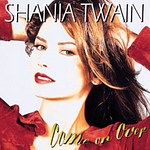
Come On Over is a 1997 album by Shania Twain that blends country, pop, and pop rock with production by Robert John "Mutt" Lange. The sound pairs country instruments such as steel guitar and fiddle with polished, hook-driven pop-rock arrangements, spanning upbeat, danceable tracks and slower ballads with lyrics about relationships and personal confidence. The album is notable for its crossover approach within contemporary country music.
#355 — Eliminator by ZZ Top

Eliminator, released in 1983 by ZZ Top, blends the band's Texas blues-rock roots with a sleeker, more synth- and groove-oriented production. The album pairs Billy Gibbons's gritty guitar riffs and vocals with tighter, more polished rhythms and synthesizer textures, producing radio-friendly, arena-ready songs such as "Gimme All Your Lovin'", "Sharp Dressed Man", and "Legs". Its streamlined sound and stylized music videos helped bring ZZ Top's aesthetic to a wider rock audience while retaining a strong blues foundation.
#356 — Live at Leeds by The Who
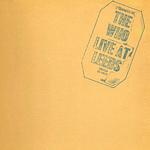
Recorded at Leeds University in 1970, Live at Leeds captures The Who in a loud, raw live set that emphasizes hard rock and blues-rock intensity alongside the band's classic rock songwriting. The album features extended, high-energy performances, muscular guitar work from Pete Townshend, forceful vocals from Roger Daltrey, dynamic bass from John Entwistle, and frenetic drumming by Keith Moon, with a stripped-down, immediate sound that influenced subsequent live rock recordings.
#357 — The Köln Concert by Keith Jarrett
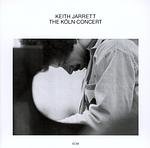
The Köln Concert is a 1975 live solo piano recording by Keith Jarrett consisting of extended, spontaneously improvised performances presented in multi-part sequences. The music blends lyrical melody, repeated rhythmic motifs and open harmonies drawn from jazz, blues and gospel idioms while remaining firmly within free improvisation and contemporary jazz contexts. Jarrett’s expressive touch, on-the-spot development of themes and responsiveness to the instrument and room create a meditative yet propulsive sound; the concert is widely regarded as a key document of solo piano improvisation in modern jazz.
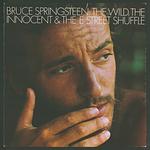
The Wild, the Innocent & the E Street Shuffle is Bruce Springsteen's second album, built around evocative, character-driven songwriting and loose, band-centered arrangements. Musically it blends folk rock and rock with noticeable jazz rock touches, featuring extended saxophone, organ, and piano passages that give several tracks a cinematic, improvisatory feel. The record played an important role in shaping Springsteen's narrative approach and the E Street Band's ensemble sound, with songs that unfold as urban vignettes and long-form arrangements rather than concise pop singles.
#359 — In the Wee Small Hours by Frank Sinatra
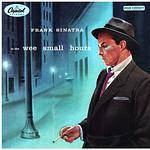
In the Wee Small Hours (1955) is a late-night, introspective album by Frank Sinatra featuring subdued, orchestral arrangements by Nelson Riddle supporting slow, melancholic ballads. The songs center on themes of loneliness and lost love, with Sinatra using intimate, nuanced phrasing and restrained dynamics to create a cohesive, moody atmosphere. The record is often regarded as an early example of a concept album for its unified emotional focus.
#360 — Genius + Soul = Jazz by Ray Charles
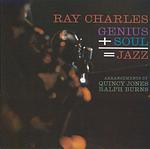
Genius + Soul = Jazz is a 1961 album in which Ray Charles applies his R&B and blues sensibility to a jazz-oriented, horn-driven setting. Centered on piano-led arrangements, the record blends jazz improvisation with soul and blues grooves, featuring punchy horn charts, blues-inflected solos, and a strong rhythmic drive that showcases Charles as both pianist and bandleader. It is memorable for the way it bridges jazz complexity and soulful feel, illustrating his versatility across related black music traditions of the period.
#361 — Led Zeppelin III by Led Zeppelin
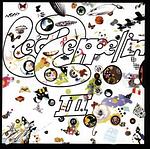
Led Zeppelin III, released in 1970, finds the band moving beyond the hard blues rock of their early records by integrating acoustic instrumentation and folk textures alongside heavier electric songs. The album juxtaposes powerful, riff-driven tracks such as the opening 'Immigrant Song' with pastoral, acoustic pieces and tender balladry, revealing a greater emphasis on dynamics, arrangement and melodic nuance. It is notable for its contrast between raw rock energy and more intimate, folk-influenced songwriting, expanding the group’s sonic range within a single record.
#362 — At Fillmore East by The Allman Brothers Band
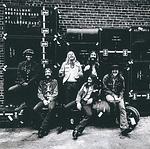
At Fillmore East is a 1971 live album by The Allman Brothers Band recorded at the Fillmore East. It captures the group's blend of blues, rock, and Southern rock through extended, improvisation-driven performances, featuring interplay between dual lead guitars and Gregg Allman’s vocals and Hammond organ over a tight, groove-oriented rhythm section. The record emphasizes live dynamics and long instrumental passages that highlight the band’s roots in blues and rock and is widely regarded as a key live document in their catalogue.
#363 — Generation Terrorists by Manic Street Preachers
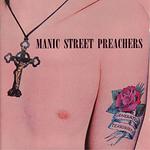
Generation Terrorists is the debut studio album by Manic Street Preachers, released in 1992. It blends alternative rock with glam and hard rock influences, pairing big, anthemic guitar riffs and melodic hooks with punk-derived energy and confrontational, politically charged lyrics. The production leans toward a theatrical, bombastic sound with occasional orchestral touches, and the songs often tackle themes of fame, consumerism and leftist politics.
#364 — Let's Get It On by Marvin Gaye
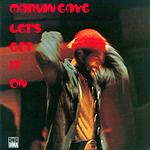
Let’s Get It On, released in 1973, is Marvin Gaye’s soulful, sensual album that emphasizes romantic and erotic themes through warm, intimate vocals and rich arrangements. Gaye produced and co-wrote much of the material, using layered harmonies, a breathy falsetto, and a blend of funk, pop soul, blues and gospel-inflected phrasing to create a smooth, seductive atmosphere. The album represents a shift toward more personal, adult subject matter within the Motown framework and helped shape the sound of later R&B and soul recordings.
#365 — The Dreaming by Kate Bush
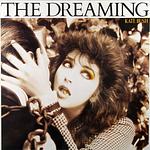
The Dreaming is a 1982 album by Kate Bush that sees her moving into a denser, more experimental blend of art rock and art pop while retaining pop and rock elements. Bush took on production duties and used extensive studio experimentation and sampling to build complex rhythms, layered textures, and theatrical, highly expressive vocals. The songs shift between jagged, percussive arrangements and more atmospheric, melodic moments, with vivid, often uncanny storytelling and lyrical detail that broadened her sonic palette and marked a deliberate move away from straightforward pop conventions.
#366 — Boys for Pele by Tori Amos
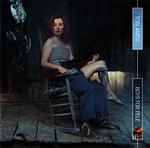
Boys for Pele is Tori Amos' third studio album, released in 1996. The record keeps her piano-driven songwriting at the center while expanding into denser, more percussive and experimental arrangements, with prominent harpsichord, organ, and layered vocals. Lyrically it moves into intimate and confrontational territory, exploring relationships, identity, and spirituality, and it represented a deliberate artistic shift toward darker, more challenging sounds.
#367 — Savage by Eurythmics
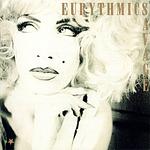
Savage, released in 1987 by Eurythmics, is a darker, theatrical synth-pop record that blends electronic production with pop, dance-rock and rock textures. Annie Lennox adopts a range of vocal personae while Dave Stewart's arrangements use layered synthesizers, samples and gritty guitar accents to create a tense, cinematic sound. Lyrically the album often explores identity, gender and media imagery, giving it a conceptually cohesive and stylistically adventurous tone compared with the duo's earlier mainstream pop work.
#368 — Swing Easy! by Frank Sinatra
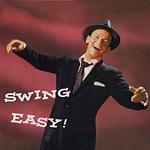
Swing Easy! (1954) finds Frank Sinatra in an up-tempo, swinging mode with arrangements by Nelson Riddle that foreground a small jazz ensemble and crisp brass accents. The album emphasizes rhythmic phrasing, buoyant, streamlined arrangements and Sinatra's relaxed, conversational vocal delivery, showcasing his approach to standards in a brisk swing context. It is an early example of the Sinatra and Riddle collaborations that helped define his 1950s sound.
#369 — John Barleycorn Must Die by Traffic
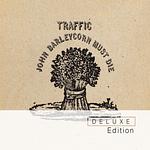
John Barleycorn Must Die (1970) finds Traffic blending folk rock and progressive approaches with blues and jazz colors. The title track is a long, pastoral reading of the traditional ballad built around acoustic guitar and flute, while instrumental pieces such as "Glad" highlight Steve Winwood's organ and piano work over loose, jazz-tinged rhythms. The album emphasizes rootsy, spacious arrangements and multi-instrumental textures, with Winwood's vocals and keyboards supported by Chris Wood's woodwinds and Jim Capaldi's percussion.
#370 — The Dream of the Blue Turtles by Sting
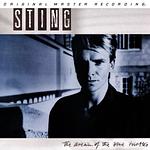
The Dream of the Blue Turtles, Sting's 1985 solo debut after leaving The Police, moves away from straight pop rock toward a jazz-tinged pop sound, featuring prominent contributions from jazz players Branford Marsalis, Kenny Kirkland, Omar Hakim, and Darryl Jones. The album blends pop rock, soft rock and new wave sensibilities with improvisational horn and keyboard arrangements, pairing polished production with literate and sometimes political lyrics on songs such as "Russians" and mood pieces like "Moon Over Bourbon Street". Its sound marked a clear stylistic shift for Sting, emphasizing ensemble playing and jazz-influenced rhythms within a mainstream pop framework.
#371 — Workingman's Dead by Grateful Dead
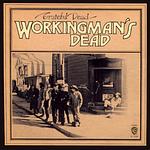
Workingman's Dead, released in 1970 by the Grateful Dead, marks a move away from extended psychedelia toward a more song-focused blend of folk, country, and rock. The album emphasizes acoustic instruments, vocal harmonies, and concise arrangements, with Jerry Garcia's guitar work and collaborations with lyricist Robert Hunter drawing on American roots traditions. Its earthy, back-to-basics sound helped establish a quieter, more narrative side of the band and influenced the development of country rock and Americana approaches in their catalog.
#372 — Bring It On by Gomez
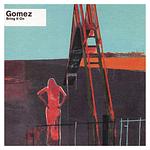
Bring It On is Gomez's debut album, blending alternative rock and blues rock with loose, rootsy rhythms and exploratory arrangements. The record mixes electric and acoustic textures, soulful vocals shared among band members, and a dynamic interplay of guitar, organ, and percussion that gives it an improvisational, jam-influenced feel. As an introduction to the band, it emphasizes eclectic songwriting and a raw yet measured production that balances traditional blues elements with late 1990s indie sensibilities.
#373 — Elton John by Elton John
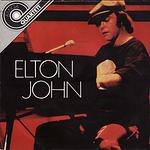
#374 — Swordfishtrombones by Tom Waits
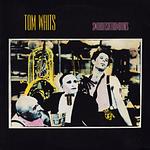
Swordfishtrombones (1983) is a Tom Waits album that marks a pronounced shift from his earlier piano-based, jazz and blues-tinged work toward a more experimental, percussive, and theatrical approach. The arrangements foreground unconventional percussion and found sounds alongside brass and woodwind textures, while Waits adopts a rougher, more expressive vocal style and surreal, character-driven storytelling. The record blends elements of blues, rock, and avant-garde experimentation and is regarded as a pivotal move into more adventurous, alternative rock and experimental territory for the artist.
#375 — Outlandos d'Amour by The Police
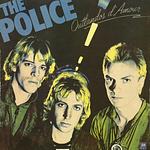
Outlandos d'Amour, the Police's 1978 debut, mixes rock and new wave with strong reggae and pop rock influences, pairing Sting's melodic, sometimes reggae-inflected vocals with Andy Summers' chiming, effects-tinged guitar and Stewart Copeland's energetic, syncopated drumming. The album includes early singles such as "Roxanne", "Can't Stand Losing You", and "So Lonely", and helped establish the band's lean, rhythmic sound that blended punk-era energy with pop songwriting.
#376 — Anthem of the Sun by Grateful Dead
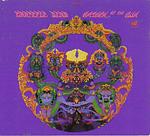
Anthem of the Sun, released in 1968 by the Grateful Dead, is an experimental psychedelic rock album that blends studio performances with live recordings to create layered, collage-like soundscapes. It features extended, improvisational pieces that mix rock, jazz, and avant-garde elements, with tape editing and multitrack overlays contributing to its swirling textures. The multipart suite "That's It for the Other One" exemplifies the band's focus on exploratory ensemble interplay, and the album's production emphasizes atmosphere and sonic experimentation as much as conventional song structure. Anthem of the Sun is significant for its adventurous production approach and its role in broadening studio possibilities within late 1960s psychedelic music.
#377 — Here Come the Warm Jets by Brian Eno
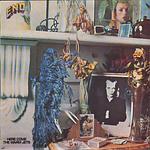
Here Come the Warm Jets is Brian Eno's 1973 debut solo album that blends art rock and glam sensibilities with experimental studio techniques. Short, song-based tracks combine pop structures and avant-garde approaches, using tape manipulation, unconventional arrangements, and a wry sense of humor, while contributions from various British rock musicians give the record a loose, patchwork feel. The album marks a transitional moment in Eno's work, showcasing his interest in production as a compositional tool and foreshadowing his later ambient explorations.
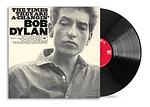
#378 — The Times They Are A-Changin' by Bob Dylan
#379 — On How Life Is by Macy Gray
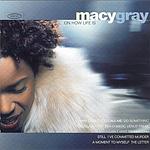
On How Life Is is Macy Gray's 1999 debut, introducing her distinctive raspy voice across a blend of contemporary R&B, neo-soul, hip hop and pop soul. The record balances soulful ballads and groove-driven numbers with warm, often sparse instrumentation, smoky piano, and hip hop-tinged rhythms, and features the breakout single "I Try". The album established Gray's idiosyncratic vocal delivery and offbeat songwriting within the late 1990s urban pop and soul landscape.
#380 — Sweet Dreams (Are Made of This) by Eurythmics
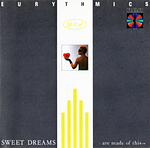
Sweet Dreams (Are Made of This) is a 1983 Eurythmics album that fuses synth-pop, new wave and electronic production into stark, synth-driven pop songs. It pairs Annie Lennox's expressive, androgynous vocals with Dave Stewart's layered synthesizer textures, sequenced basslines and drum machine grooves, producing a cool, moody New Romantic atmosphere. Tracks such as the title song and Love Is a Stranger showcase the album's minimalist arrangements and melodic immediacy, which helped establish the duo's early sound.
#381 — Psychocandy by The Jesus and Mary Chain
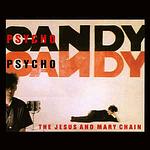
Psychocandy, the 1985 debut by The Jesus and Mary Chain, pairs 1960s pop melodies with heavy feedback, distortion, and reverb to create an early noise pop sound that helped shape later shoegaze and alternative rock. The songs often juxtapose simple, catchy hooks and a detached vocal style with dense, abrasive guitar textures and spare rhythmic backing, emphasizing atmosphere and texture over polish. Its raw production and striking contrasts between sweetness and noise made the record a distinctive influence within indie and alternative scenes.
#382 — Rock n Roll Animal by Lou Reed
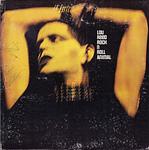
Rock n Roll Animal is a 1974 live album by Lou Reed that presents amplified, hard rock reinterpretations of Velvet Underground songs and Reed solo material. The record is notable for its twin electric guitar work by Steve Hunter and Dick Wagner, high energy extended solos, and a louder, glam influenced hard rock approach that contrasts with the more stripped down arrangements of the originals. The performances emphasize guitars and dramatic arrangements, marking a distinctive moment in Reed's post Velvet Underground career.
#383 — Burnin' by The Wailers
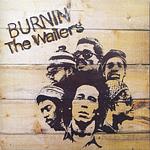
Burnin' (1973) by The Wailers is a roots reggae album that blends militant social commentary with soulful, hook-driven grooves. It features lead vocals by Bob Marley with prominent harmonies from Peter Tosh and Bunny Wailer, underpinned by deep bass, syncopated rhythm guitar, and steady one-drop drumming. Tracks such as "Get Up, Stand Up" and "I Shot the Sheriff" exemplify the album's mix of political and personal themes and concise songcraft, and the record presents the group's core sound as it moved toward wider recognition while retaining a raw roots character.
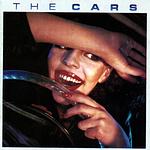
The Cars is the band's 1978 debut that blends rock and power pop with new wave sensibilities, pairing hook-driven guitar riffs with bright synthesizer textures and concise, melodic songcraft. Ric Ocasek's idiosyncratic songwriting and detached vocal delivery, often balanced by Benjamin Orr's more melodic leads, sits atop tight, layered production by Roy Thomas Baker that emphasizes punchy rhythms and polished arrangements. The record helped define a sleek, modern pop-rock sound that bridged late 1970s rock and emerging new wave styles.
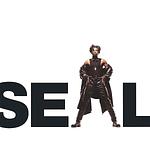
Seal is the 1991 debut album by British singer Seal, produced by Trevor Horn. It blends electronic and downtempo production with pop, R&B and soul influences, pairing atmospheric synths and programmed rhythms with Seal's rich, emotive baritone. The record mixes moody, cinematic arrangements and intimate vocal performances, introducing the hybrid sound and songwriting voice he would continue to develop in later work.
#386 — Bandwagonesque by Teenage Fanclub
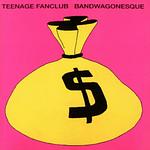
Bandwagonesque, released in 1991 by Teenage Fanclub, refines their blend of indie rock, jangle pop and power pop into a warm, melody-driven album. The record foregrounds chiming guitars, layered three-part harmonies and concise, hook-forward songwriting that draws on classic pop influences while keeping an alternative rock edge. Its guitar-centric sound and emphasis on tuneful arrangements helped define the band’s identity in the early 1990s indie scene.
#387 — Aftermath by The Rolling Stones
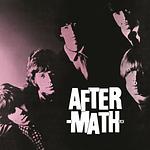
Aftermath (1966) marks the Rolling Stones' move from blues covers toward a fuller focus on original songwriting, notable as their first album comprised entirely of Jagger/Richards compositions. Musically it blends rock and blues roots with touches of folk, baroque and world-music colors, and it uses expanded instrumentation such as sitar and marimba to create distinctive textures. The record alternates riff-driven rock with quieter, more reflective moments and lyrics that probe domestic tensions and darker moods typical of the band's mid-1960s work.
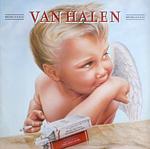
1984 is a Van Halen album that blends the band's hard rock and heavy guitar work with a stronger emphasis on synthesizers and pop-oriented hooks, pushing toward an arena rock and AOR sound. Eddie Van Halen's guitar virtuosity, including his tapping technique, remains a central element, while keyboard-driven tracks like "Jump" contrast with guitar-heavy songs such as "Panama" and "Hot for Teacher" to create a balance of aggressive riffs and melodic choruses. The production is polished and focused on tight, high-energy arrangements, and the record is the last studio album to feature David Lee Roth before his departure from the band.
#389 — Once Upon a Time by Simple Minds
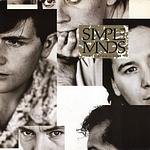
Once Upon a Time (1985) finds Simple Minds moving into anthemic, stadium-oriented rock that blends electronic and new wave textures with synth-pop hooks. The album features sweeping keyboards, layered guitars, driving rhythms, and Jim Kerr's expressive vocals, favoring big, polished arrangements and singalong choruses. Songs such as "Alive and Kicking" and "Sanctify Yourself" exemplify the record's glossy production and pop-rock immediacy, reflecting the band's mid 1980s emphasis on expansive, radio-friendly songwriting.
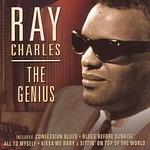
#390 — The Genius by Ray Charles
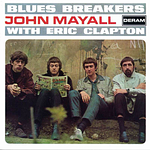
Blues Breakers With Eric Clapton (1966) by John Mayall & the Bluesbreakers is a defining British blues album that blends electric interpretations of American blues material with Mayall originals and band arrangements. The record highlights Eric Clapton's forceful, sustained guitar work and a raw, overdriven tone alongside Mayall's vocals, piano and harmonica, anchored by tight rhythm playing. Its sound captures the mid 1960s UK blues revival and helped articulate a bridge between traditional blues and the emerging blues rock style.
#392 — My Favorite Things by John Coltrane
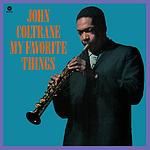
My Favorite Things is John Coltrane's landmark recording that reimagines the Rodgers and Hammerstein song as an extended modal exploration, highlighted by Coltrane's soprano sax work alongside McCoy Tyner's modal harmonies and Elvin Jones's propulsive drumming. The album is built around long, trance-like improvisations over ostinato vamps and modal frameworks, and marked a clear turn in Coltrane's music toward more expansive, experimental approaches.
#393 — Tumbleweed Connection by Elton John
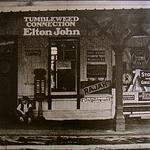
Tumbleweed Connection (1970) finds Elton John and lyricist Bernie Taupin working in a rootsy, Americana-influenced vein, blending country rock, soft rock and pop with piano-centered arrangements. The album emphasizes acoustic textures, narrative lyrics that evoke rural and frontier imagery, and a cohesive, laid-back mood that contrasts with more pop-oriented material. It exemplifies John's early interest in thematic, song-cycle approaches and highlights his melodic piano playing alongside country-tinged instrumentation.
#394 — Stop Making Sense by Talking Heads
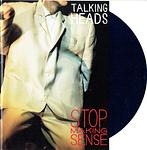
Stop Making Sense is a 1984 live album and concert film soundtrack by Talking Heads that captures the band’s kinetic stage performance and reworked arrangements of their material. Musically it foregrounds tight, interlocking rhythms, layered percussion and synth textures that blend new wave, rock, funk and electronic pop, while David Byrne’s distinctive vocals and theatrical delivery drive the dynamic, dance-oriented interpretations of familiar songs. The recording is noted for its clear live arrangements and energetic momentum that highlight the band’s rhythmic and textural strengths.
#395 — Wrecking Ball by Emmylou Harris
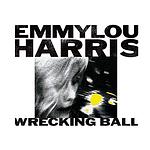
Wrecking Ball, produced by Daniel Lanois and released in 1995, marks a stylistic shift for Emmylou Harris toward an atmospheric, rock-inflected folk and alt-country sound. The album pairs her clear, emotive vocals with ambient production, reverb-soaked guitars and sparse, moody arrangements, and includes reinterpretations of existing songs alongside contemporary material. It is notable within her discography for bringing experimental textures and a darker, more textural sonic palette to her roots-oriented songwriting.
#396 — Talking Heads: 77 by Talking Heads
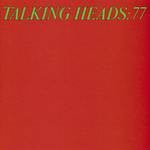
Talking Heads: 77 is the band's 1977 debut album that captures their early mix of art-school sensibility and punk energy. The record features angular, staccato guitar work, tight rhythmic interplay from the rhythm section, and David Byrne's literate, slightly nervous vocal delivery, blending spare rock arrangements with catchy, quirky melodies. With tracks such as "Psycho Killer," the album stands as an early example of New Wave and art punk and helped establish the distinctive sound the group developed on later records.
#397 — Doggystyle by Snoop Dogg
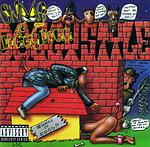
Released in 1993, Doggystyle is Snoop Dogg's debut solo album that epitomizes the West Coast G-funk sound of the early 1990s. Largely produced by Dr. Dre and collaborators, the record pairs slow, funk-derived grooves, melodic synth leads, and heavy bass with layered vocal hooks, creating a relaxed instrumental backdrop for Snoop's languid drawl and street-centered storytelling that balances party tracks with darker narratives. The album's production style and Snoop's persona helped shape the sonic identity of West Coast gangsta rap during that era.
#398 — Reggatta de Blanc by The Police
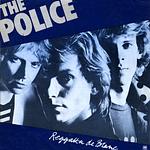
Reggatta de Blanc, released in 1979, is The Police's second studio album and consolidates their fusion of rock, reggae and new wave into concise, hook-driven songs. The record features bright, chiming guitar textures from Andy Summers, melodic bass and vocals from Sting, and propulsive, inventive drumming from Stewart Copeland, producing a tight, rhythmic sound that blends pop sensibility with offbeat reggae rhythms. It includes memorable tracks such as "Message in a Bottle" and "Walking on the Moon" and helped define the band’s signature approach to sparse arrangements and rhythmic complexity.
#399 — Miles Smiles by Miles Davis Quintet
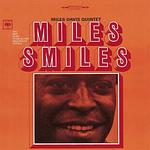
Miles Smiles, recorded in 1966 with Miles Davis's second quintet featuring Wayne Shorter, Herbie Hancock, Ron Carter, and Tony Williams, moves beyond hard bop into post-bop territory with an emphasis on open, elastic rhythms and collective interplay. The album balances composed themes and loose, conversational improvisation, presenting pieces such as Wayne Shorter’s "Footprints" and an exploratory reading of Eddie Harris’s "Freedom Jazz Dance," and is notable for its focus on texture, rhythmic flexibility, and advanced harmonic framing rather than strict head-solo-head structures.
#400 — Fly Like an Eagle by Steve Miller Band
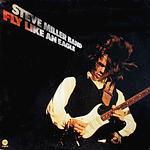
Fly Like an Eagle (1976) finds the Steve Miller Band blending blues rock roots with concise pop rock songwriting and polished studio production. The title track pairs a spacey synthesizer motif and laid-back groove with contemplative lyrics, while songs like Rock'n Me spotlight short, hook-driven guitar rock; overall the album emphasizes smooth vocals, clean arrangements, and radio-friendly textures. It is notable for bringing together psychedelic and blues influences into a streamlined, accessible sound that defined the band's mid 1970s output.