The Greatest Music
The 50 Best Shoegaze Albums of All Time
Weight: 52%
How much this list influences our overall rankings. Higher weight means more reliable data.
Penalties Applied:
Pitchfork’s ranked feature “The 50 Best Shoegaze Albums of All Time” (October 24, 2016) is an editorial, staff-curated survey of the genre’s defining records—from the post-Psychocandy bloom through ’90s peaks and later revivals—framed by a historical foreword from Pete Kember (Sonic Boom of Spacemen 3). It’s not a public poll; rather, the list compiles 50 albums with individual blurbs, tracing shoegaze’s guitar-texture ethos across the UK core and global outliers (U.S., Japan, Europe). Pitchfork credits 16 contributors on the page, which is a solid proxy for the number of staff who “voted/curated” the selections.
#1 — Loveless by My Bloody Valentine
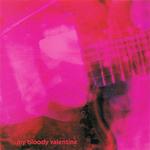
Loveless (1991) by My Bloody Valentine is a defining shoegaze album built from densely layered, heavily processed guitars, submerged vocals, and a washed, immersive sonic texture. Kevin Shields's use of a distinctive glide guitar technique, tremolo, pitch bending, and thick reverb produces a dreamy but noisy pop sound that influenced many subsequent dream pop and alternative rock acts.
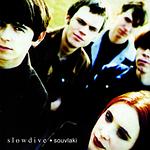
Souvlaki is Slowdive's 1993 album that blends shoegaze and dream pop with ambient and psychedelic touches, built around layered, reverb-soaked guitars, hushed, ethereal vocals, and an emphasis on texture and mood rather than conventional pop immediacy. Its songs move between dense, shimmering walls of sound and quieter, introspective passages, incorporating subtle electronic and atmospheric elements alongside melodic songwriting. The record is frequently regarded within the shoegaze and dream pop canon for its immersive production and melancholic, contemplative tone.
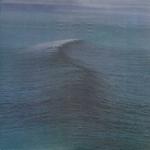
Nowhere, Ride's 1990 debut album, is a key record in the shoegaze movement that blends dense, reverb-soaked guitars and layered effects with bright melodic hooks and restrained vocals. The album pairs walls of distorted, shimmering guitar with concise song structures to create immersive, atmospheric tracks such as "Vapour Trail". Its mix of fuzzed textures, chiming arpeggios and distant-sounding vocals exemplifies the early 1990s British shoegaze aesthetic and helped define the band's sound.
#4 — Isn't Anything by My Bloody Valentine
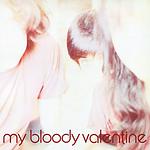
Isn’t Anything, My Bloody Valentine’s 1988 album, is an early landmark of shoegaze that blends noise pop and indie rock textures. The record emphasizes densely layered, tremolo-heavy guitars, fuzzy distortion and restrained, often buried vocals, creating a wash of sound where melody and feedback coexist. Its mix of shimmering atmospherics and abrasive noise points toward the band’s later work while helping define the shoegaze aesthetic.
#5 — Going Blank Again by Ride
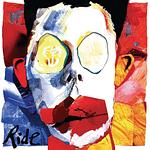
Going Blank Again, Ride's 1992 second album, expands the band's shoegaze foundation with clearer production, stronger emphasis on songcraft and melody, and a broader palette that includes dream pop and neo-psychedelic touches. Dense, chiming guitars and generous reverb create a shimmering wall of sound around twin vocal harmonies, while the arrangements move between layered, driving rockers and quieter, more introspective passages. The record is notable for balancing immersive guitar textures with more conventional melodic structures, representing a more expansive and polished phase of the band's early work.
#6 — A Storm in Heaven by The Verve
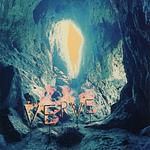
A Storm in Heaven is The Verve's 1993 debut album, built around shimmering, reverb-drenched guitars and an expansive, psychedelic atmosphere. The record blends shoegaze and dream pop textures with neo-psychedelia and space rock tendencies, featuring layered effects, extended instrumental passages and Richard Ashcroft's often distant, soaring vocals. Its focus on mood, texture and spacious arrangements established the band's early sound and experimental approach prior to their later, more song-oriented work.
#7 — Just for a Day by Slowdive
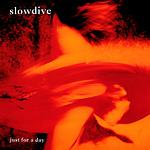
Just for a Day is Slowdive's 1991 debut album, rooted in shoegaze and dream pop. It emphasizes dense, reverb-soaked guitar textures, layered, breathy vocals, and slow, immersive arrangements that favor atmosphere and texture over conventional rock dynamics. The record illustrates the band's early approach to creating hazy, melodic soundscapes and is associated with the early 1990s shoegaze scene.
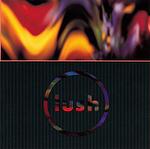
Gala is a 1990 compilation of early material by British band Lush that captures their formative blend of dream pop and shoegaze-inflected indie rock. The tracks emphasize chiming, effects-laden guitars, layered female vocal harmonies, and a balance of sweet melody with a darker, post-punk-tinged intensity. The release offers a succinct picture of the band’s early sound and its place in the late 1980s and early 1990s UK underground scene.
#9 — Chrome by Catherine Wheel
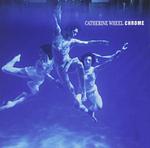
Chrome, Catherine Wheel's 1993 album, moves the band away from the dense shoegaze textures of their debut toward a more direct alternative rock sound, with chunkier guitars, taut rhythms, and more prominent vocals. The record balances atmospheric, effects-laden passages with sharper, riff-driven songs, marking a shift toward a harder-edged, more song-oriented approach in the band's catalogue.
#10 — Mezcal Head by Swervedriver
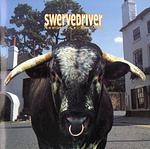
Mezcal Head, released in 1993, finds Swervedriver sharpening their blend of shoegaze atmosphere and guitar-driven alternative rock into a louder, more propulsive sound. Sweeping, distorted guitar textures sit alongside punchy rhythms and clear melodic hooks, with songs that move between dense walls of sound and riff-focused rock passages. The album balances fuzzed effects and reverb with driving bass and drums to create a widescreen, road-ready feel that mixes noise and tunefulness.
#11 — Blonder Tongue Audio Baton by Swirlies
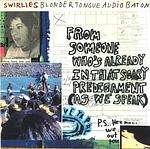
Blonder Tongue Audio Baton is Swirlies' debut-length record that blends shoegaze-style, layered guitar textures with indie pop songcraft and lo-fi experimental touches. The album pairs washed-out, reverb-tinged vocals and dense, chiming noise with tape loops, samples, and playful synth flourishes, creating a murky but melodic atmosphere. It is often cited as an example of an early American approach to shoegaze and indie rock that balances noisy ambience with hook-driven songs.
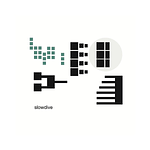
Pygmalion, Slowdive's third album released in 1995, marks a turn away from the denser shoegaze sound toward sparse, ambient and experimental territory. The record emphasizes minimal arrangements, treated and distant vocals used as texture, subdued guitars and electronic processing, with long, slow-moving instrumental passages that draw on ambient and post-rock approaches. Its focus on atmosphere and texture over conventional song structures makes it one of the band's most austere and exploratory works.
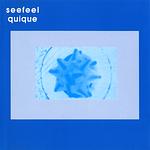
Quique, Seefeel's 1993 album, blends slow, reverb-soaked guitar textures and distant, often wordless vocals with subtle electronic beats and ambient production. The record focuses on atmosphere and repetition, treating guitars as layered textures rather than conventional rock riffs and pairing minimalist rhythmic elements with washed-out, dreamlike melodies. Its fusion of shoegaze-derived guitar treatments and restrained electronic programming is an early example of the intersection between ambient, experimental rock, and electronic music.
#14 — m b v by My Bloody Valentine
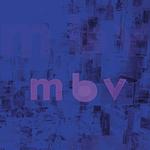
m b v, released in 2013 by My Bloody Valentine, continues the band's shoegaze and dream pop approach with dense, layered guitars, heavy use of pitch bending and tremolo techniques, and vocals buried in the mix. The album mixes long, immersive noise textures with moments of fragile melody and occasional electronic or glitch-like touches, yielding a rawer, more spontaneous production than some earlier work. It was the band's first studio album in 22 years and is characterized by its focus on texture and atmosphere.
#15 — Raise by Swervedriver
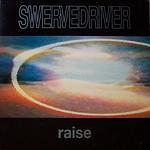
Raise is a 1991 album by Swervedriver that blends dense, effects-laden guitar textures with propulsive rock rhythms. The music combines distorted, interlocking guitar lines, reverb and feedback with clear melodic hooks, locating the band between shoegaze atmosphere and harder-edged alternative rock. The record is notable for its forward-driving energy and the way it fuses noisy, textural production with taut songcraft.
#16 — Yerself Is Steam by Mercury Rev
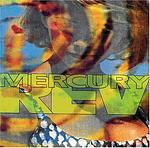
Yerself Is Steam (1991) is an early Mercury Rev album that blends neo-psychedelia, noise pop, and art punk into a volatile, richly textured sound. The record pairs layers of guitar feedback and unconventional instrumentation with plaintive, reedy vocals and moments of fragile orchestration, presenting an eccentric, experimental approach that helped define the band’s direction before their later, more polished art pop work.
#17 — Whirlpool by Chapterhouse
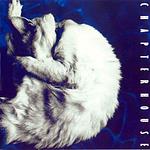
Whirlpool, Chapterhouse's 1991 debut, is a shoegaze album built around layered, reverb-drenched guitars and airy, melodic vocals that sit atop steady, propulsive rhythms. It mixes dense sonic washes with accessible songcraft and occasional electronic-leaning beats, creating a shimmering, immersive atmosphere that exemplifies early 1990s UK shoegaze while retaining a strong sense of melody.
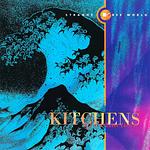
Strange Free World by Kitchens of Distinction blends chiming, reverb-heavy guitars and warm, melodic bass with Patrick Fitzgerald's intimate, often hushed vocals to create a mood that sits between indie rock, dream pop, and shoegaze. The album emphasizes lush guitar textures and shimmering atmospherics while keeping a strong sense of melody and reflective, personal lyrics. Overall it presents a dense but tuneful sound that showcases the band's focus on texture and mood as much as songcraft.
#19 — Pubic Fruit by Curve
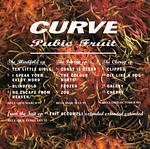
Pubic Fruit is a 1992 collection of Curve's early material that highlights the band's fusion of shoegaze guitar textures and electronic rhythms. Toni Halliday's breathy, detached vocals sit atop Dean Garcia's dense production, which layers distorted guitars, programmed beats, and sampled textures to create a dark, propulsive alternative rock sound with danceable momentum. The album is notable for its synthesis of shoegaze atmosphere and electronic intensity that defined Curve's early identity.
Jesu (2004) is the debut full-length by Justin Broadrick's project Jesu, blending slow, heavy guitar drones with shoegaze textures, ambient atmospheres and restrained electronic beats. The music pairs layered, processed guitars and low-end rumble with soft, melancholic vocals and moments of melodic clarity, producing a dense yet spacious sound that bridges drone metal, shoegaze and post-rock. The album marked a move away from Broadrick's earlier industrial metal work toward more melodic and atmospheric arrangements and helped establish Jesu's signature fusion of heaviness and ambience.
#21 — The Comforts of Madness by Pale Saints
The Comforts of Madness, Pale Saints' 1990 debut, is an early shoegaze and dream pop record that blends dense, reverb-heavy guitars and layered effects with subdued, melodic vocals. The band balances noisy, psychedelic guitar textures and punchy rhythms with quieter, atmospheric passages, producing a luminous yet turbulent soundscape. The interplay of male and female vocal parts and the emphasis on texture and melody make the album a distinctive example of the melodic side of the shoegaze movement.
#22 — Dead Cities, Red Seas & Lost Ghosts by M83
Dead Cities, Red Seas & Lost Ghosts is M83's 2003 album that expands the project's blend of electronic and shoegaze textures, pairing layered synths and reverb-drenched guitars with hushed, often submerged vocals to create cinematic dream pop soundscapes. The album shifts between instrumental passages and song-based tracks, favoring expansive arrangements, nostalgic melodies, and leftfield electronic touches that emphasize atmosphere over conventional pop structure. It serves as an early statement of M83's ambient pop aesthetic and helped shape the project's signature combination of texture and melody.
#23 — Ferment by Catherine Wheel
Ferment, Catherine Wheel's 1992 debut album, combines shoegaze's dense, reverb soaked guitar textures with more direct alternative rock dynamics. The record features layered, feedback-laden guitar walls, emotive vocals by Rob Dickinson, and songs that shift between languid atmosphere and propulsive drive, exemplified by the single "Black Metallic". Its sound placed the band at the intersection of dreamy shoegaze and harder-edged guitar rock in the early 1990s.
#24 — In the Presence of Nothing by Lilys
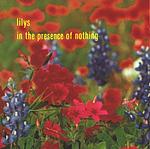
In the Presence of Nothing, the 1992 debut by Lilys, presents a dense, guitar-driven take on shoegaze and indie rock, with waves of reverb and distortion, buried vocals, and an emphasis on texture over polish. The record leans on late 1980s British shoegaze sounds and is often compared to contemporaries like My Bloody Valentine, while also showcasing Kurt Heasley’s knack for concise melodies amid noisy production. It established the band’s early aesthetic and remains a clear example of American indie approaches to shoegaze.
#25 — Giant Steps by The Boo Radleys
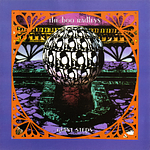
Giant Steps, released by The Boo Radleys in 1993, blends indie rock and psychedelic textures with rock energy and electronic touches. The album pairs chiming, layered guitars and dense production with bright pop songwriting, occasional string arrangements and synth atmospheres, shifting between noisy, shoegaze-inspired passages and cleaner, hook-driven tracks. It is widely seen as the band’s major artistic leap that expanded the sonic palette of early 1990s British indie by combining experimental production with accessible melodies.
#26 — Further by Flying Saucer Attack
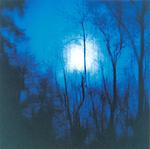
Further (1995) finds Flying Saucer Attack expanding their lo-fi, reverb-soaked aesthetic into longer, more immersive pieces that blur space rock, ambient and experimental post-rock textures. The album juxtaposes hushed, folk-tinted vocals and simple melodic fragments with layers of guitar hiss, tape saturation, drones and echo, producing a hazy, immersive atmosphere where quiet songs and noise-based instrumentals coexist. Its notable characteristic is the textural production that treats feedback and tape artifacts as compositional material, giving the record a distinctive, meditative sense of depth.
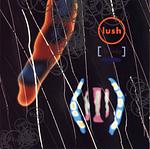
Spooky, Lush's 1992 debut album, presents the band’s take on shoegaze and alternative rock with dense, layered guitars, heavy reverb, and airy, harmonized vocals. The record balances shimmering melodies and guitar-driven noise, emphasizing texture and atmosphere while maintaining concise song structures, and its production accentuates a soft-focused, immersive sound associated with early 1990s British dream pop and shoegaze.
#28 — Amanita by Bardo Pond
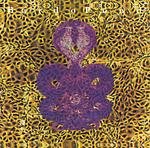
Amanita, released in 1996 by Bardo Pond, presents the band’s signature blend of dense, fuzz-laden psychedelia, droning guitars and reverb-swathed textures anchored by Isobel Sollenberger’s airy vocals and occasional flute. The album emphasizes atmosphere and long-form sonic exploration, moving between heavy, feedback-rich passages and more delicate, dreamlike moments, drawing on elements of psychedelic rock, shoegaze and post-rock. Amanita is widely regarded within underground psychedelic circles as a central statement of Bardo Pond’s electric, immersive approach to experimental rock.
#29 — Shot Forth Self Living by Medicine
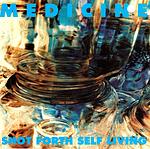
Shot Forth Self Living is Medicine's 1992 debut that applies dense, reverb-soaked guitar textures and layers of distortion to concise pop songwriting, sitting at the intersection of shoegaze and noise pop. Vocals are often buried in the mix and framed by swirling feedback and rhythmic clarity, giving the record a raw, abrasive sheen that reads as an American take on the early 90s shoegaze aesthetic.
#30 — 23 by Blonde Redhead
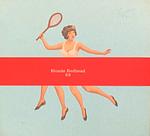
23, released in 2007, finds Blonde Redhead blending indie rock with dream pop, shoegaze and restrained electronic textures. The record is built around intimate, often hushed vocals, layered guitars and synth atmospheres, with occasional string arrangements that give several tracks a cinematic, melancholic feel. Songs emphasize mood and texture over straightforward rock dynamics, marking a move toward more polished, melodic and expansive arrangements in the band’s catalogue.
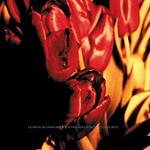
A Strangely Isolated Place, released in 2003 by Ulrich Schnauss, is an electronic album that blends ambient, leftfield and downtempo styles into lush, shoegaze-influenced soundscapes. Schnauss layers reverb-drenched synth pads, shimmering arpeggios and subtle, restrained beats to produce a cinematic, melancholic atmosphere that emphasizes texture and melody over dancefloor rhythms. The record is notable for merging ambient atmospherics with melodic electronic production, and for helping define a mood-driven approach within early 2000s indietronica and ambient electronica.
#32 — Souvenirs d'un autre monde by Alcest
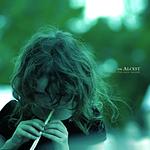
Souvenirs d'un autre monde (2007) is Alcest's first full-length that blends blackgaze, post-metal, and shoegaze into a largely ethereal and melodic sound. The album emphasizes reverb-soaked, layered guitars and airy, predominantly clean vocals, while retaining traces of black metal in tremolo-picked passages and distant harsh tones. Song structures favor atmosphere and melody over outright aggression, producing a dreamlike, immersive aesthetic that helped define Alcest's signature approach.
#33 — Methodrone by The Brian Jonestown Massacre
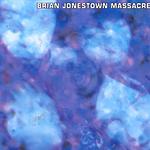
Methodrone is an early Brian Jonestown Massacre album that blends 1960s-inspired psychedelic rock with shoegaze and indie rock textures. It emphasizes reverb-drenched, droning guitars, hazy, lo-fi production and languid tempos paired with Anton Newcombe's detached vocals, producing a dreamy, narcotic atmosphere that helped shape the band's neo-psychedelic sound.
#34 — In Ribbons by Pale Saints
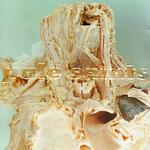
In Ribbons, released in 1992 by Pale Saints, expands their shoegaze-influenced sound into more song-oriented territory, combining dense, reverb-drenched guitars and layered vocals with moments of clearer melody and quieter, atmospheric arrangements. The album blends noisy, textural production with melodic hooks and a melancholic tone, emphasizing shifting dynamics and rich sonic detail typical of early 1990s British alternative rock.
#35 — Ashes Grammar by A Sunny Day in Glasgow
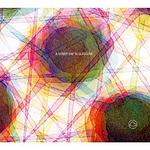
Ashes Grammar (2009) by A Sunny Day in Glasgow is a leftfield take on shoegaze and dream pop that emphasizes dense, reverb-heavy guitar clouds, hushed layered vocals and shimmering synth textures. The album leans toward experimental, collage-like arrangements with occasional orchestral or textural instrumentation, favoring atmosphere and sonic detail over straightforward song structures. It represents a move toward more adventurous production and abstract sonics within the band's catalog.
#36 — Bowery Electric by Bowery Electric
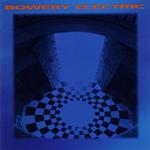
Bowery Electric's 1995 self-titled album pairs reverb-soaked, layered guitars and hushed female vocals with low-end dub grooves and restrained electronic beats. The sound emphasizes mood and texture over conventional songcraft, melding shoegaze atmospherics, ambient production, and subtle post-rock dynamics to create a slow, immersive listening experience that sits at the intersection of dream pop, dub, and electronic music.
#37 — Citrus by Asobi Seksu
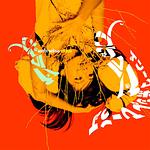
Citrus, released in 2006 by Asobi Seksu, is a shoegaze-leaning indie rock album that blends reverb-drenched guitars, shimmering synth textures, and layered, breathy vocals to create dense but melodic songs. The arrangements trade between noisy, distorted walls of sound and quieter, intimate passages, emphasizing atmosphere and pop-influenced hooks. The record is a clear statement of the band's approach to modern dream pop and shoegaze aesthetics in the mid-2000s.
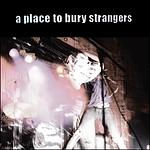
A Place to Bury Strangers is the 2007 self-titled debut from the New York band, built around cavernous reverb, dense distortion and feedback, and tight, propulsive rhythms that mix shoegaze, noise rock and post-punk influences. Vocals are often submerged in the mix while bursts of synth and heavily effected guitar create a relentless, immersive atmosphere; the production preserves a raw, live feel that emphasizes texture and intensity over polish. The record serves as a clear example of a modern shoegaze and experimental rock approach that foregrounds noise and dynamics.
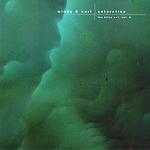
Bliss Out, Volume 2: Antarctica by Windy & Carl is a 1997 set of slow, immersive pieces built from heavily processed electric guitar and subtle electronic textures. The music emphasizes sustained tones, deep reverb, and gradual shifts in timbre rather than conventional rhythms or song structures, creating a spacious, glacial atmosphere that sits between ambient drone, experimental electronic work, and post-rock approaches. Its focus on texture and space exemplifies the duo's method of melding rock instrumentation with ambient processing.
#40 — Doppelgänger by Curve
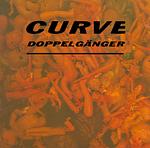
Doppelgänger is Curve's 1992 debut album, combining shoegaze-style walls of guitar with electronic programming and downtempo beats. Toni Halliday's breathy, often-processed vocals sit atop layered, reverb-heavy guitars, punchy drum machines and dense, atmospheric production from Dean Garcia and collaborators, creating a dark, cinematic alternative rock sound that fused electronic textures with shoegaze and industrial-tinged elements.
#41 — Starflyer 59 by Starflyer 59

Starflyer 59's 1995 self-titled album channels shoegaze and space rock into dense, reverb-drenched guitar textures and heavy, shimmering distortion, with restrained, melancholic vocals and direct pop songcraft beneath the noise. The production favors atmosphere and layered guitar washes over polish, producing a hazy, immersive sound that helped define the band's early aesthetic within the indie rock and shoegaze-influenced underground.
#42 — Against Perfection by Adorable

Against Perfection is Adorable's 1993 album that blends indie rock songwriting with shoegaze-influenced guitar textures. It pairs chiming, layered guitars and moments of distortion with clear melodic hooks and introspective lyrics, moving between atmospheric, reverb-heavy passages and more direct, guitar-driven rock arrangements. The overall sound captures elements of early 1990s UK indie sensibilities while emphasizing tunefulness amid noisy production.
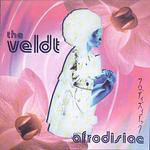
#43 — Afrodisiac by The Veldt
#44 — Future Perfect by Autolux
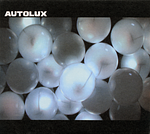
Future Perfect is Autolux's 2004 album that merges indie rock and alternative sensibilities with noise pop and psychedelic textures. The record pairs propulsive, precise rhythms with heavily effected, shimmering guitars and hazy, reverb-soaked vocals, creating dense, layered arrangements that shift between brittle grooves and ethereal ambience. Its sound emphasizes texture and atmosphere as much as melody, with songs often unfolding in unconventional structures and dynamic contrasts.
#45 — Delaware by Drop Nineteens
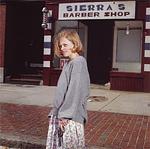
Delaware, the 1992 debut by Drop Nineteens, blends shoegaze guitar textures with indie rock directness. The album pairs layered, reverberant and delayed guitars with melodic, sometimes urgent vocal lines, creating contrasts between dense noise and clear hooks. It stands as an example of an American approach to early 1990s shoegaze, emphasizing jangly pop songwriting alongside atmospheric sonic blur.
#46 — Bloweyelashwish by lovesliescrushing
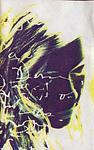
Bloweyelashwish (1993) by lovesliescrushing delivers a dense, immersive set of songs built from heavily processed guitars, layered ambient electronics, and breathy, often buried vocals. The album blends shoegaze's saturated textures with experimental and electronic production techniques, favoring washes of reverb, tape-looped motifs, and slow-moving rhythms over conventional song structures. Its sound emphasizes atmosphere and texture, creating a hazy, introspective listening experience noted within underground shoegaze and ambient circles for its distinctive melding of rock-derived guitar noise with ambient electronic detail.
#47 — Taste by The Telescopes
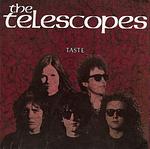
Taste, the 1989 debut by The Telescopes, pairs droning guitar feedback and heavy reverb with psychedelic and noise-influenced songcraft. Vocals are often buried in the mix, textures favor distortion, echo, and lo-fi production, and arrangements shift between slow, hypnotic drones and sharper bursts of melody. The record captures the band's early interest in the intersection of shoegaze, noise rock, and psychedelia and established the raw, experimental sound that would shape their subsequent work.
#48 — Tired of Tomorrow by Nothing
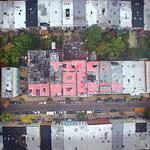
Tired of Tomorrow, released in 2016 by Nothing, builds on the band's shoegaze and alternative rock roots with denser, more polished production that balances reverb-soaked, distorted guitars with driving rhythms and clearer melodic hooks. Vocals are intimate and often melancholic, layered into walls of sound that move between crushing noise and moments of cleaner detail. The album emphasizes tightened songwriting and textural contrast while maintaining the immersive, heavy atmospheres associated with contemporary shoegaze.
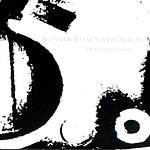
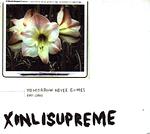
#50 — Tomorrow Never Comes by Xinlisupreme