 The Greatest Music
The Top 10 Albums of the 1980s
Weight: 29%
How much this list influences our overall rankings. Higher weight means more reliable data.
Penalties Applied:
In a Los Angeles Times critics’ poll published December 24, 1989, the paper’s regular pop-music reviewers voted on the best albums of the 1980s using a 10-to-1 points system (10 points for a first-place vote, 9 for second, etc.). The Clash’s London Calling was a runaway #1, and the voting was notably wide-ranging—84 different albums received at least one vote—though the final Top 10 skewed toward the earlier half of the decade.
#1 — London Calling by The Clash
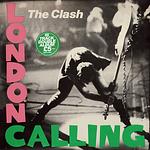
London Calling (1979) by The Clash is a double album that builds on the band’s punk roots while incorporating rockabilly, reggae, ska, new wave and straight rock. The record pairs punk’s urgency and raw guitar with melodic hooks, varied arrangements and occasional piano and horn touches, and features Joe Strummer’s often politically minded and observational lyrics. Its wide stylistic range and confrontational yet tuneful approach helped broaden the musical possibilities available to punk bands at the time.
#2 — Pretenders by Pretenders
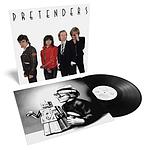
Pretenders is the 1979 debut album by Pretenders that blends new wave urgency with rock and pop sensibilities, pairing chiming, economical guitar work and a propulsive rhythm section with Chrissie Hynde's cool, emotionally direct vocals. The songs range from concise, hook-driven pop to taut post-punk rock, and the production keeps the band sound immediate and uncluttered. The record established the group's distinctive mix of melody and attitude and helped define a transitional sound between punk, post-punk, and mainstream rock.
#3 — Graceland by Paul Simon
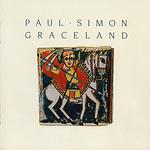
Graceland (1986) is a Paul Simon album that combines his singer-songwriter pop and folk sensibilities with South African musical styles, producing a worldbeat-influenced pop rock sound. Recorded with South African musicians and featuring vocal contributions from Ladysmith Black Mambazo, the record is marked by syncopated mbaqanga guitar lines, rich vocal harmonies, and a mix of acoustic songwriting and studio textures. Lyrically it blends personal storytelling with themes of travel, exile, and everyday observation, and its cross-cultural production is a notable example of Western popular music engaging directly with African musical traditions.
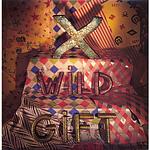
Wild Gift, released in 1981 by the Los Angeles band X, blends punk ferocity with classic rock and roll songcraft, pairing taut, driving guitars and rhythm with the distinctive interlocking vocals of John Doe and Exene Cervenka. The album balances short, urgent tracks with melodic hooks and occasional rockabilly inflections, presenting a direct, energetic sound that underlines the group's emphasis on songwriting as much as attitude.
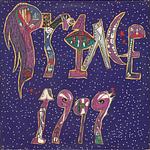
1999 is a synth-forward album that blends funk, pop, dance-pop, rock, and new wave into tightly arranged, danceable songs marked by punchy drum-machine grooves, layered synthesizers, rhythmic guitar work, and Prince's versatile vocals. The music pairs upbeat, club-ready production with darker lyrical themes about urgency and impending crisis, creating a tense party-at-the-end-of-the-world vibe. Its eclectic, genre-blurring approach helped expand Prince's sound and influenced the direction of early 1980s pop and dance music.
#6 — The River by Bruce Springsteen
The River is a double album by Bruce Springsteen that blends heartland rock with folk and roots influences, alternating raucous, sax- and guitar-driven anthems with quieter, narrative ballads. Lyrically it centers on working-class life, love, and the burdens of adulthood, and the expanded arrangements showcase a wider emotional and sonic range for Springsteen and the E Street Band, making the album a key, expansive statement in his catalog.
#7 — Los Angeles by X
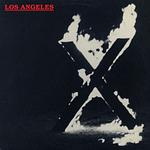
Los Angeles, released in 1980 by Los Angeles punk band X, is a concise, hard-edged punk rock album that blends rock and roll and rockabilly influences with literate, often darkly observational lyrics about urban life. The record features the interplay of Exene Cervenka and John Doe's distinctive dual vocals, Billy Zoom's rockabilly-tinged guitar and tight rhythm work from D. J. Bonebrake, and was produced by Ray Manzarek, which contributes to a raw but controlled sound that helped define the early Los Angeles punk scene.
#8 — Thriller by Michael Jackson
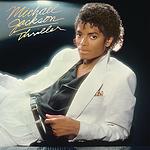
Thriller, released in 1982 and produced by Quincy Jones, is a pop and contemporary R&B album that blends dance-pop, disco, funk and rock elements. It is characterized by polished, cinematic production, tight rhythms, layered vocal harmonies and strong melodic hooks on tracks such as "Billie Jean", "Beat It" and "Thriller". Notable moments include Eddie Van Halen's guitar solo on "Beat It" and Vincent Price's spoken-word cameo on the title track. The record helped broaden Jackson's crossover appeal and played a significant role in shaping the era of high-concept music videos.
#9 — Tim by The Replacements
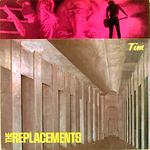
Tim, released in 1985 by The Replacements, is the band’s fourth studio album and a bridge between their punk roots and a more melodic alternative rock and power pop approach. The record pairs raw energy and jagged guitar work with tuneful, emotionally direct songwriting, highlighting Paul Westerberg’s blunt, literate lyrics and memorable hooks while retaining a rough, live feel. Its combination of urgency and melodic craft is a defining element in the band’s evolution and helped shape the sound of American alternative rock that followed.
#10 — Purple Rain by Prince, The Revolution
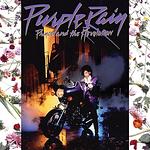
Purple Rain is a genre-blending album that mixes funk, pop, rock and contemporary R&B, combining driving dance tracks and intimate ballads with lush synthesizer textures and distinctive electric guitar work. Produced and largely written by Prince with his band The Revolution, the record balances concise pop hooks, extended guitar solos, and dramatic, cinematic arrangements that reflect its connection to the film of the same name. The album highlights Prince's range as a songwriter, producer, vocalist and guitarist, and it helped define his sound in the mid 1980s.
#11 — Sign "☮︎" the Times by Prince
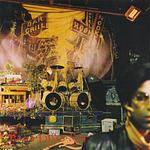
Sign o' the Times, released in 1987, is a sprawling double album by Prince that blends funk, contemporary R&B, pop rock, rock, and soul. The record moves between sparse electronic textures and drum machines and fuller guitar and horn arrangements, pairing intimate ballads with upbeat funk-pop tracks; it includes the title track "Sign o' the Times", "U Got the Look", "I Could Never Take the Place of Your Man", and "If I Was Your Girlfriend". Lyrically and sonically diverse, the album mixes personal themes about relationships with broader social commentary and represents a particularly experimental and wide-ranging phase in Prince's work.